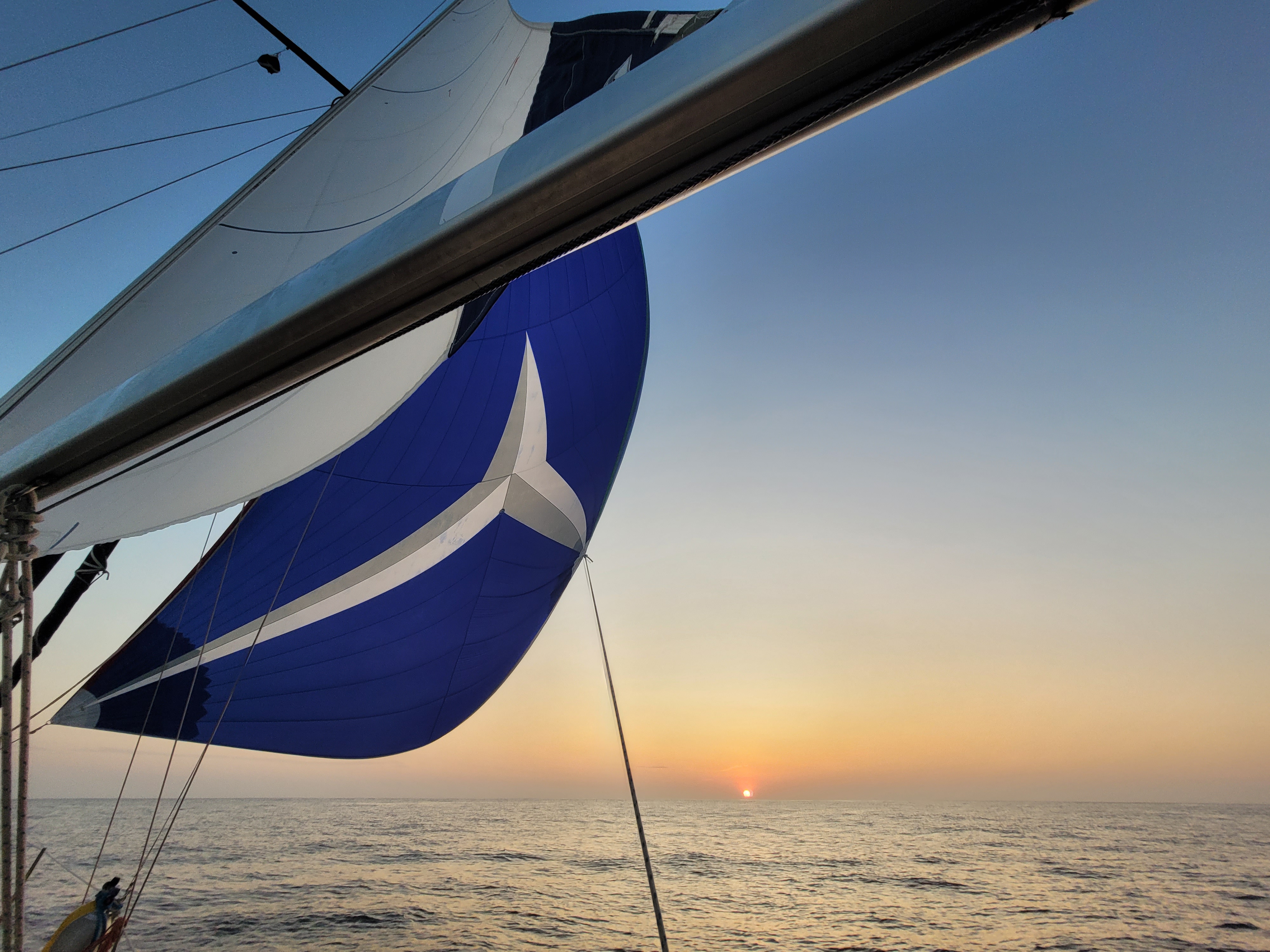
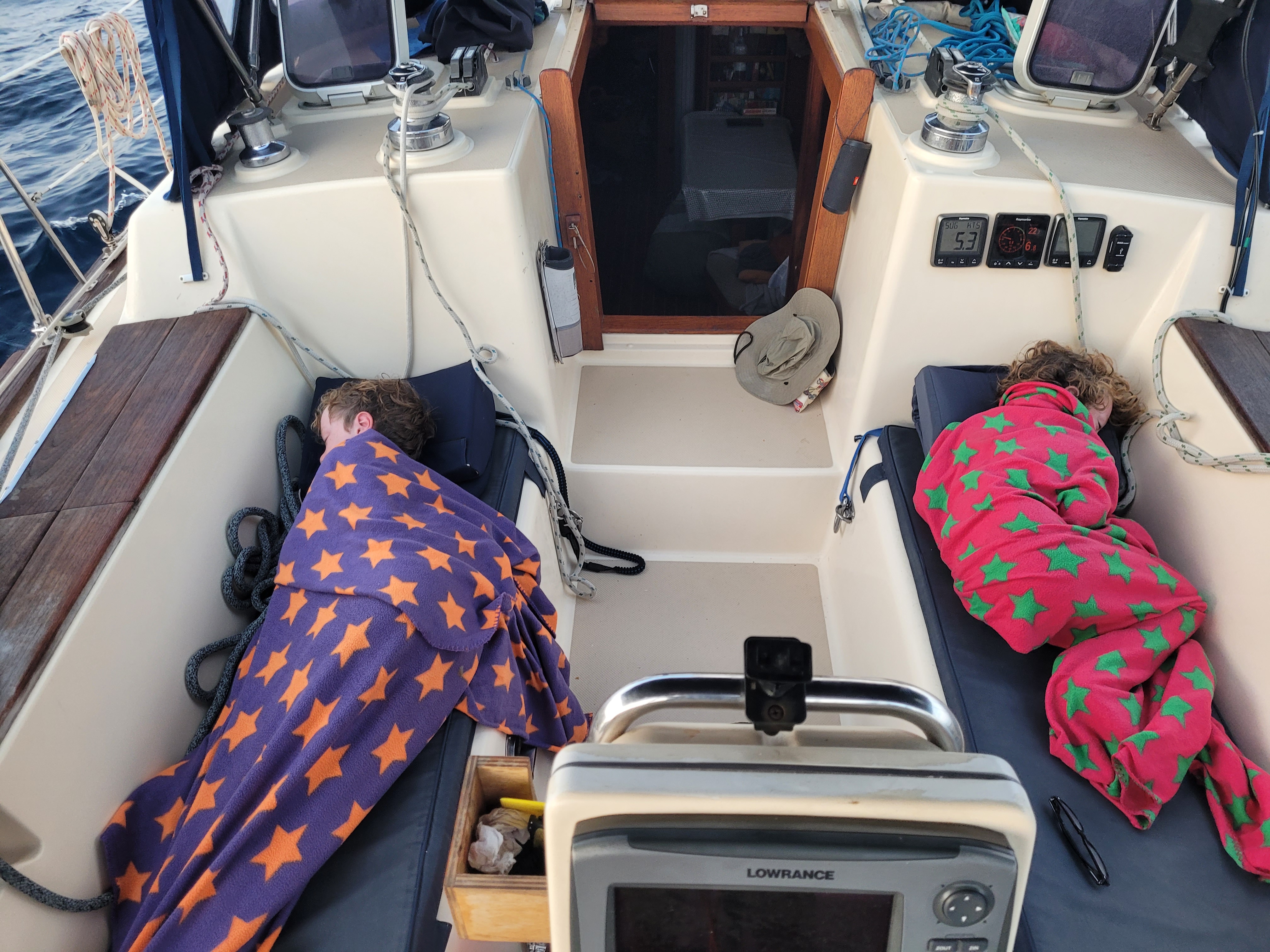
Crossing the Pacific March-April 2023

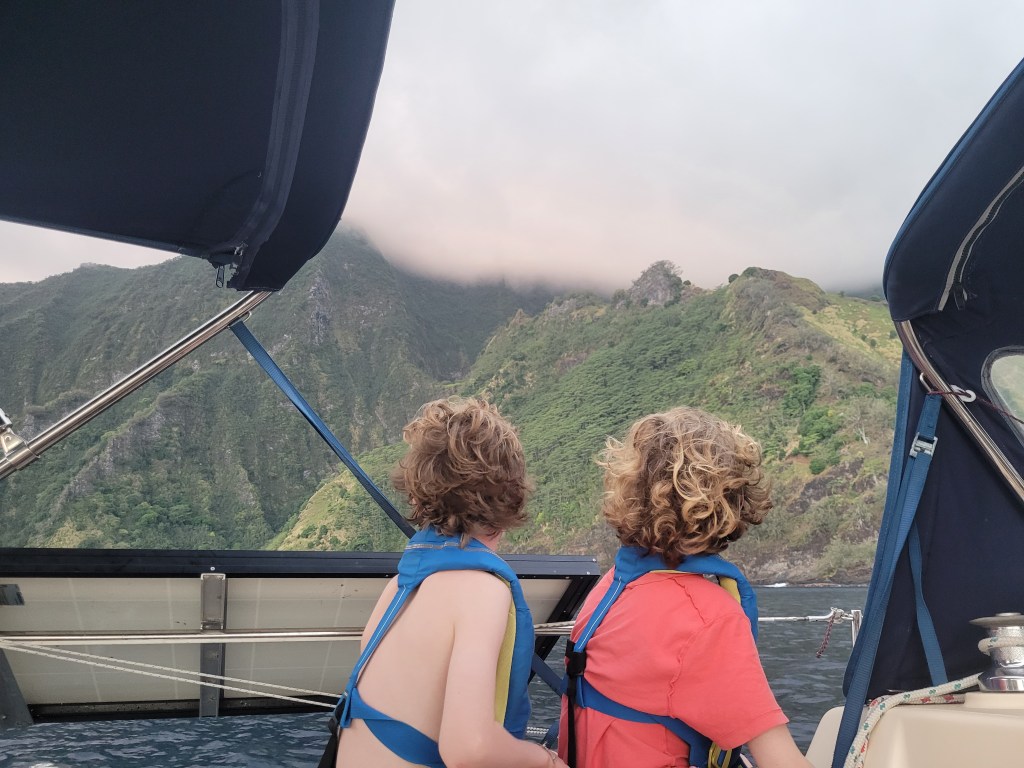
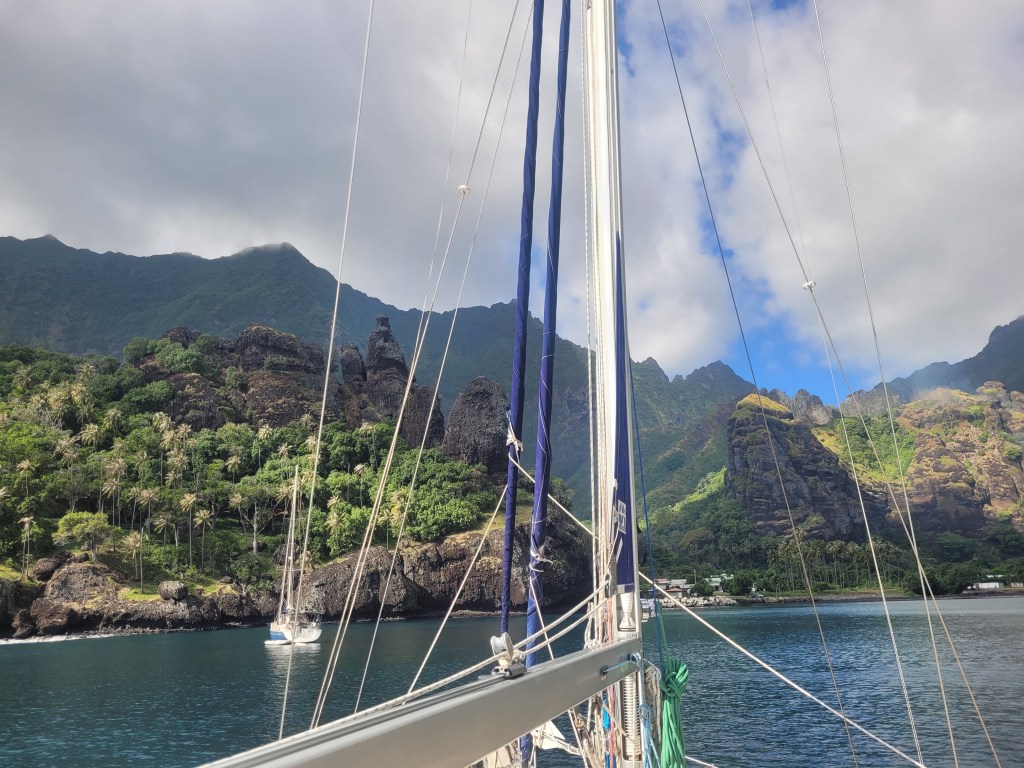
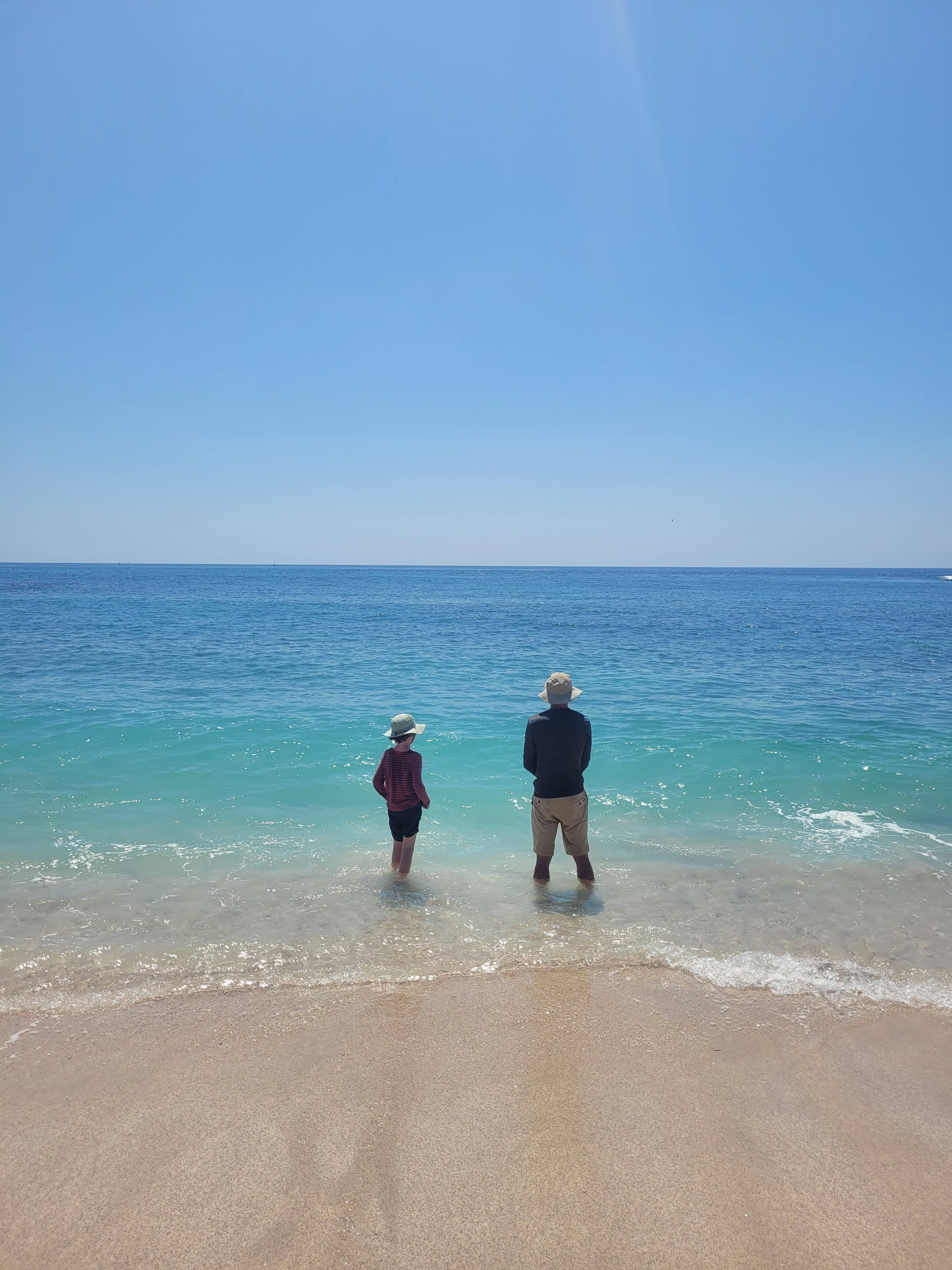
On the 16th April 2023, Mowzer arrived safely in Fatu Hiva in the Marquesas Islands of French Polynesia.

Some stats…
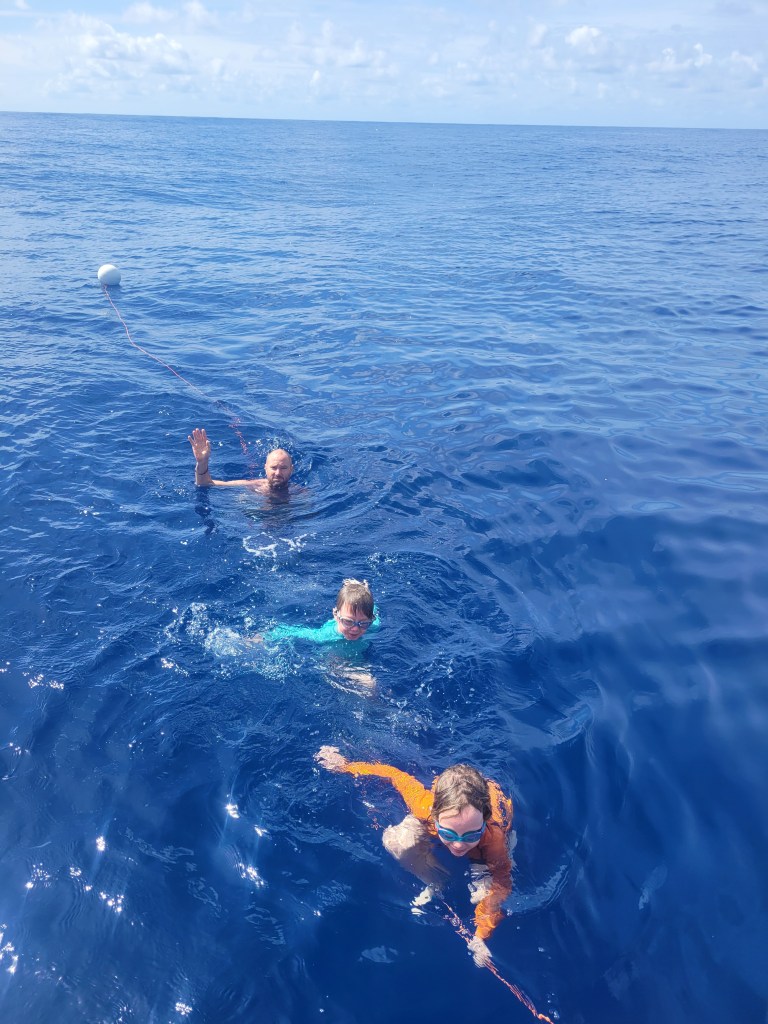
Days at sea: 22.5
Total miles: 3000nm
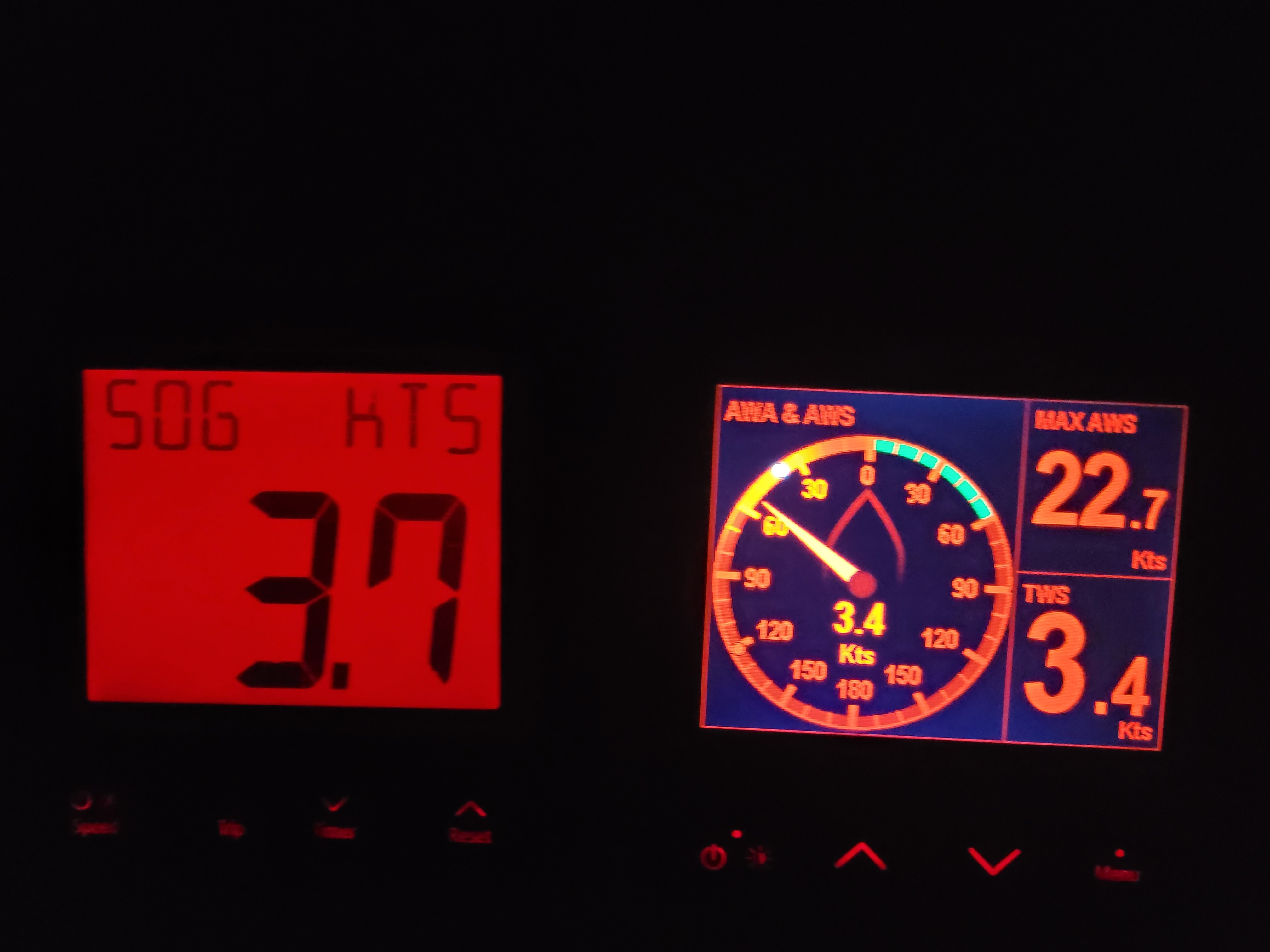
Max wind speed: 34 knots
Fastest day: 170nm made good
Slowest day: 24nm made good
Shooting stars: lots
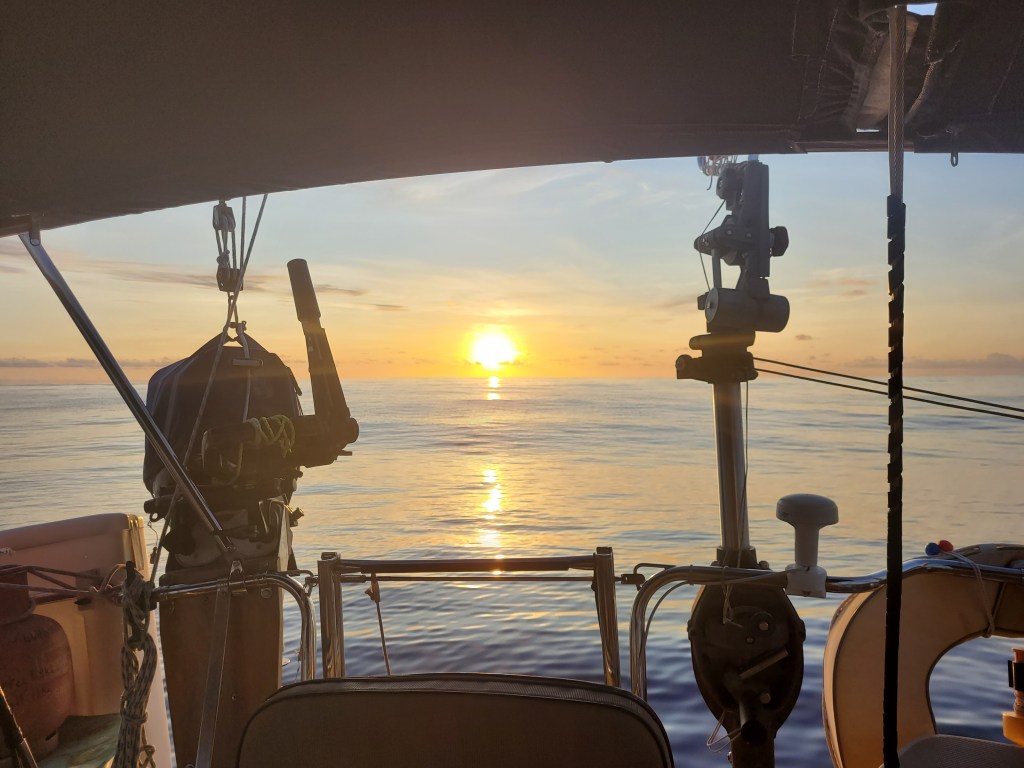
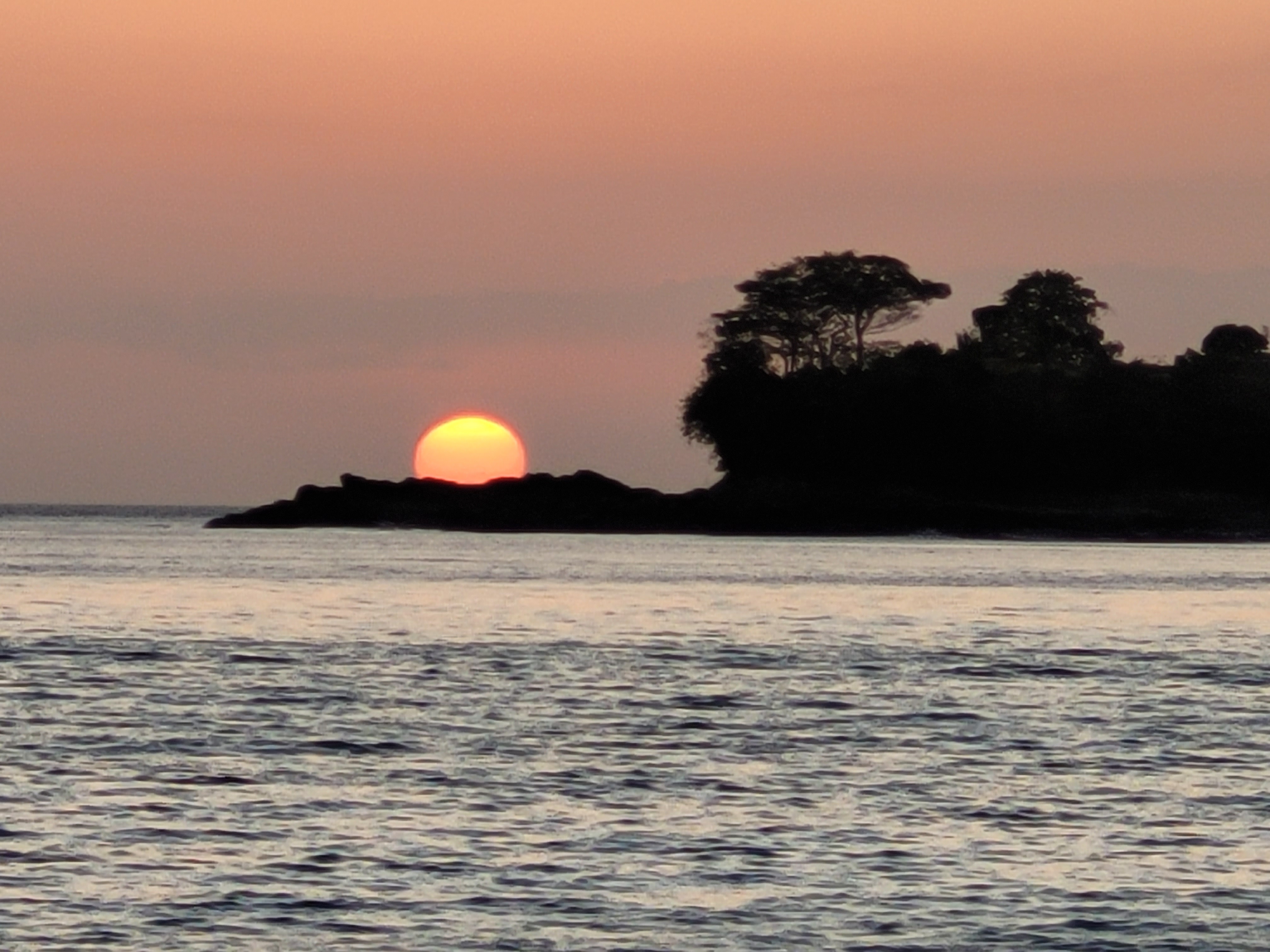
Mega sunsets: 22
Becalmed: 36 hours
Bouts of seasickness: zero
Chinese squid fishing boats encountered pillaging the ocean: too many
Other boats spotted: 3 yachts
Pods of dolphins: two
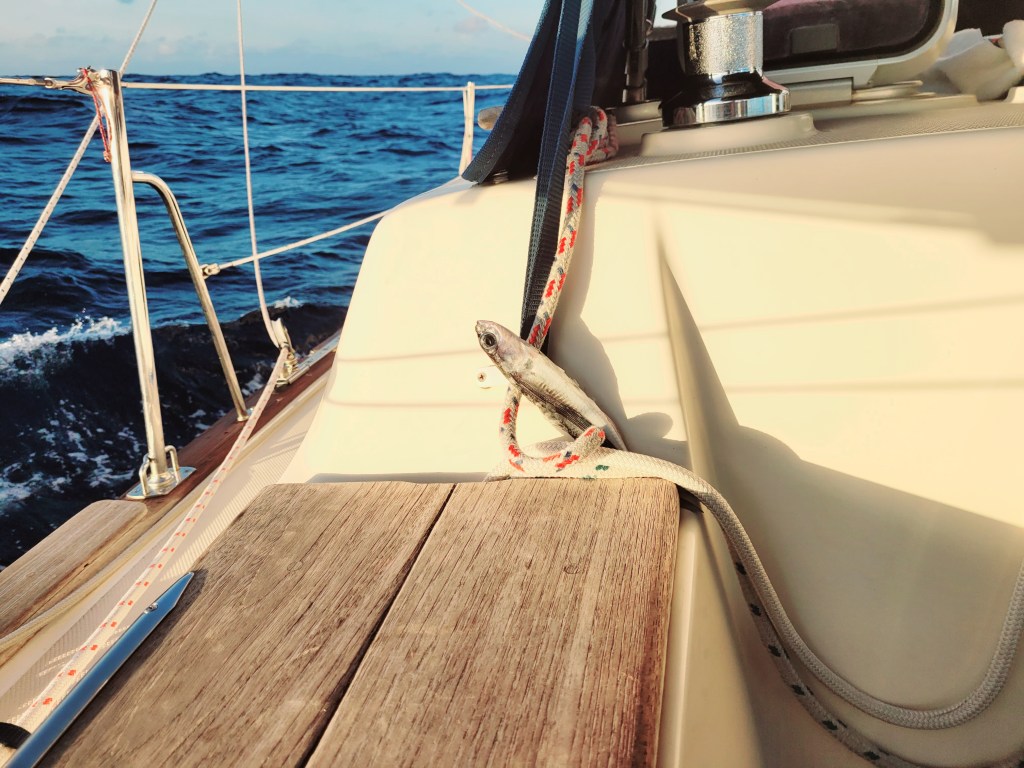
Flying fish on deck: multiple casualties
Breakages aboard: amazingly none, though our batteries are ailing
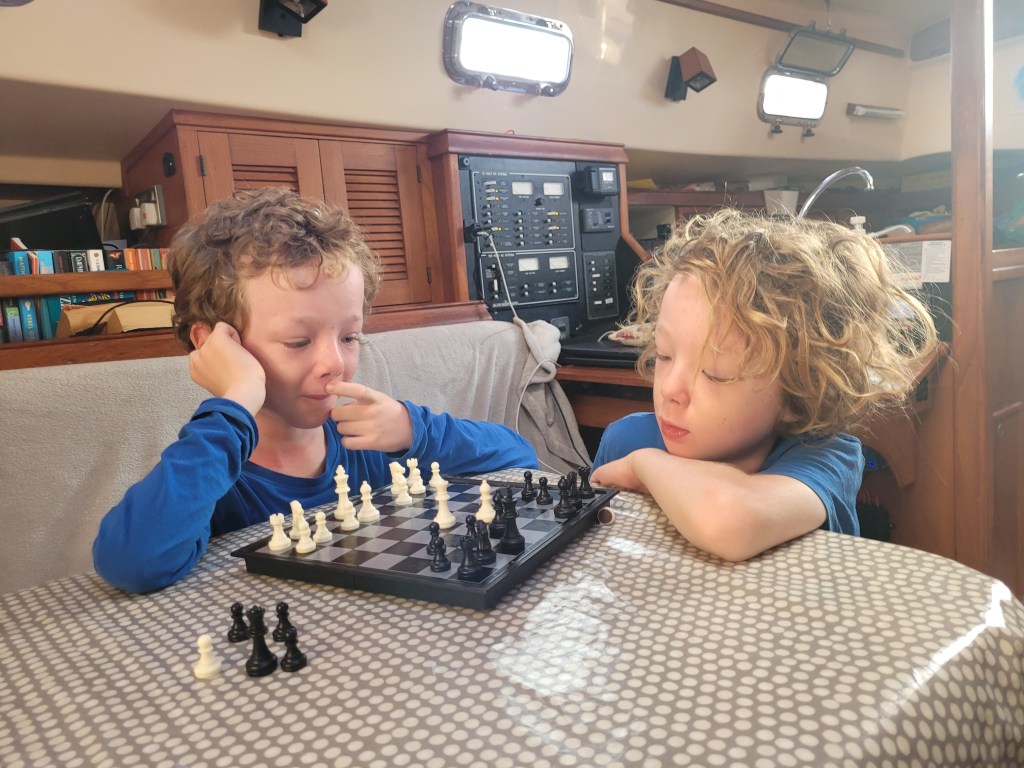
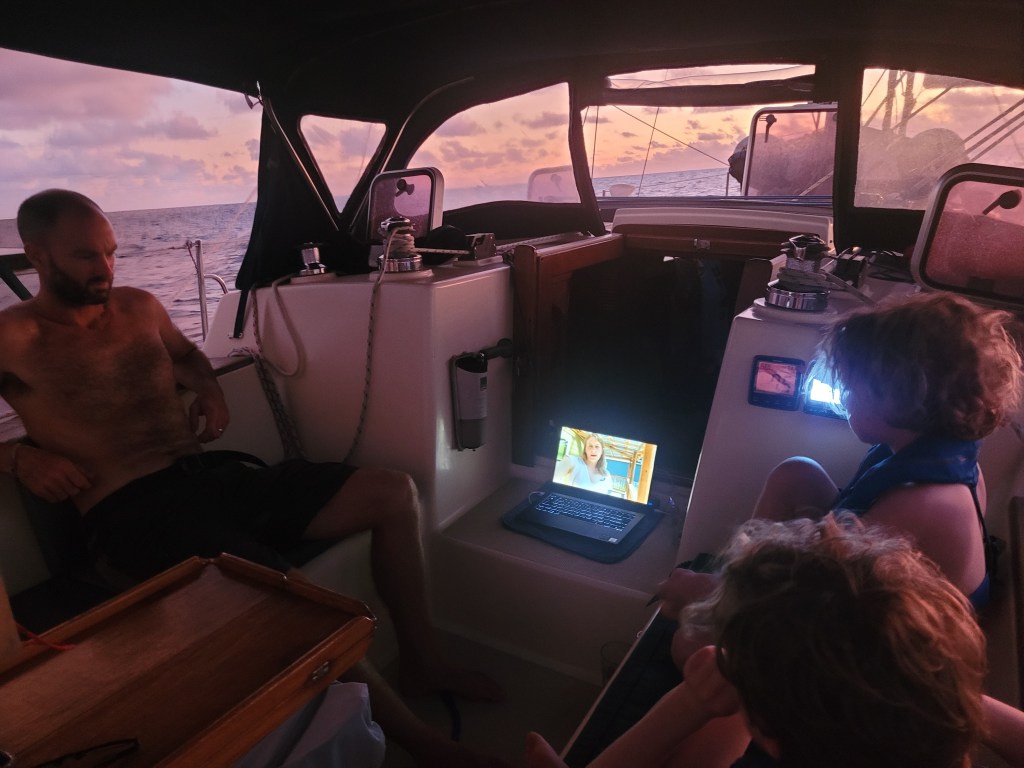
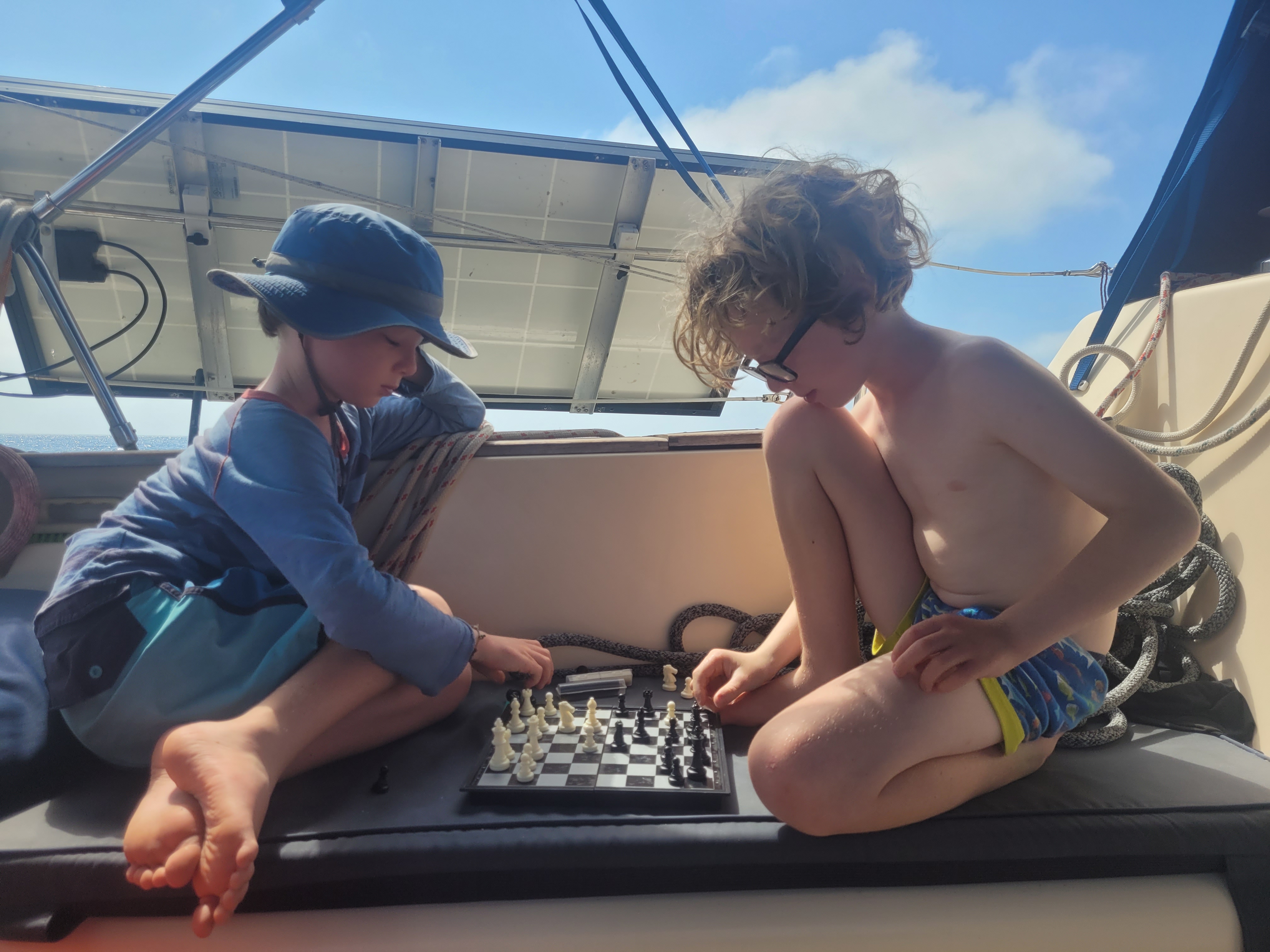
Games of chess: several zillion
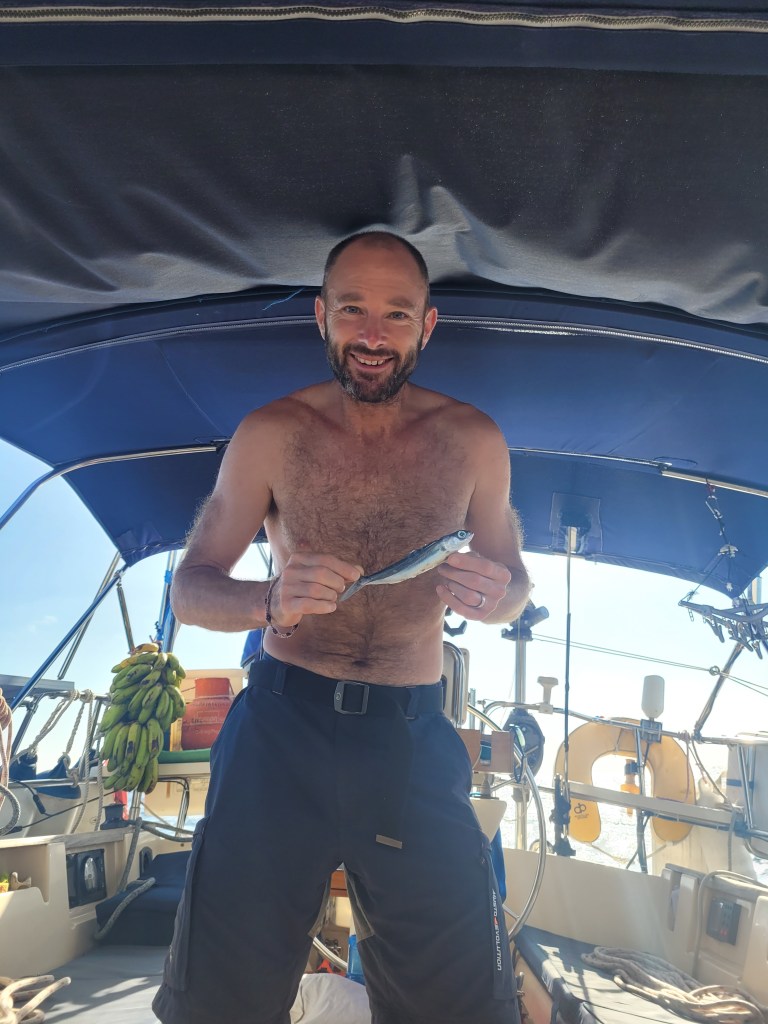
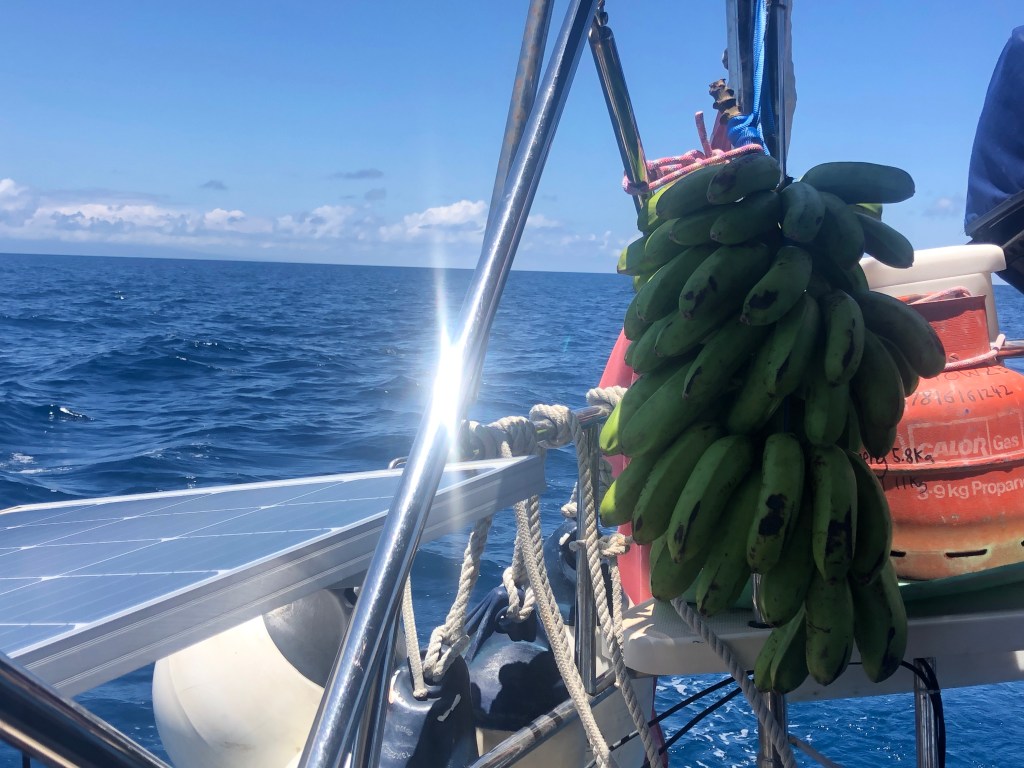
Remaining fresh food: 4 rotting bananas and half a cabbage.
Total milage so far: 11,500nm
Joy at having made landfall: infinite.

You can watch a video of our crossing here

The Galapagos Islands March 2023

San Cristobal

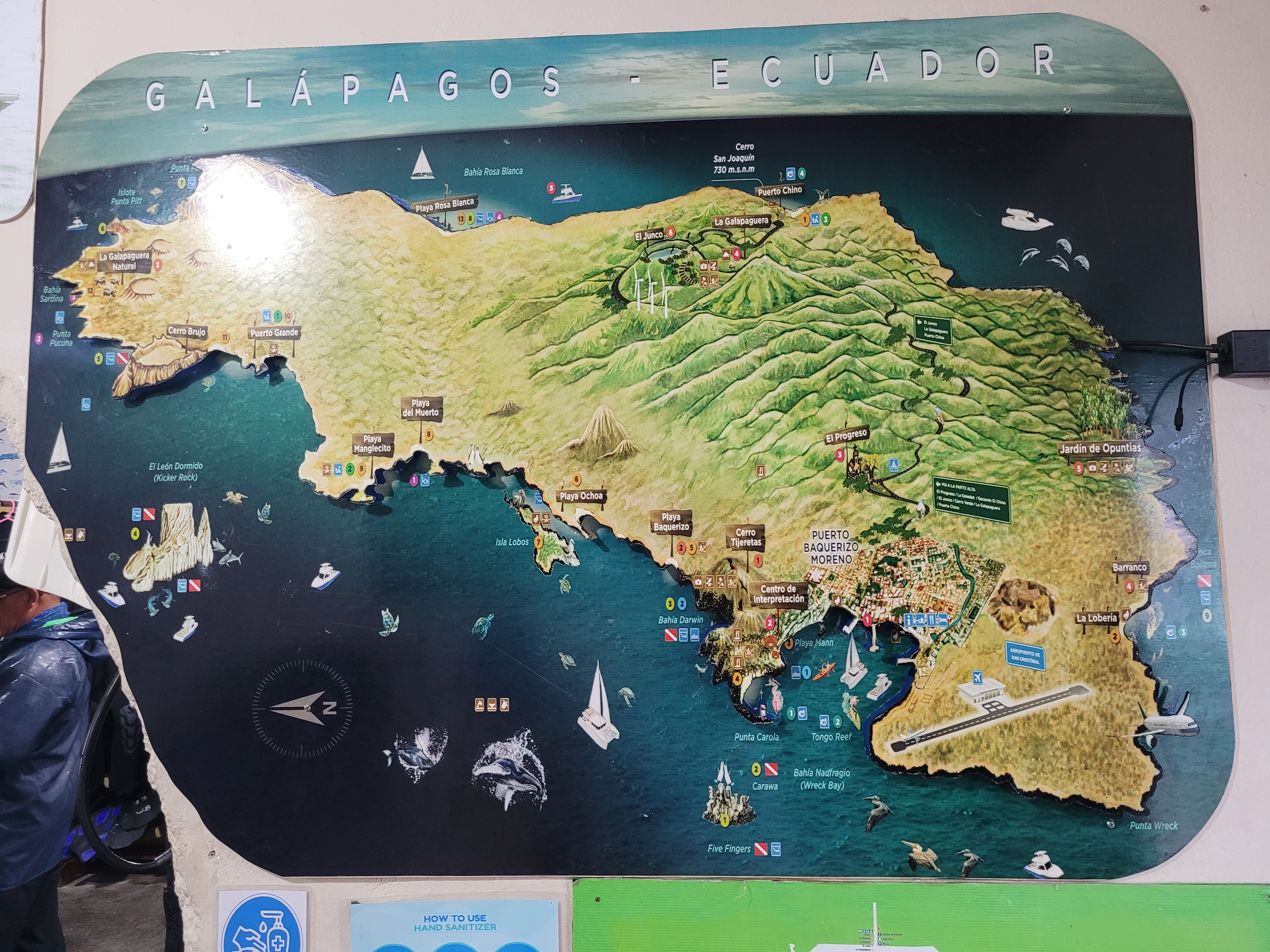
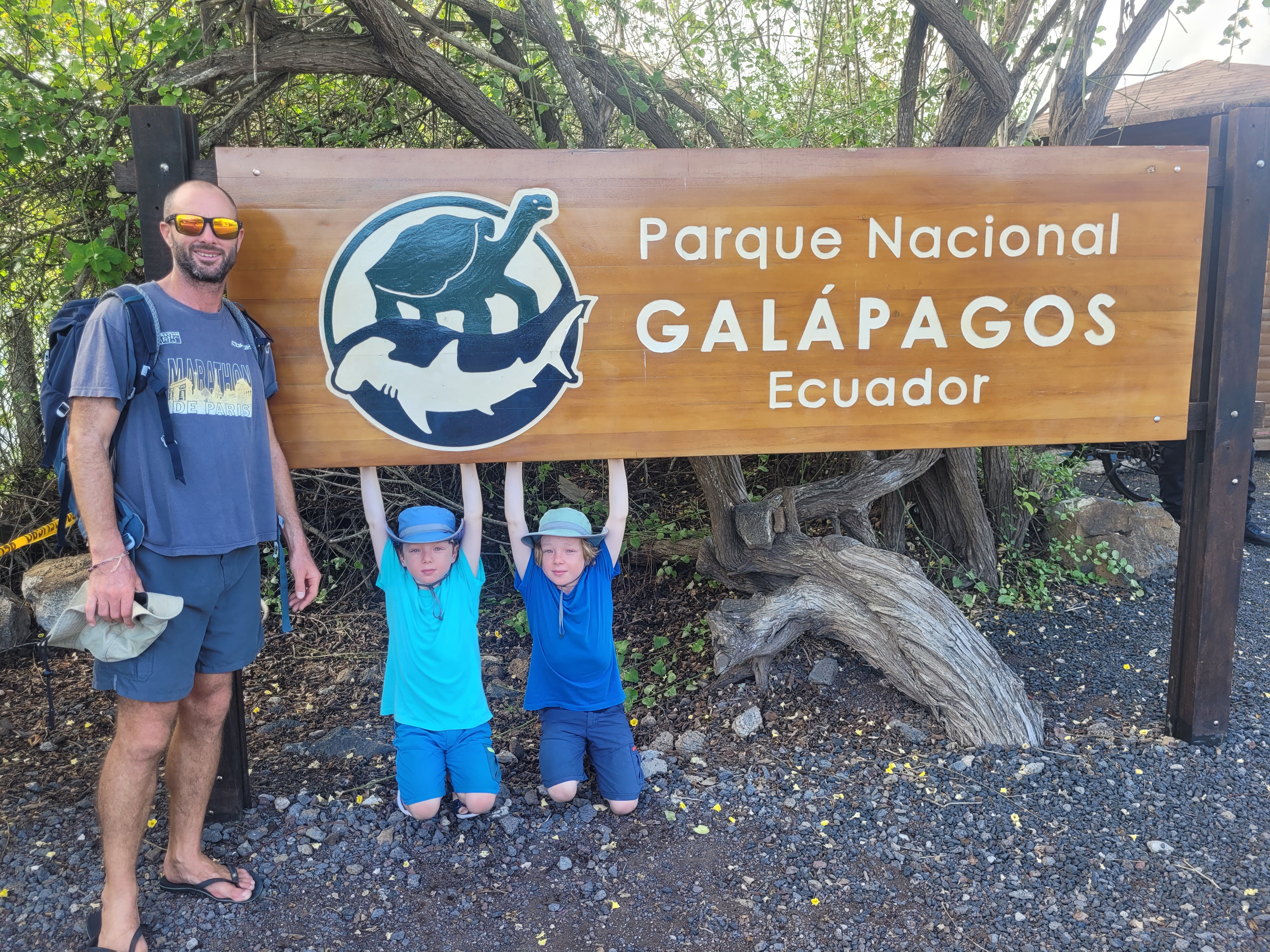
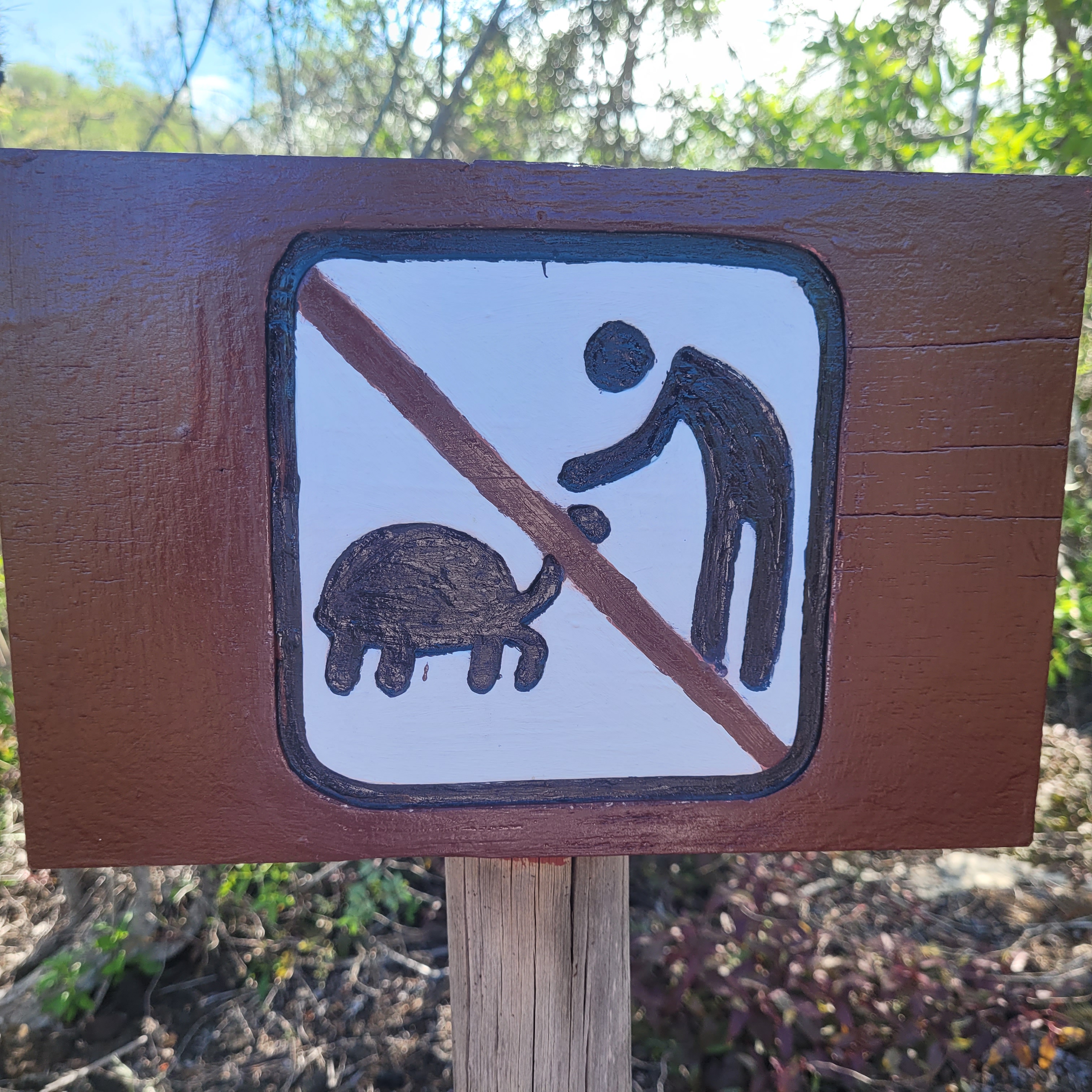
Before being allowed ashore, Mowzer was boarded by eight officials (including representatives from immigration, customs, environmental agencies, health officials, port control, a naval officer, a yacht agent, a candlestick maker?!) and the hull was inspected by a diver. In an attempt to preserve the unique ecosystem of the Galapagos, those arriving by sailing vessels are required to meet stringent requirements before being granted permission to land ashore. The boat is required to be professionally fumigated before departure from Panama. The hull must be spotlessly clean as one barnacle can see you banished 40 nm offshore where you must remove any remaining growth. Seeds and some fruit and veggies are prohibited. Detergents must be environmentally friendly. Holding tanks for onboard black waste are obligatory. All rubbish must be separated into three labelled bins. The fridge and first aid supplies must be examined and photographed. Life jackets, liferaft and emergency flares are inspected (thankfully they missed that our flares are a decade out of date!). After such intense scrutiny, we were immensely relieved to pass our inspection and to be granted a month-long permit to explore the Islands. The Galapagos Islands were everything that we hoped they would be and then some (Watch the video here)– definitely one of the highlights of our trip so far.

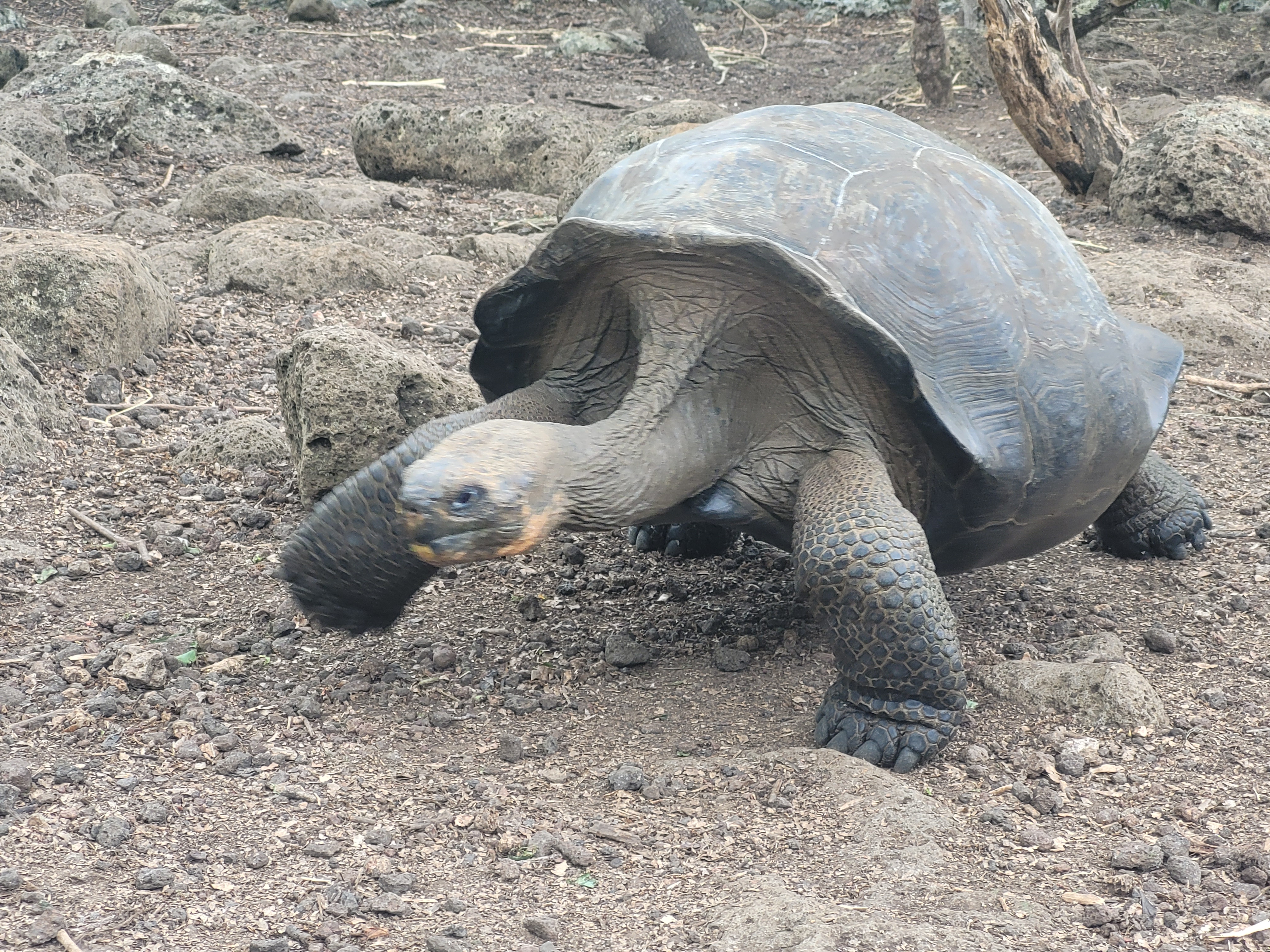
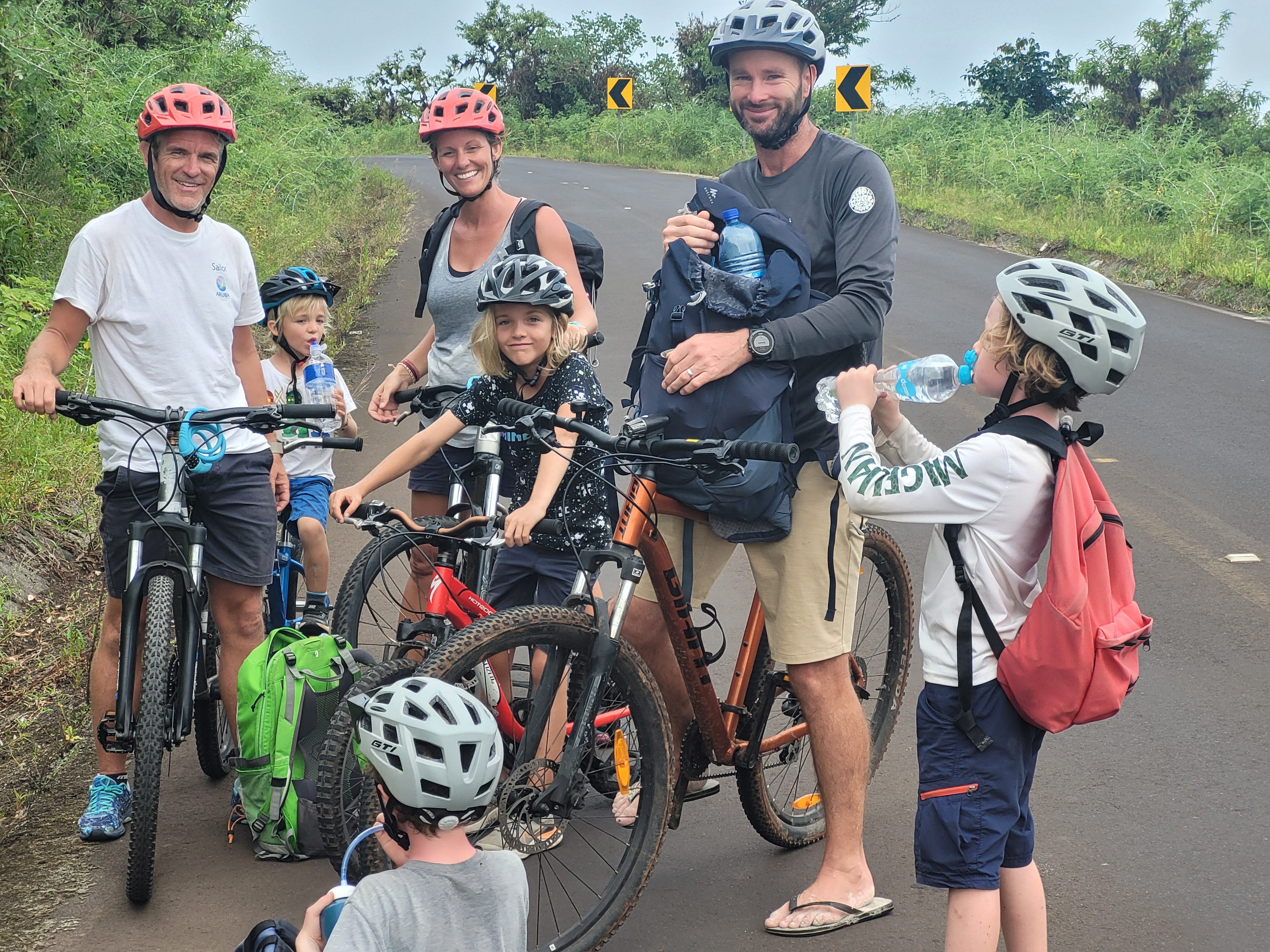
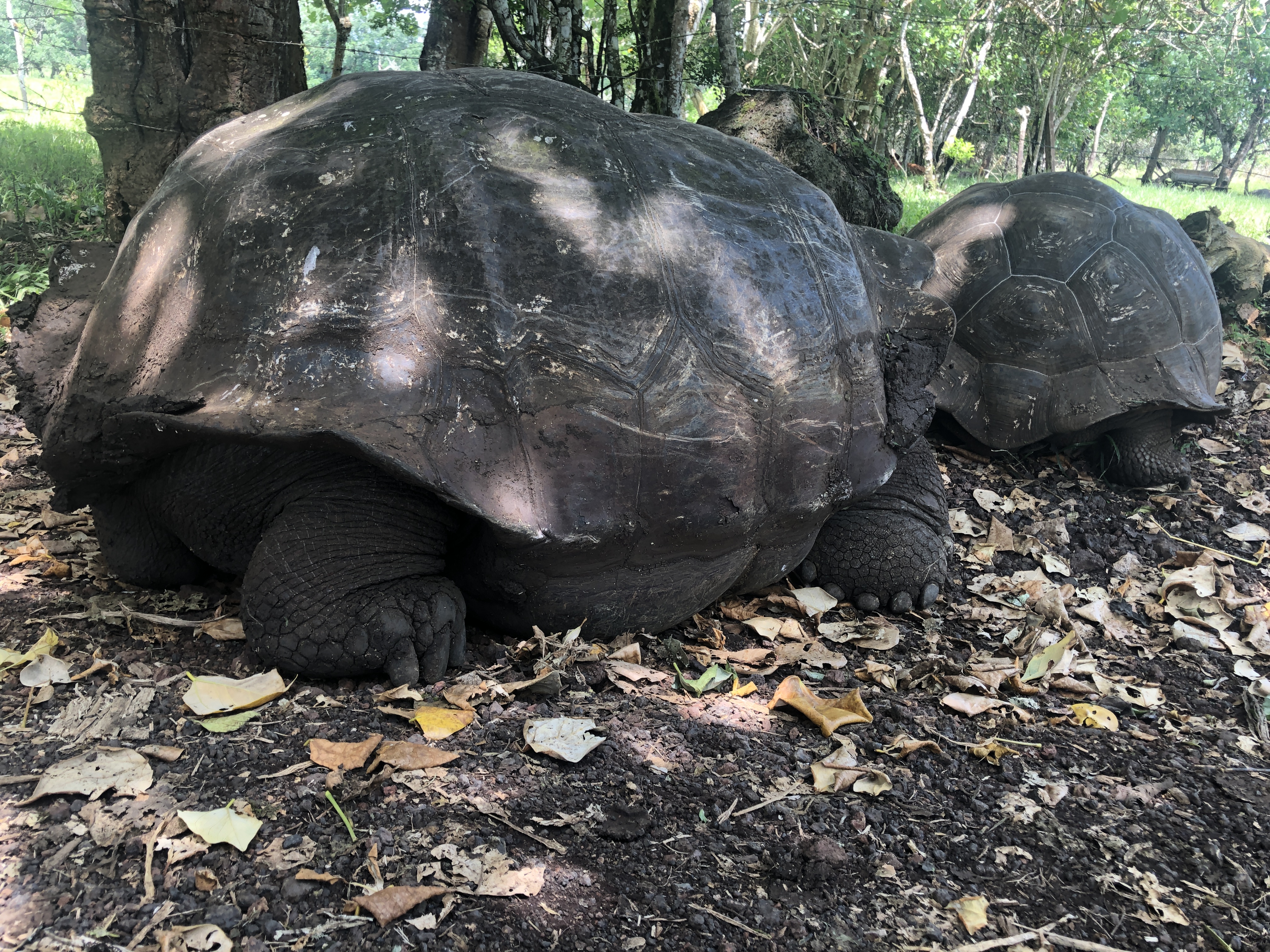
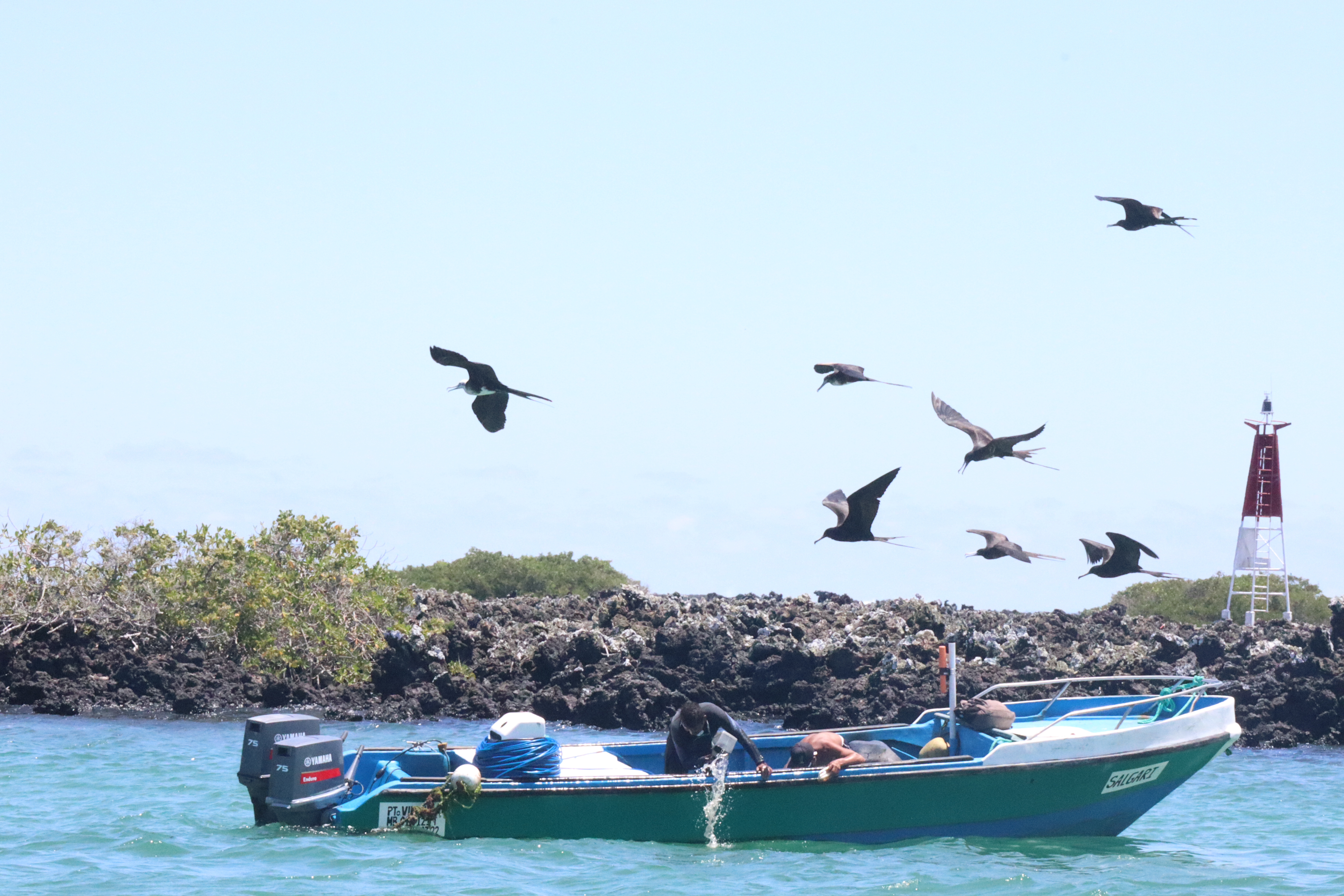
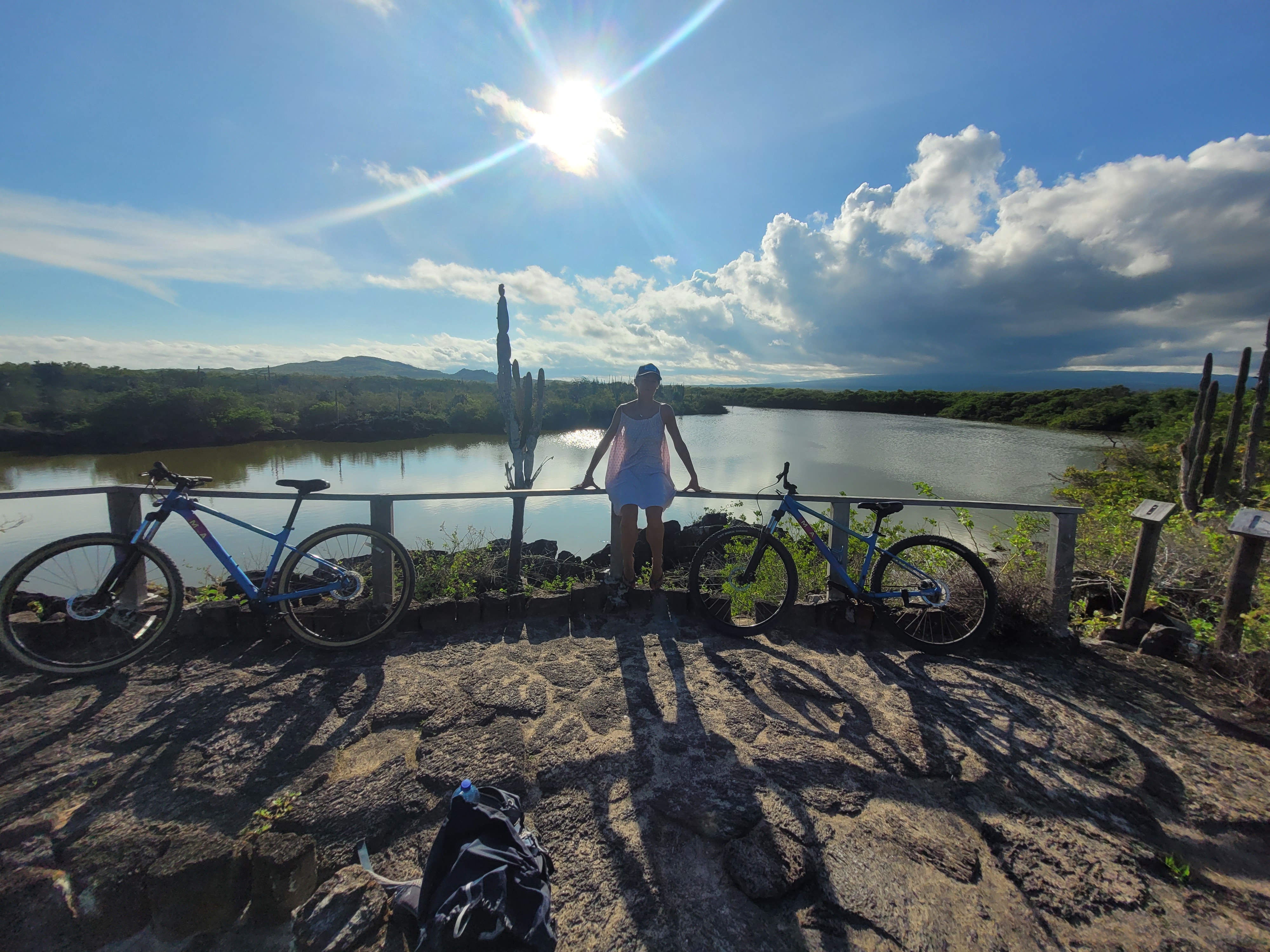
We hiked to the crater lake, El Junco, formed by the collapsed caldera of a volcano and watched incredible arial displays by Frigate birds. We hired bikes and cycled to the David Rodriguez Tortoise Breeding Centre and saw newly hatched baby giant tortoises and their 150+ year old relatives.


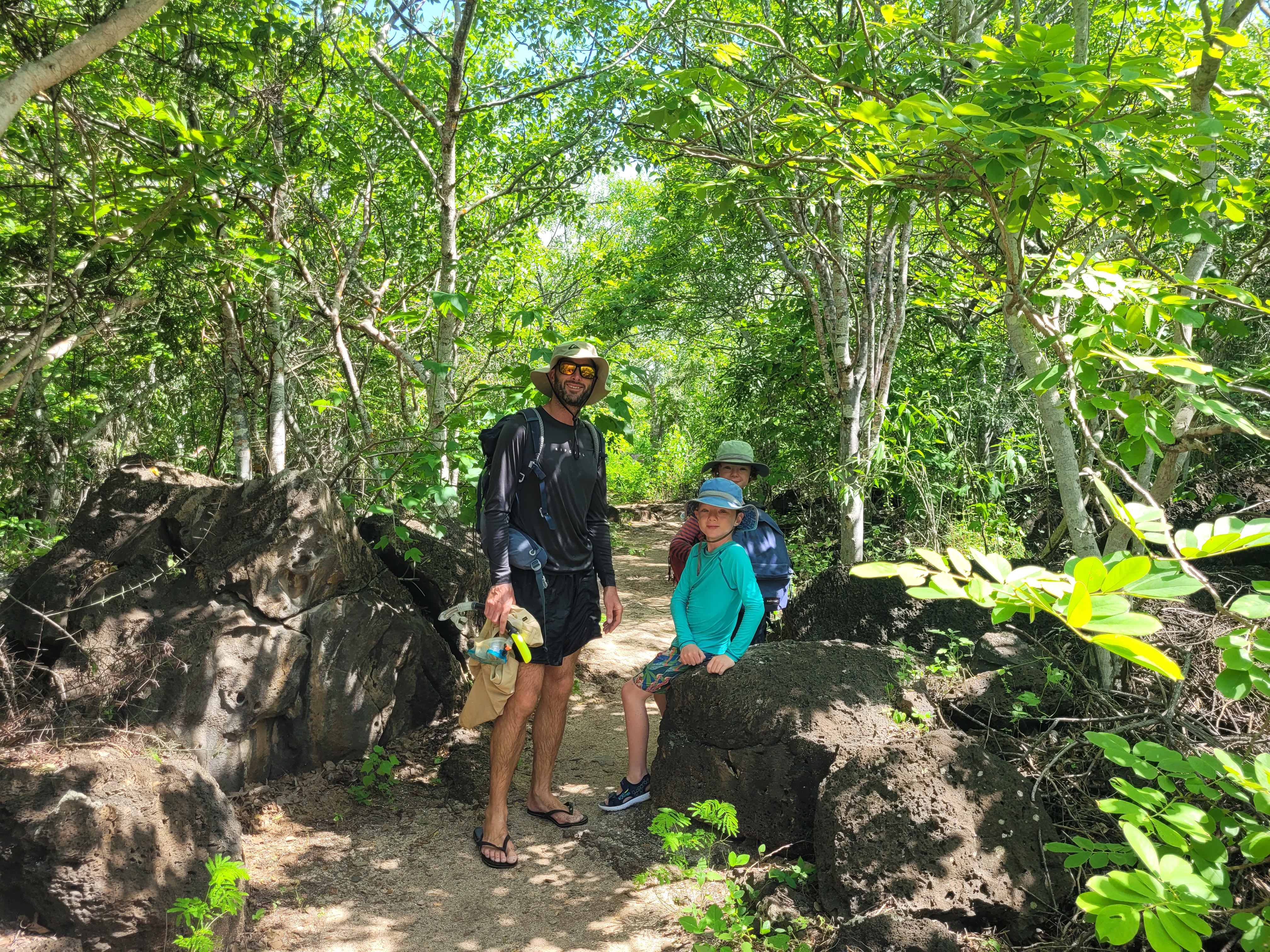
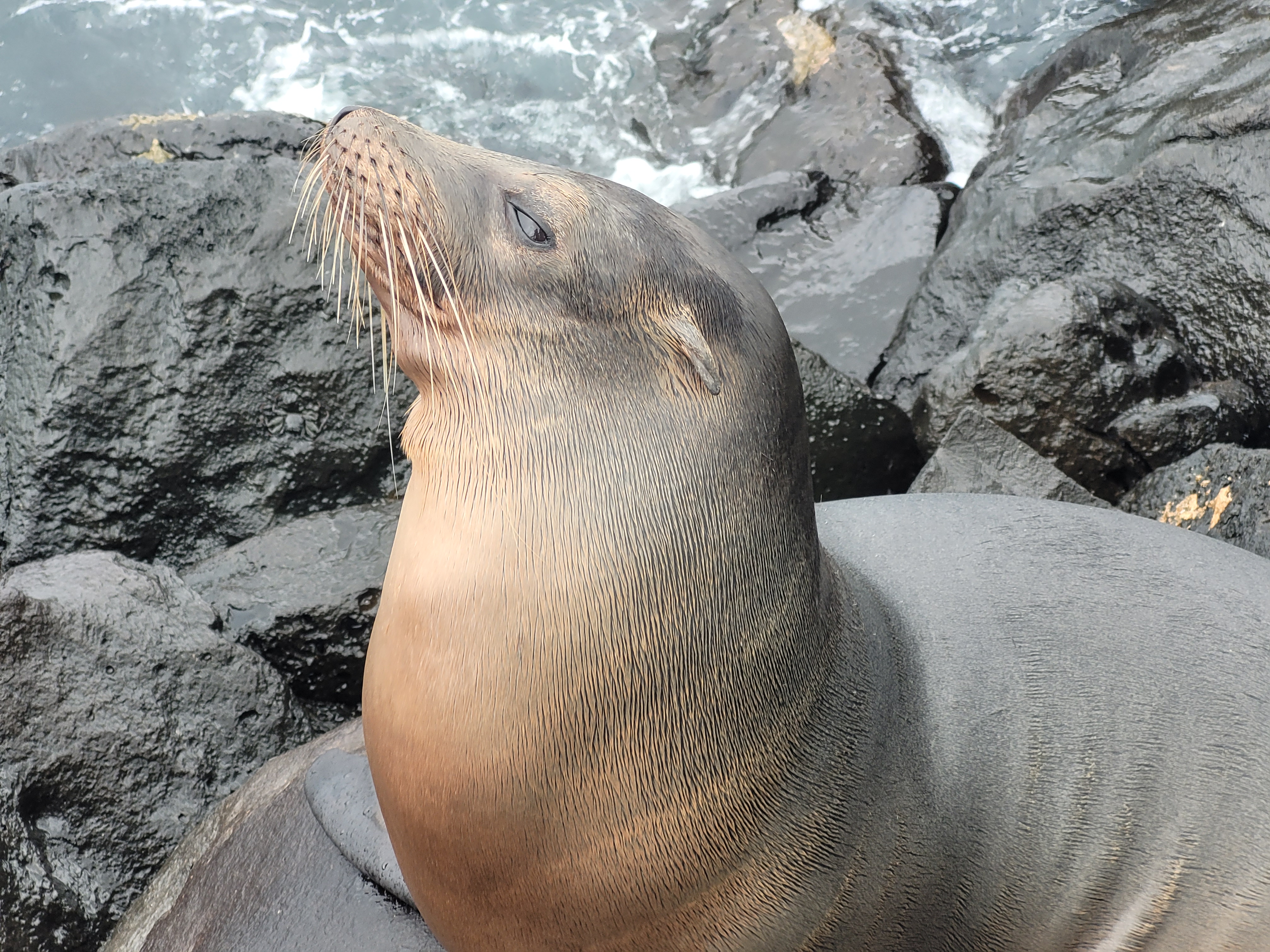
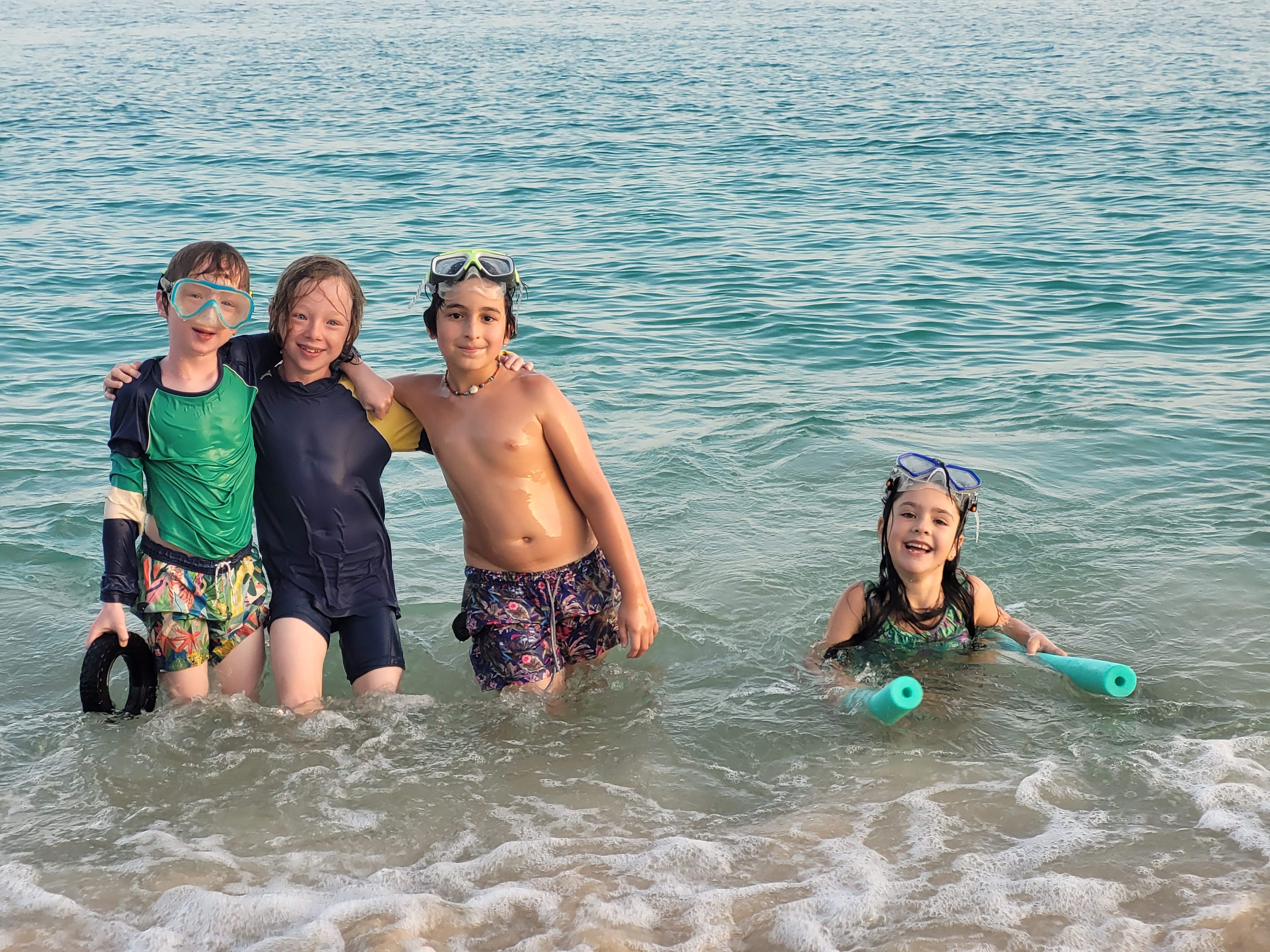
We spent a day hiking through cacti-lined nature trails to the Interpretation Centre where we learnt about the history of the islands and later swam with sea lions and giant turtles at Punta Carola.


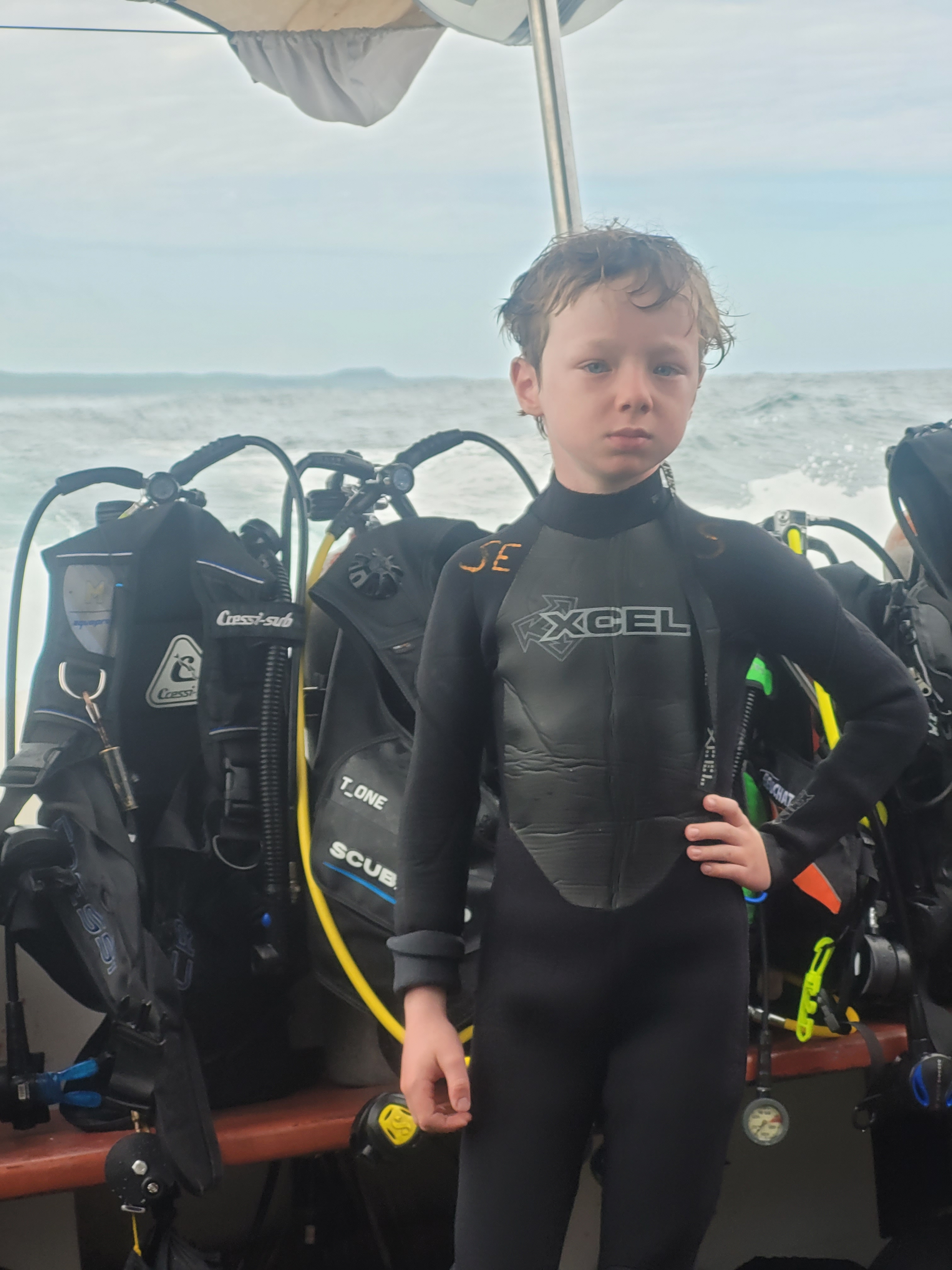
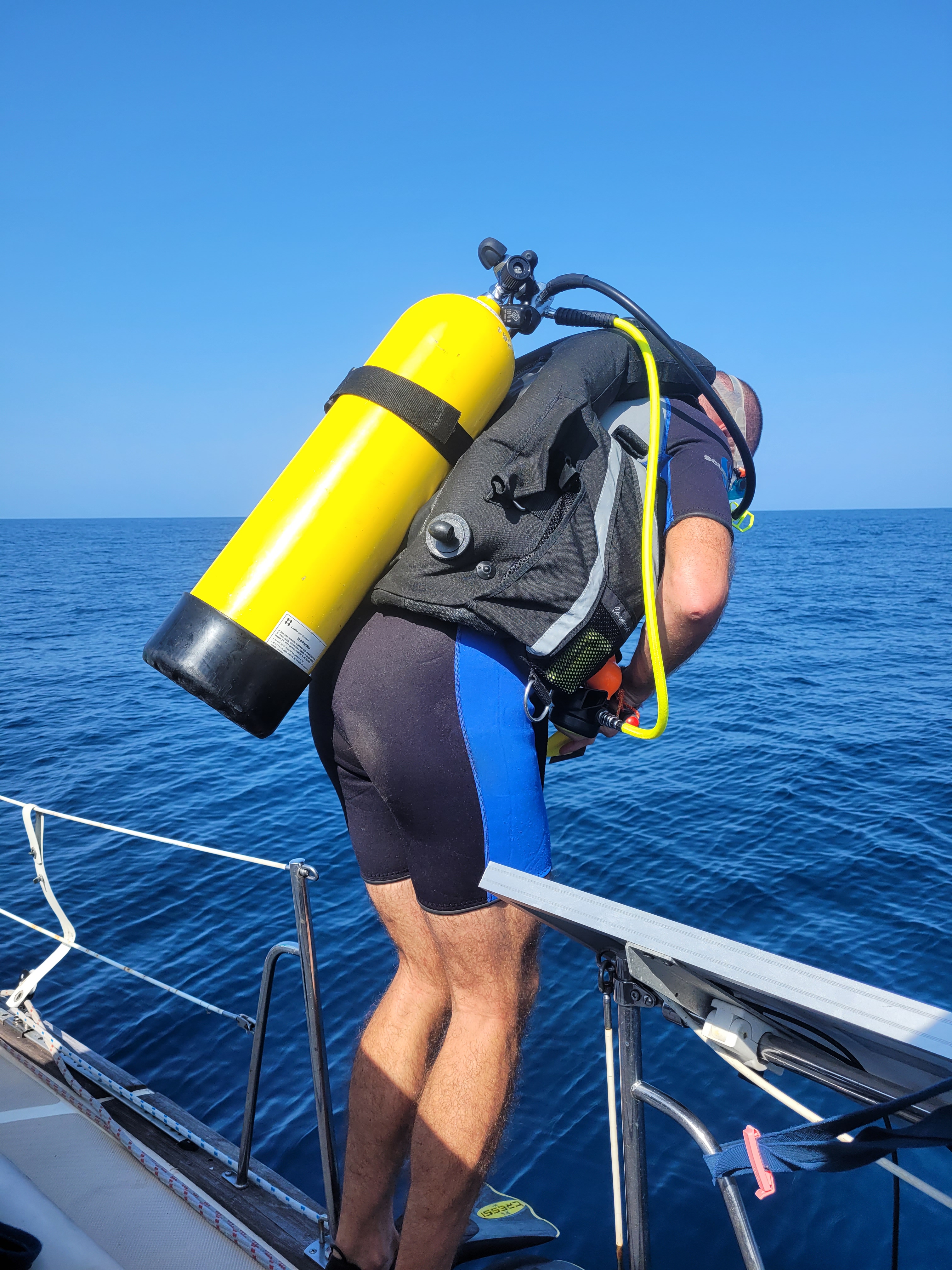
Our San Cristobel highlight was undoubtedly, the dive of a lifetime off legendary Kicker Rock, (video here) where we swam with Barnaby and Zennor through a school of 40+ hammerhead sharks, rays, black tip sharks and turtles. Not a bad first dive post certification for a pair of nine year olds!

Santa Cruz

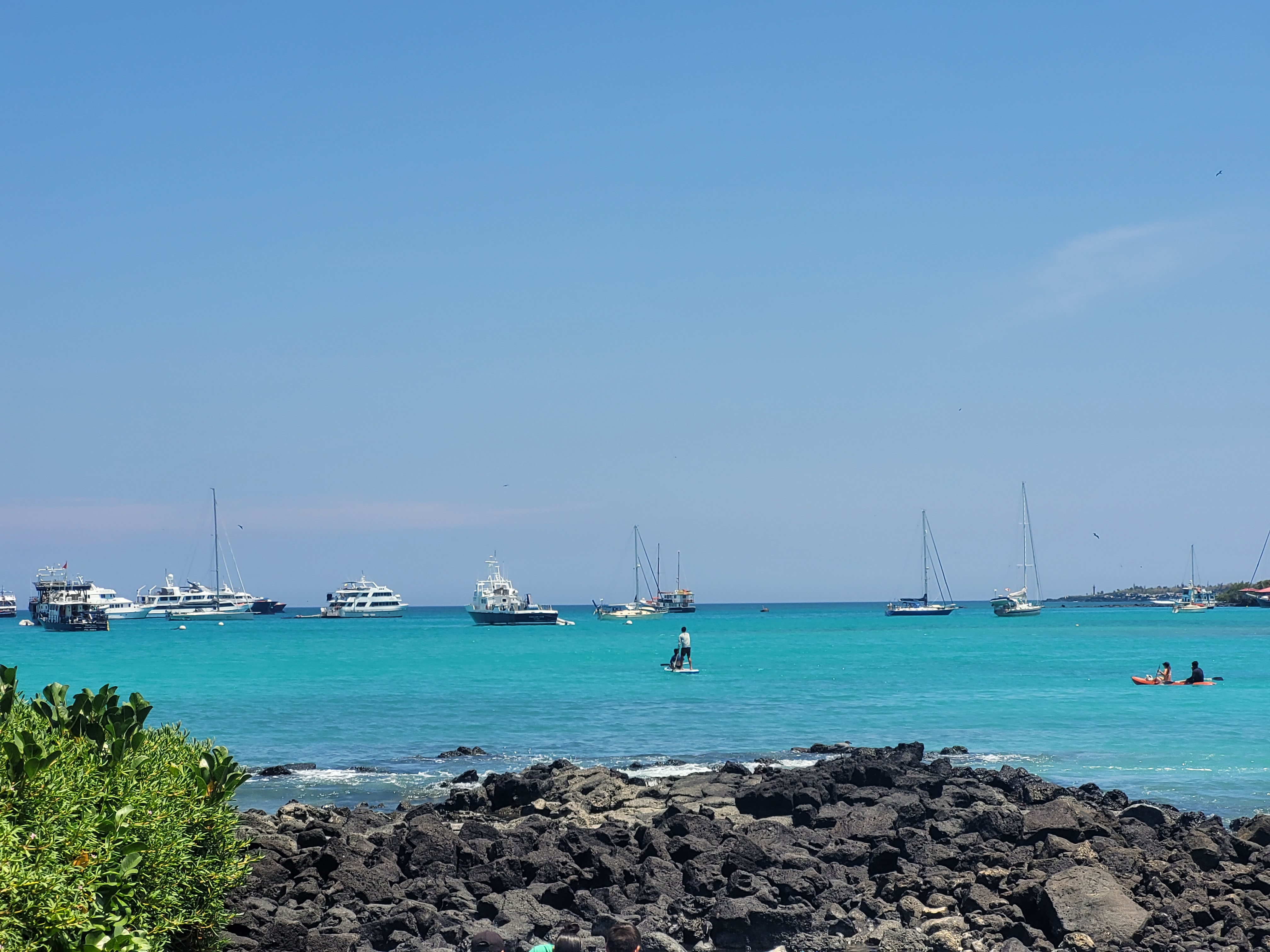
After a 40nm day sail from San Cristobel, our next anchorage was Puerto Ayora on the Island of Santa Cruz.

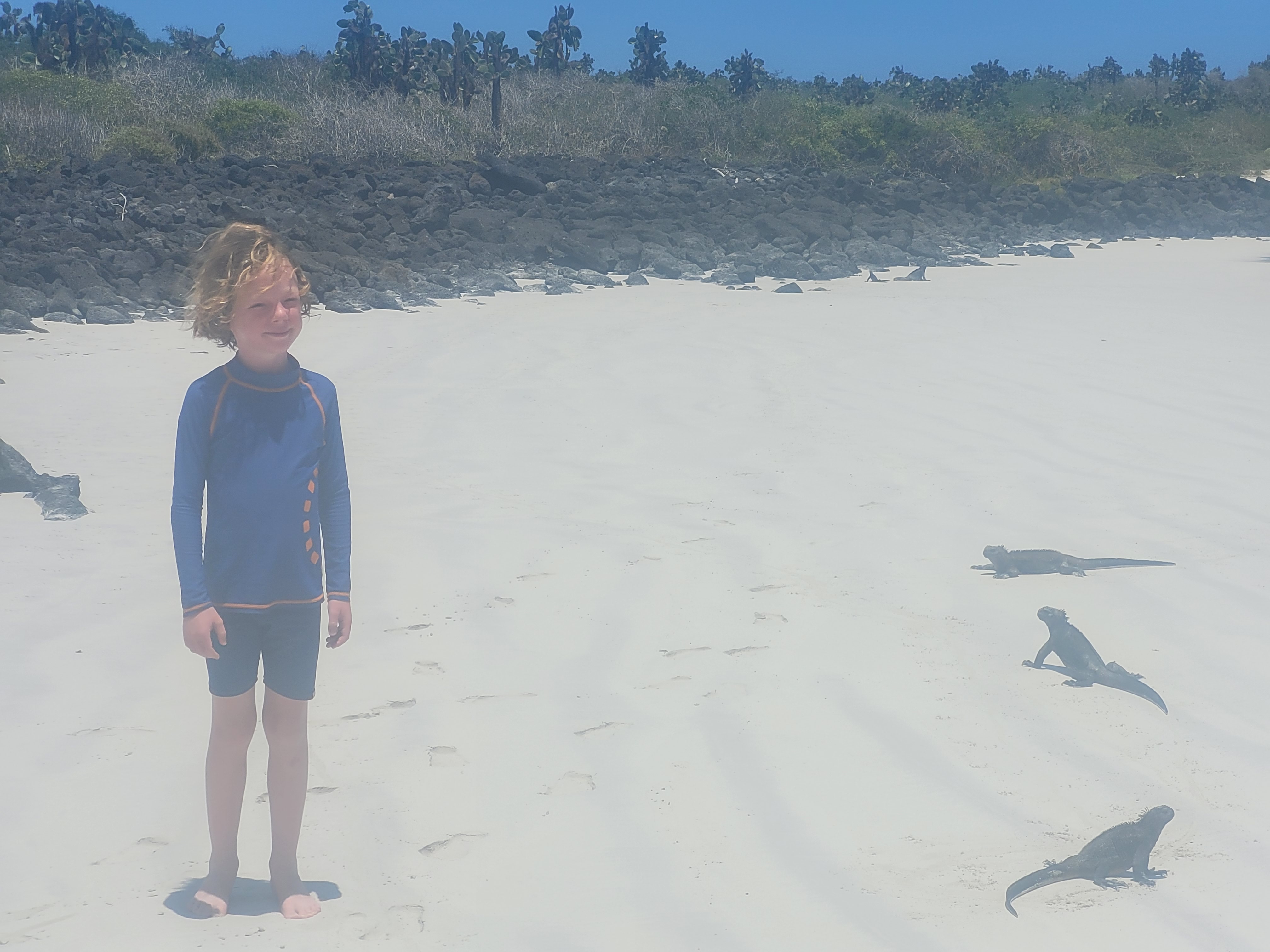
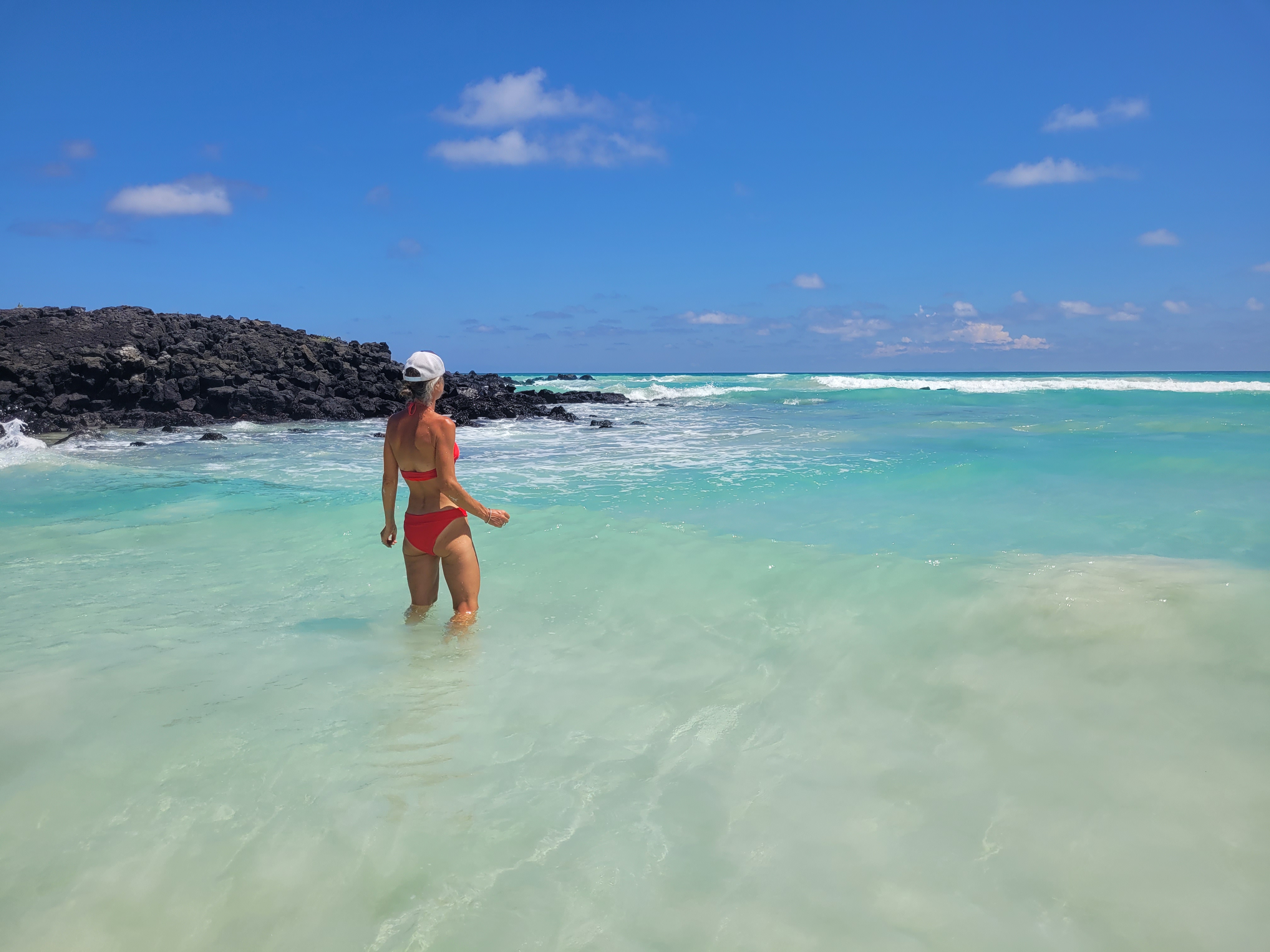
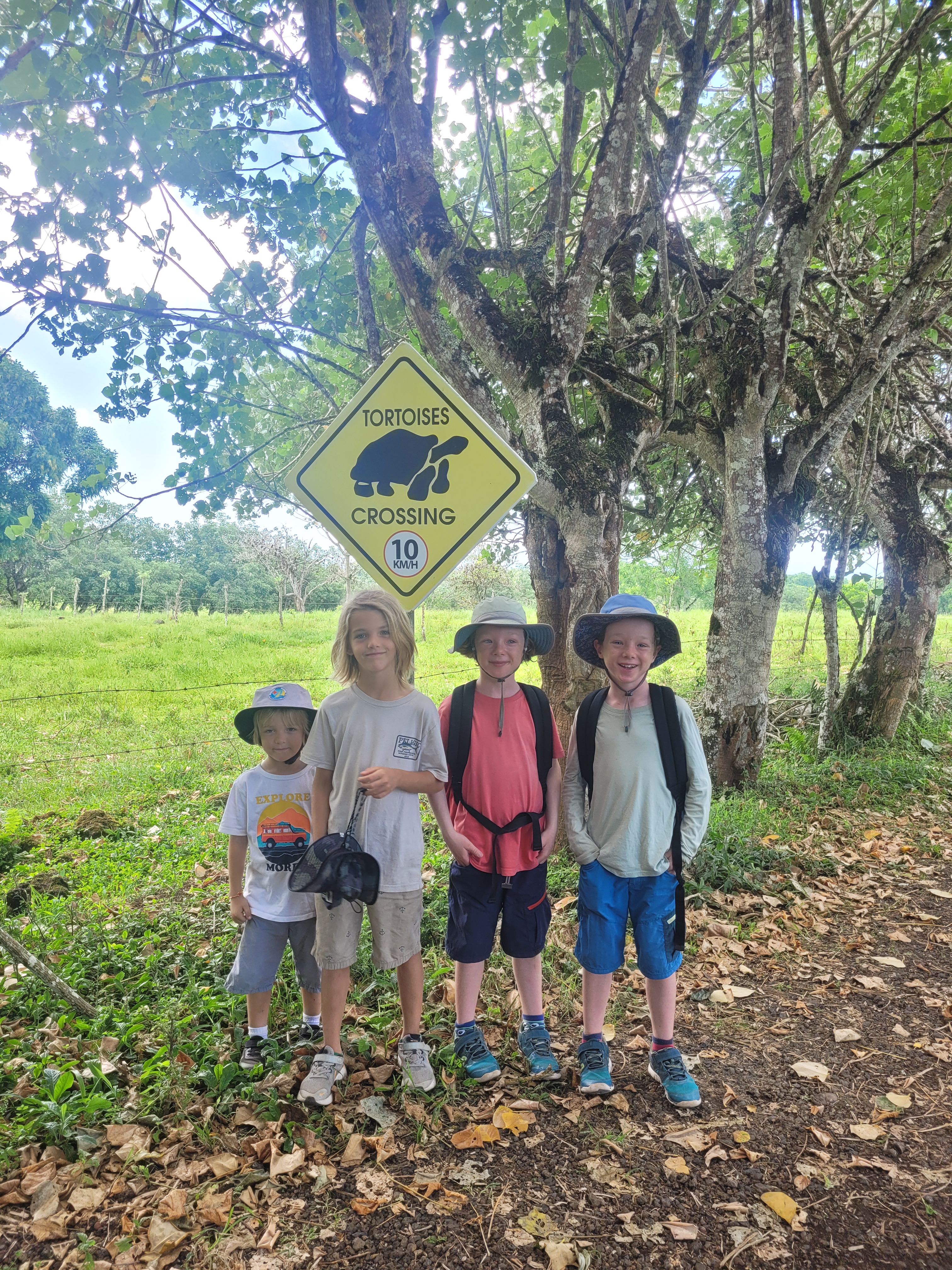
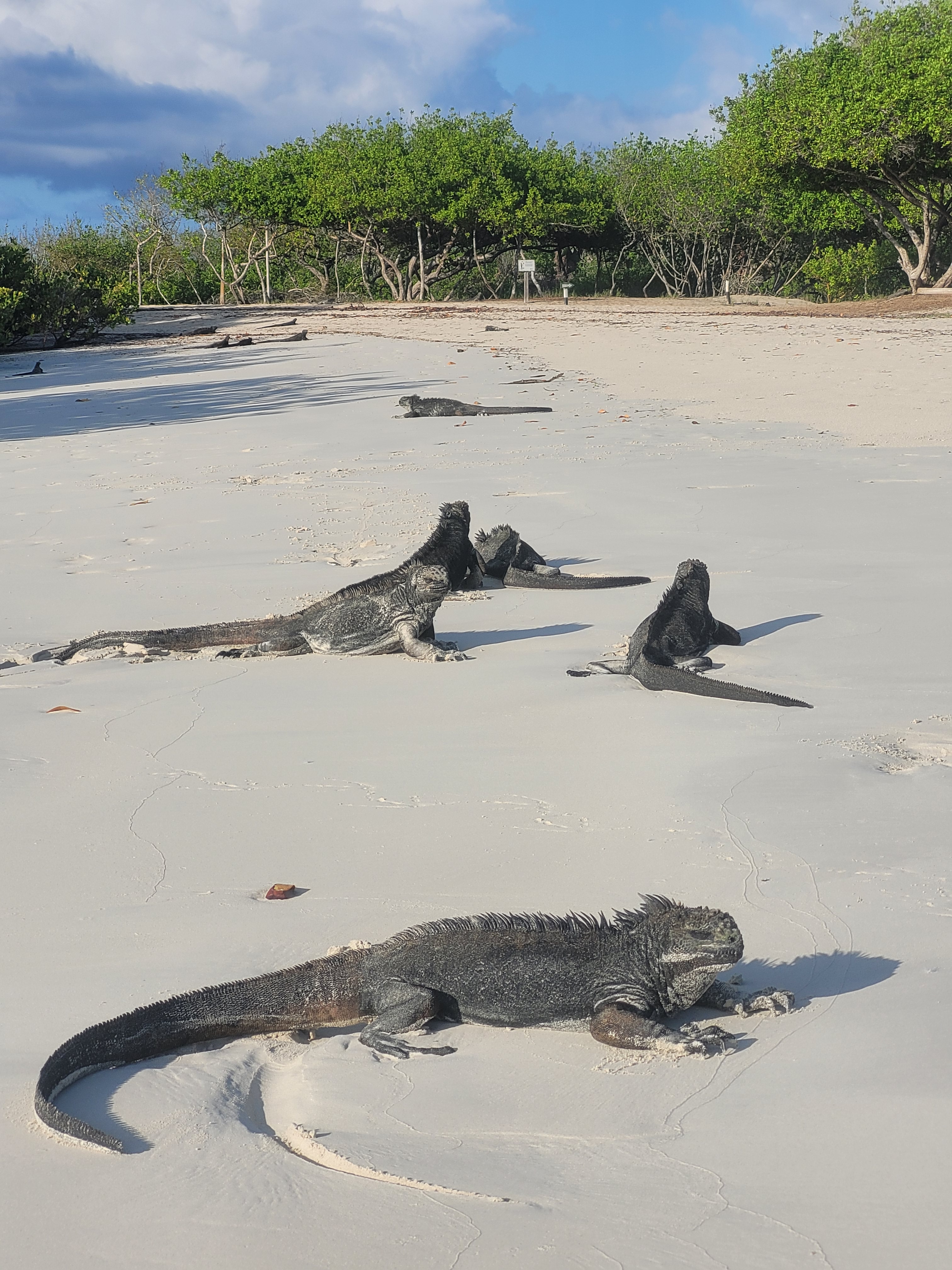
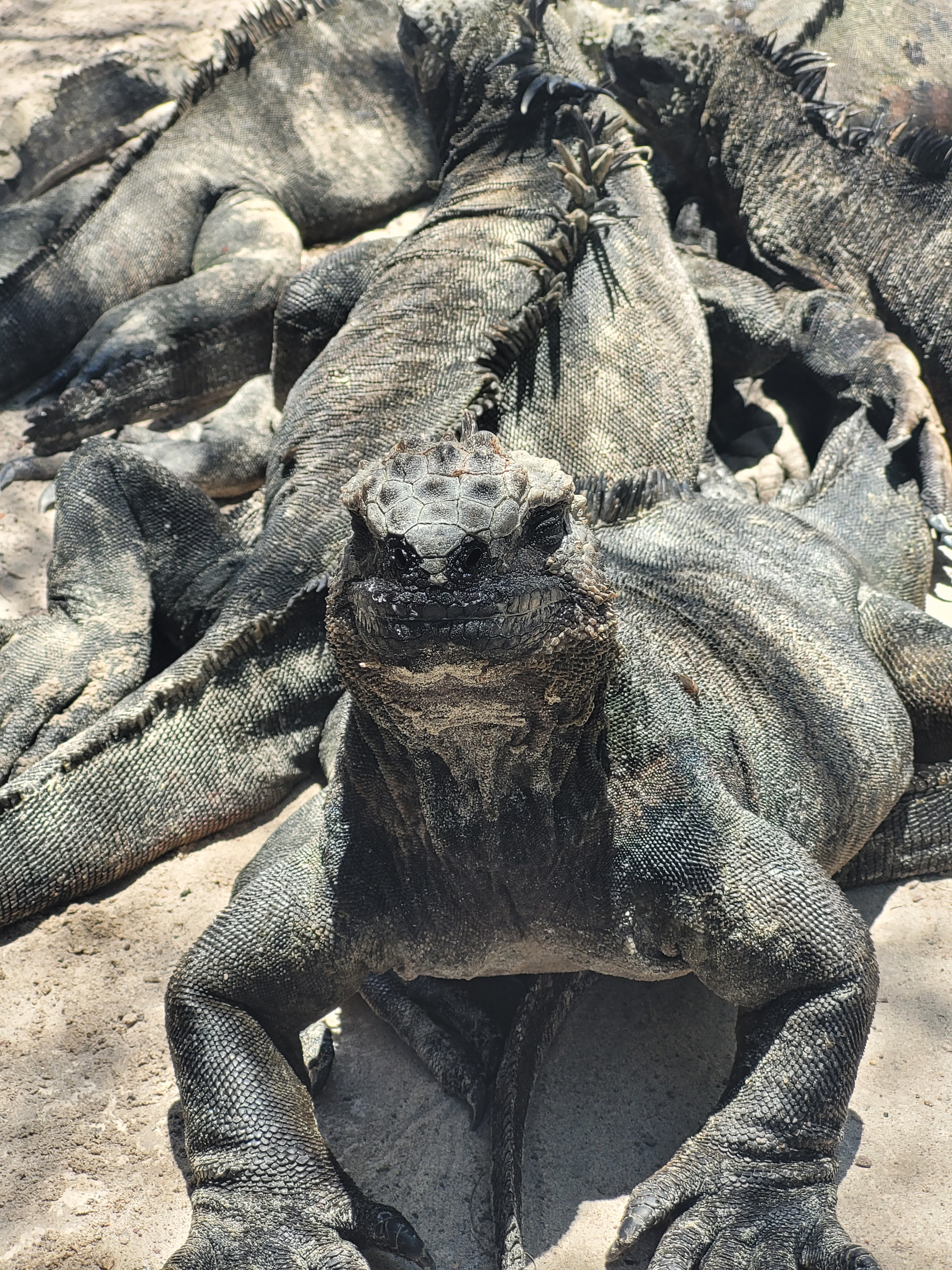
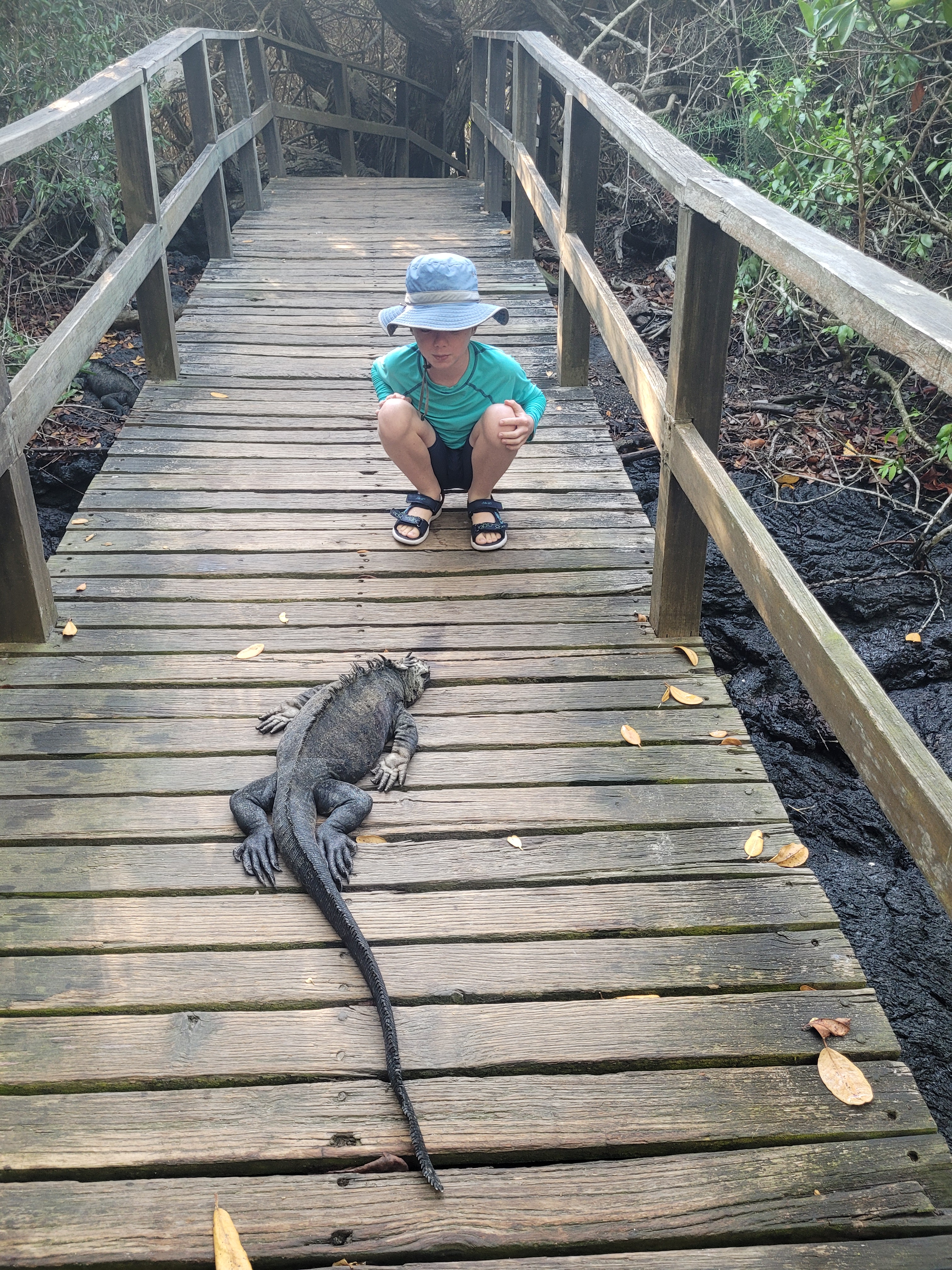
Here we had a couple of awesome days surfing on Tortuga Beach, which is reached via a meandering, 2km route dense with Opuntia cacti and Palo Santo trees, home to many Darwin finches. The 2km long beach is spectacularly beautiful with its white sand set against the blackness of the lava and vivid blue skies. We shared the beach with marine iguanas, pelicans, sea lions, sea turtle nests and shared the shallows with juvenile blacktip reef sharks.

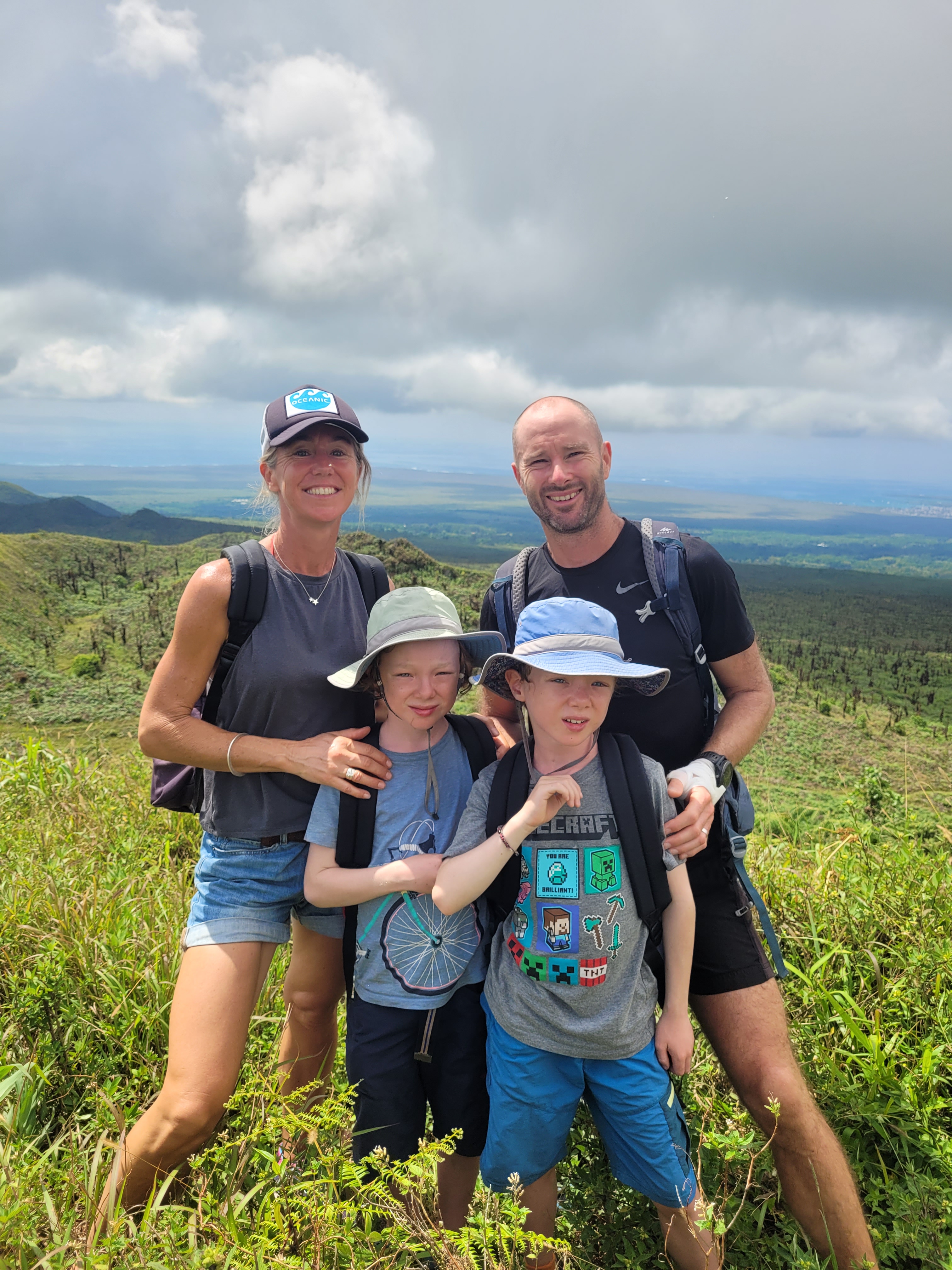
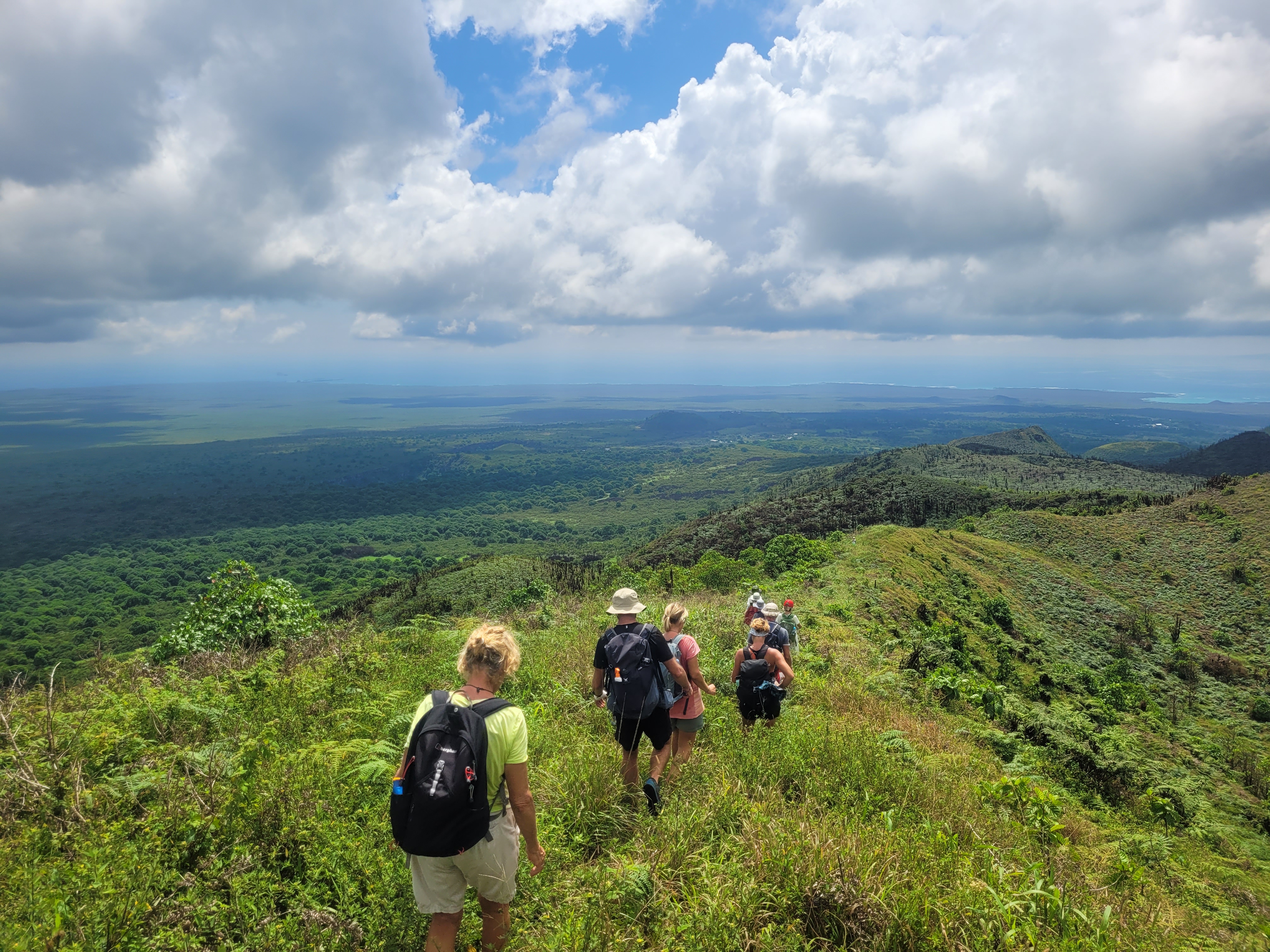
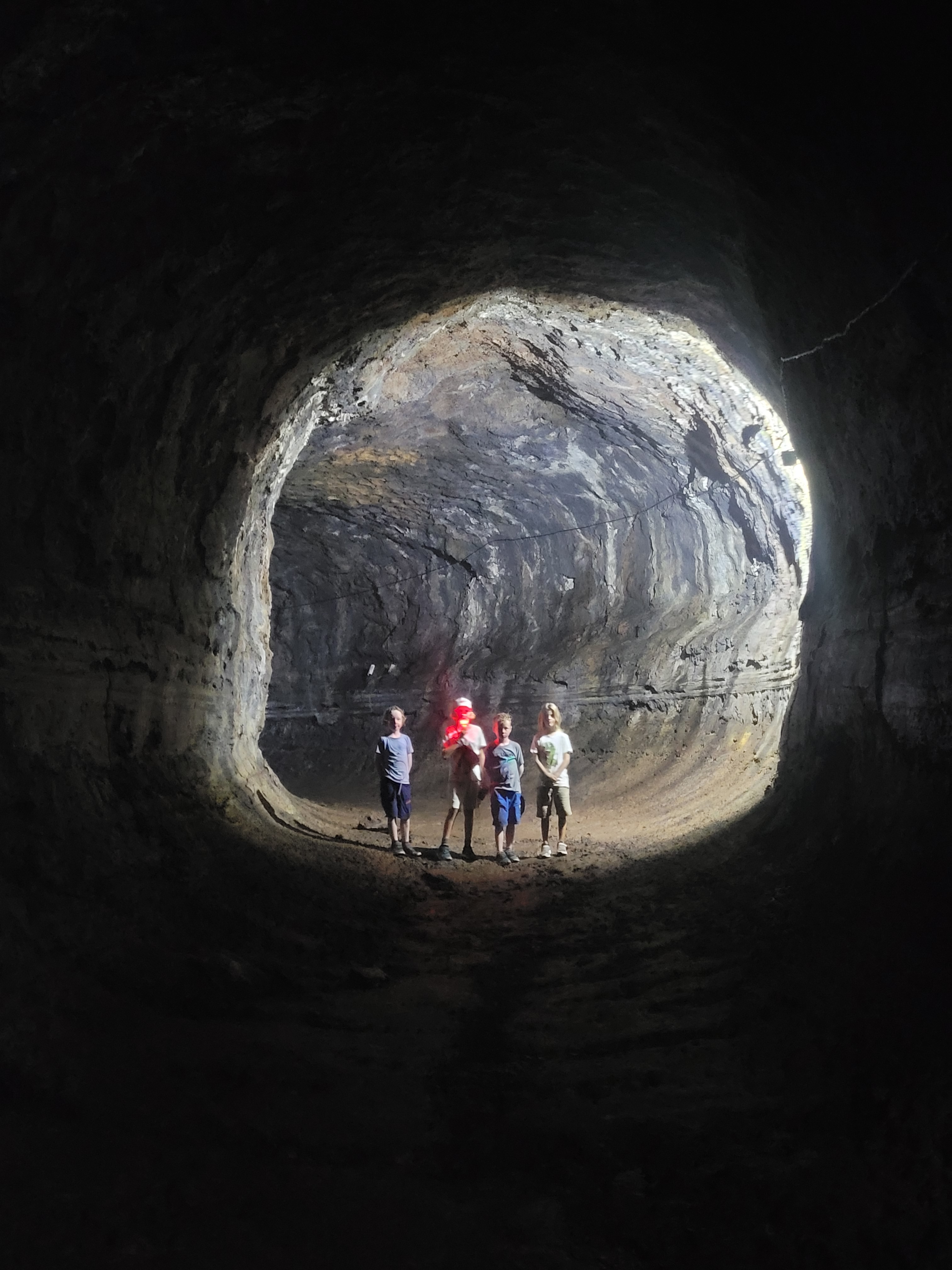
With friends from SV Mehalah, Miles Away and Wild Thing, we hiked to the islands highest peak, the extinct volcano Cerro Crocker. Later, we explored some vast lava tunnels nearby, Los Tuneles del Amor, carved by channels of molten lava and extending over 2 km long.

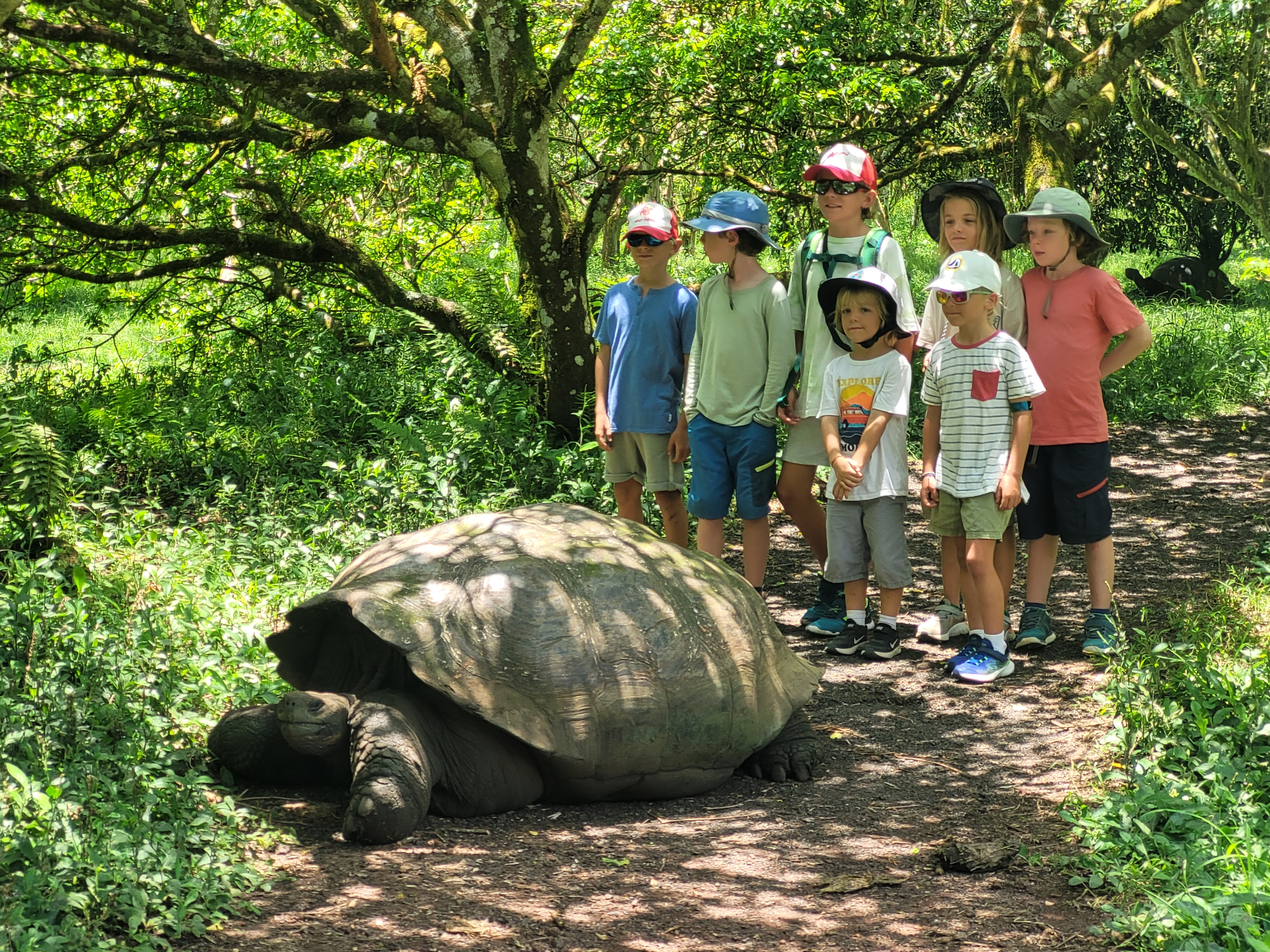
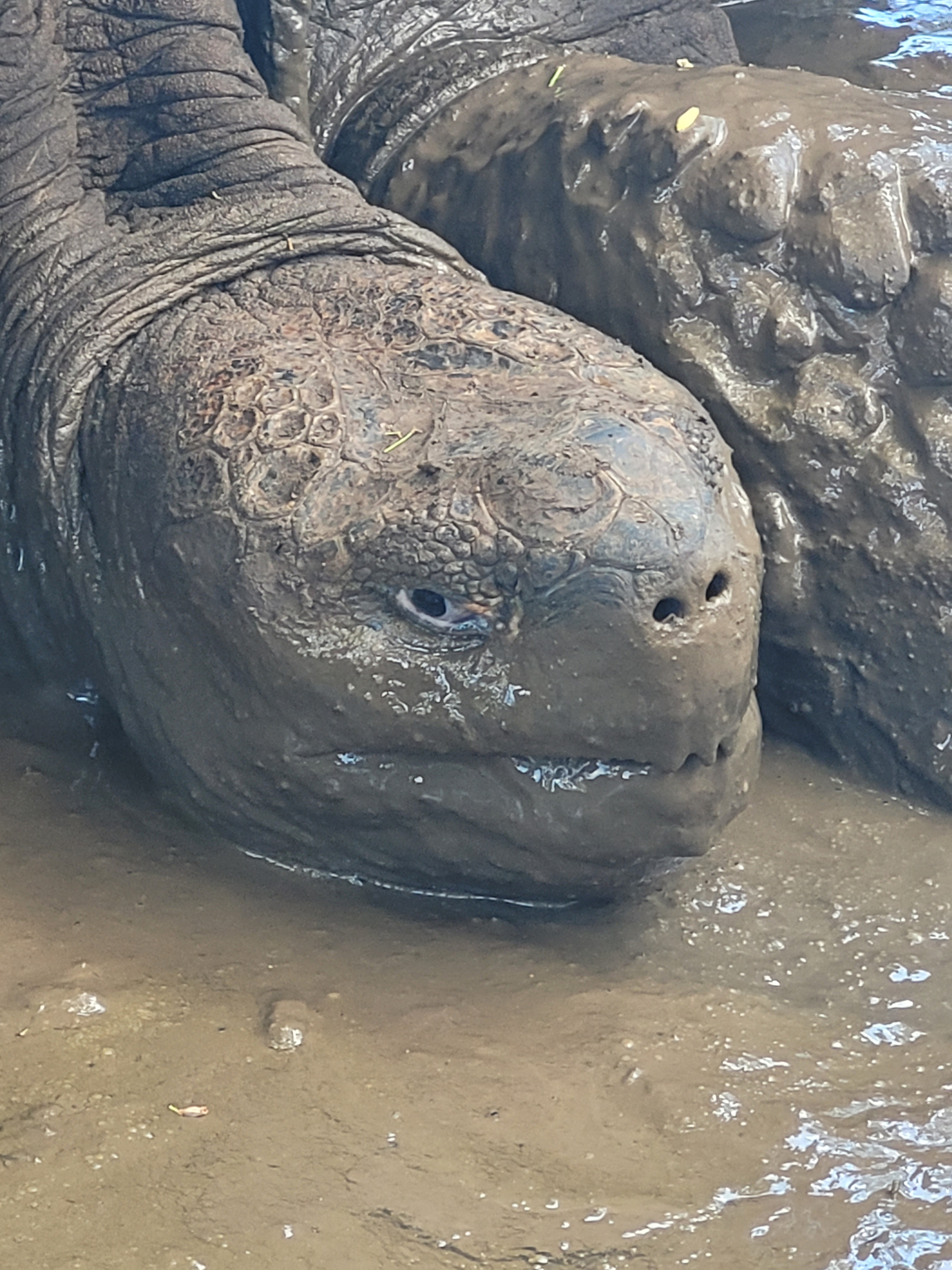
We spent a day walking in the highlands and visited the El Chato Giant Tortoise Reserve. Here we met some vast tortoises believed to be more than 150 years old.

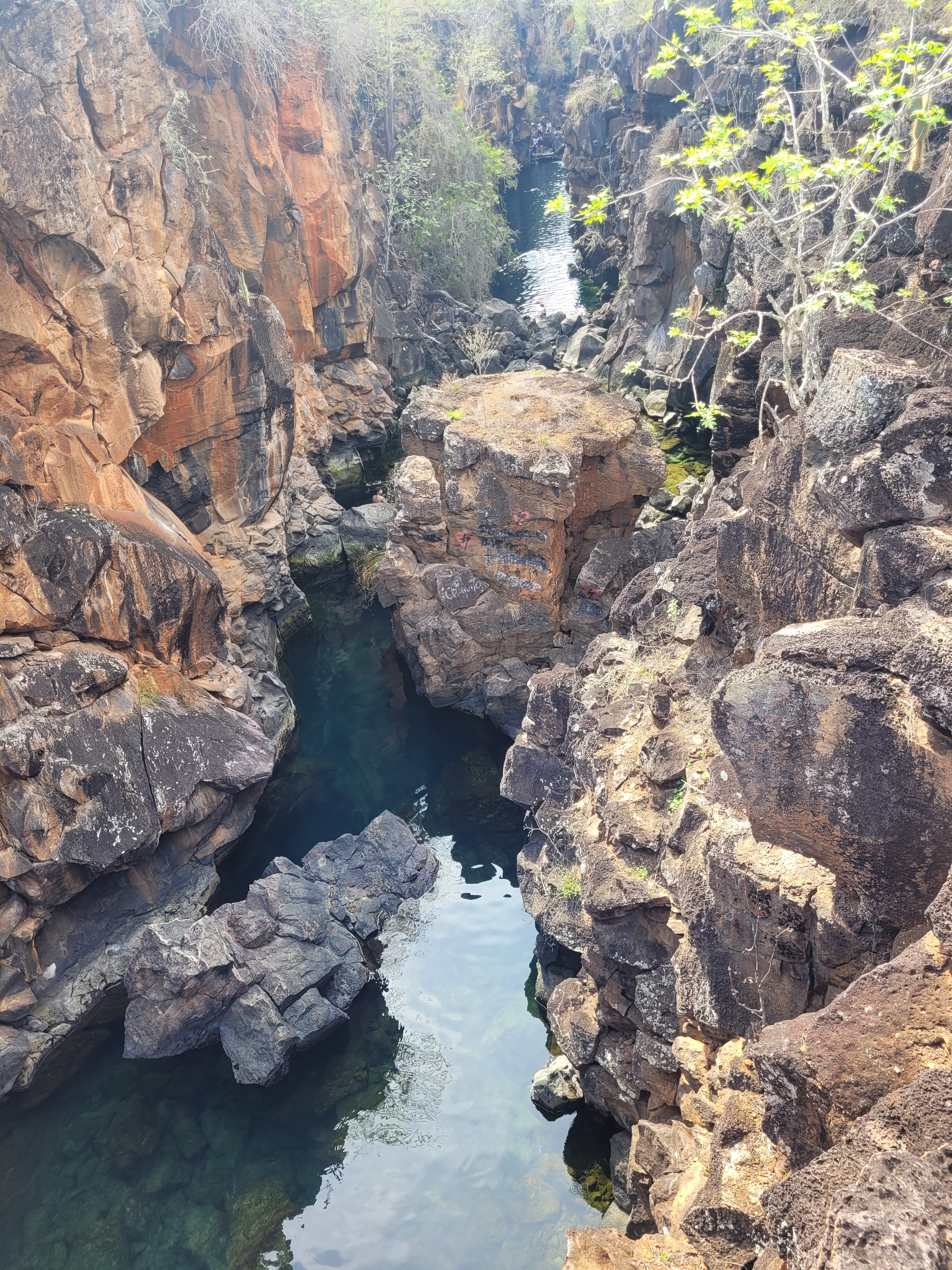
At Las Grietas we swam in inland turquoise pools, cut through towering lava cliffs and fringed with Opuntia cacti.

We visited the Charles Darwin Foundation where we learnt about the natural history of the islands, and about the on-going research projects which aim to conserve the environment and spectacular biodiversity of the Islands.

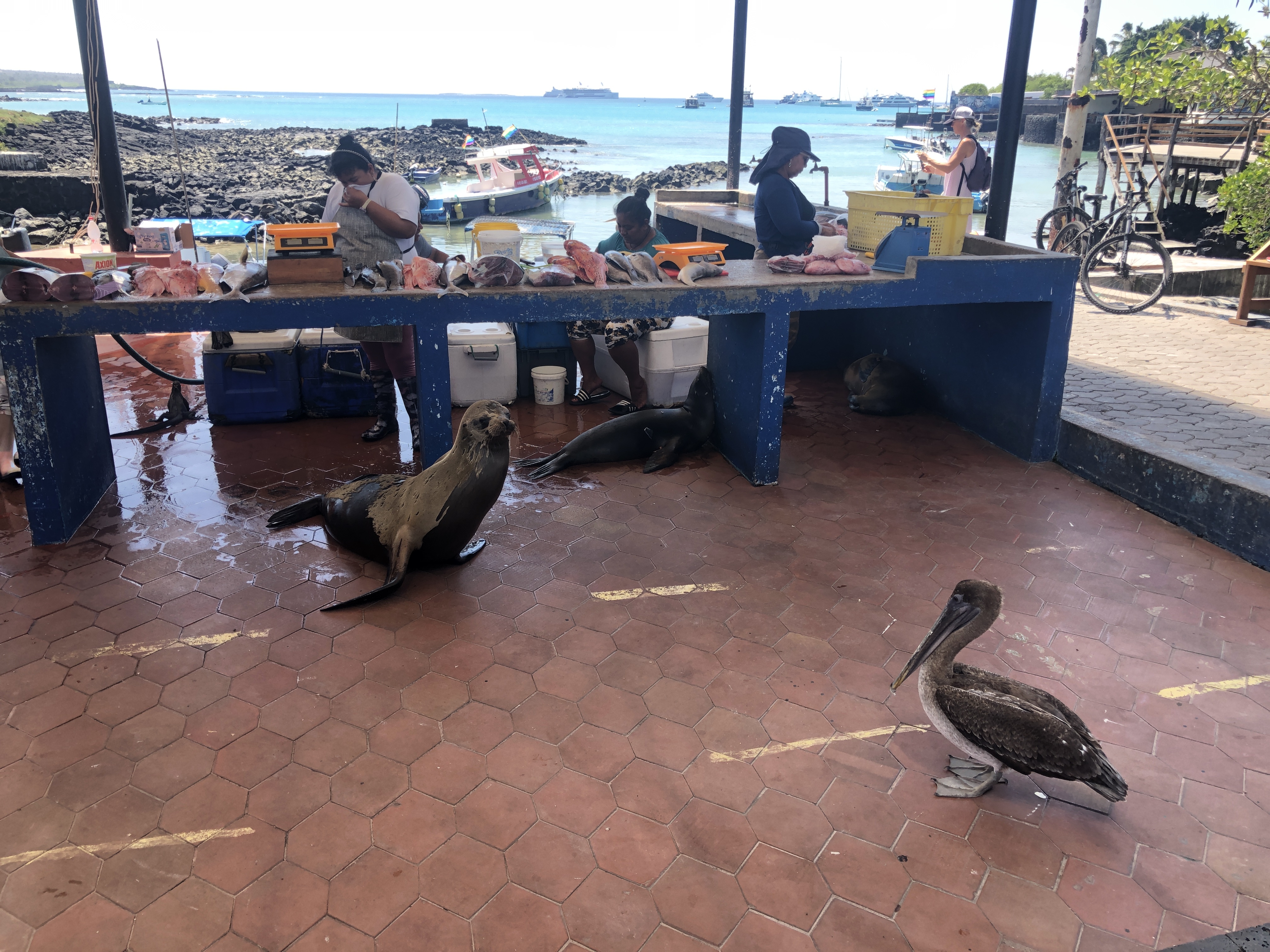
One of our favourite hang-outs here was the fish market which attracted a crowd of hovering pelicans, herons and lava gulls, some napping sea lions, and a handful of marine iguanas, all waiting expectantly for fishy scraps.


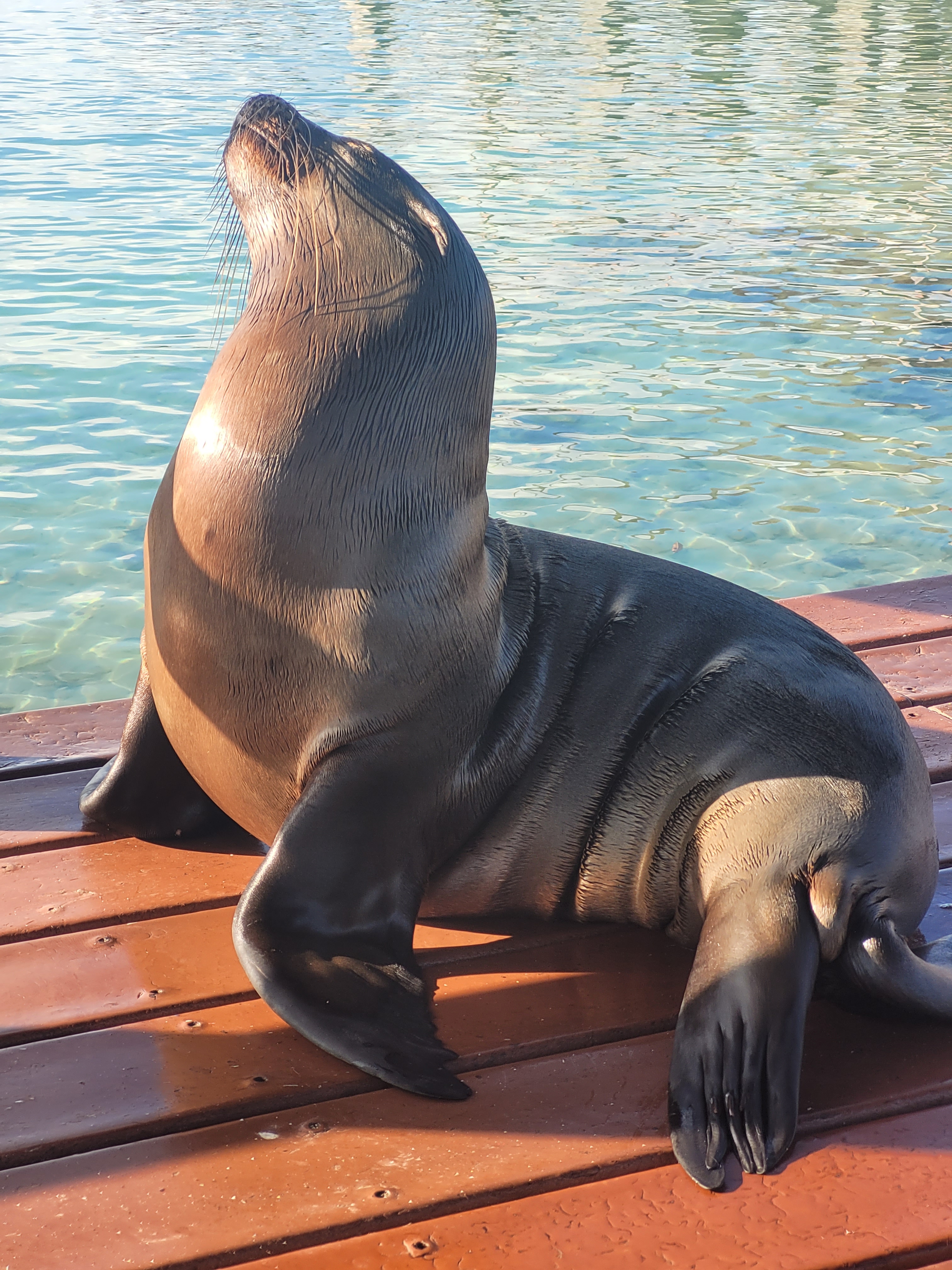
At the dock side we would regularly see 20+ juvenile black tip reef sharks, and vast schools of golden Cownose rays. Meanwhile, sea lions nursed their pups on the pontoons, enormous sea turtles glided by, Sally Lightfoot crabs scurried on nearby rocks, and pelicans plunged into the water, surfacing with still wriggling fish in their gullets. Sometime, it all felt surreal, like a movie set with a cast of exotic, tame wild animals. Such a magical place. We are immensely grateful that we are privileged with the opportunity to explore these islands with our boys.

Isabella

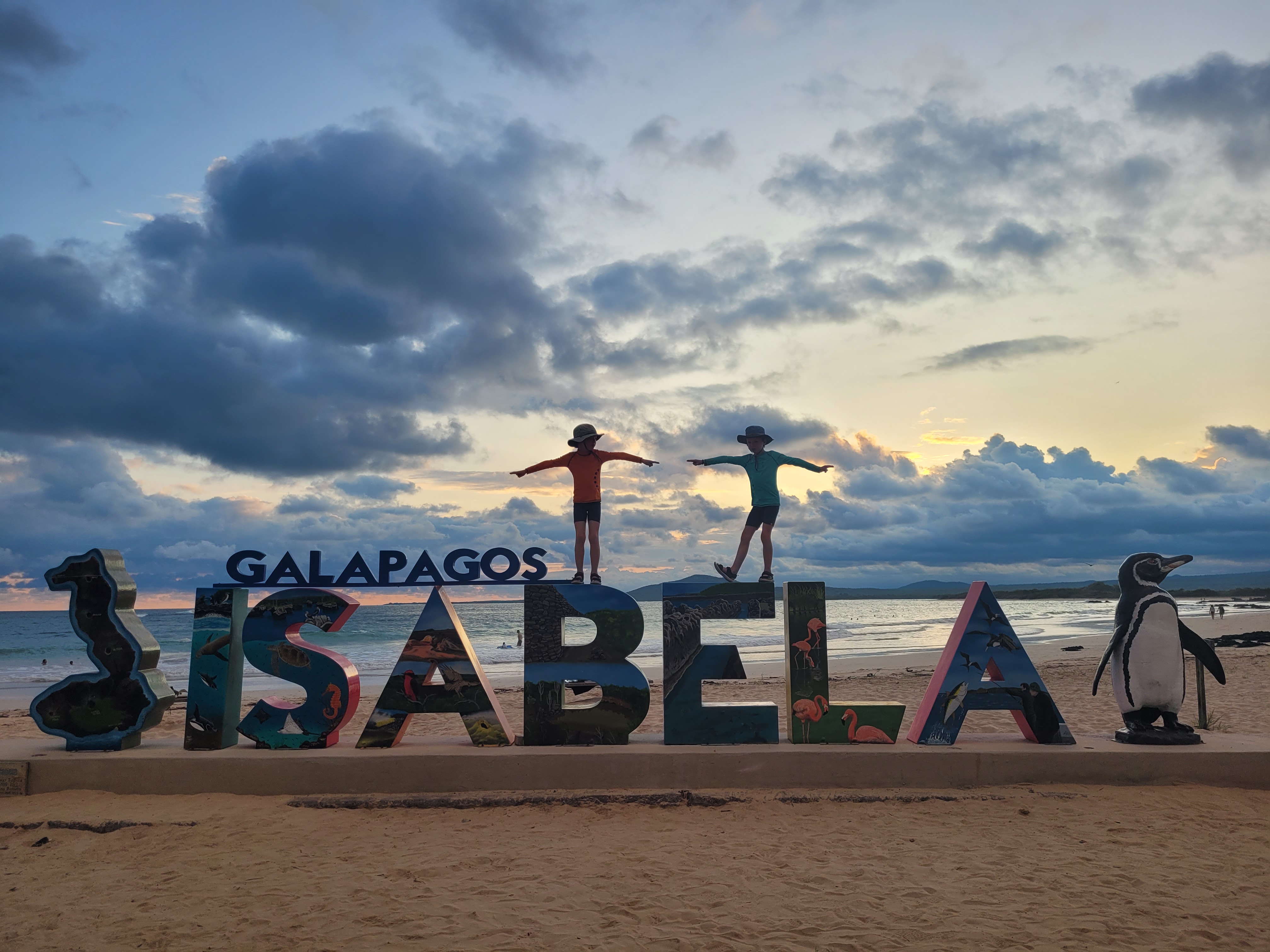
A day sail westward from Santa Cruz took us to Villamil, Isla Isabela.Here we enjoyed more wild action from pelicans, frigate birds, giant tortoises, sea lions, marine iguanas and we finally spotted some blue footed boobies.

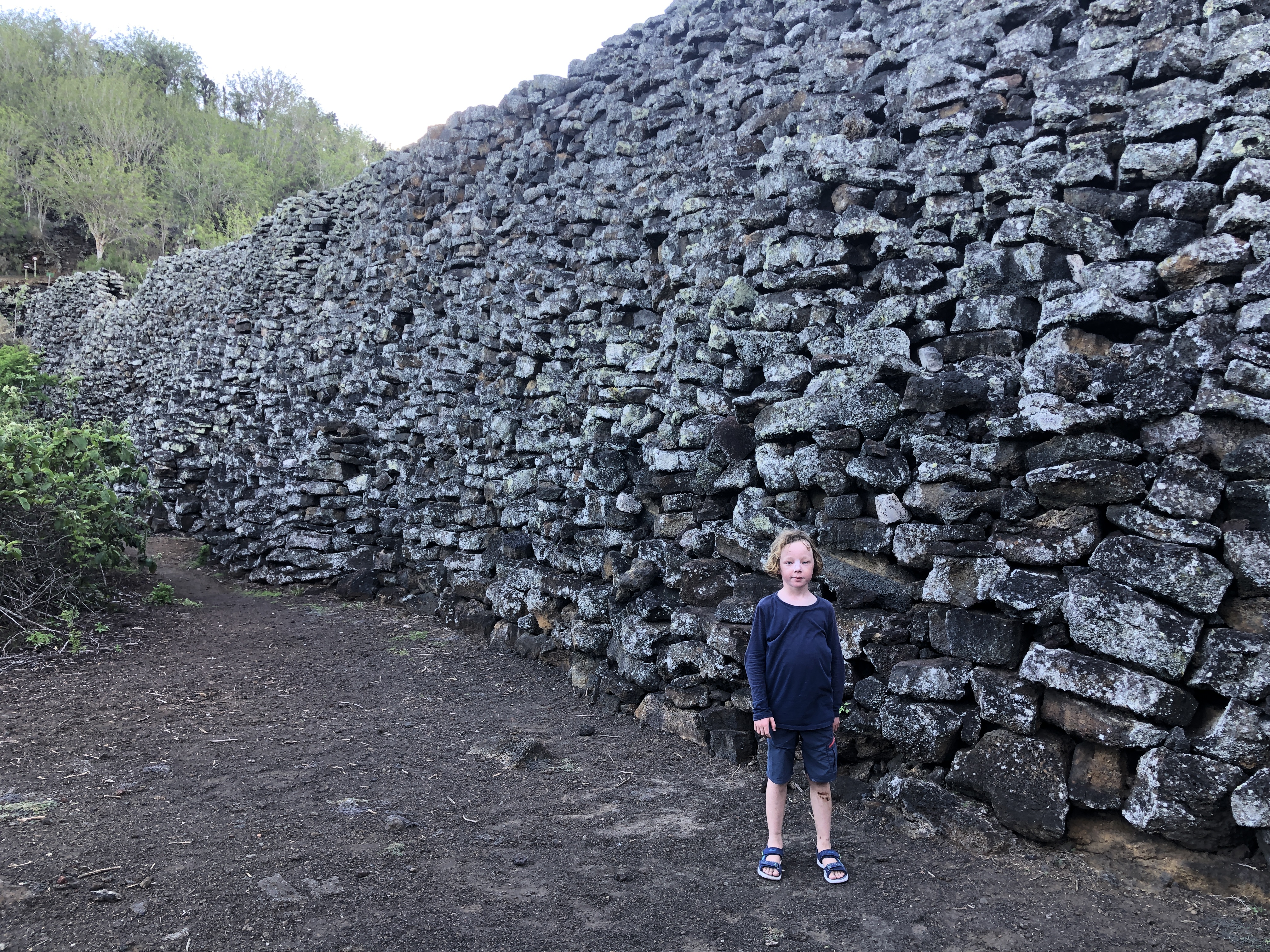
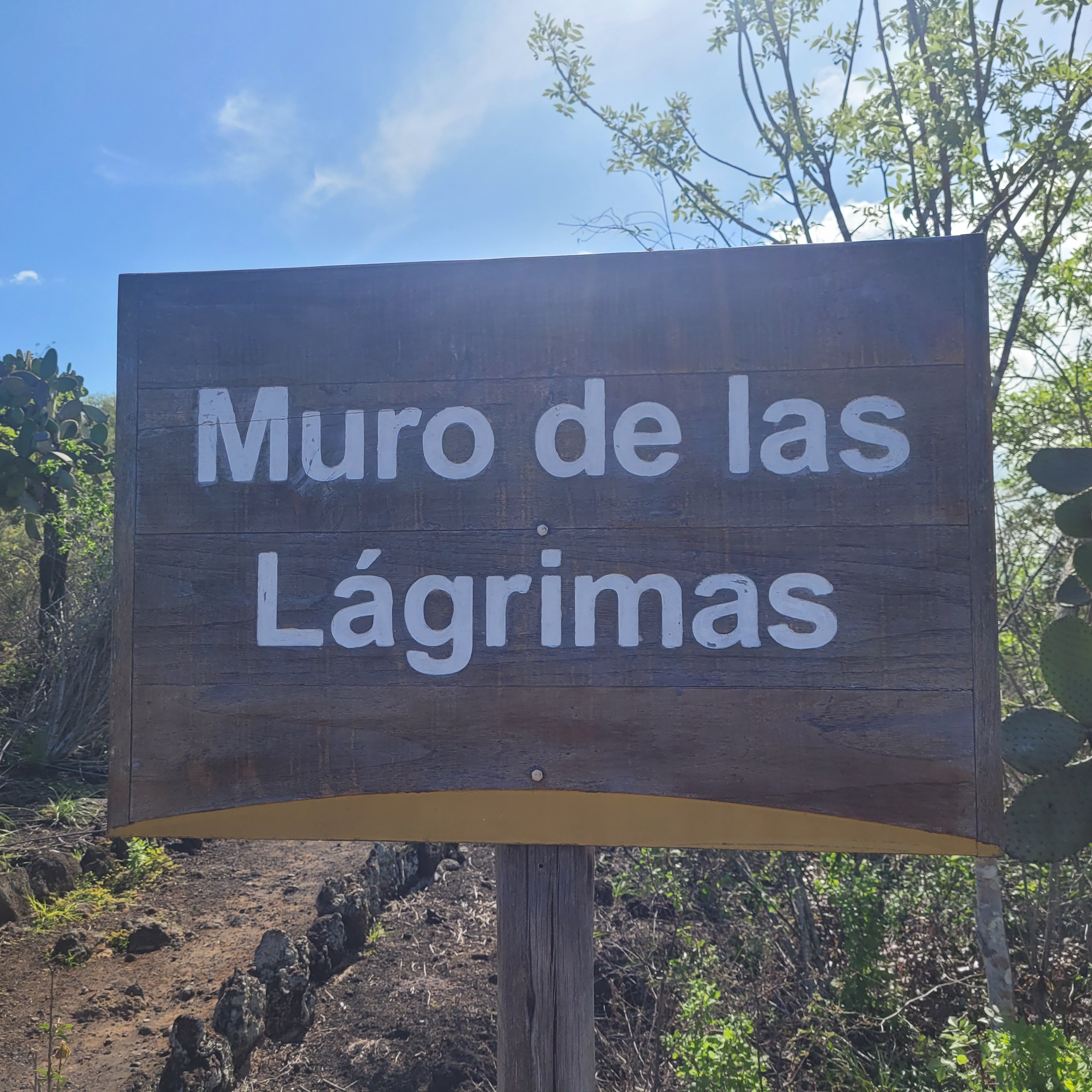
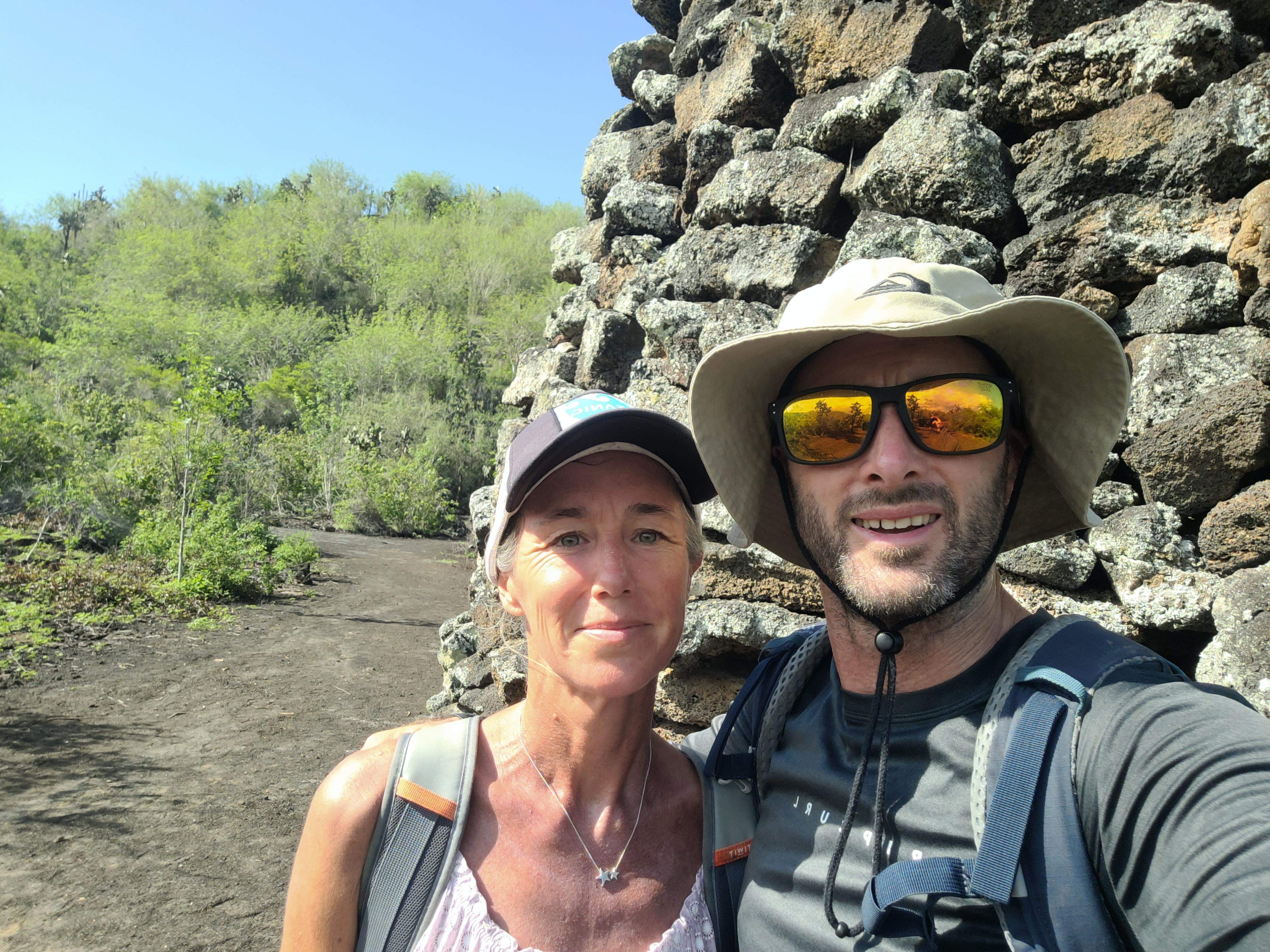
Highlights on Isabela included a bike ride out to the Wall of Tears, past vast, rugged surf beaches, and a hike up to the El Radar lookout point. Often overshadowed by the phenomenal wildlife, the Galapagos Islands have a fascinating human history. A brutal penal colony was established on Isabela in the 1940s, by the then president of Ecuador, using infrastructure left by the US military after World War II.

Political prisoners and petty criminals alike were sent to the island where the regimen was especially cruel, and the 300 prisoners were forced to build a pointless wall as a means of punishment. Out in the sweltering heat, prisoners had to walk long distances to the quarry, where they cut blocks from volcanic rocks and then carry them back to the site and place them on the wall. The only purpose of the wall was to inflict suffering and many men died in its construction. Now known as the El Muro de las Lágrimas or the Wall of Tears, the construction remains today as a memorial all those who suffered there.

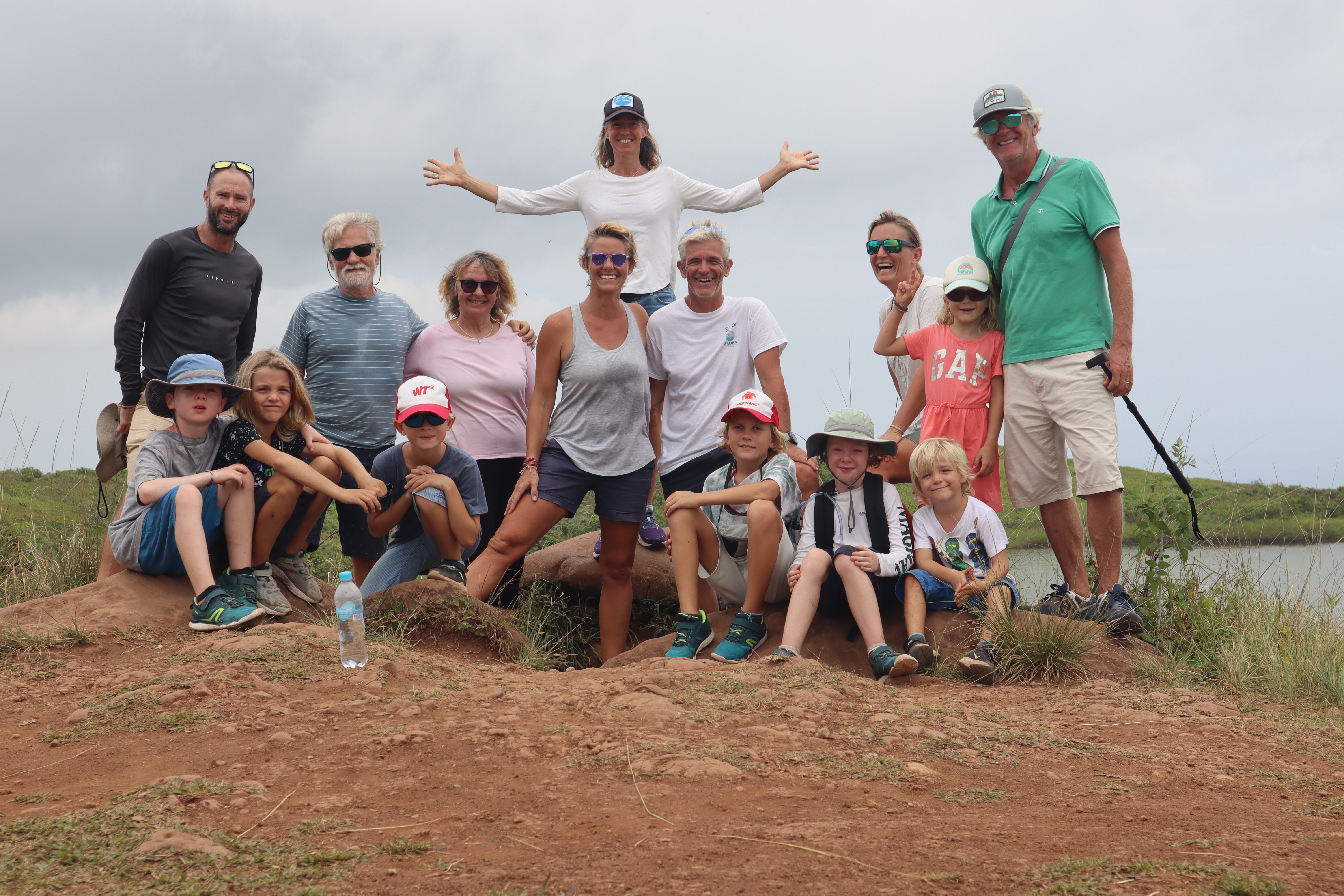
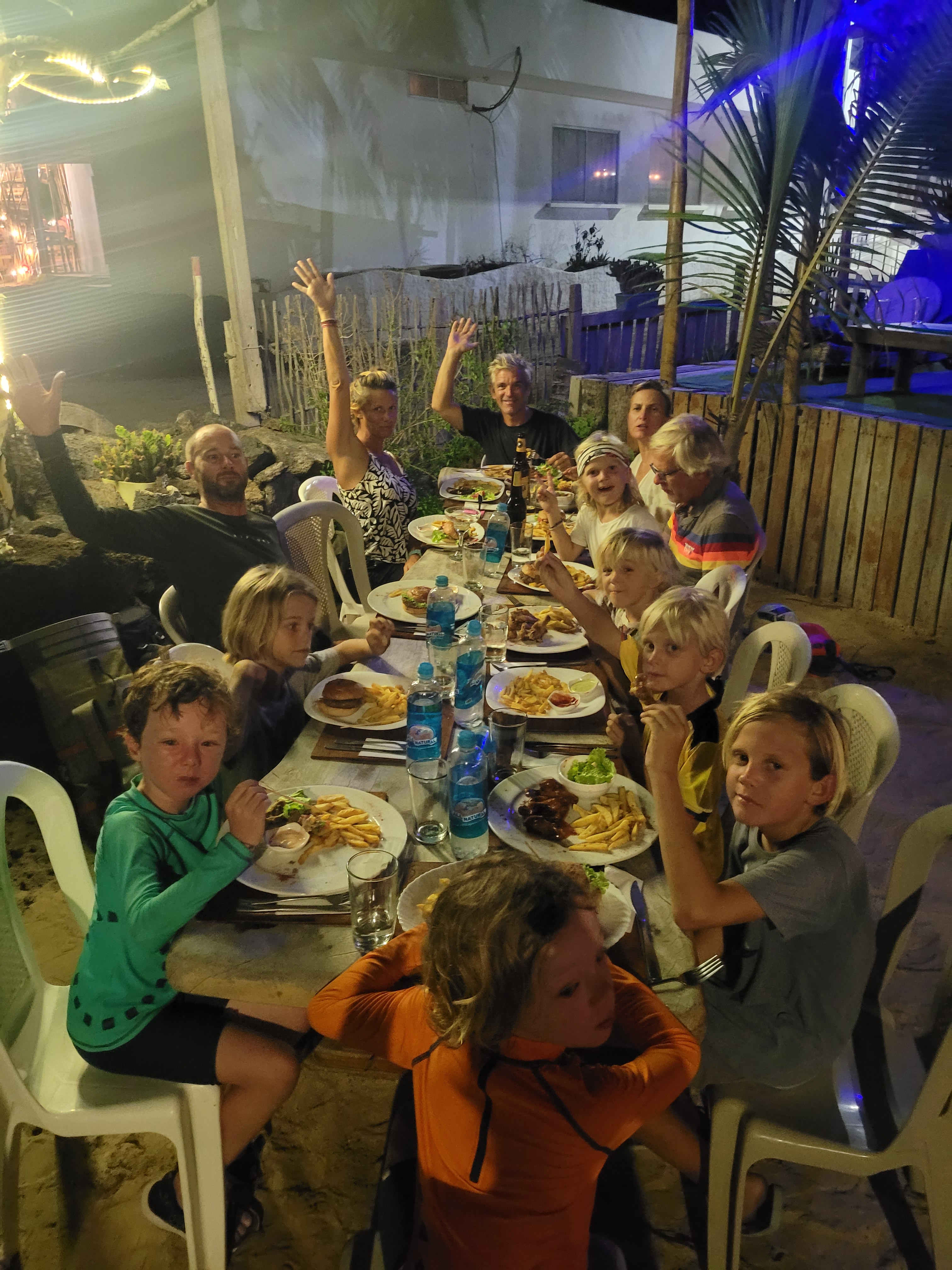
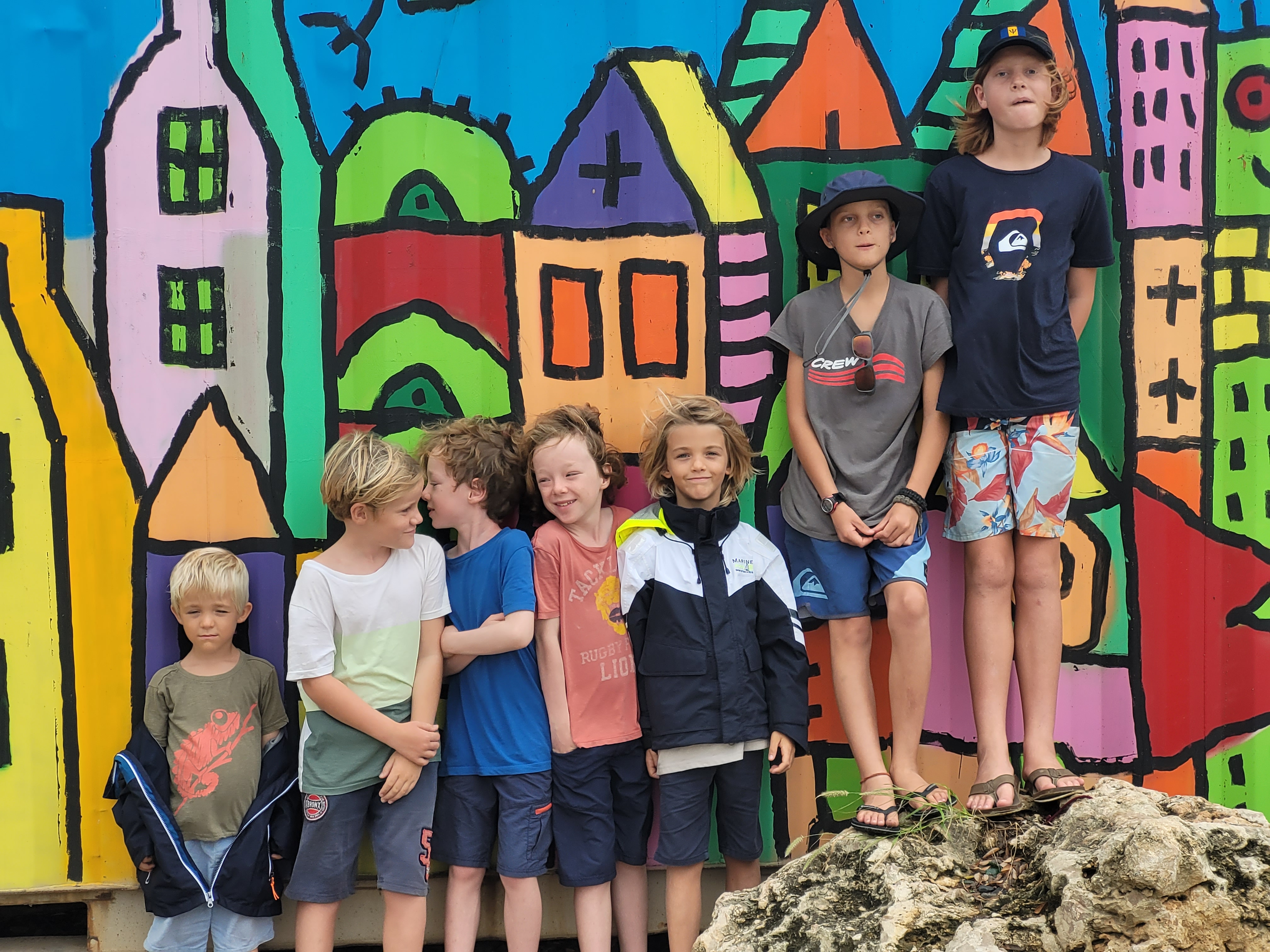
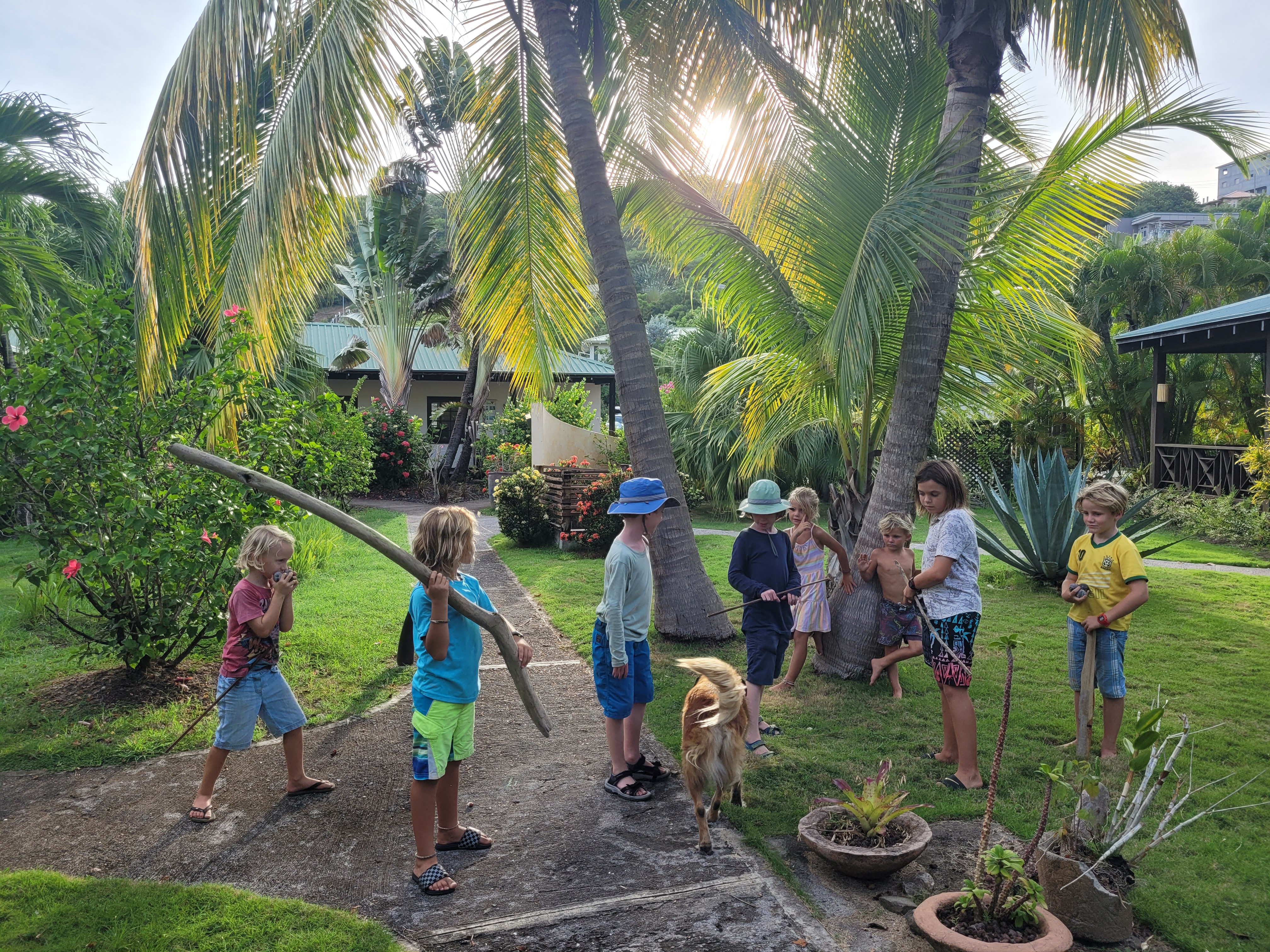
More cheerily, we had a great time hanging out with friends from SV Miles Away and SV Wild Thing 2. With seven kids, age 6-11 between us, they have formed an awesome tribe of spirited, independent, slightly feral, young explorers. The adults are pretty cool company too.

After a week in Isabela, we sailed back to Santa Cruz to reprovision and to complete the immigration formalities in preparation for our next passage to French Polynesia. At 3000nm, the journey from Santa Cruz to the Marquesas islands represents the longest single leg of our whole trip. It is a tricky route, with areas of unpredictable light winds and frequent squally periods. All being well, we hope to arrive in 3-4 weeks.

Many thanks for your support, enthusiasm and encouragement, it really helps, especially on bad days when the weather is challenging, precious boat bits fail, or when home school gets too much!
The Pacific to the Galapagos

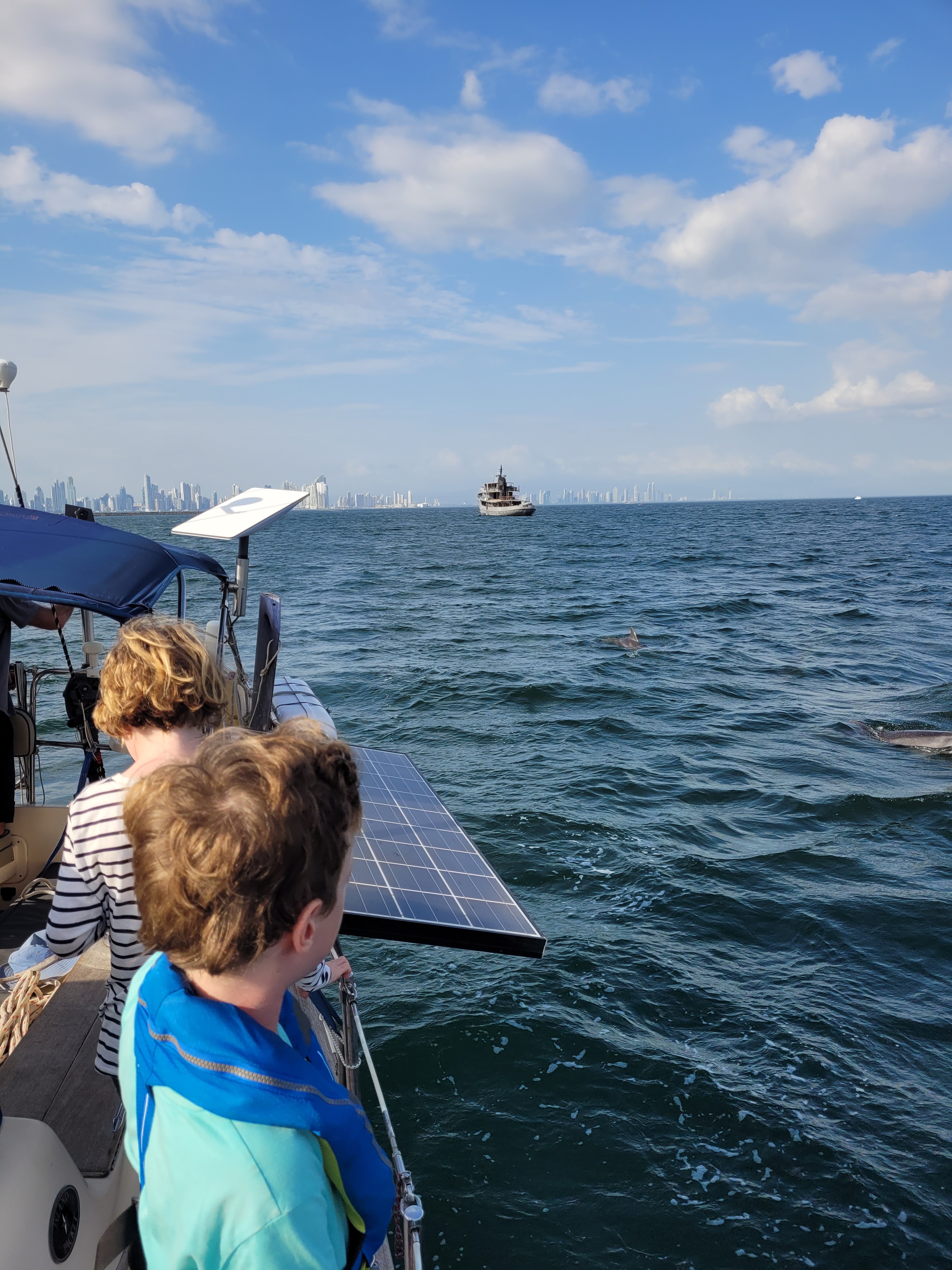
On 23rd February, with bilges bulging with provisions, we were escorted out of La Playita anchorage by a pod of Pacific bottlenose dolphins. We anchored overnight off Isla Taboga in order to scrub Mowzer’s bottom, removing all barnacles and soft growth, a requirement for our next destination, The Galapagos, 1000nm to the West.

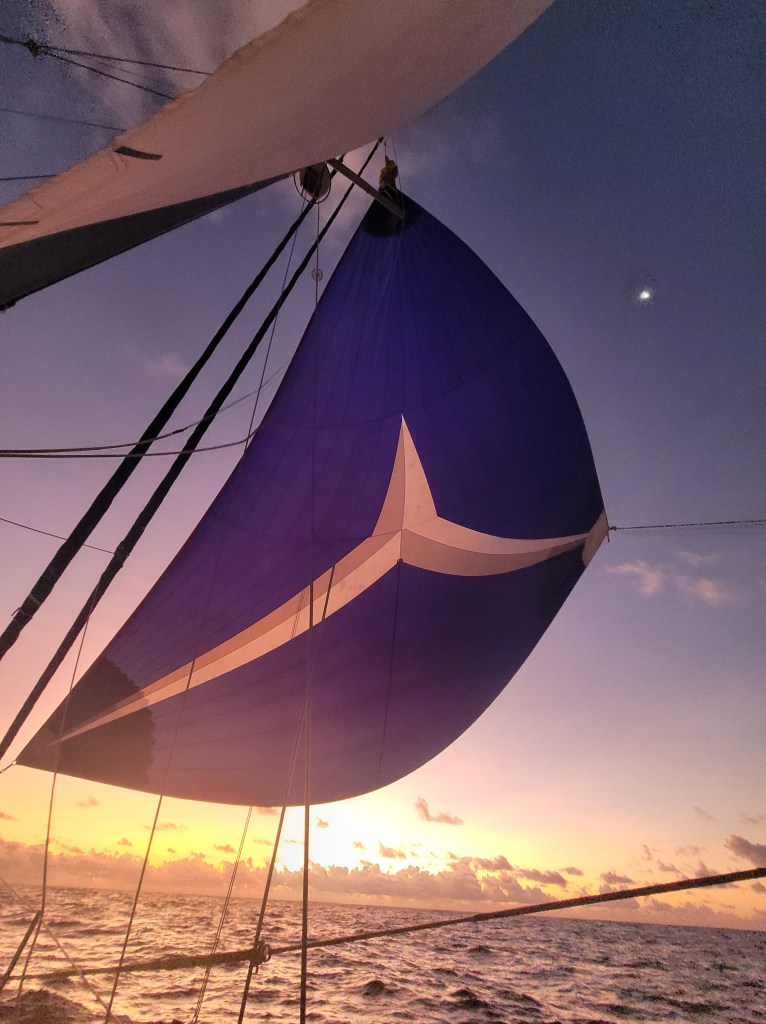
We had idyllic conditions with a favourable current for the entire passage, and were able to fly our gennaker (a big, colourful sail used in light winds) for the majority of our week at sea.

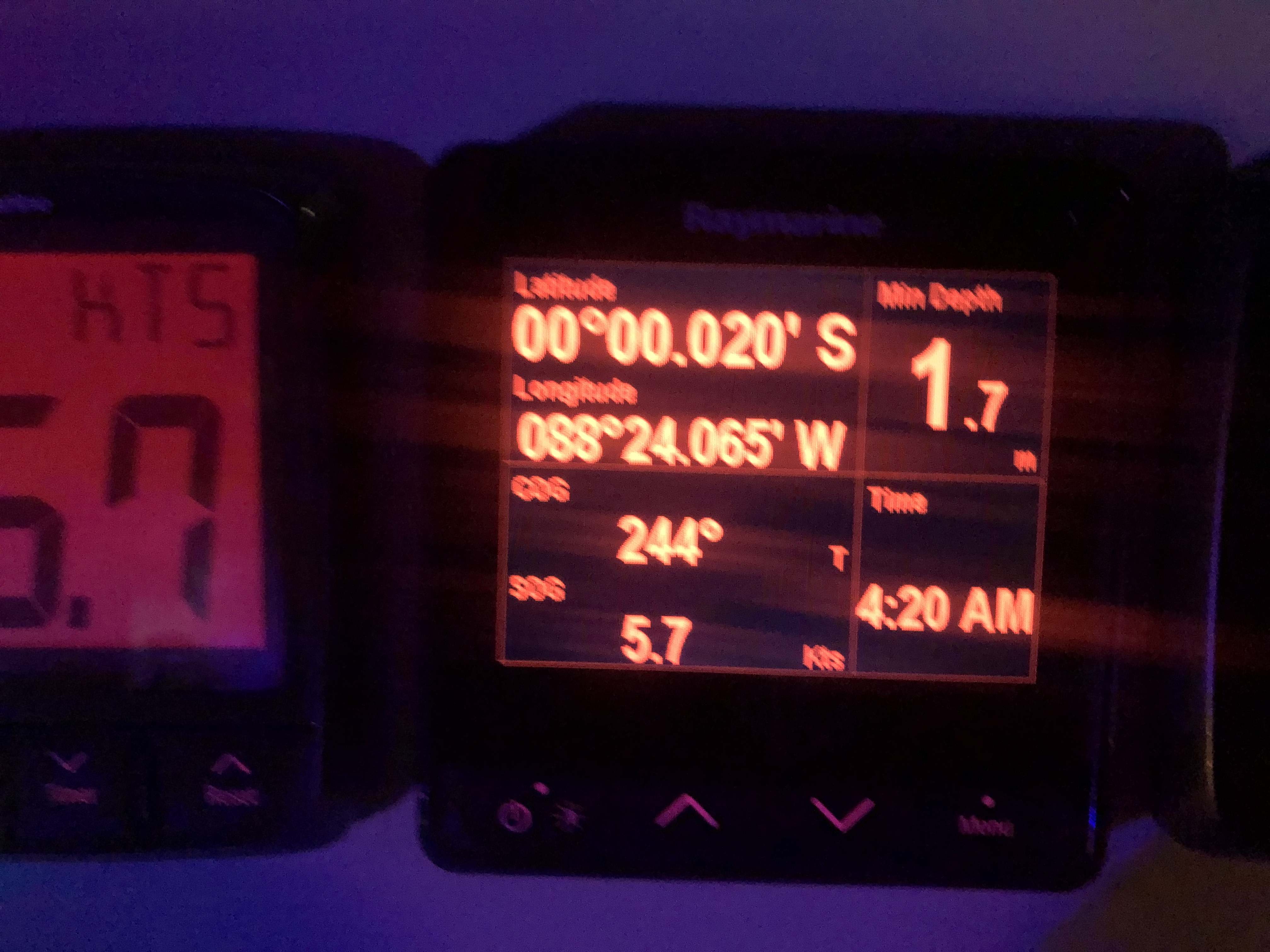
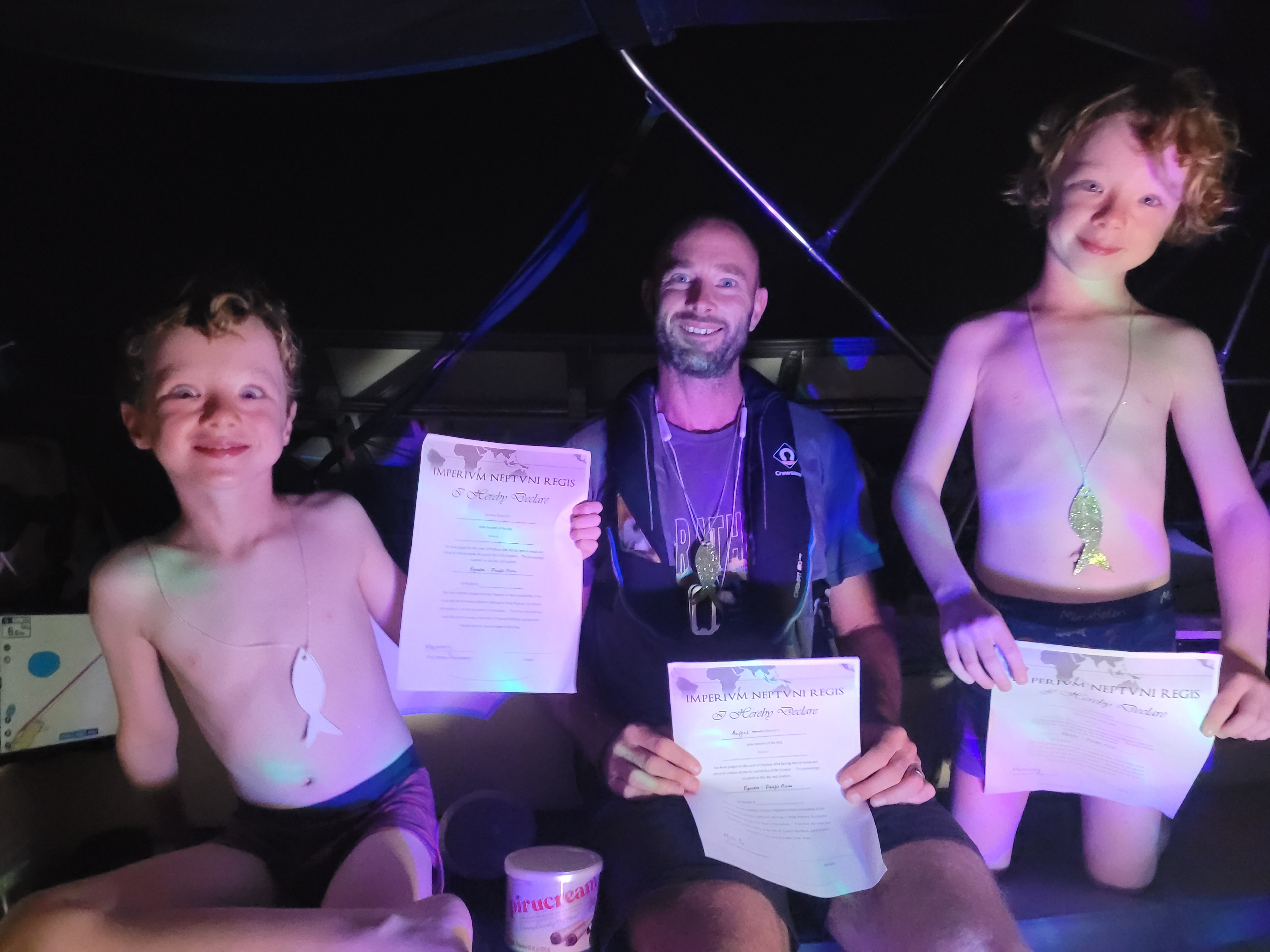
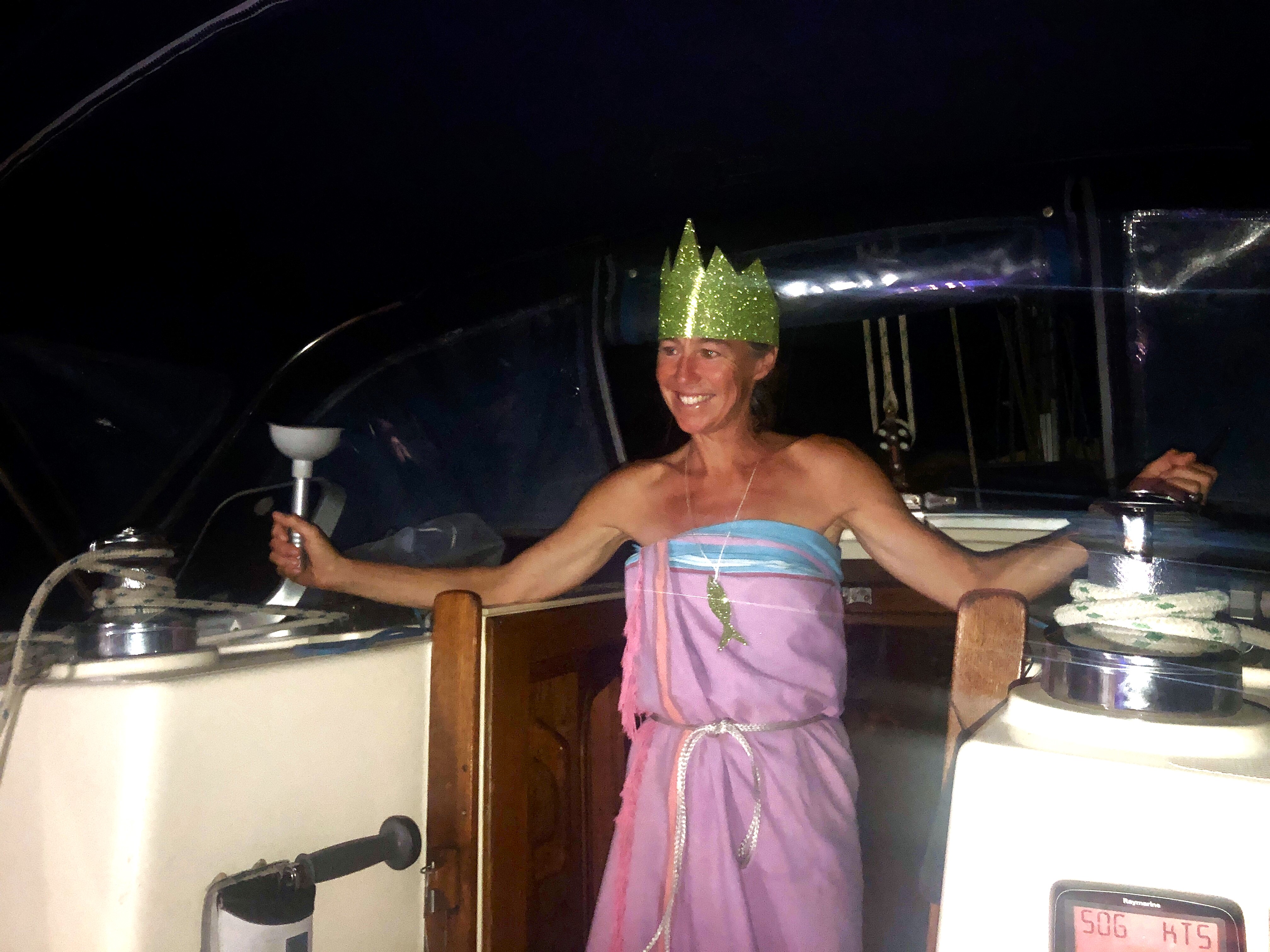
Day 5 saw us crossing the equator at 00 00’N/S, 088 24’W, into the Southern hemisphere. A 400-year-old seafaring tradition holds that a line crossing ceremony commemorates a sailor’s first transit of the equator. Those who have crossed the equator previously are known as ‘Shellbacks’ and play the role as King or Queen Neptune, whilst first-timers are known as ‘Pollywogs’. As a veteran Shellback, Queen Neptune Zoe, equipped with a sink plunger in lieu of a sceptre, initiated Angus, Barnaby and Zennor into the mysteries of the deep….

The next day, Mowzer and her four Shellbacks arrived safely in the Galapagos Islands.

Panama Jan – Feb 2023

Portobelo

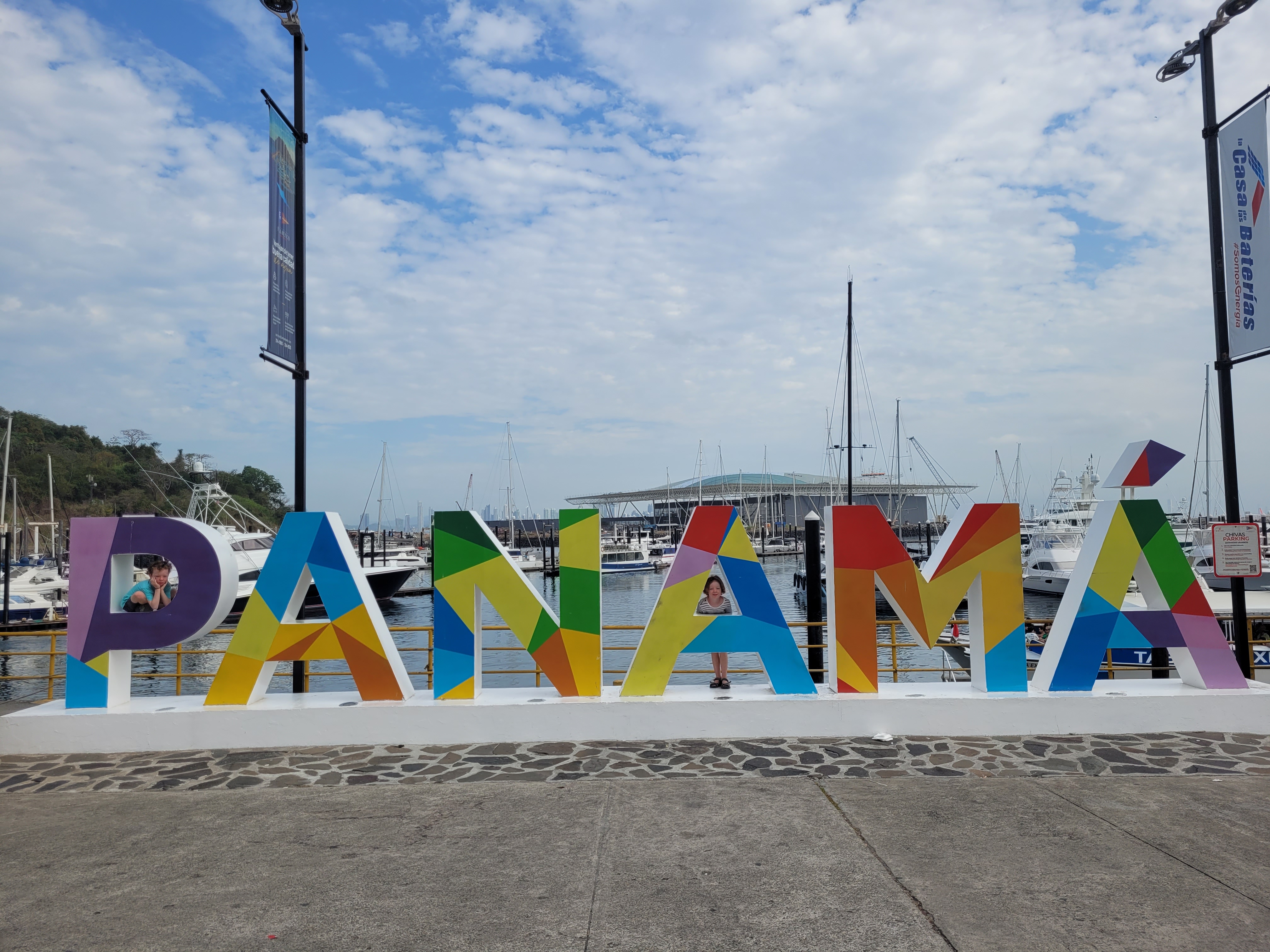
From Colombia we had a 48hr sail to our next destination, Portobelo in Panama.

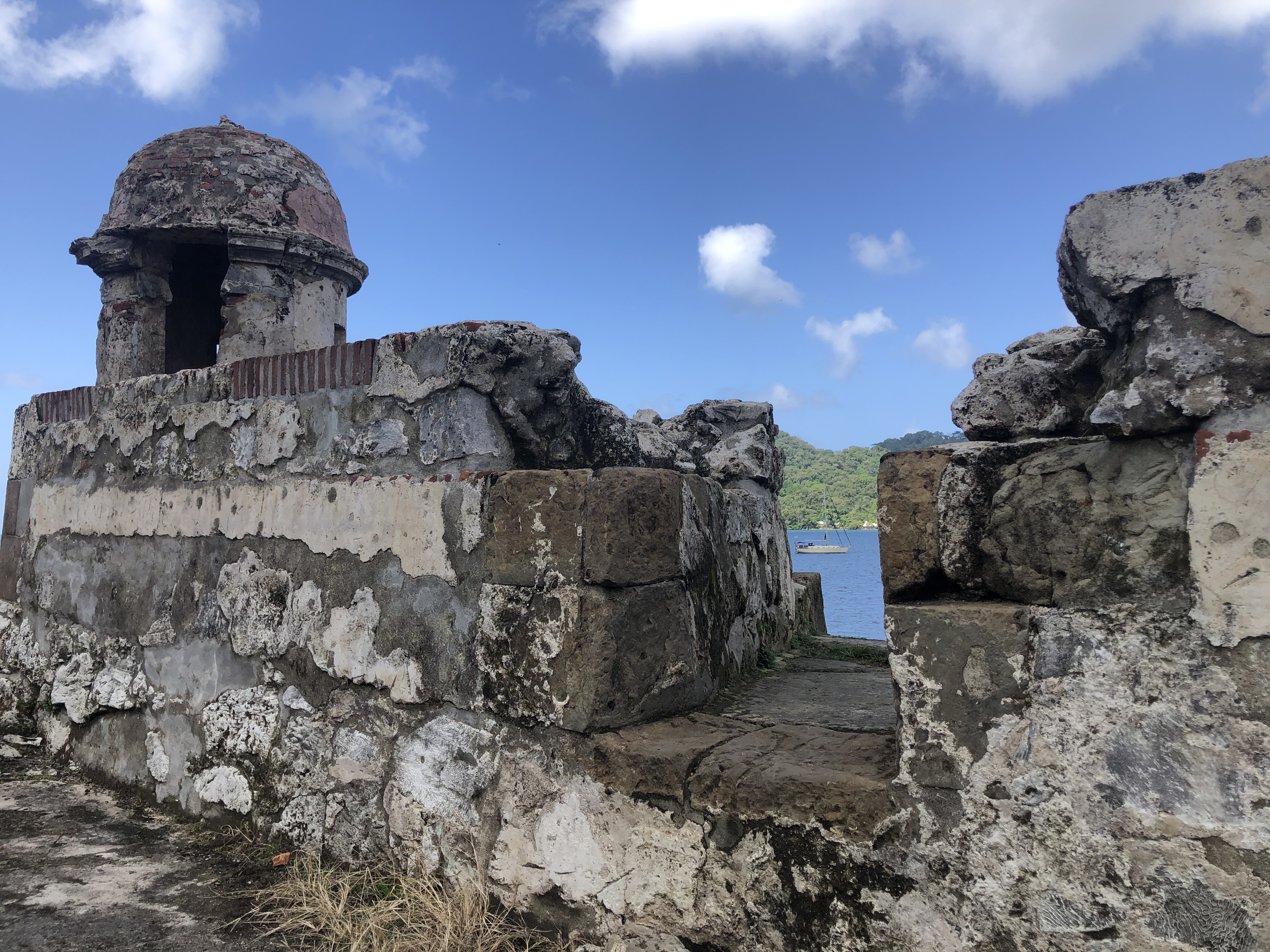
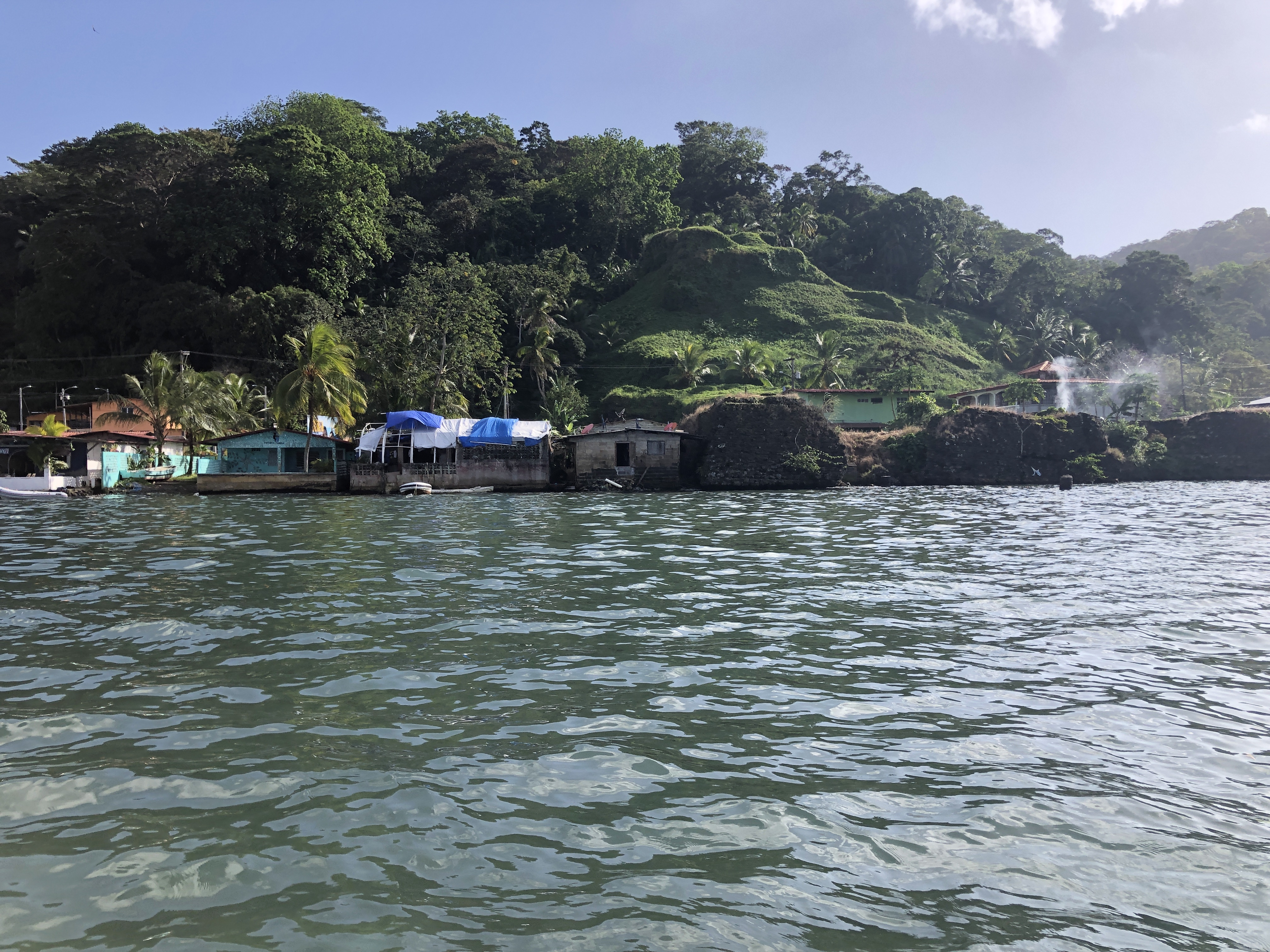
We anchored off the UNESCO World Heritage 17th-century fortifications, surrounded by dense jungle inhabited by a community of especially vocal howler monkeys.

In the past, Portobelo was the target of many pirate and privateer attacks and is the final resting place of Sir Frances Drake who was buried at sea here in 1596 after he contracted dysentery.

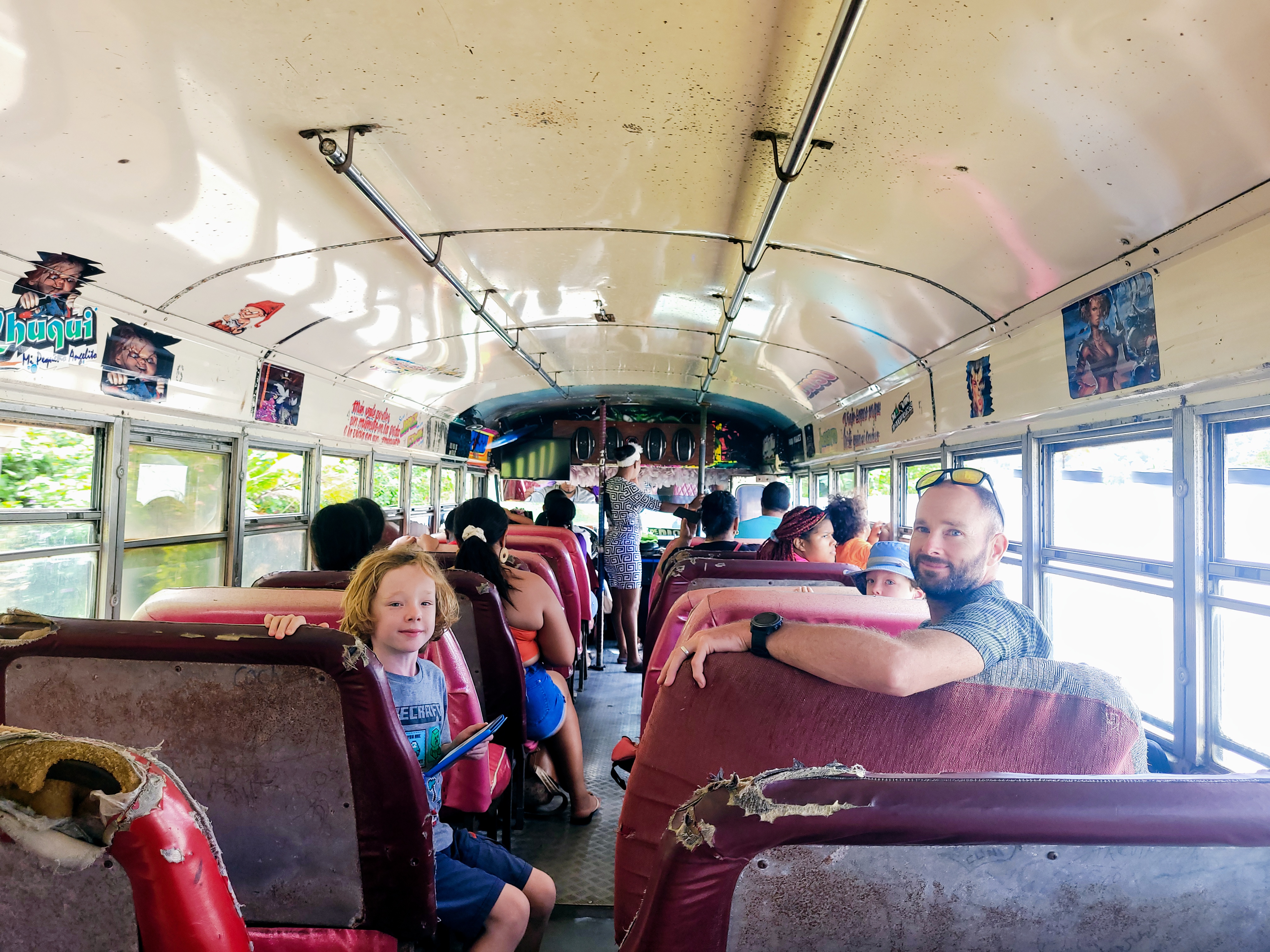
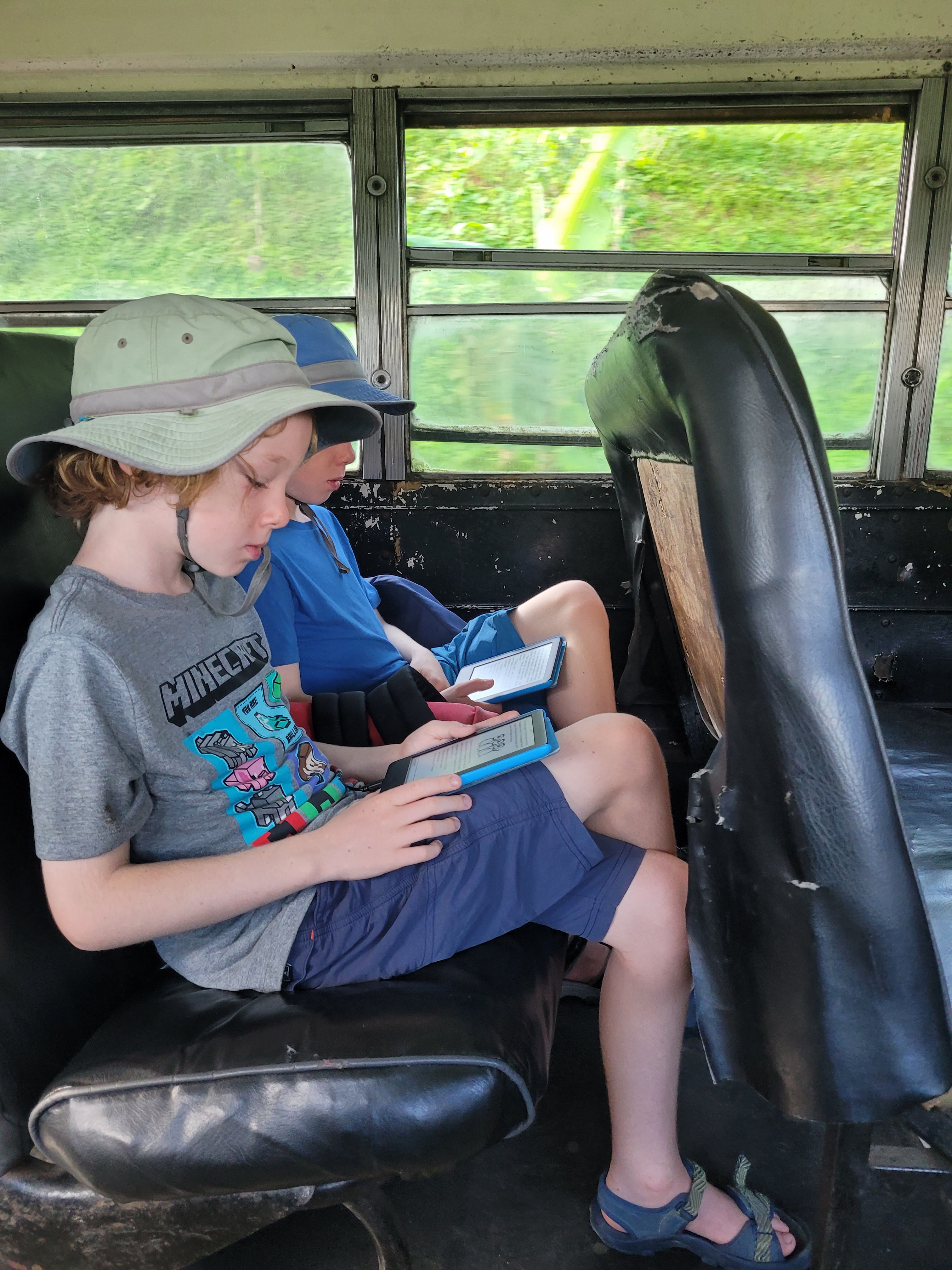
We completed our immigration and customs obligations and then took a memorable ride on a decrepit bus into Colon to apply for our cruising permit. Colon is a sad, decaying, and impoverished city. Upon leaving our bus, we were immediately stopped by two police officers and warned that we were not safe to walk the streets there. When I was in Colon 21 years ago, I had a near identical experience – it’s depressing that nothing has improved for the residents of Colon in the intervening years.

Chagres River

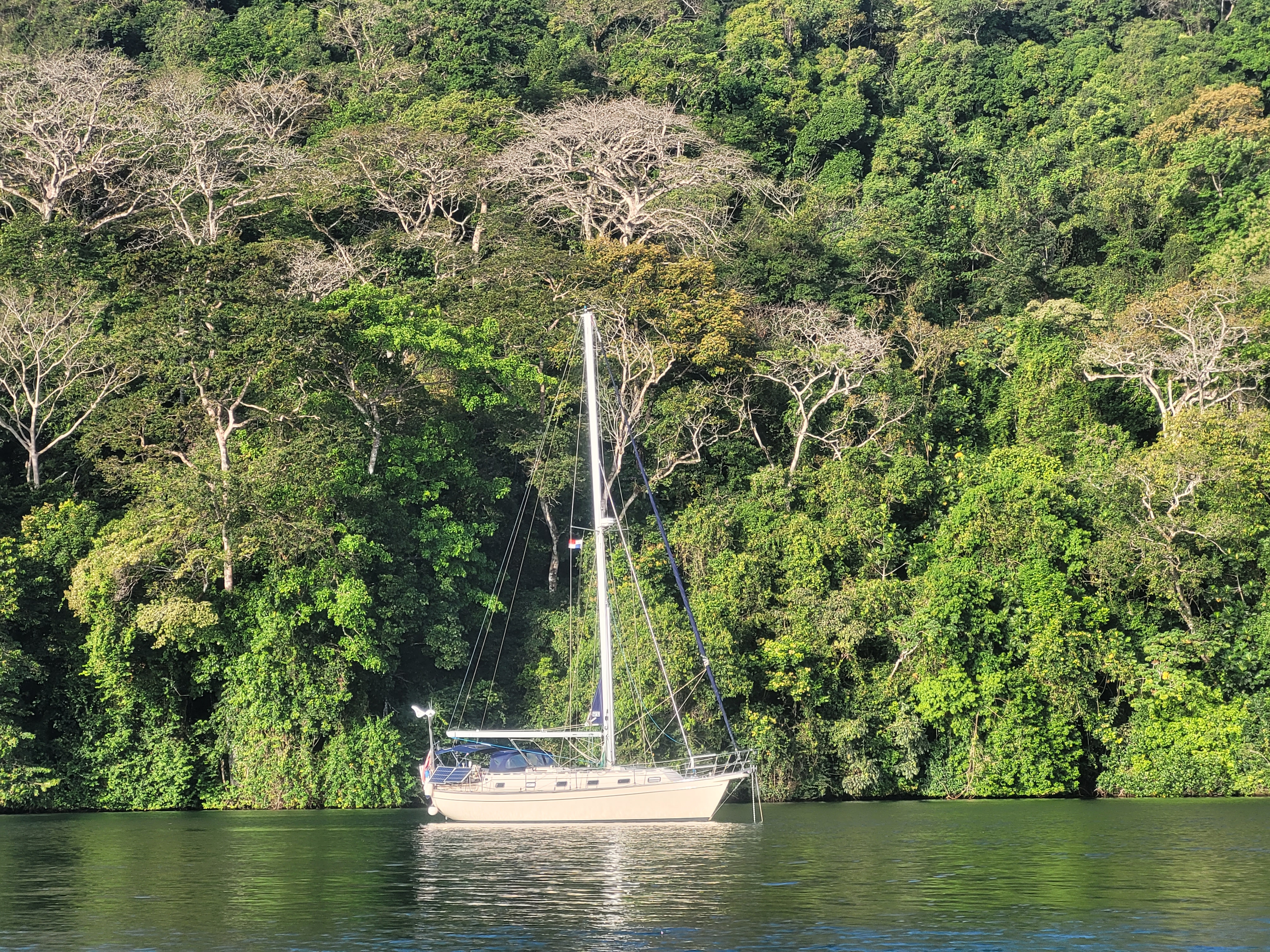
Chagres River, possibly my favourite anchorage of our voyage so far.
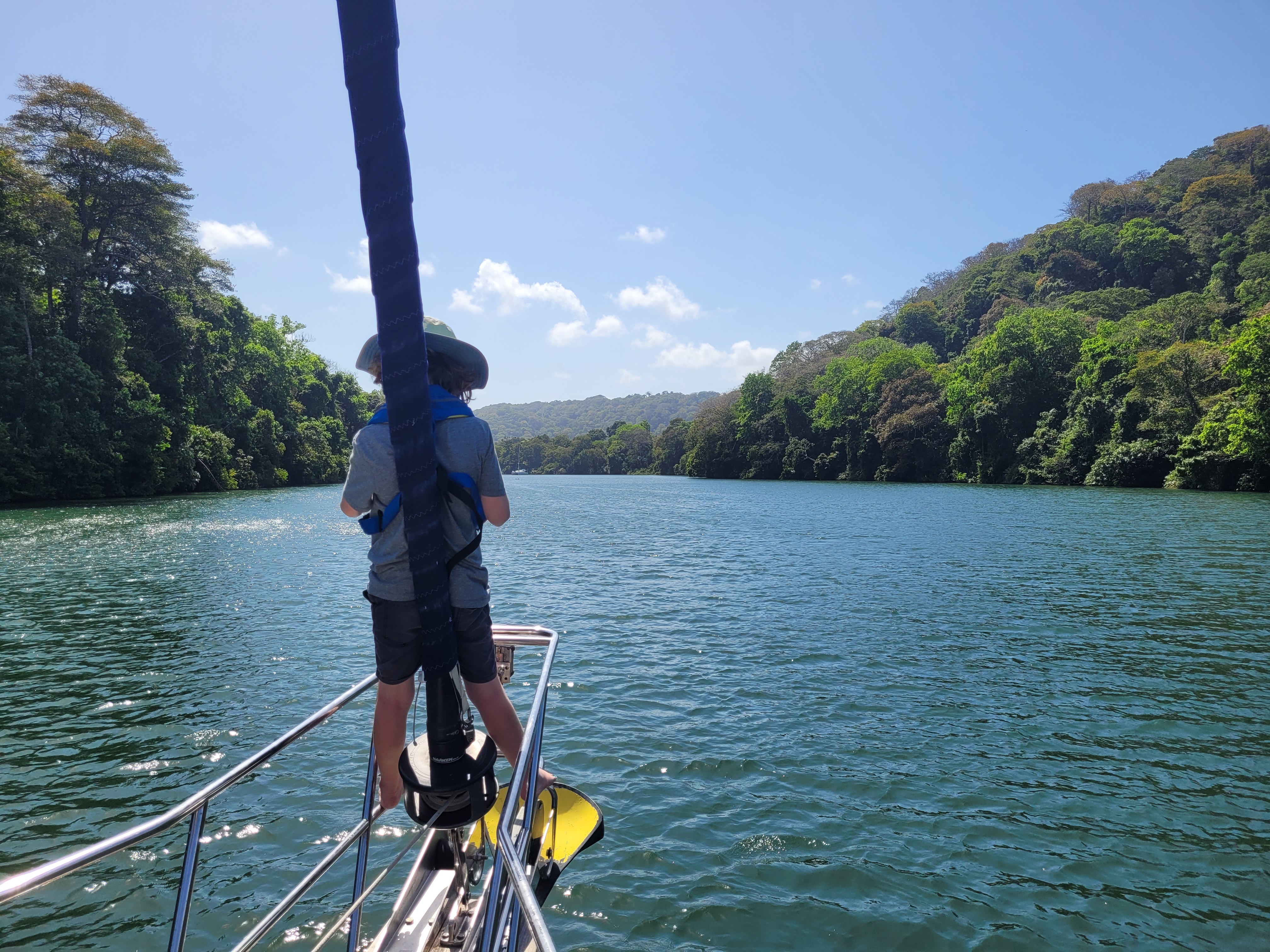
Just 6nm Southwest of the Colon breakwater, we carefully negotiated the Lajas Reef, past San Lorenzo Fort, to enter the river. We were immediately surrounded either side by dense virgin rainforests. The only sounds were those of the howler monkeys, frogs and from parrots shrieking.

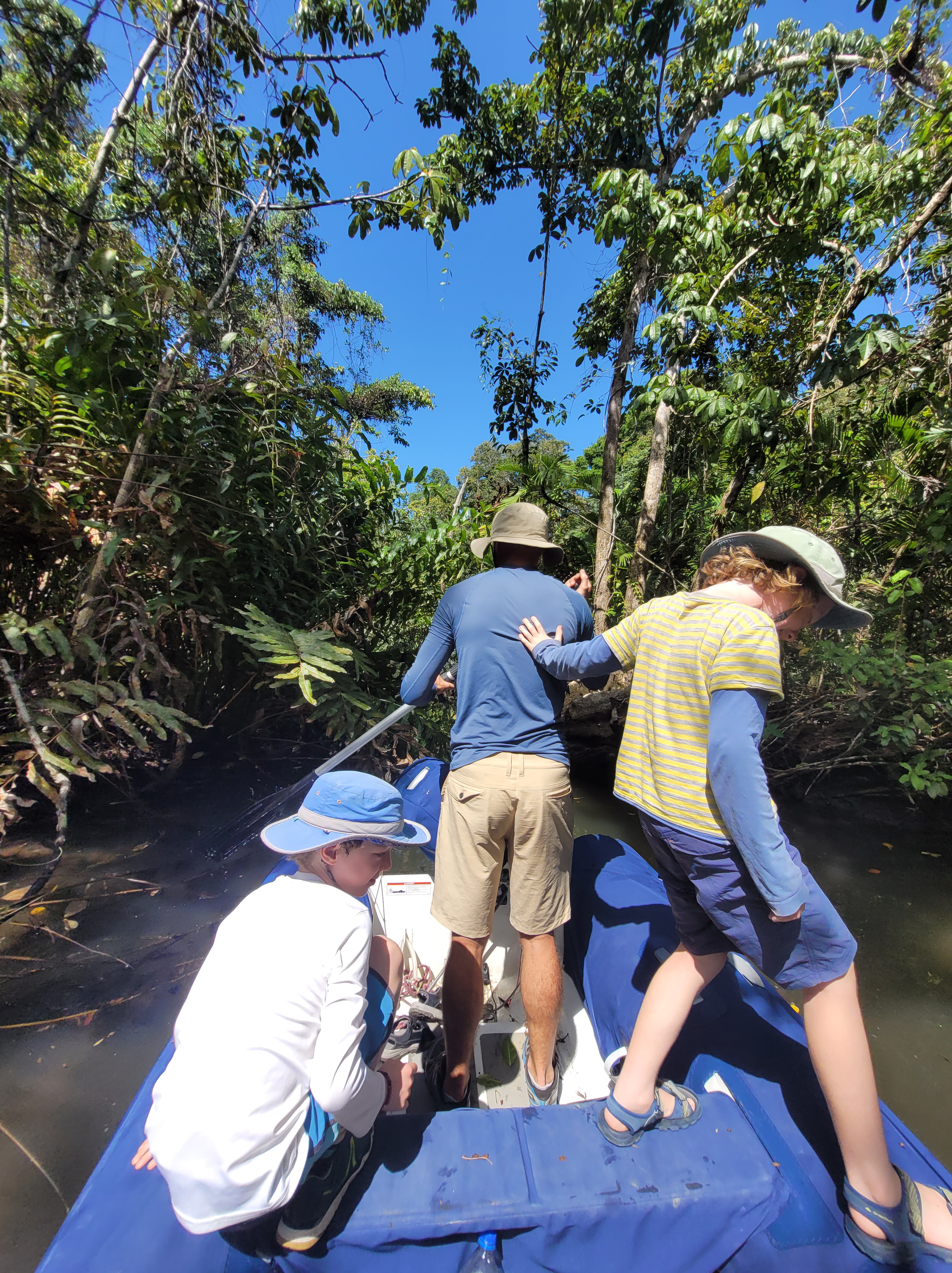
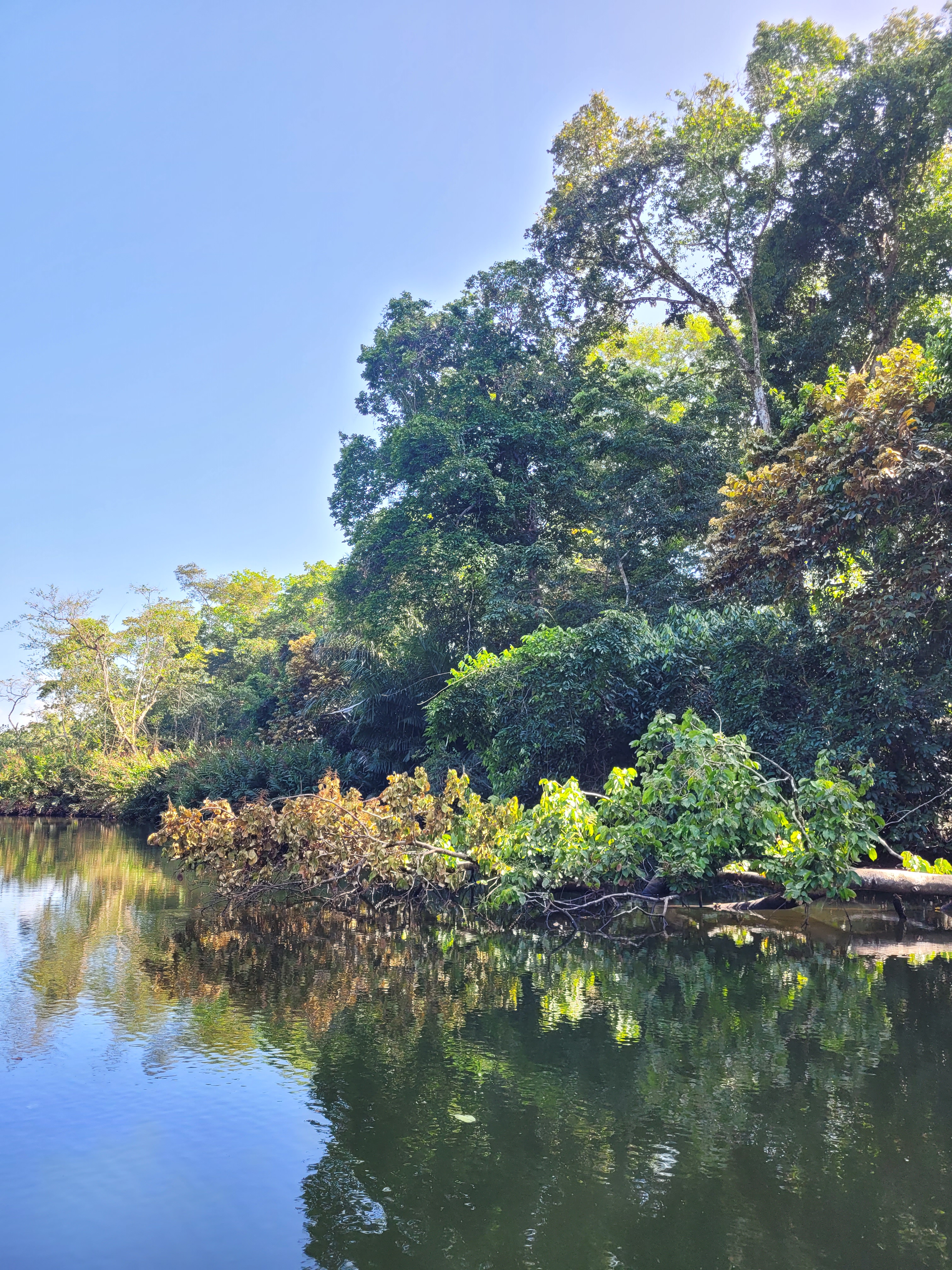
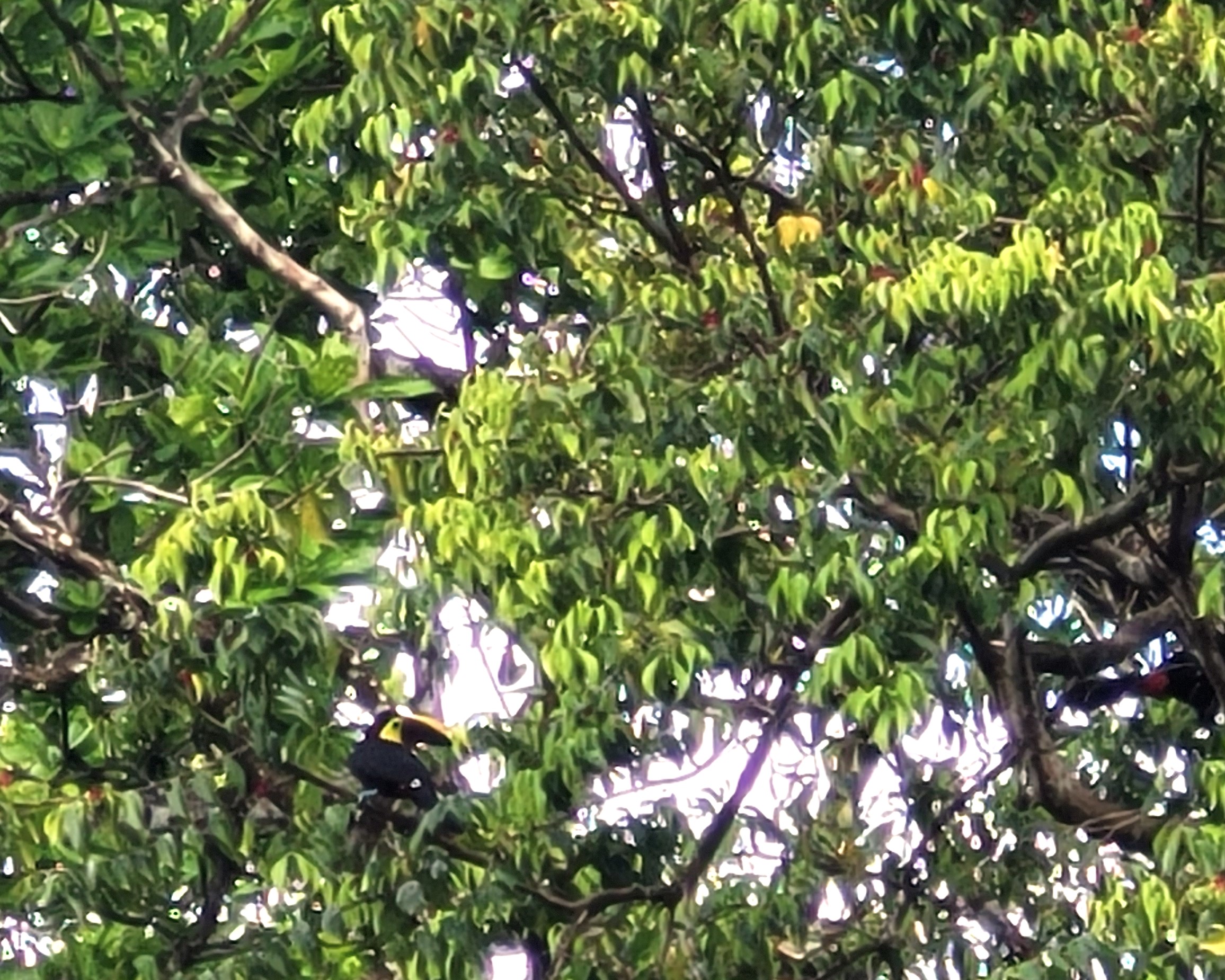
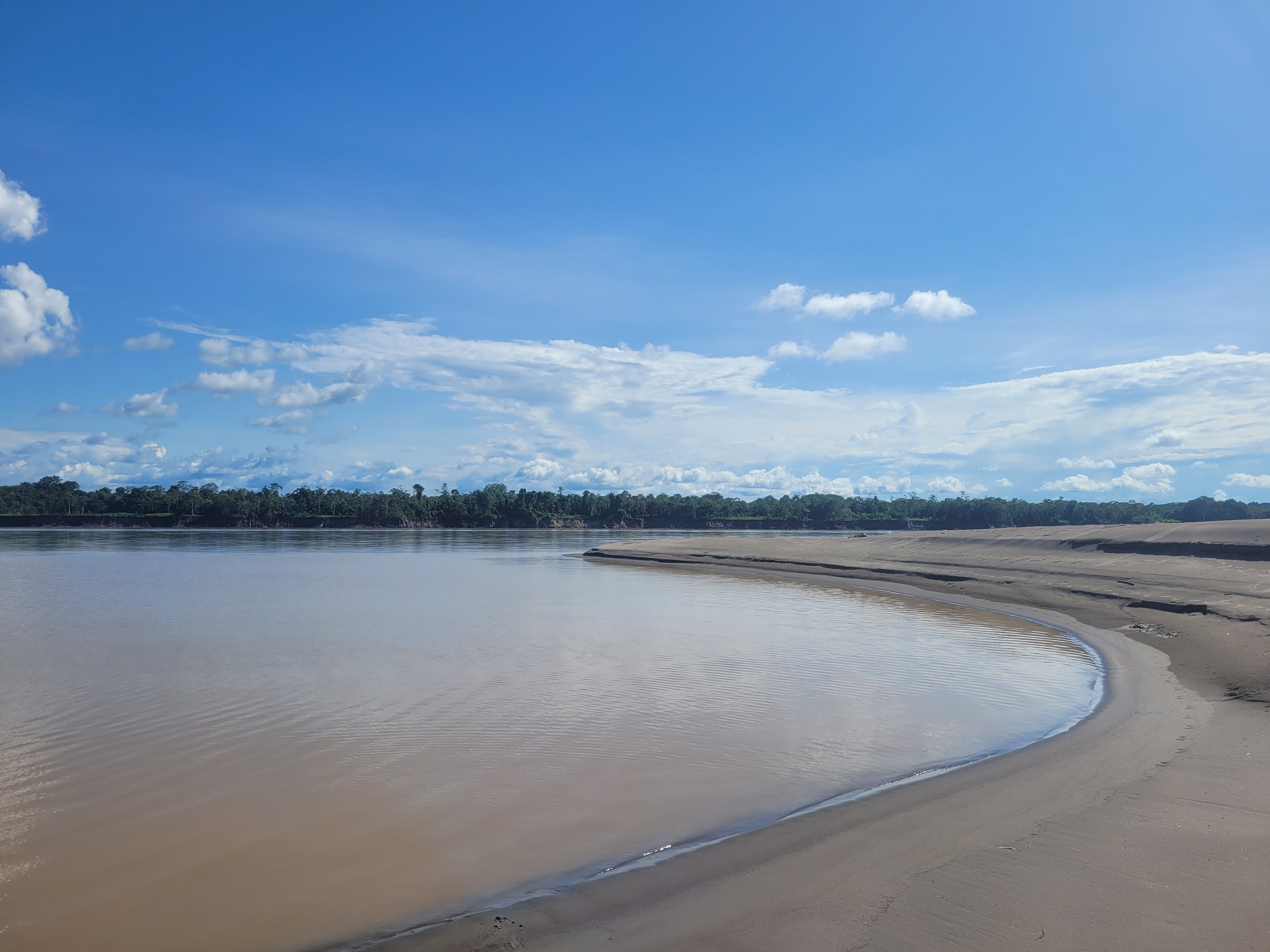
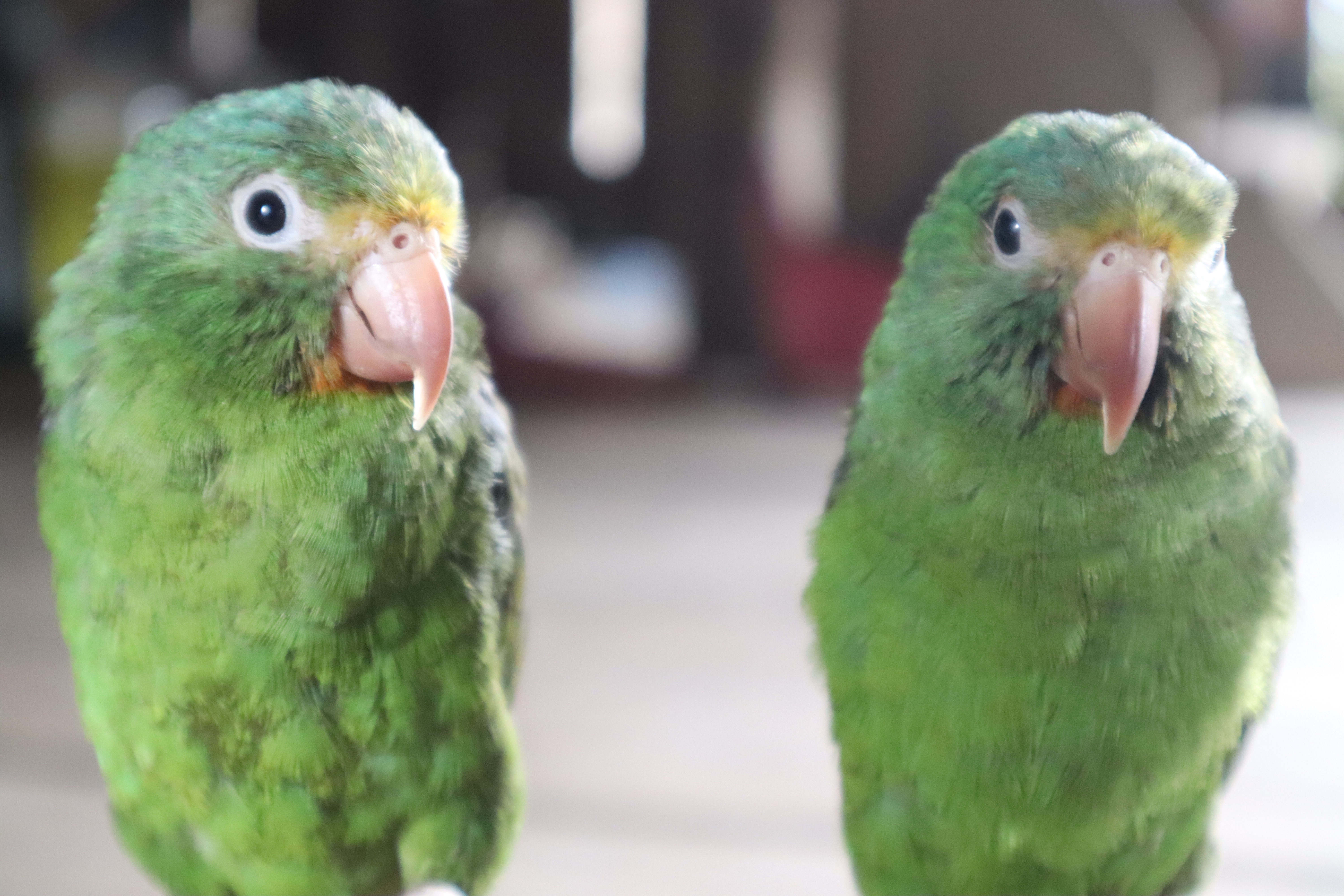
We spent five glorious nights here, anchored alone, enjoying the tranquillity, the incredible wildlife and the untouched beauty of the jungle. By day we explored the many tributaries of the river by dinghy, sometime cutting the engine to row or just drift, trying to take in the magnificence of it all. Howler monkeys would start their shrieking at dawn and we could watch as they crashed through the jungle canopy, only a few meters from Mowzer. We also shared our anchorage with spider monkeys, capuchins, hundreds of pairs of Amazonian parrots, kingfishers, herons, egrets, bats and some very vocal frogs. We were also fortunate to have two pairs of toucans nesting just next to where we were anchored. At night, we took out the dinghy and shone our torches around the shoreline and could spot several pairs of glowing red eye looking back at us – caiman (we didn’t ever see any of their larger relatives, though crocodiles are known to live here).


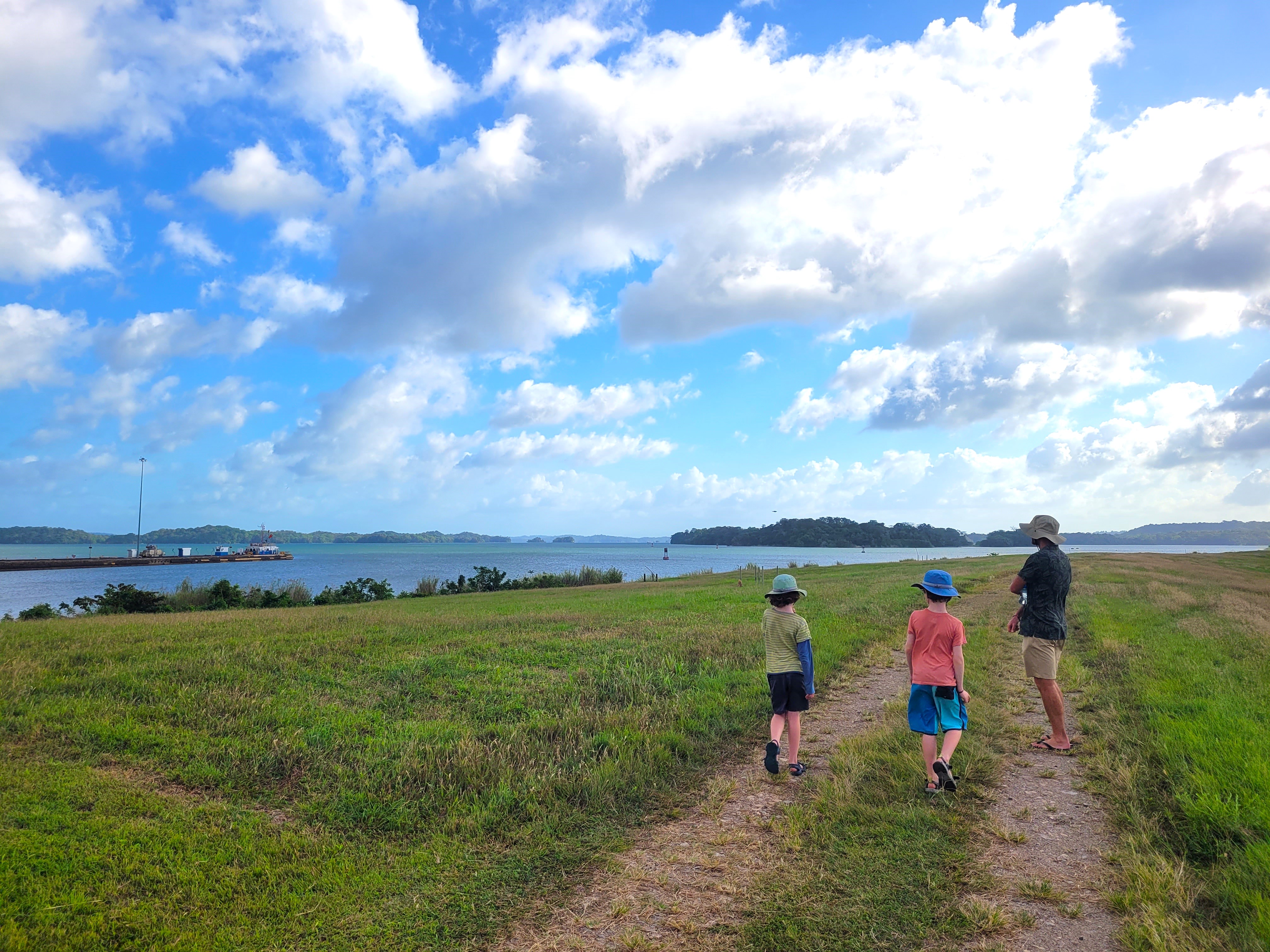
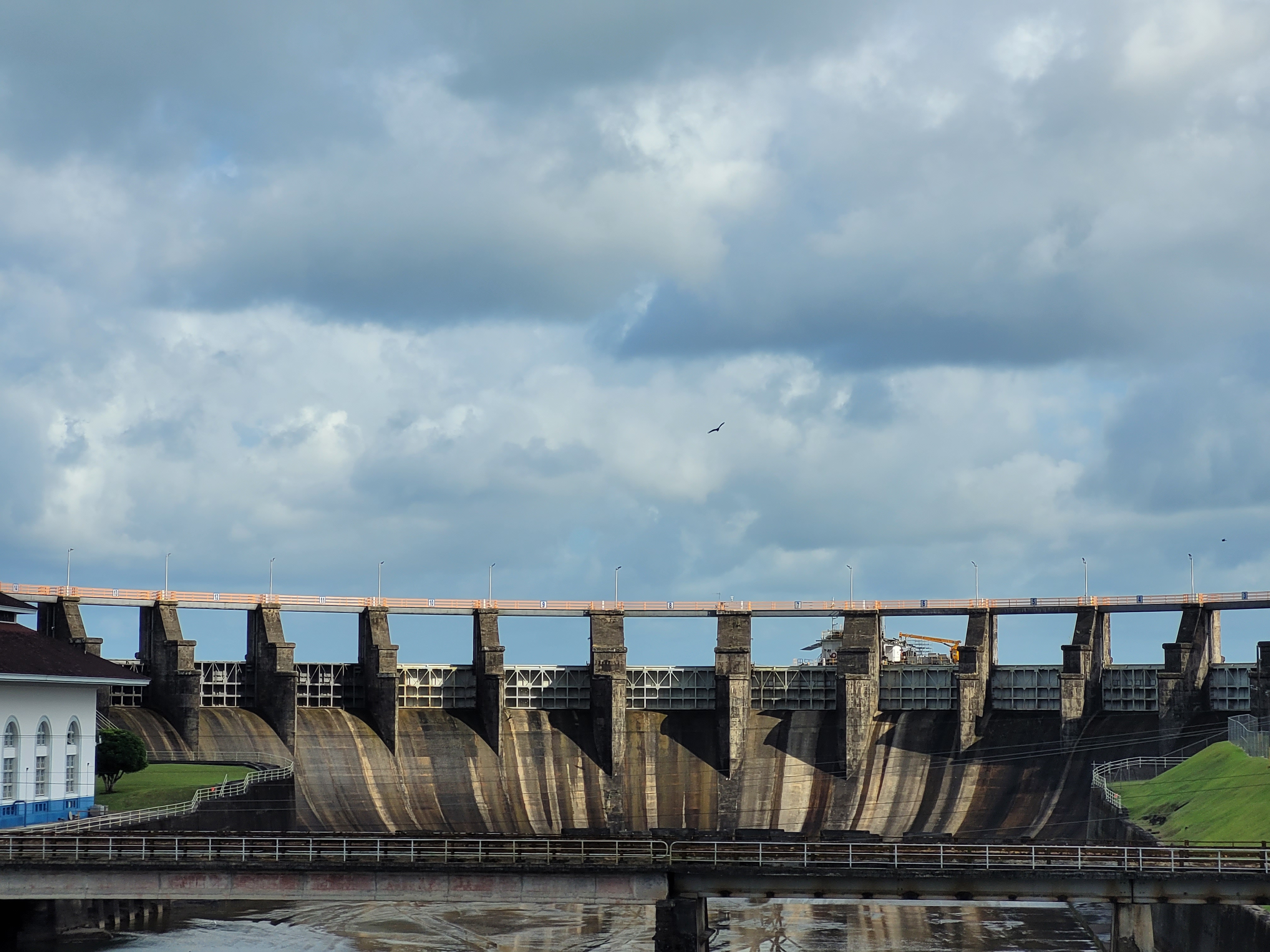
From Mowzer, we were able to dinghy to Gatun Dam and hike to Gatun Lake and the locks to watch as enormous cargo ships passed through the canal.

A truly magical place that we will never forget and that we feel very privileged to have experienced.

Panama Canal

Mowzer arrives in the Pacific Ocean!
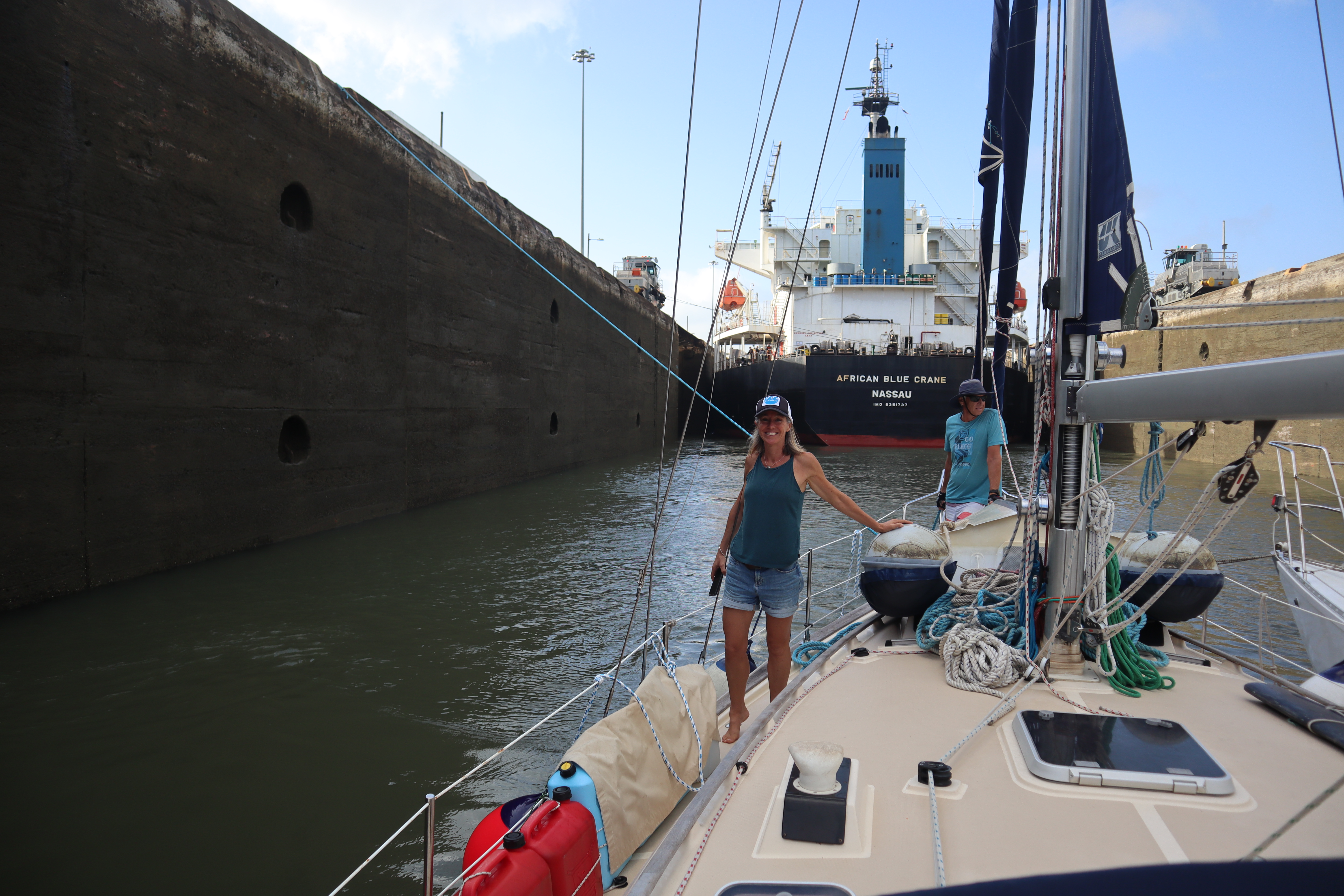
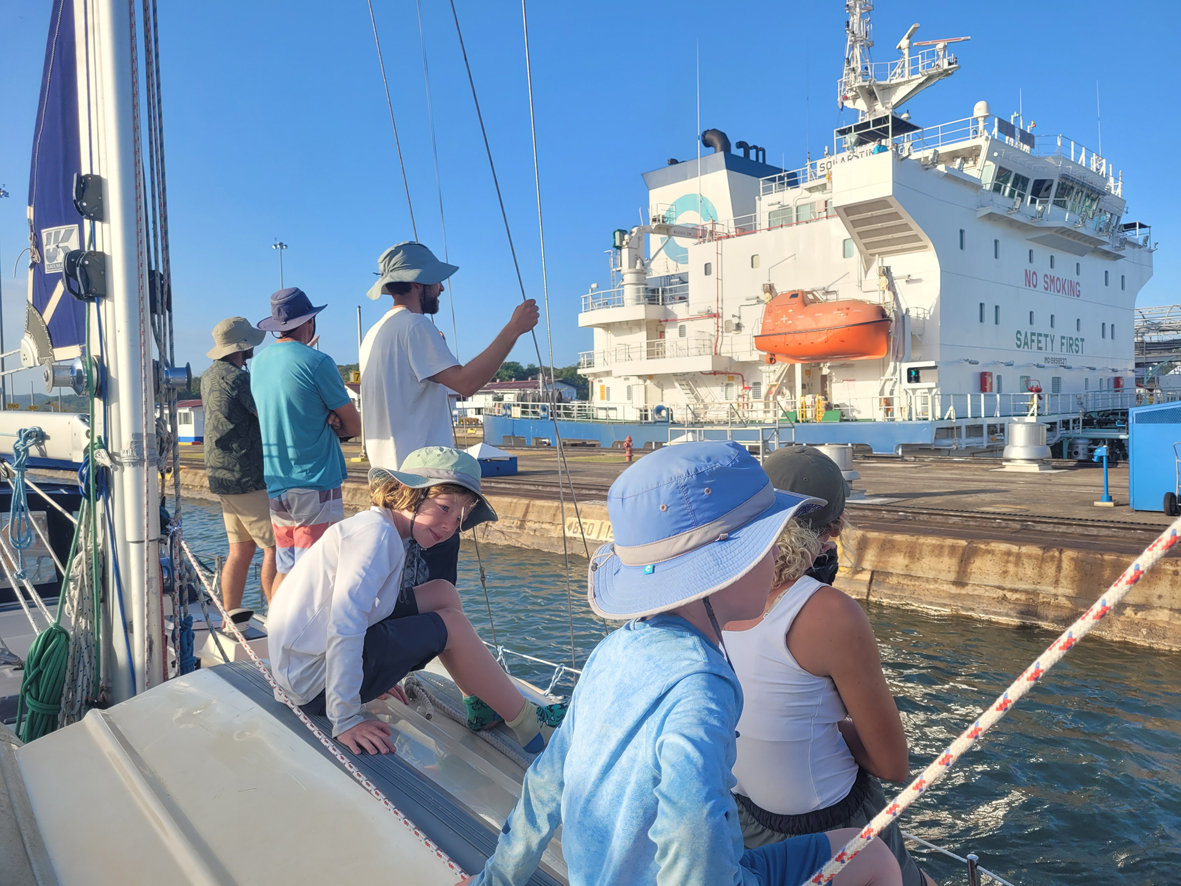
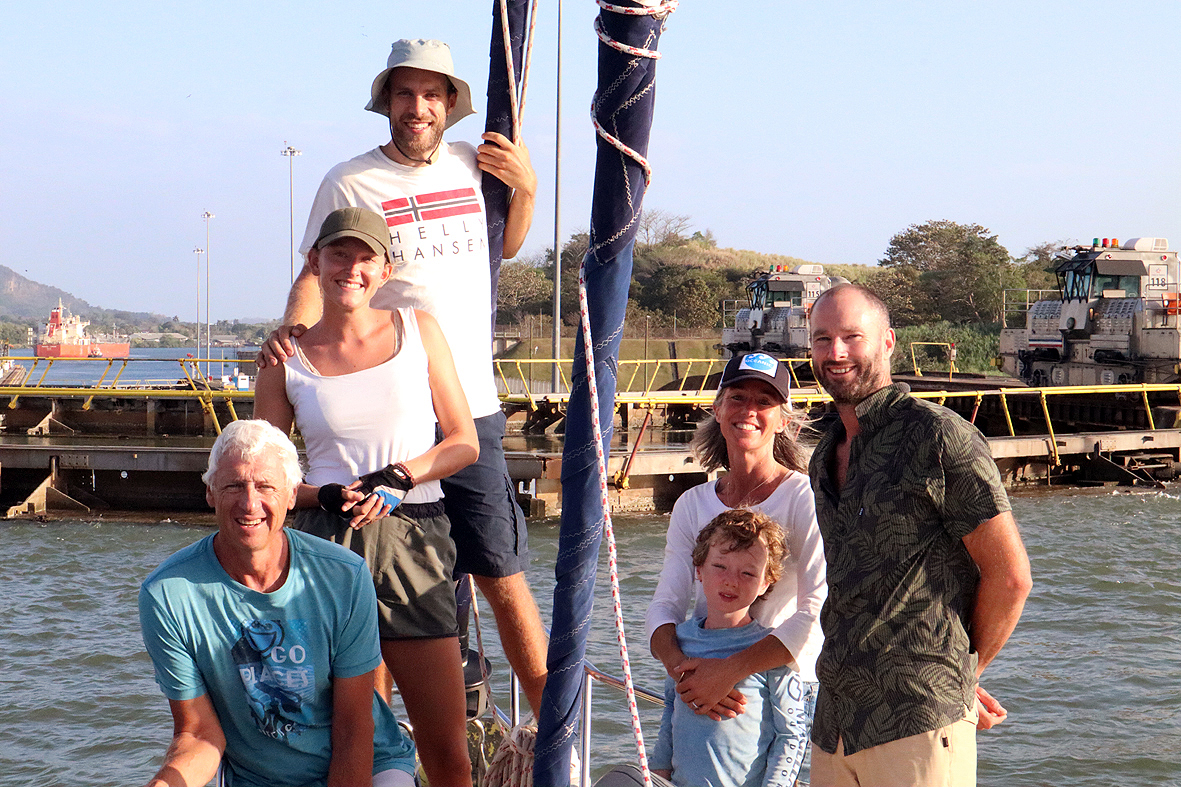
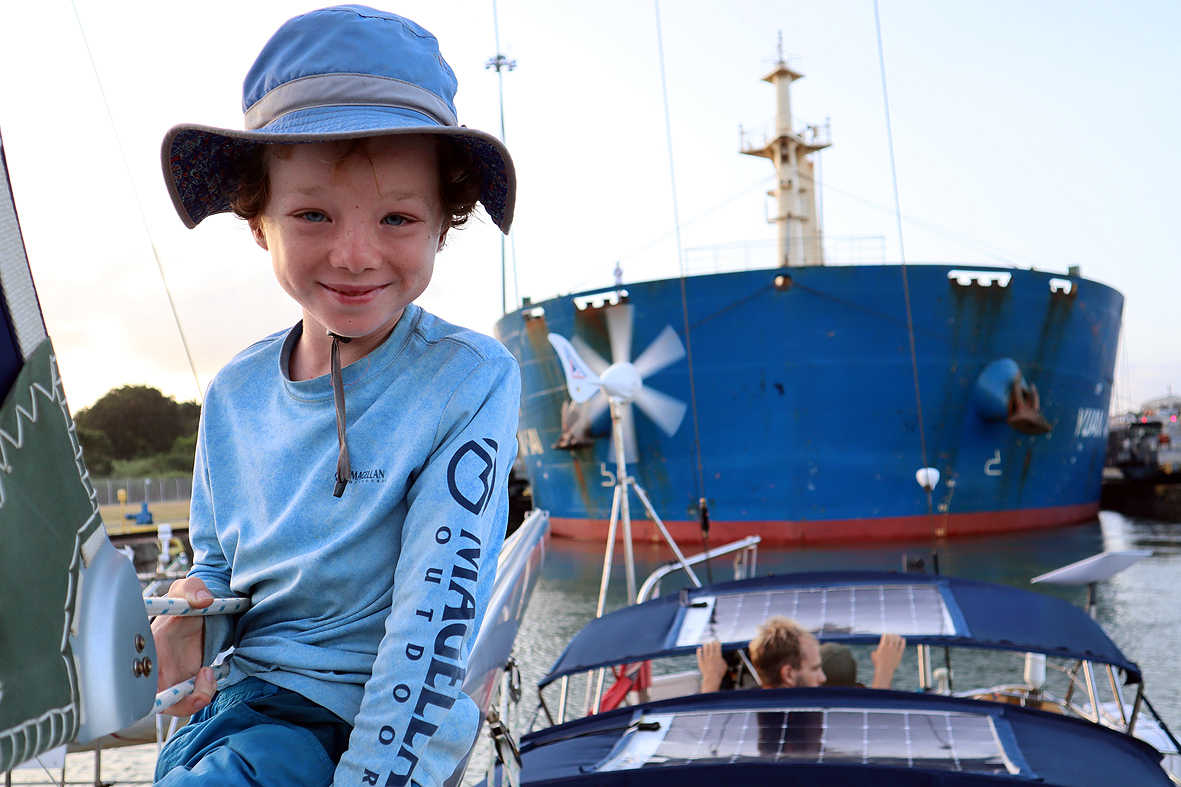
On 9th February we transited the Panama Canal, (watch the video here) the man-made waterway that connects the Atlantic to the Pacific Ocean. With a 5am start from The Flats anchorage, we were joined by our ACP Advisor Edward and rafted up with catamaran Katinka. We successfully navigated the 50 mile canal and the six enormous locks in 12 hours, thankfully without any drama. Many thanks to our awesome volunteer line handlers, Chris, Laura & Bryce.

Las Perlas Islands

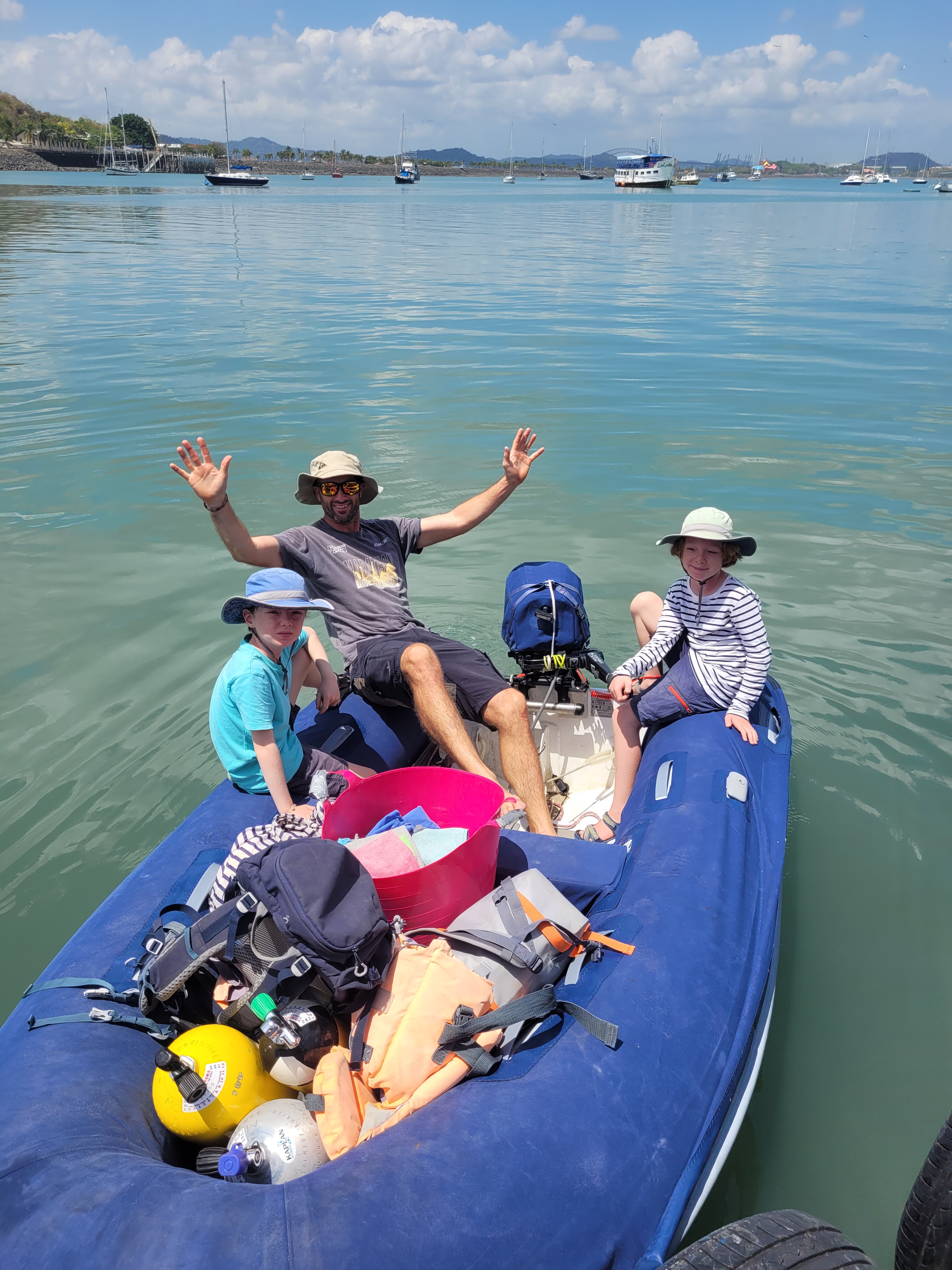
Once recovered from the excitement of our canal transit, we turned our focus to the tedious task of reprovisioning for our upcoming Pacific Ocean crossing. This involved innumerable, sweaty taxi rides to clear out local supermarkets of their tinned goods then negotiating the treacherous dinghy dock and 5+m tidal range at La Playita anchorage.

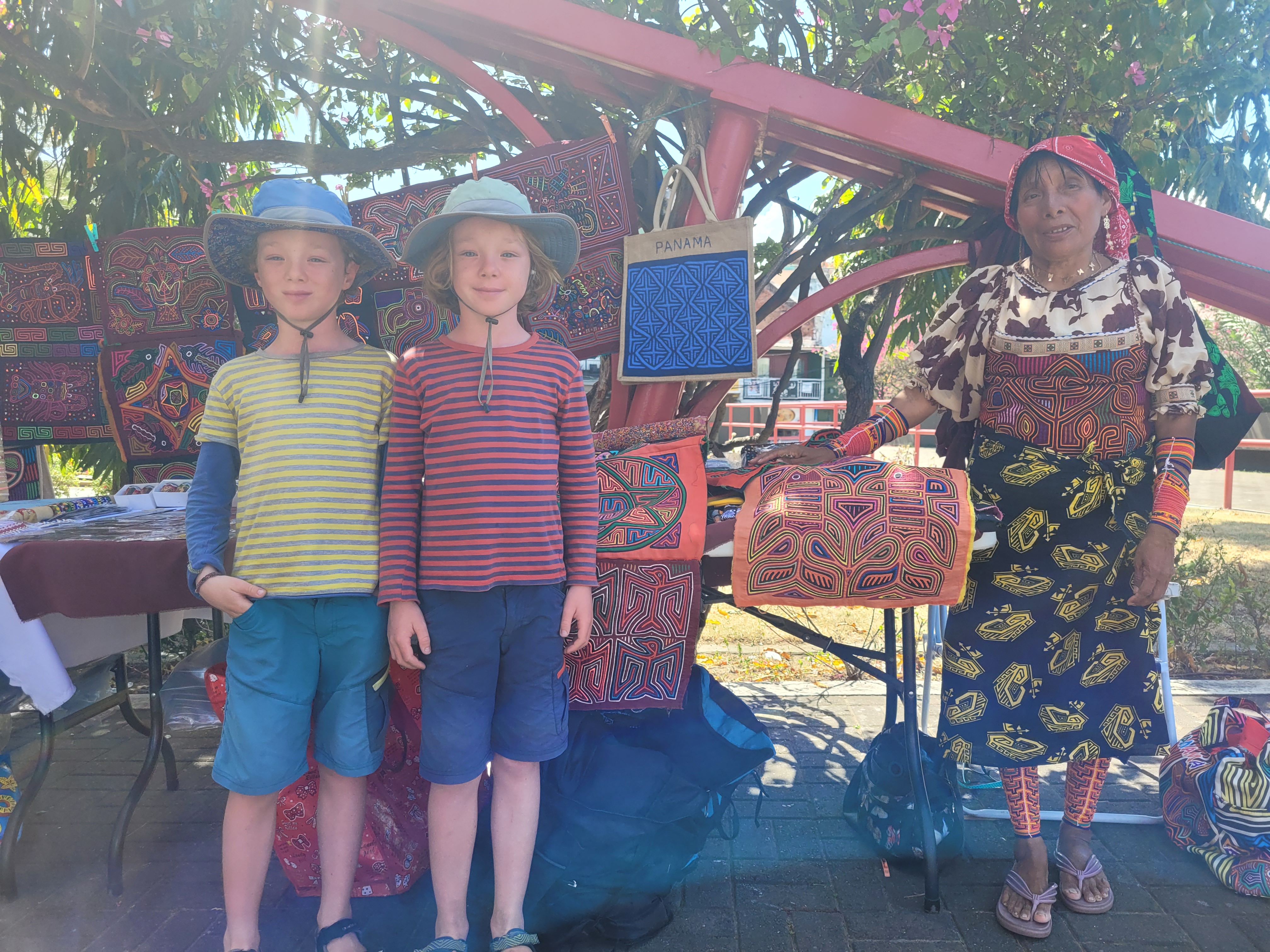
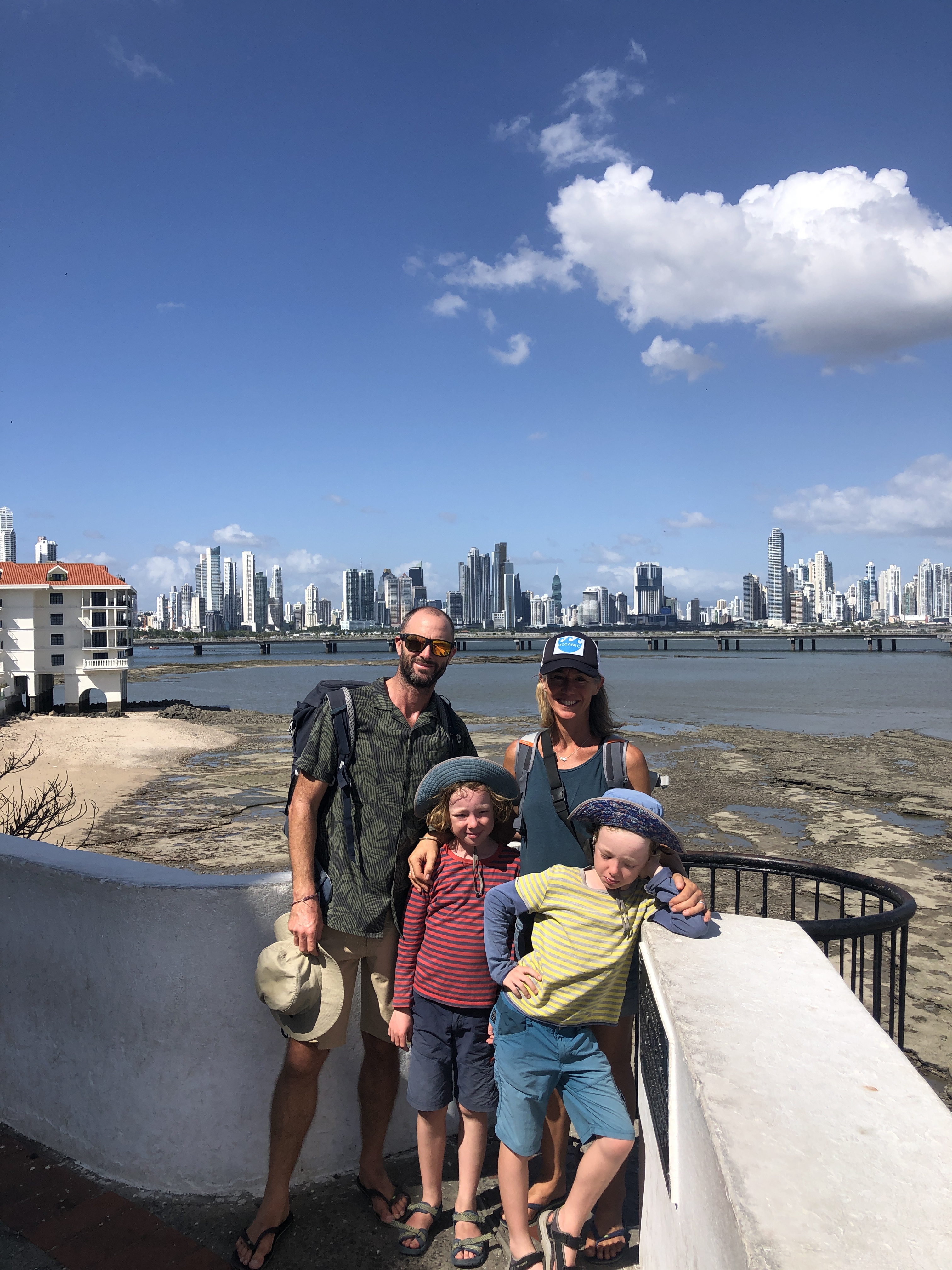
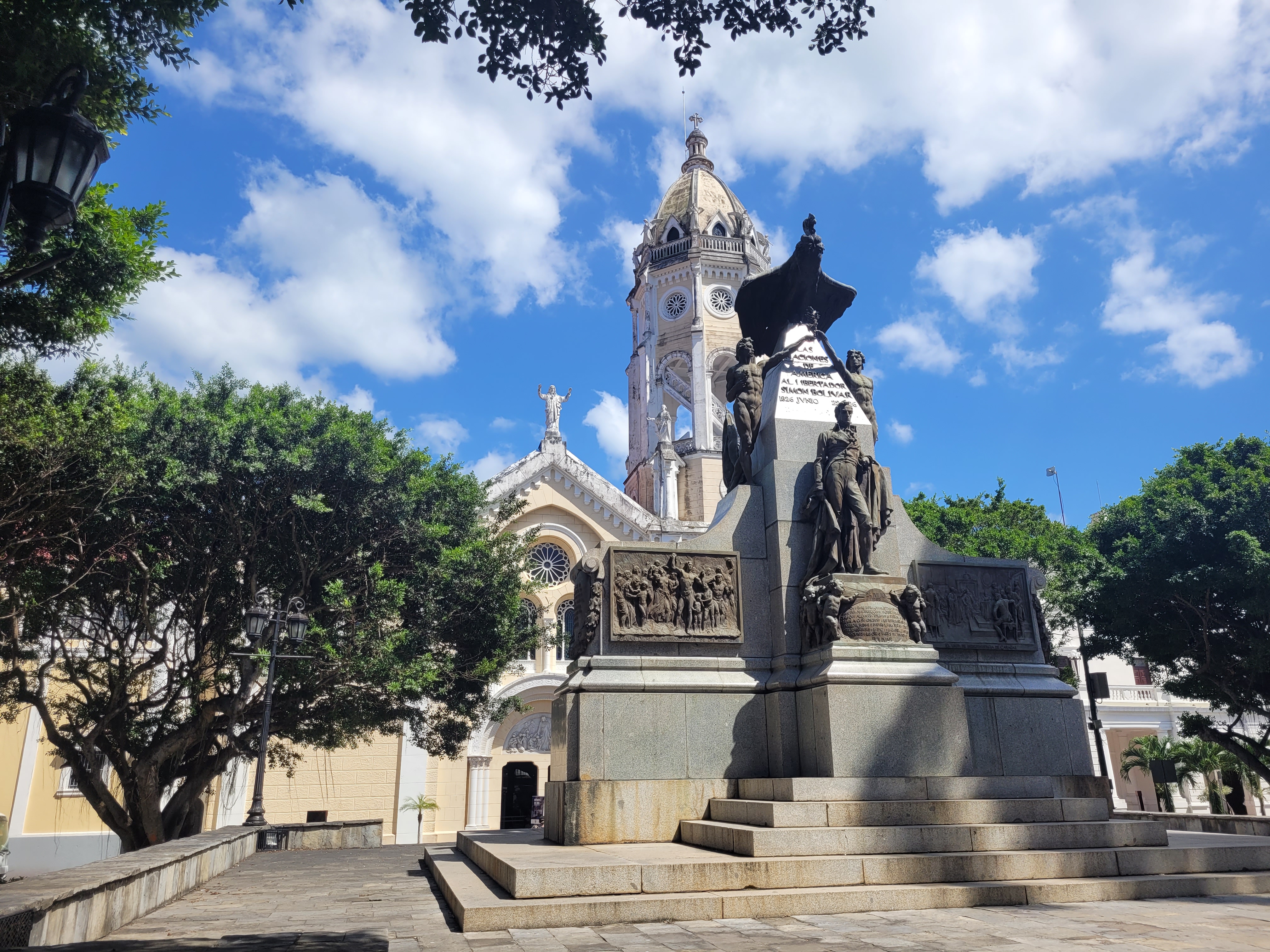
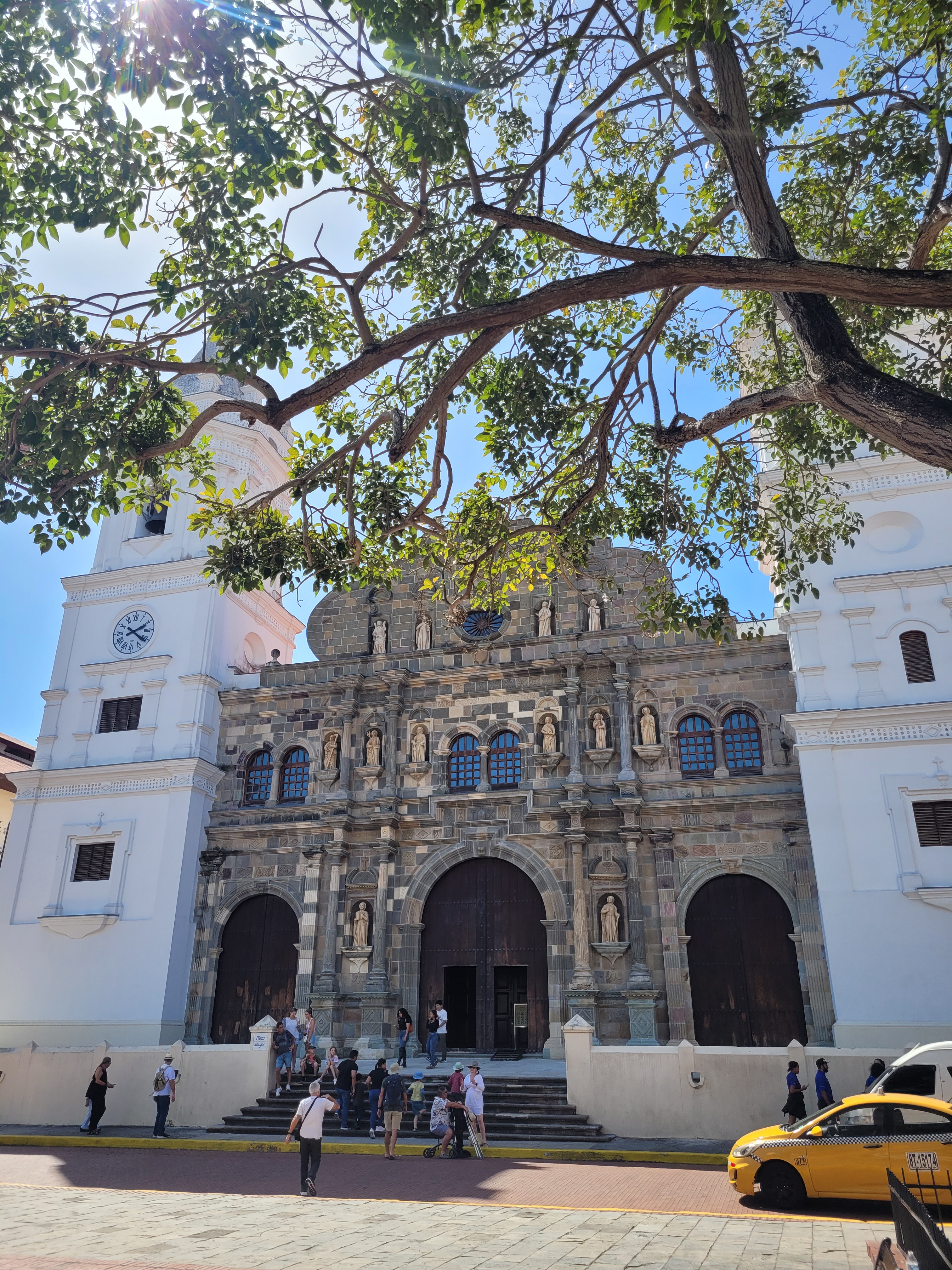
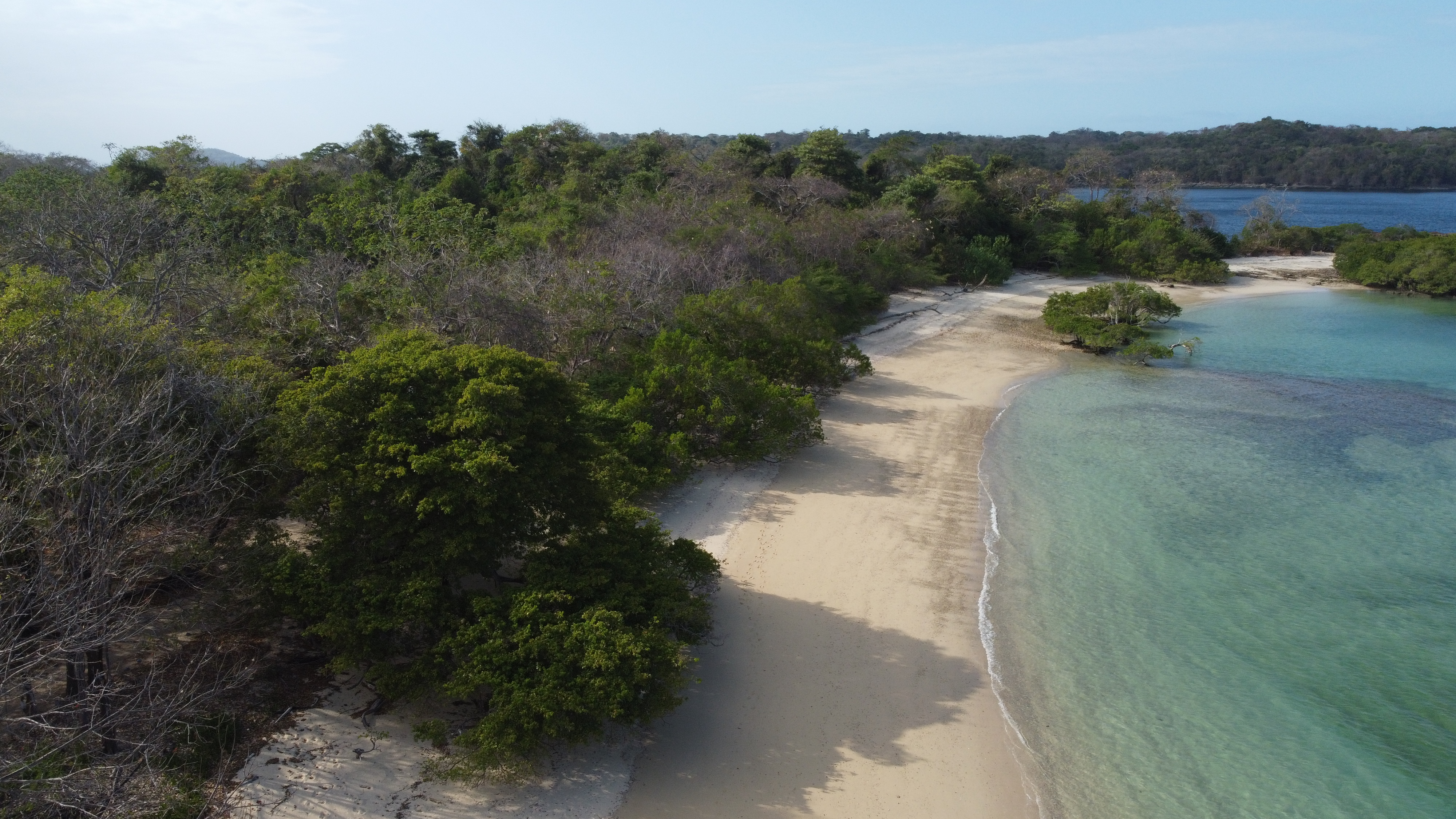
In between supermarket runs, we made time to explore the Old City, and to visit the gorgeous Las Perlas Islands.

Colombia Dec 22 – Jan 23

Santa Marta

Next up on our travels, after a fast, furious and bumpy sail via Aruba, we arrived in Colombia. We began our South American travels in Santa Marta, Colombia’s oldest city, which is fringed by tropical beaches and backed by the stunning, snow topped Sierra Nevada. Here we caught up with kid boat friends on SV Amani, SV Cinnamon and SV Miles Away and spent a few days exploring the city.

Bogota

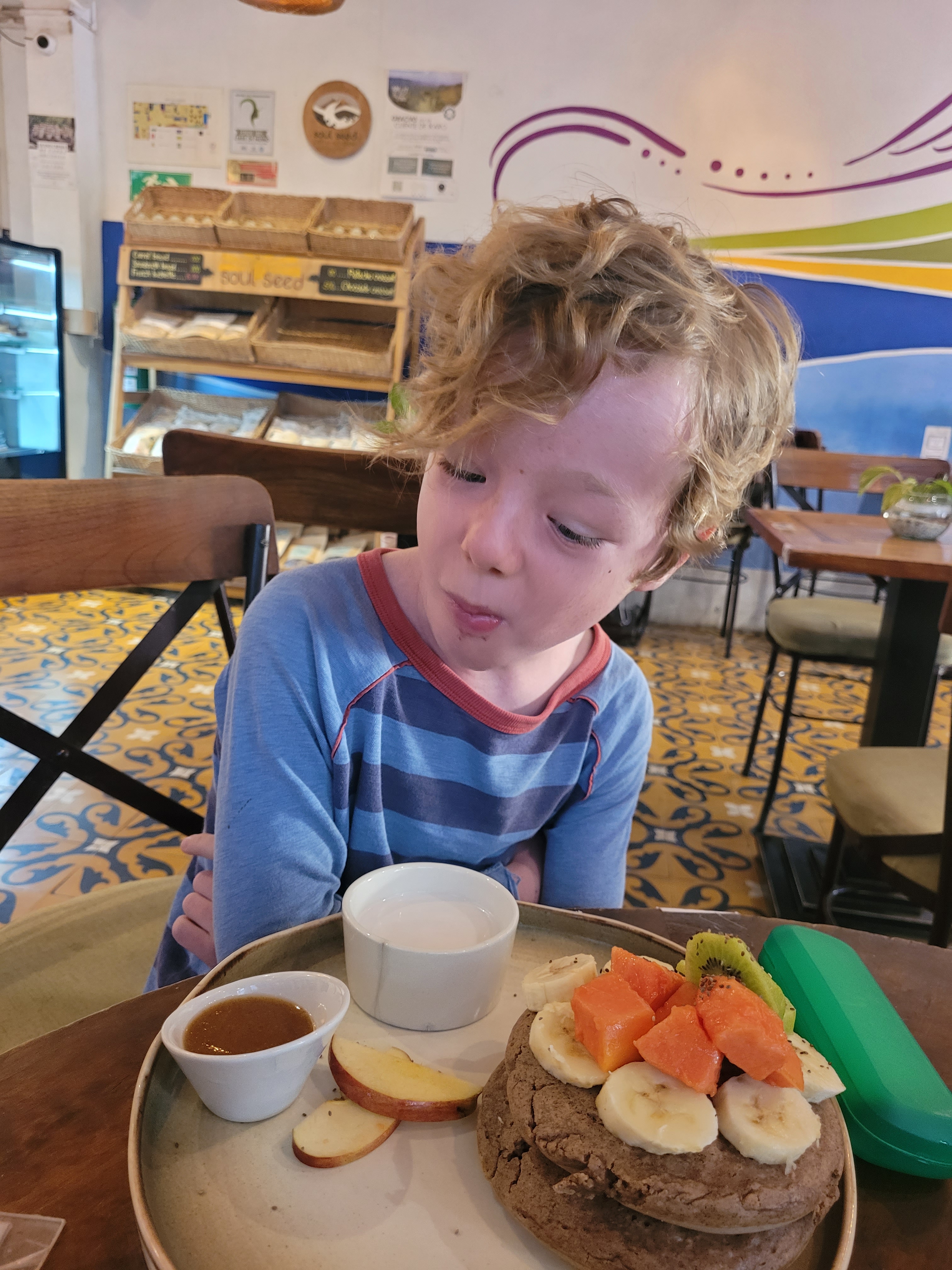
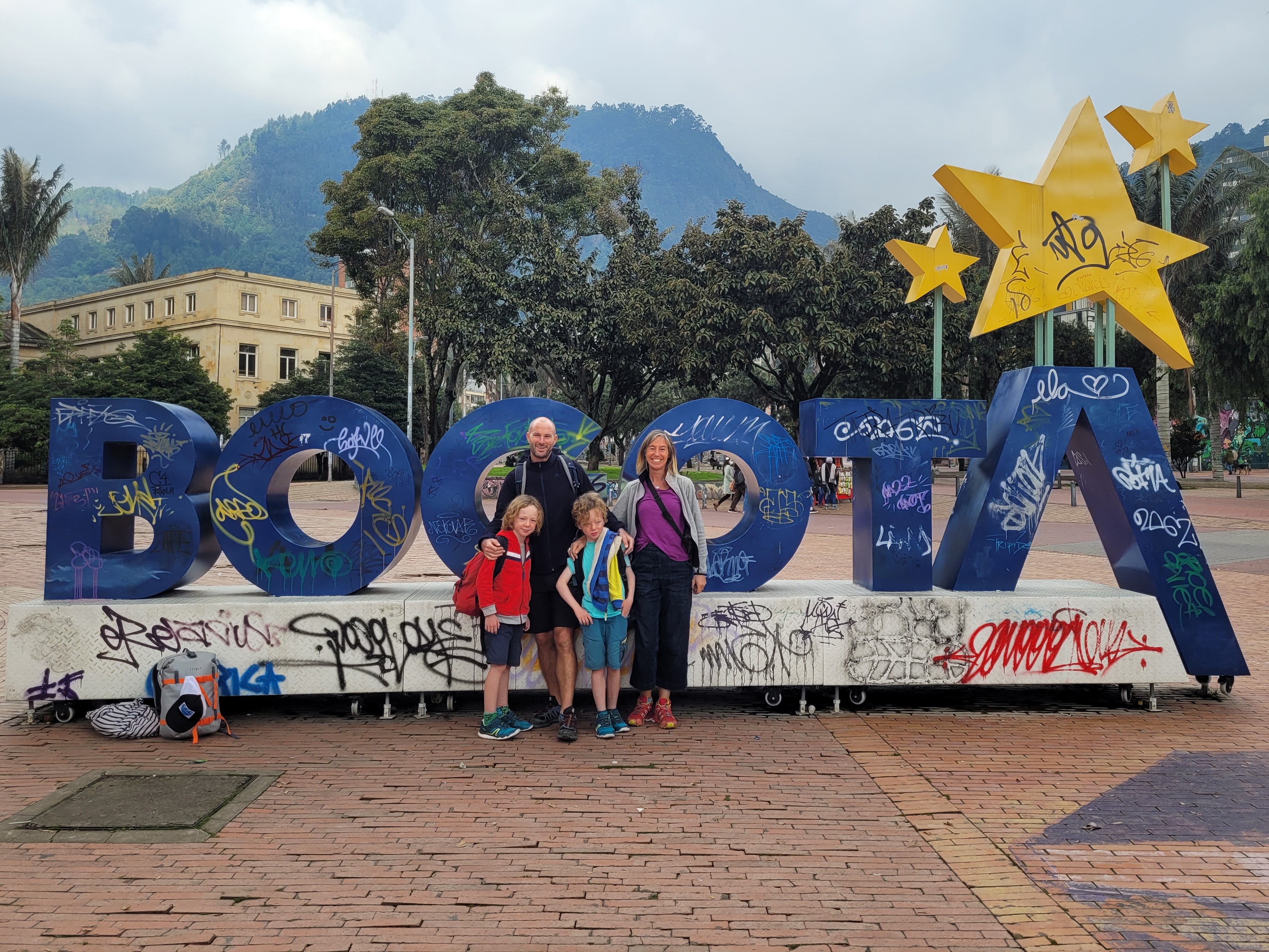
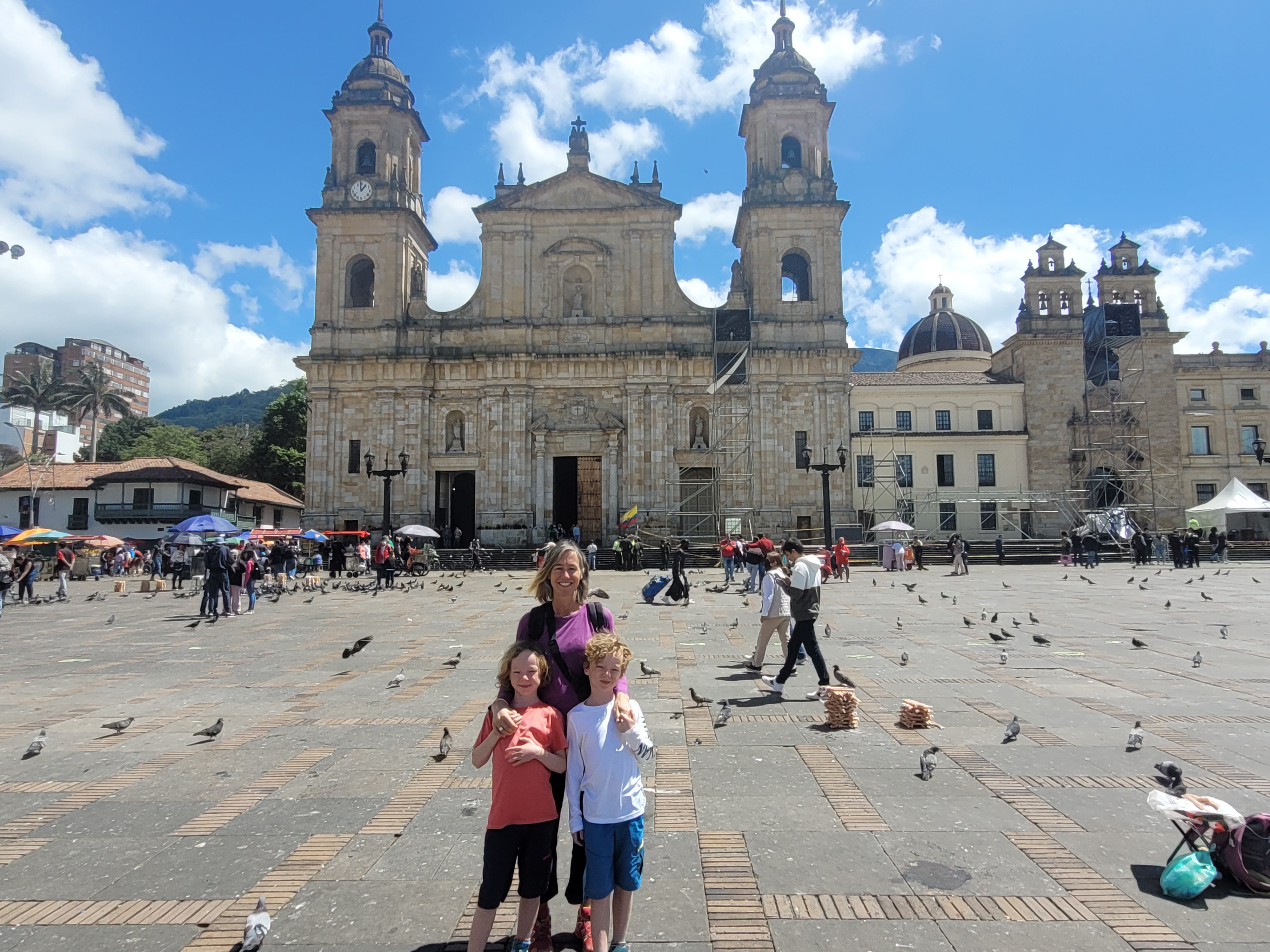
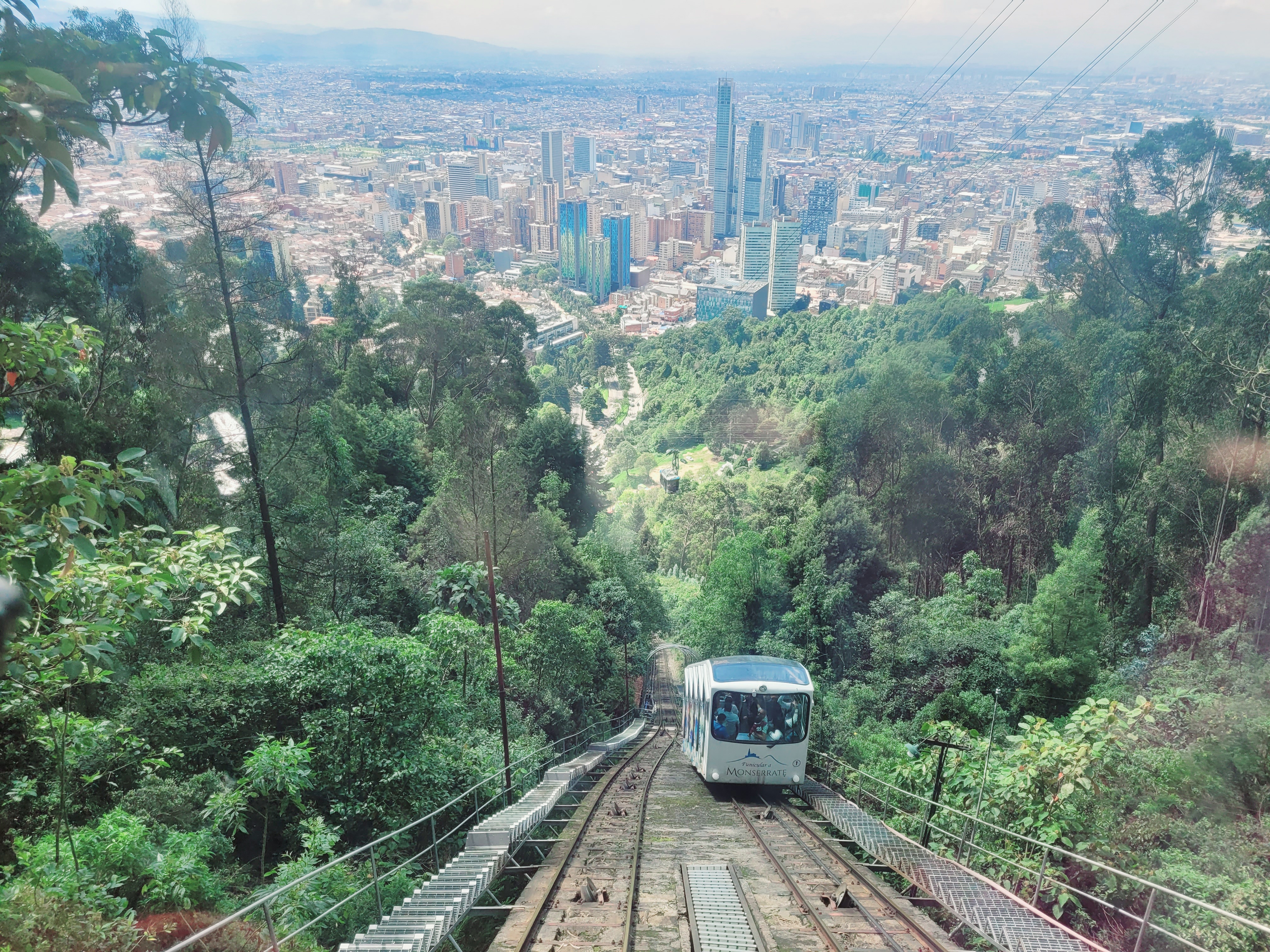
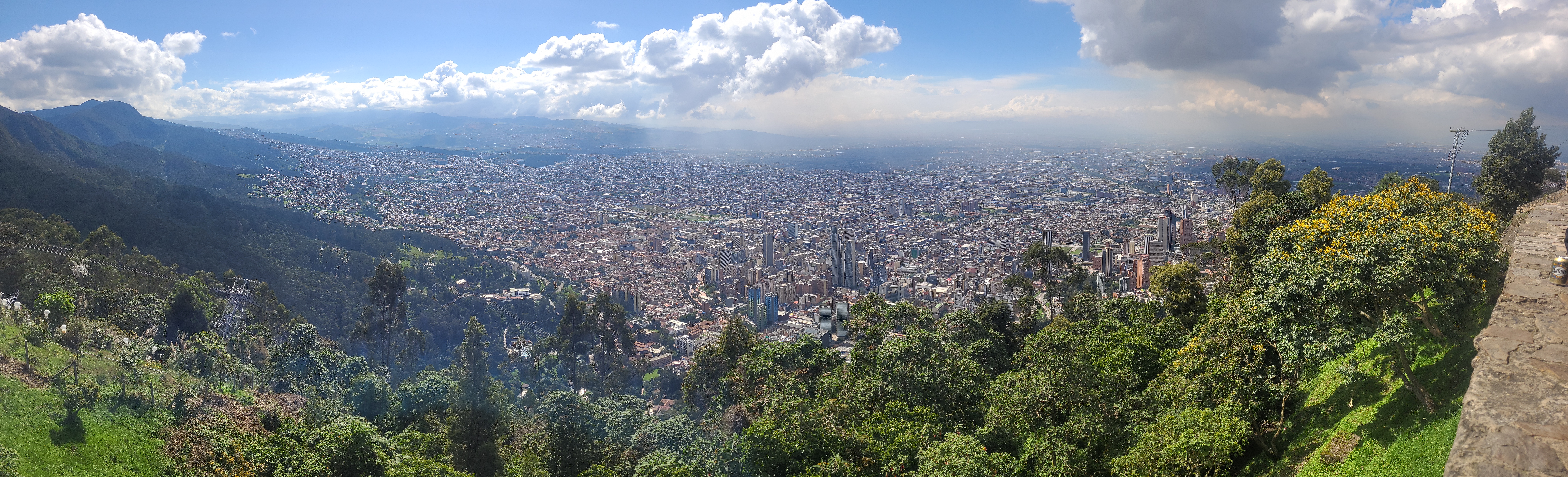
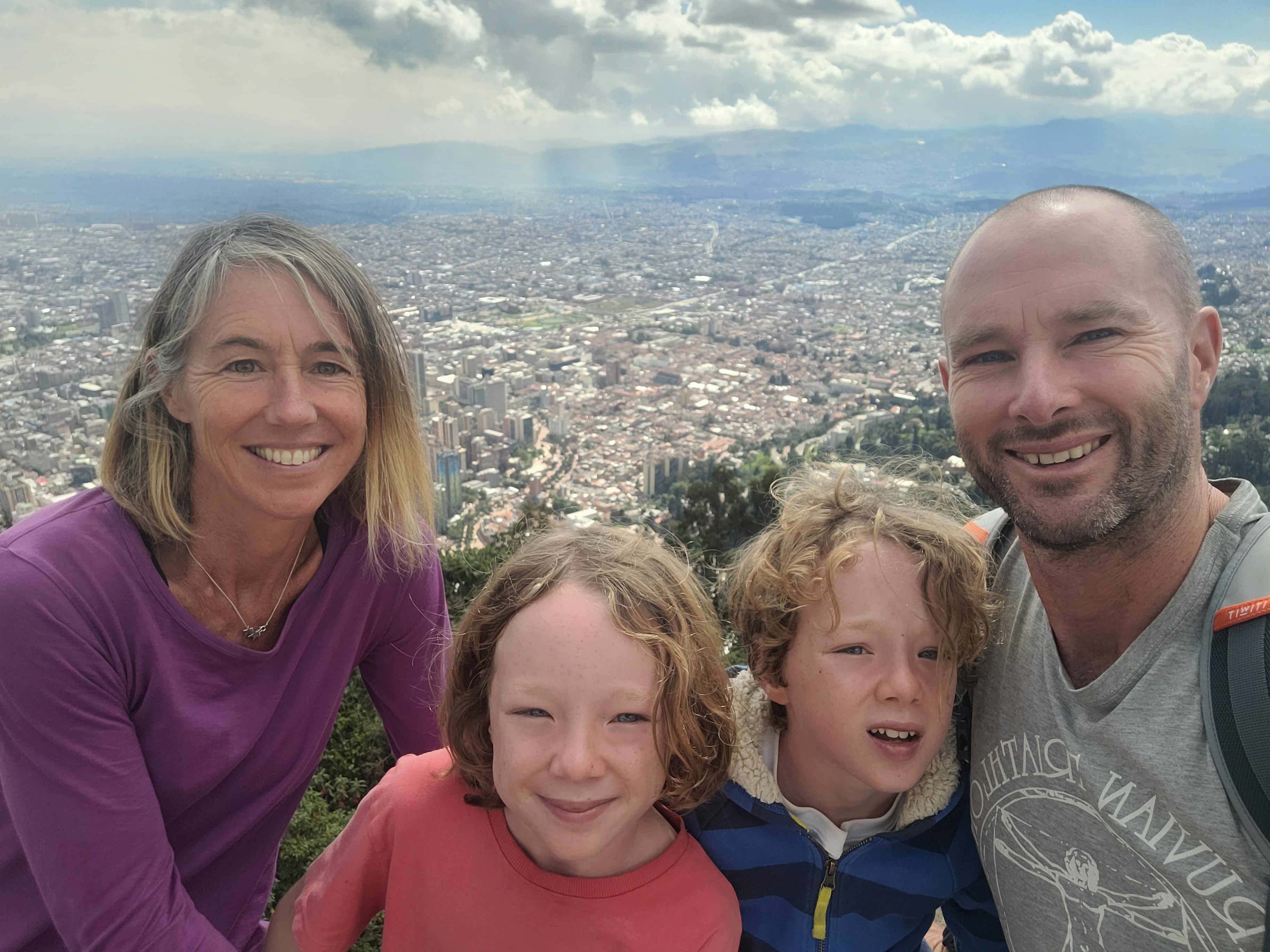
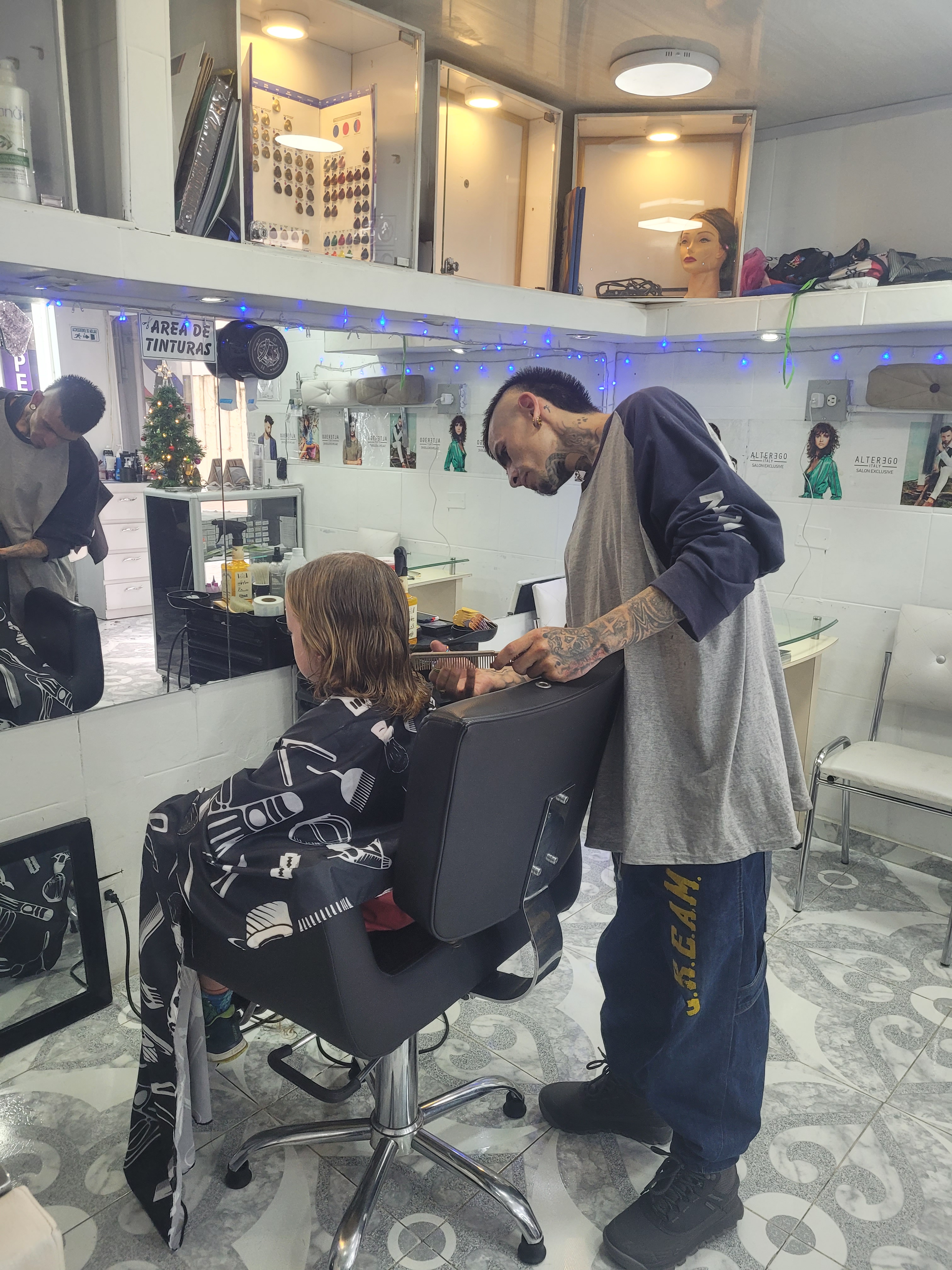
Having left Mowzer in a marina in Santa Marta we flew inland for some land travel. First stop, Bogota, Colombia’s banging capital. Here highlights included breakfasting on the traditional cheese, hot chocolate and tamales at La Falsa Restaurant, the exquisite Gold Museum, acquiring some dodgy haircuts, watching the World Cup final, taking a funicular to Mount Monserrate at over 3000m elevation, and exploring the city’s closed roads for Ciclovia.

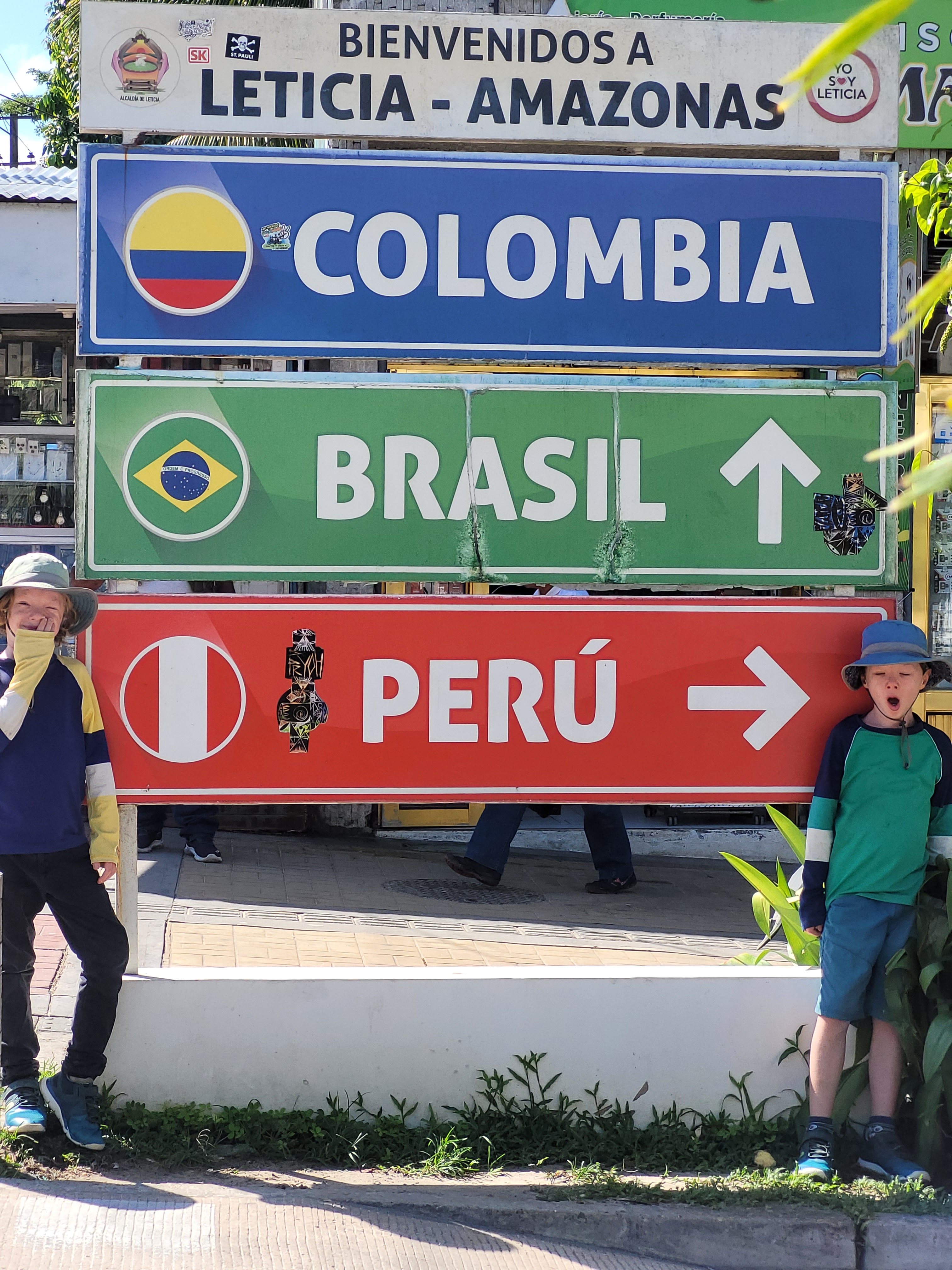
Leticia

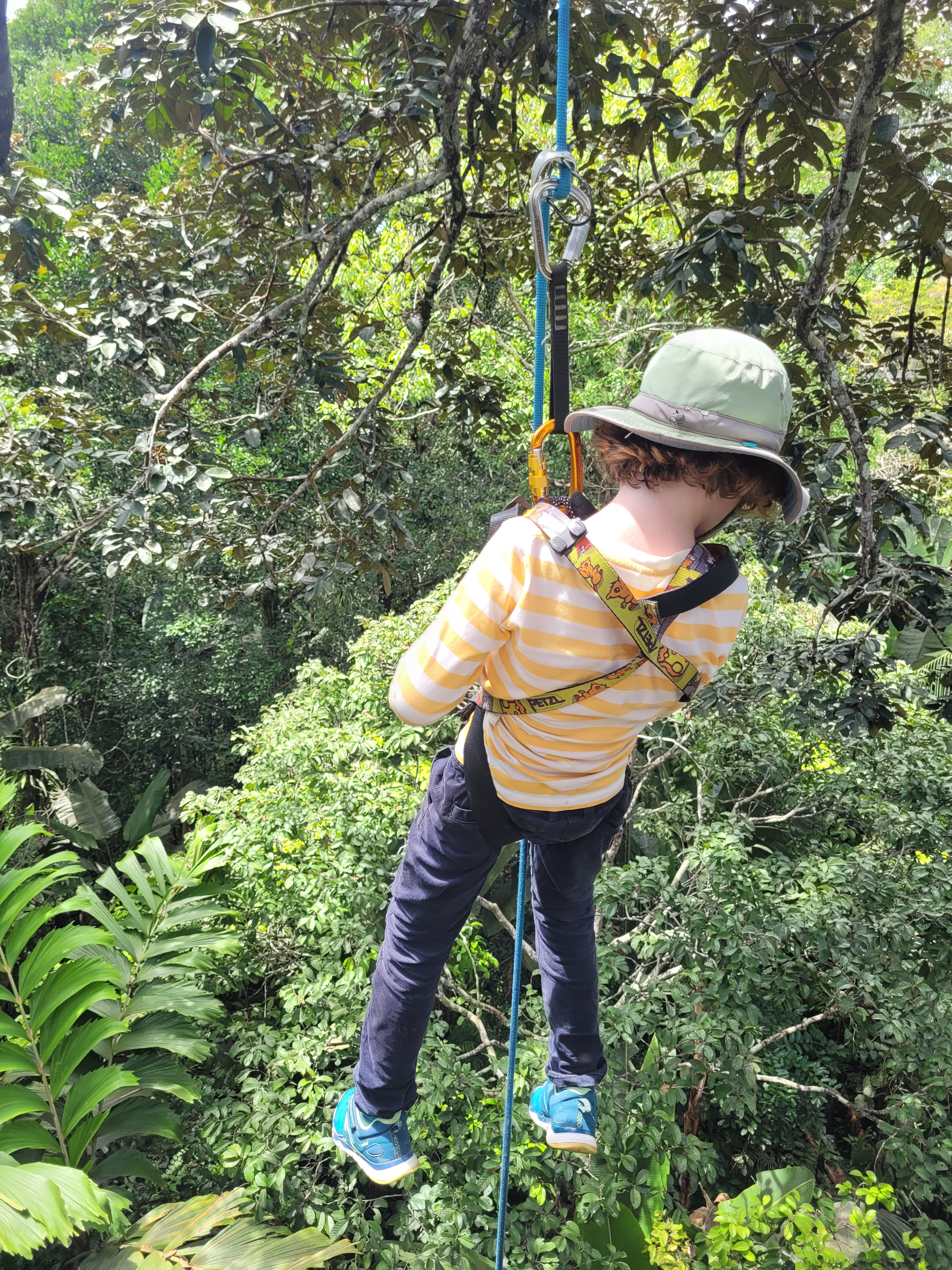
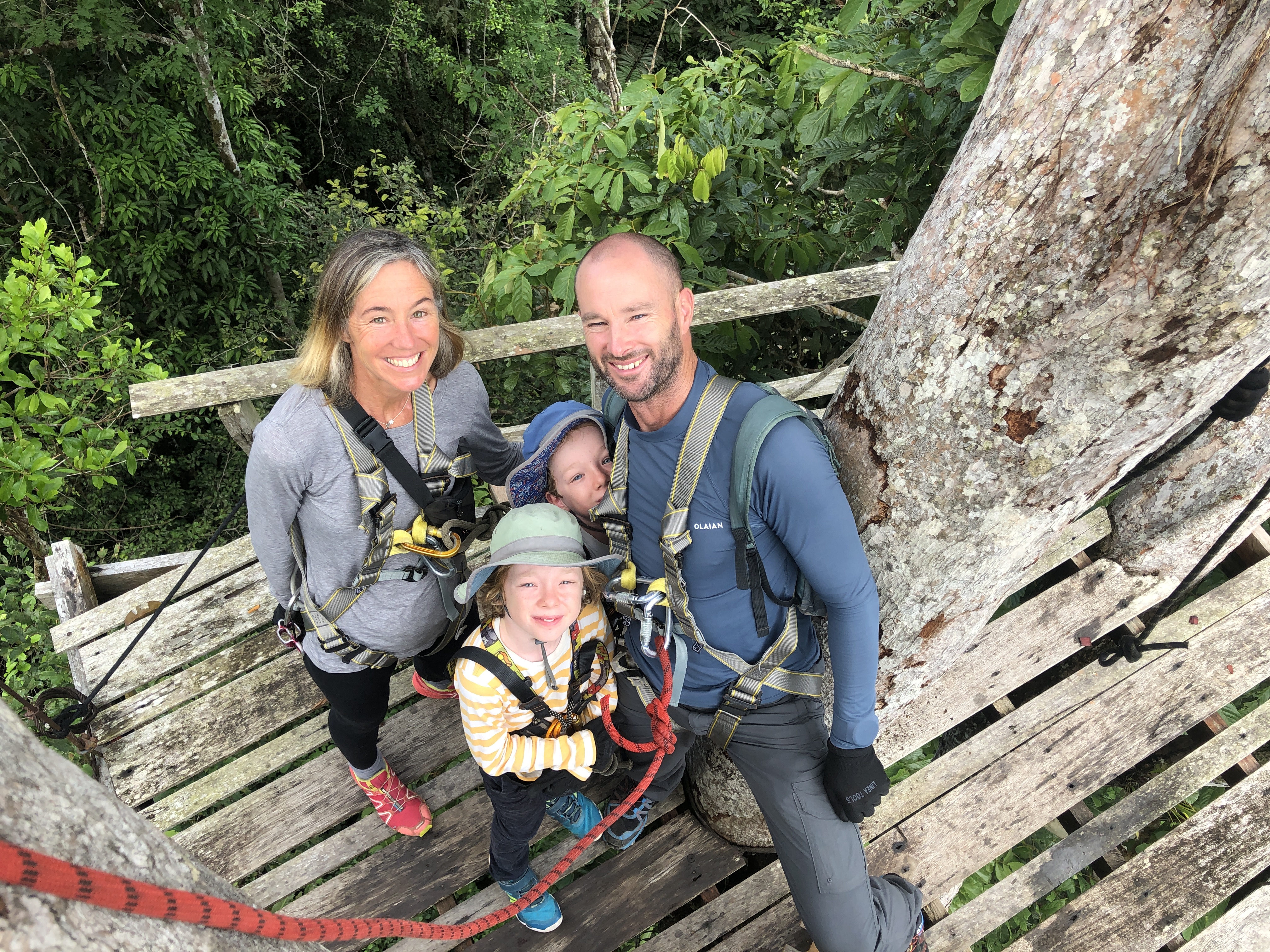
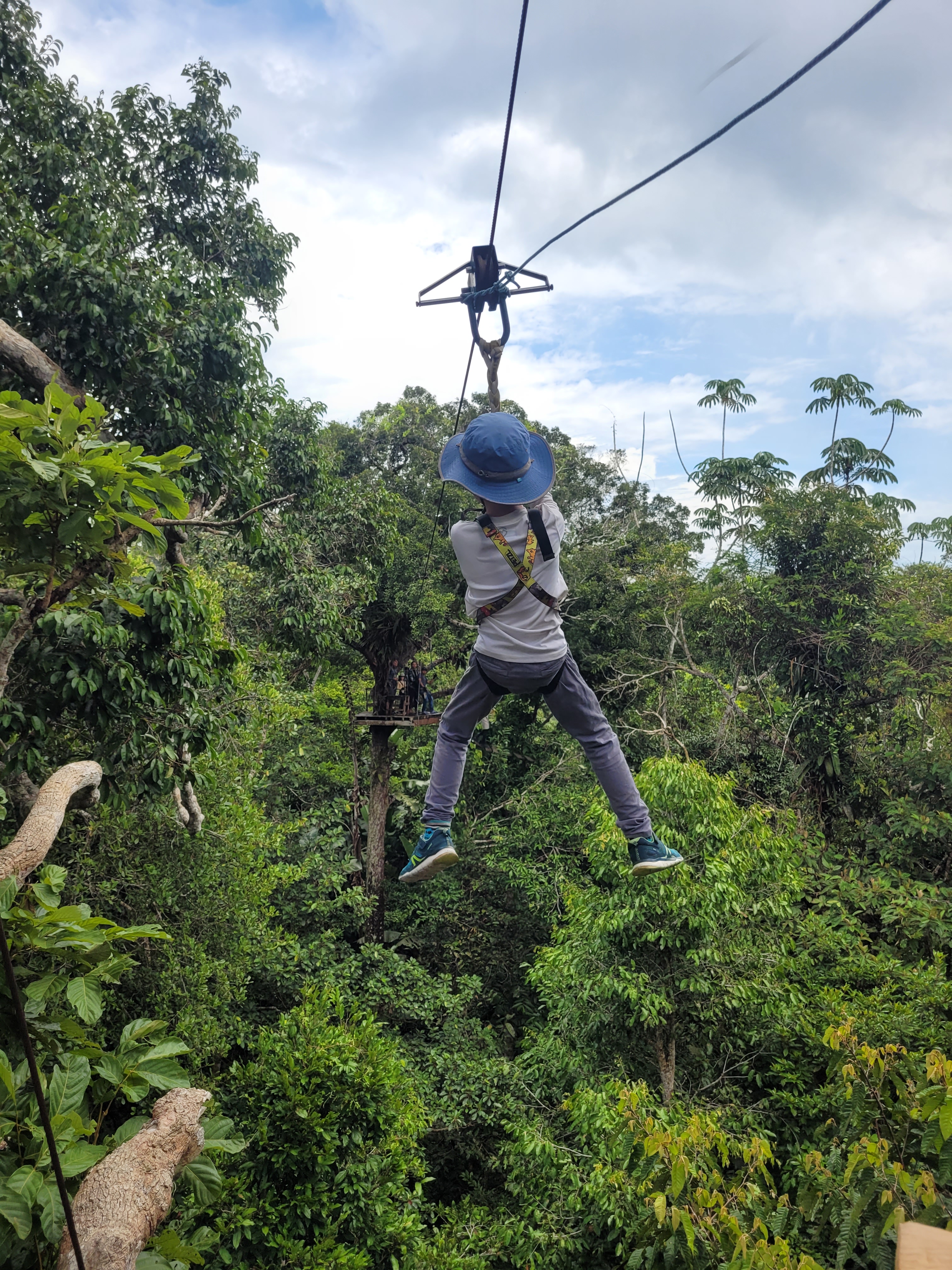
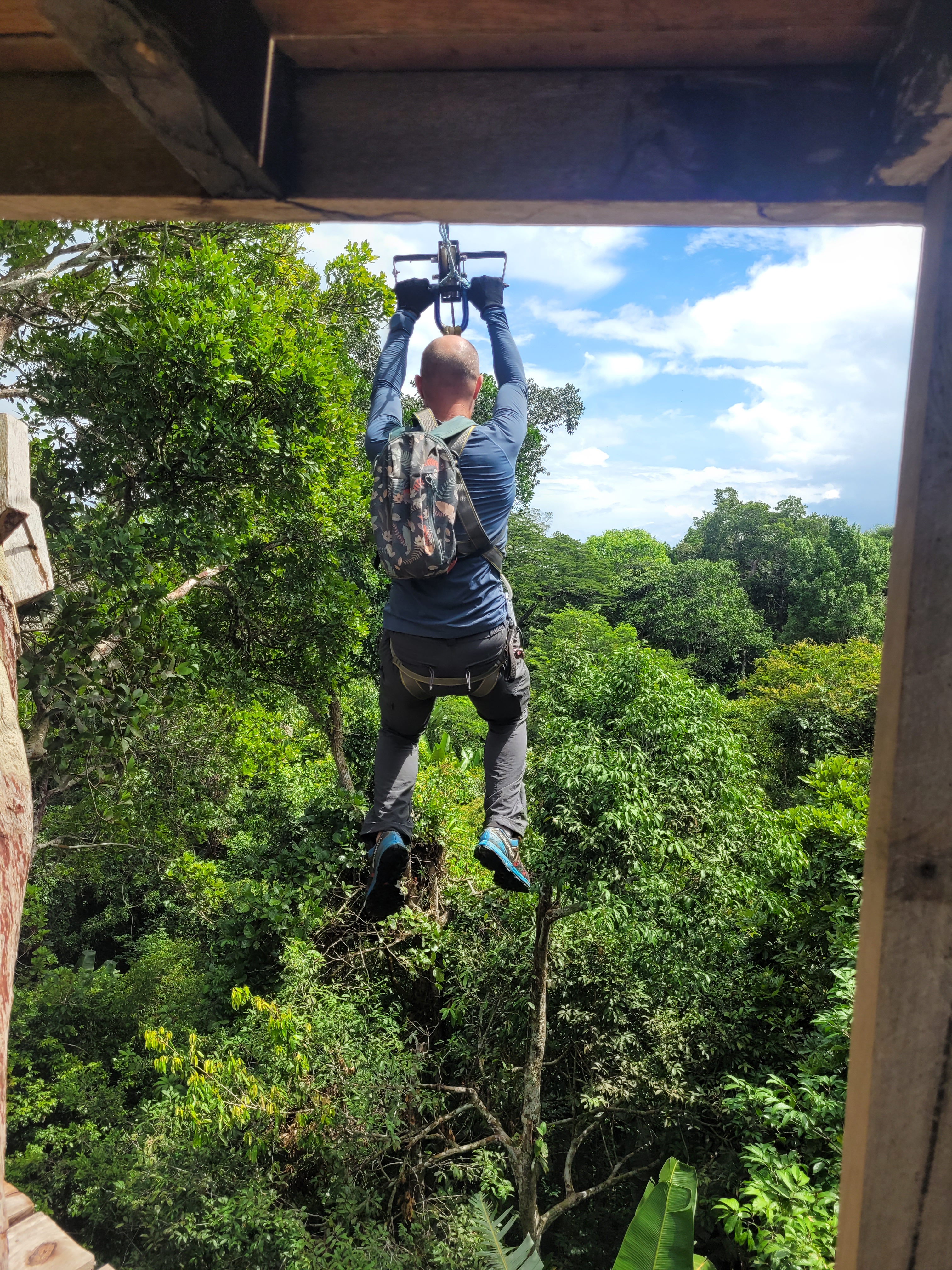
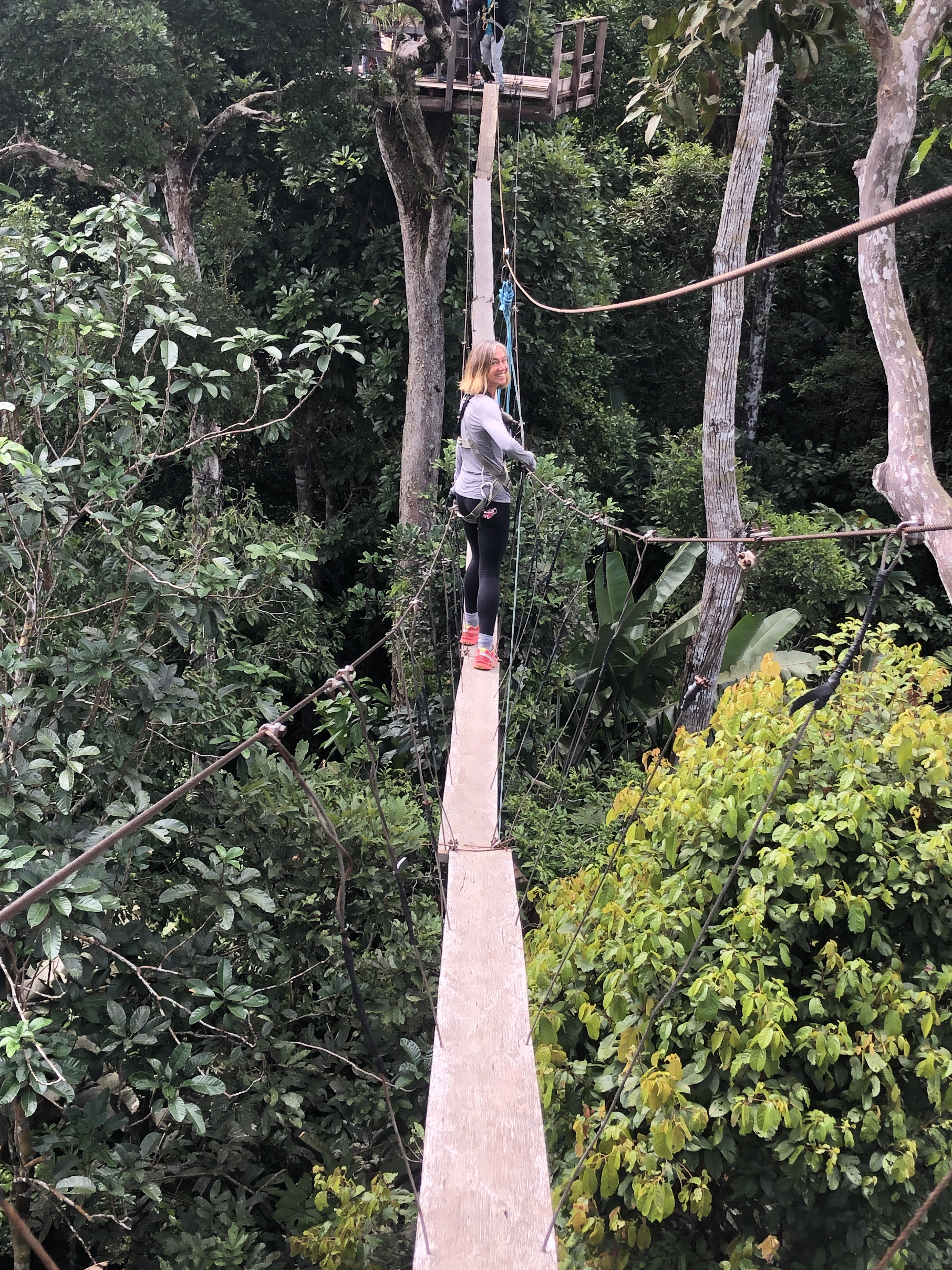
From Bogota we took a two-hour flight across hundreds of miles of dense rainforests to Leticia, located on the Amazon River, where Colombia meets Peru and Brazil. Here we spent an epic day in the jungle canopy, ziplining through ancient trees at Omegua nature reserve.

Amazon

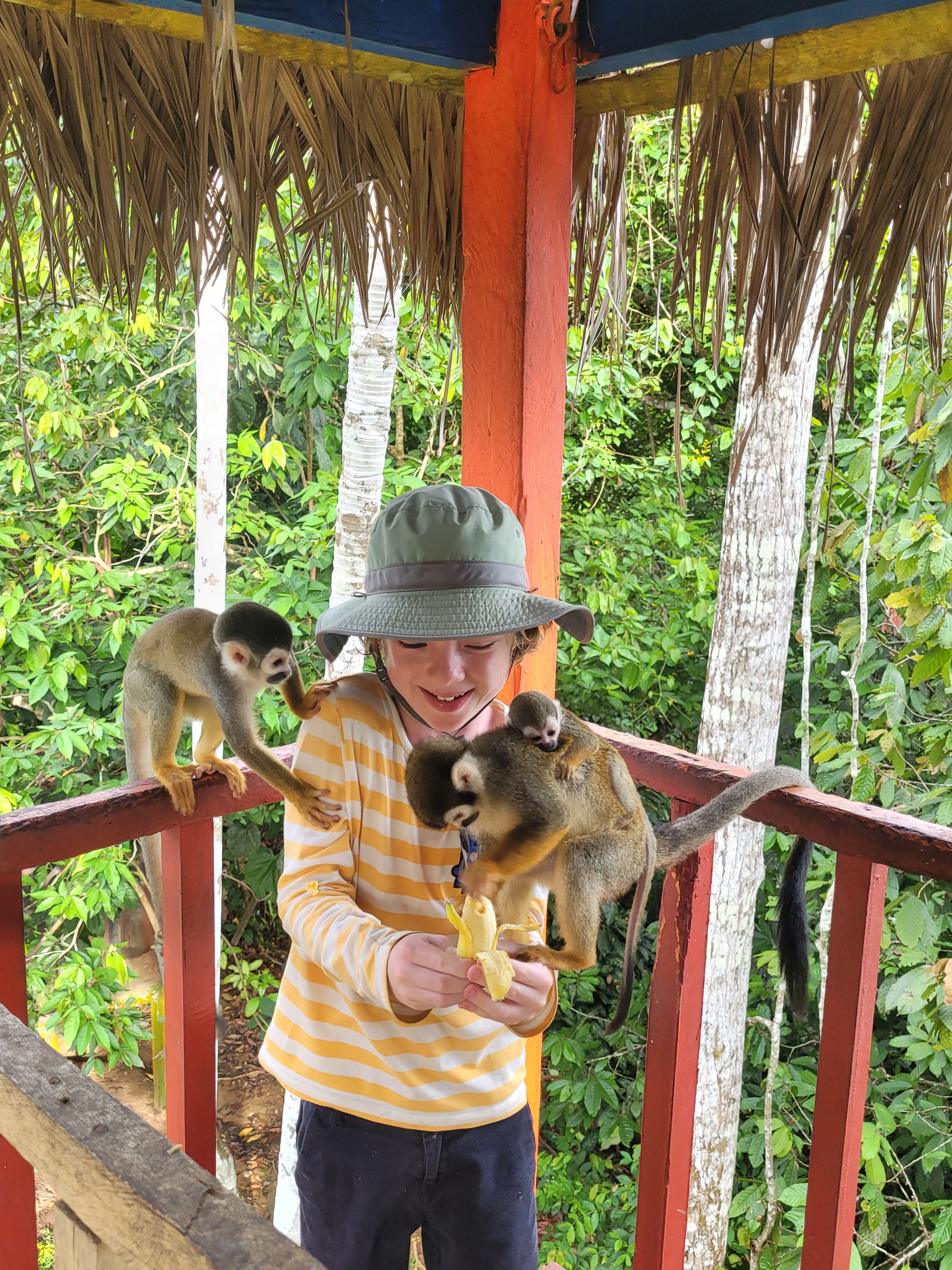
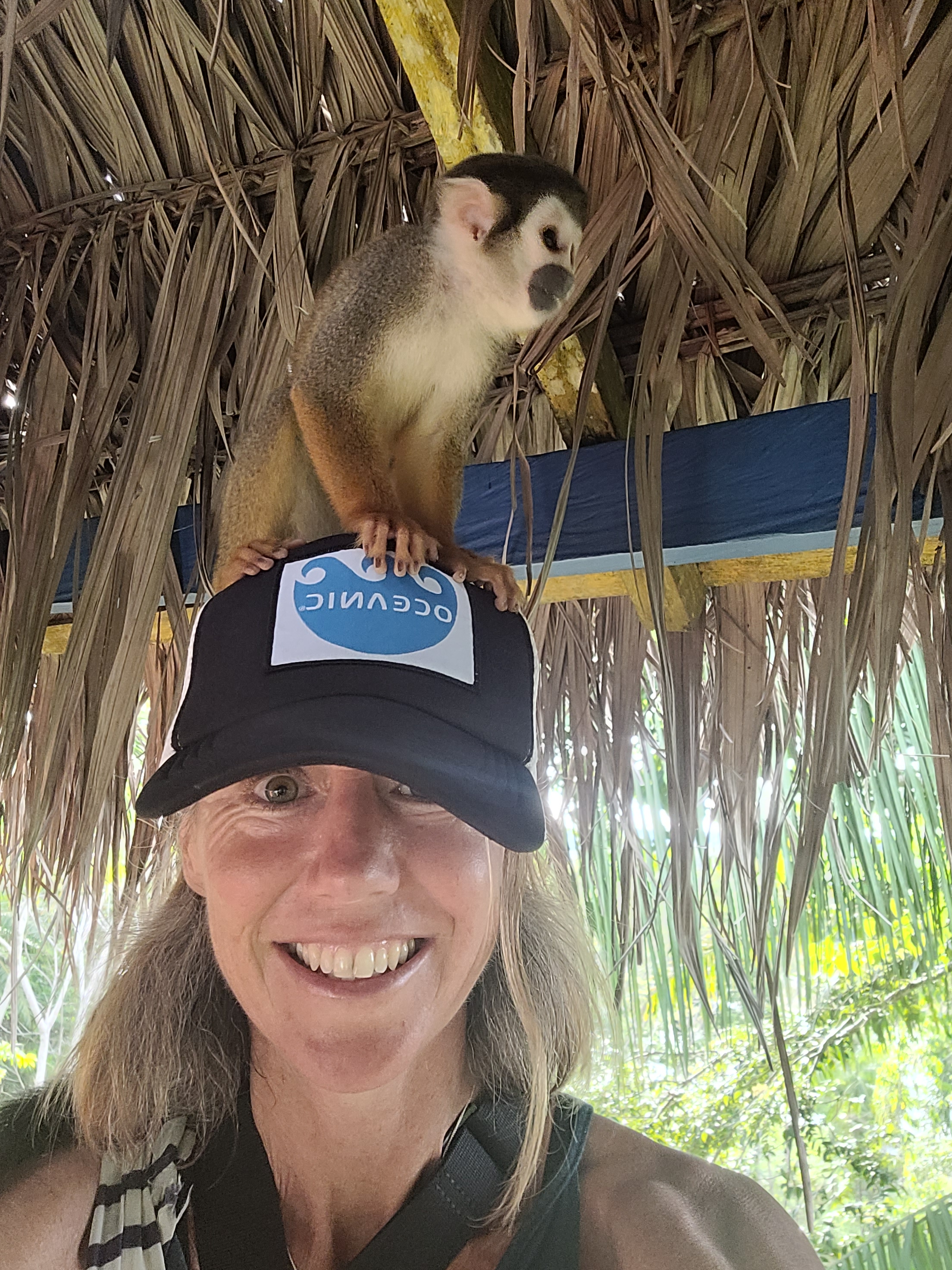
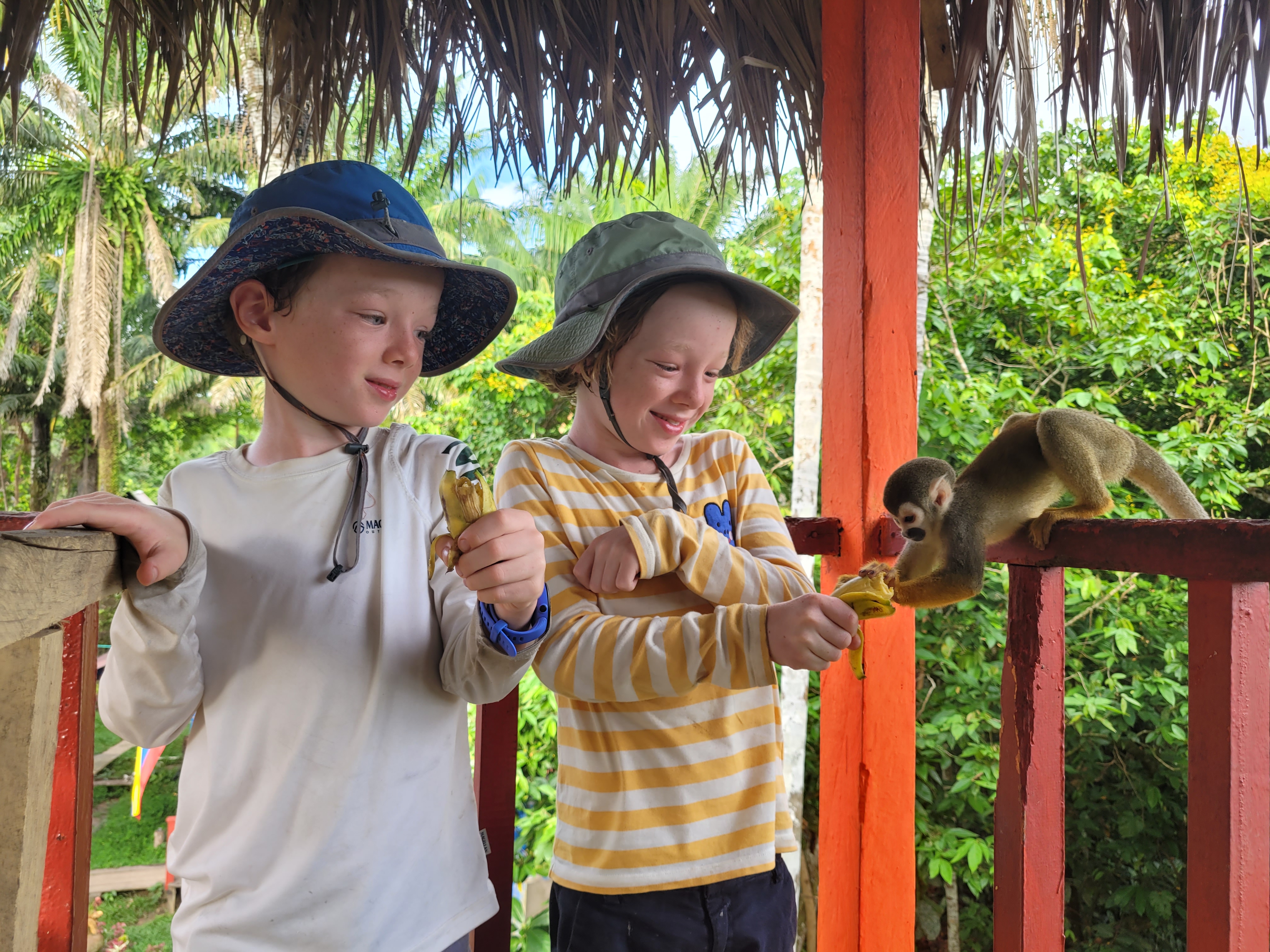
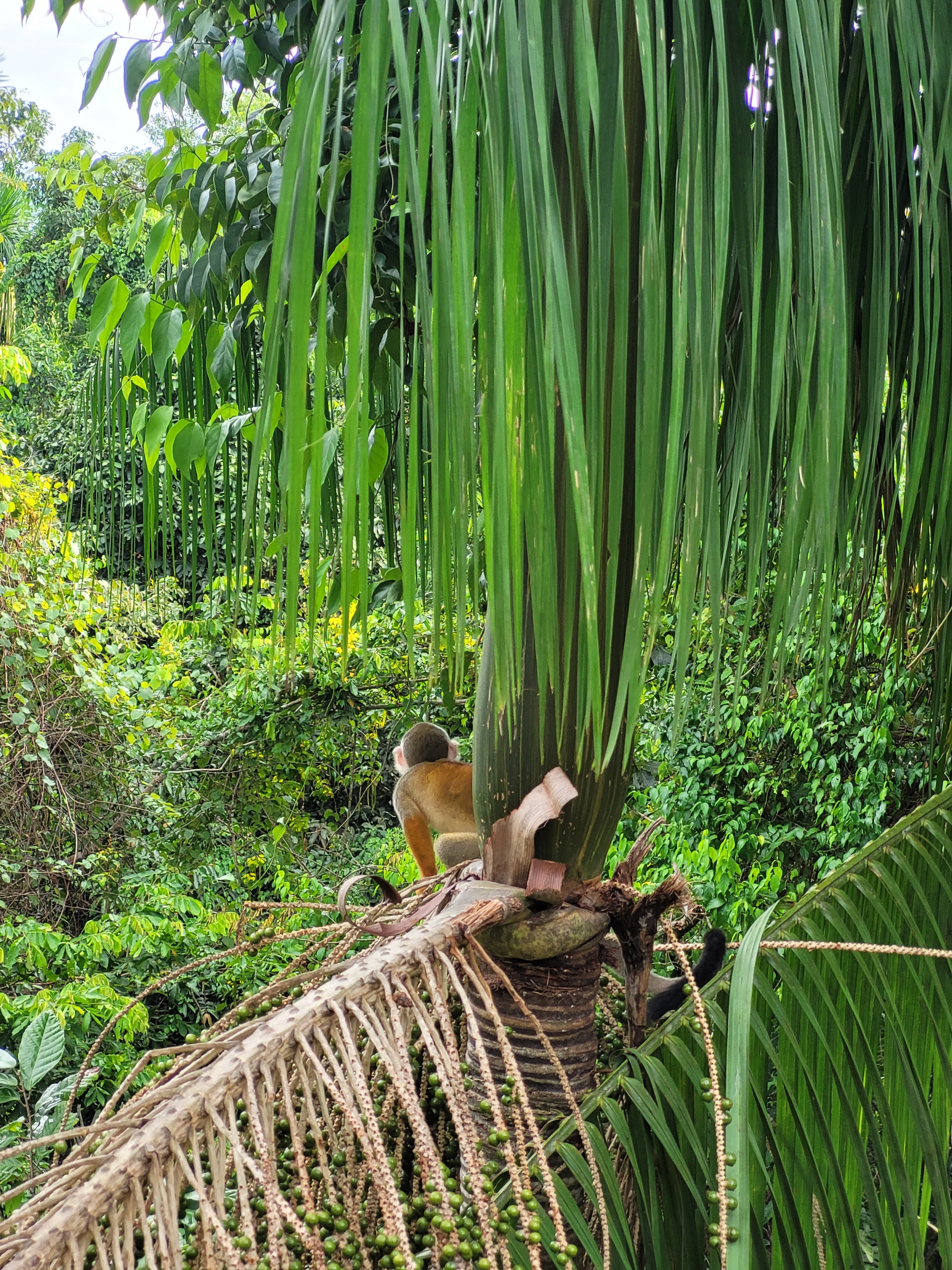
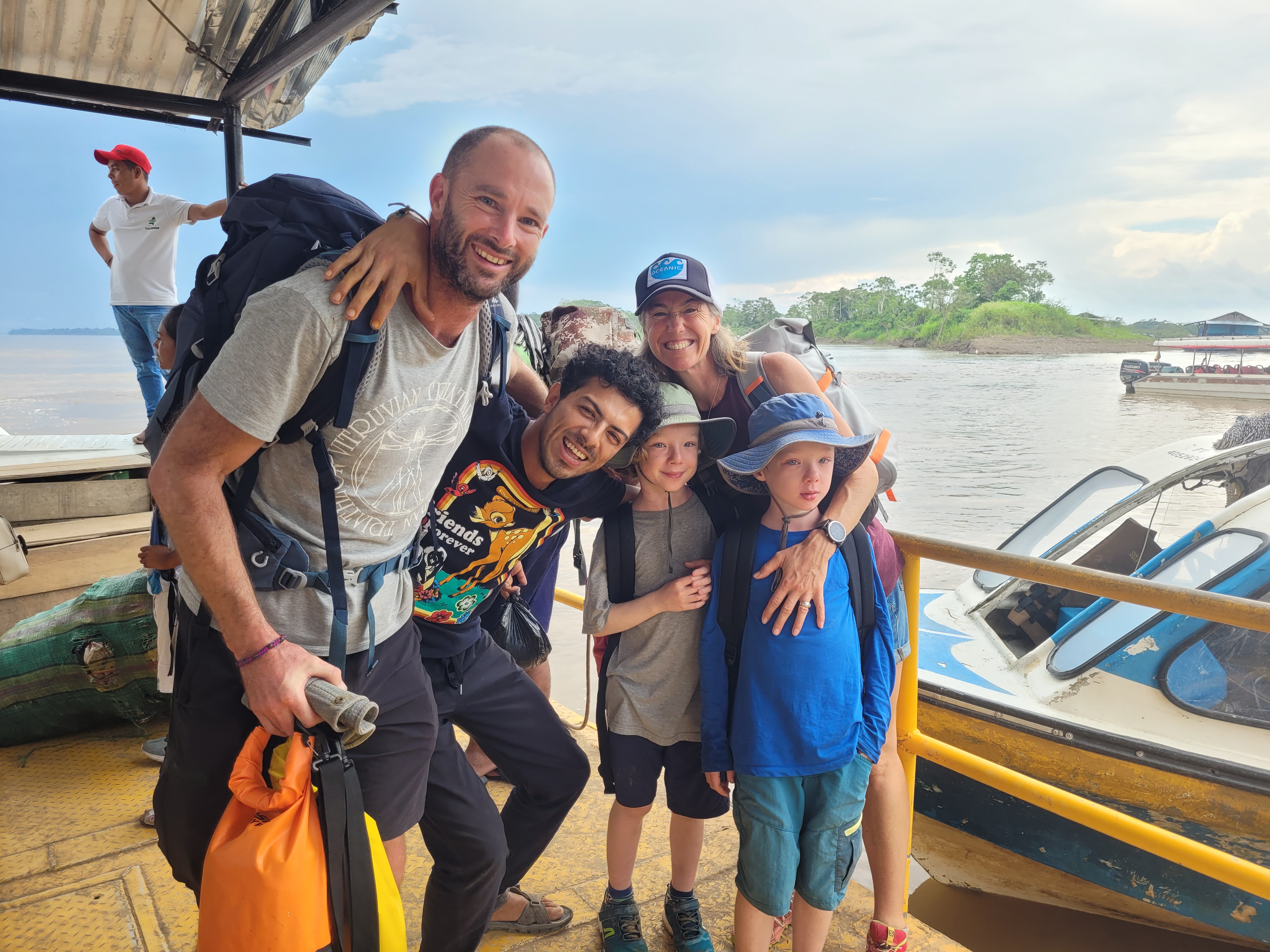
From Leticia, we took a two-hour boat ride up the Amazon to Puerto Narino, a small community, mostly from the indigenous Ticuna community. Day one of our stay here saw us visiting Friar Hector and his neighbouring troop of greedy capuchins.

Amazon Jungle at Night

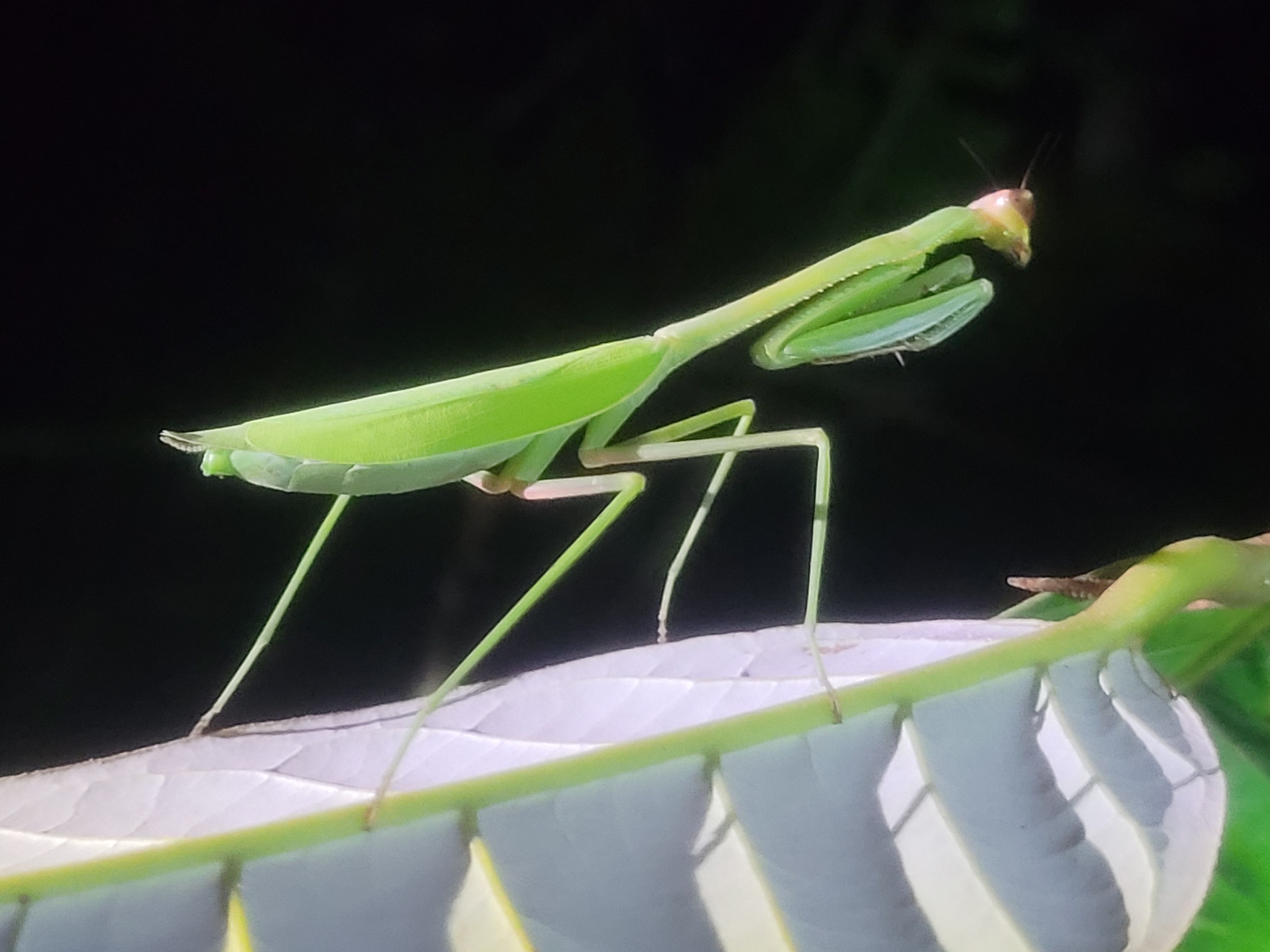
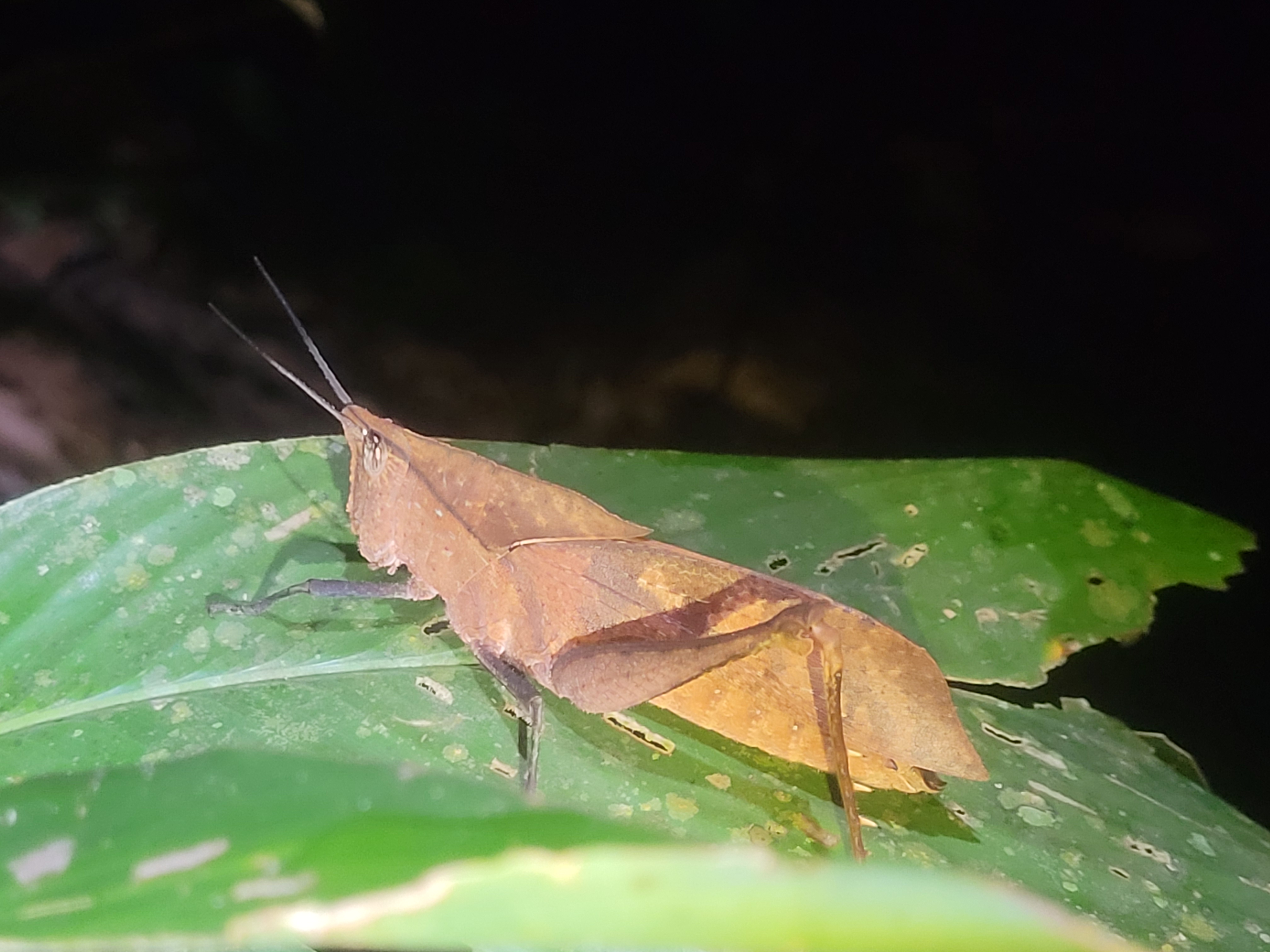
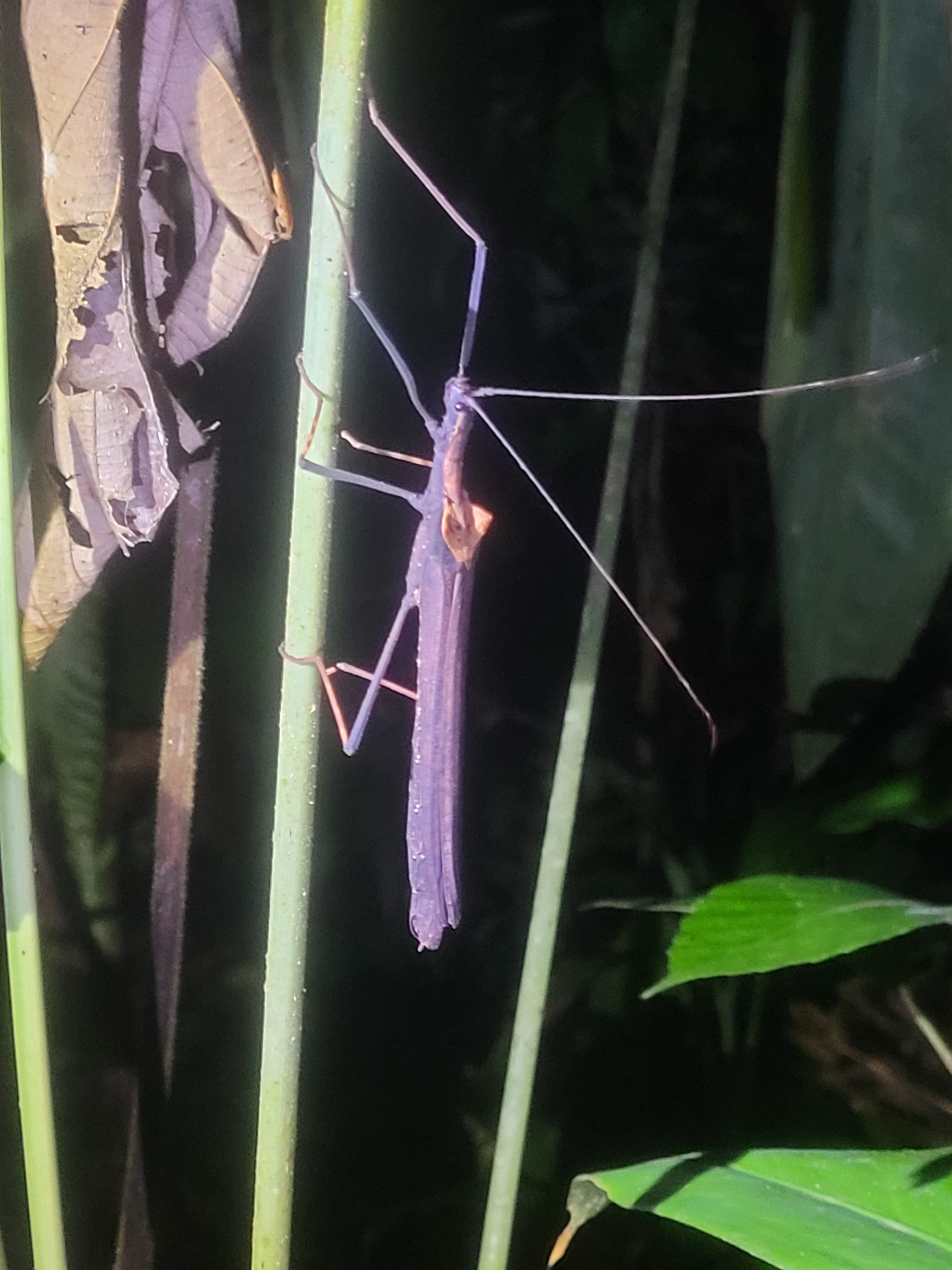
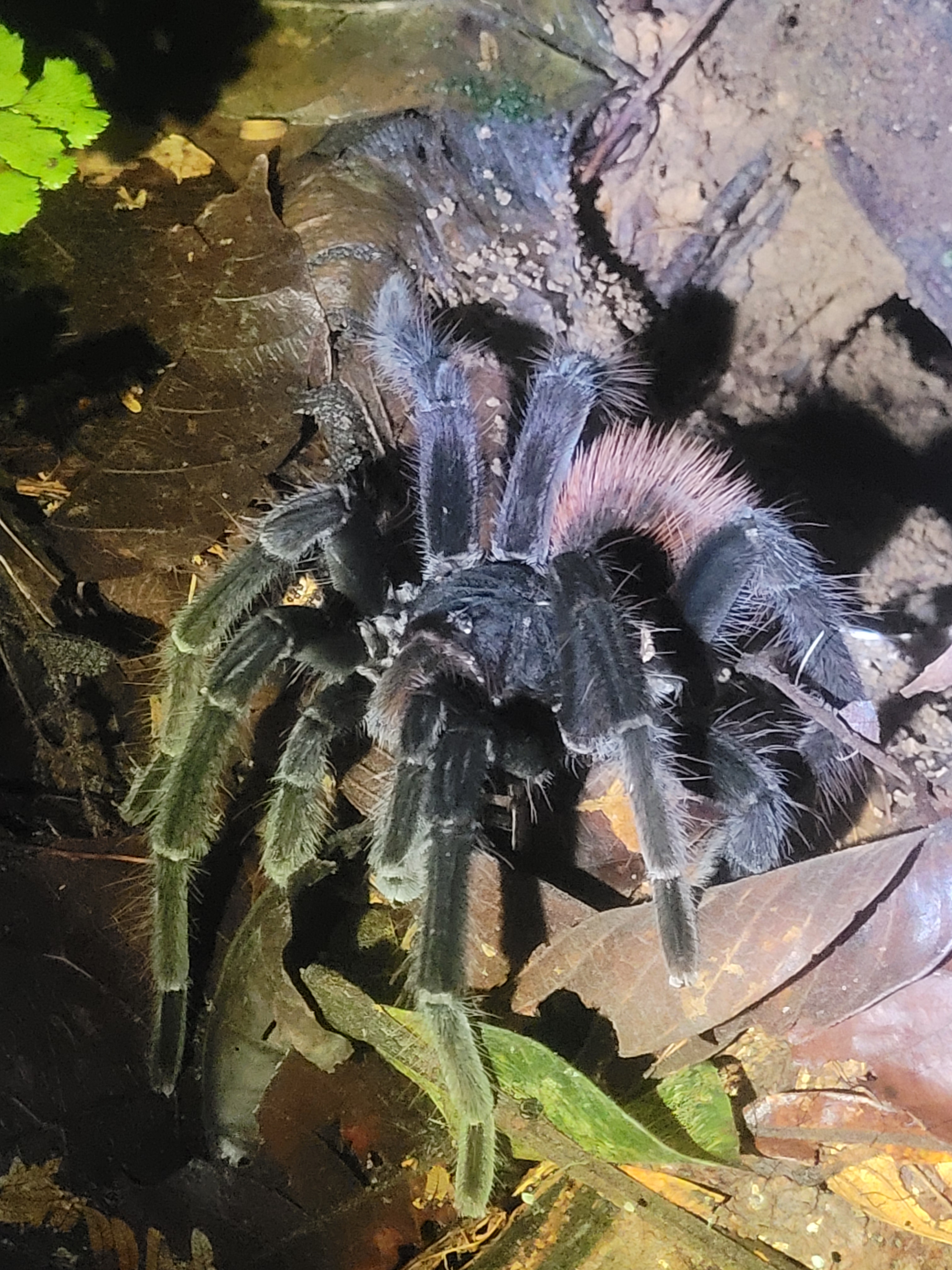
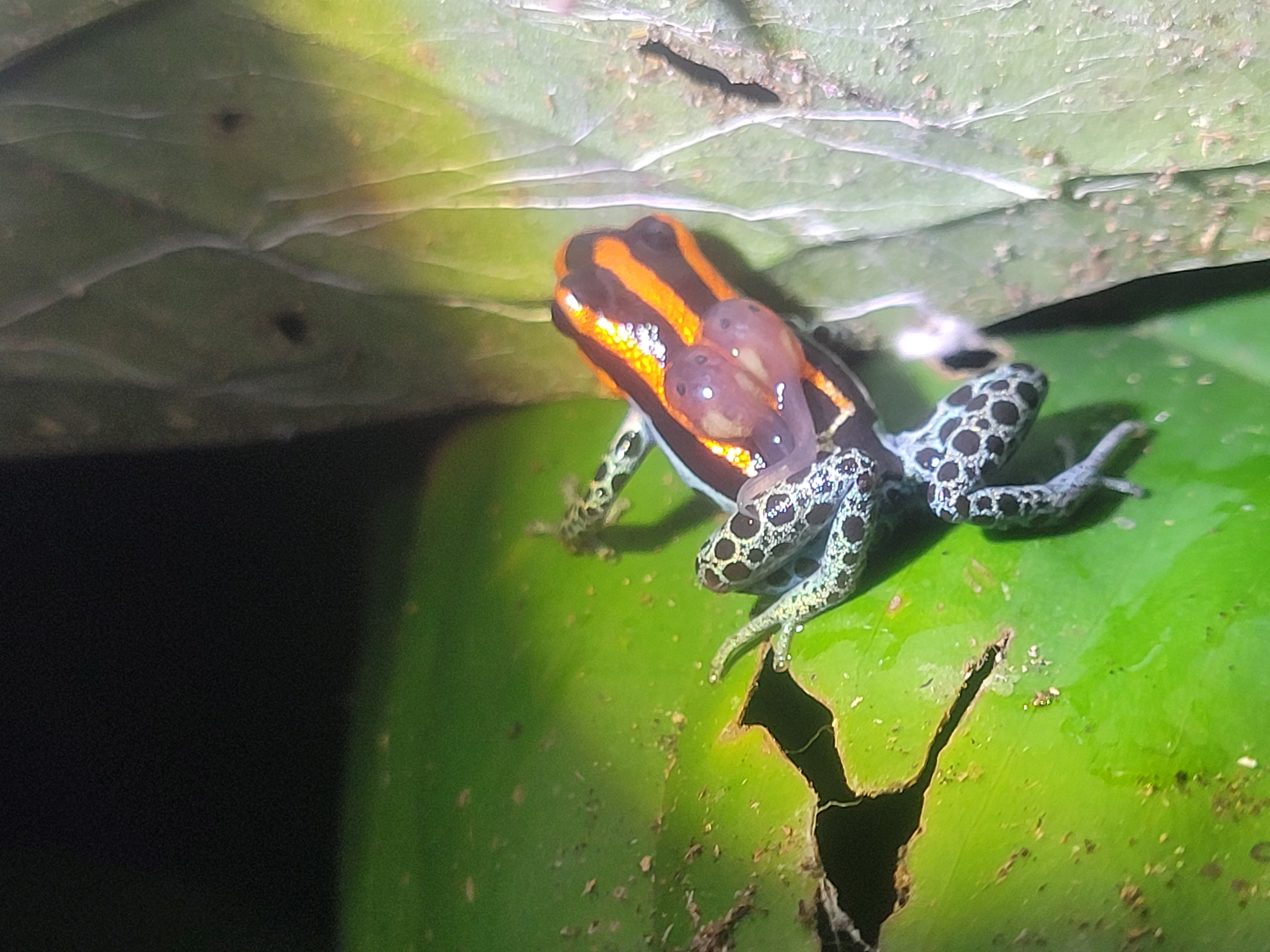
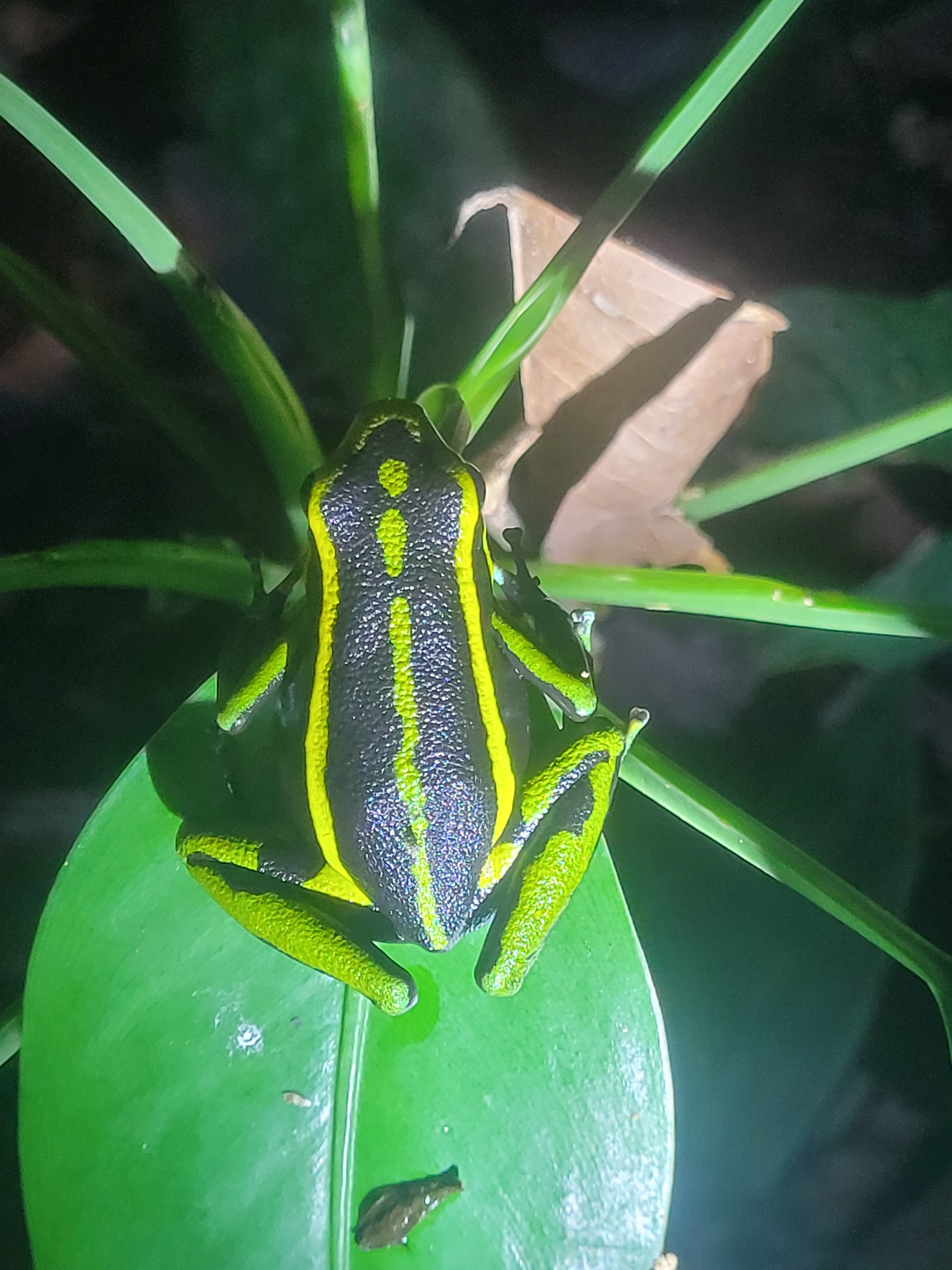
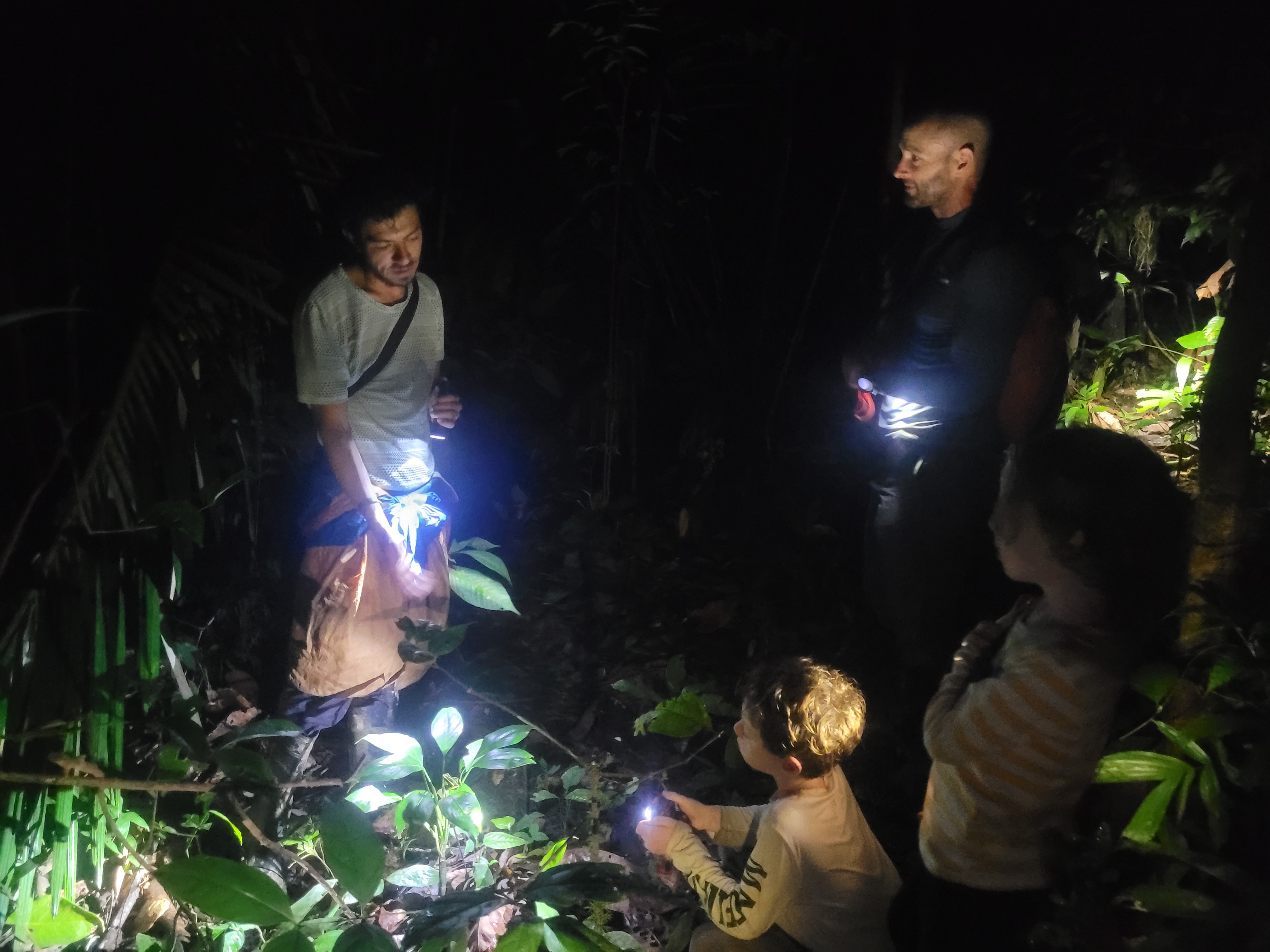
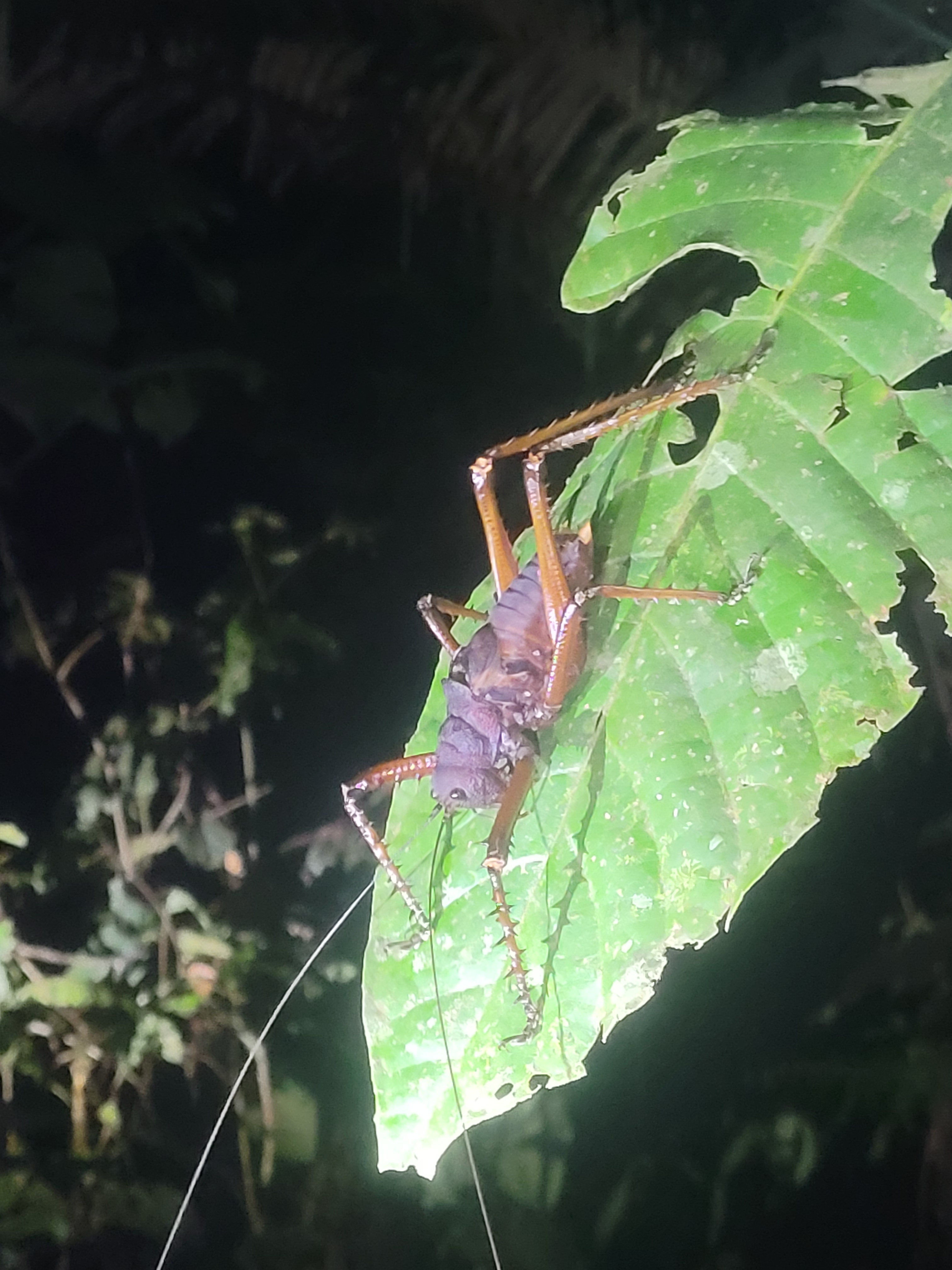
One of our Amazon highlights was a night-hike, with our guide, Sebastian, to find wild critters in the jungle. We spotted praying mantises, enormous tarantulas and our favourites, the poison dart frogs, one of which was carrying it’s tadpoles on it’s back!
Rio Amazonas

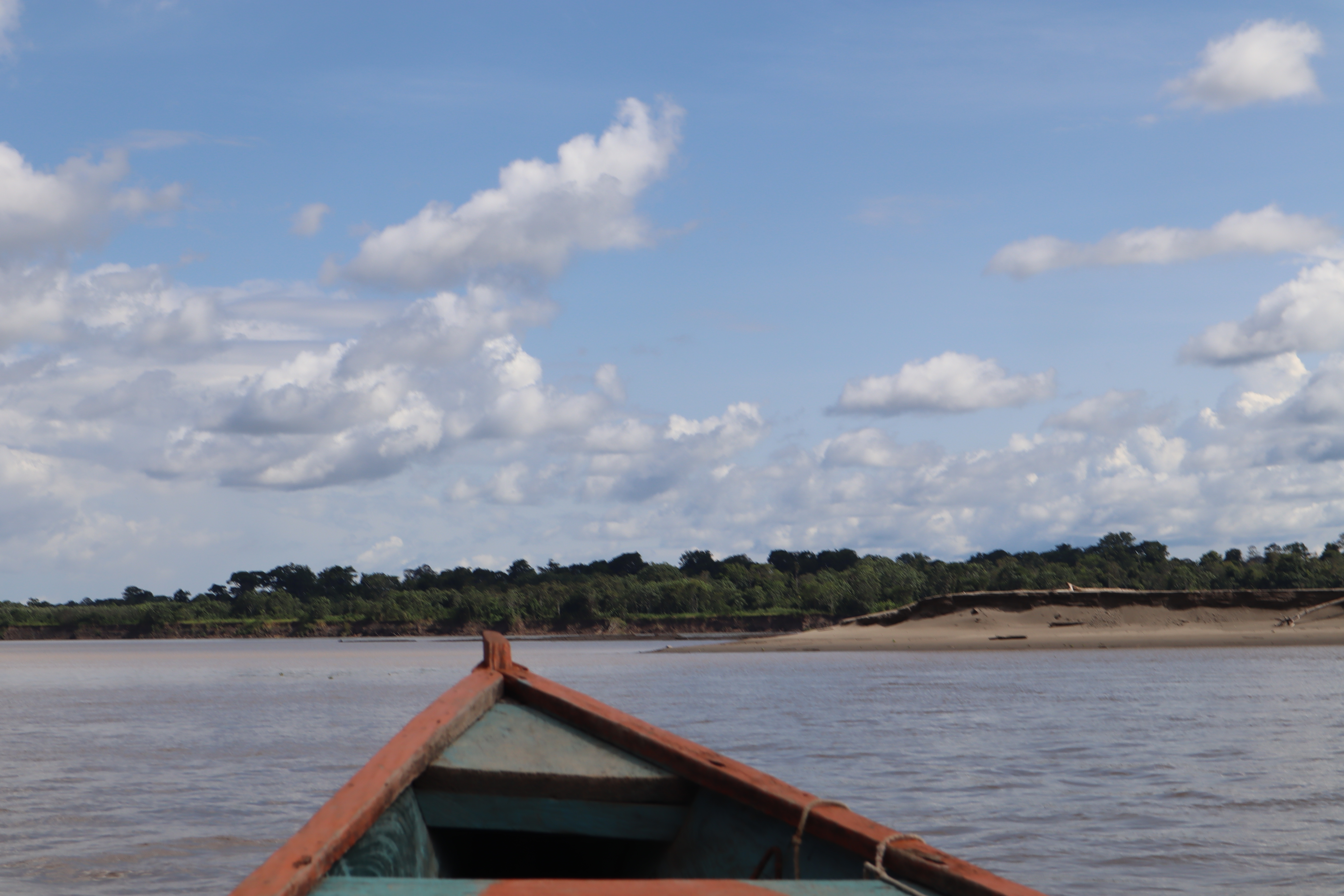
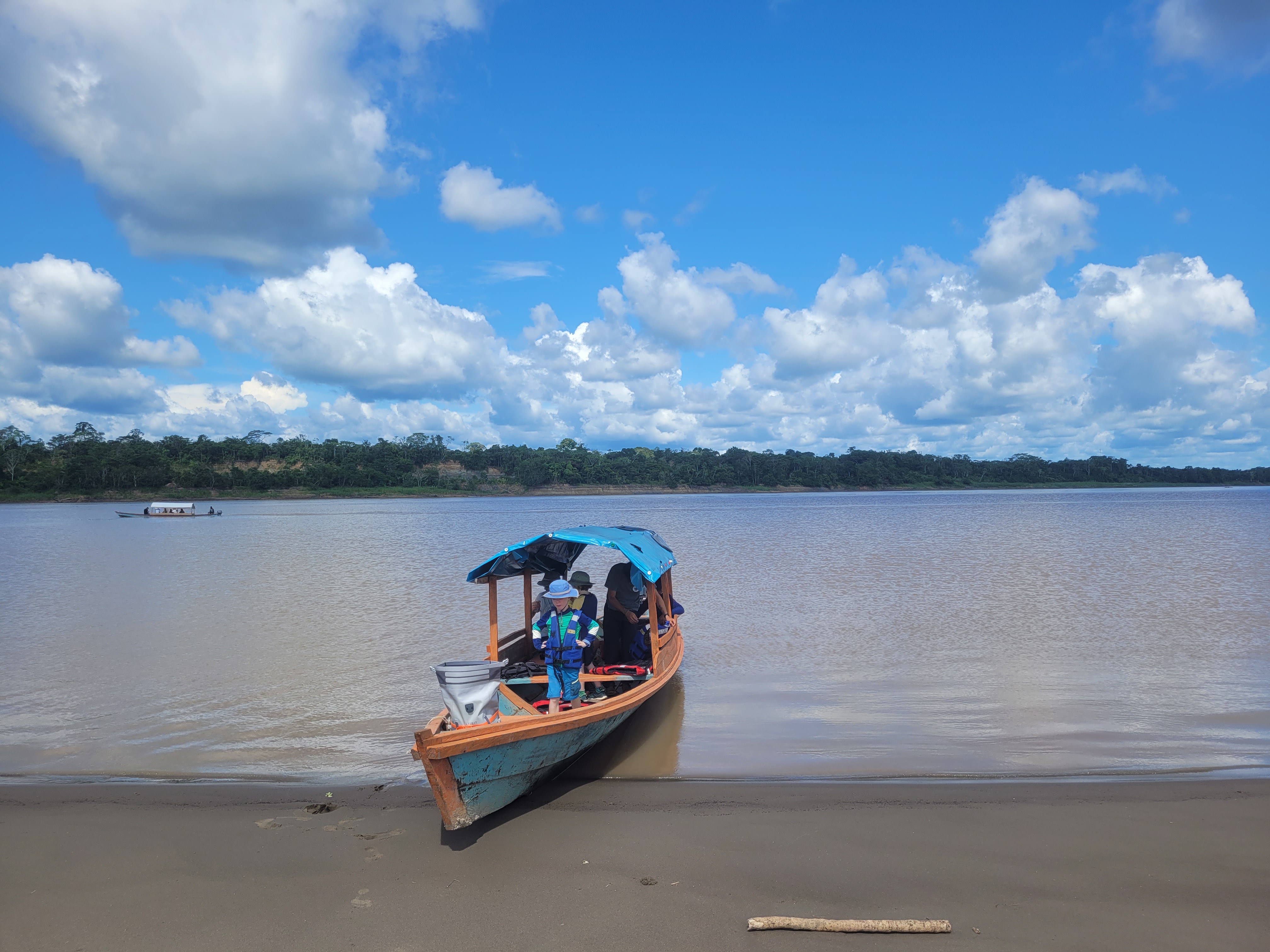
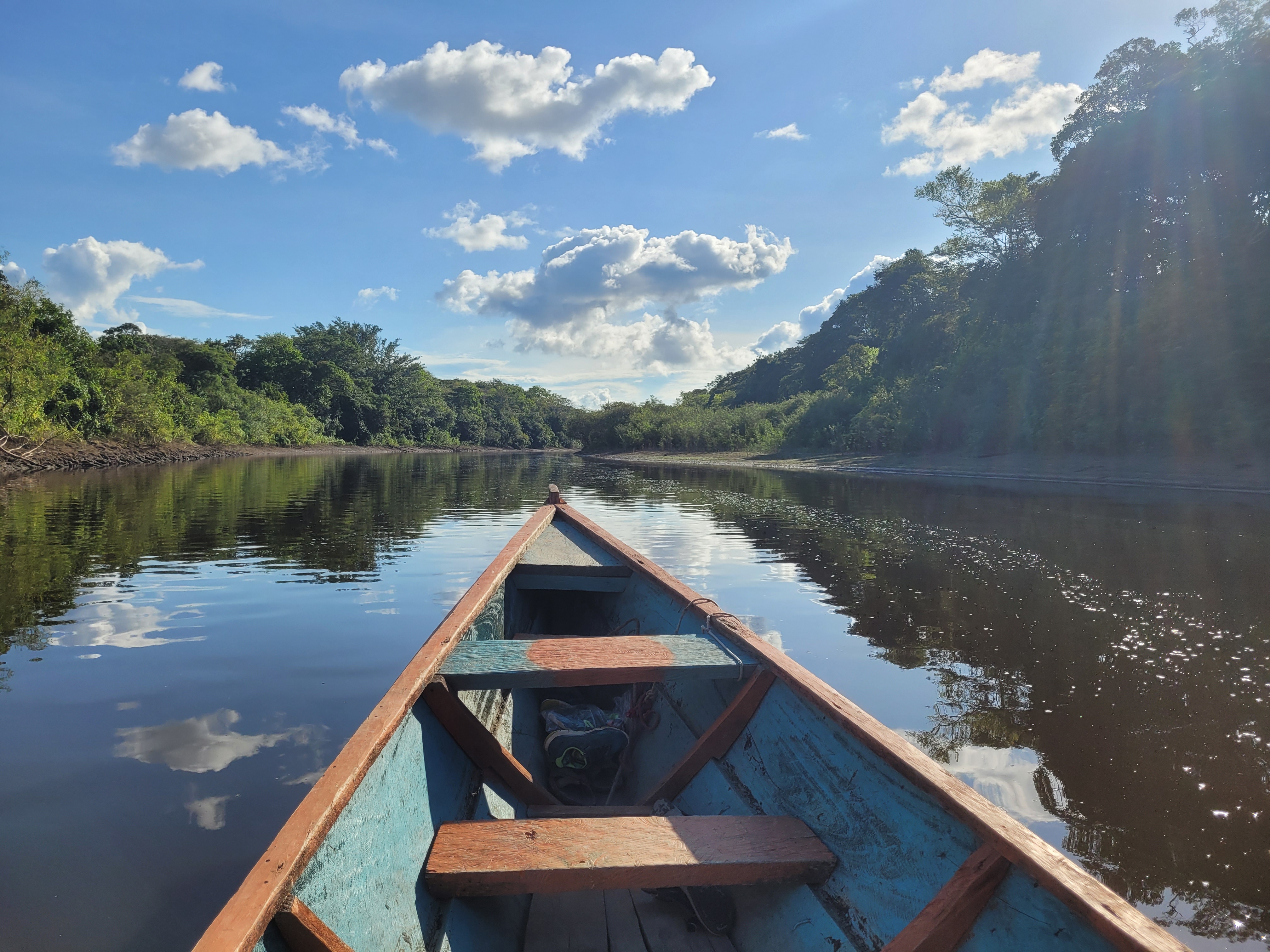
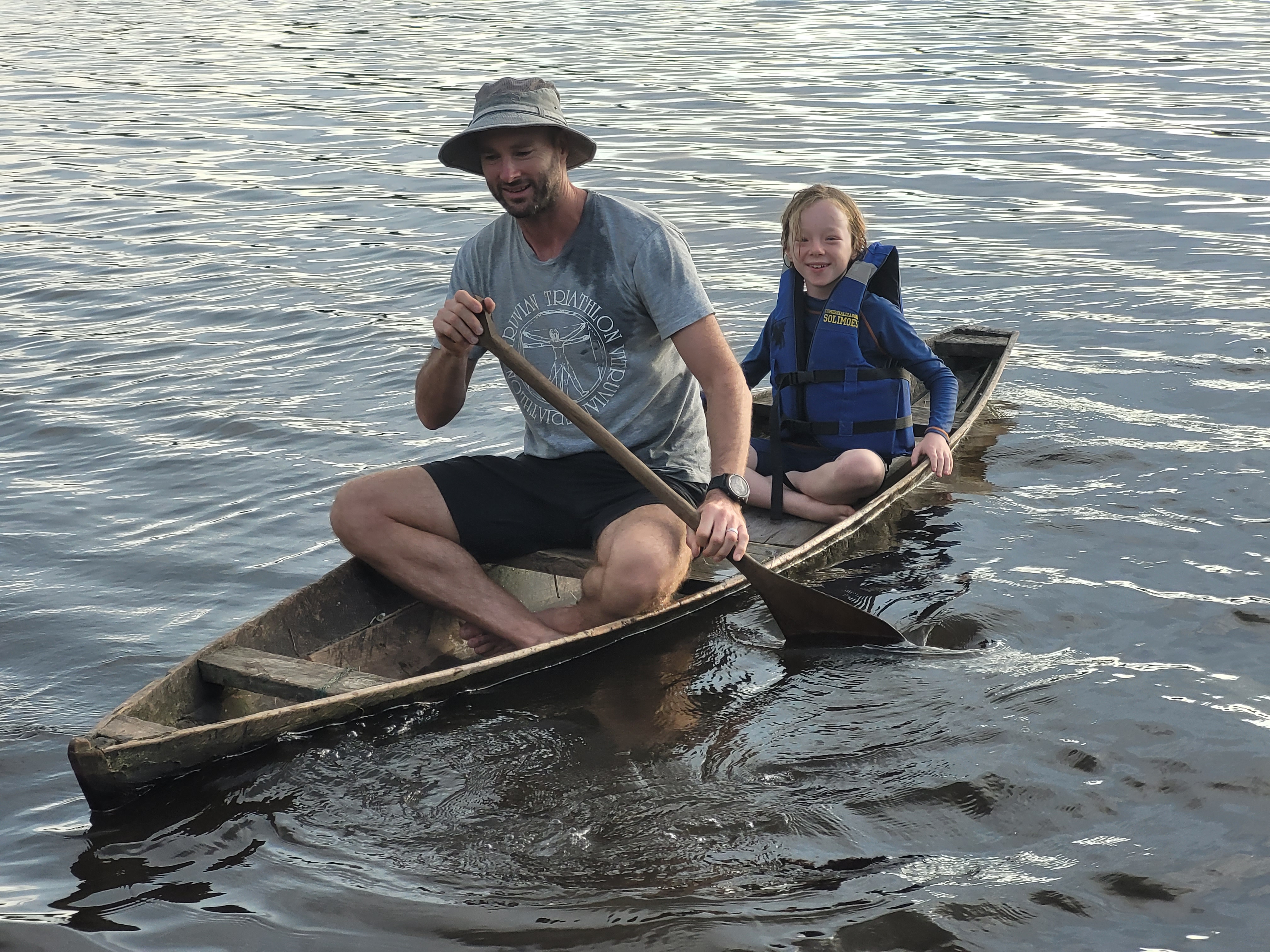
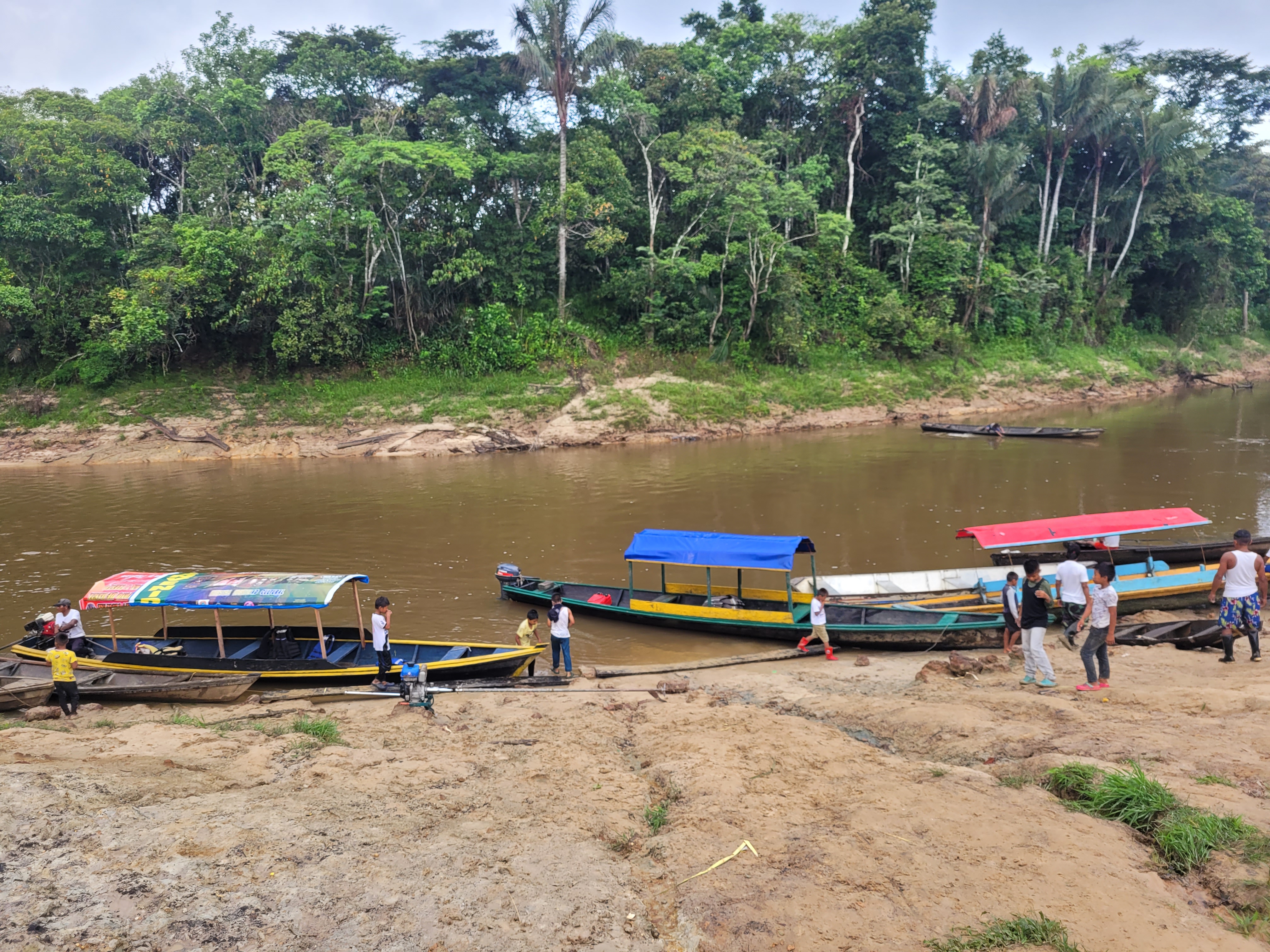
We spent a day on the Rio Amazonas on a peque-peque, a low-slung wooden boat. We navigated 4km up the Loretyacu River, through the Ramsar biosphere reserve to Lago Tarapoto, a stunning jungle lake. Here we were lucky to spot the Amazon river dolphin or boto, a pink species of toothless whale, and the Tucuxi, another species of freshwater dolphin that lives alongside its pink cousins

Amazonas Peru

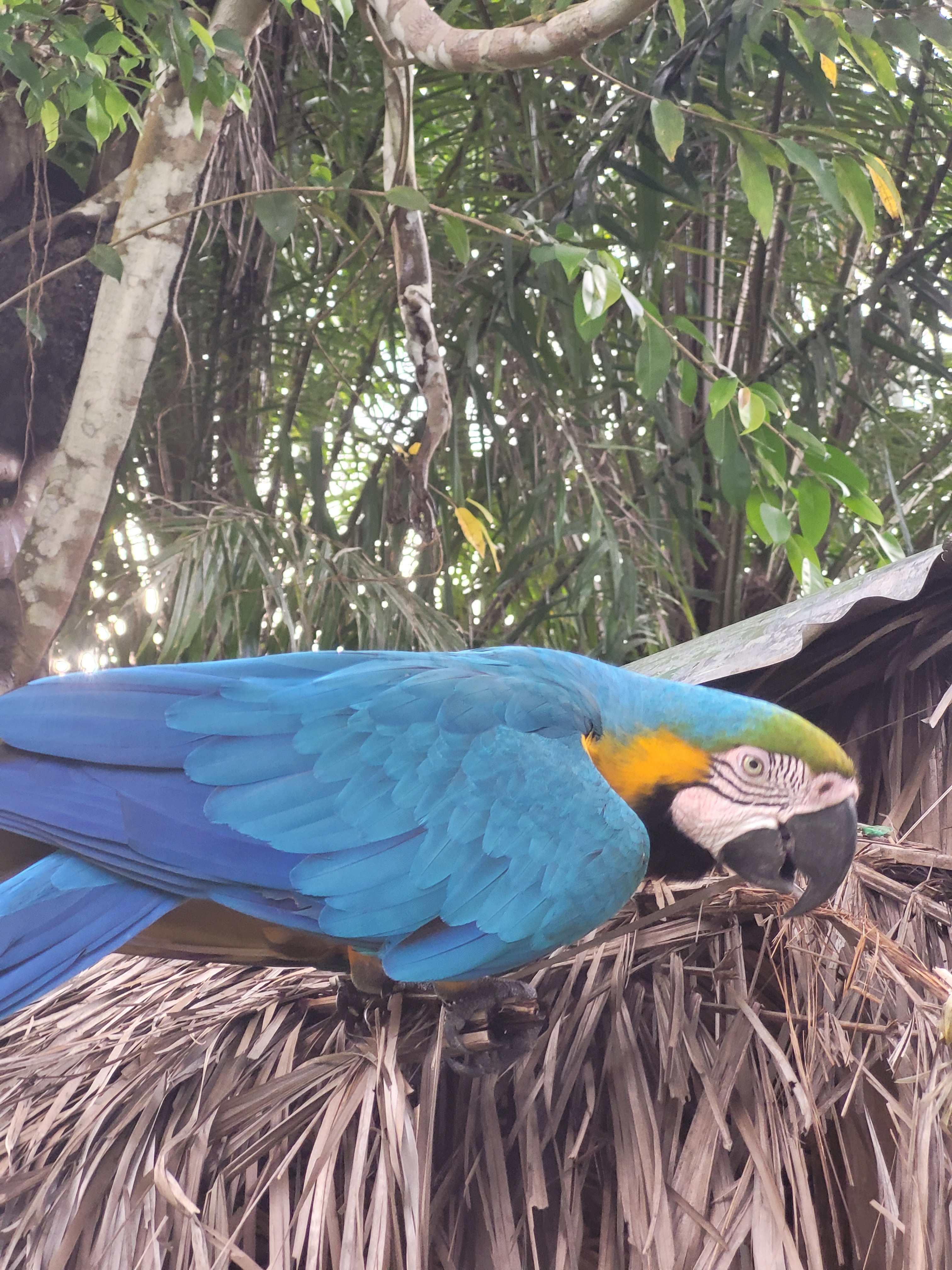
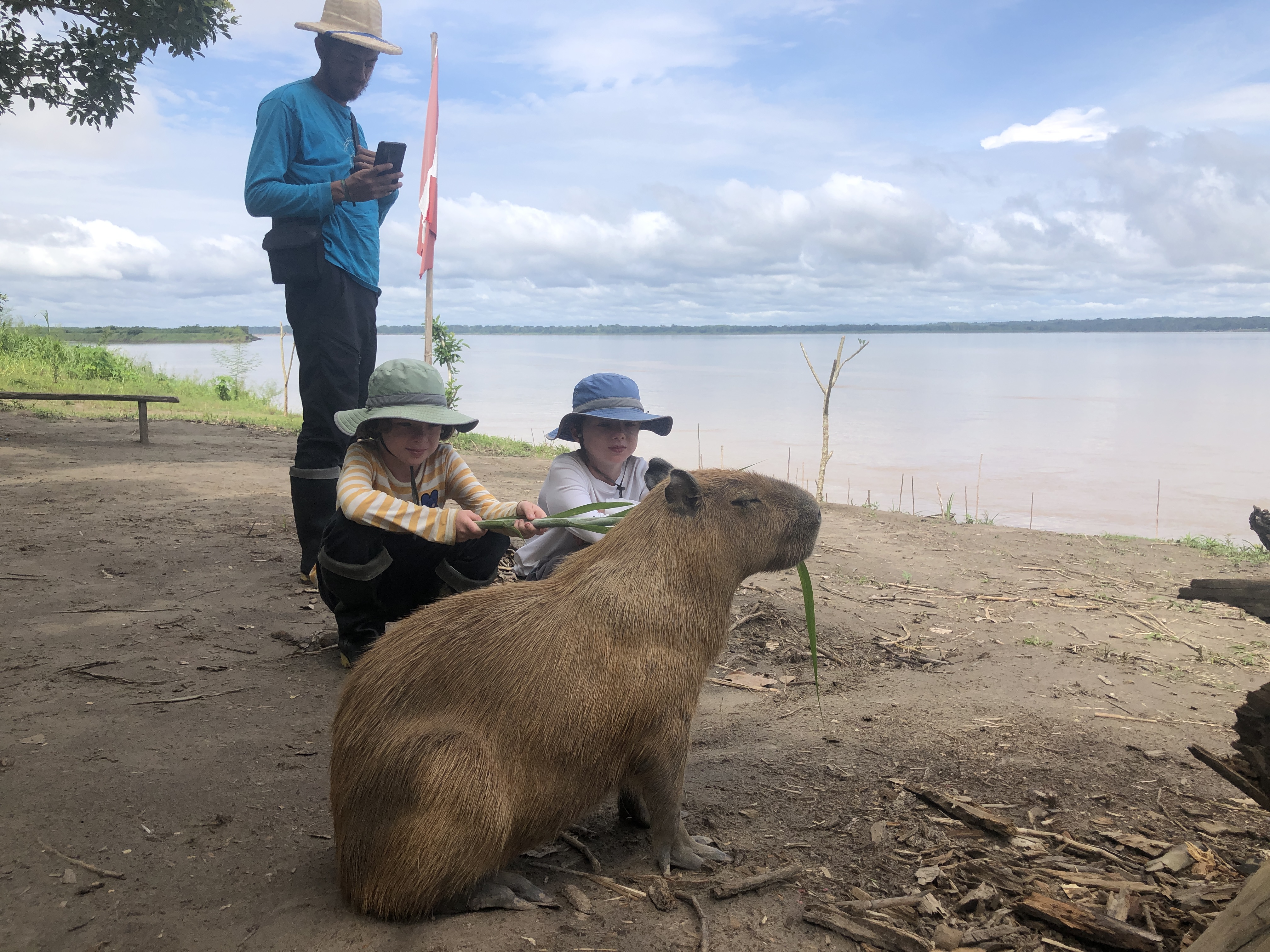
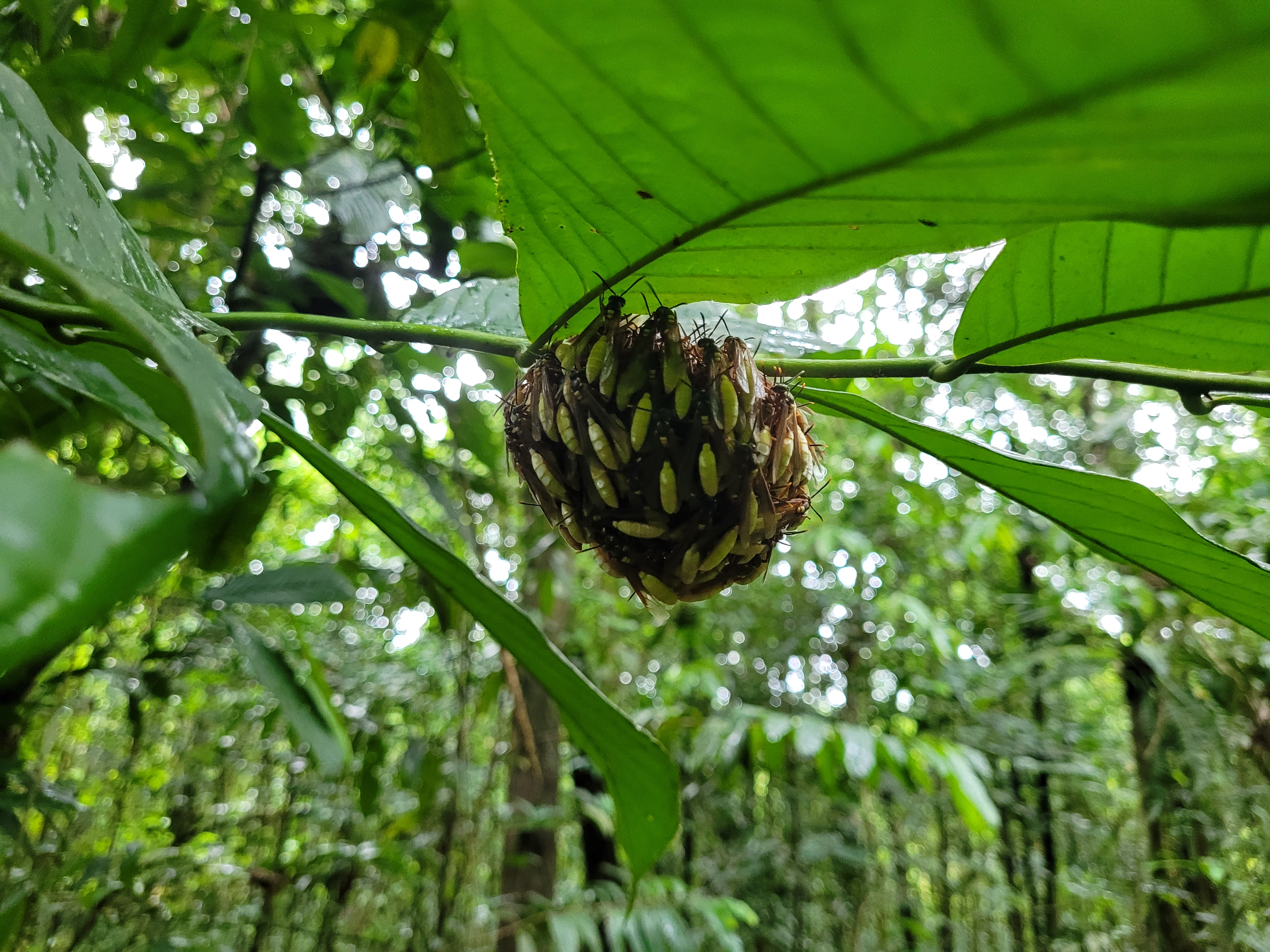
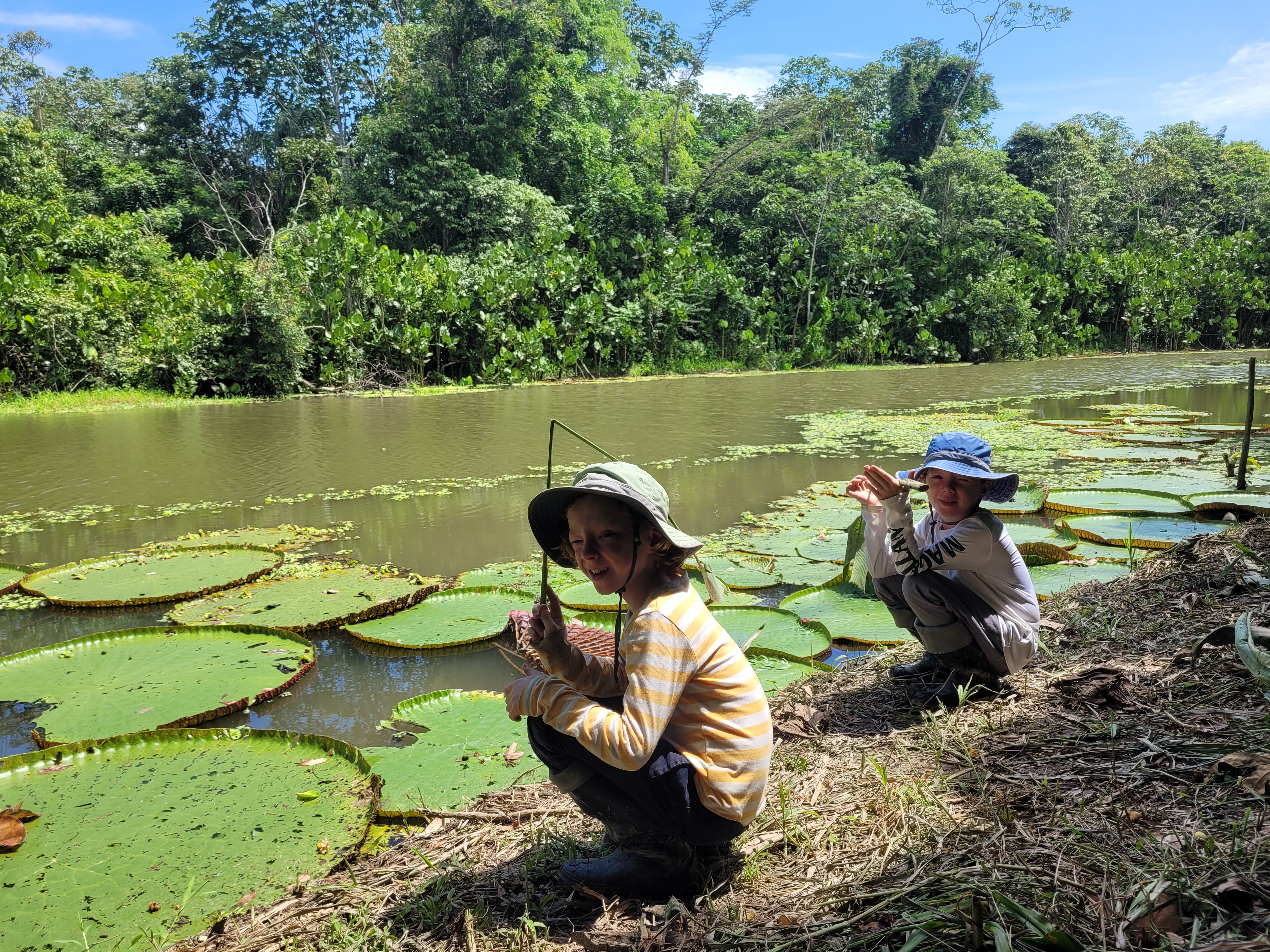
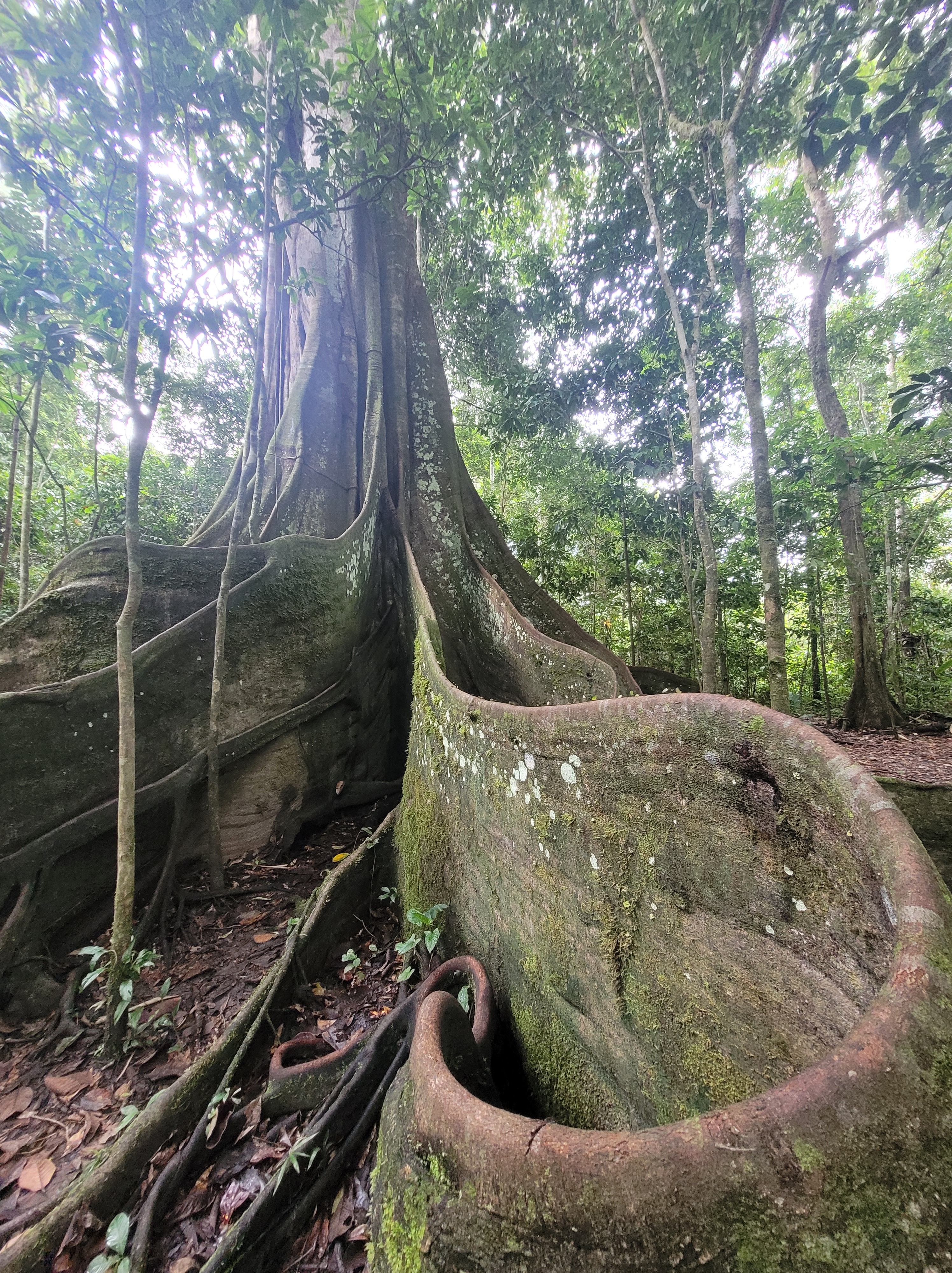
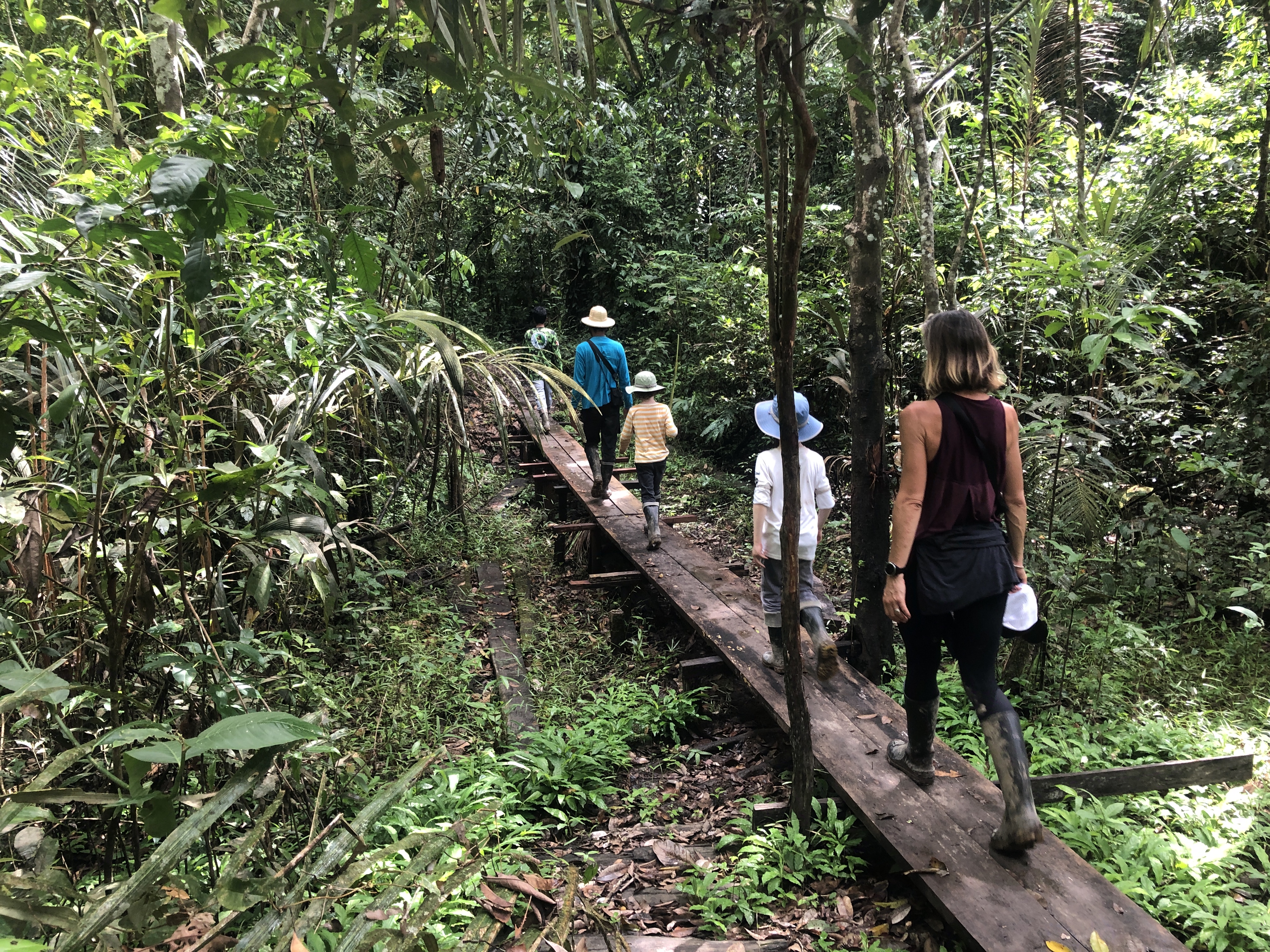
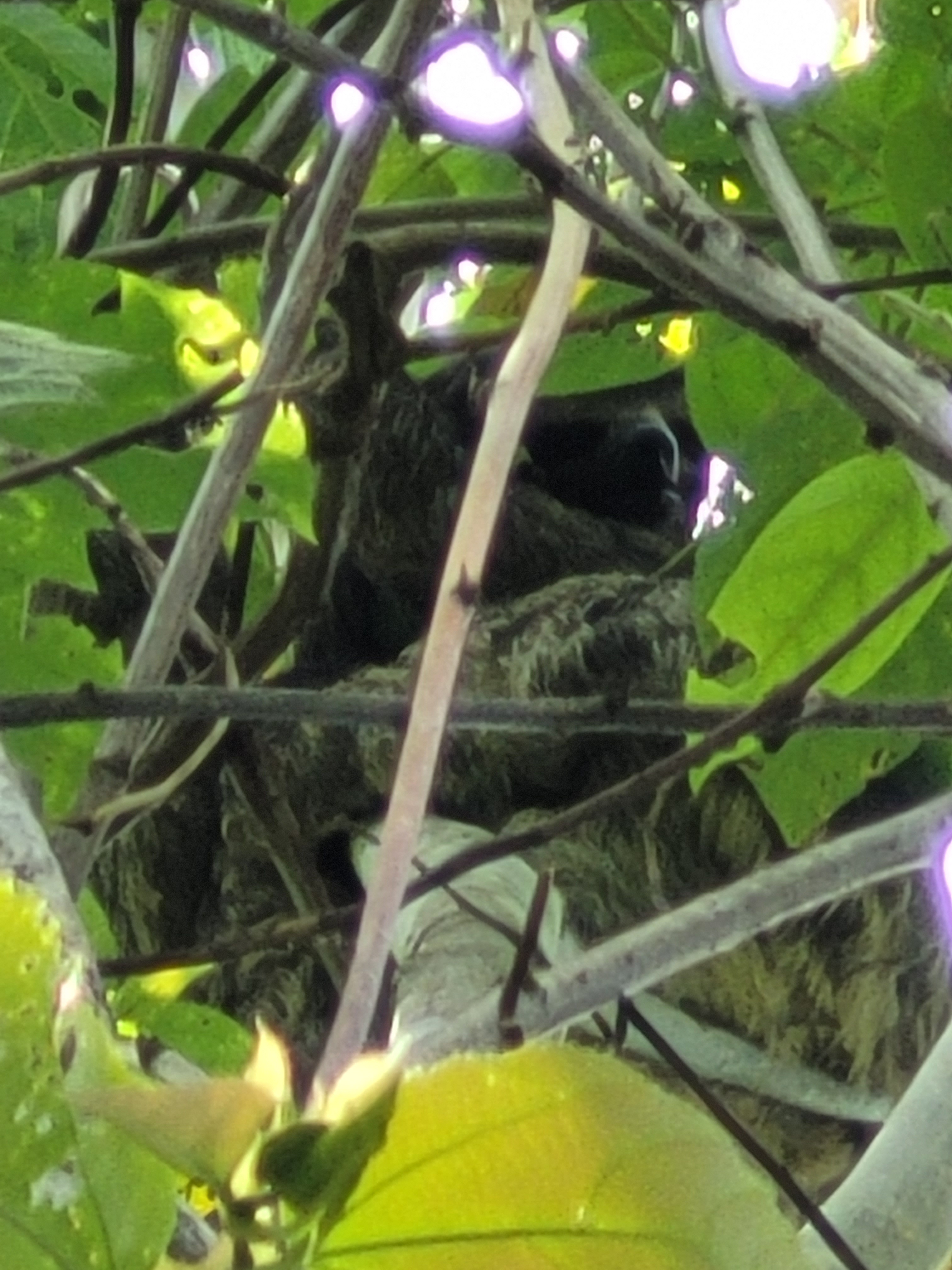
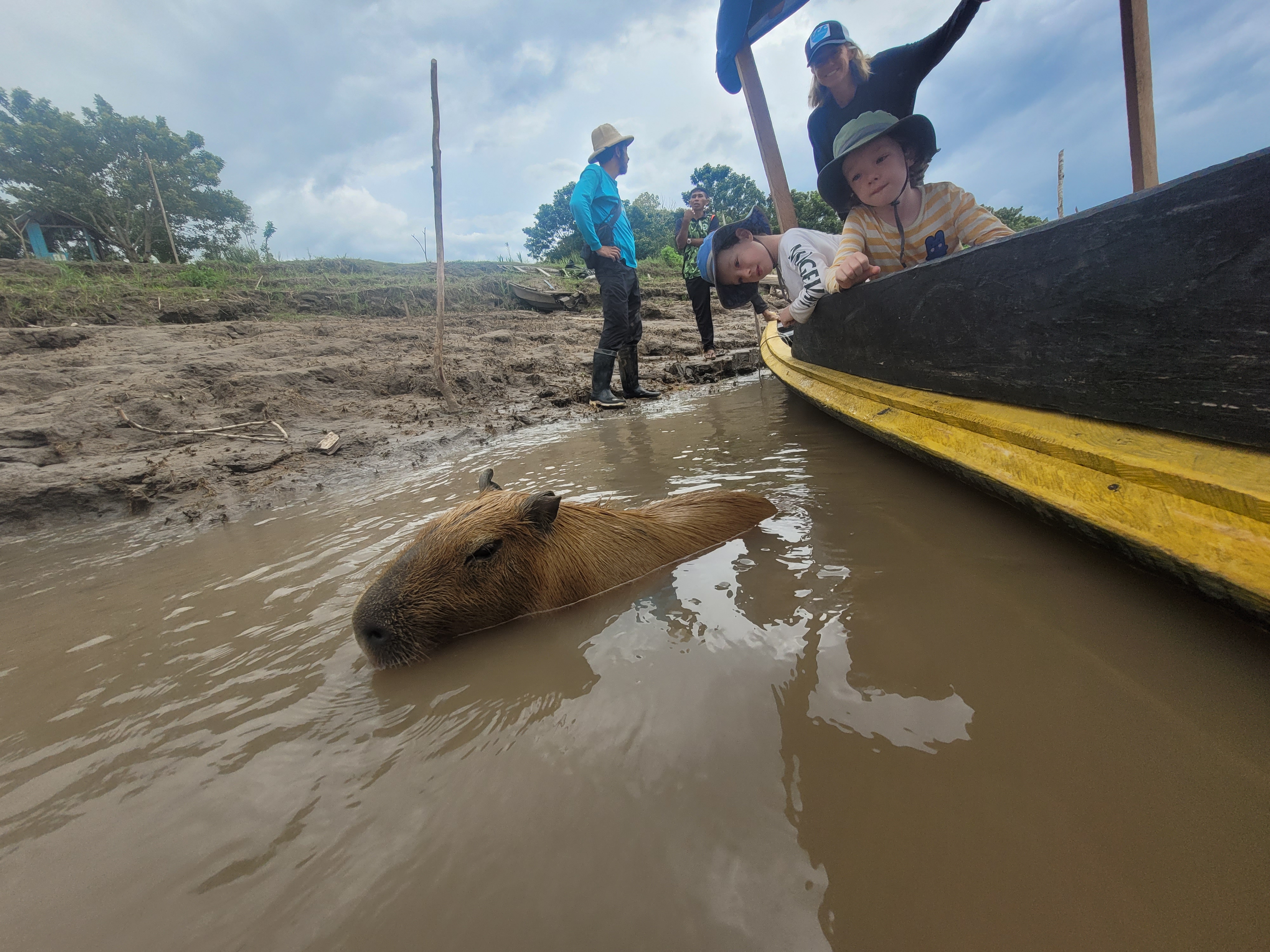
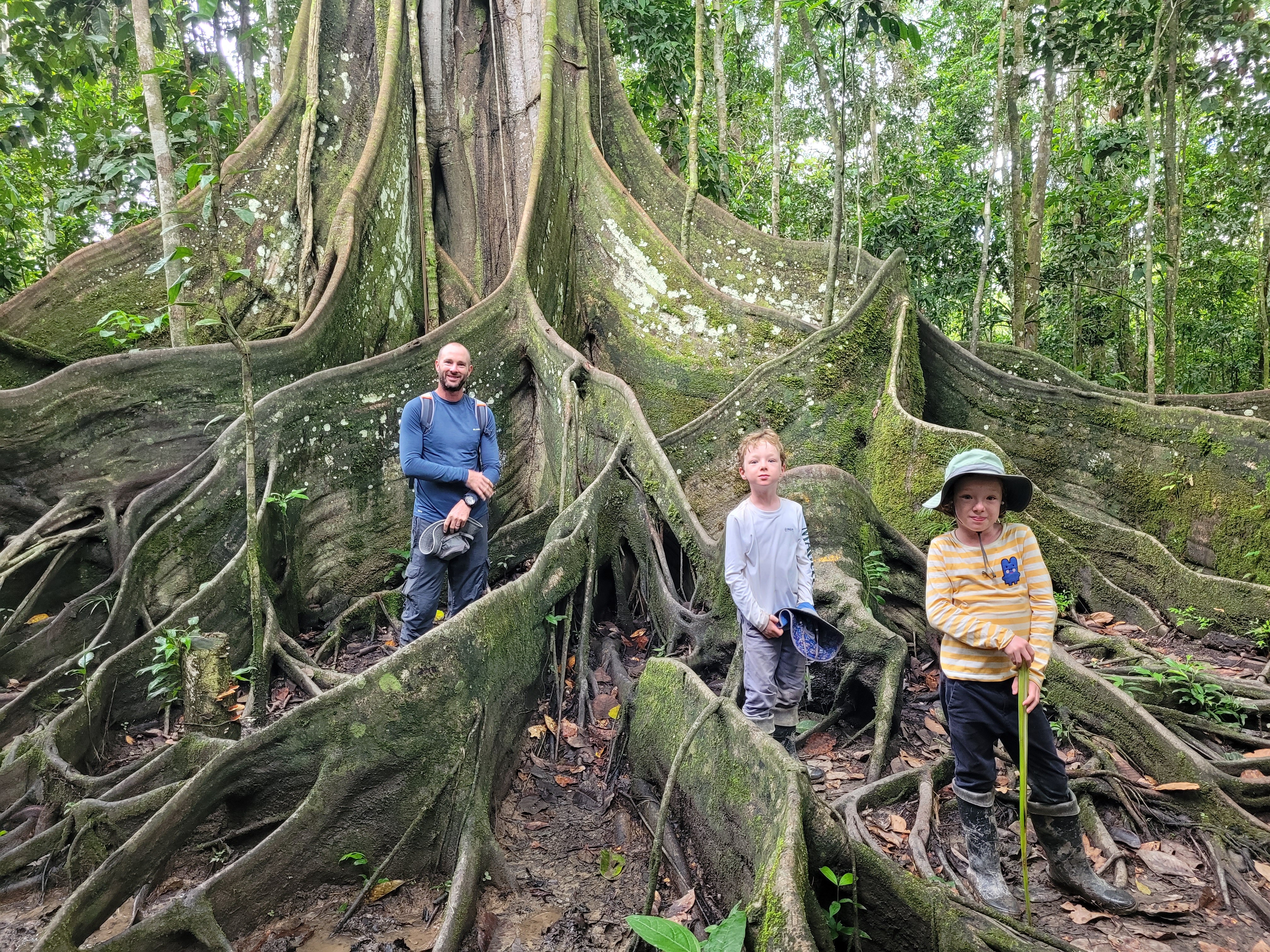
For our third day in the Amazon, we crossed the river to Isla Cacoa in Peru, and visited the community of San Antonio. Here we met an inquisitive capybara called Bebe and hiked through the floodplain forest where we spotted several three-toed sloths. Other highlights included visiting some ancient trees and giant water lilies, spotting some wonderfully bizarre birdlife, treading carefully amongst armies of leaf-cutter ants and a swarm of wasps.

Ticuna Community

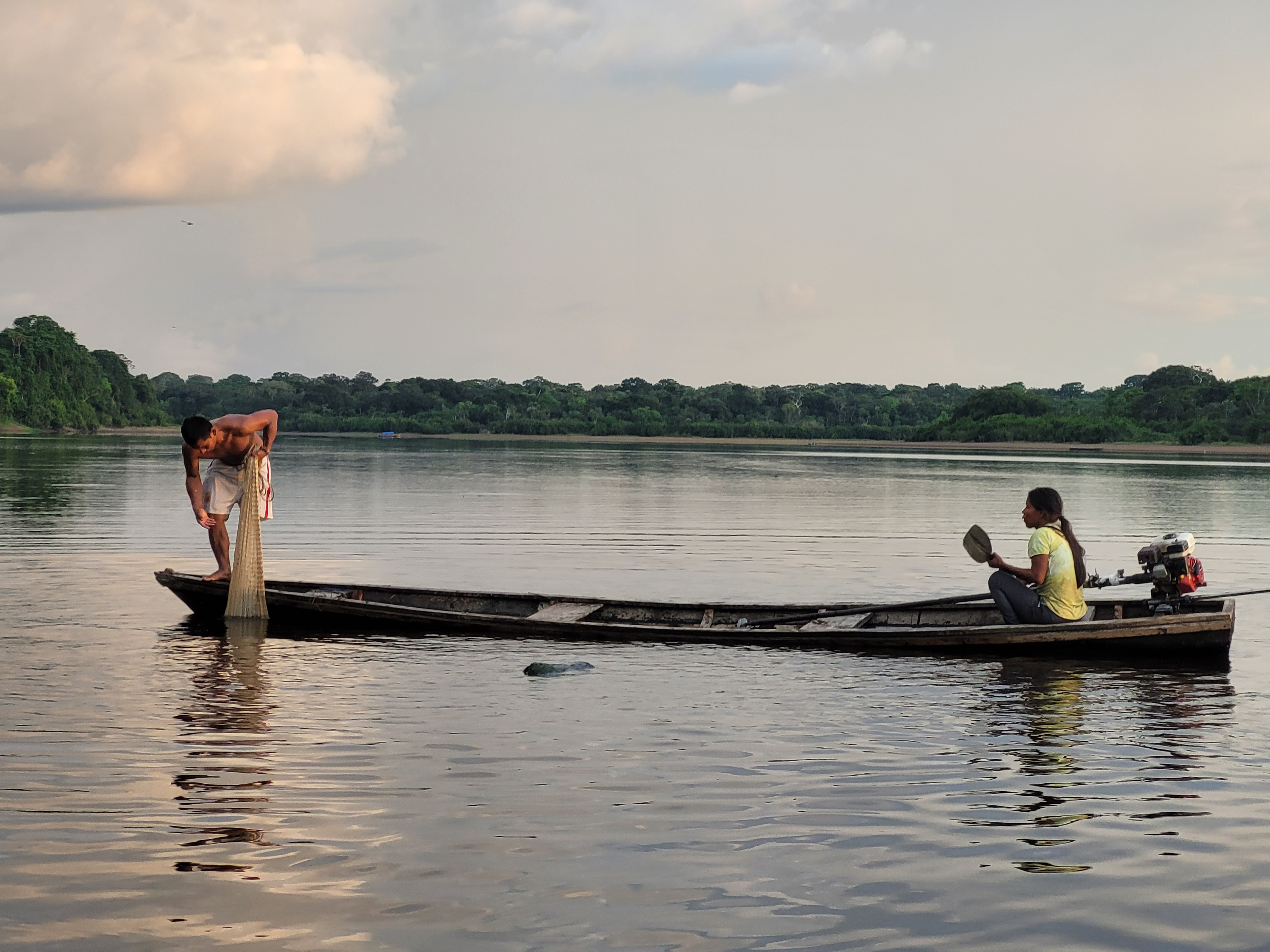
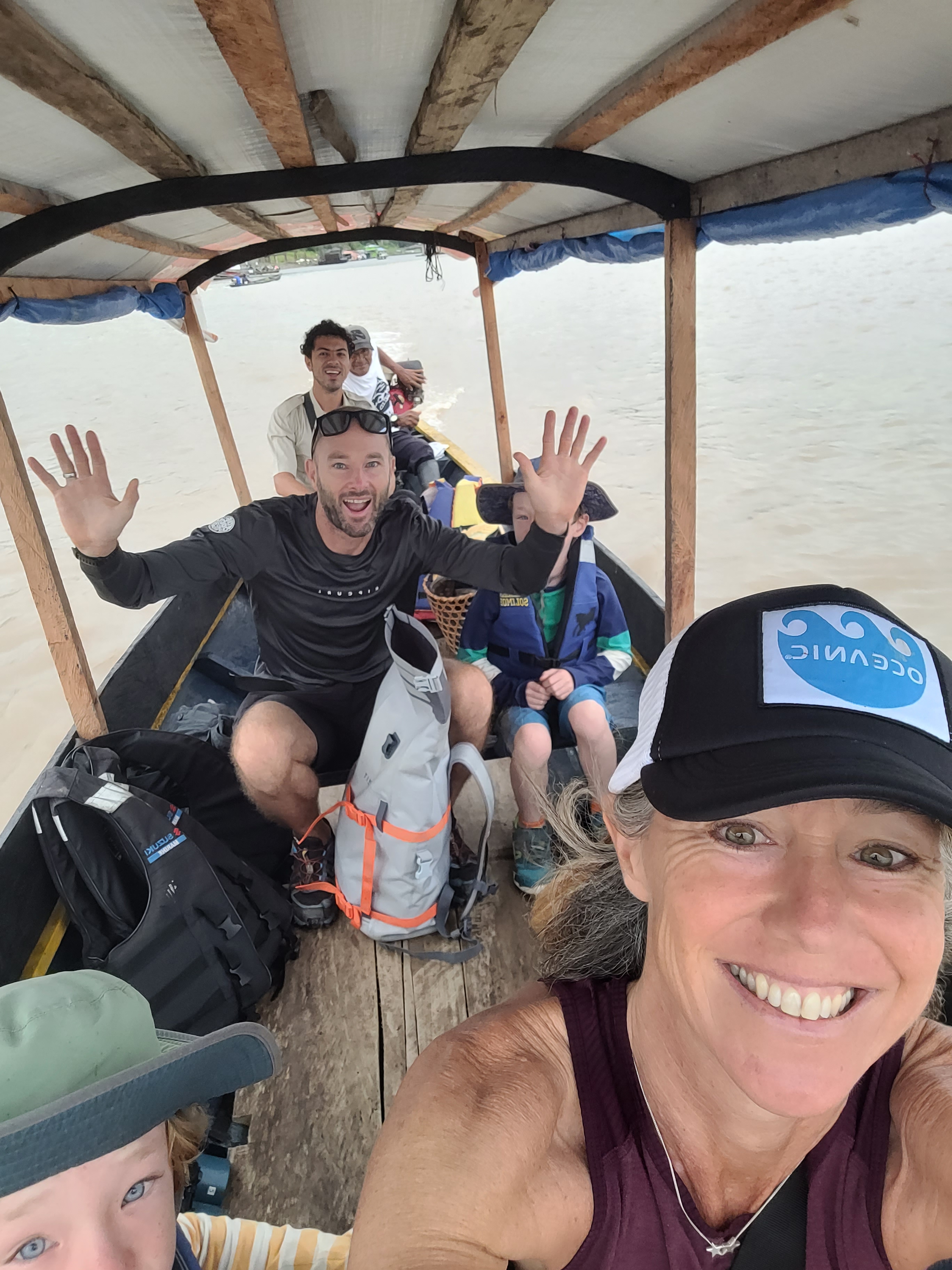
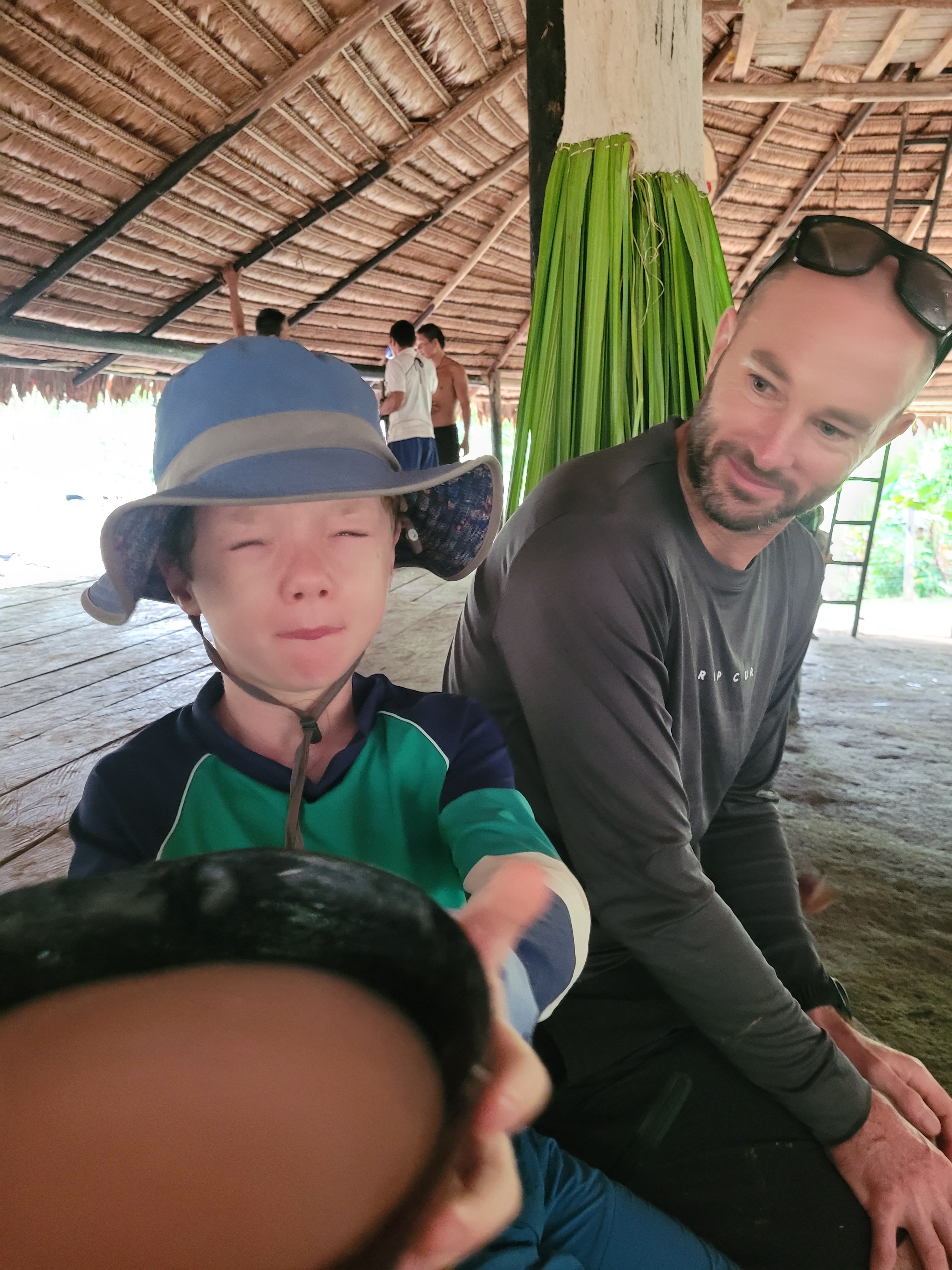
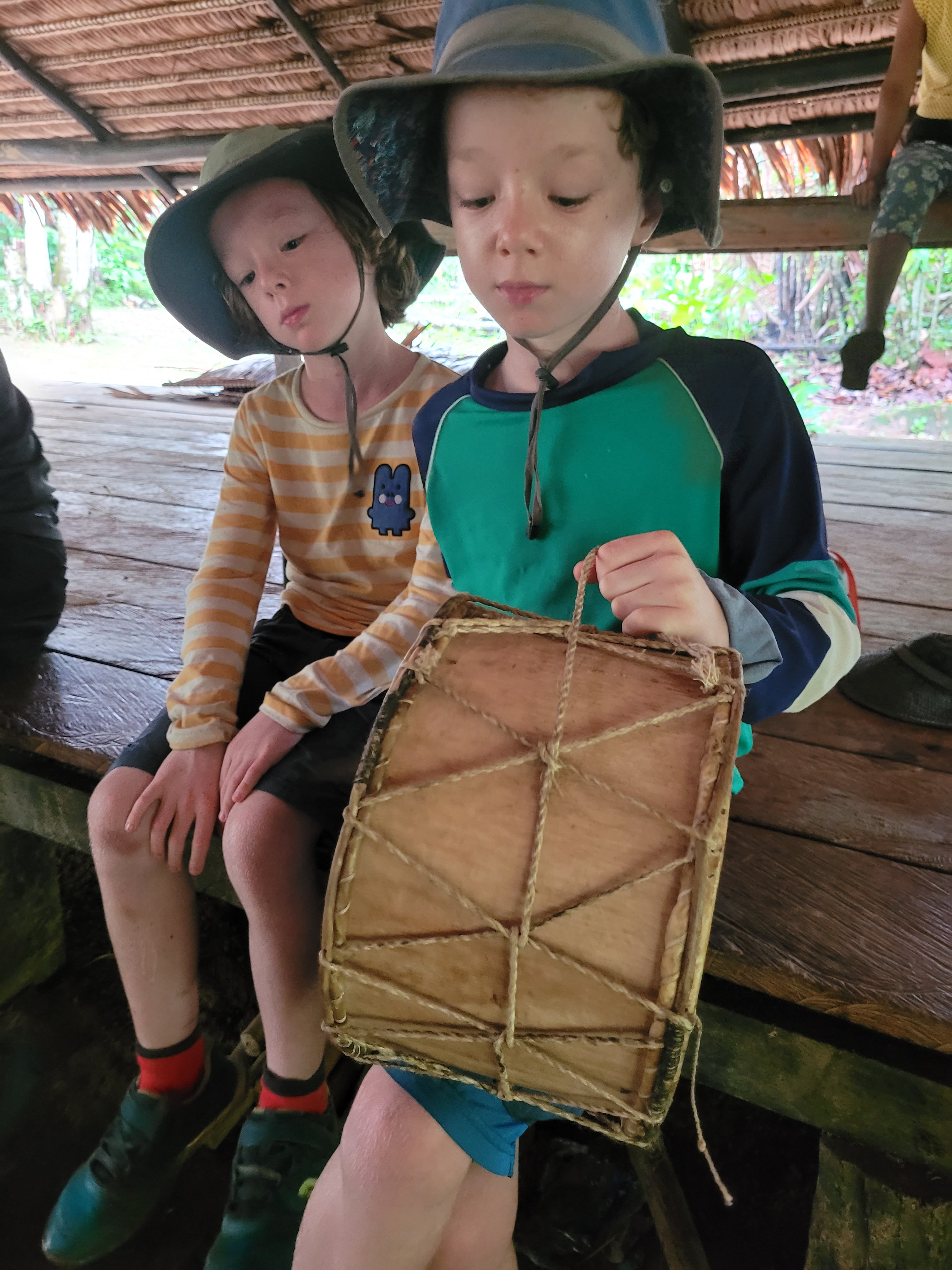
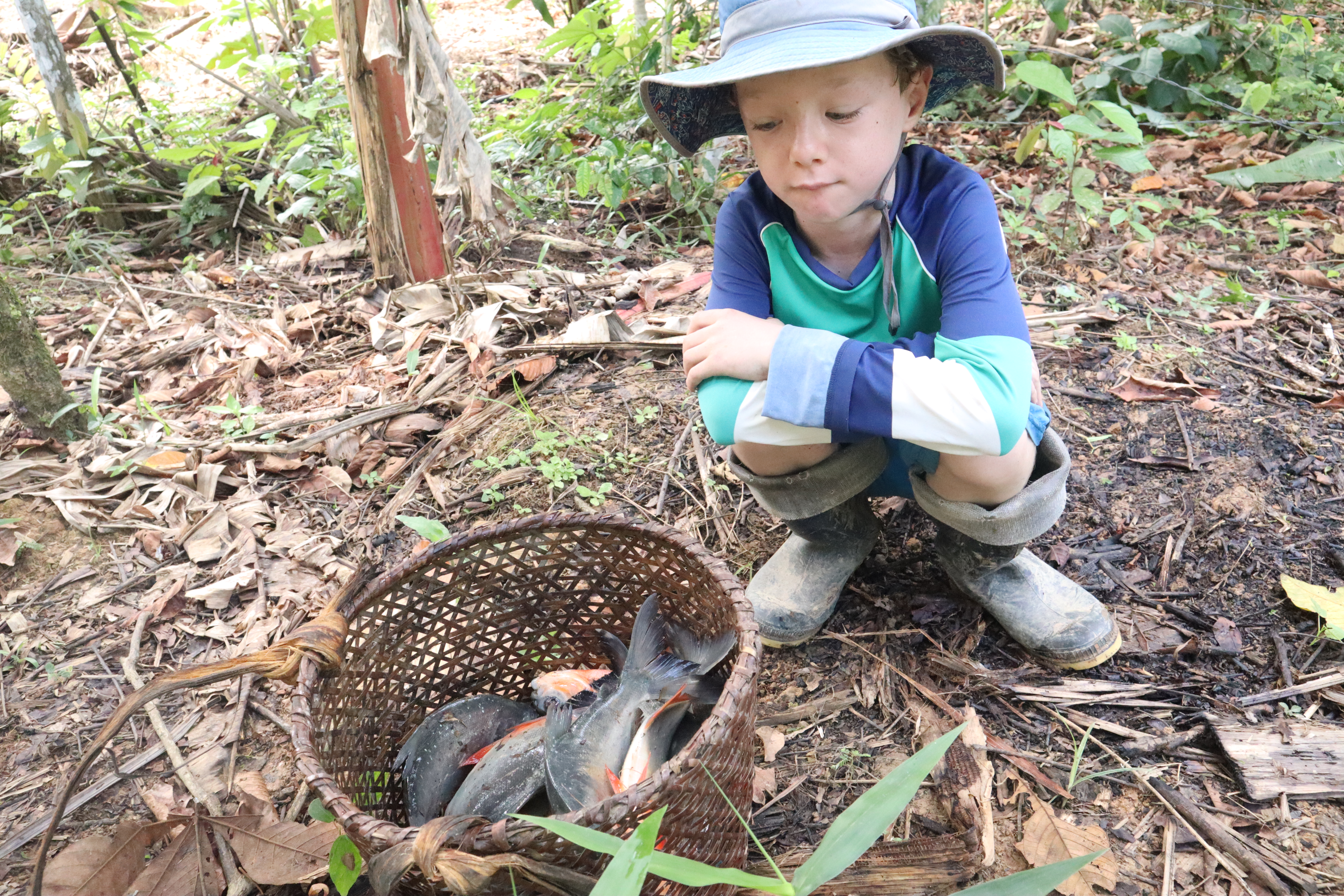
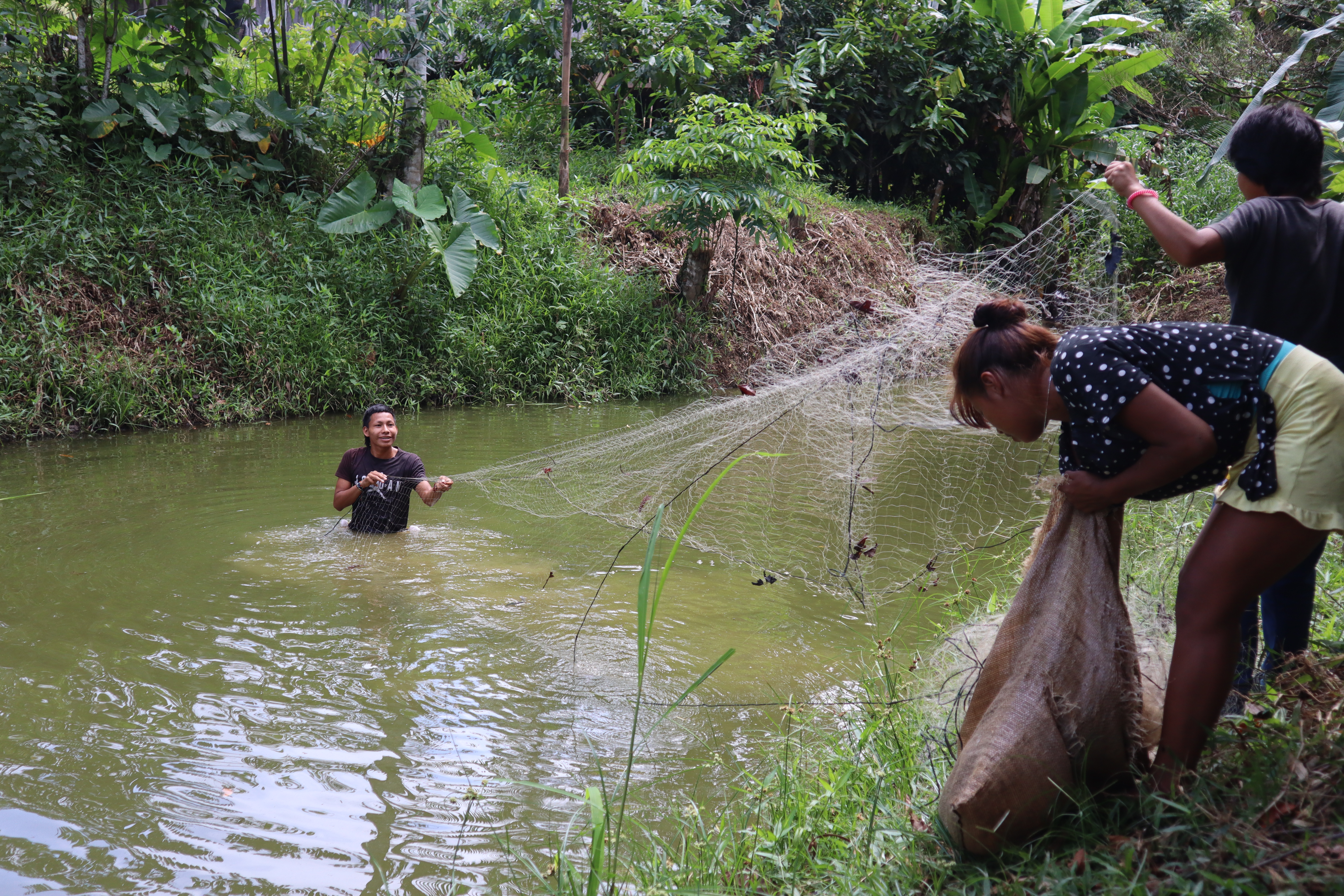
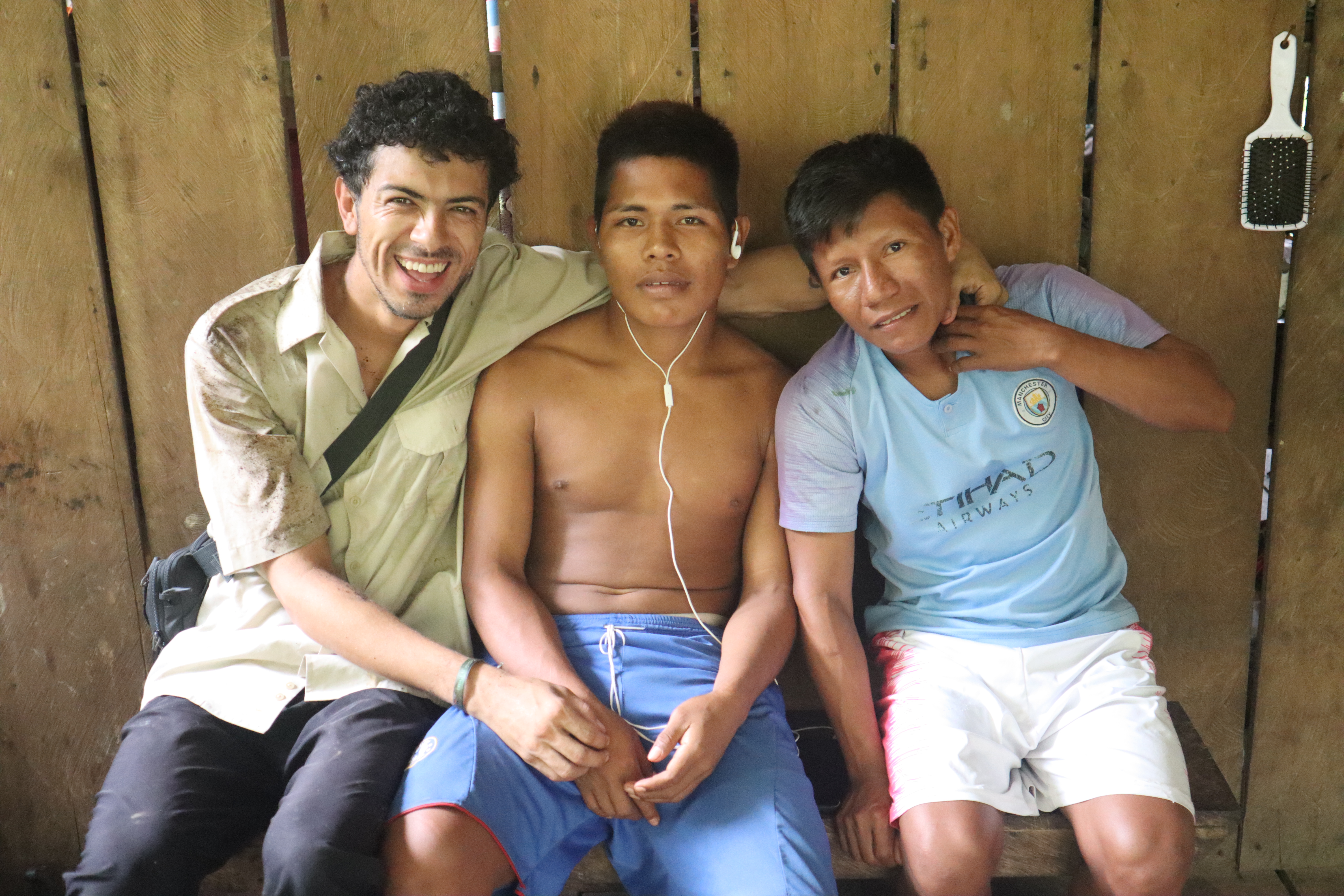
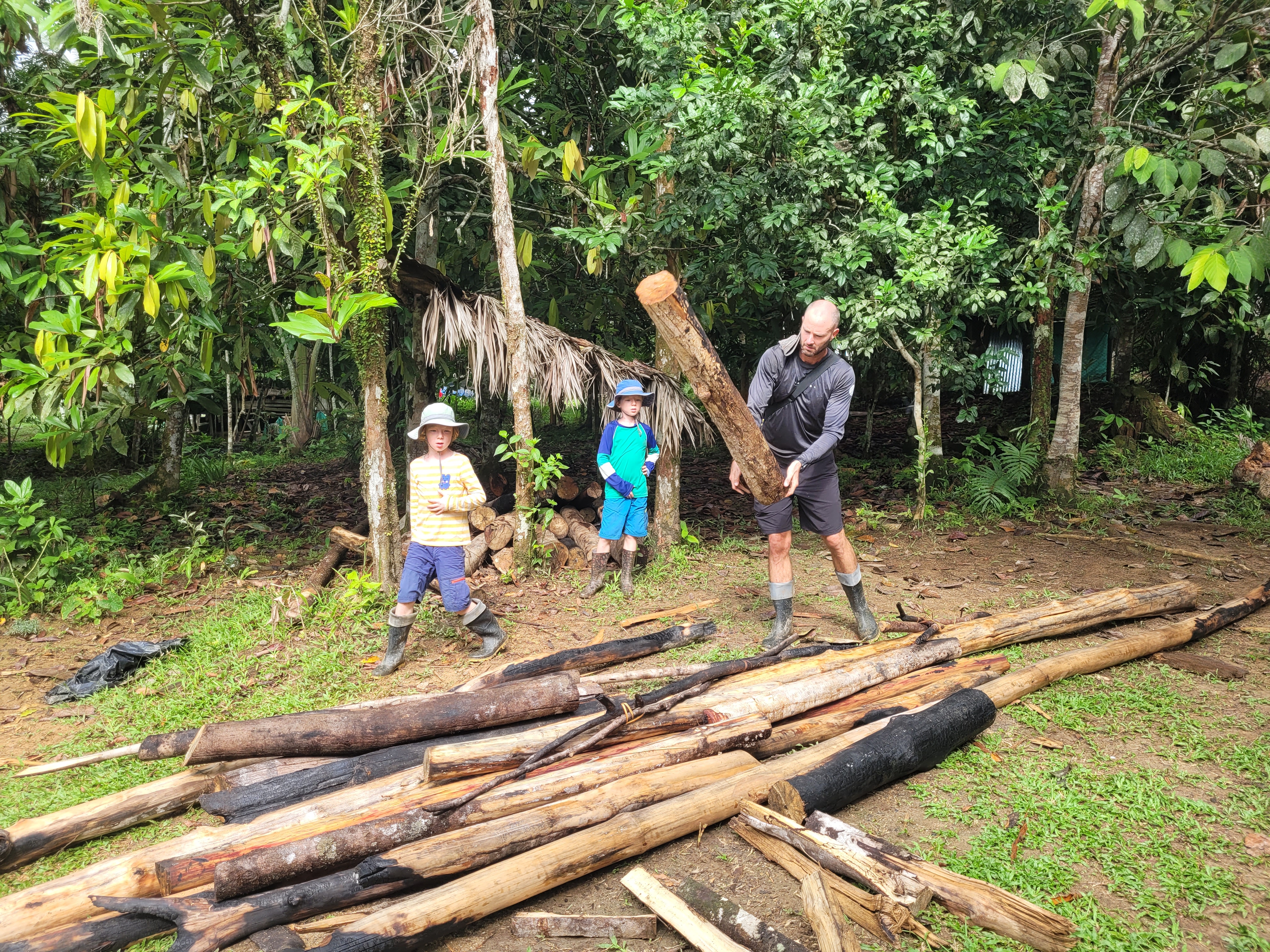
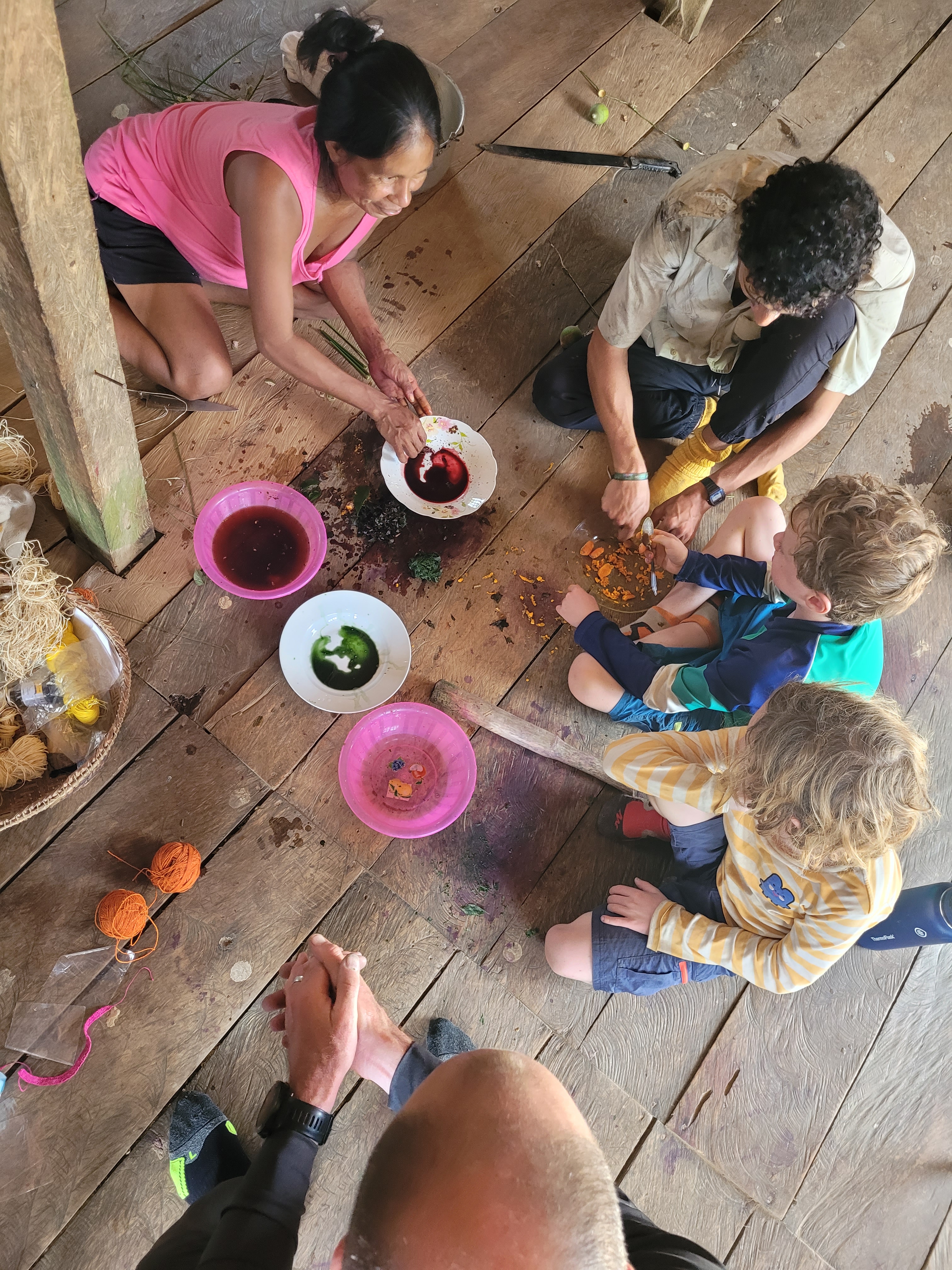
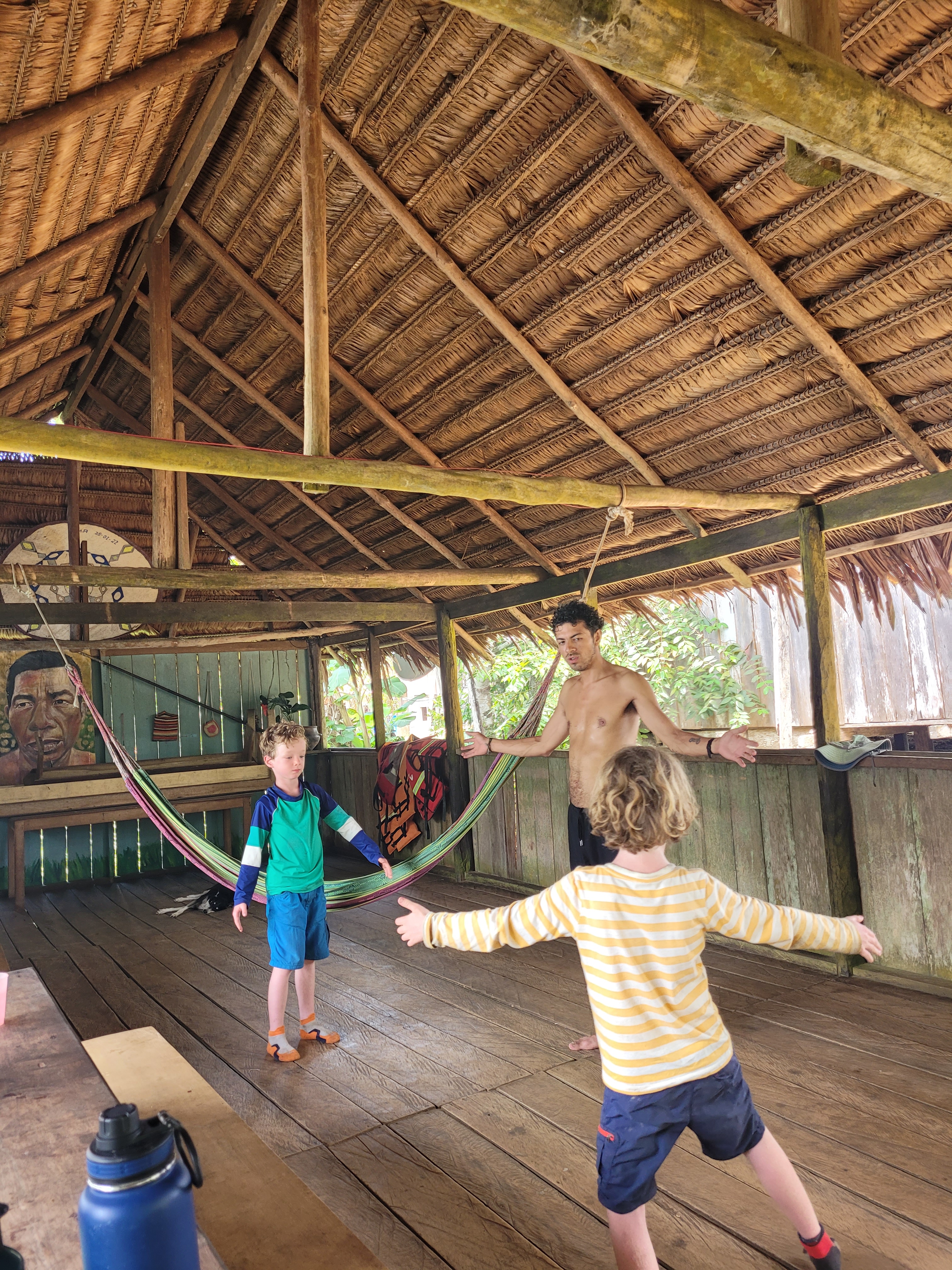
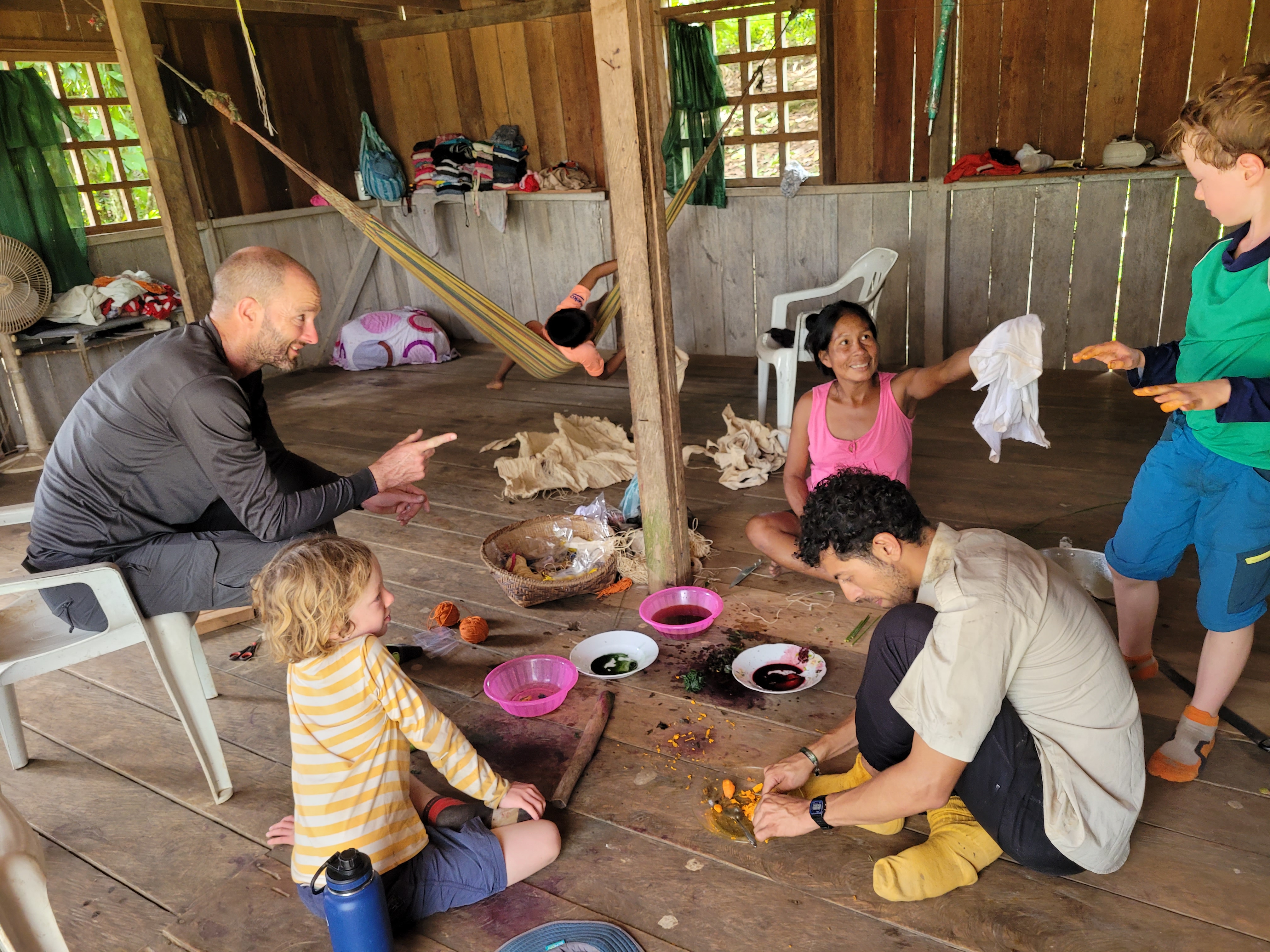
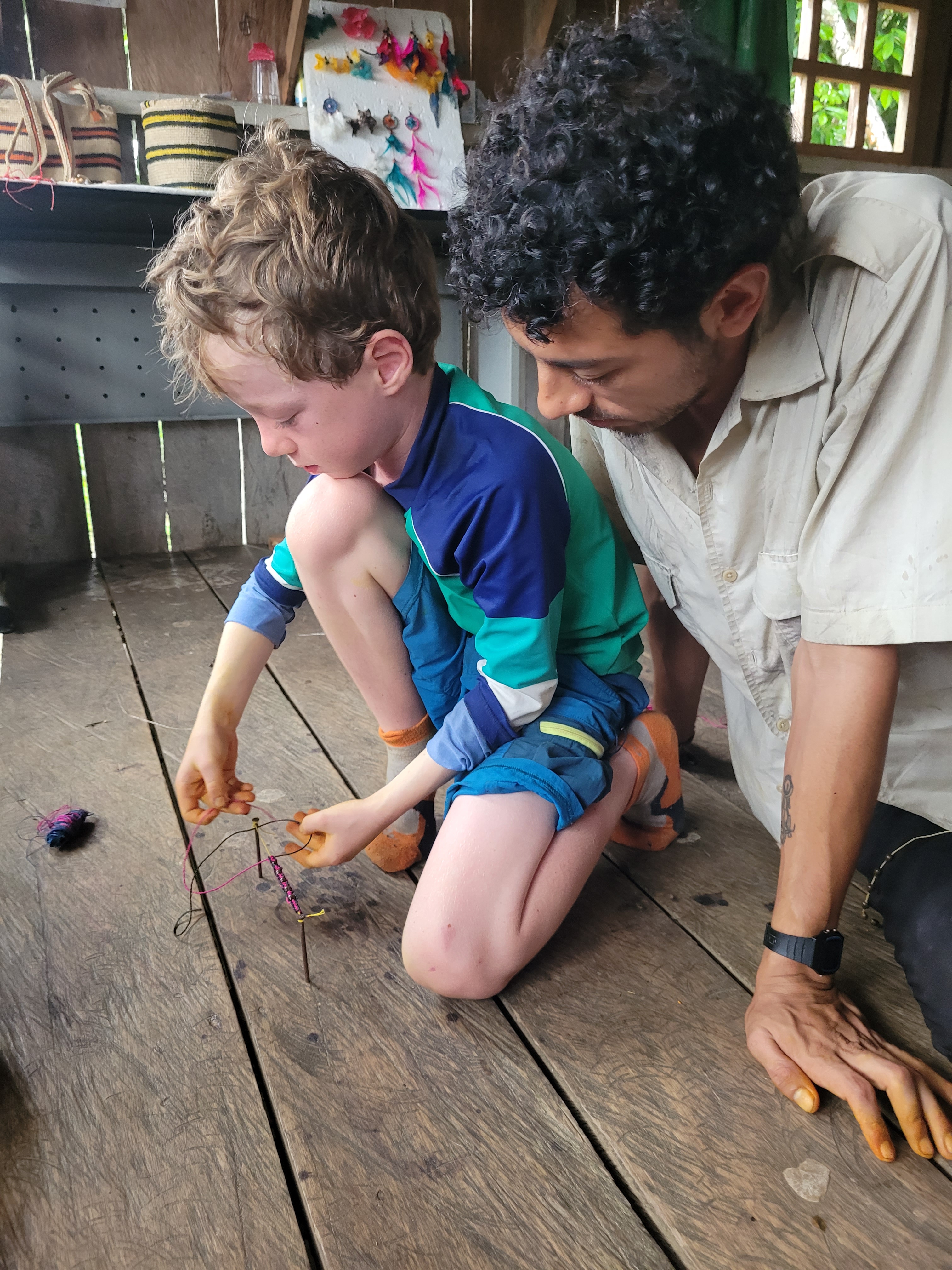
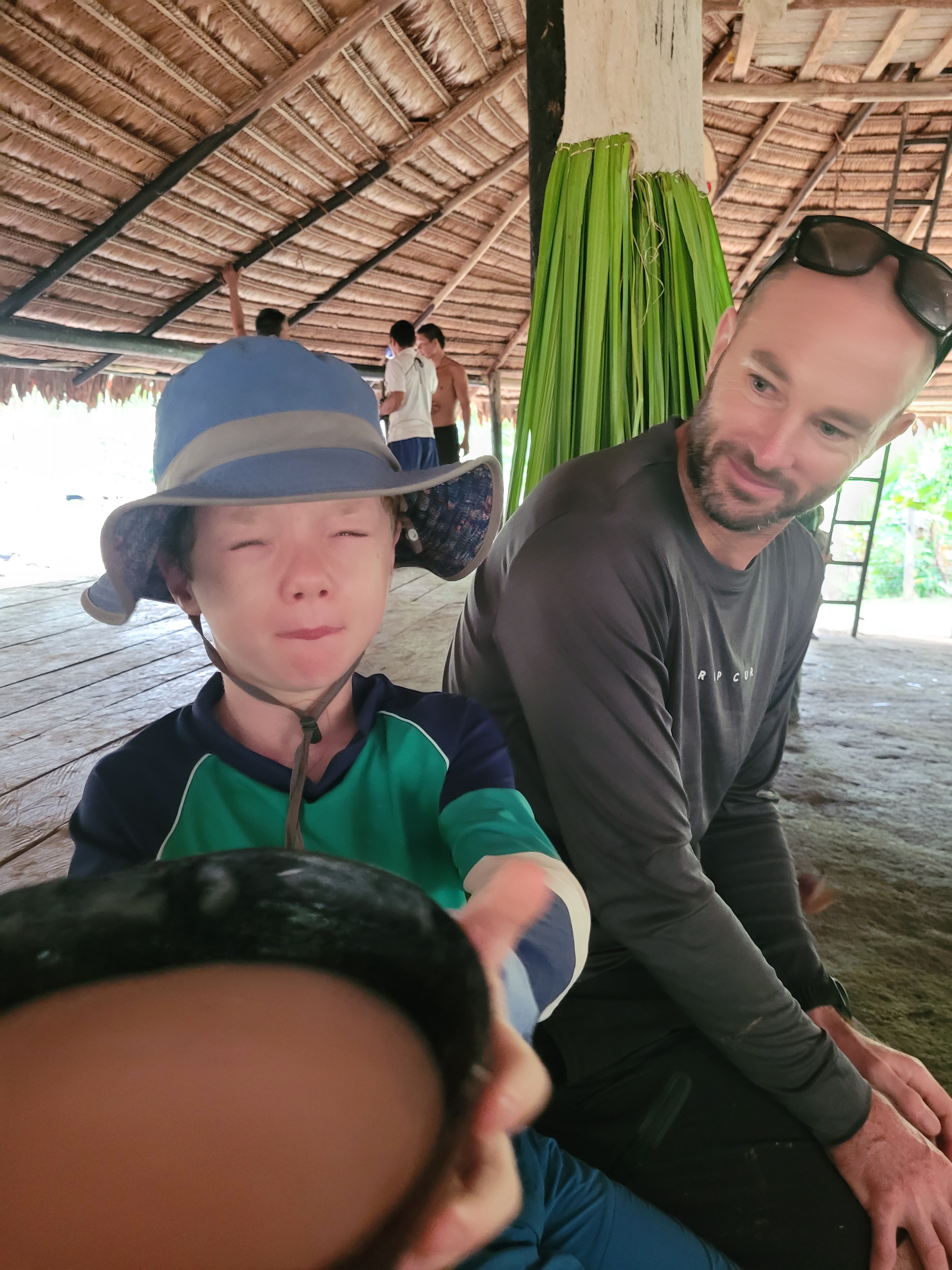
For our final day in the Amazon our guide Sebastian, took us an hour down river to visit his adoptive family in Amacayacu a local Ticuna community. Here we watched part of a coming-of-age ritual known as the Pelazon and drank masato, a jungle beer made from fermented yucca. We helped collect fire wood for the community and Barnaby went fishing and caught his lunch. Later, we all learnt how to make natural dyes and made some souvenirs.

Salento

From Puerto Nariño we took a two-hour boat trip back to Leticia where we flew to Bogota and then on to Pereira, which was followed by a bus trip to our final destination, Salento.
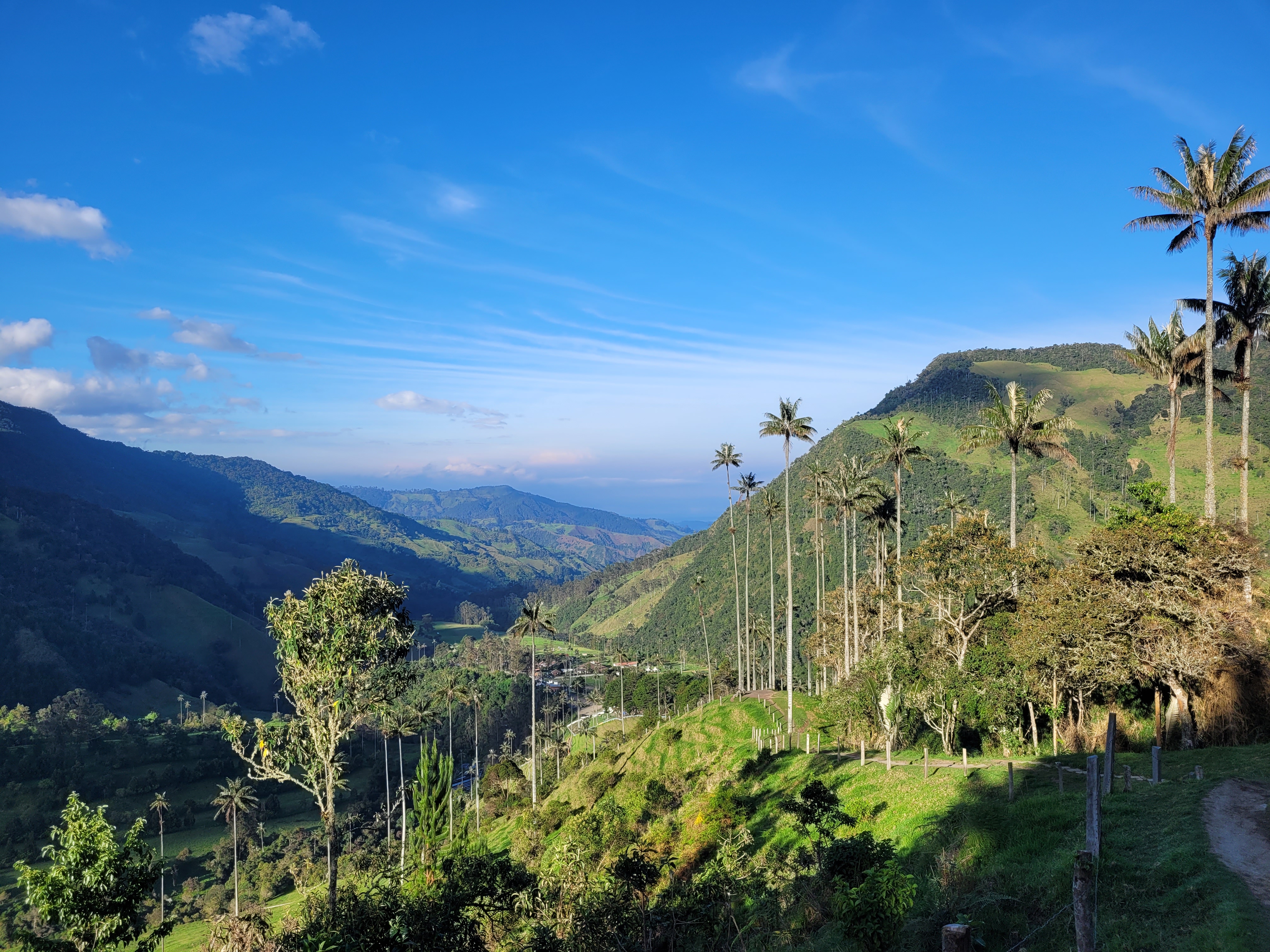
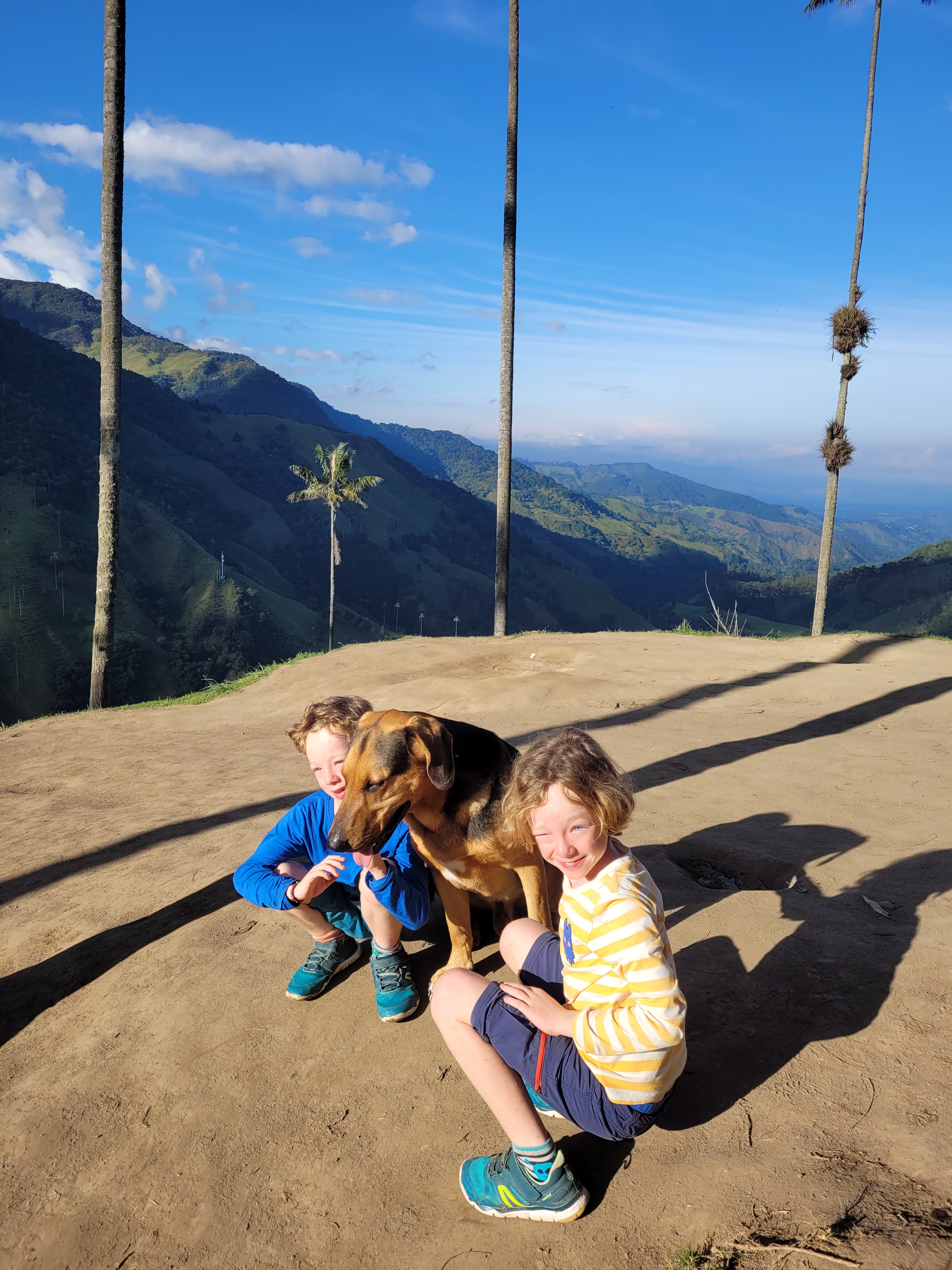
Salento, in Zona Cafetera, is a small town at 2000m altitude, set amongst gorgeous green mountains and coffee plantations in the Andean mountains.
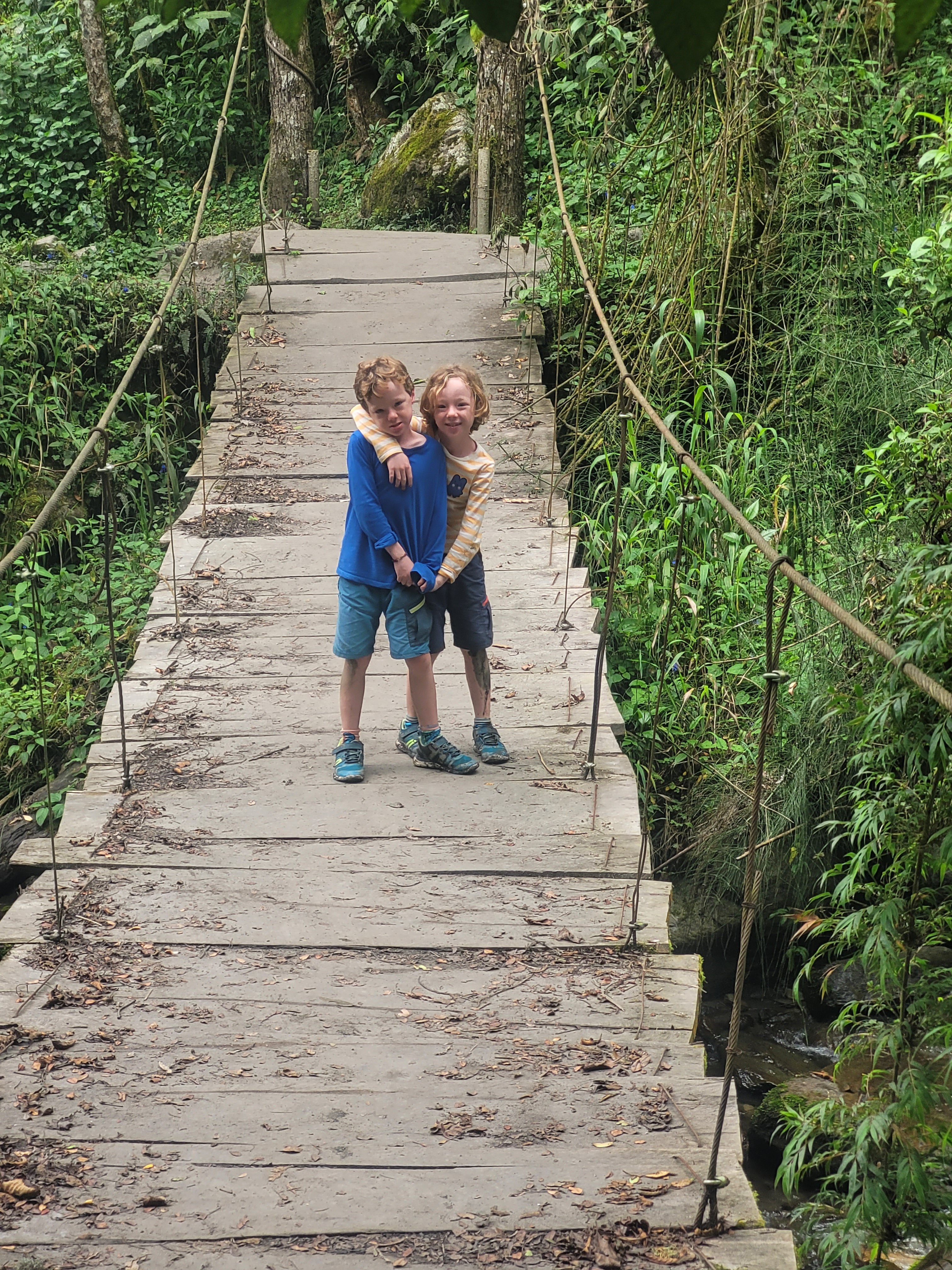
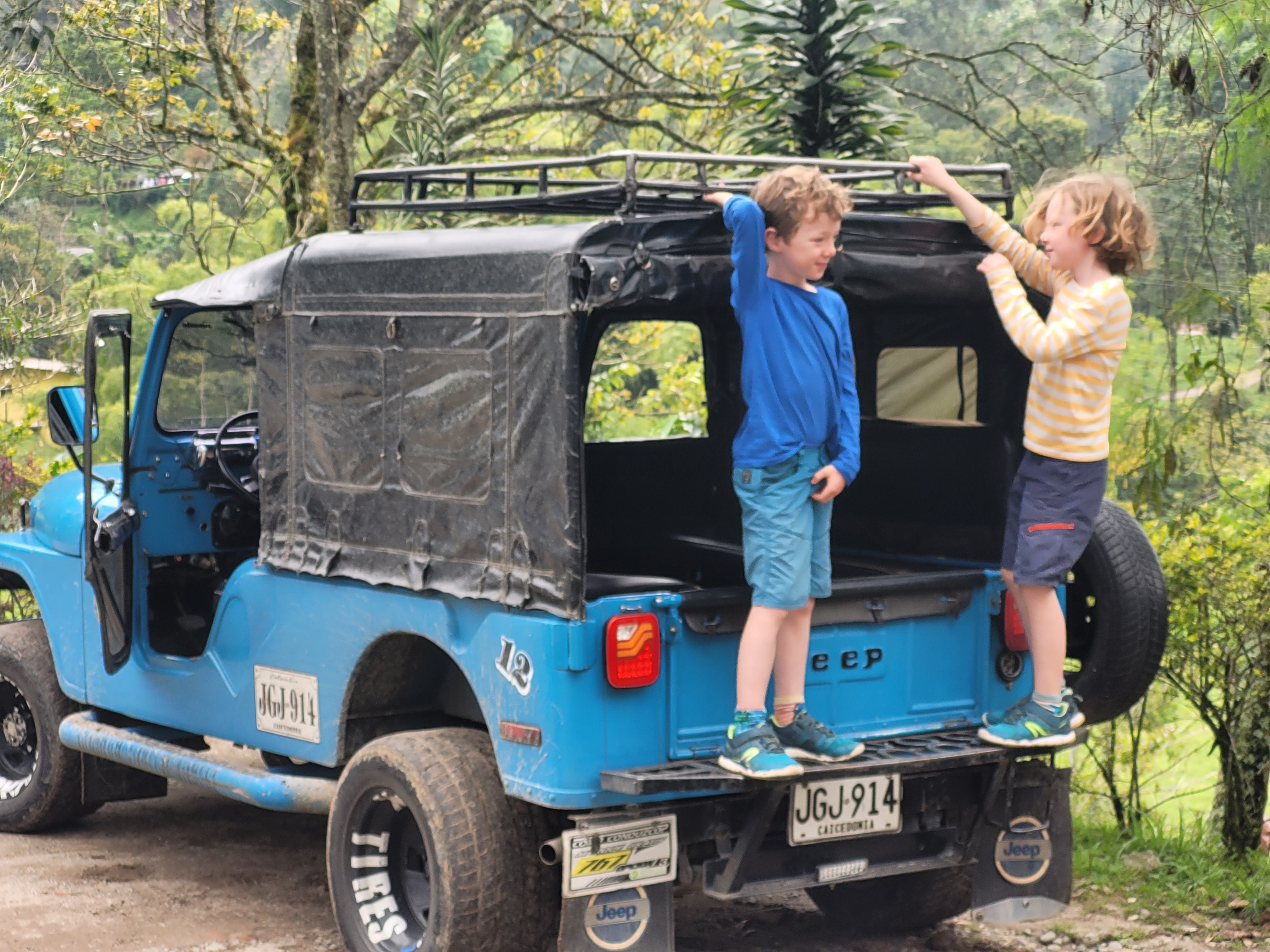
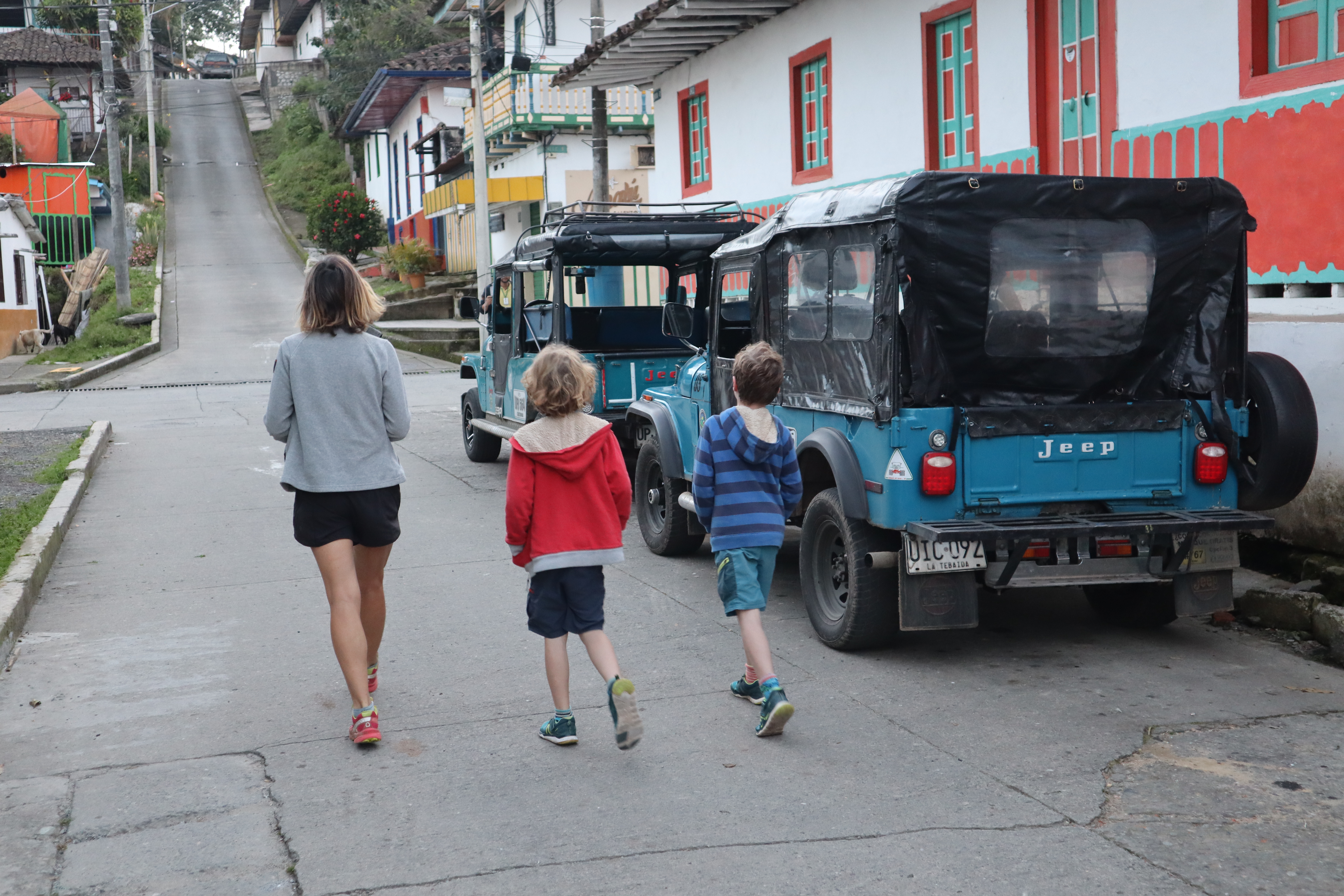
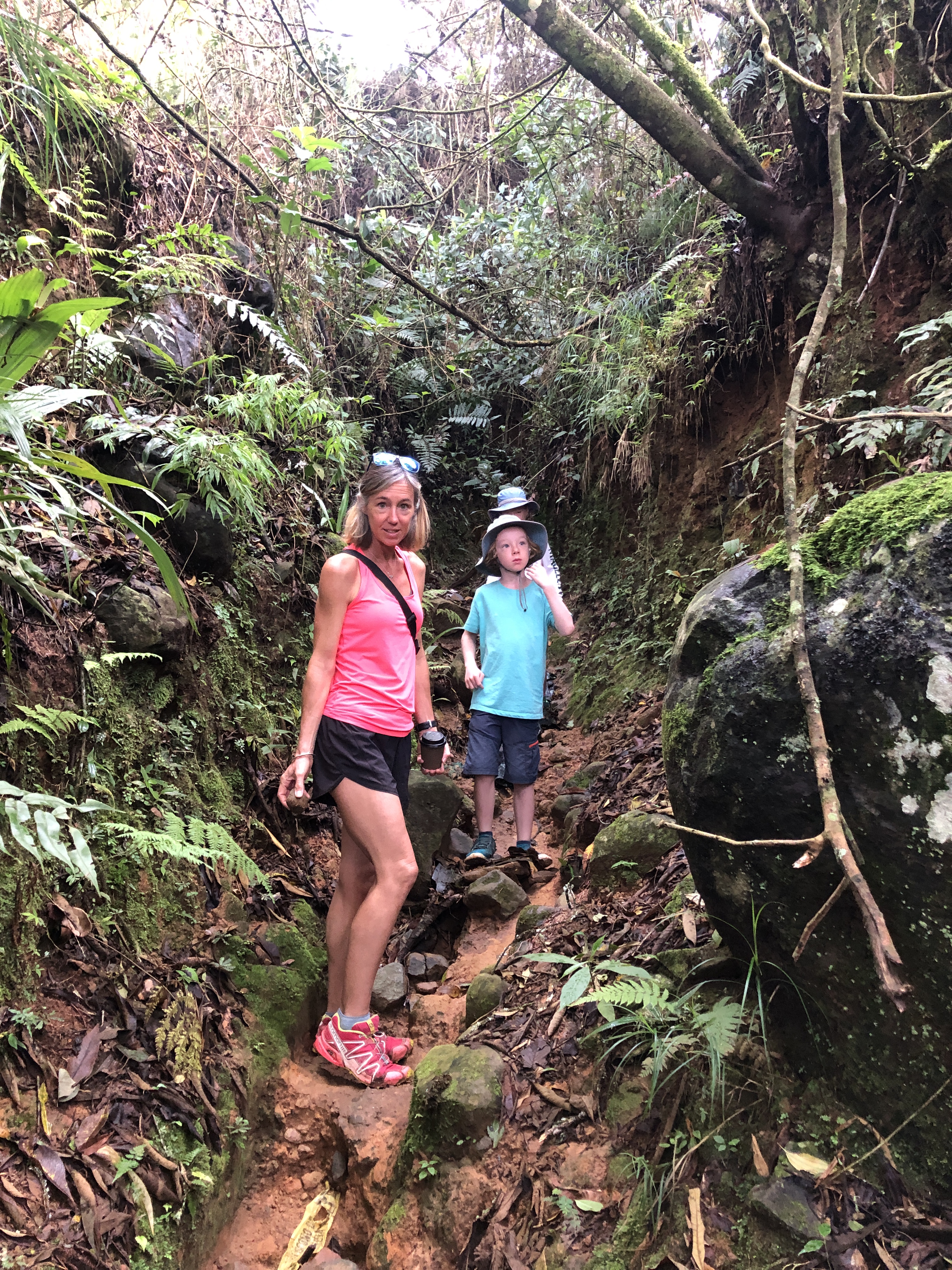
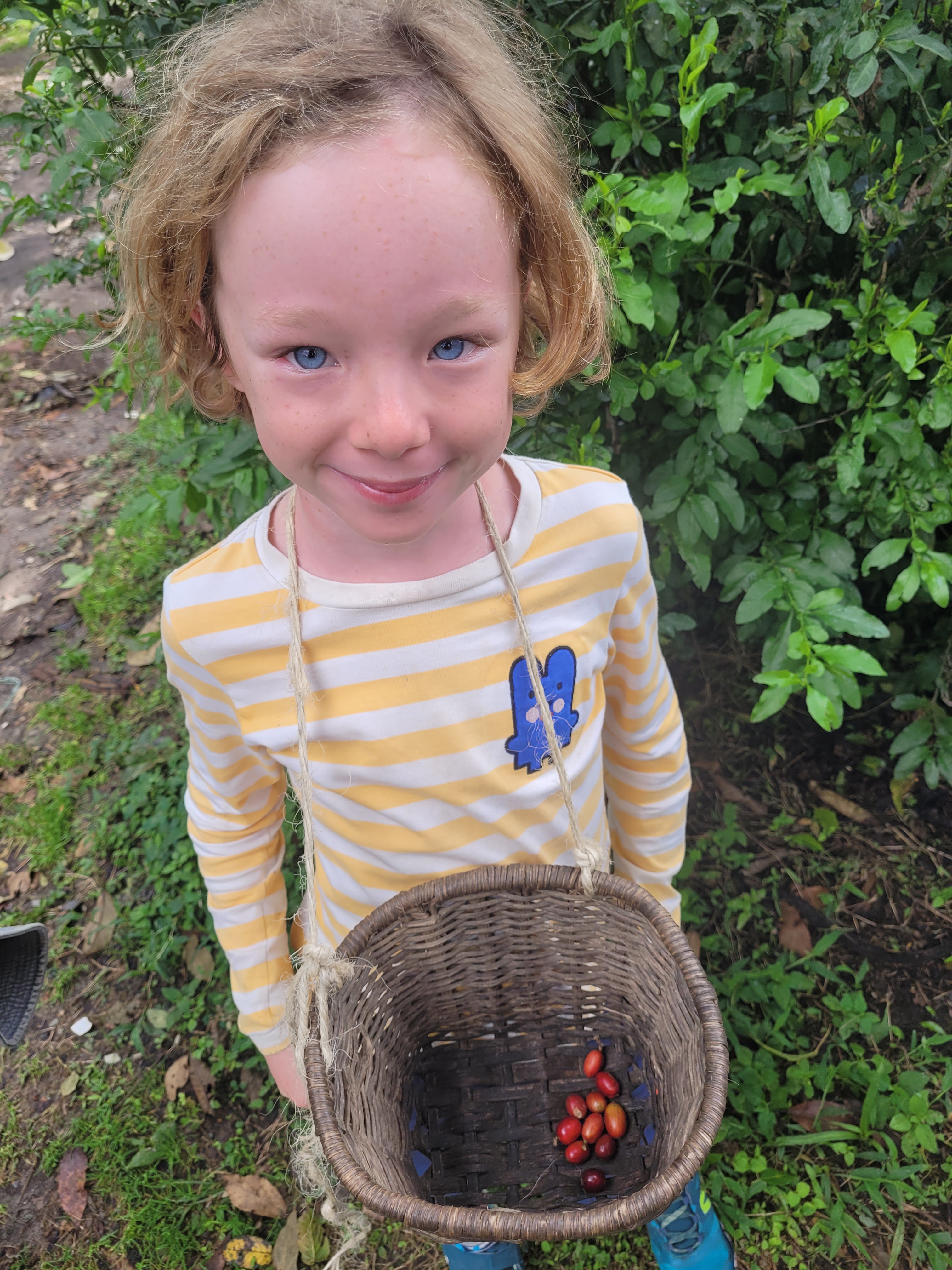
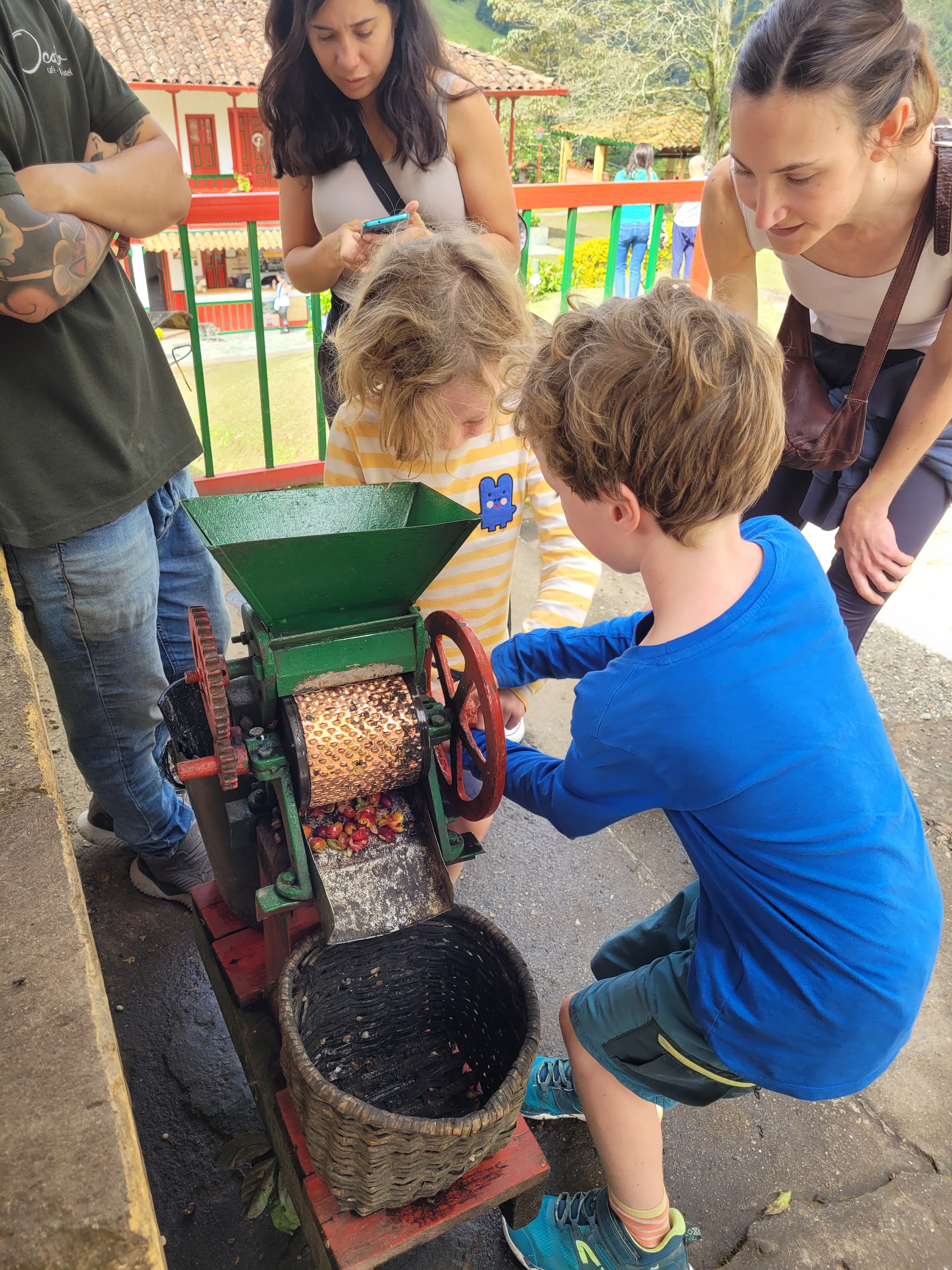
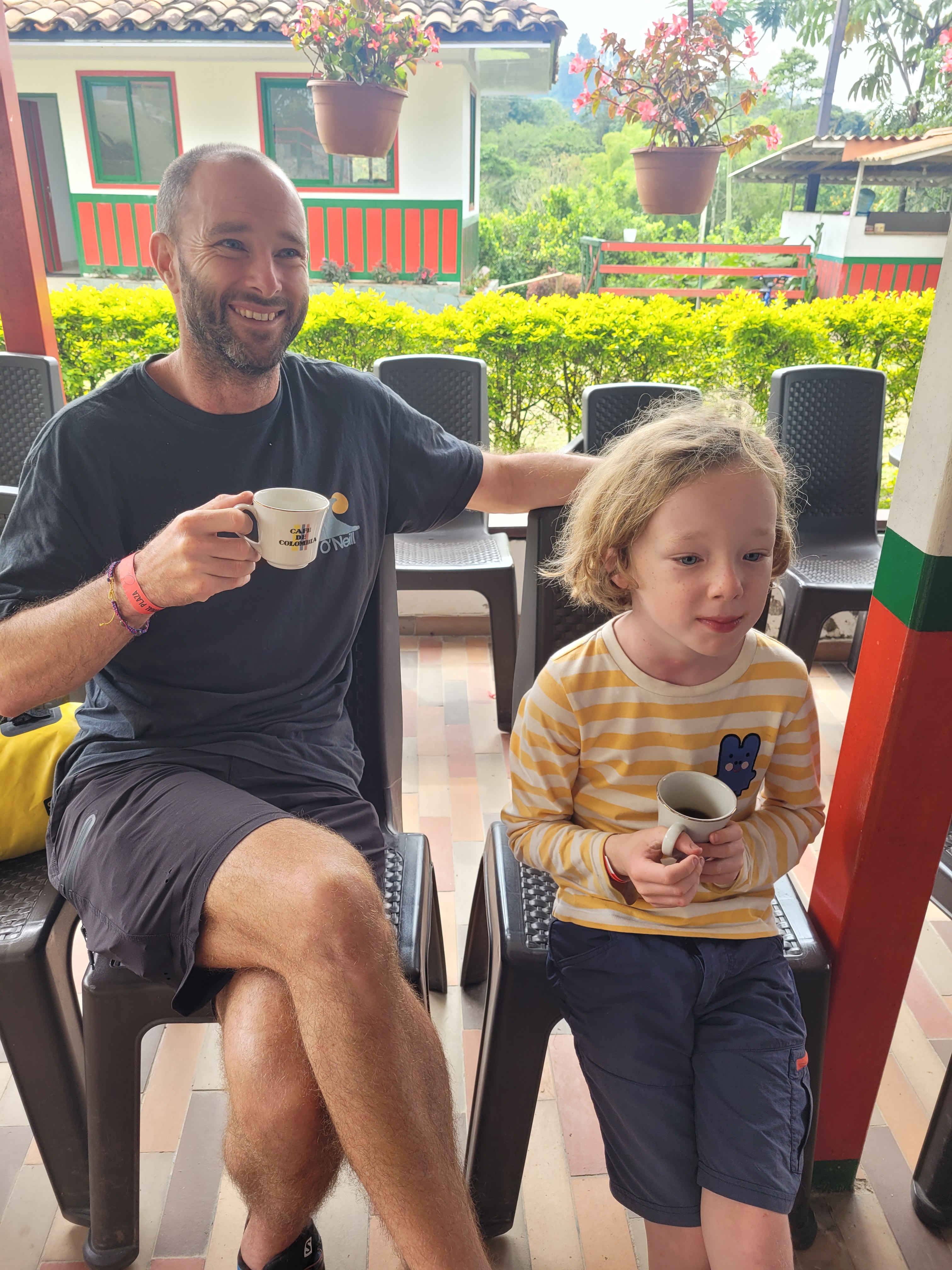
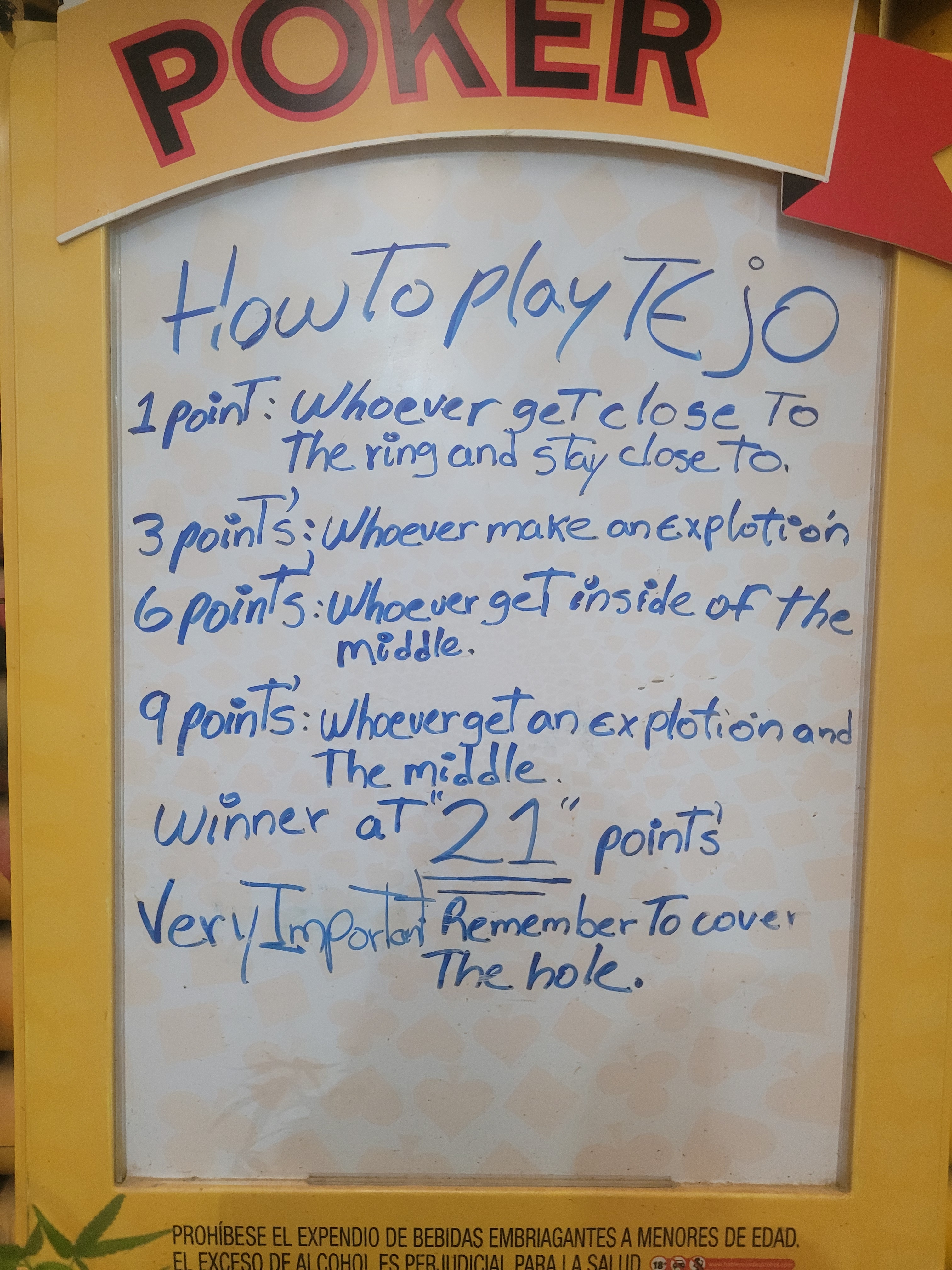
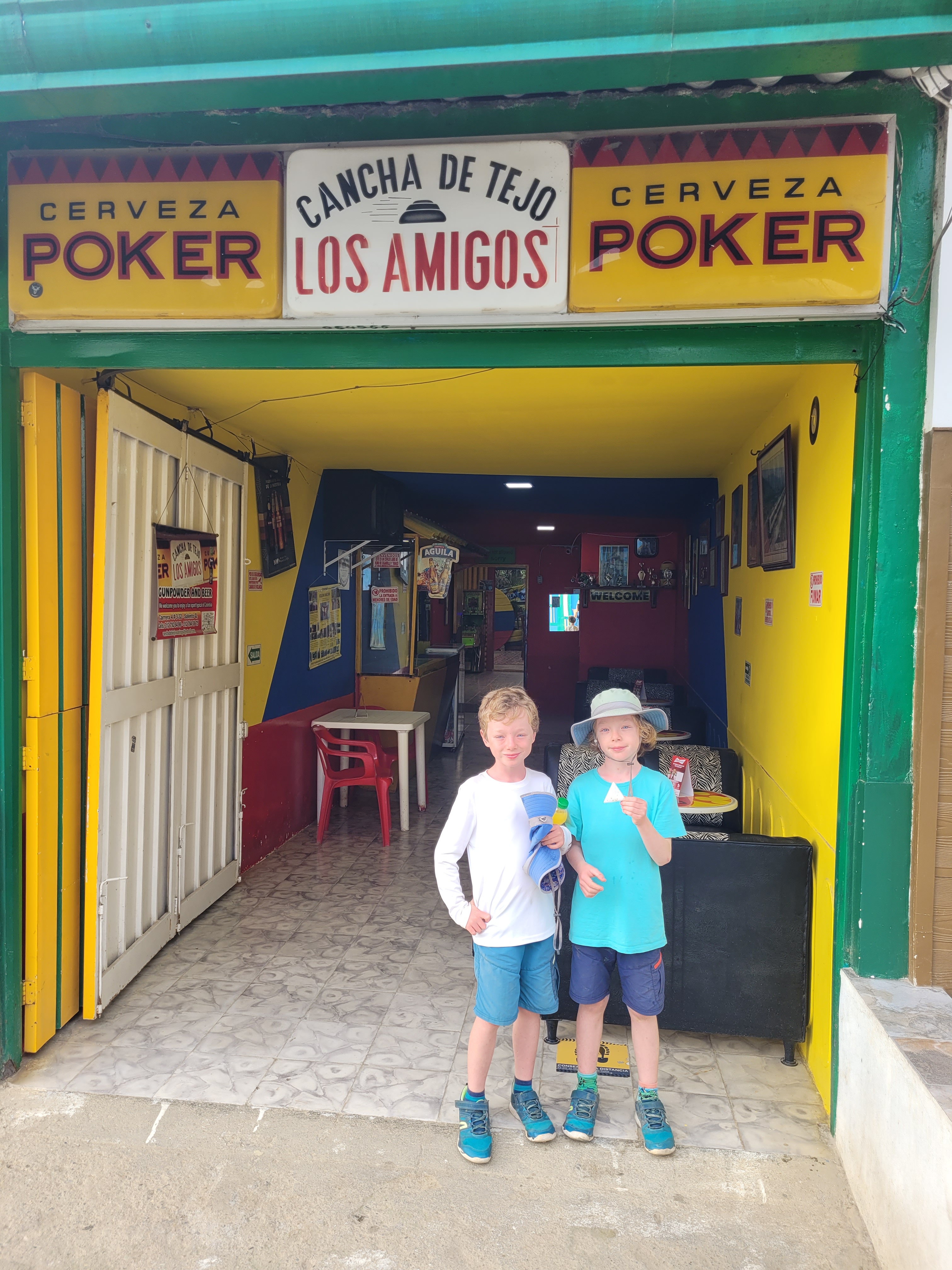
Here we hiked to the neighbouring Corcora Valley, visited a plantation to learn about coffee production, rode in the back of Willy jeeps, swam in chilly waterfalls at Santa Rita, spent a day down-hill mountain biking and, best of all, we learnt to play Tejo.

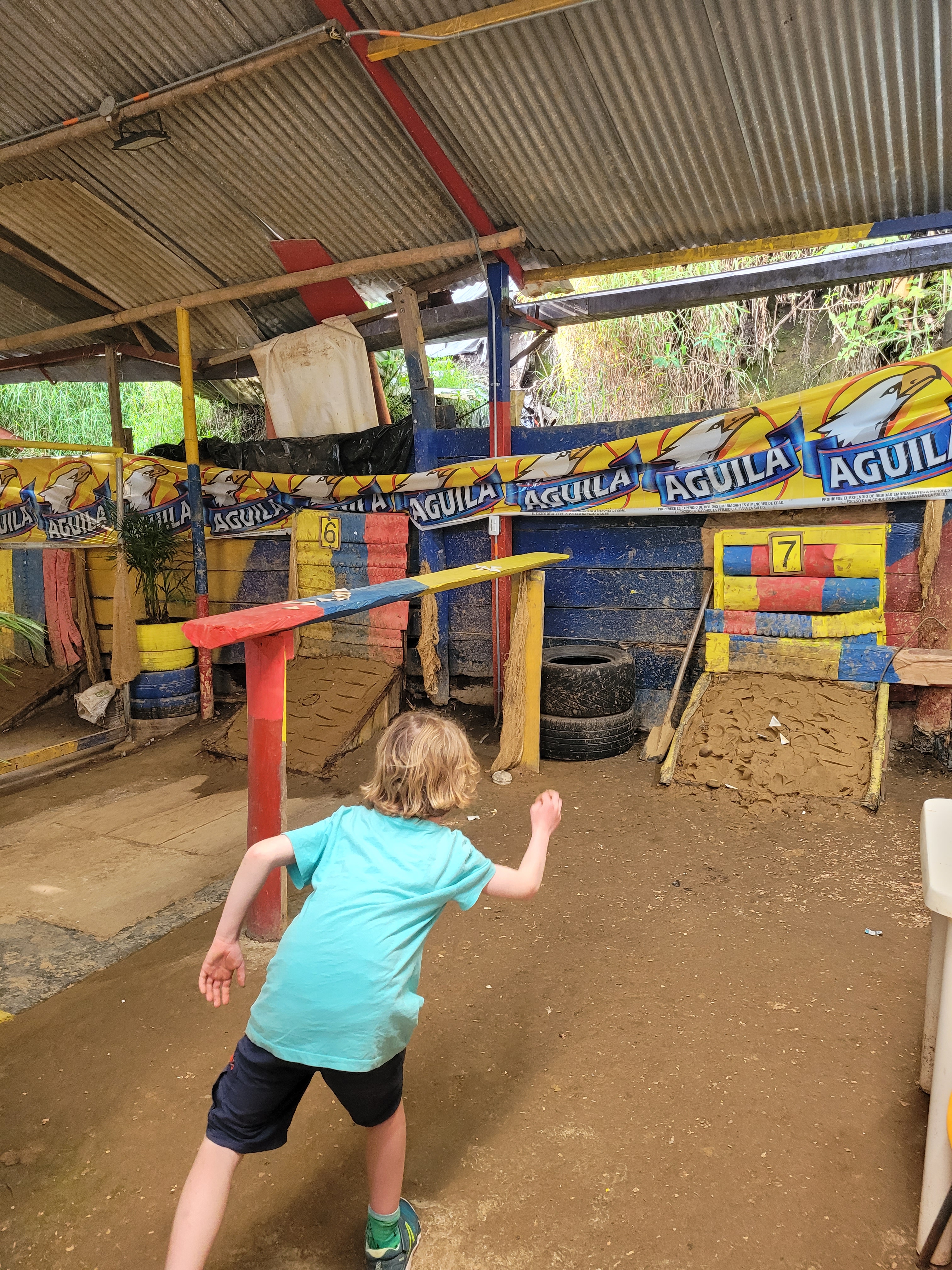
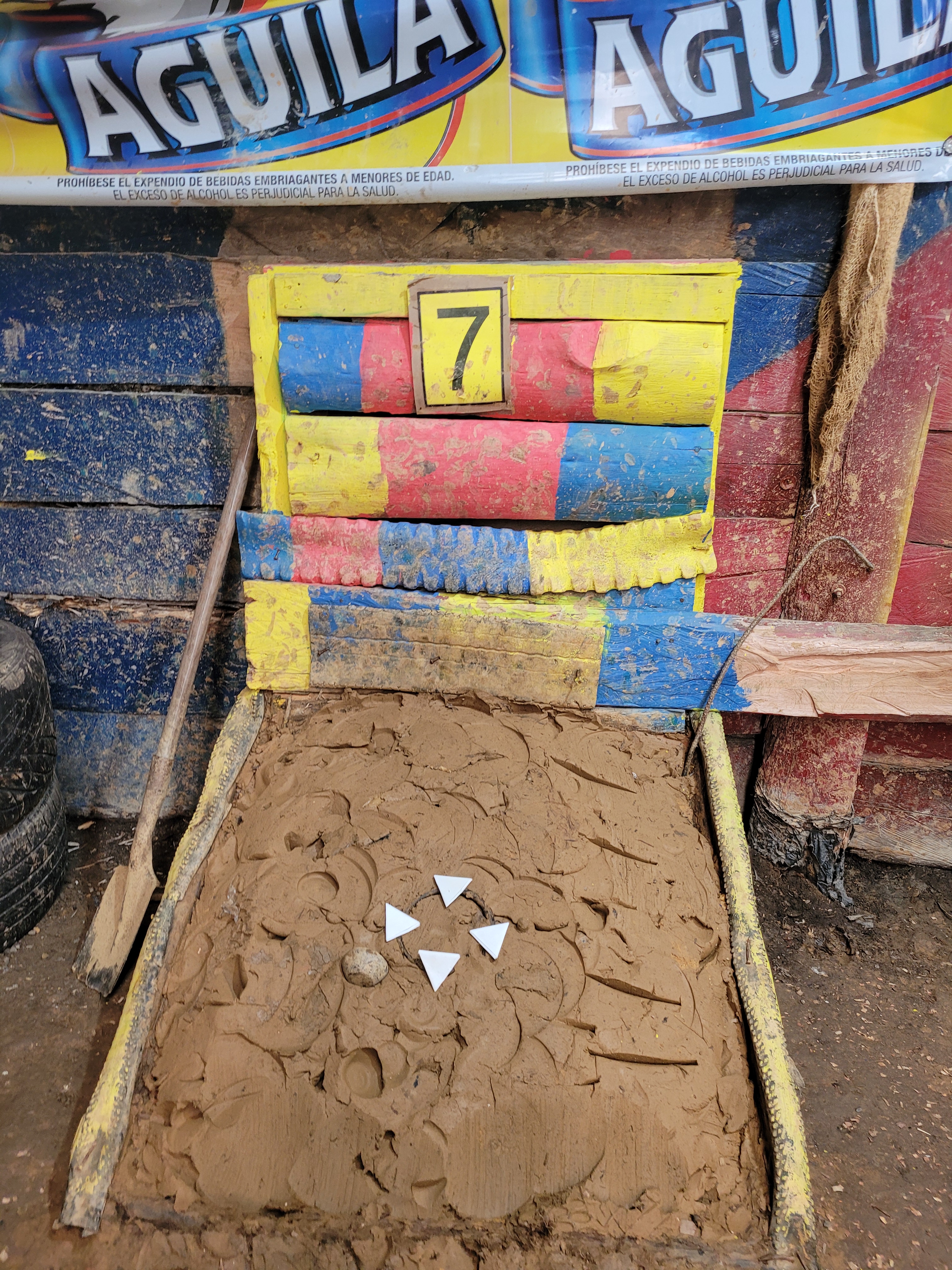
Tejo is considered the Colombian national sport and has been described as being like lawn bowls on steroids or like badminton using hand grenades. Players take turns to lob steel discs down an alley towards a clay pit containing paper wrapped triangular targets, each containing gunpowder. Points are awarded for detonating the most explosives. We all had a blast!

Medellin

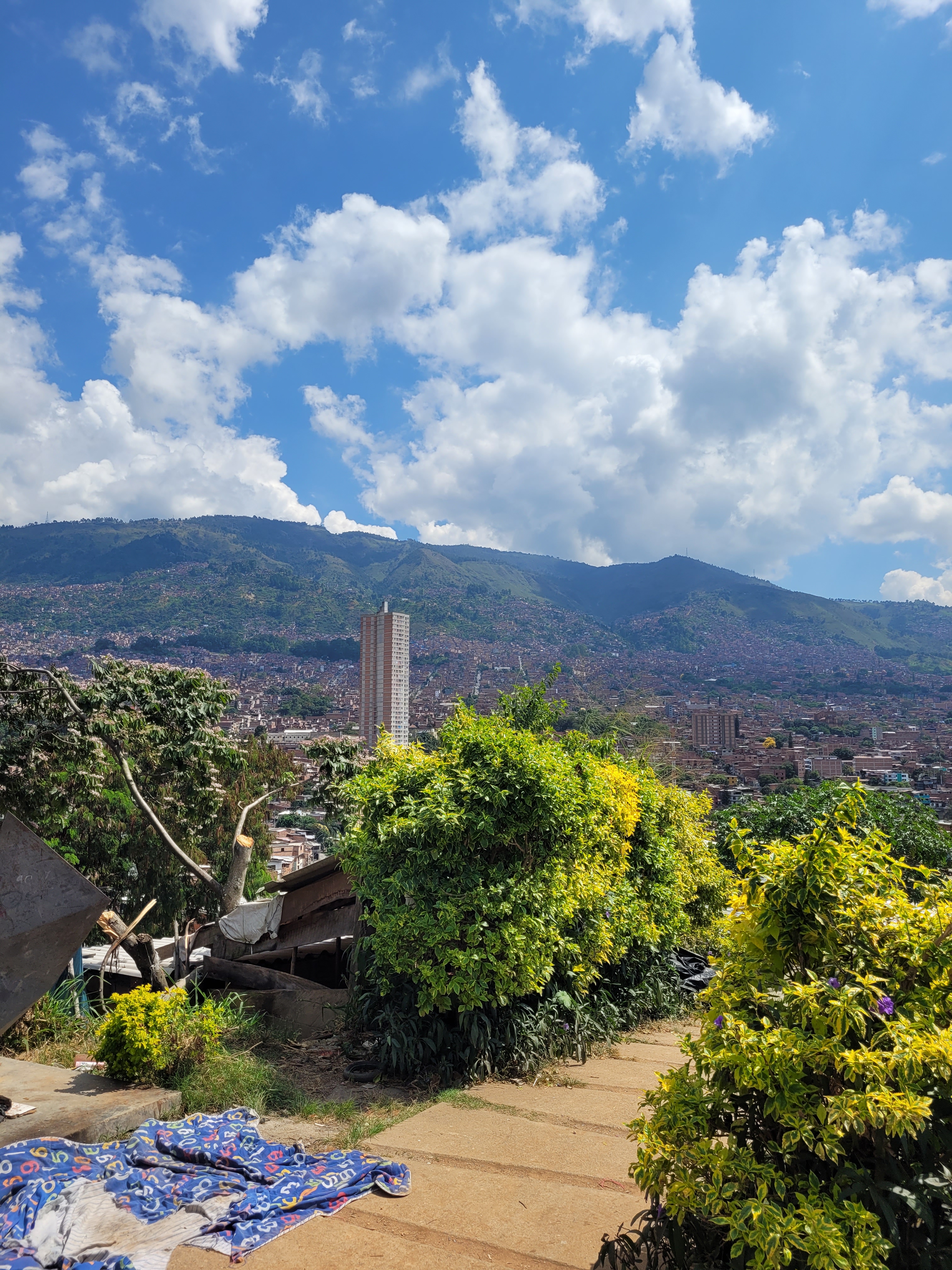
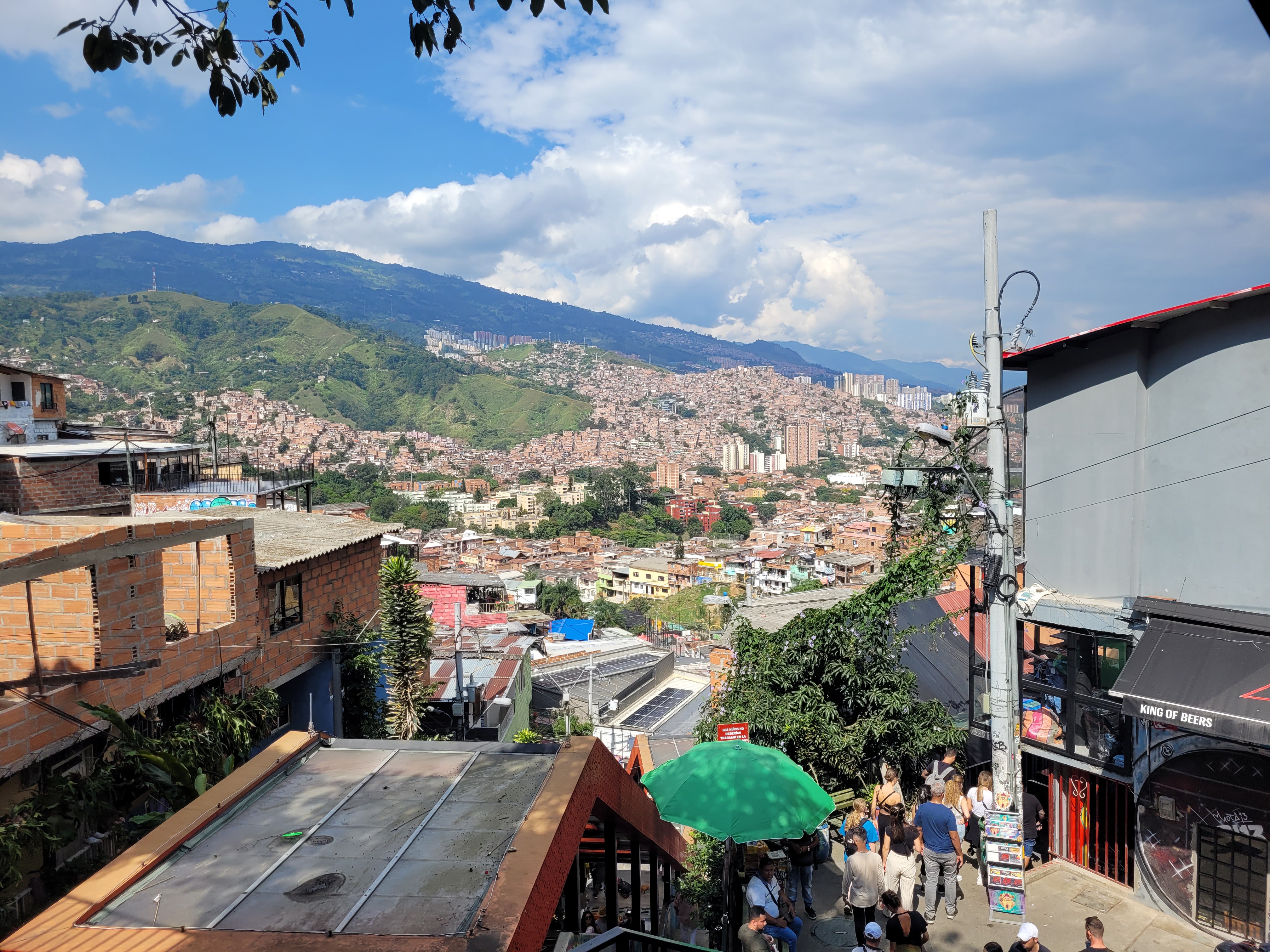
Next up on our tour of Colombia was the city of Medellin, previously dubbed ‘the world’s most dangerous city’. In the 1980’s, under the control of Pablo Escabar and his violent cartels, Medellin became the capital of the world’s cocaine trade. Since Escabar’s death in 1993, the city has undergone an impressive transformation and now is a hub for digital nomads and tourism.

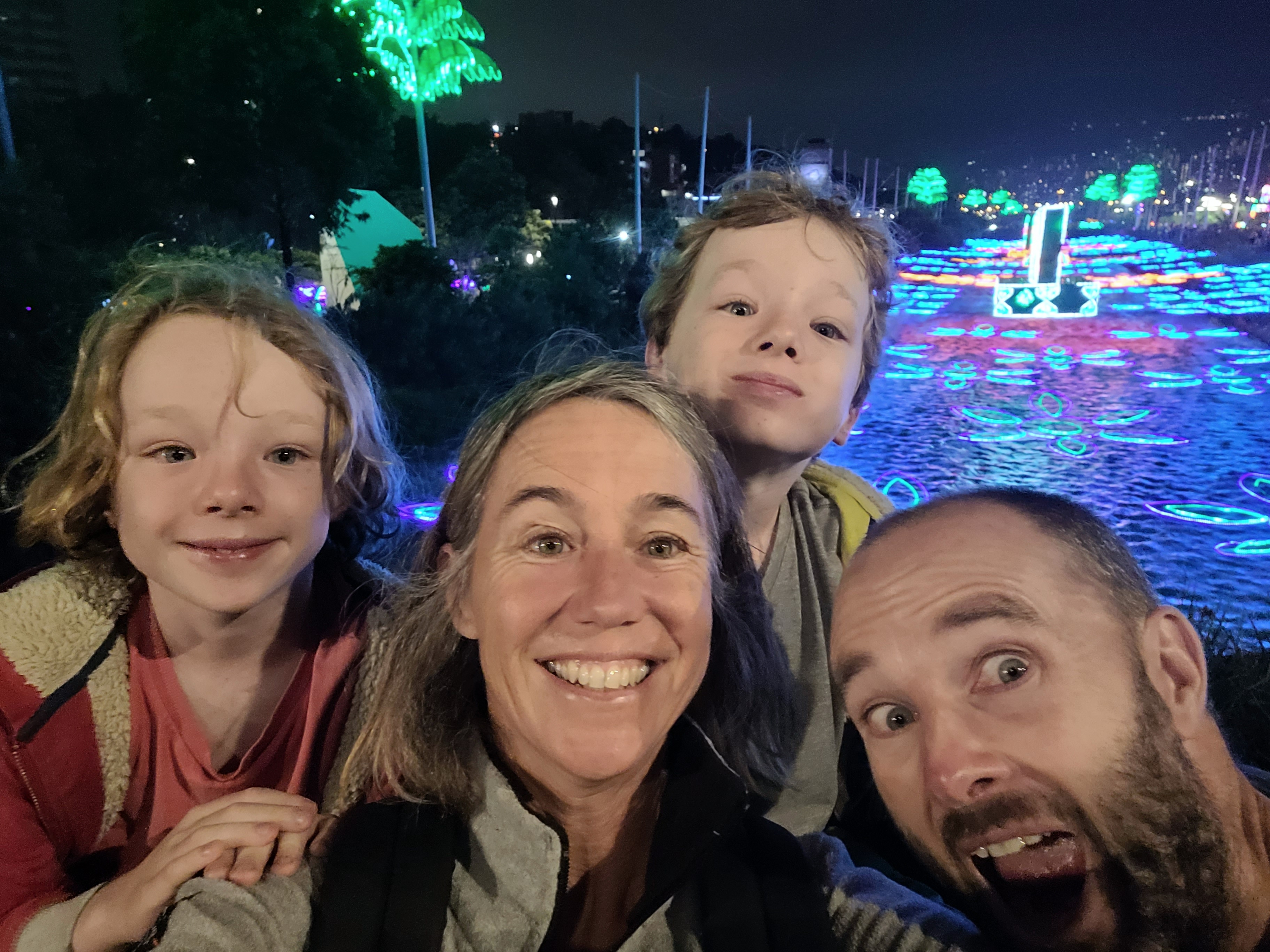
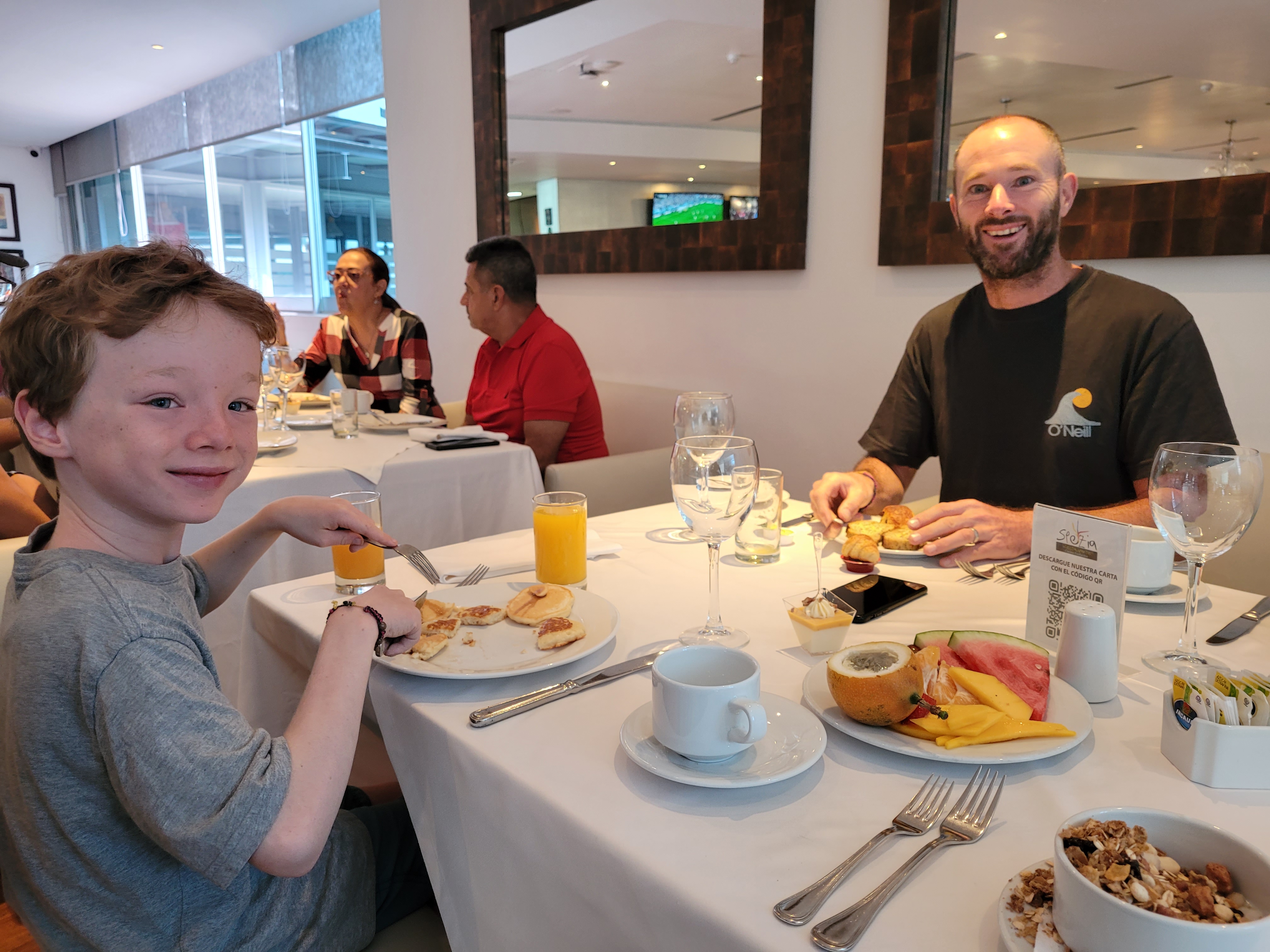
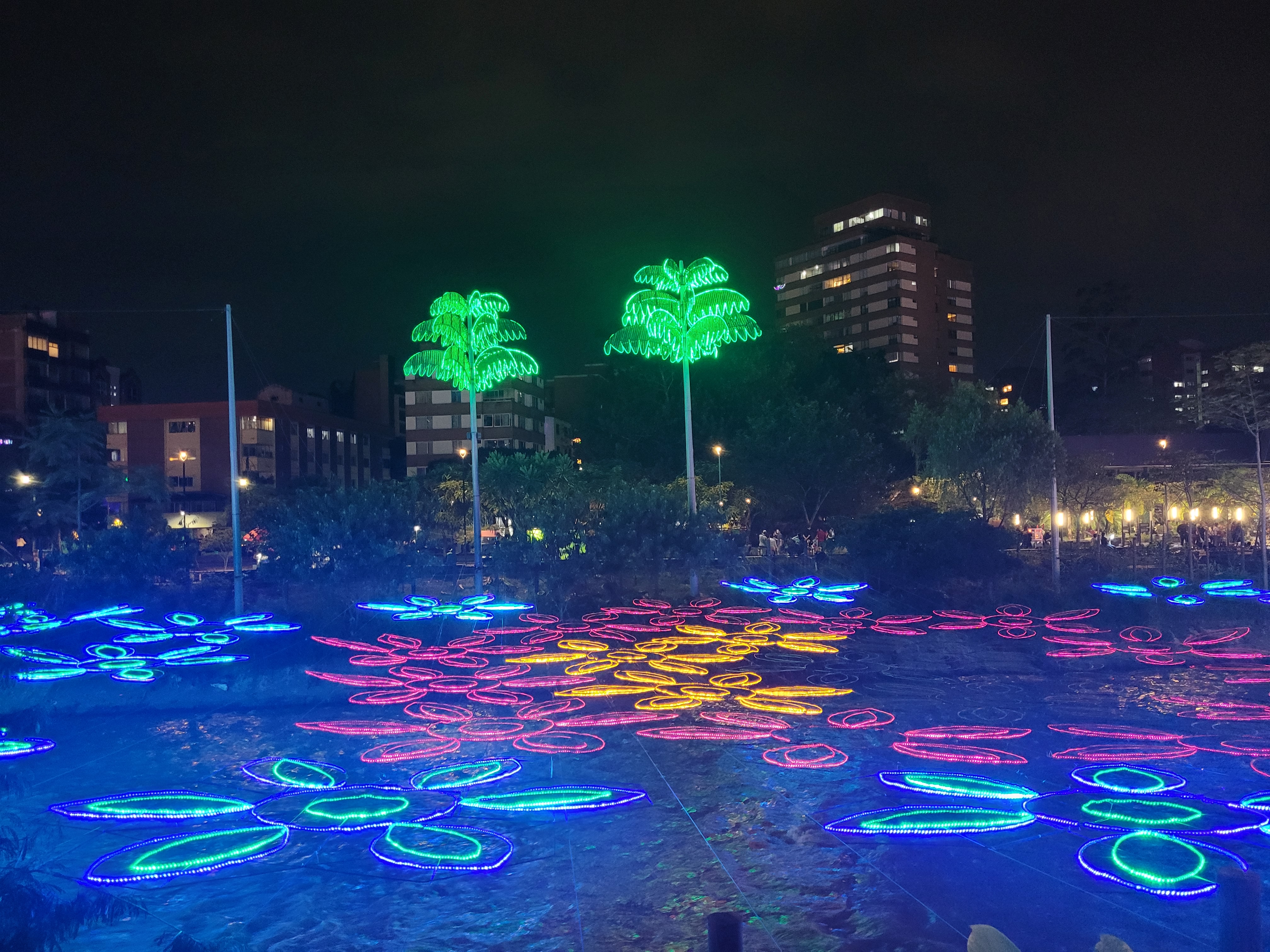
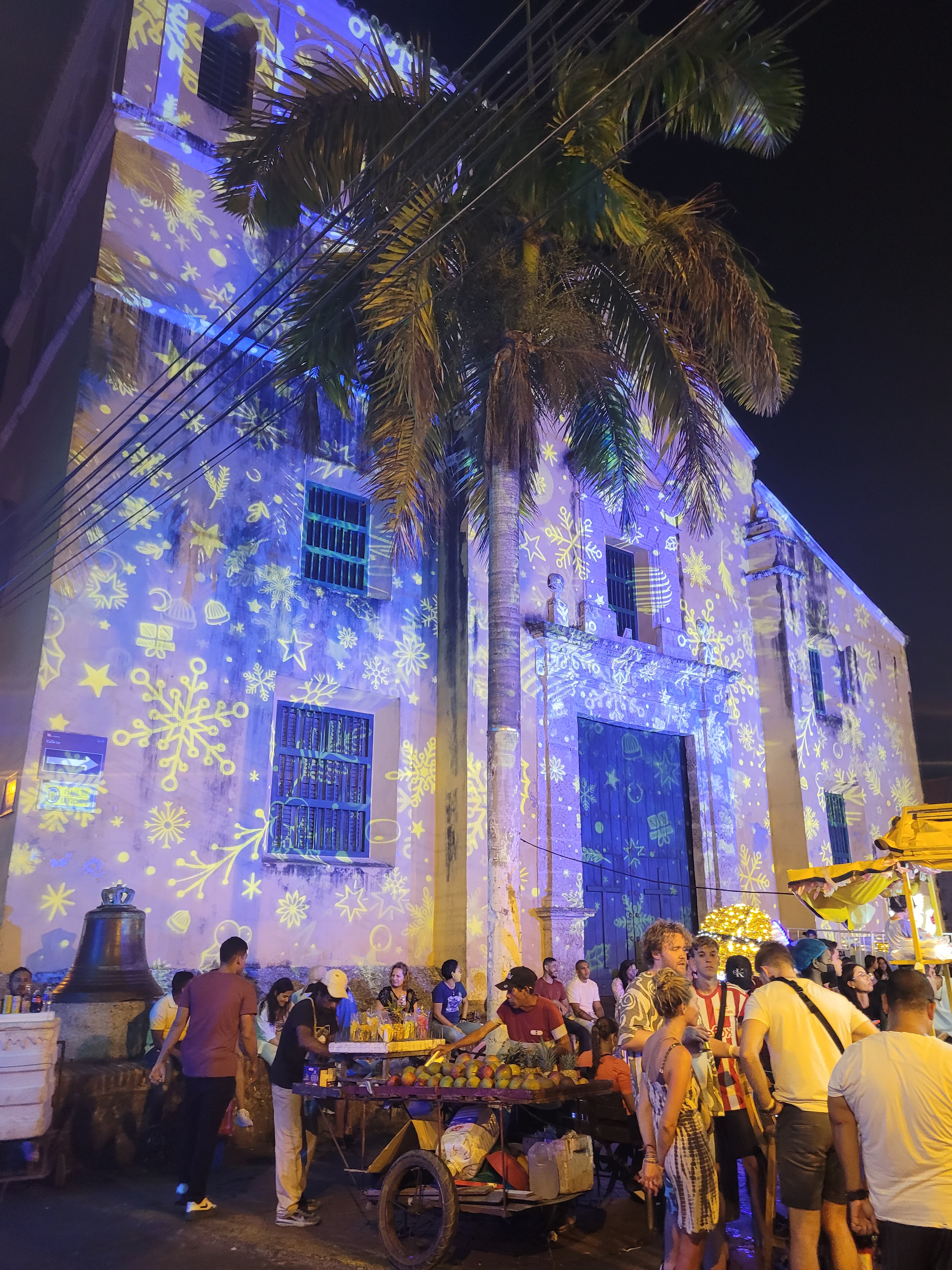
We arrived in Medellin late on Christmas Eve and checked into a fancy hotel to compensate for spending the festive period away from family and friends. Here we feasted on the buffet breakfast before exploring the El Poblabo district and took in Medellin’s impressive Christmas lights, named by National Geographic as being some of the best in the world.


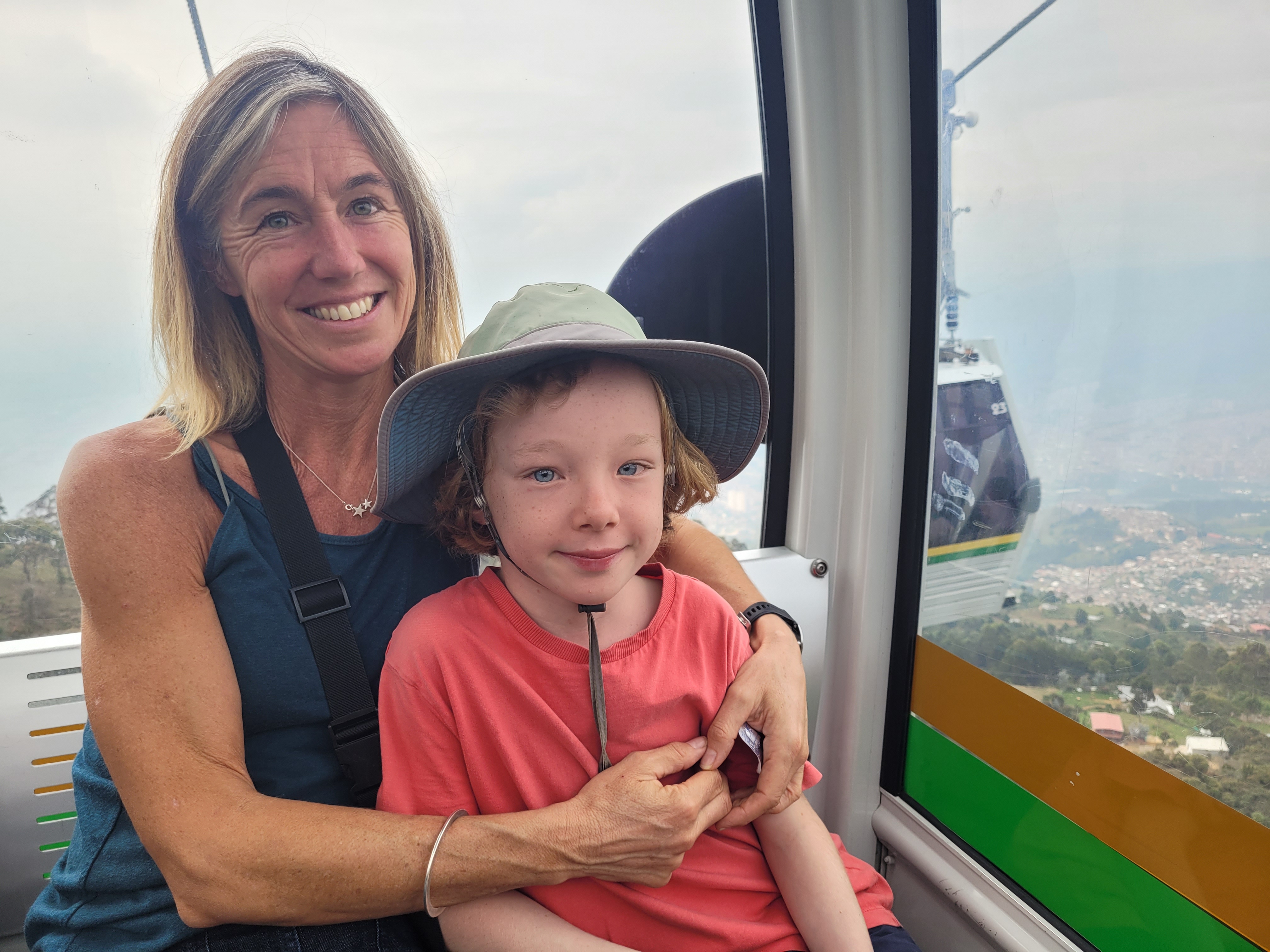
We rode the Metrocable high above the rooftops of the barrios and visited Parque Arvi, a nature reserve and Pre-Hispanic archaeological site set at 2600m elevation.

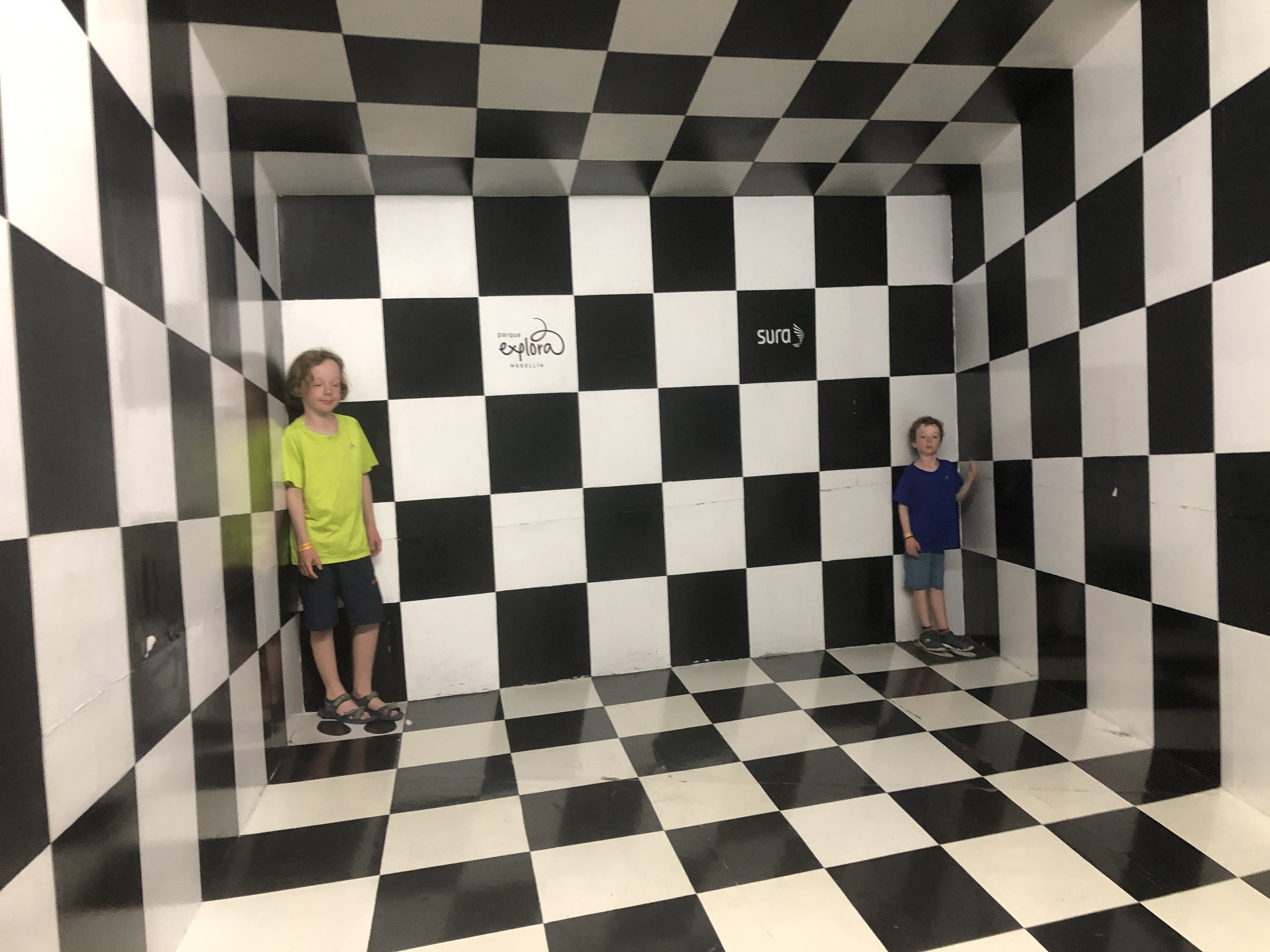
After moving to an Air BnB in gorgeously green Laureles, we went on to take in the awesome Explora Science Museum (think the Science Museum in London on steroids and without the crowds).


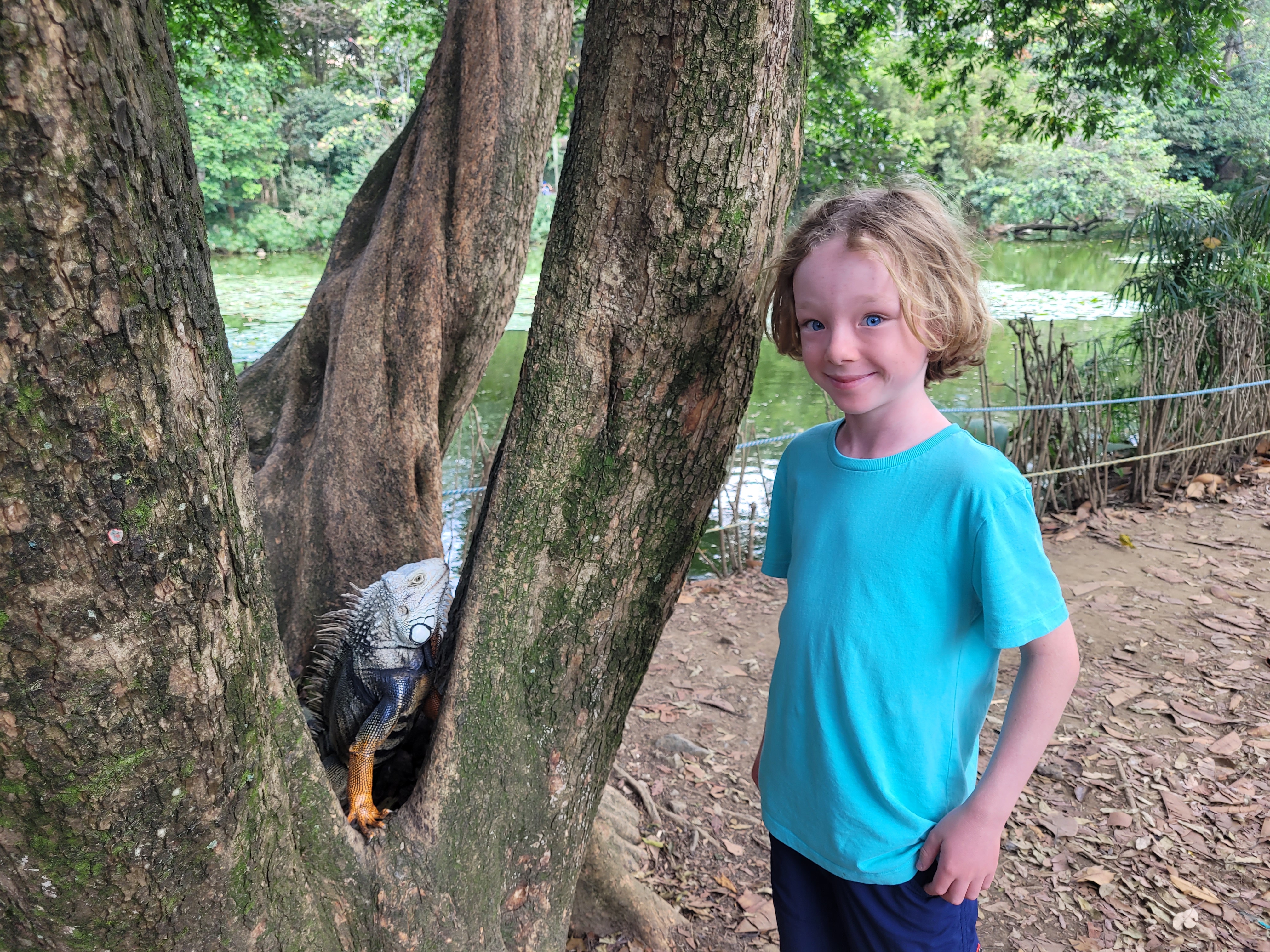
We also toured the Museo de Antioquia which houses a large collection of sculptures by Medellín native Fernando Botero. We hiked to El Cerro de Moravia – once the city’s rubbish dump and a shanty town which has recently been transformed into a flower filled hillside and model urban centre. In the Botanical Gardens we visited an incredible butterfly garden and ran into some enormous, and very handsome iguanas.

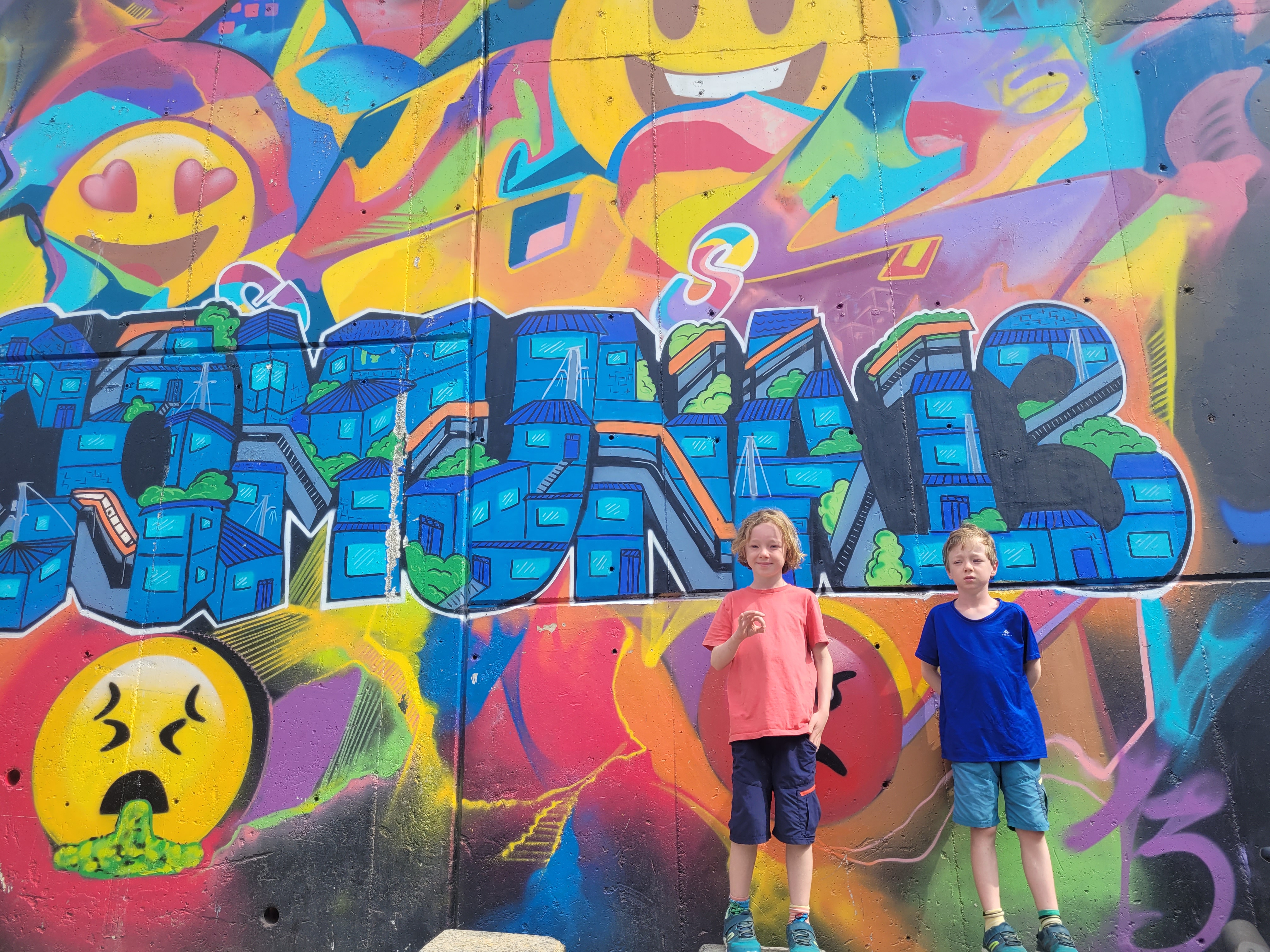
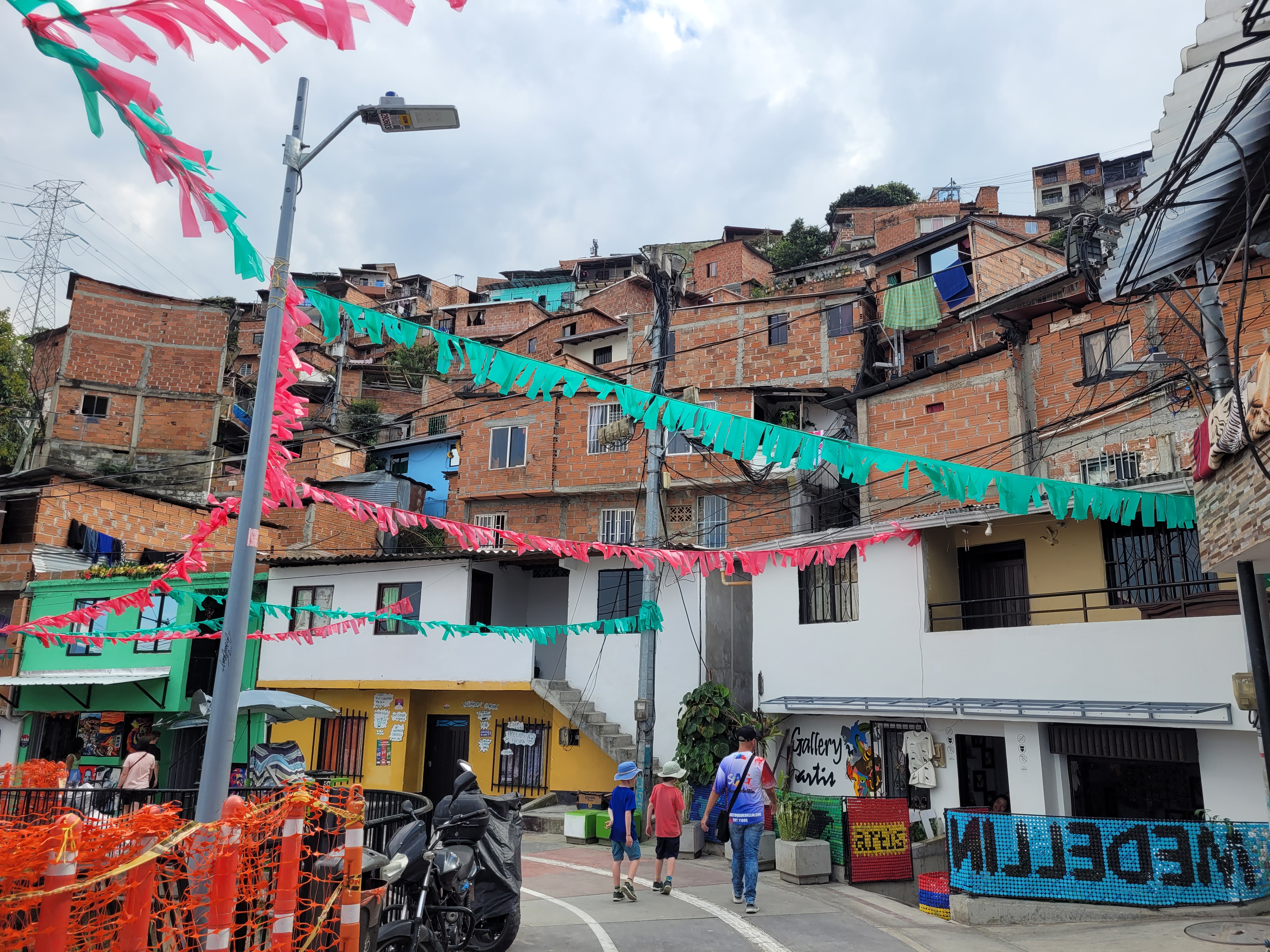
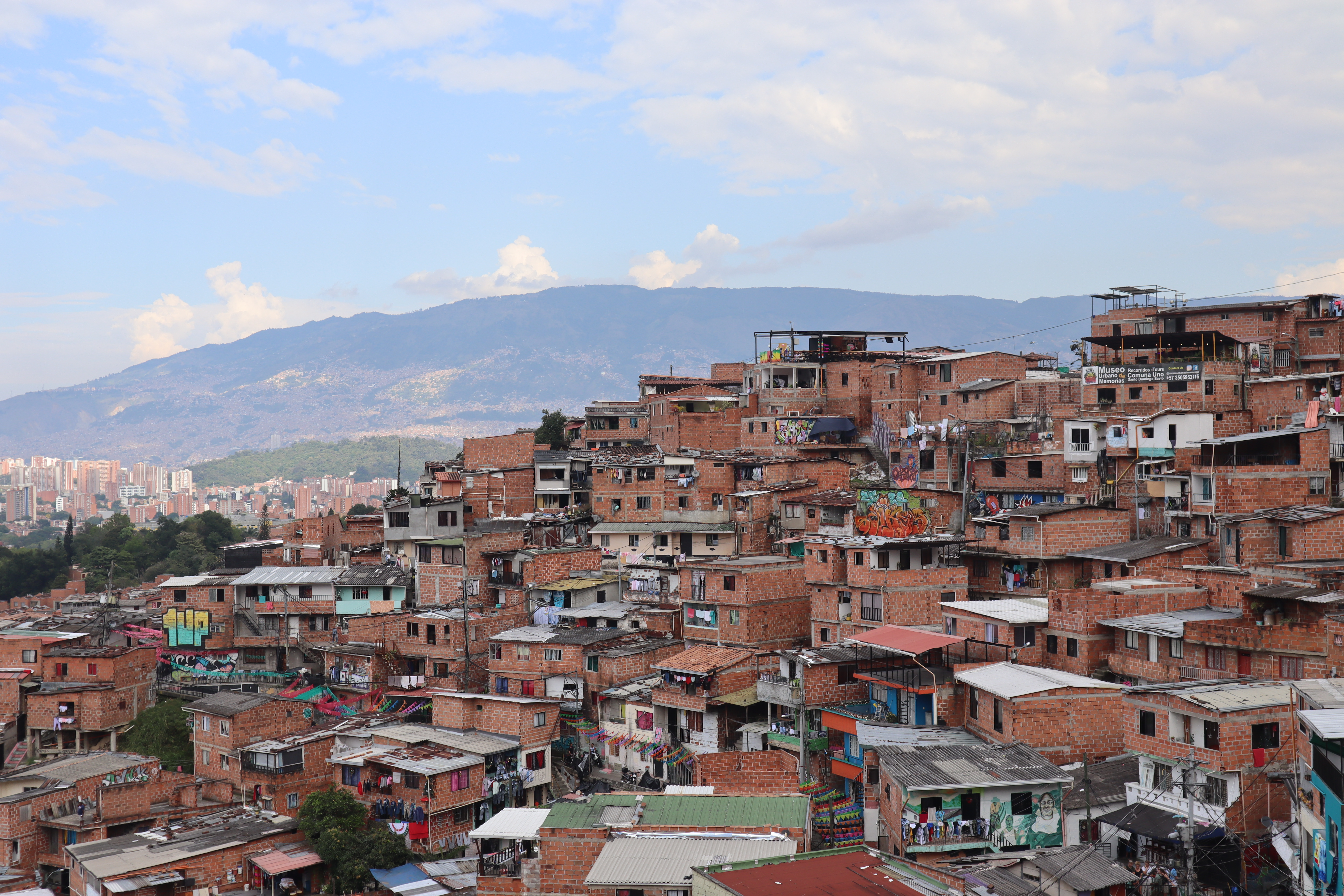
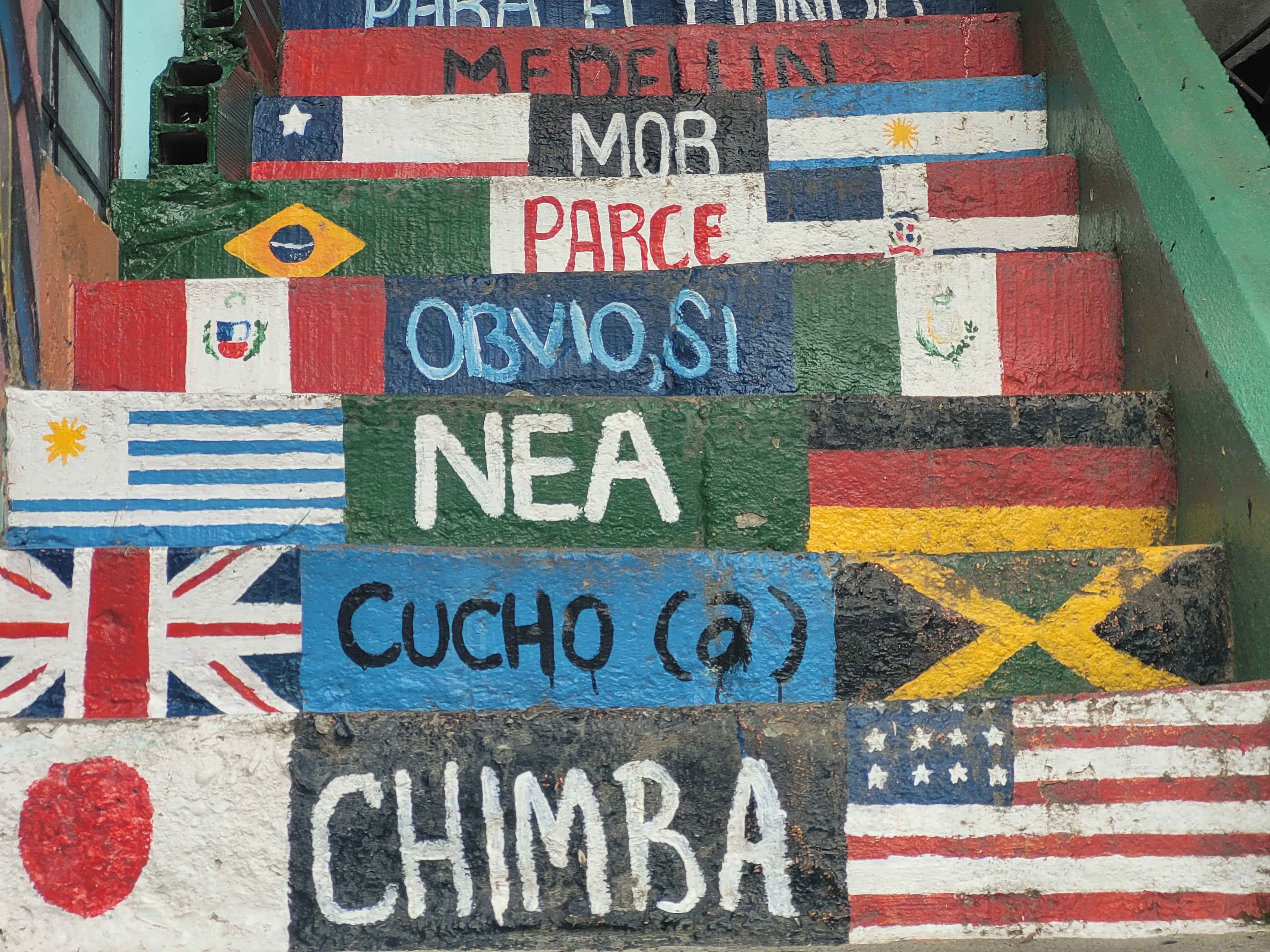
The highlight of our time in Medellin was a tour of La Communa 13; once the most dangerous neighbourhood in the world’s most dangerous city. The community has re-invented itself as a vibrant district, awash with murals and graffiti, cool bars, galleries and hang-outs, with spectacular views over the rest of the city.

Cartagena

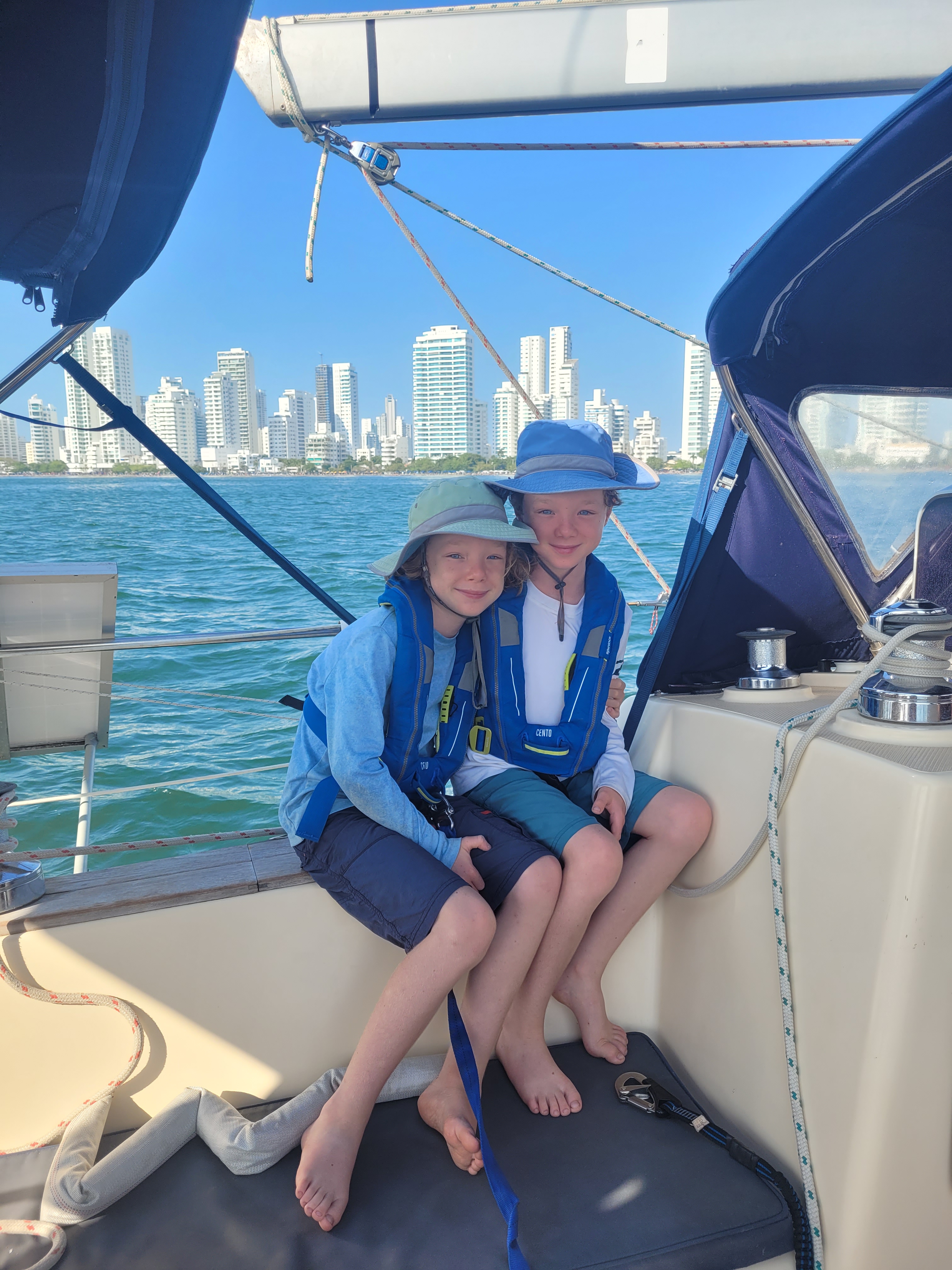
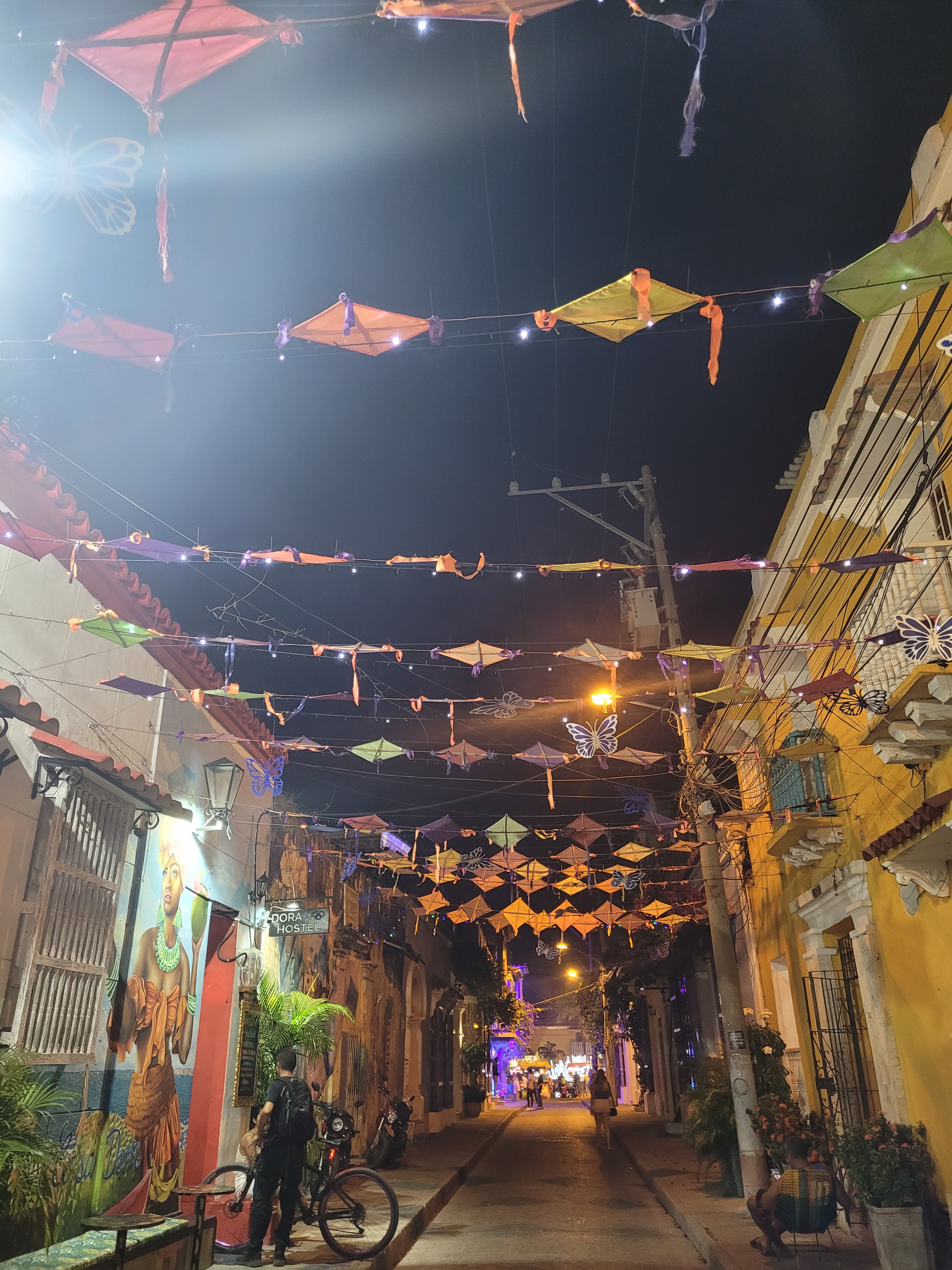
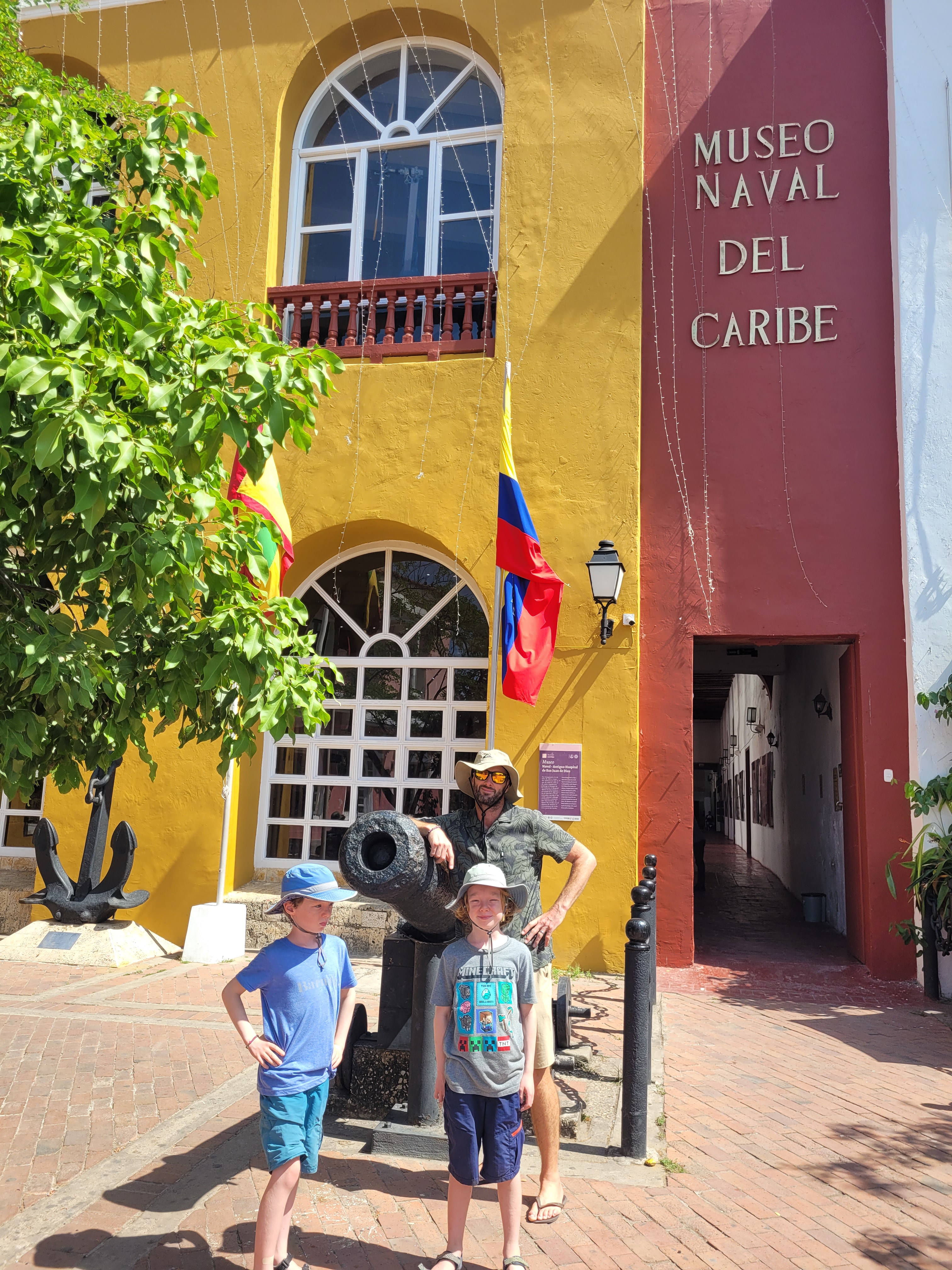
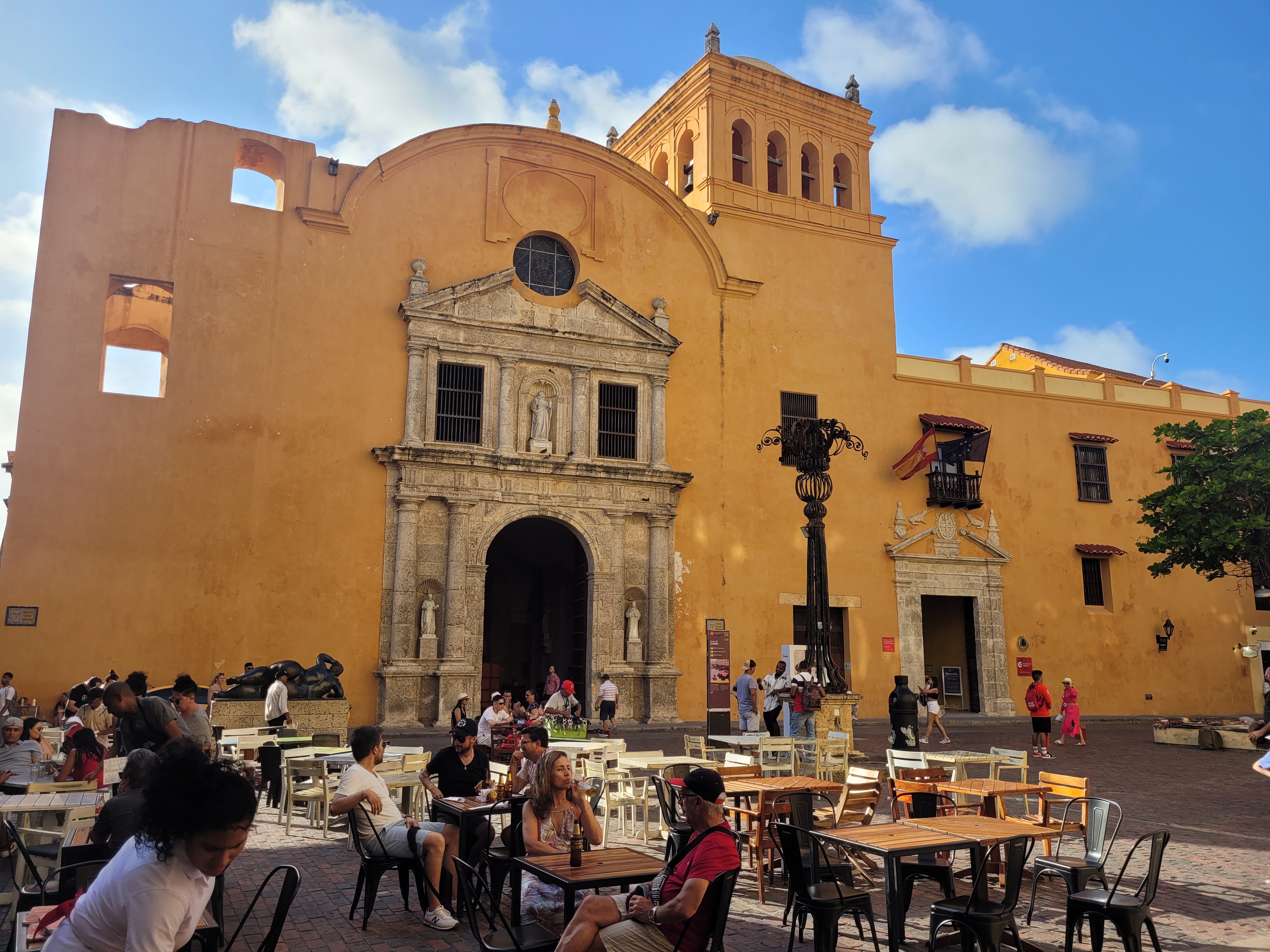
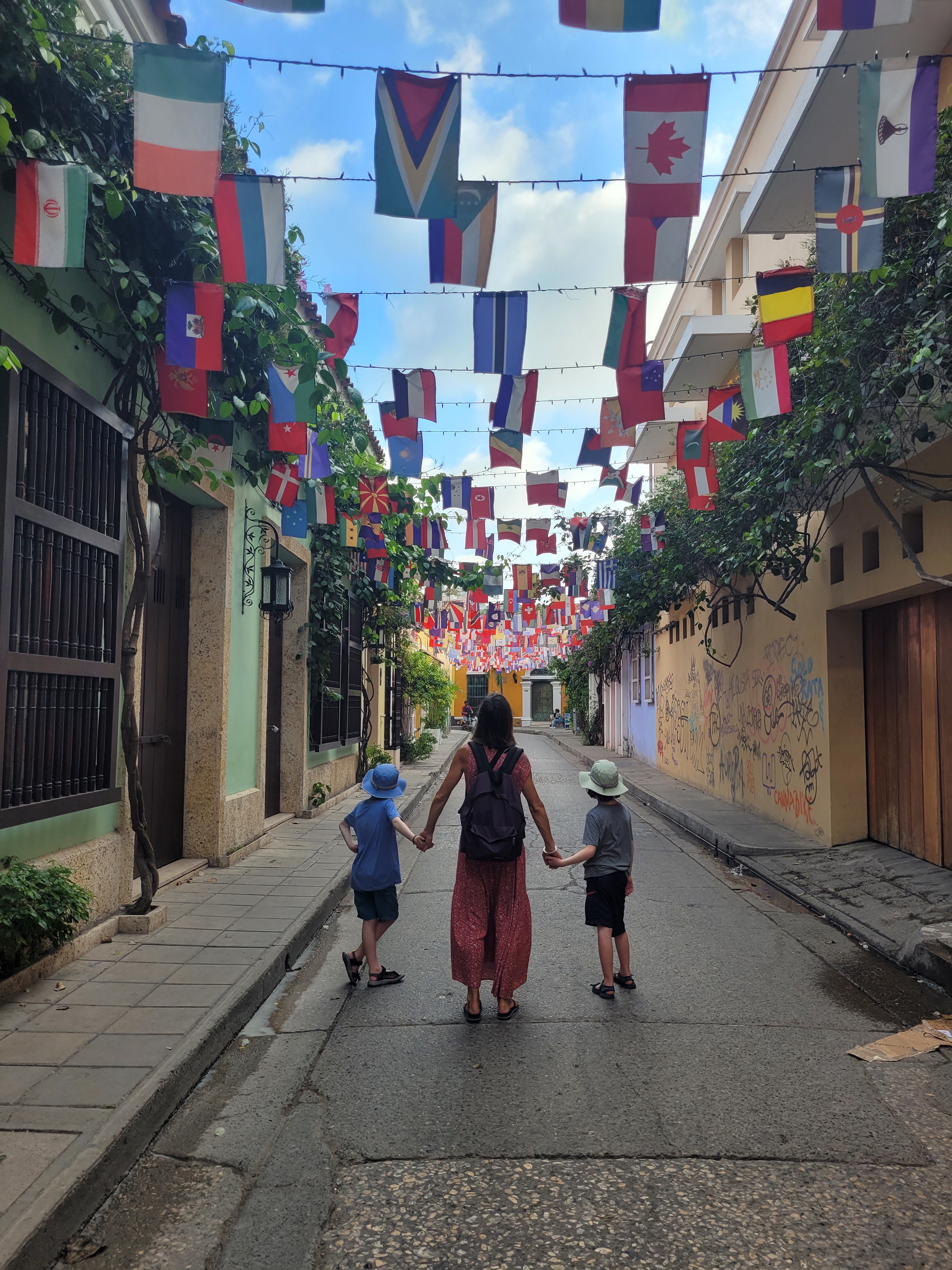
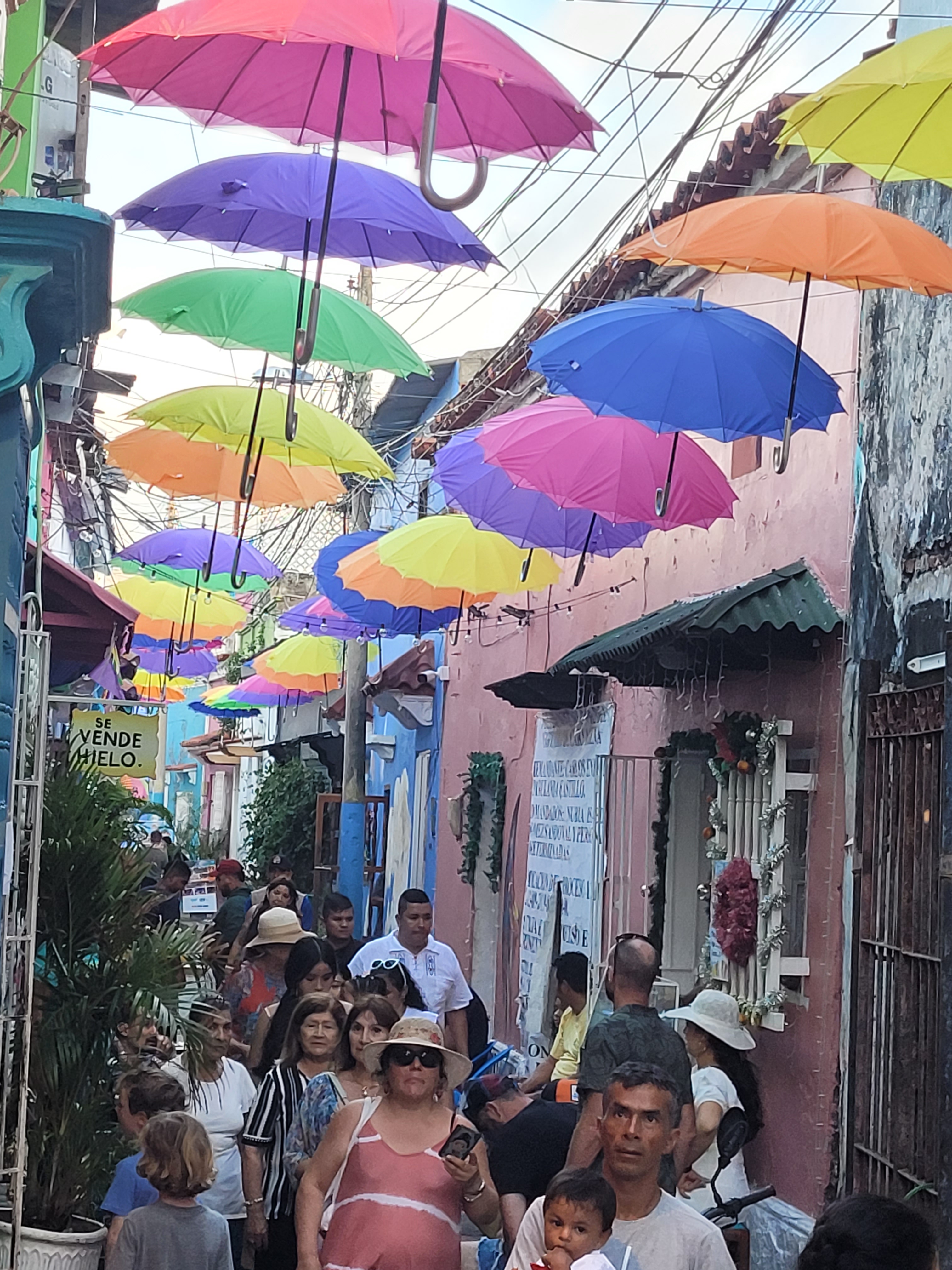
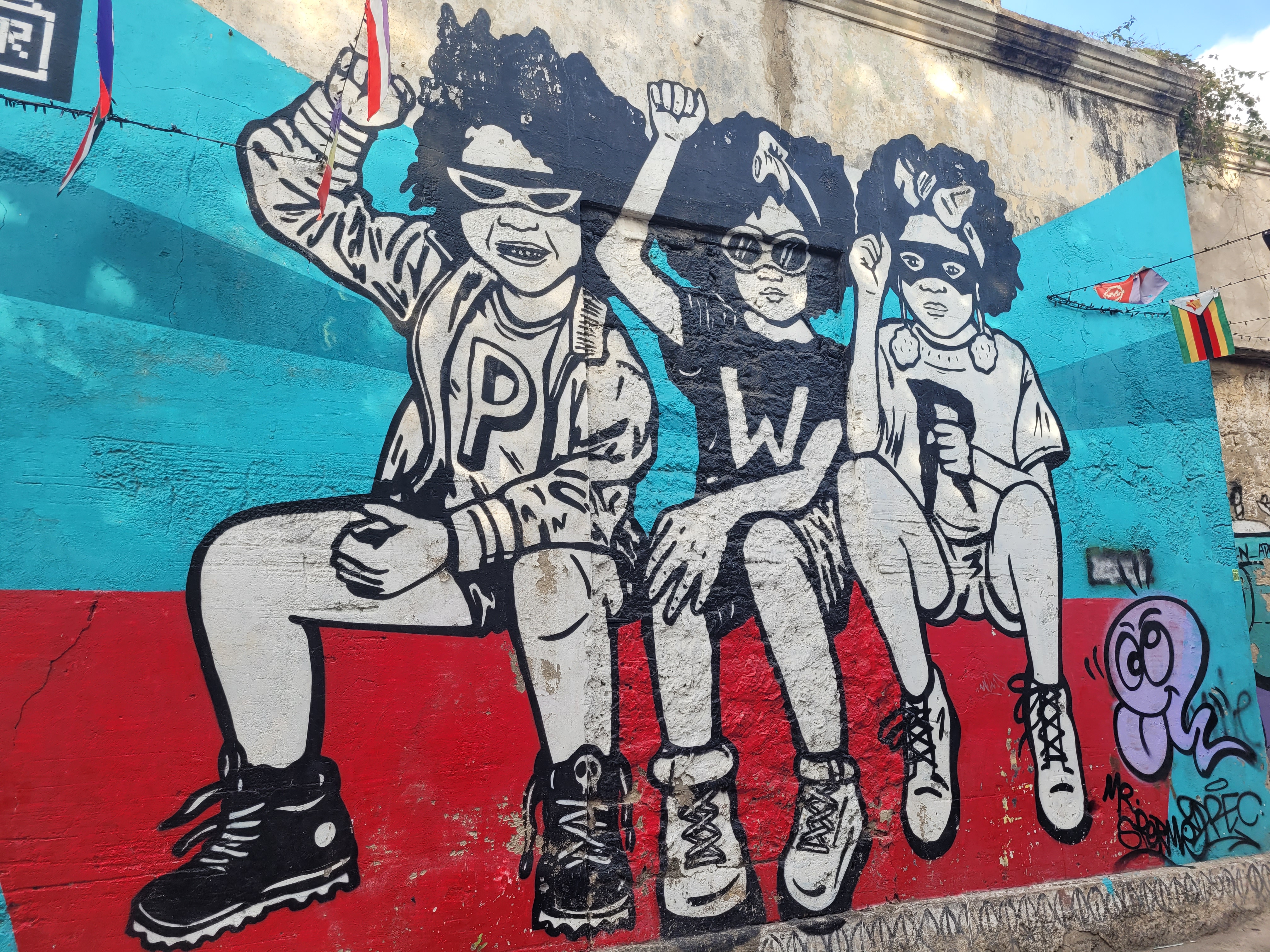
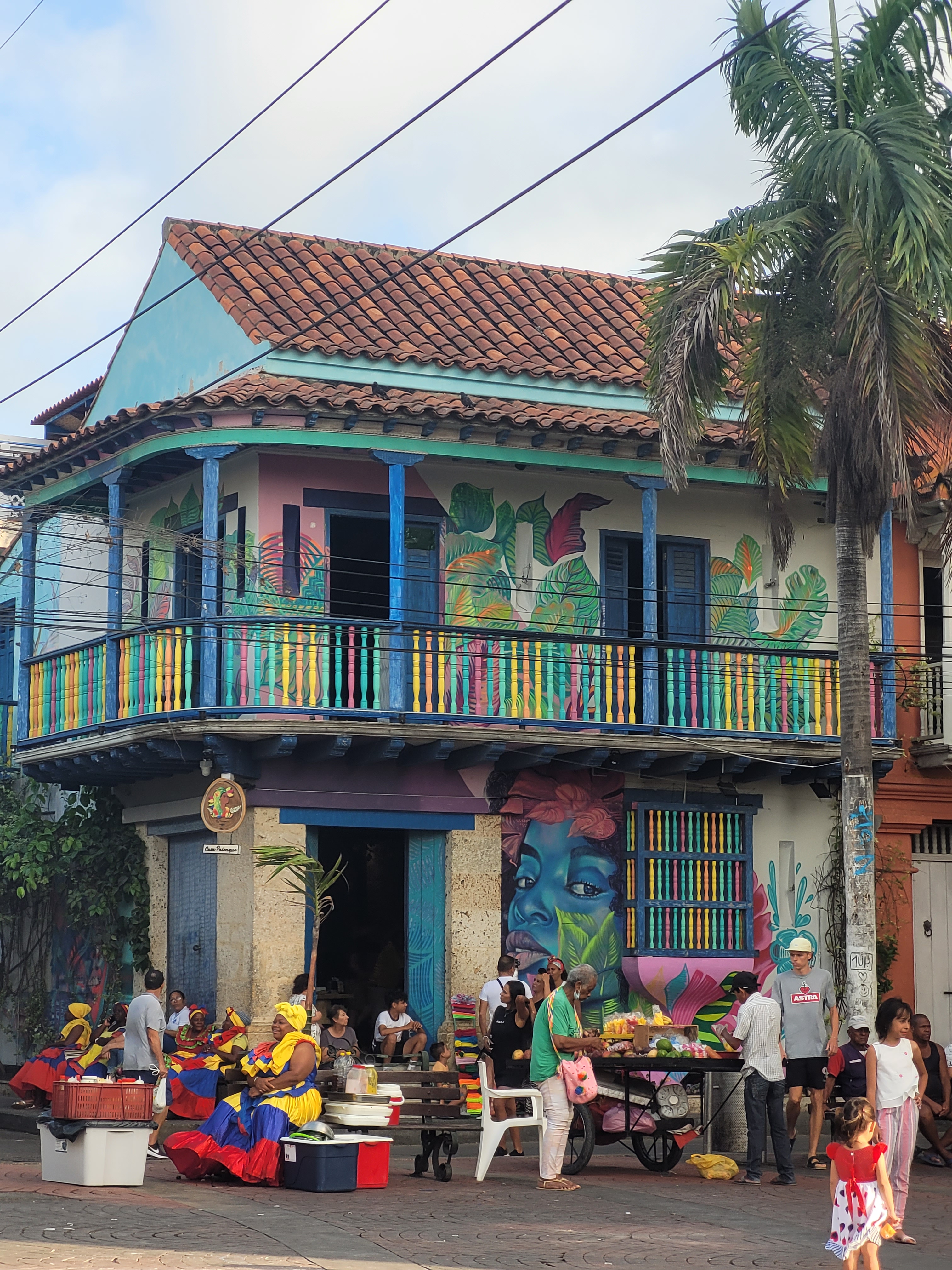
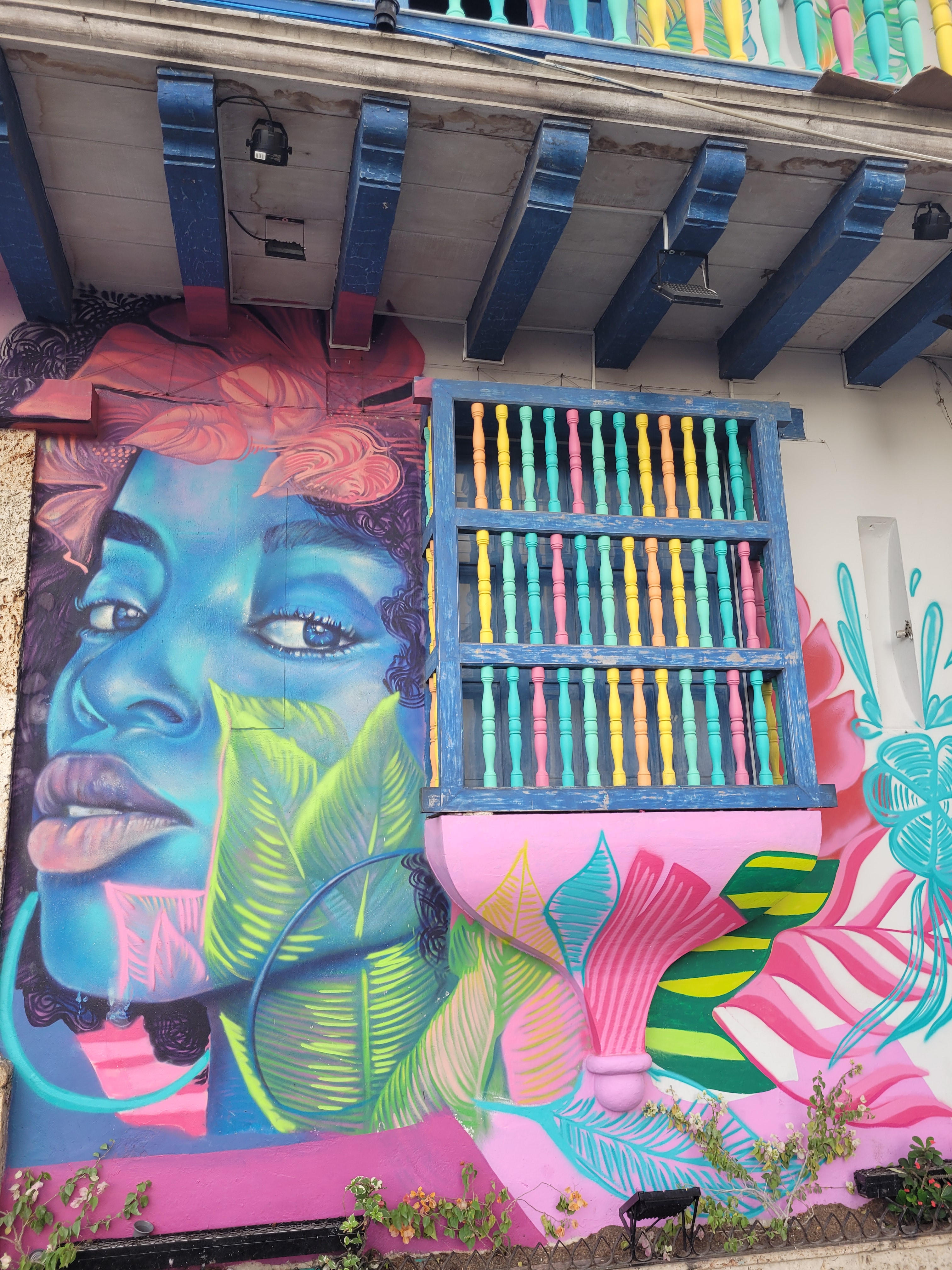
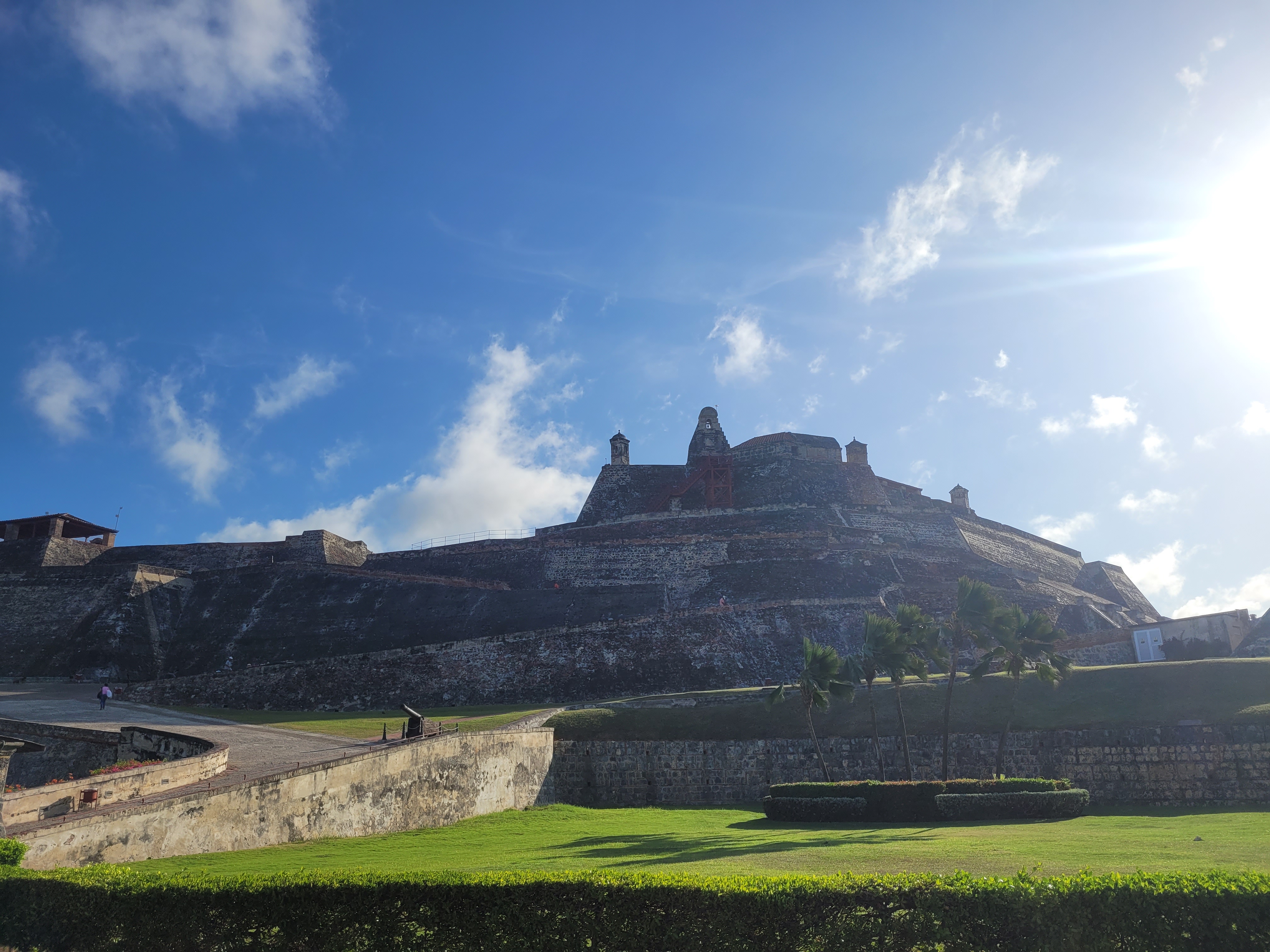
From Medellin, we flew back to Mowzer in Santa Marta and celebrated the New Year with cruising friends. After a few days reprovisioning, we sailed South to Puerto Valero for an overnight stop and then onto Cartagena. We LOVED everything about Cartagena. It is undisputedly Colombia’s most beautiful city. A UNESCO World Heritage Site, the Old Town lies within 13km of centuries old colonial stone walls. We were fortunate to be able to anchor Mowzer in the heart of the Getsemini, off Club de Pesca, and in view of the 16th century walls built to protect the city after a siege by Sir Francis Drake. Highlights in Cartagena included a visit to the Naval Museum, walking the streets of picturesque El Centro, mural spotting in Getsemeni, and getting lost in the tunnels of the mighty Castollo San Felipe.

Curacao November 2022

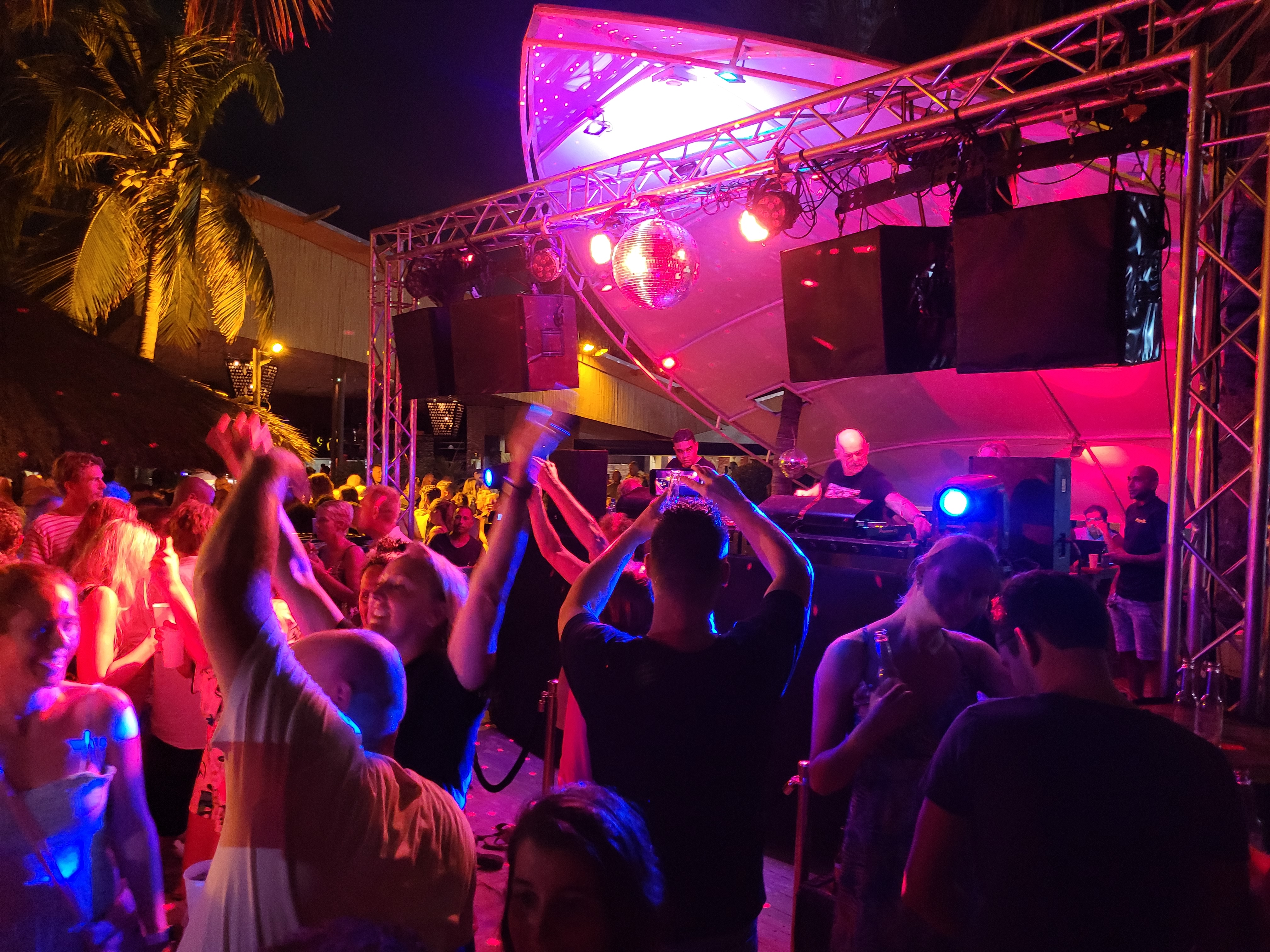
In Curacao, we Re-lived our misspent youths and partied like it’s 1997….
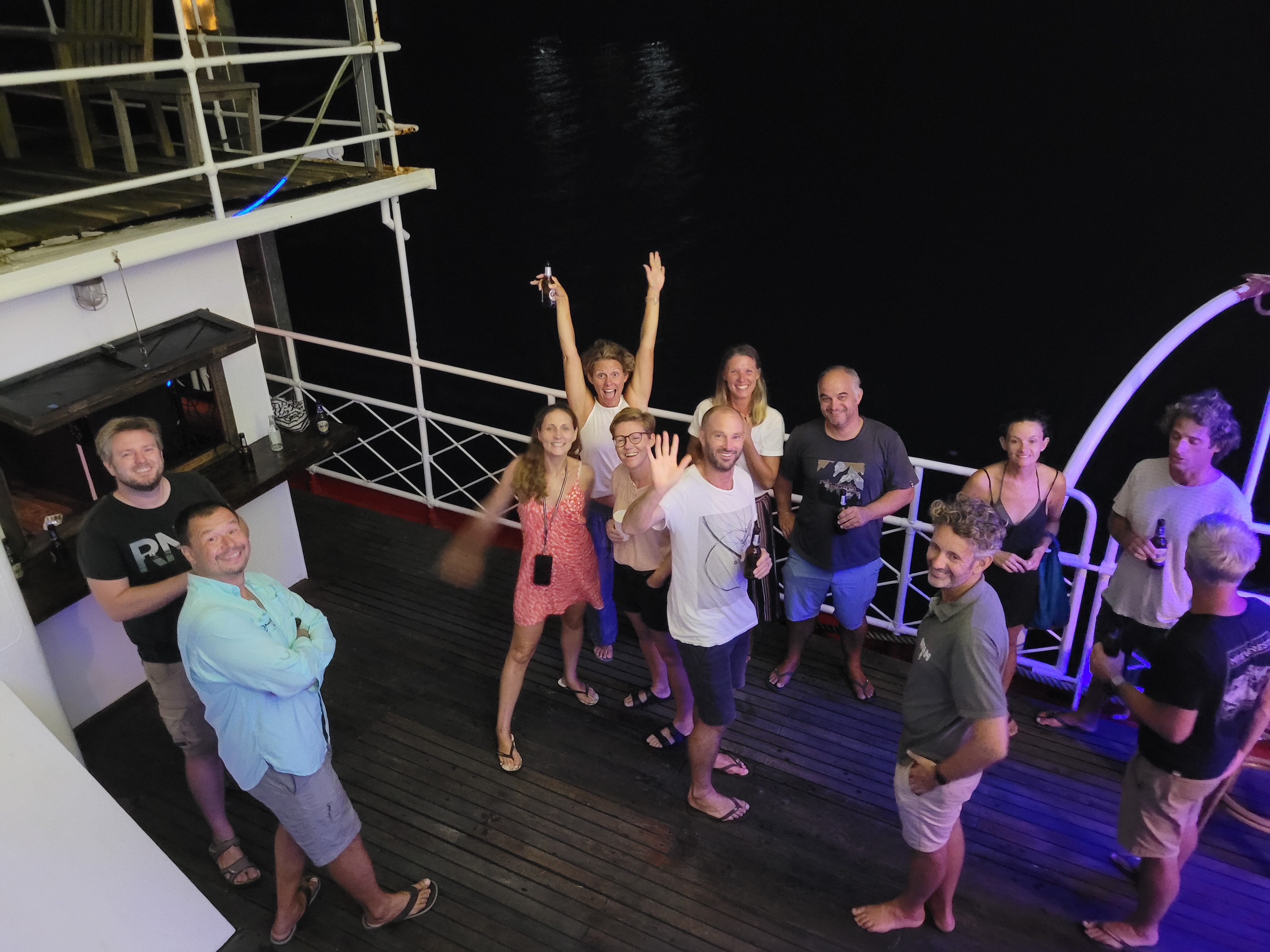
Had to be dragged off the dance floor and home to our cabin by B and Z after we crashed a party on Papagayo Beach, Curacao

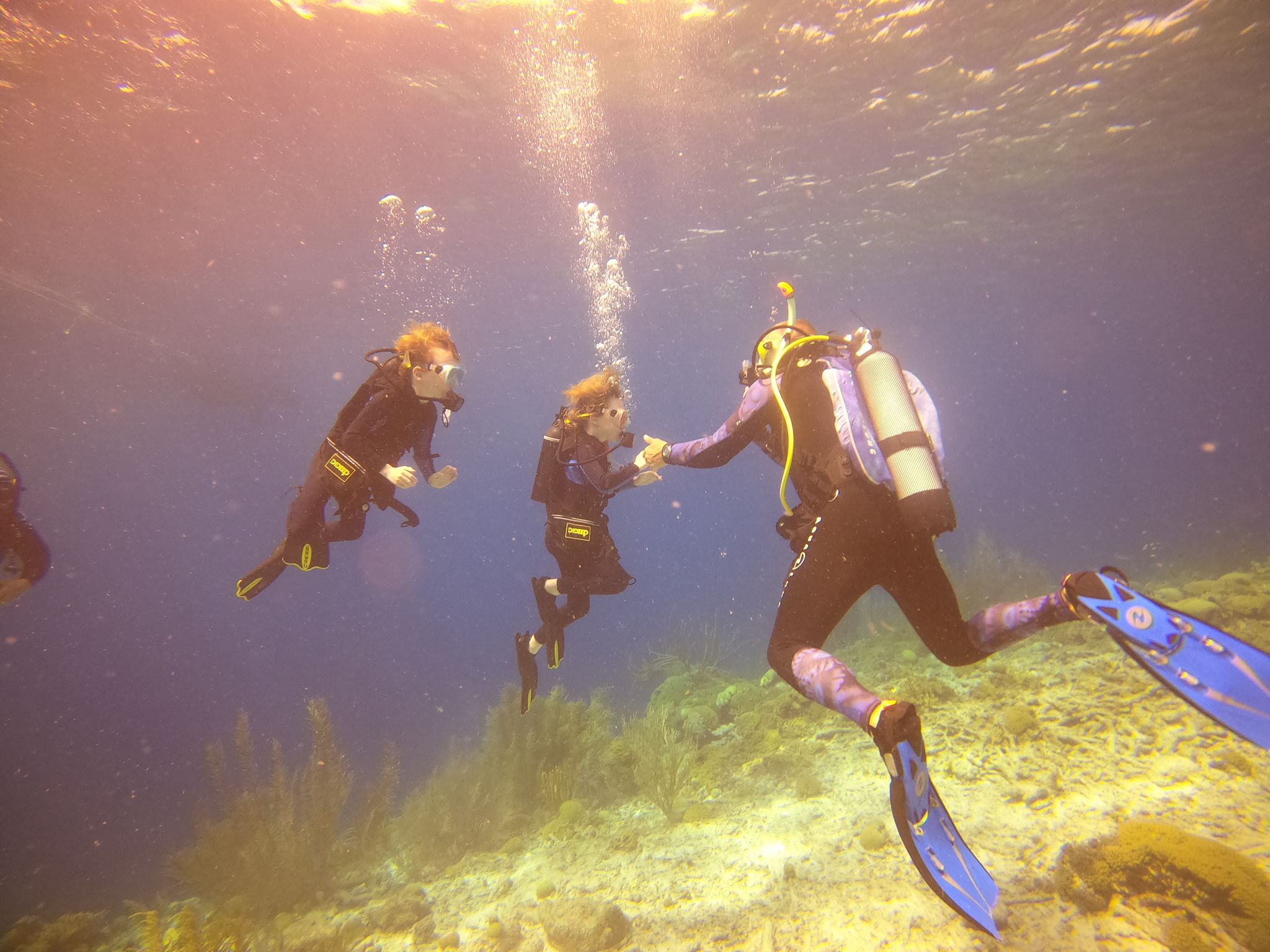
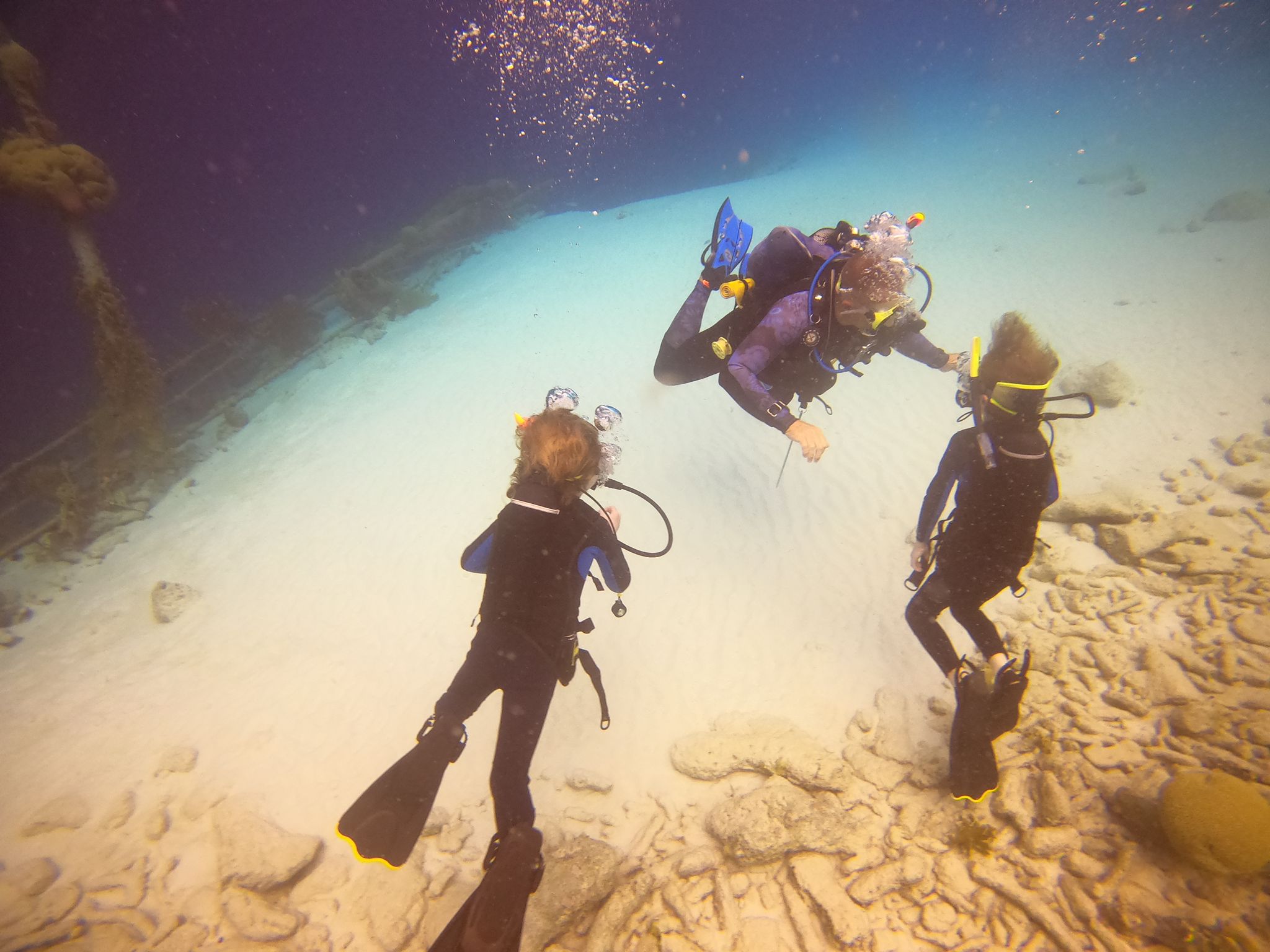
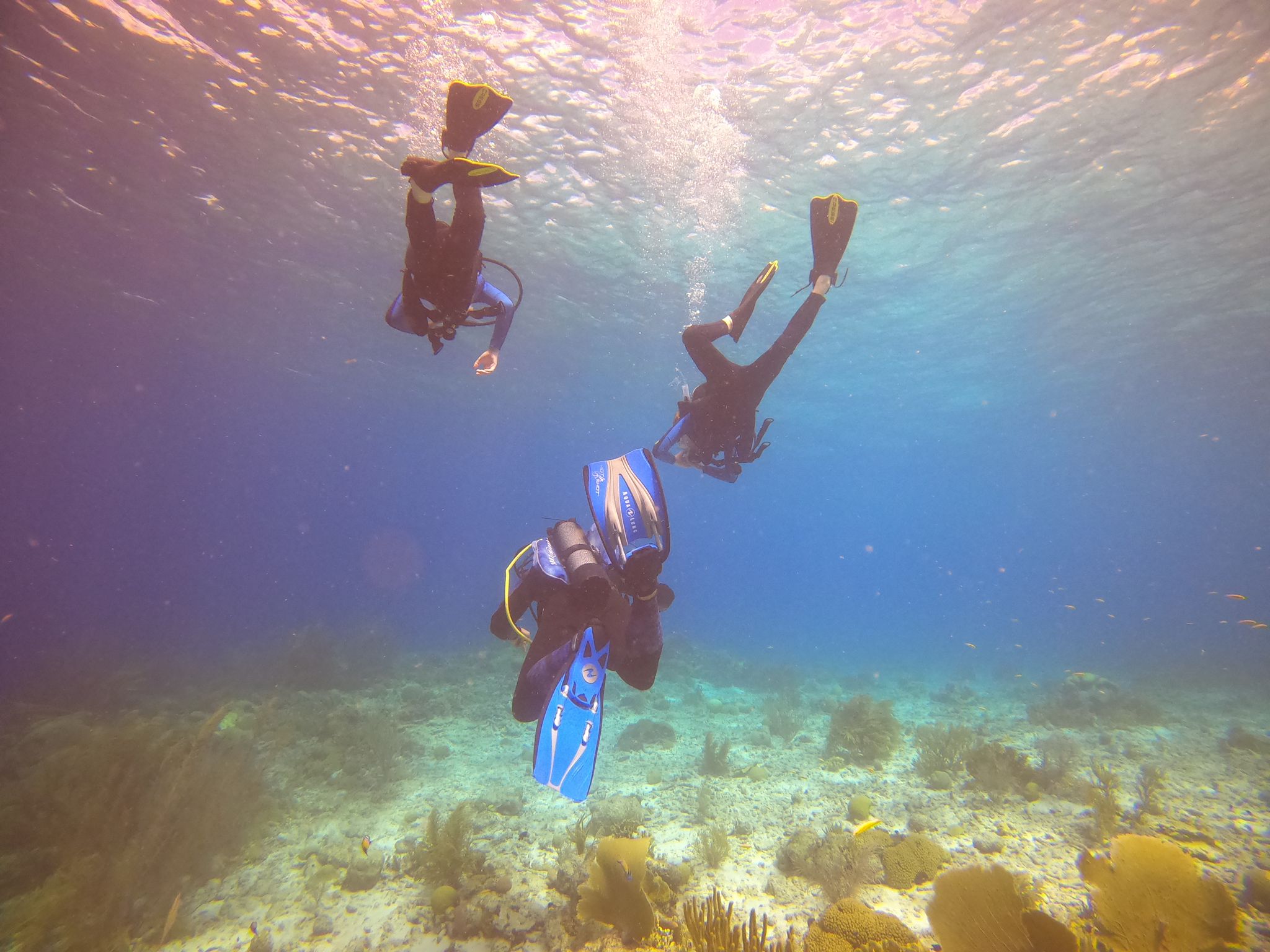
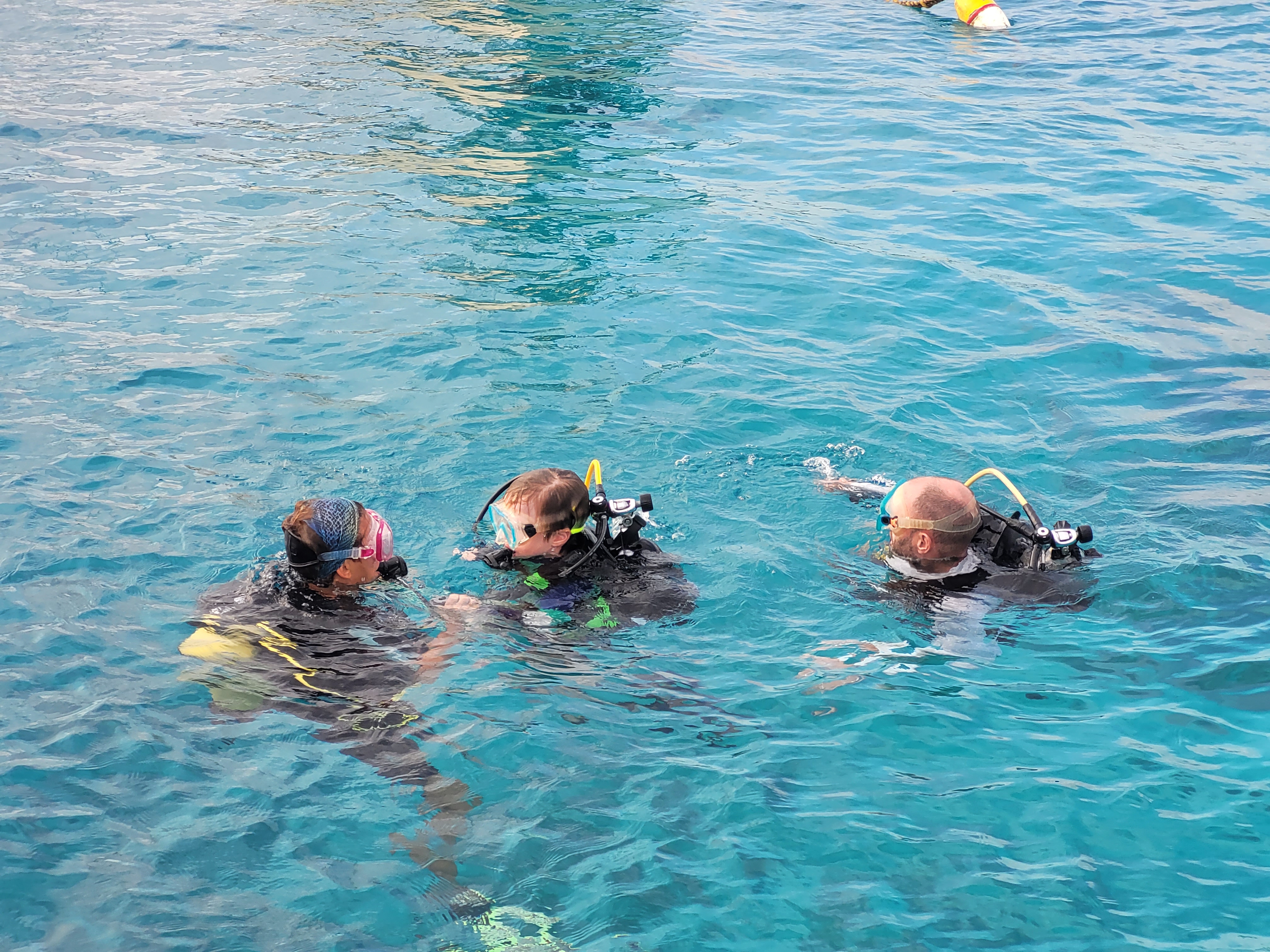
Barnaby and Zennor completed their Open Water dive course. This makes them third-generation divers, following in the enormous footsteps of their Uncle Jules and Grandad Neil who were commercial saturation divers. I know that they too would be super proud.

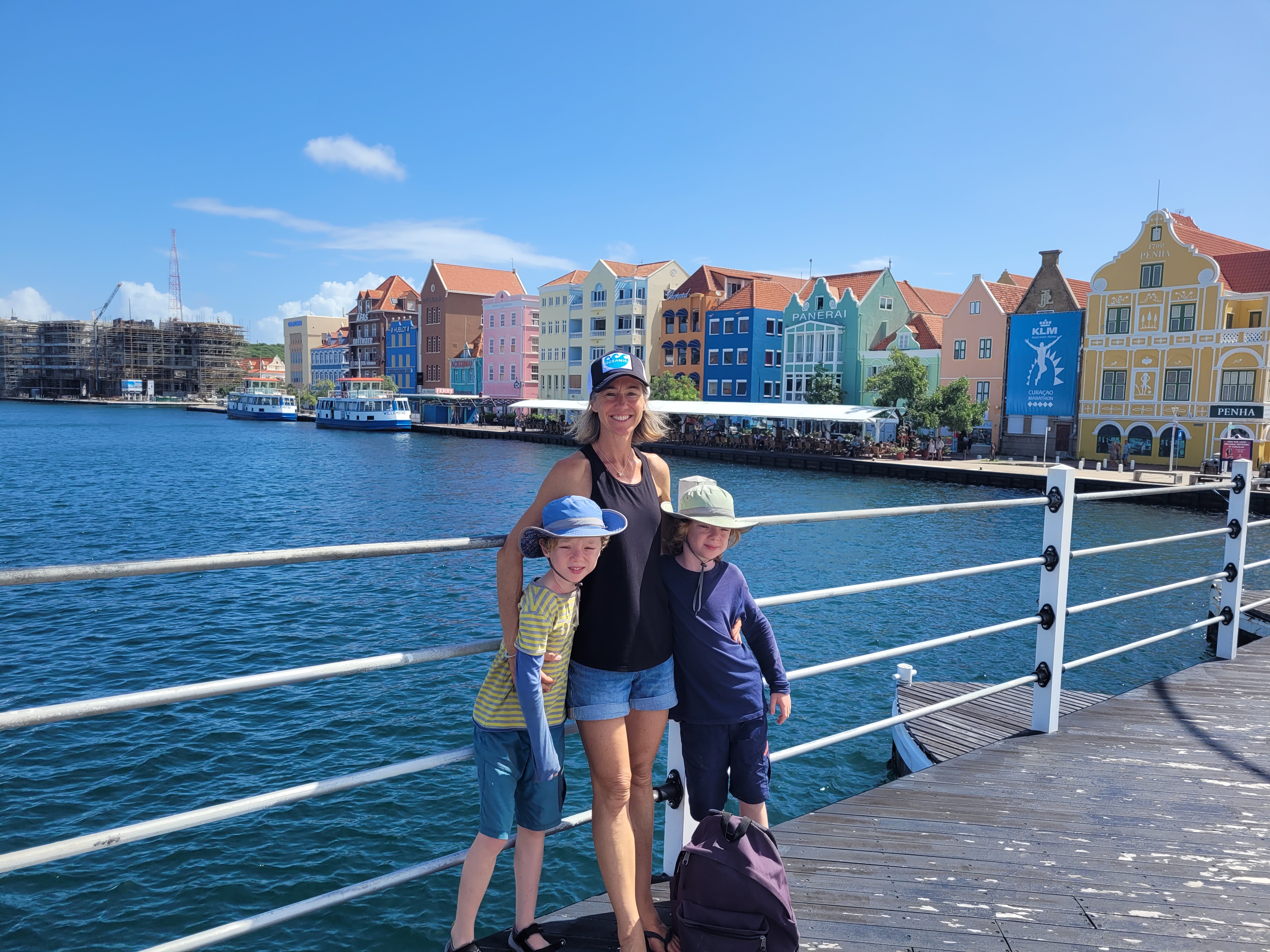
Willemstad is the capital city of Curacao. The city is known for its colorful Dutch colonial architecture, which includes brightly painted buildings in shades of pink, blue, and yellow. The historic center of Willemstad is a UNESCO World Heritage site.

One of the most famous landmarks in Willemstad is the Queen Emma Bridge, also known as the “Swinging Old Lady.” This floating pedestrian bridge connects Punda to the nearby neighborhood of Otrobanda and swings open to allow ships to pass through the harbor. A great time was had watching the bridge open and close and once with us still on it.

Bonaire November 2022

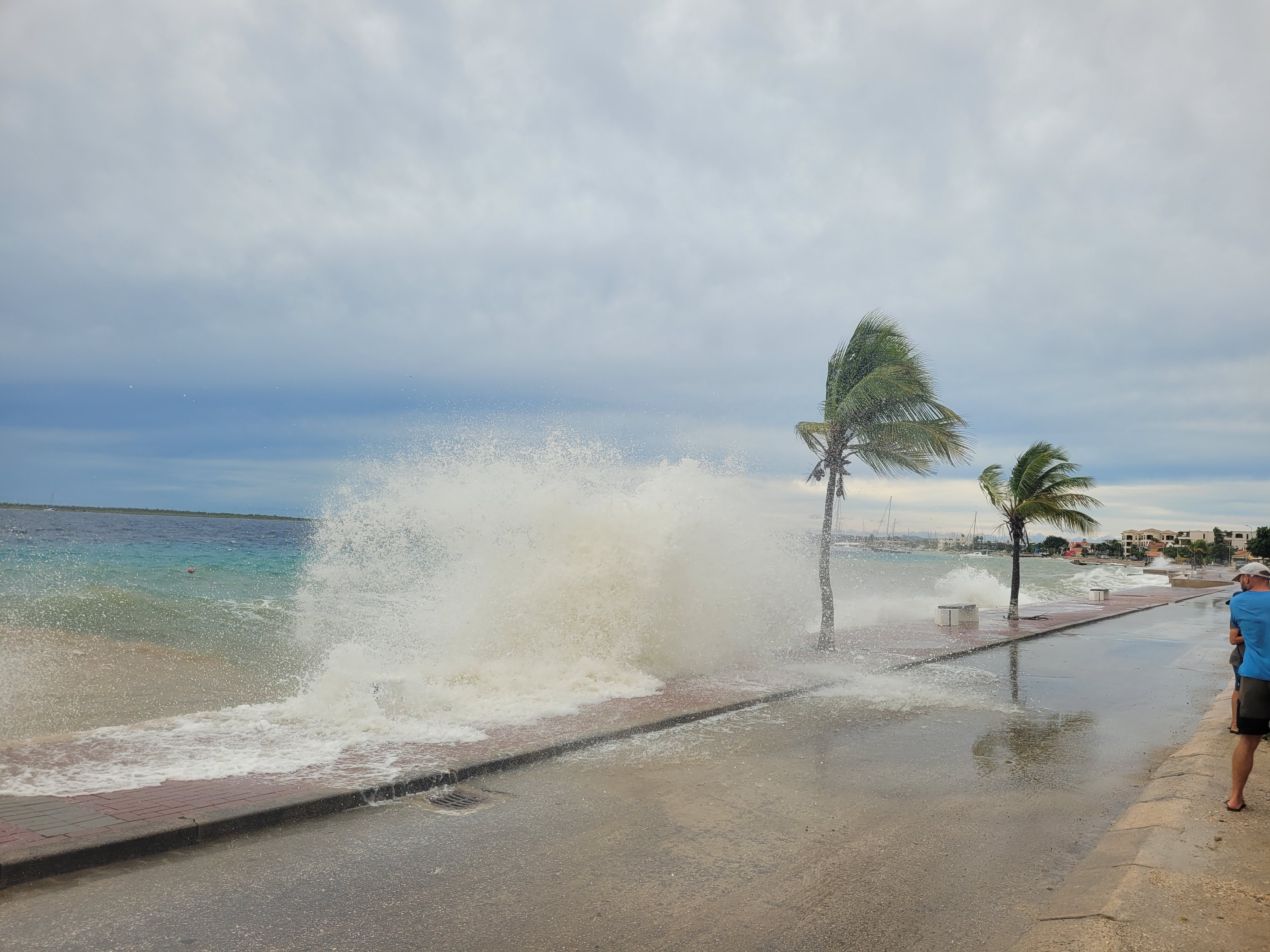
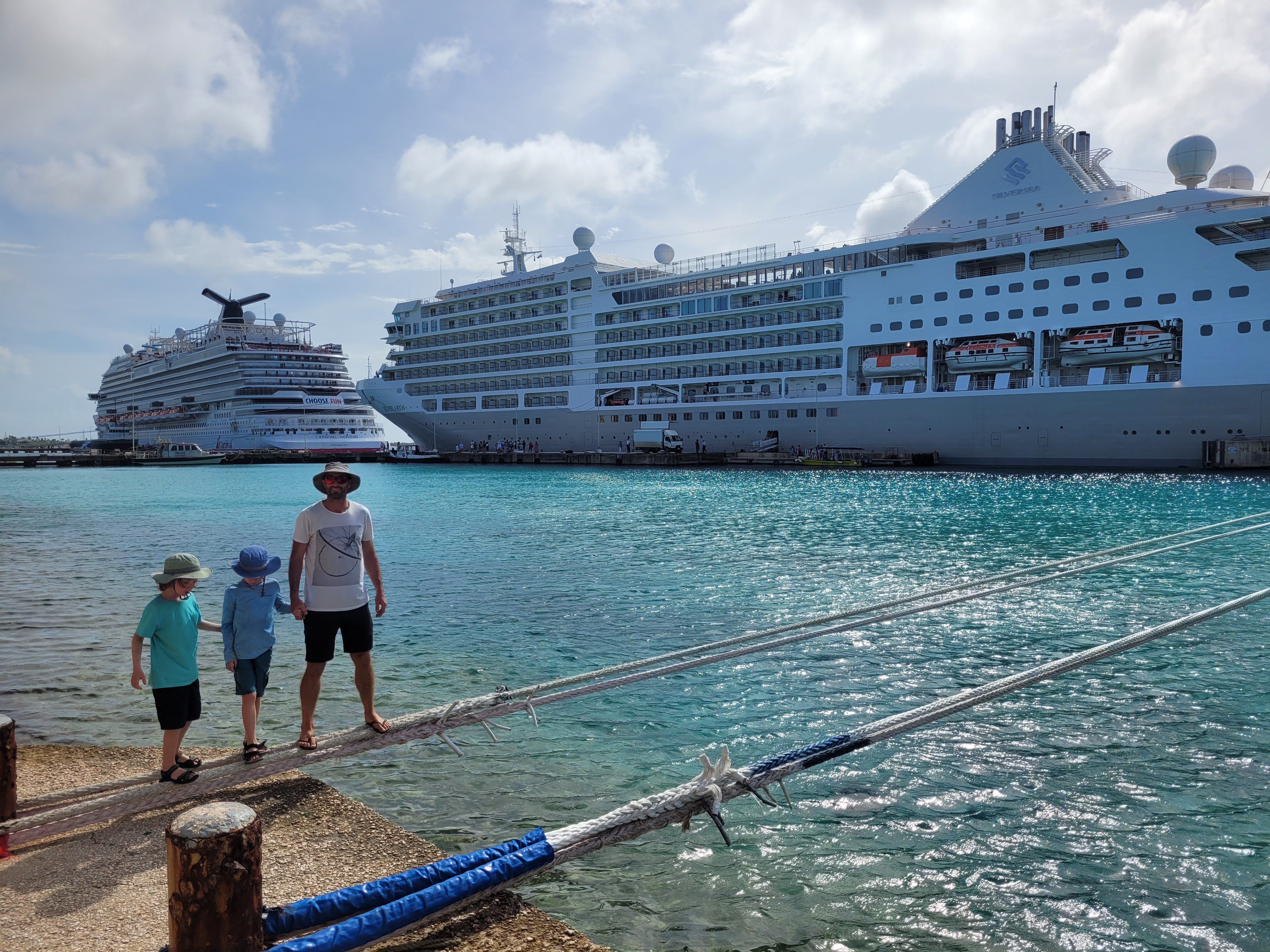
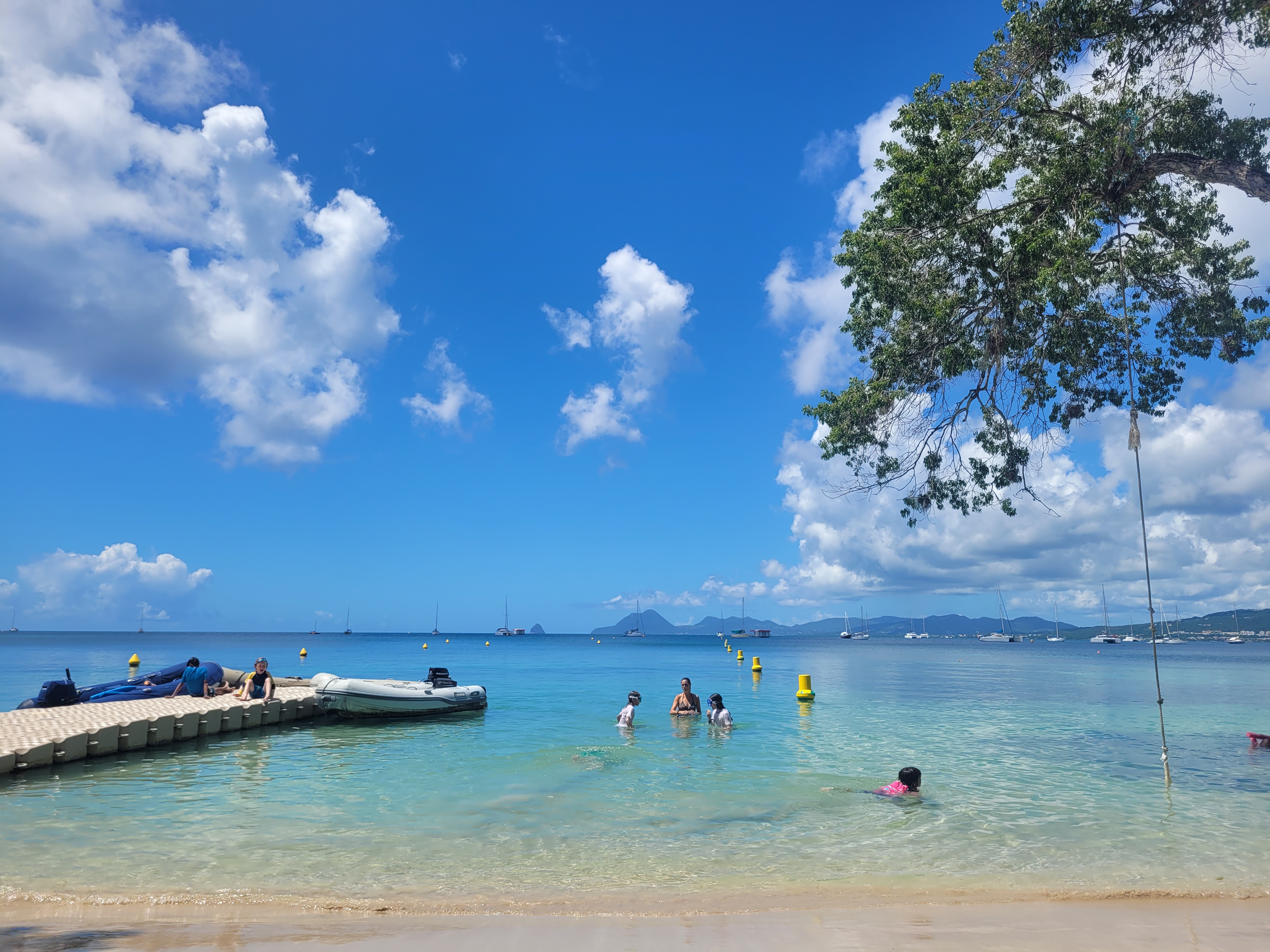
From Martinique, we headed WSW 450nm to Bonaire. Running dead down wind, goose-winged, and with a favourable current, we arrived in the mooring field off Kralendijk in 72hrs. Bonaire is a Dutch island, 50 odd nautical miles off the coast of Venezuela, and is a national park, famed for its marine life and cool diving spots.

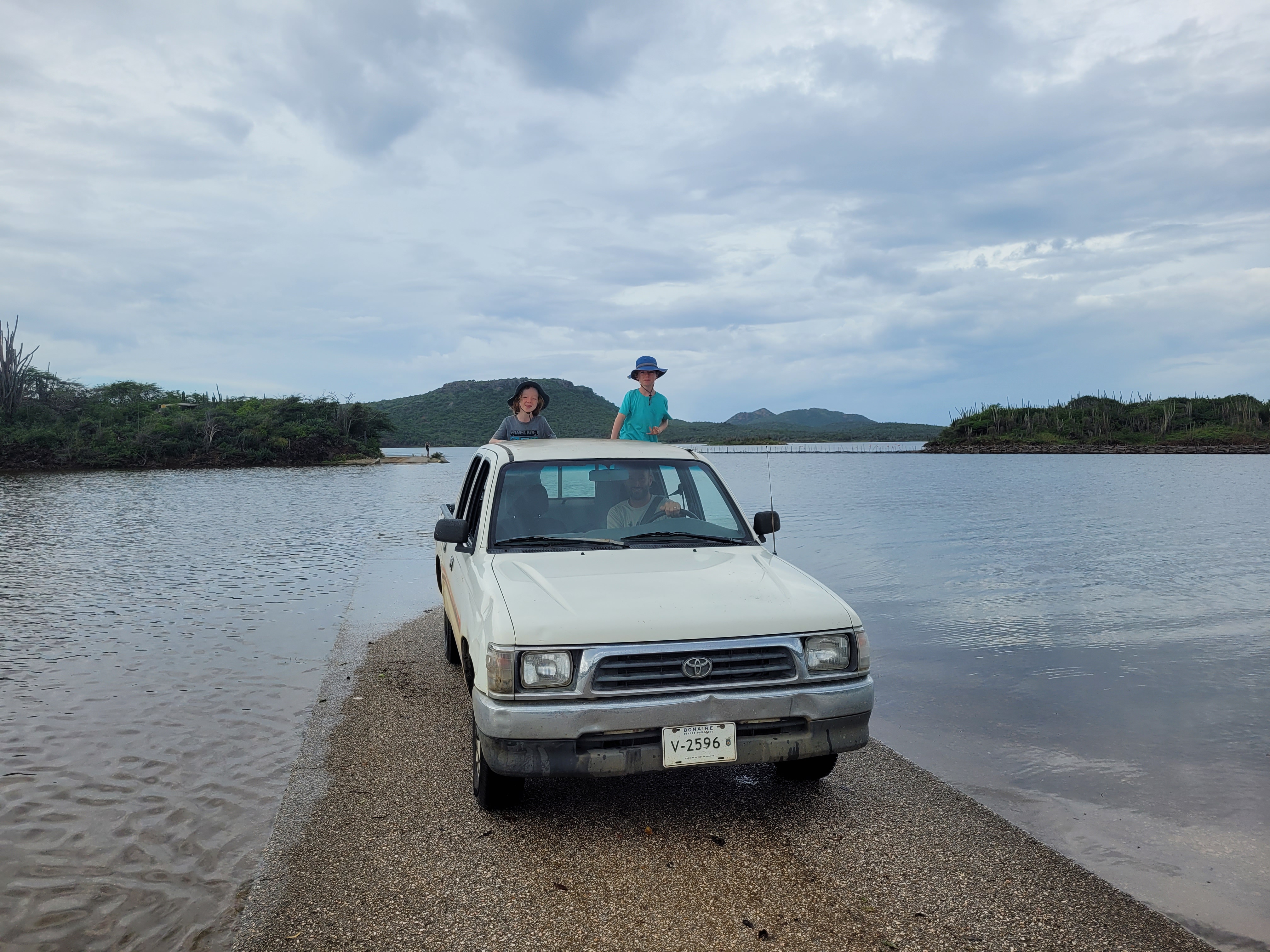
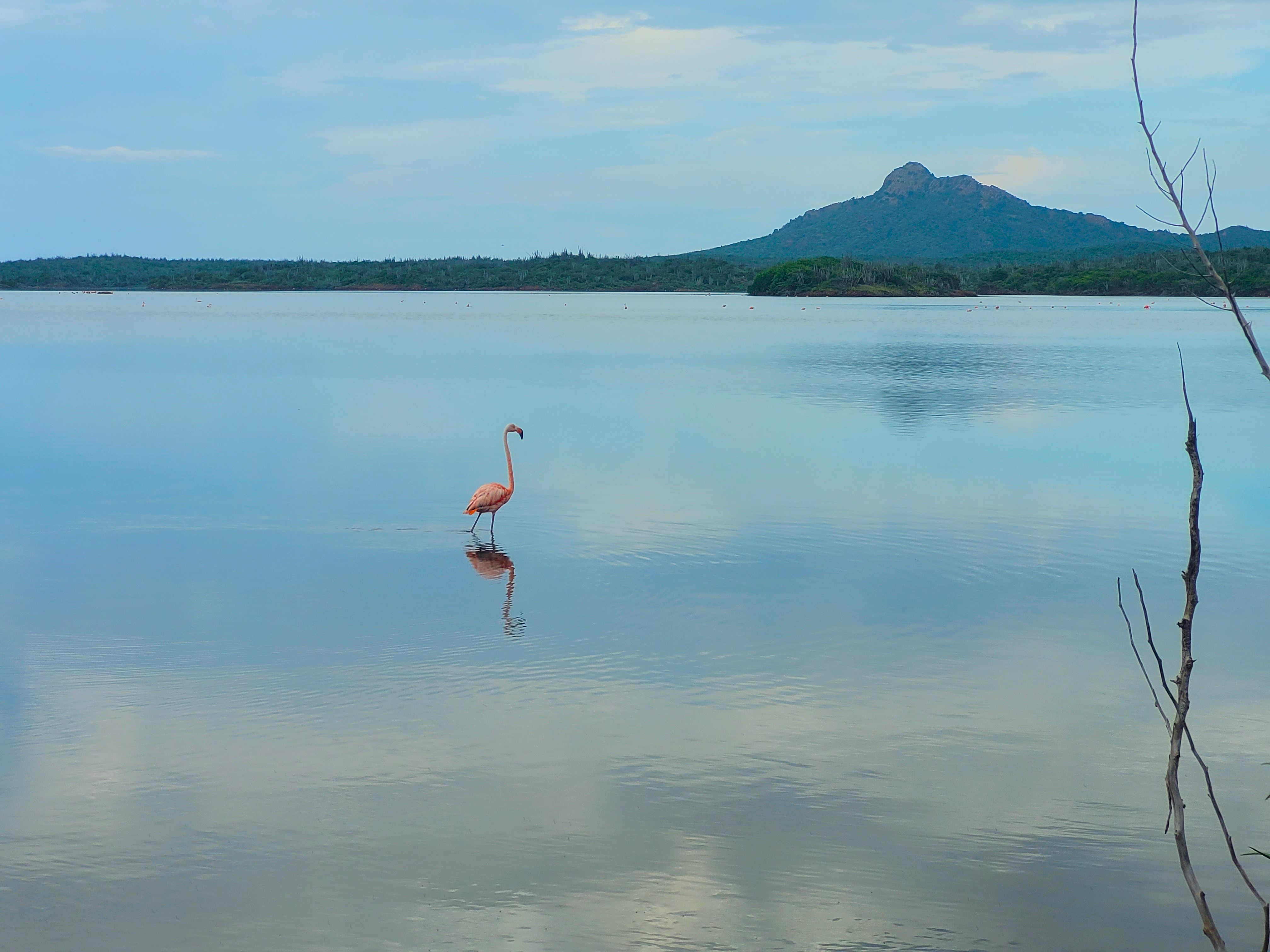
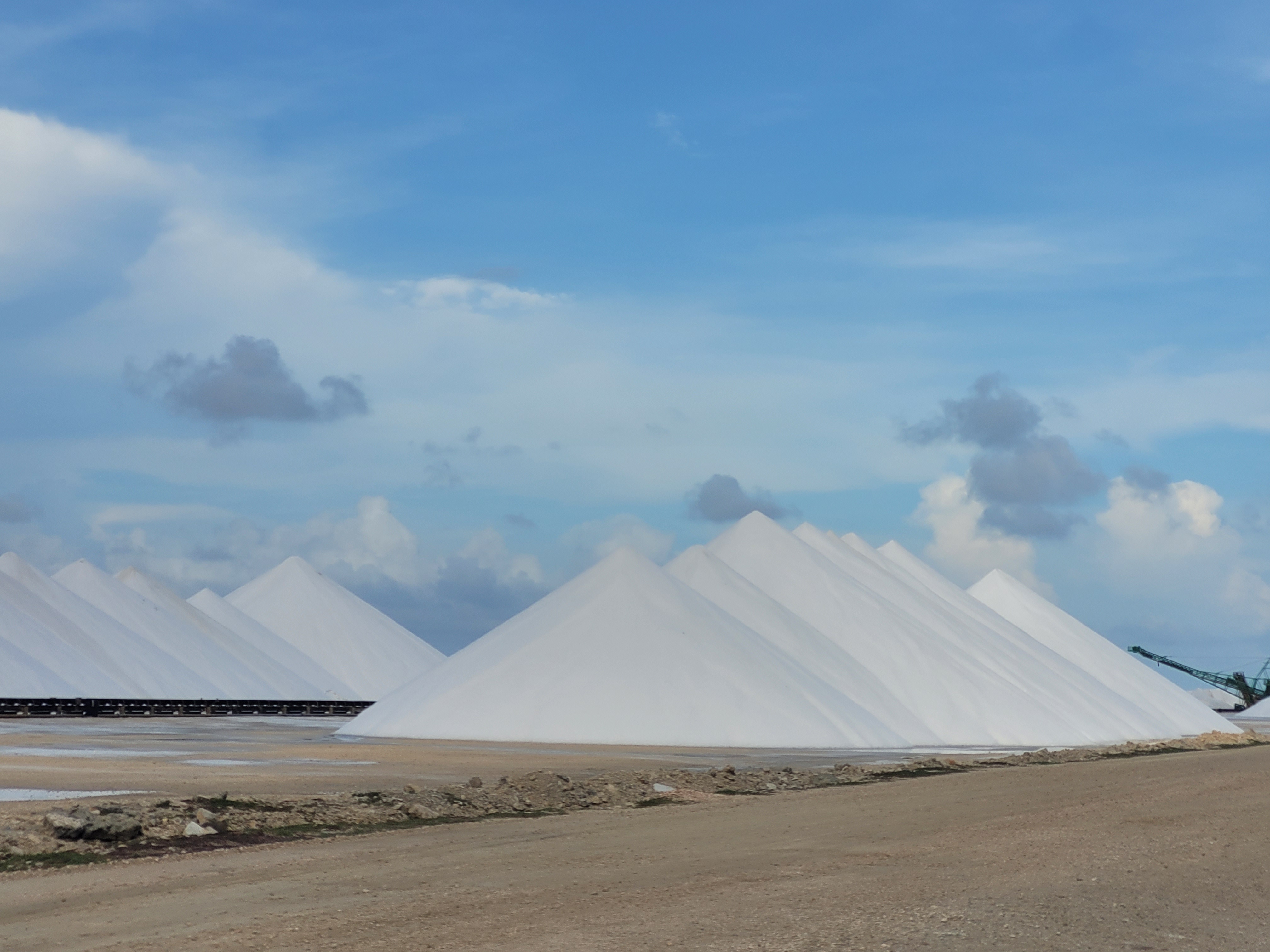
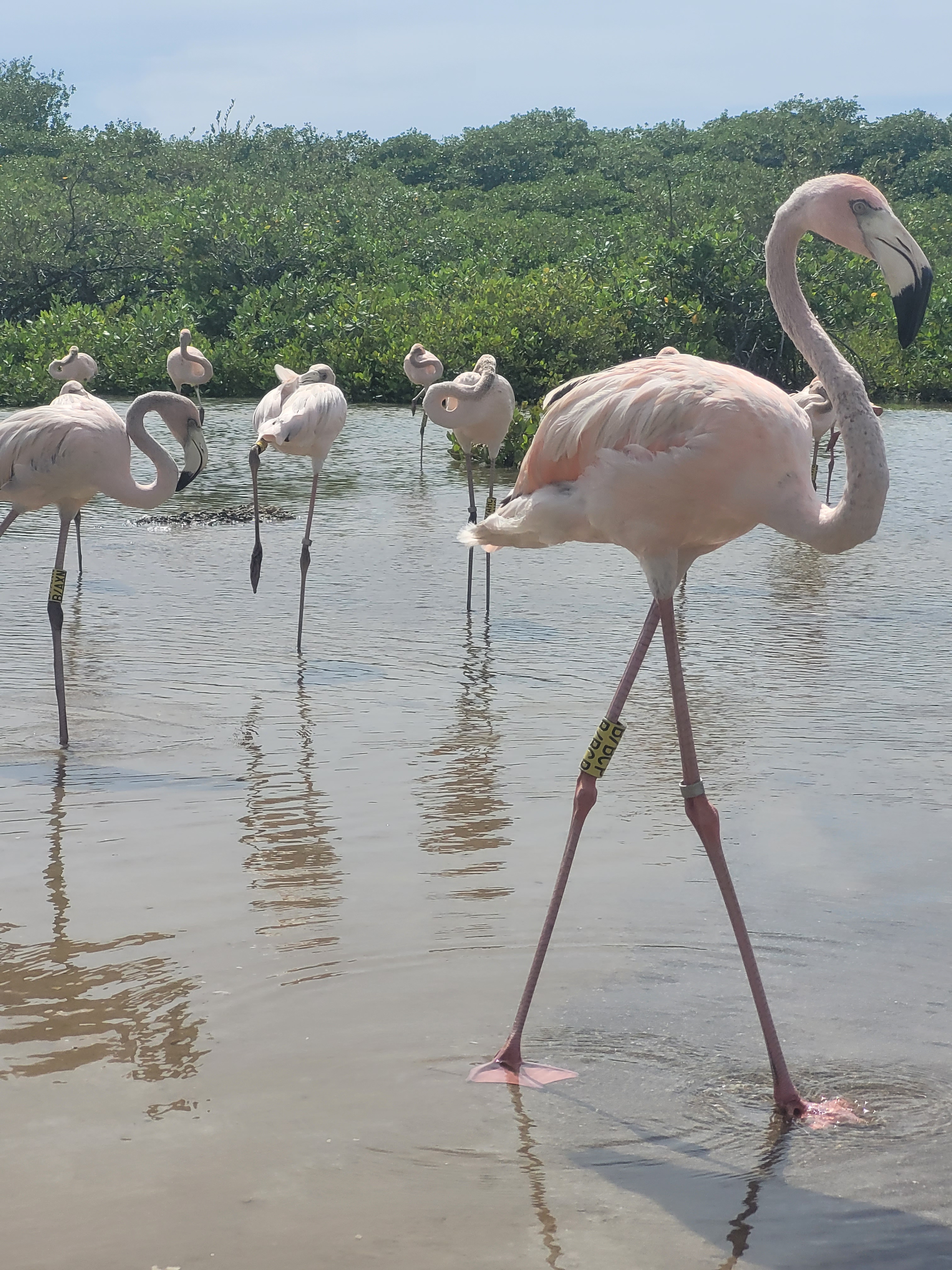
We hired the Rusty Rider for a day and drove a loop of the island, taking in the flamingos on Goto Meer, spotted some Yellow-shouldered Amazon parrots on the Dos Pos hike, had an ice cream stop in the ghost town-like Rincon, viewed some ancient Indian cave graffiti, swam in Lac Bay until we were seen off by the Caribbean’s most aggressive mosquitos, drove past the impressive salt flats and even had time for a quick Geocache.

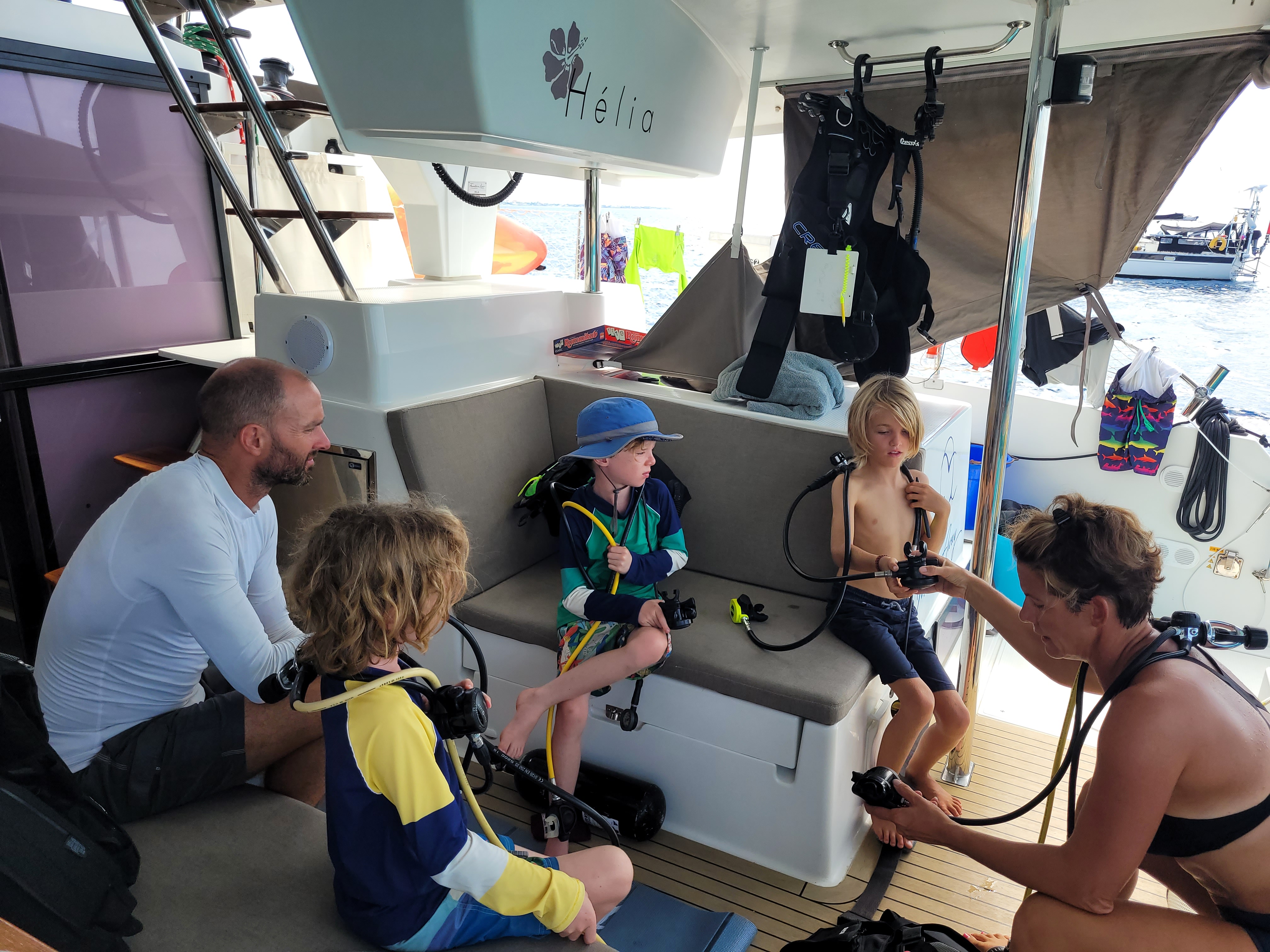
For the four of us, Bonaire’s highlight was unquestionably the diving. Barnaby and Zennor did their first ever dive, thanks to lovely friends on SV Miles Away. They have subsequently developed a passion for all things SCUBA (their Uncle Jules and Grandad Birchenough would be proud!). Angus and I had a couple of dives, the most memorable being a night dive to check out the trippy phenomenon of the ostracods; tiny bioluminescent shrimps that perform a mating display shortly after sunset around a full moon – utterly bonkers and mesmerising.

Martinique October 2022

Next up was a 160nm sail North from Grenada to Martinique for a bit of shopping. We upgraded our rusty 20-year-old 8mm anchor chain for some 10mm shiny G40. We also hit the supermarkets and re-filled our bilges with French produce.

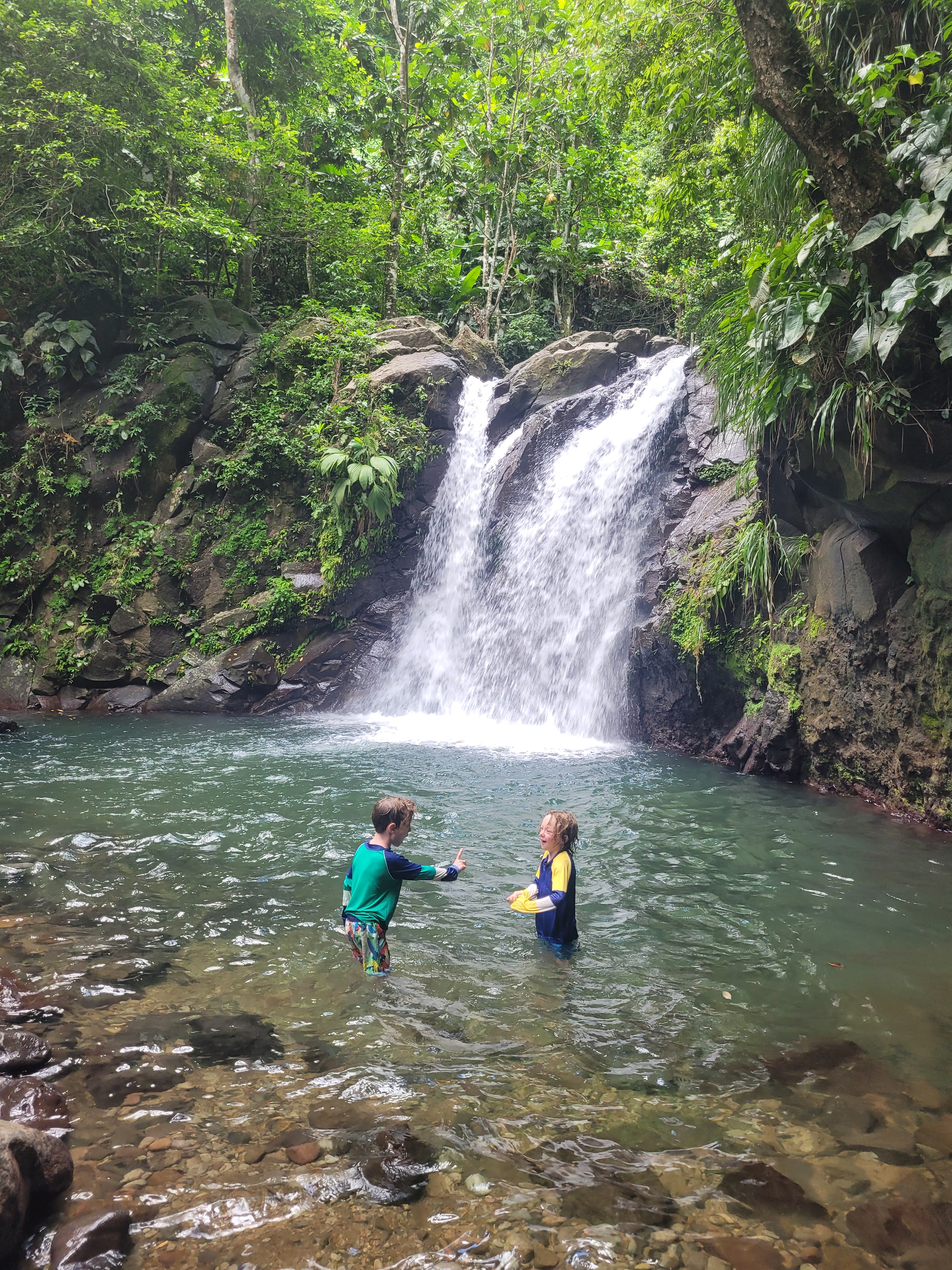
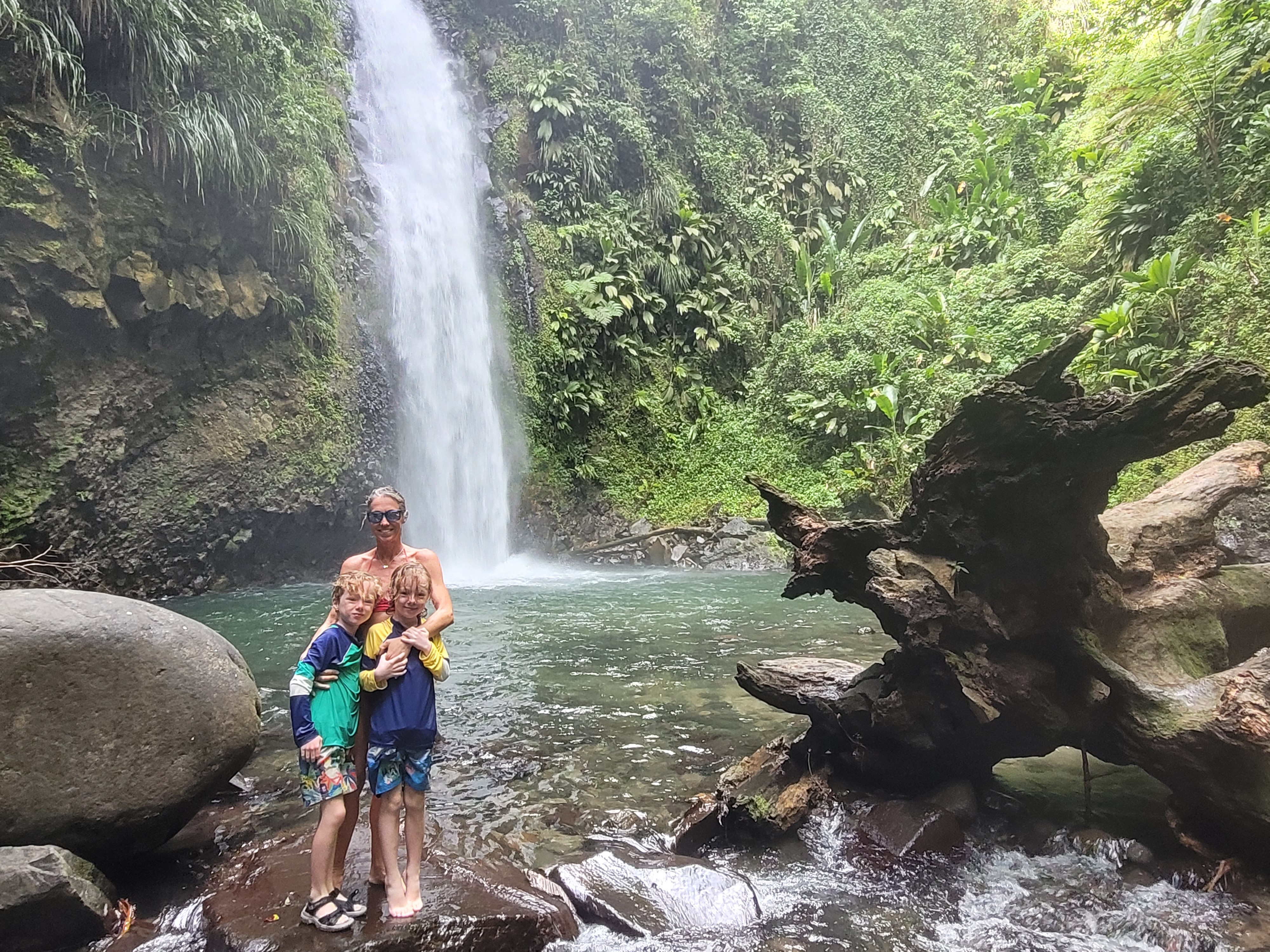
Whilst waiting for a decent weather window to head West, we hiked to Didier falls, re-visited our favourite beach at Salines, checked out Fort de France, explored Les Trois Ilets and celebrated Angus’ birthday.

Grenada June – October 2022

s

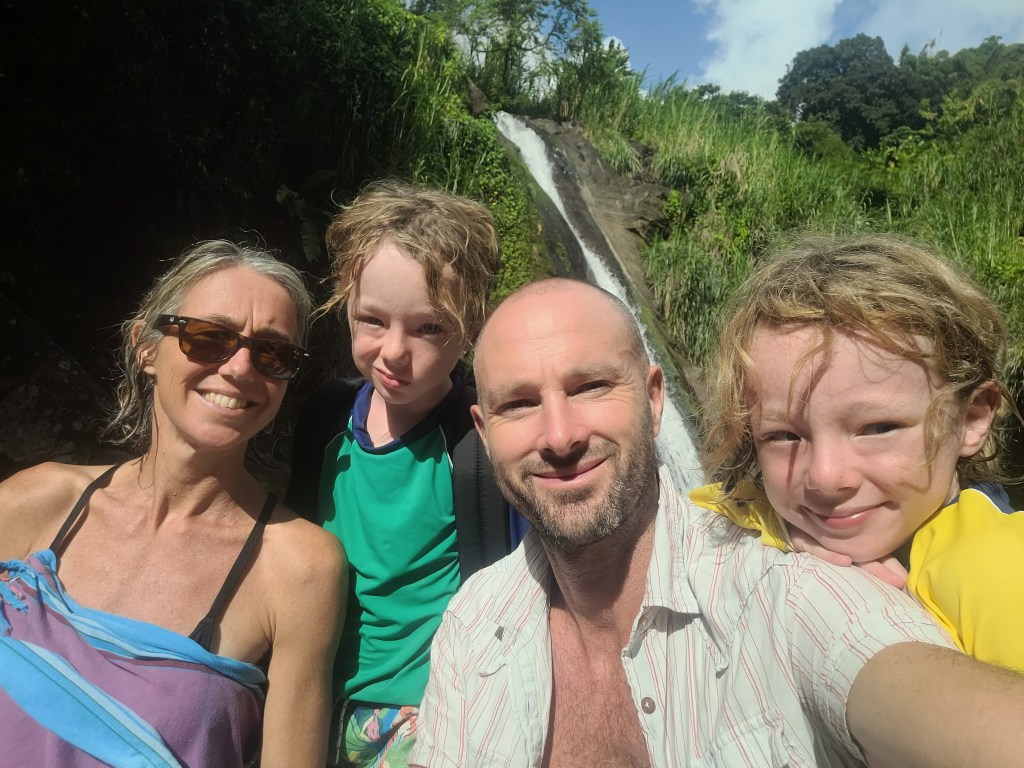
Next up on our tour of the Caribbean was Grenada, the southernmost of the Windward Islands, and considered a safe-ish spot to hang out during the hurricane season. Statistically, you are less likely to be hammered by passing tropical storms here than in more northern islands, which is one of the reasons so many cruisers gather here. Other than providing a safe haven during this period, Grenada is glorious, think dense rainforests, lush mountains with epic waterfalls, wild hikes, hummingbirds, fruit bats and Mona monkeys, rum distilleries, tropical fruits galore, pristine beaches and a riot of international boat kids.


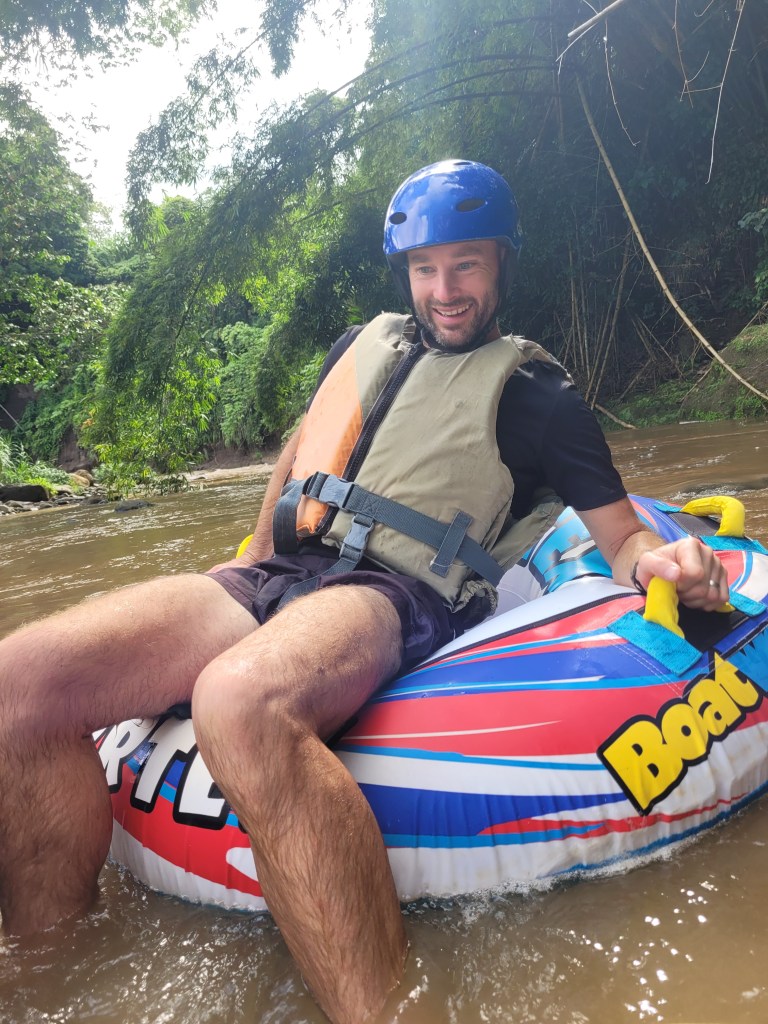
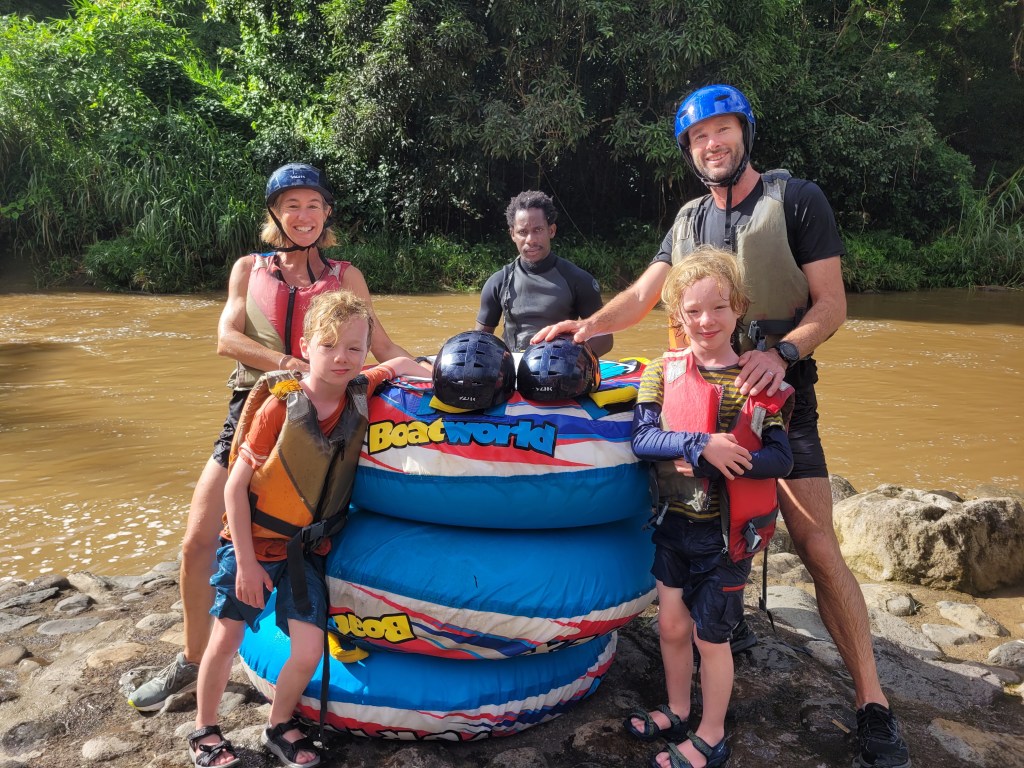
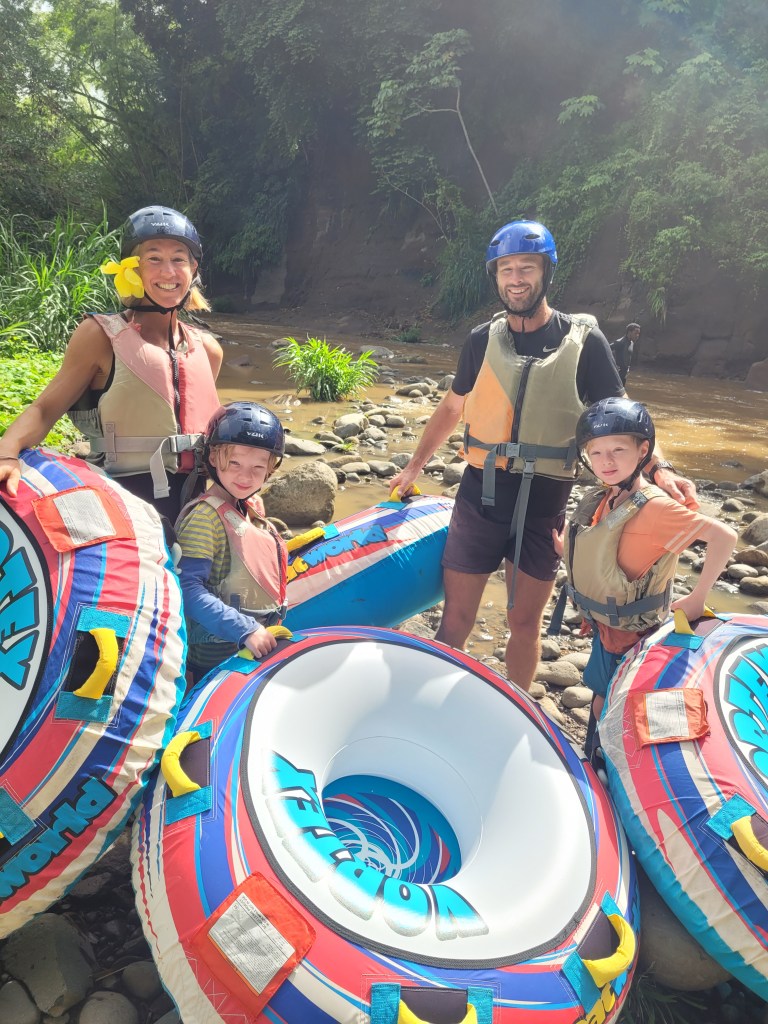
One of Barnaby and Zennor’s favourite days out in Grenada was spent hurtling down rapids on the Balthazar River


Boat Jobs

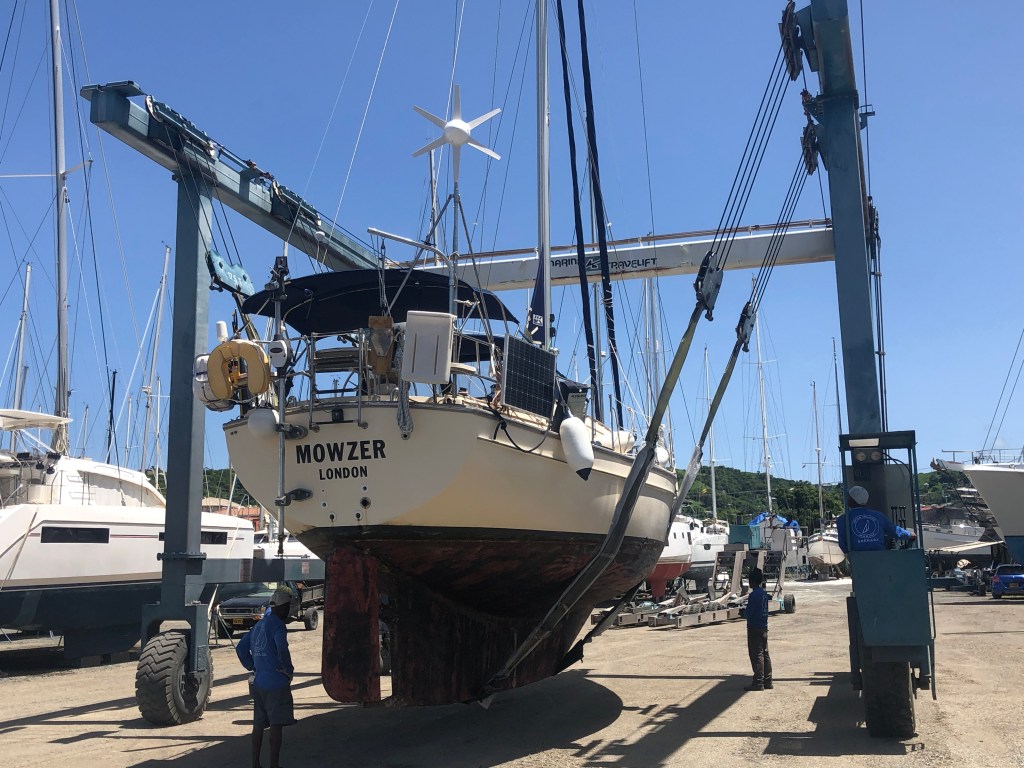
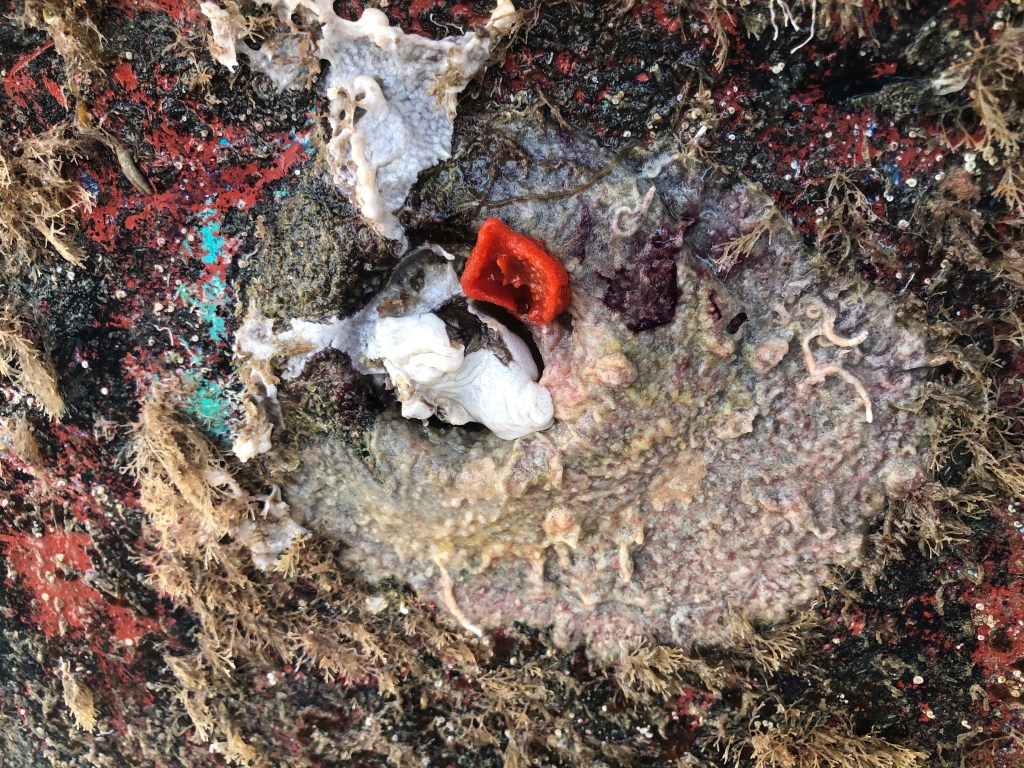
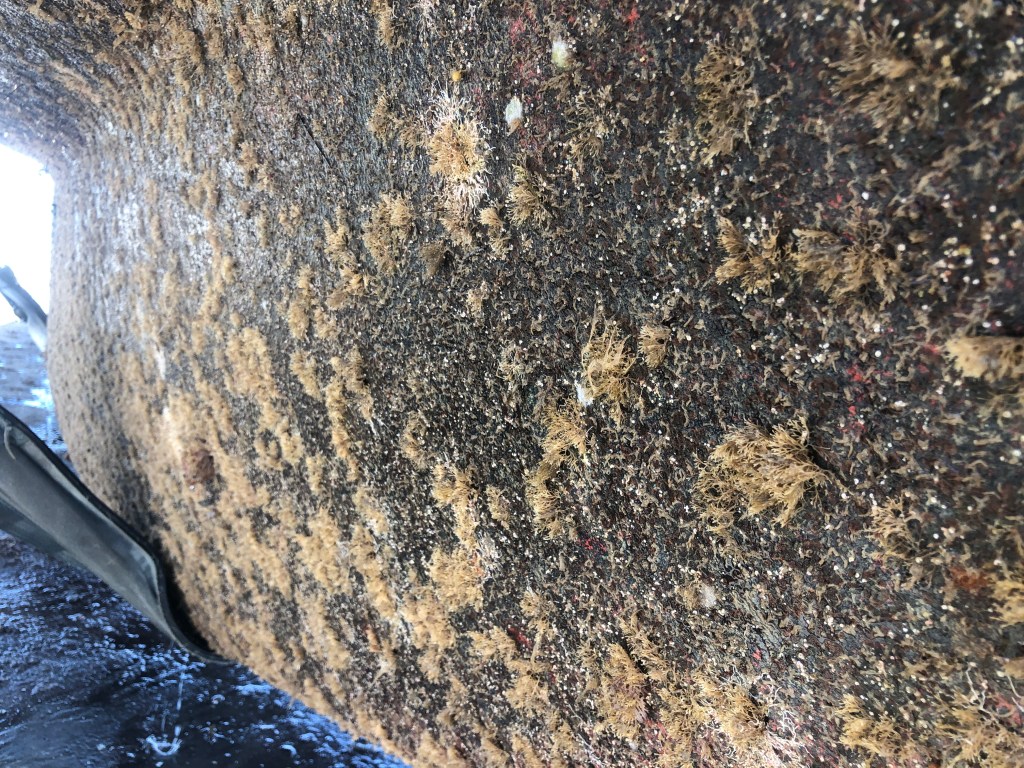
Contrary to popular belief, life aboard is not all pretty sunsets and cocktails. Boat maintenance is a constant stress as the harsh marine environment; salt, wind, water and relentless UV, means that the attrition rate is high; things break, seize, corrode, degrade and die. Slowing down for a while in Grenada, allowed us to get some long-overdue boat jobs ticked off our list. We hauled out for a week in Spice Island Marine to replace our antifouling as our hull had sprouted its own thriving ecosystem complete with barnacles, impressive seaweeds, crabs and damsel fish. We also replaced the wind instruments that died on our Atlantic crossing, serviced our engine, re-varnished our cabin sole, replaced the sacrificial UV strip on our aged staysail and sewed a cover for our dinghy to preserve its life in the tropical sunshine. Despite our endeavors, the job list remains infinite.


Carnival

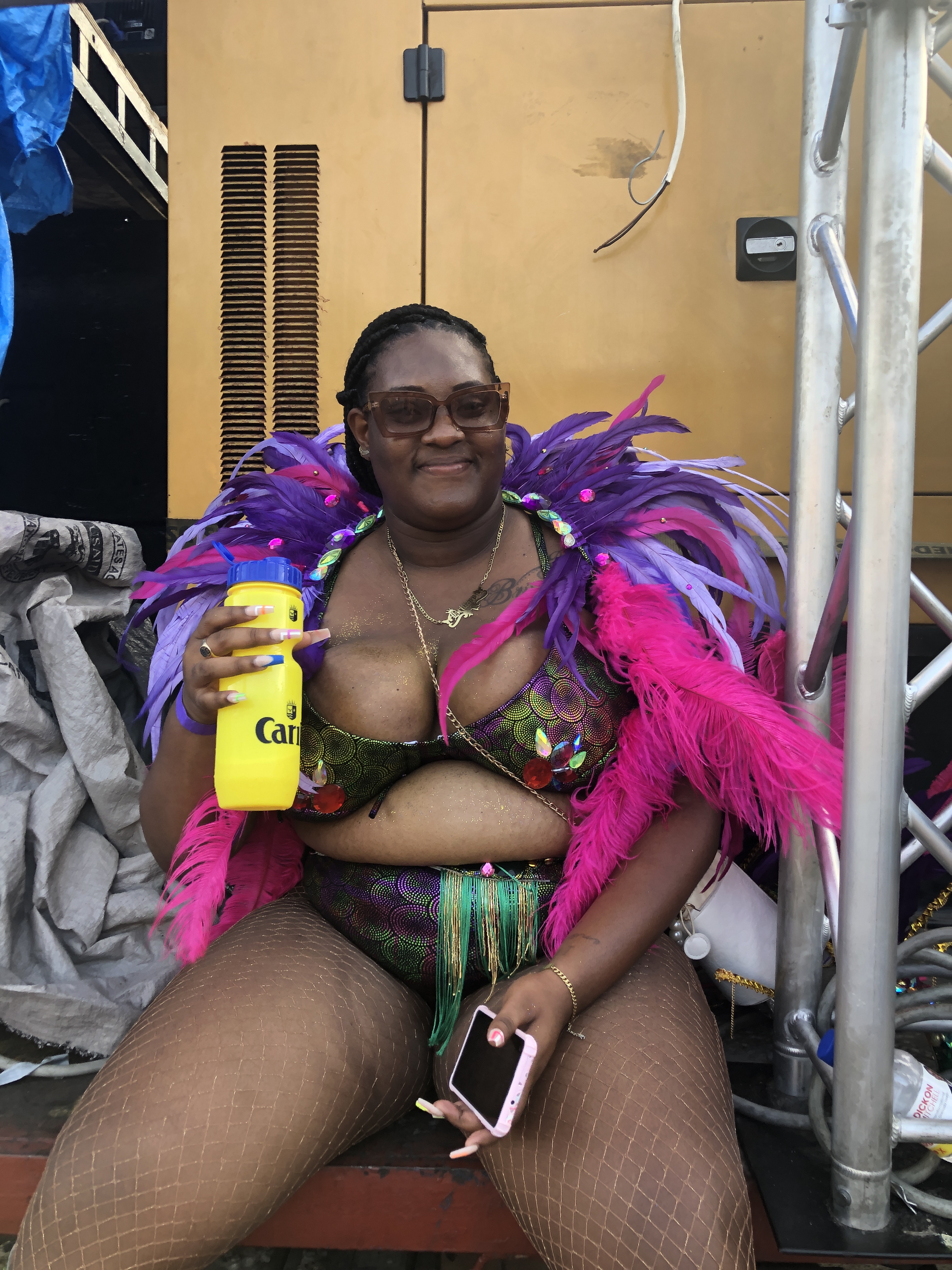
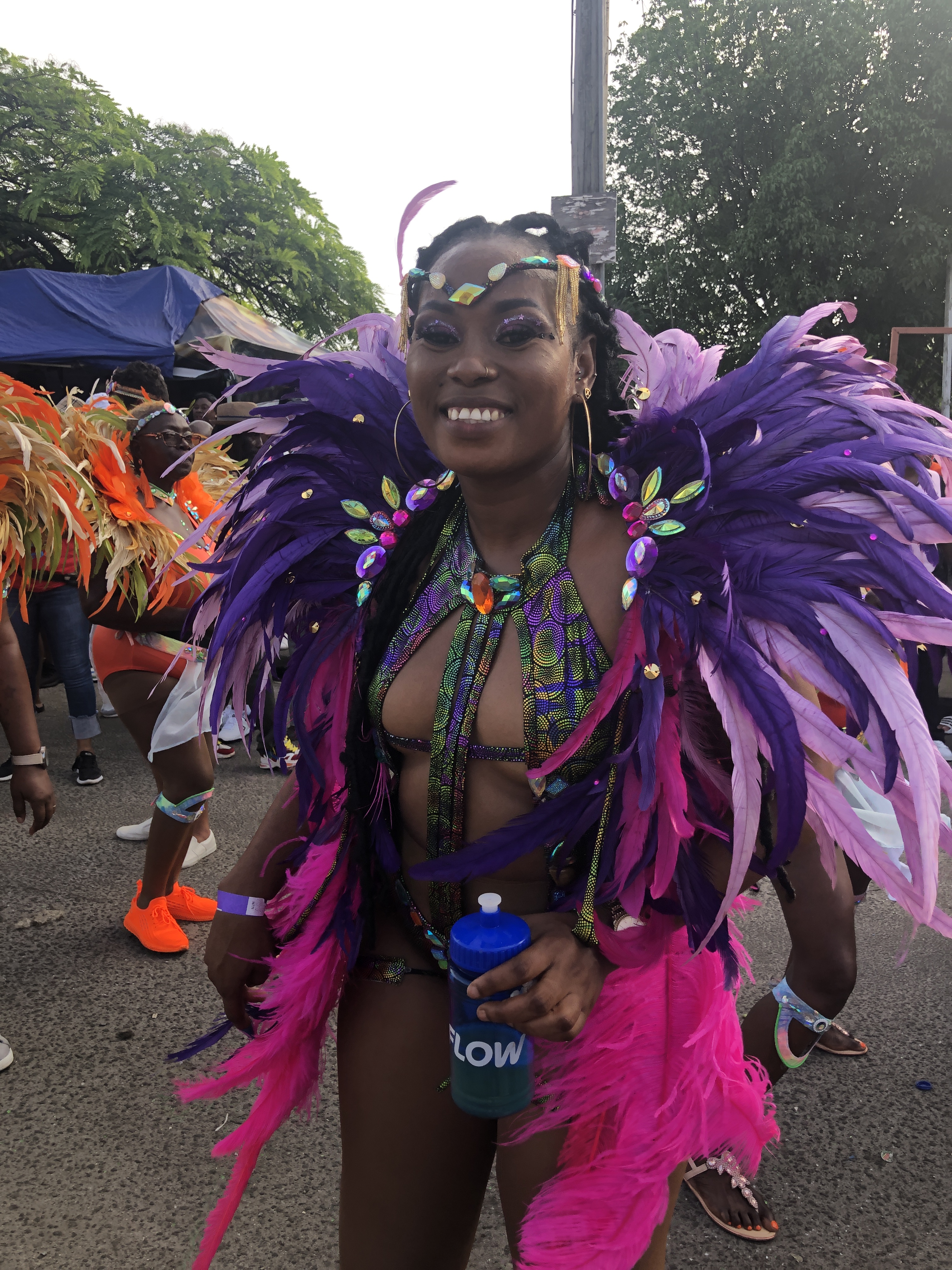
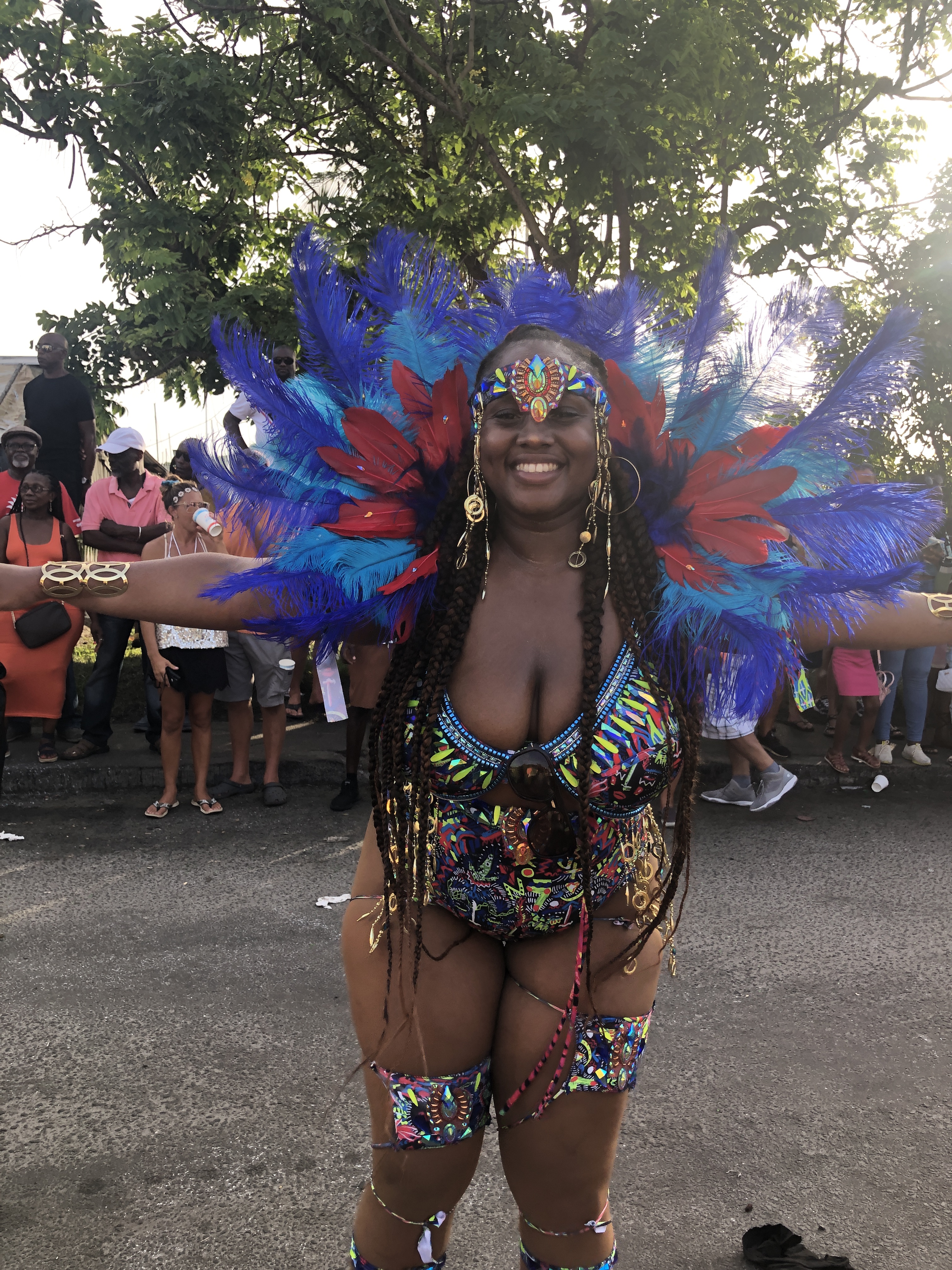
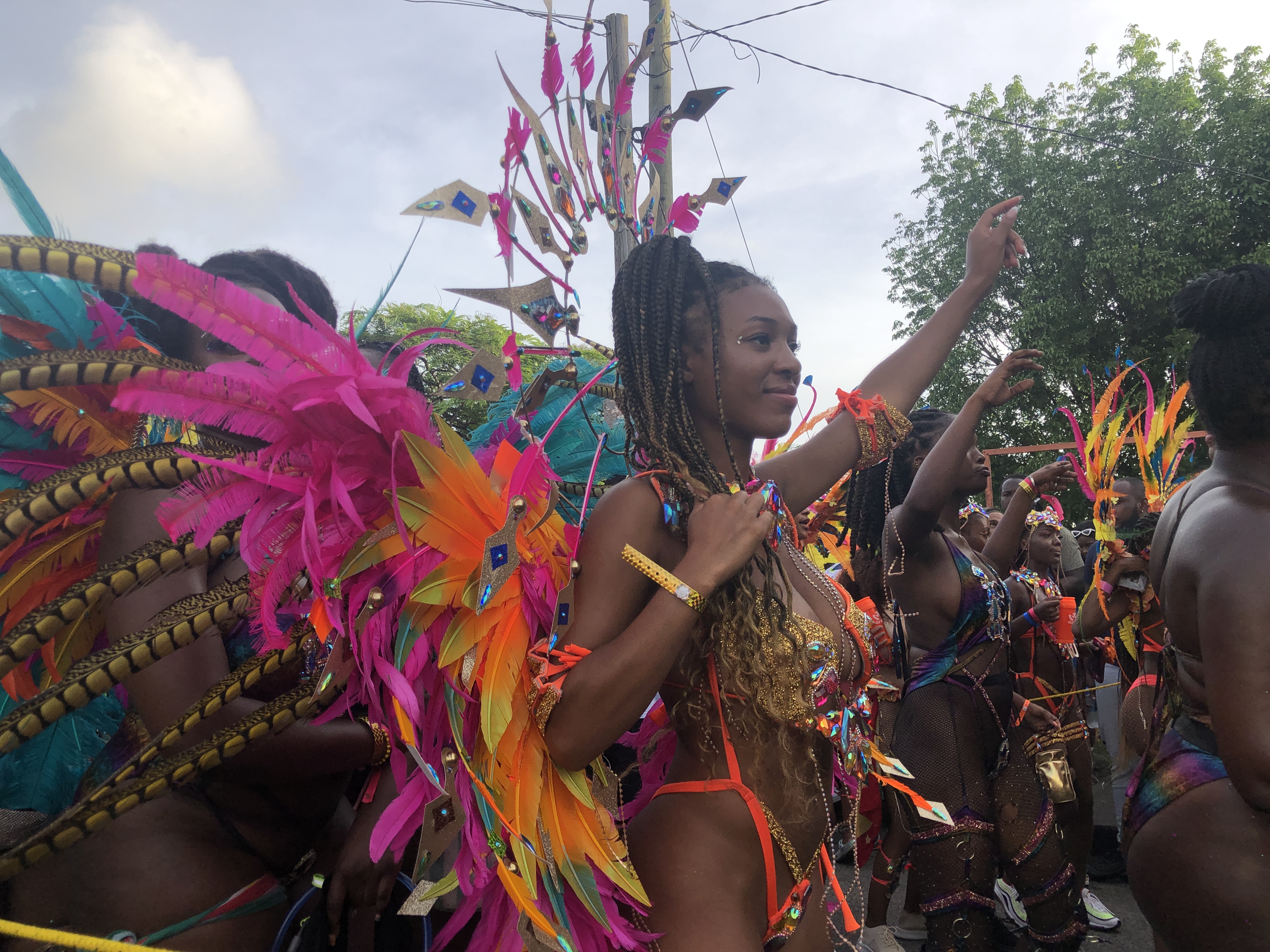
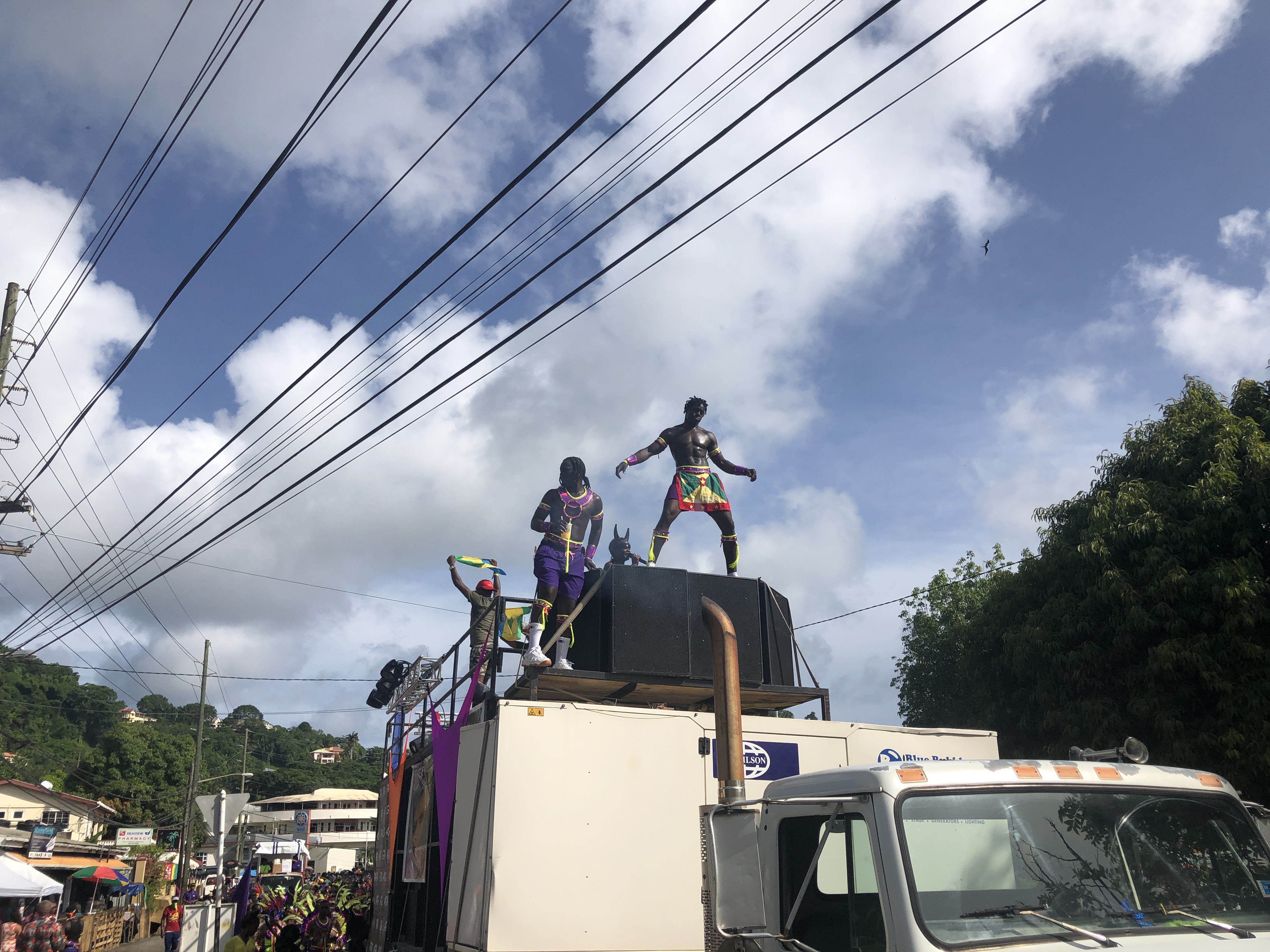
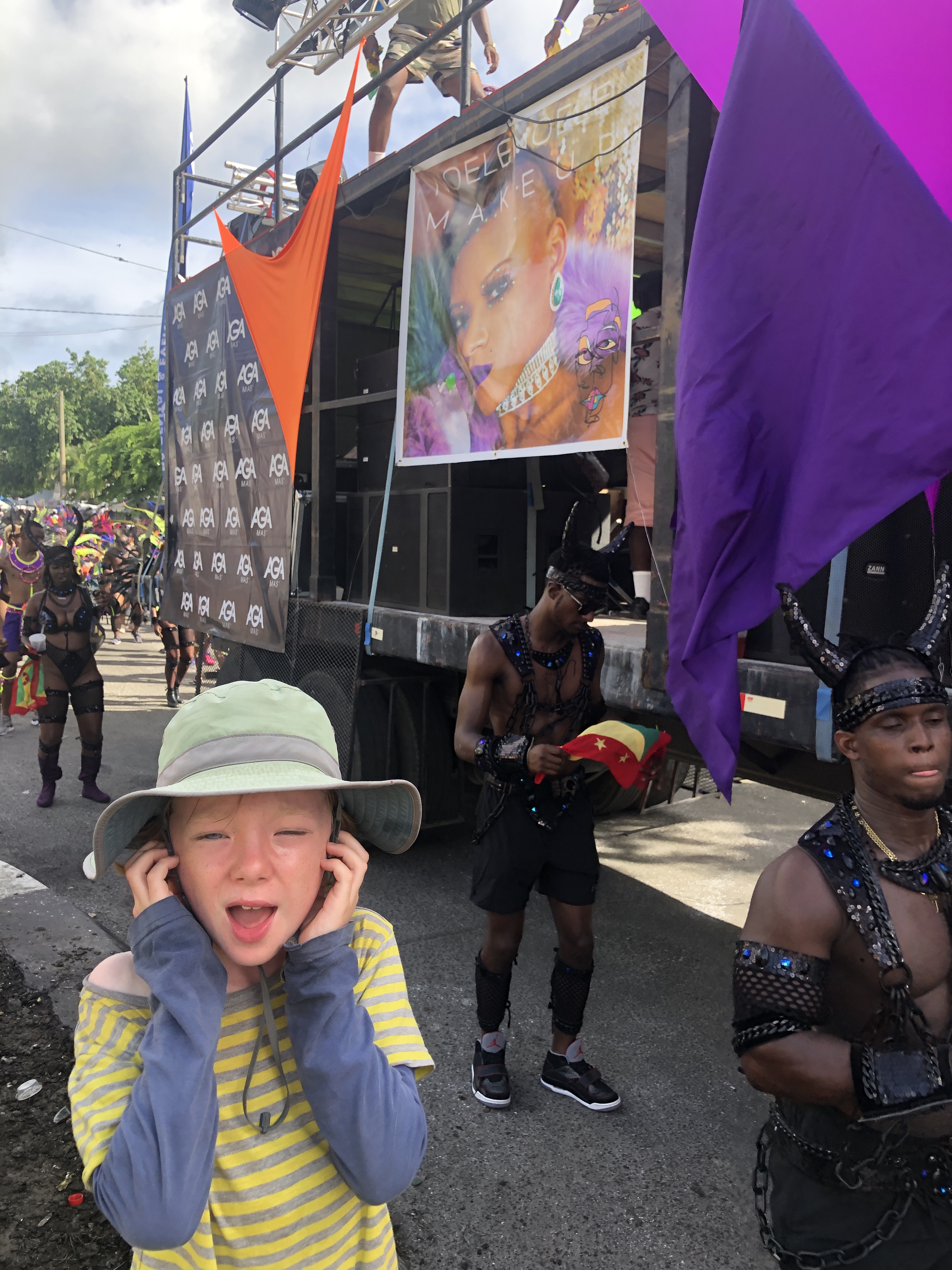
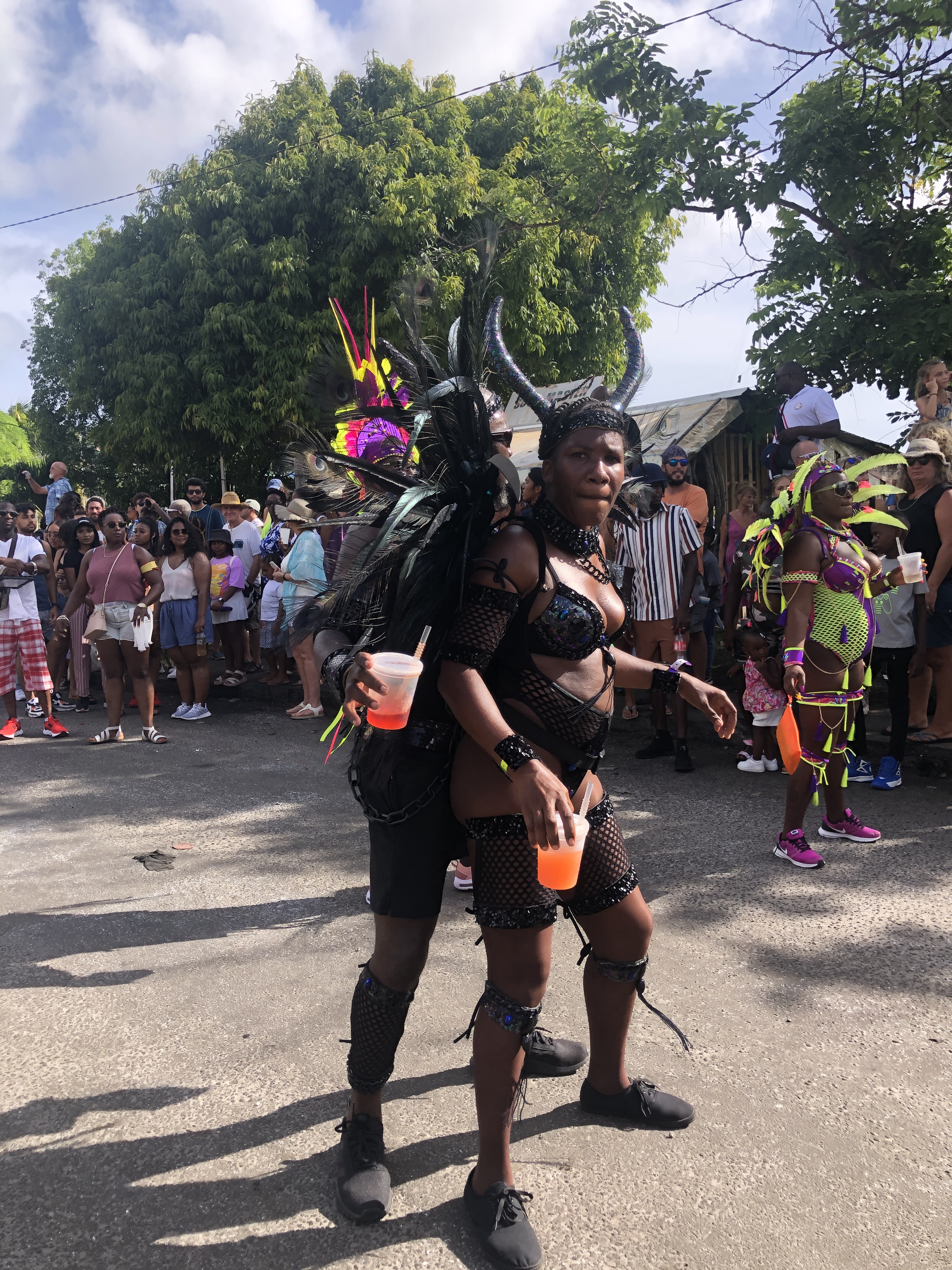
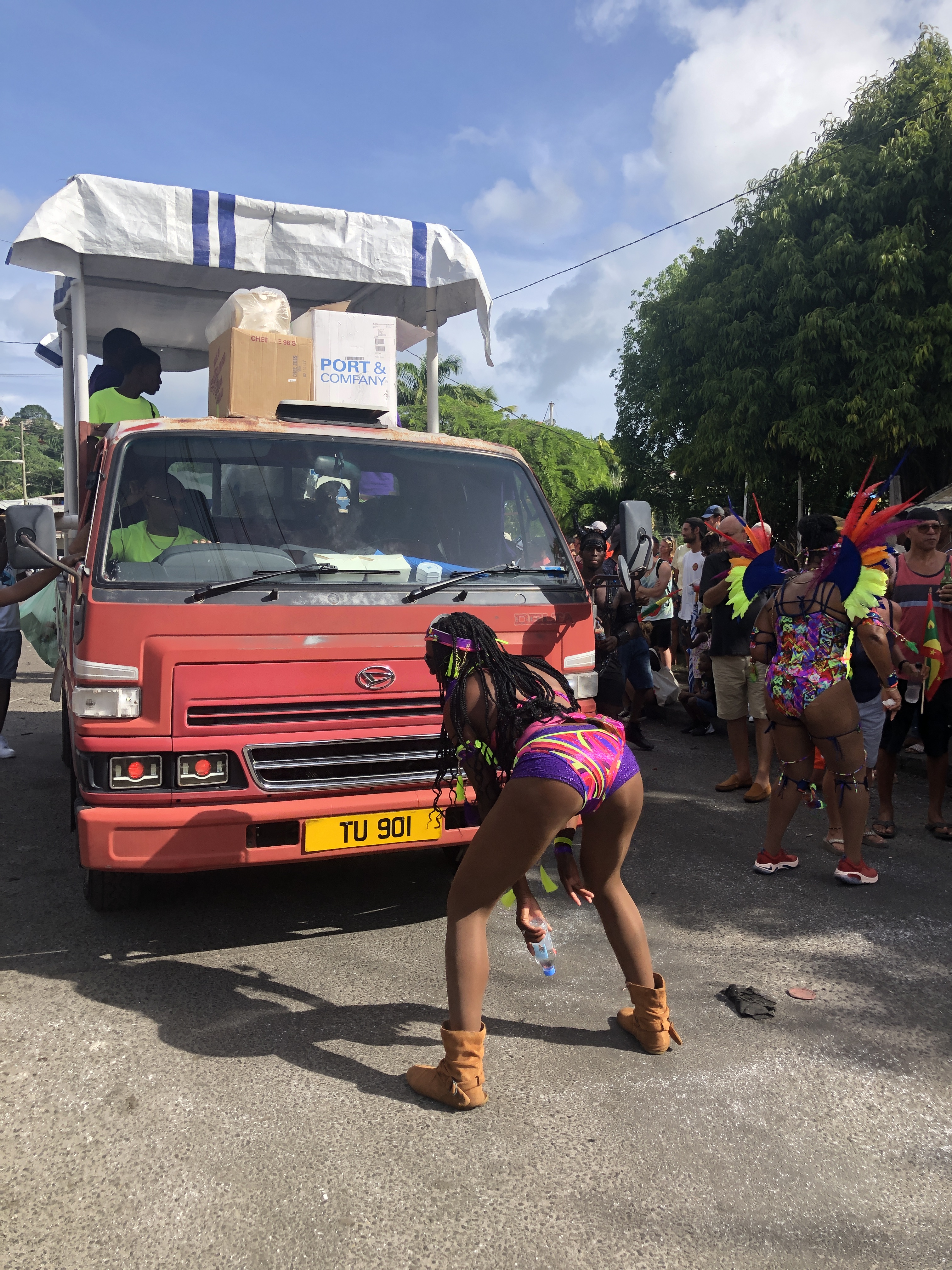
Carnival or ‘Spice Mas’ in Grenada’s capital, St George’s was a riot of elaborate feathered costumes, booming amplifiers on flatbed trucks, soca, steel bands, oil down, jab jab, and much liming.


Exercising on a boat

Most mornings a gang of cruisers met at dawn to tackle the climb out of Le Phare Bleu marina to run the neighbouring streets of Egmont. In addition to smashing local Strava segments, we set our target as the local half marathon in St George’s which saw club members taking 1st, 2nd and 3rd place (though, admittedly the competition was limited!).

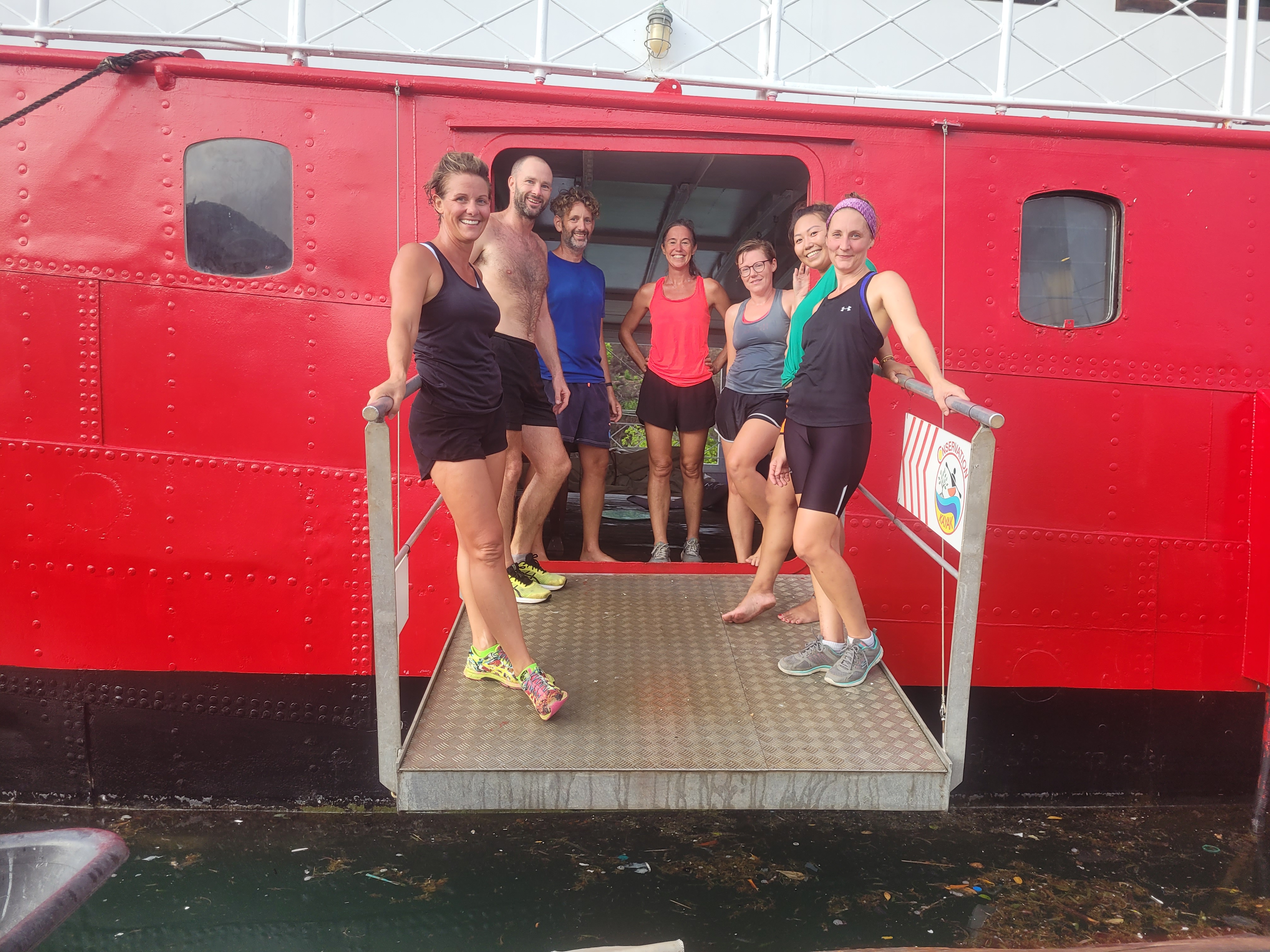
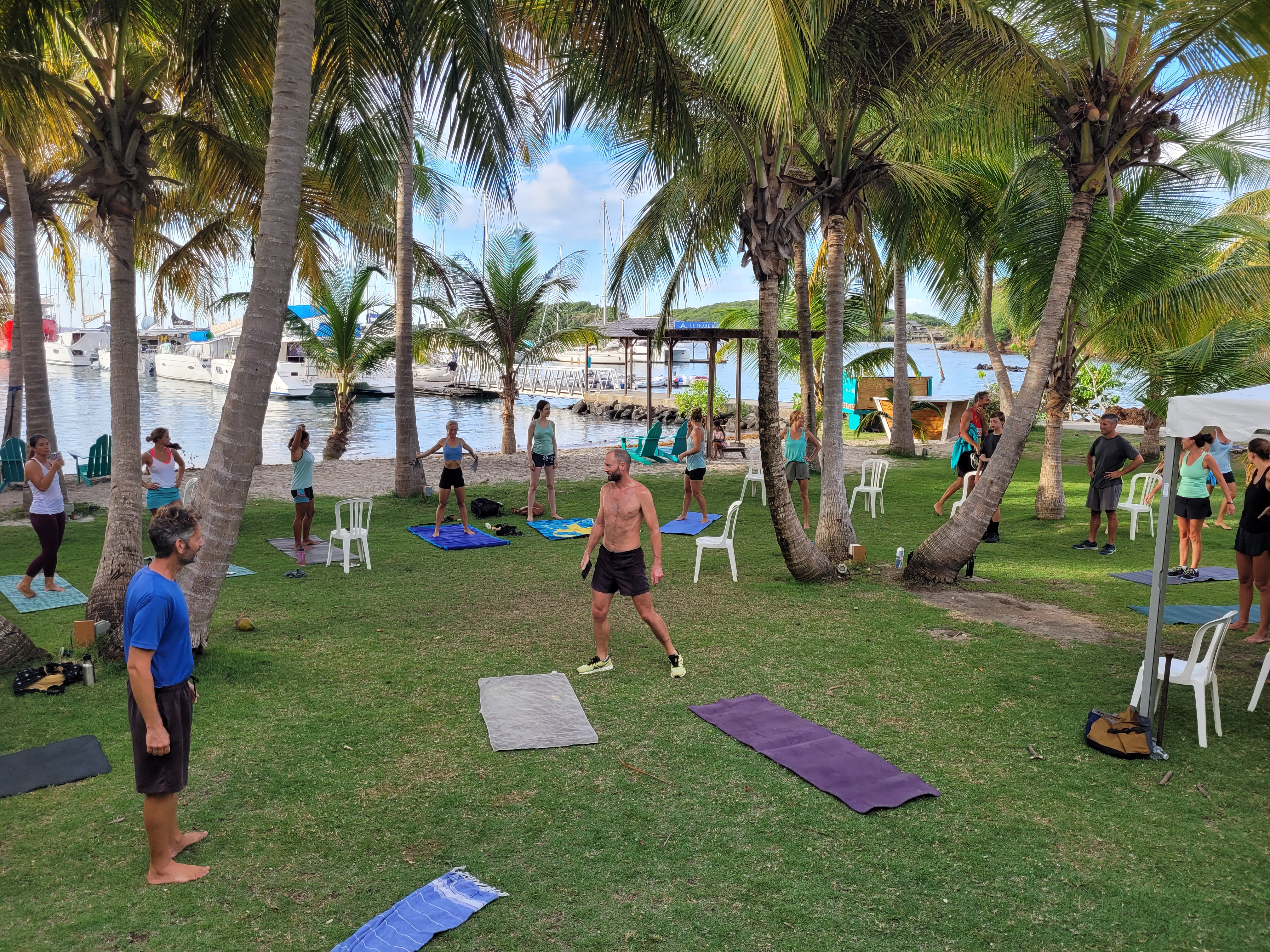
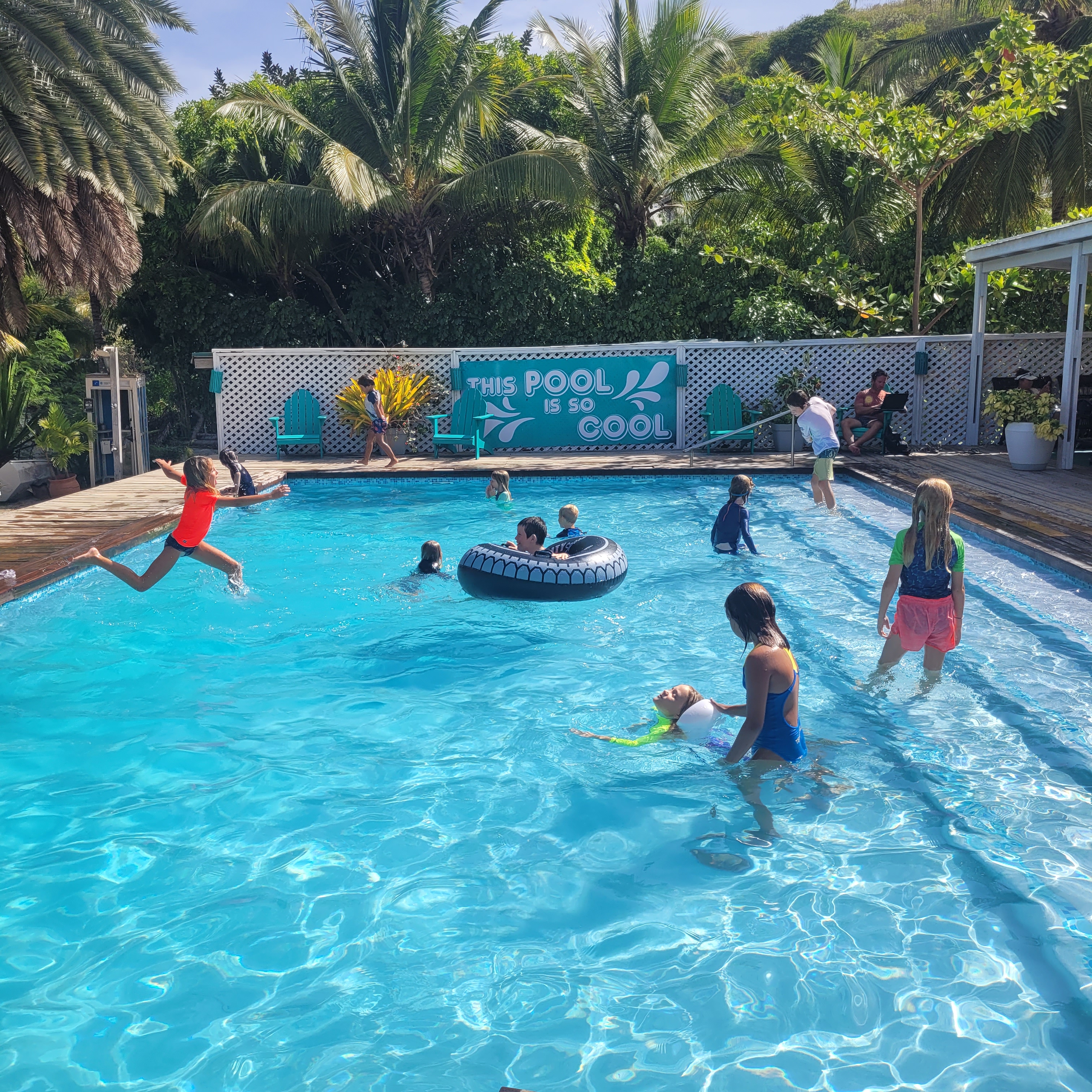
We also founded a Le Phare Bleu circuits session, held on the Vastra Banken lightship, or amongst the coconut palms by the beach. A motley crew of 20-ish cruisers, and a few boat dogs, arrived by dinghy at dawn to sweat it out amongst the mosquitos and fruit bats, followed by a cool down in the marina pool.

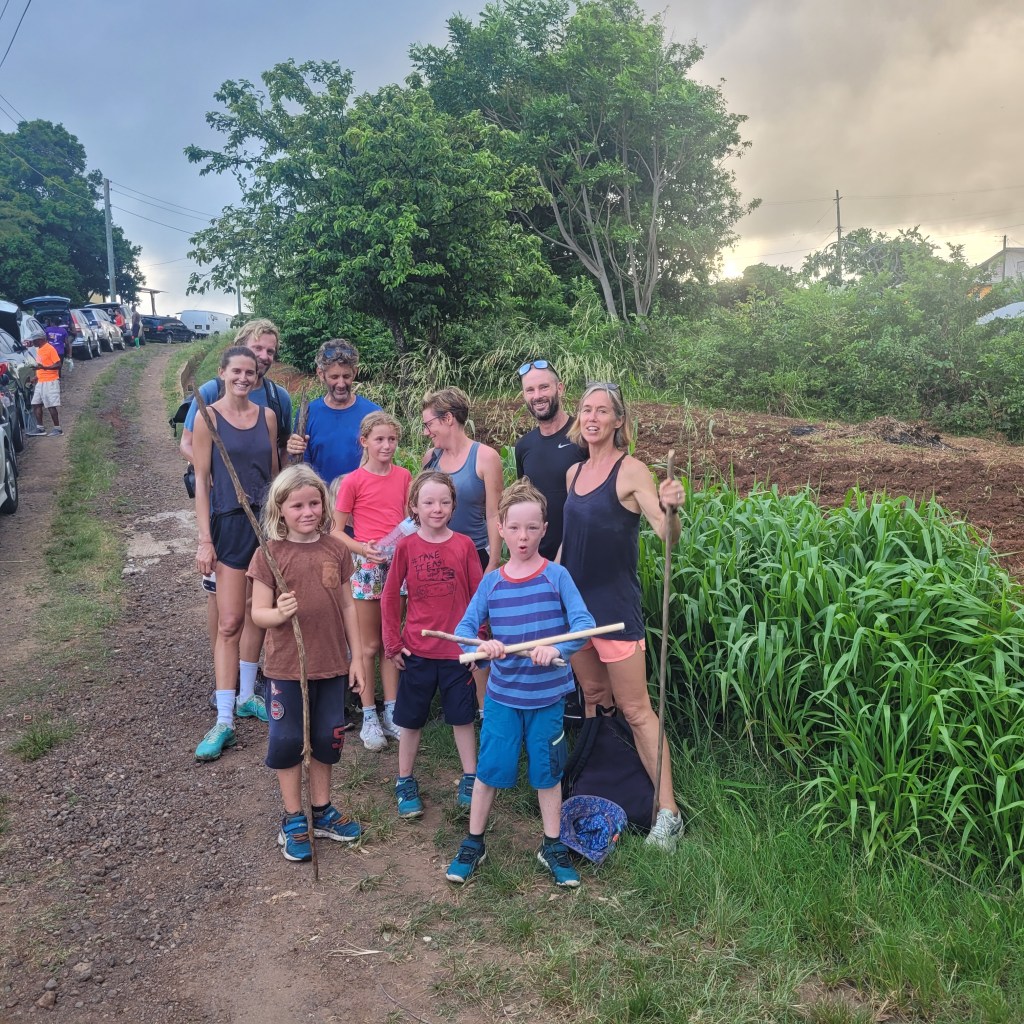
On Saturday afternoons we joined the local Hash House Harriers for a mystery run or hike following paper trails left by a ‘hare’ through the Grenadian rainforests. Each week saw a couple of hundred people gather in a different region of the island to hash, which invariably involved precipitous climbs, mud, river crossings and wild, awe-inspiring jungle scenery. On on!


Wicked

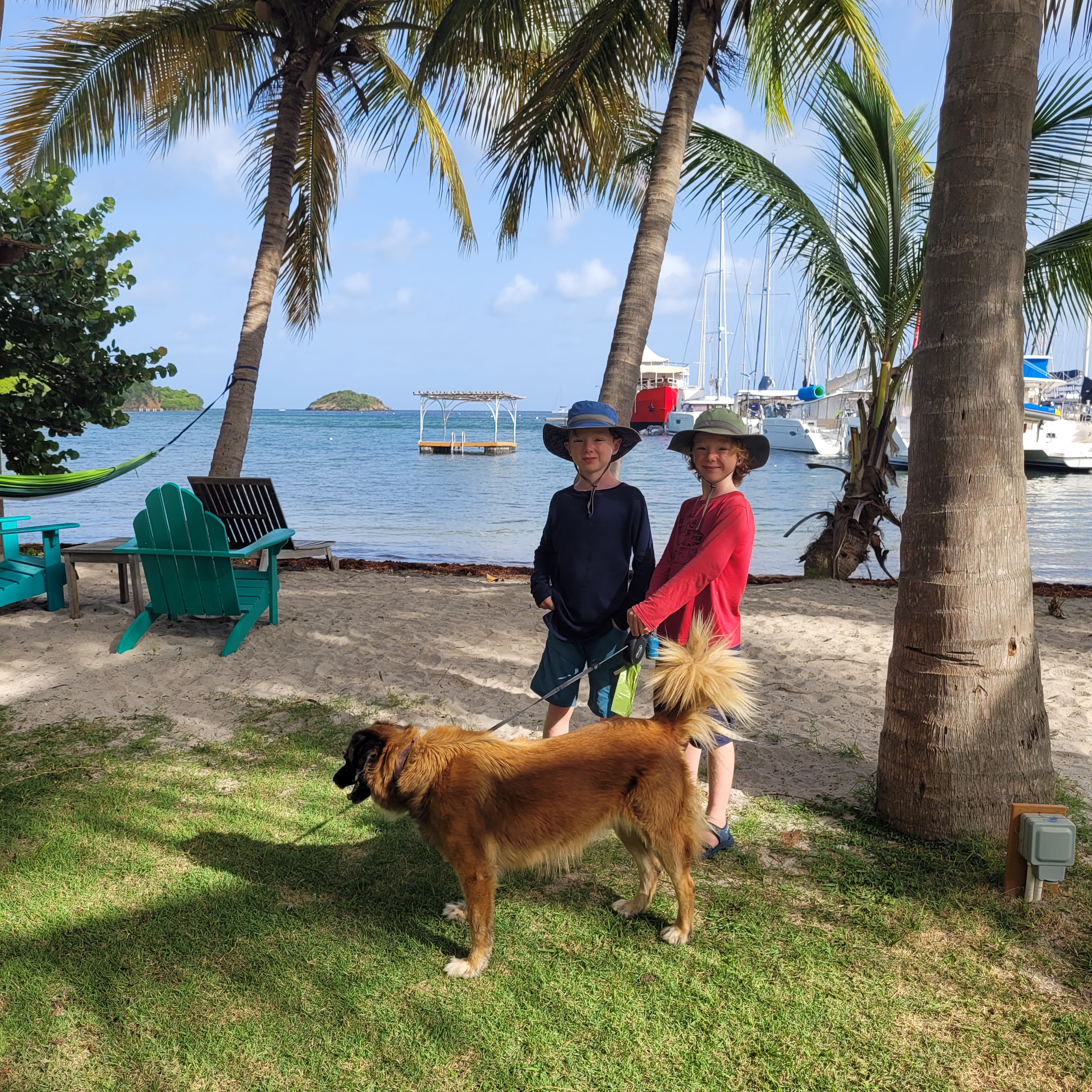
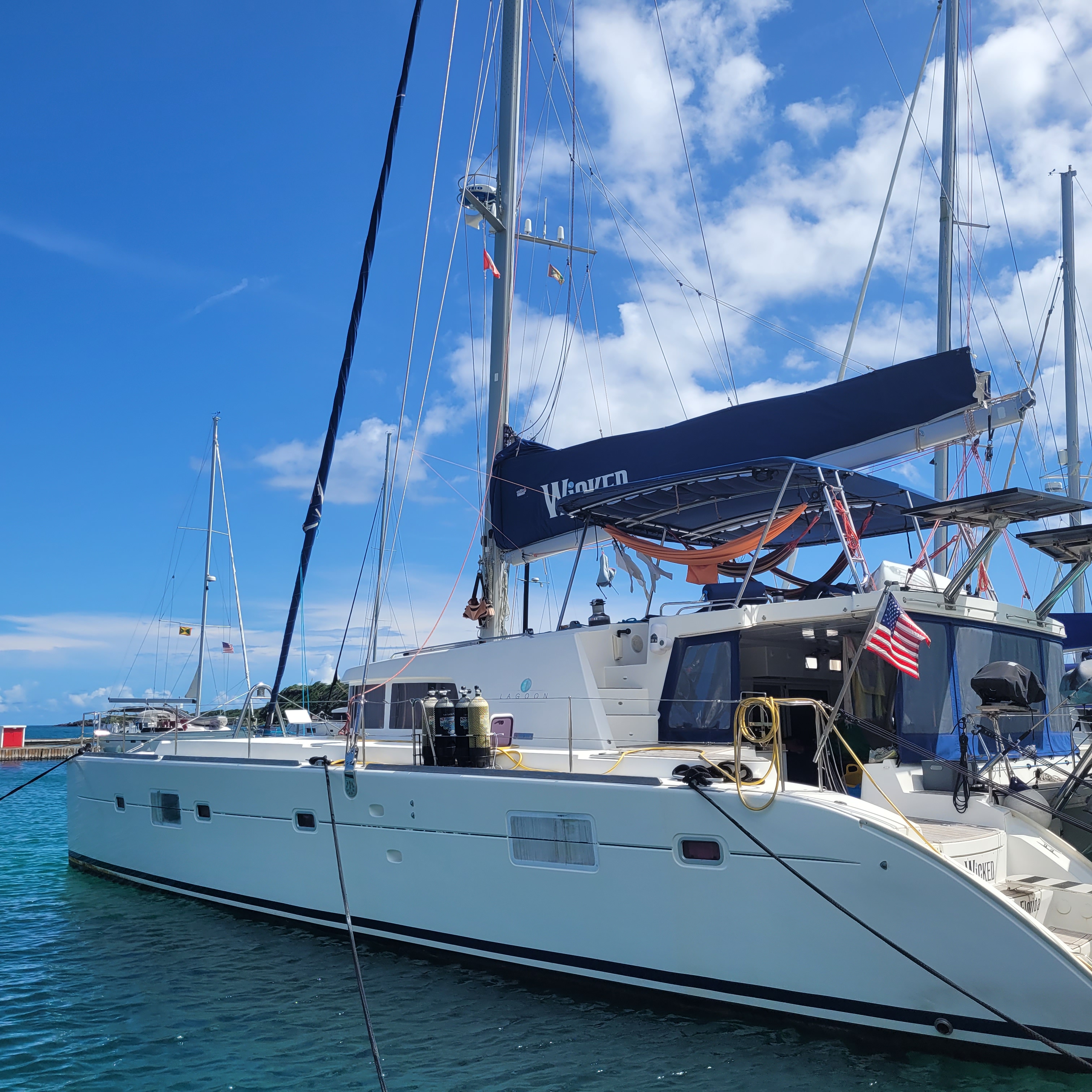
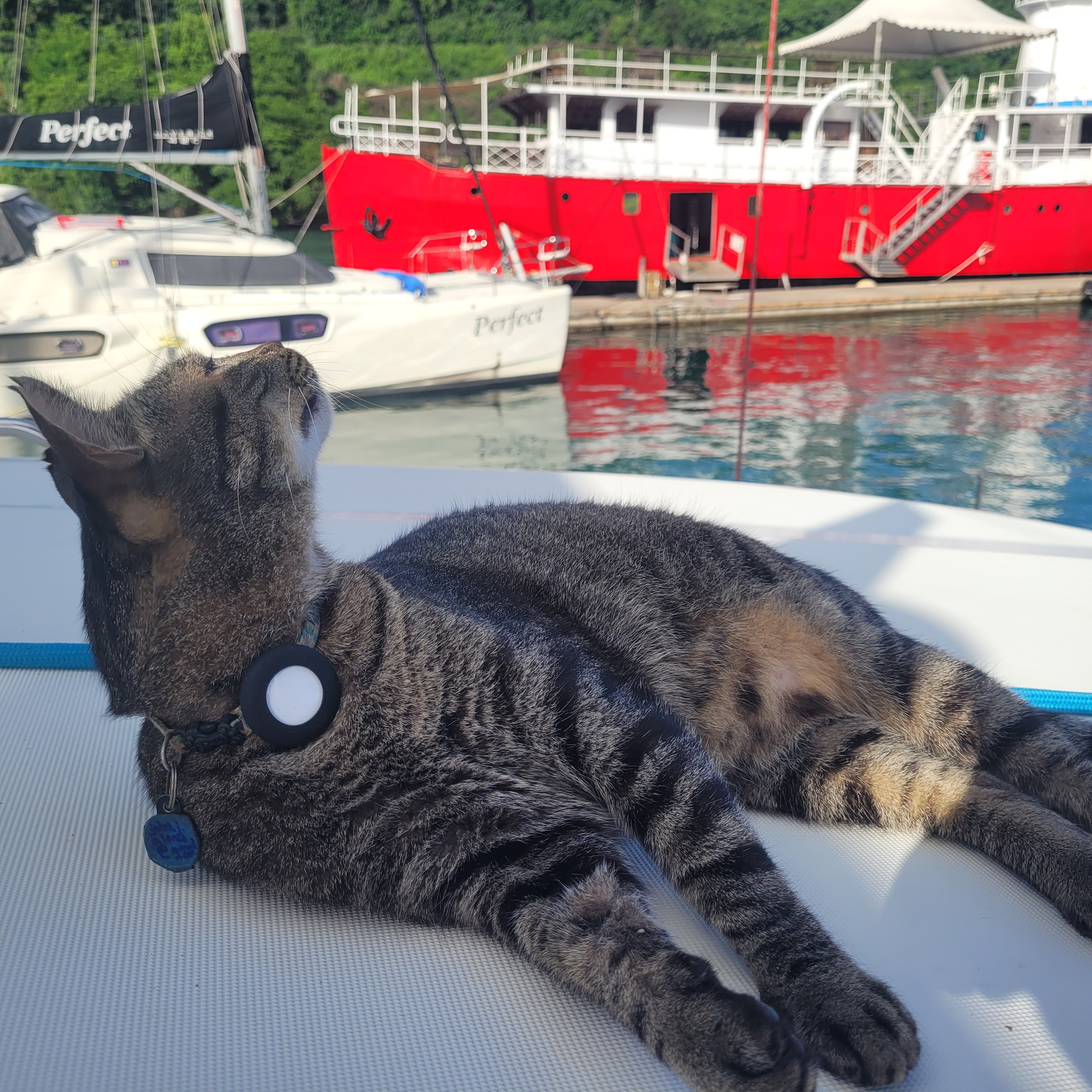
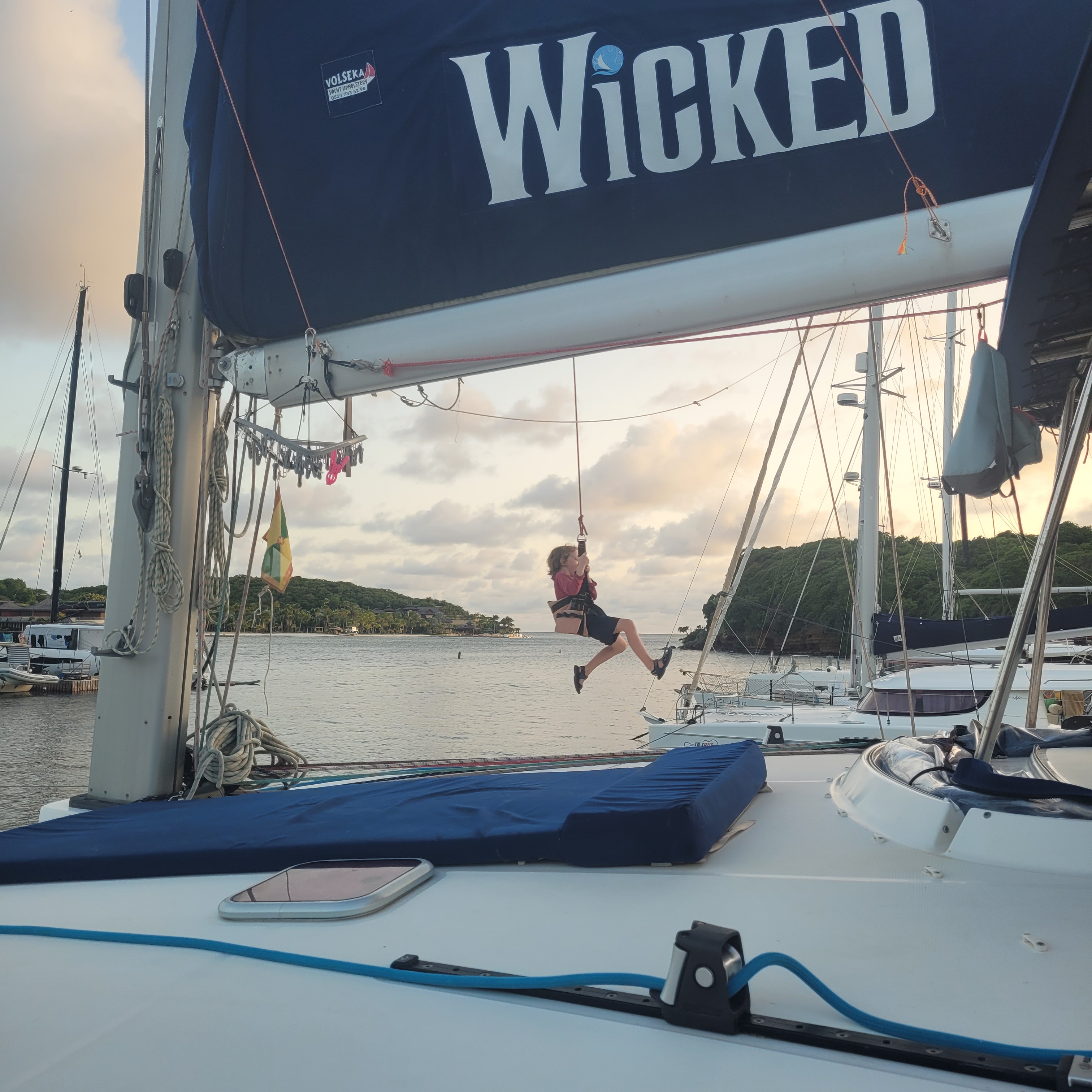
One of the boys’ Grenadian highlights was our two-month pet sitting vacation aboard Wicked, a 50ft catamaran, moored in Le Phare Bleu marina. Amy, Gia and Einstein were our gracious 4 legged hosts, who generously shared with us their home comforts. It was a massive wrench for the boys saying goodbye to the critters, but we all look forward to catching up with Team Wicked in Colombia


Le Phare Bleu

The hub of boat kid activities in the Caribbean during hurricane season is Le Phare Bleu marina, located on Petite Calvingny Bay on the South coast of Grenada.
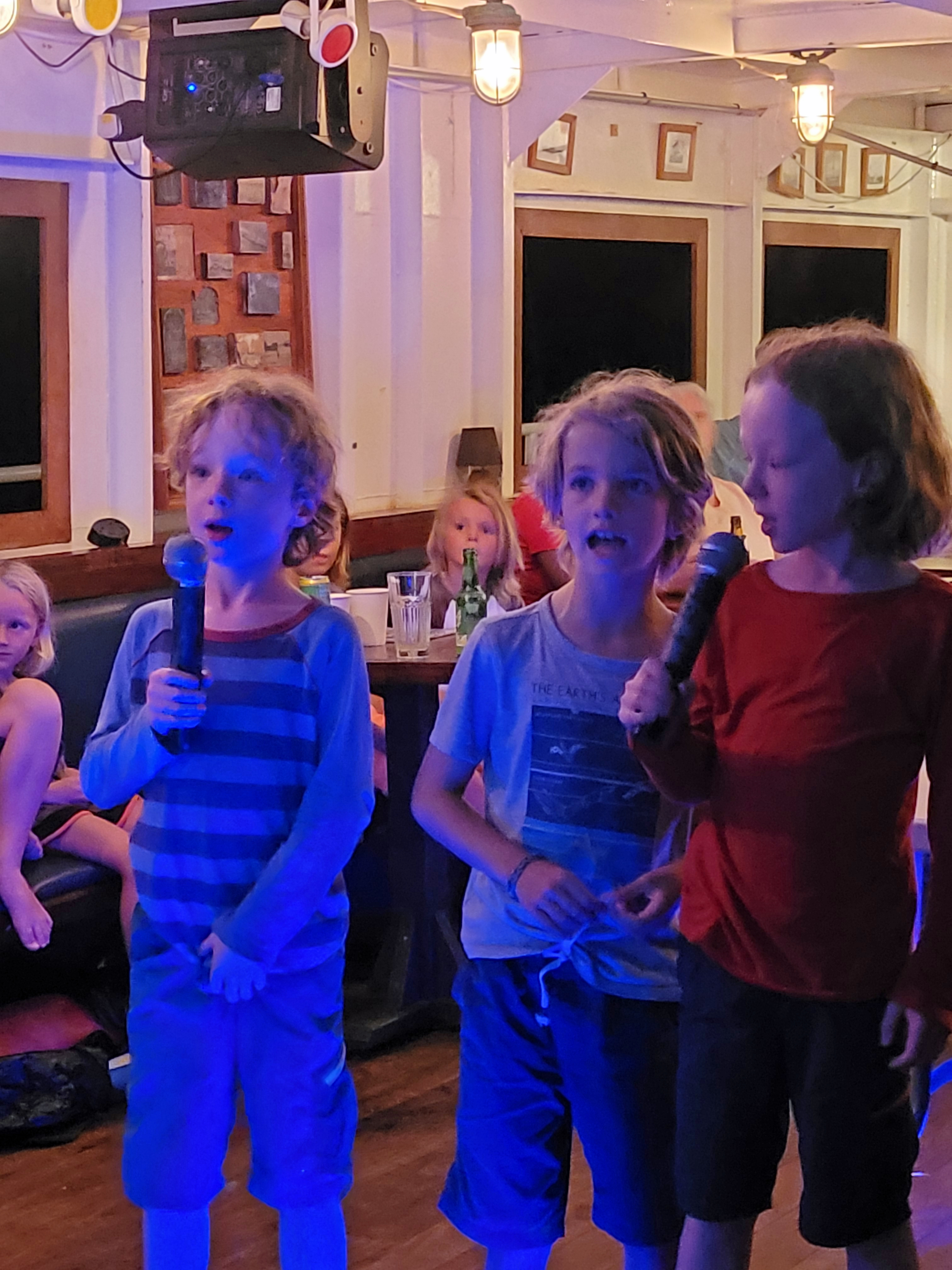
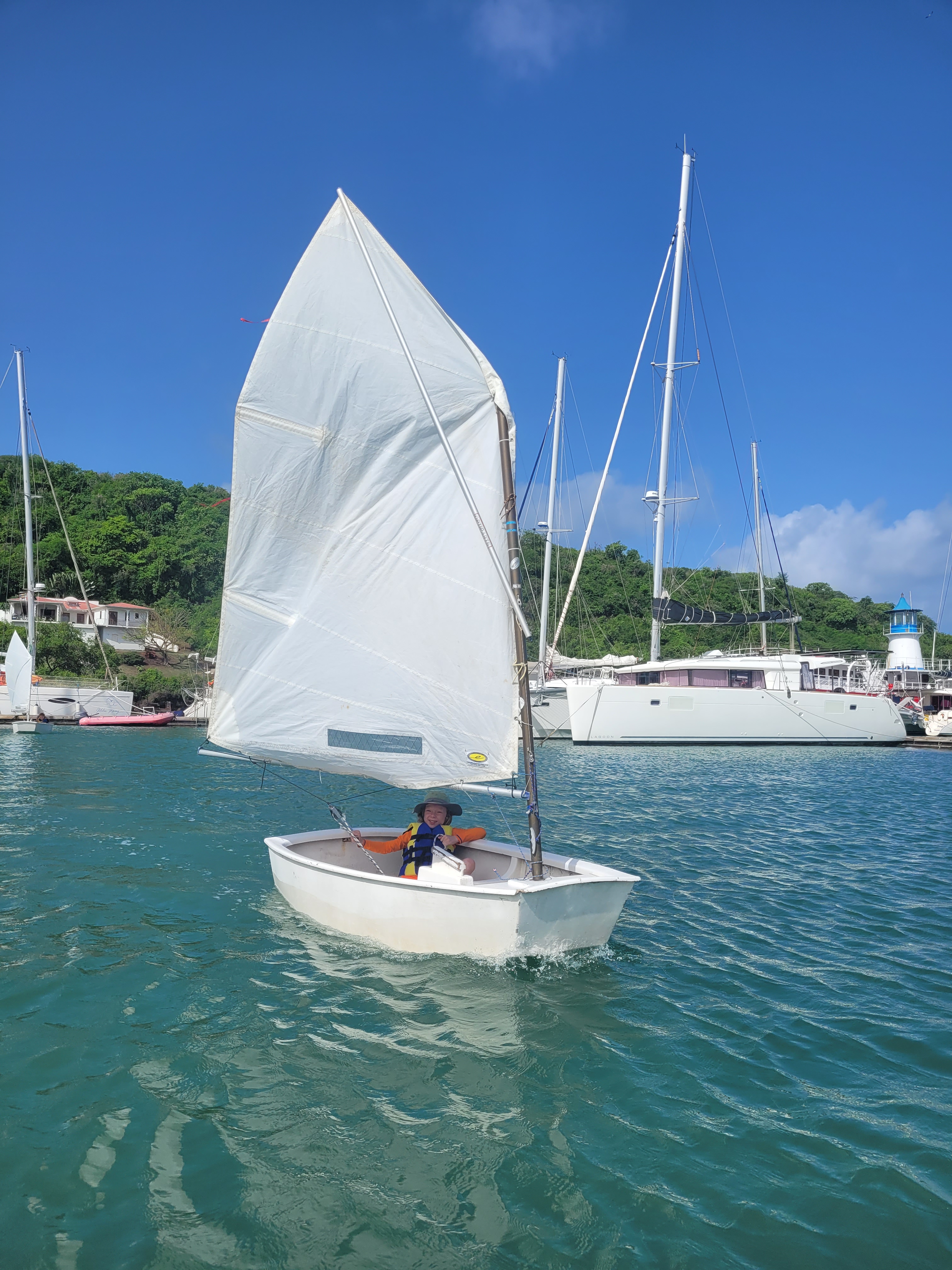
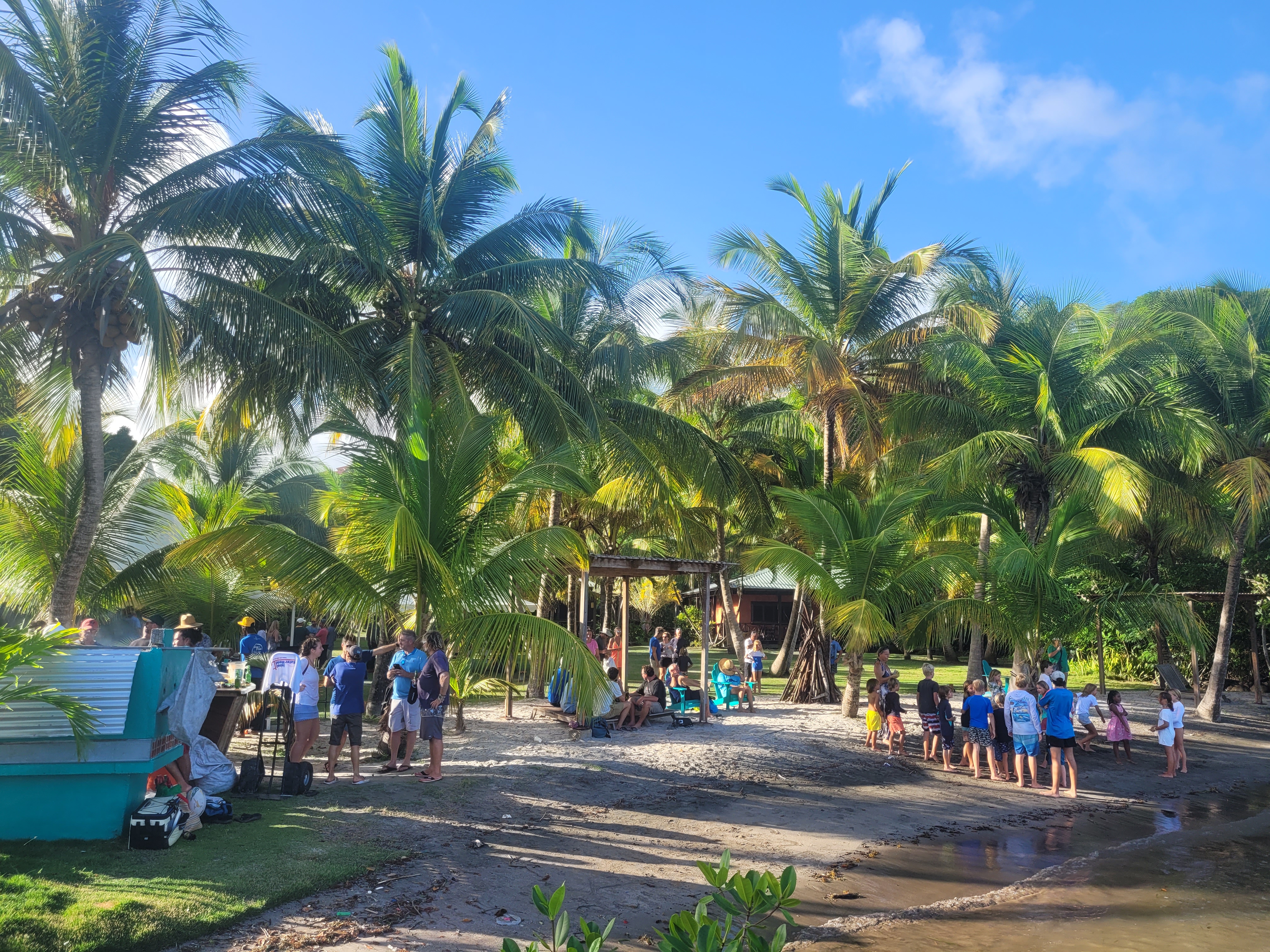
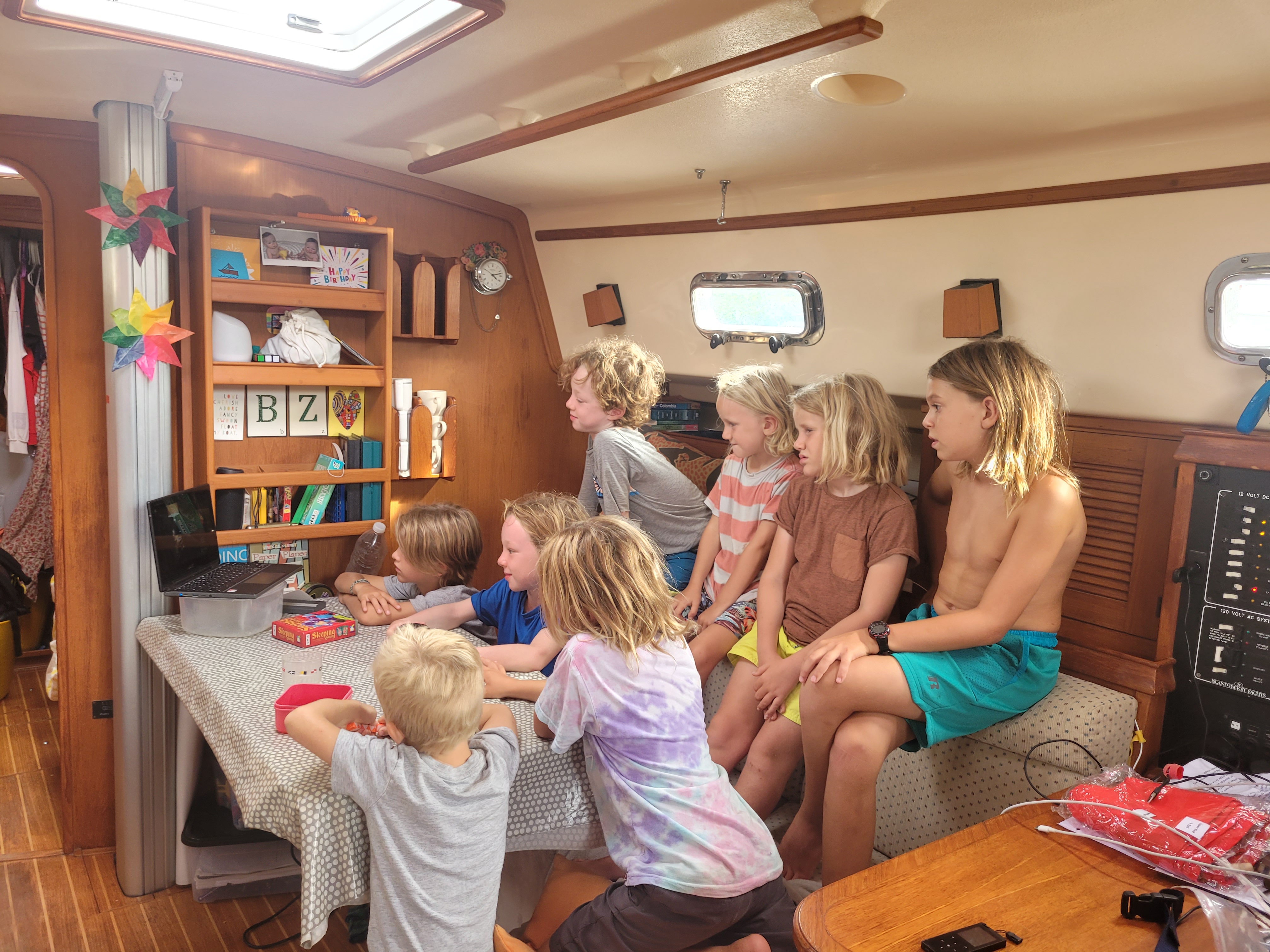
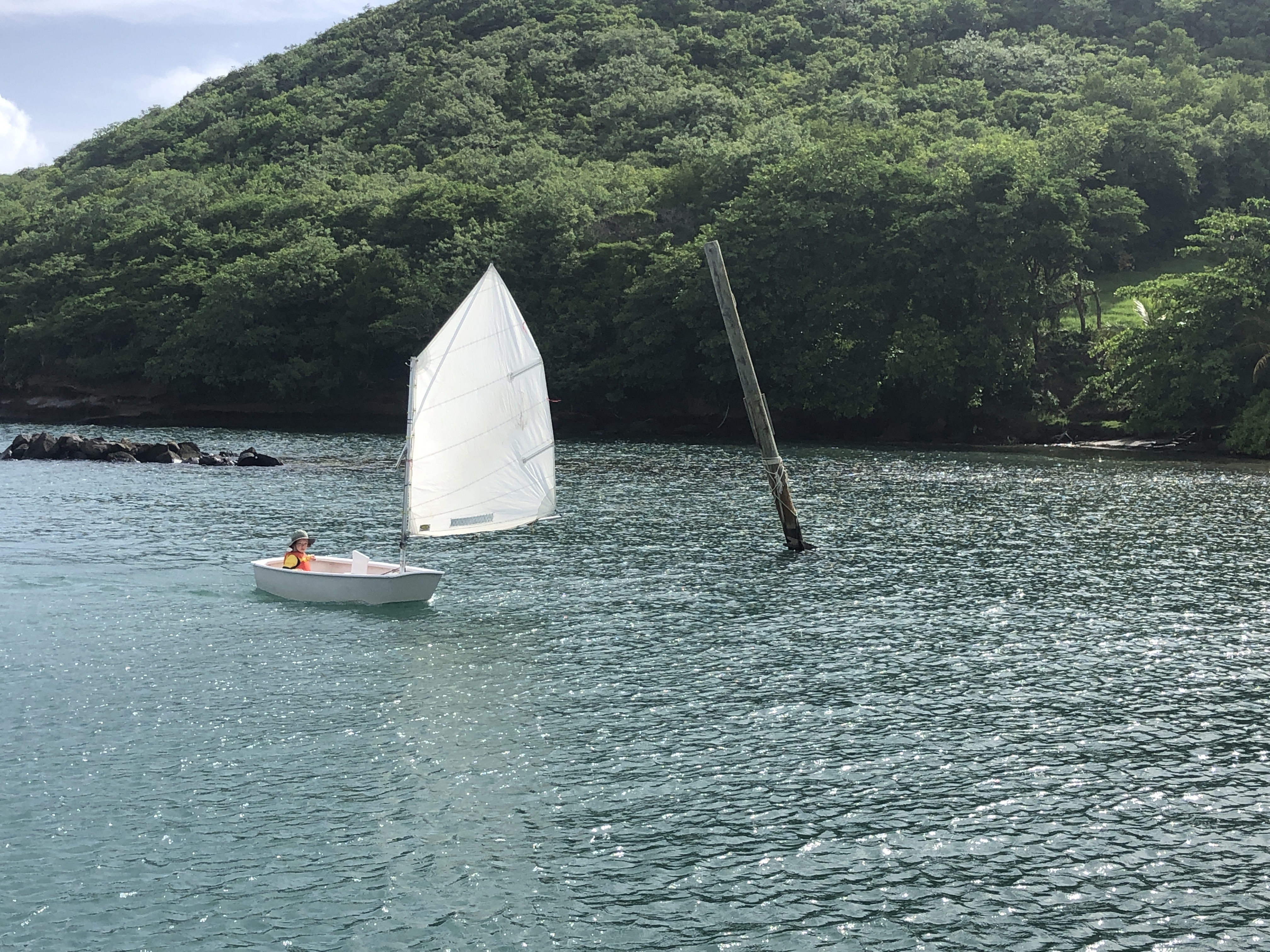
The marina is named after the Swedish Vastra Banken lightship, built in 1900 and now retired here on the dock. Kid boats from all around the world, gather in Le Phare Bleu, or in the nearby anchorage at ‘The Cut’ to wait out the tropical storms whilst making new buddies and to join the kids clubs, learn how to sail dinghies, to karaoke, join the kid movie nights, sports days or just for the many opportunities to set fire to things and toast marshmallows.
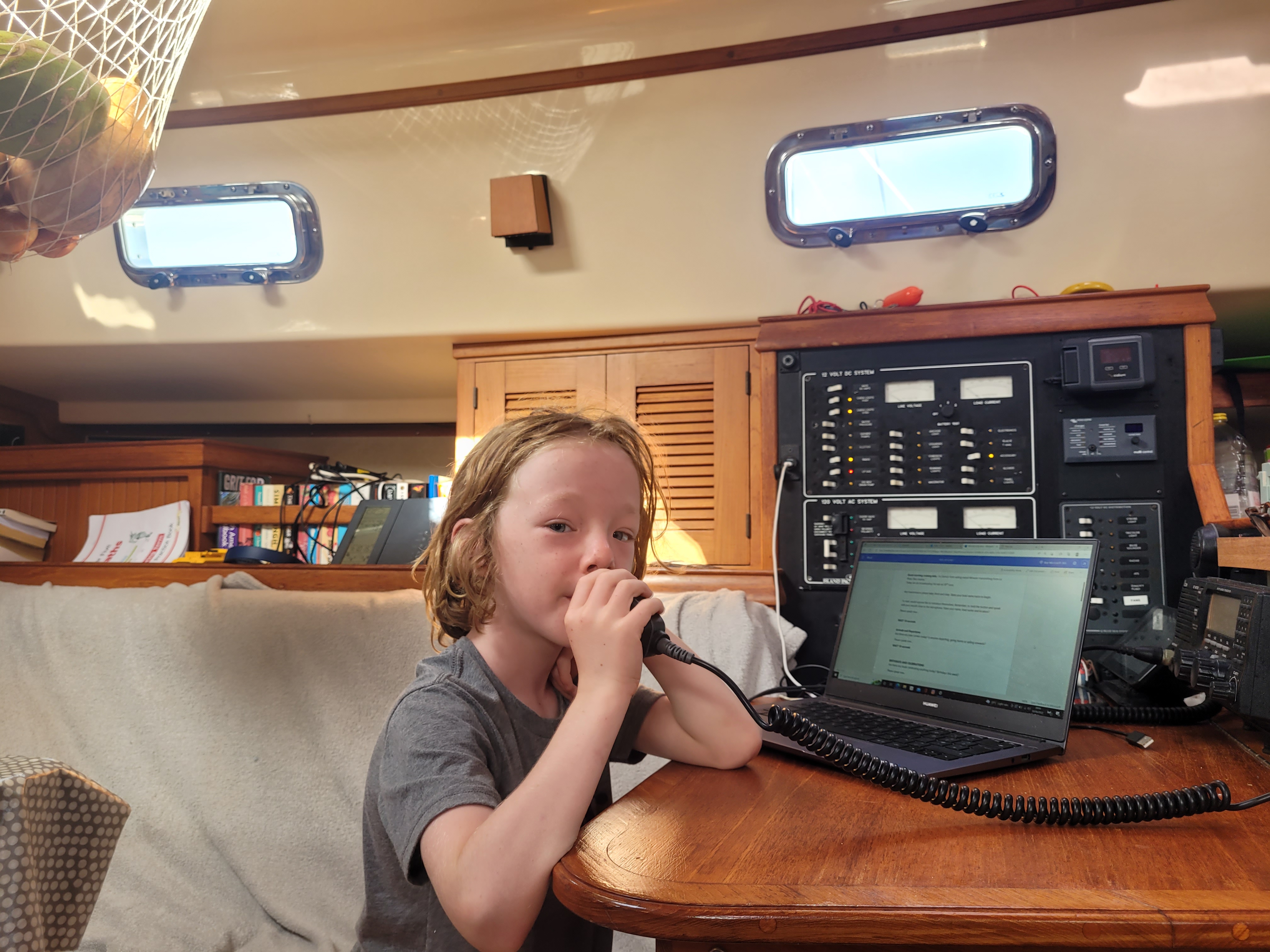
Such is the density of boat kids, that a bi-weekly VHF net runs for them to chat, to arrange meet ups and to share jokes and riddles. Zennor (of course) became the ‘net controller’.

Carriacou -June 2022

The largest island in the Grenadines at 11km long, Carriacou is one of three islands comprising the country of Grenada.

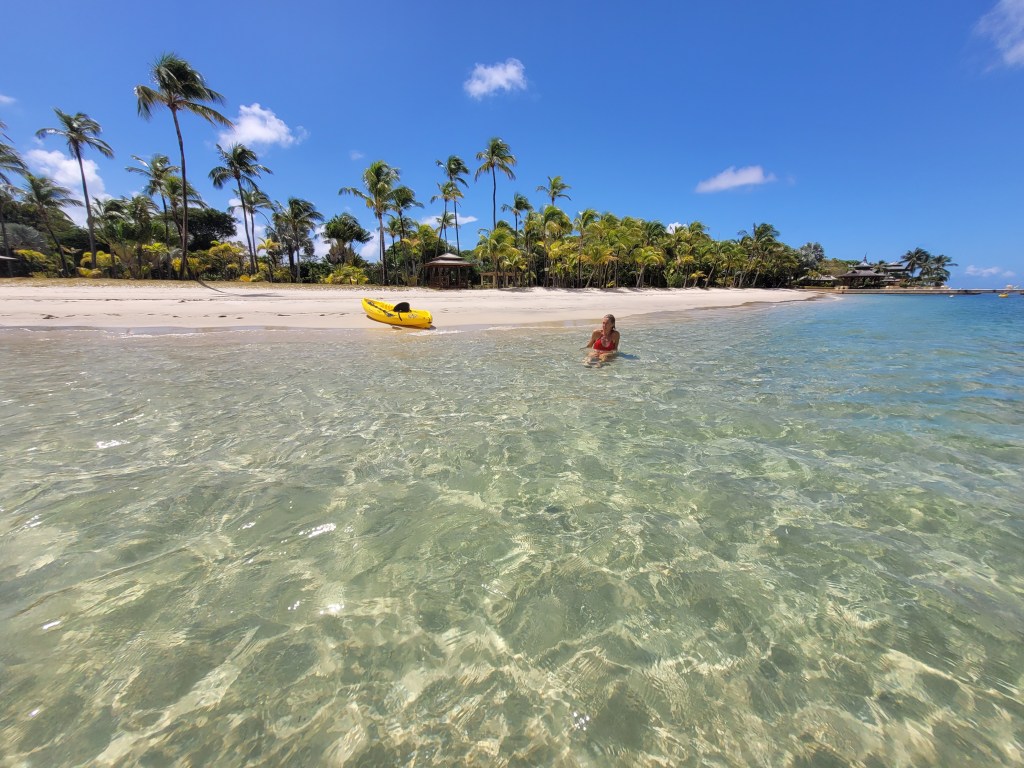
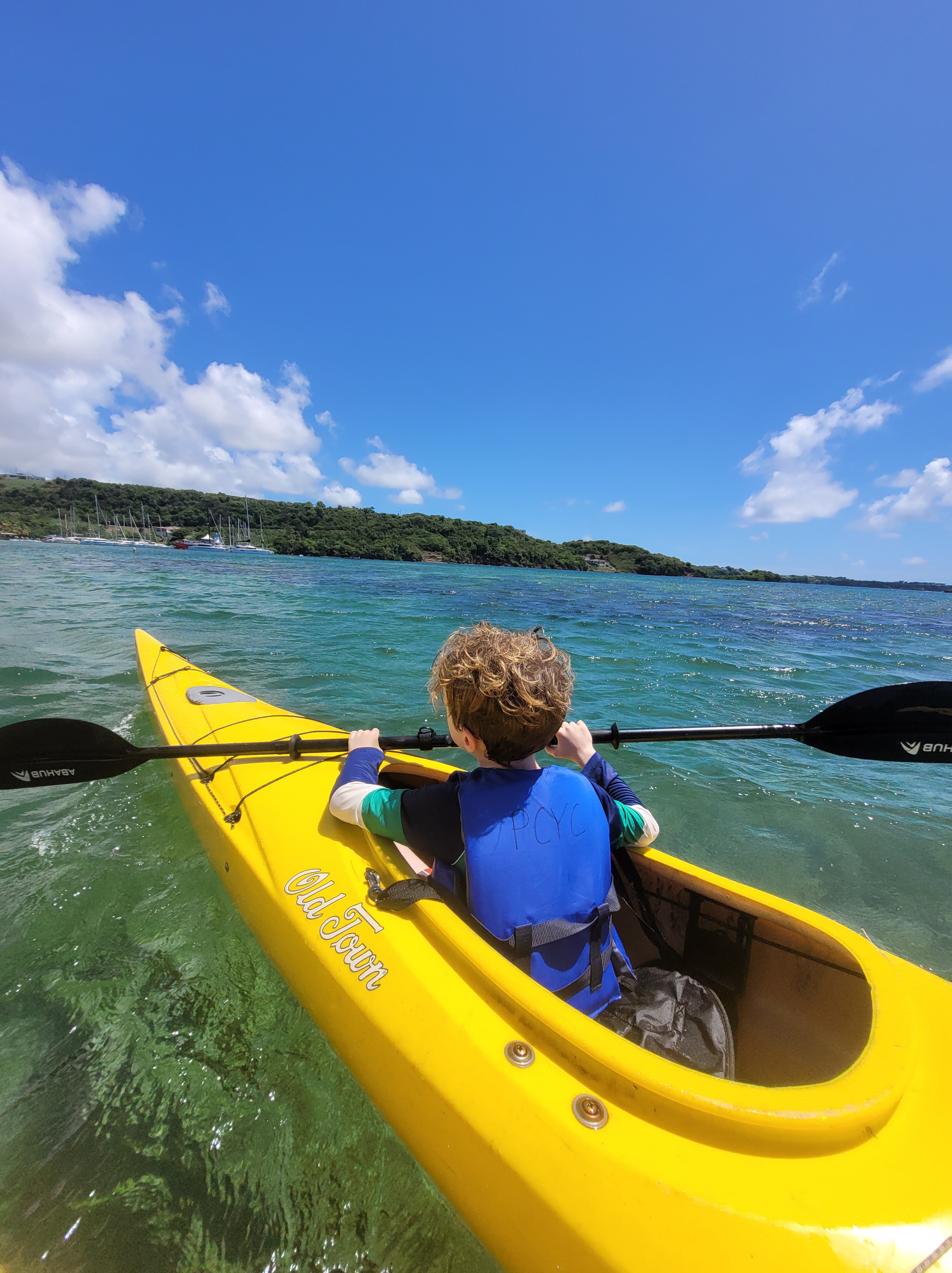
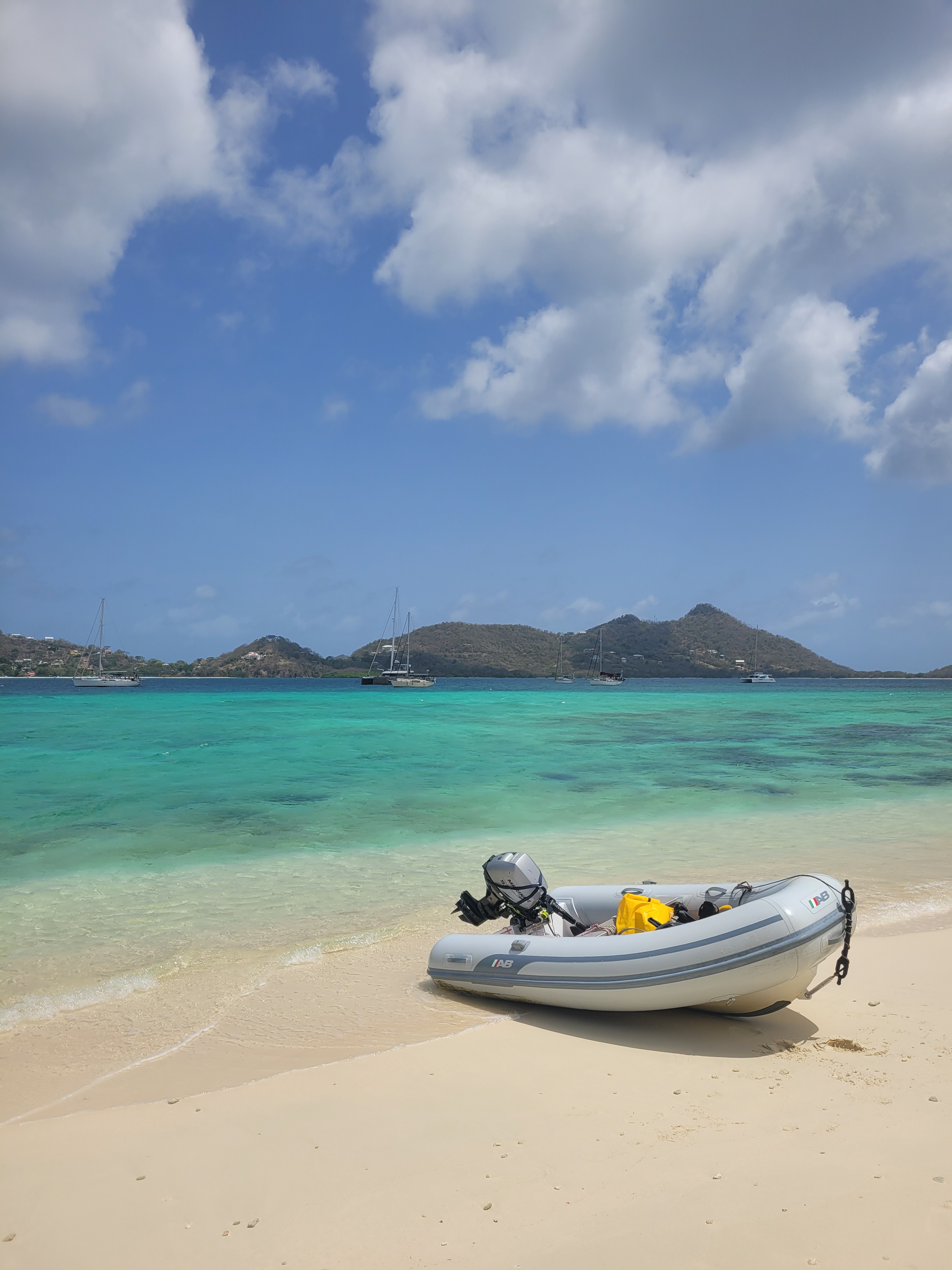
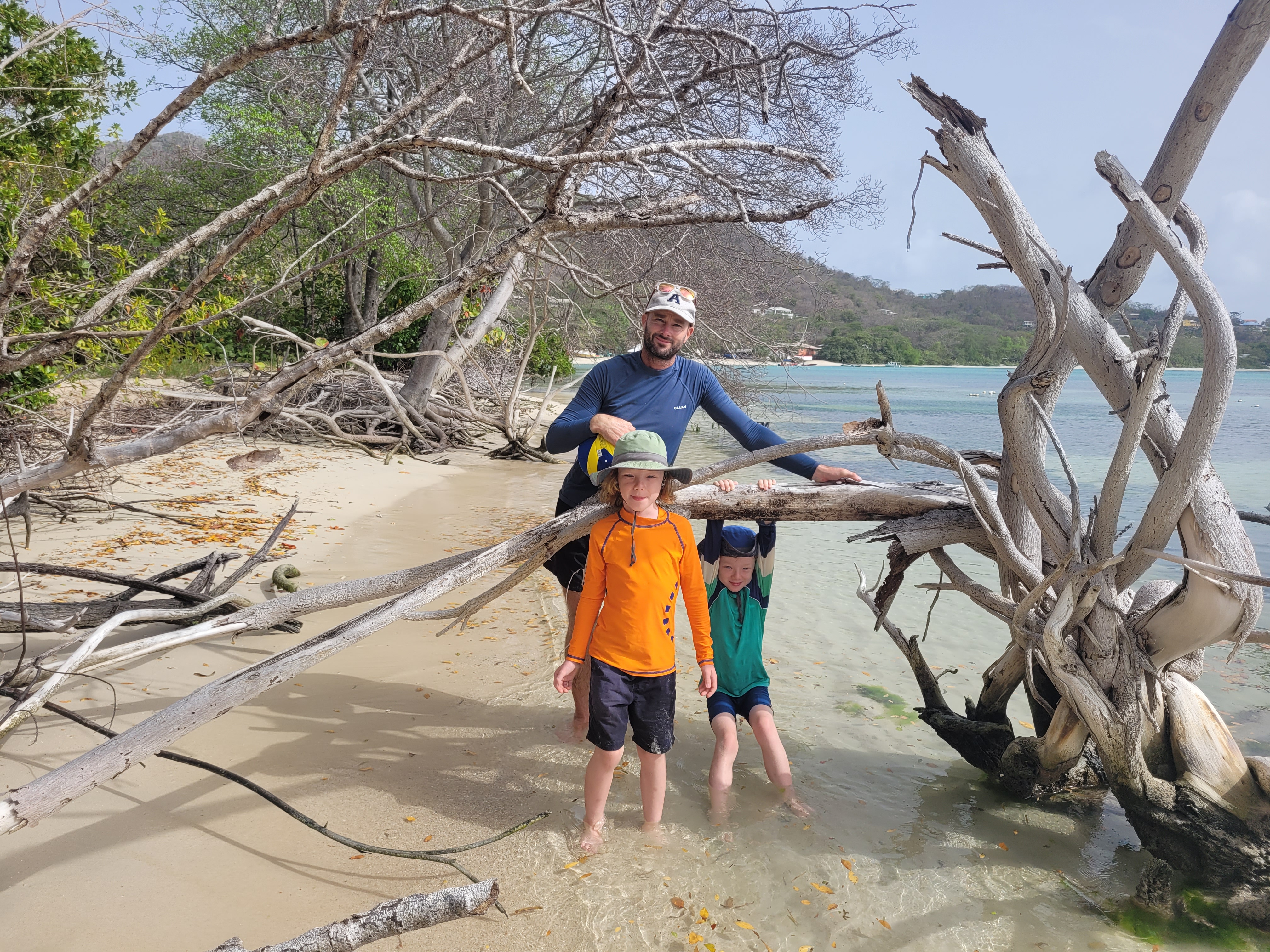
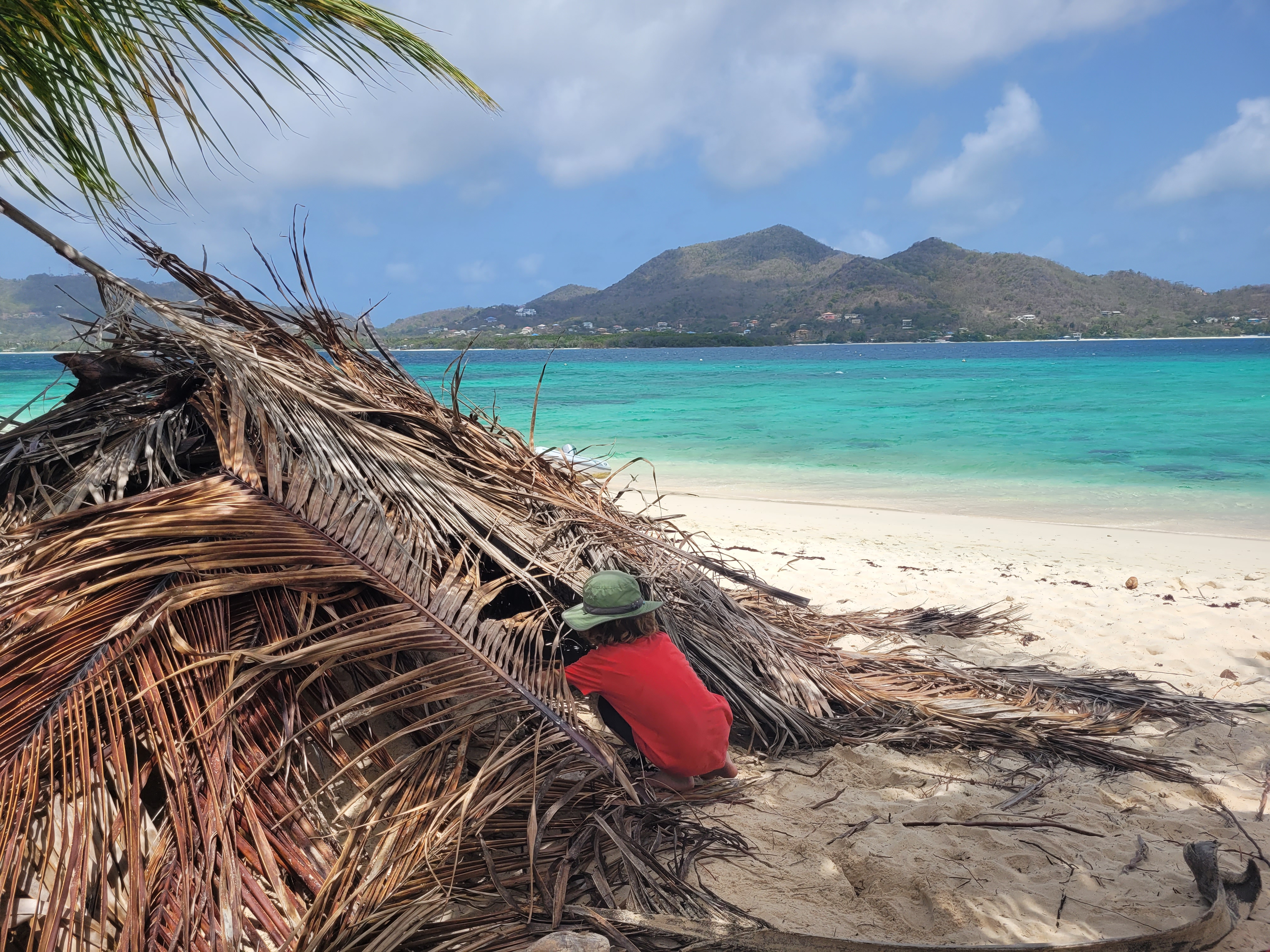
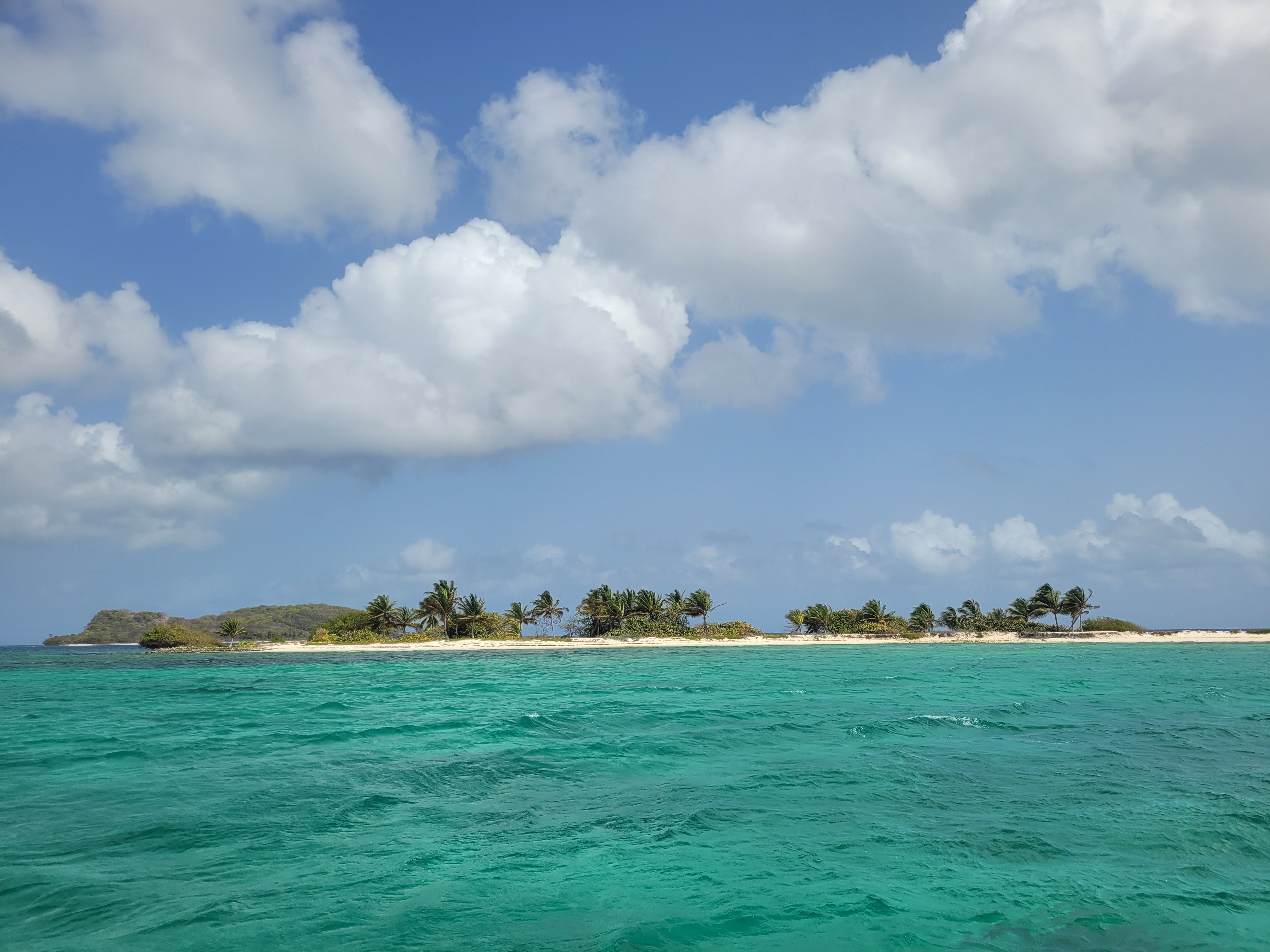
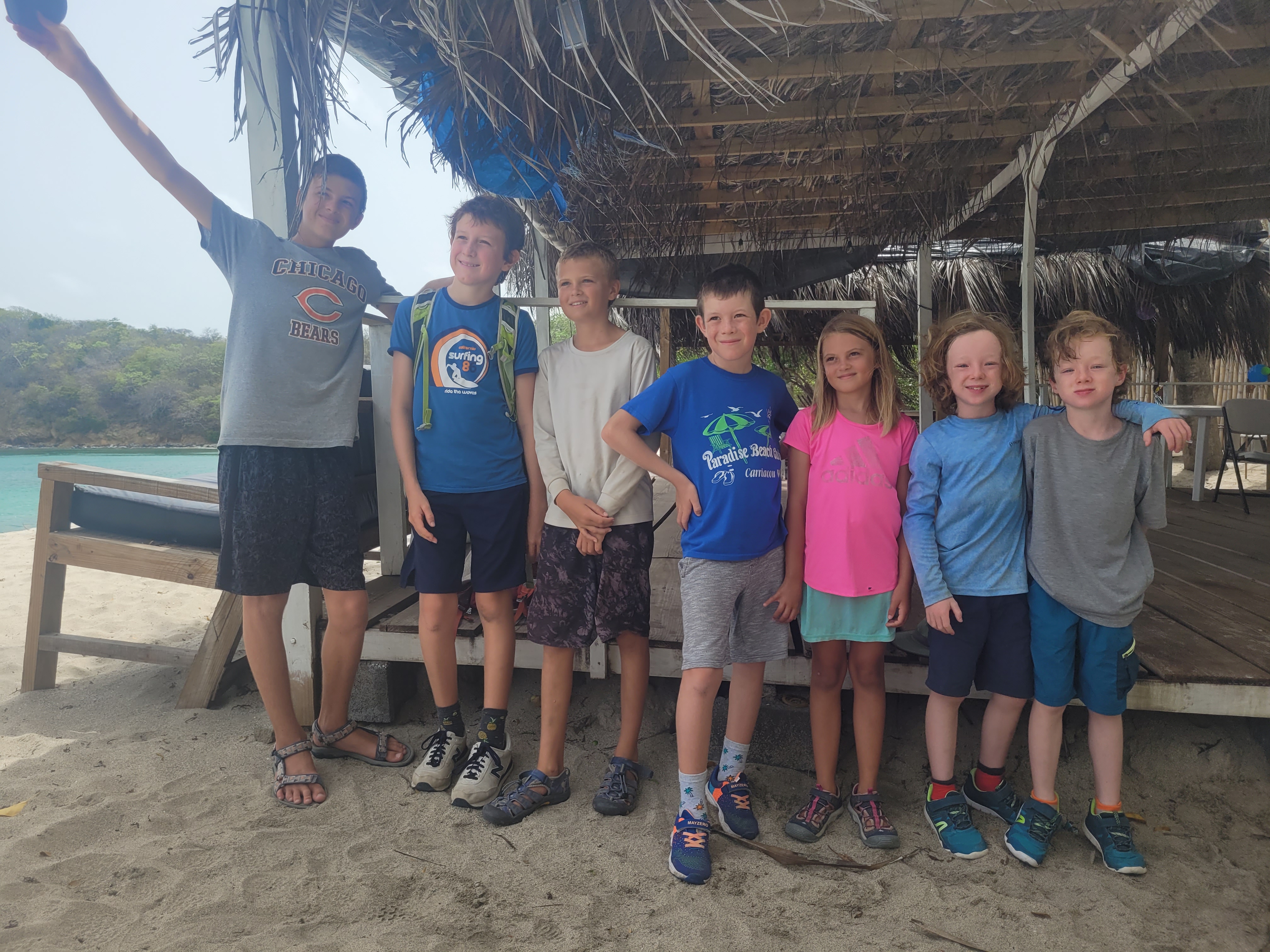
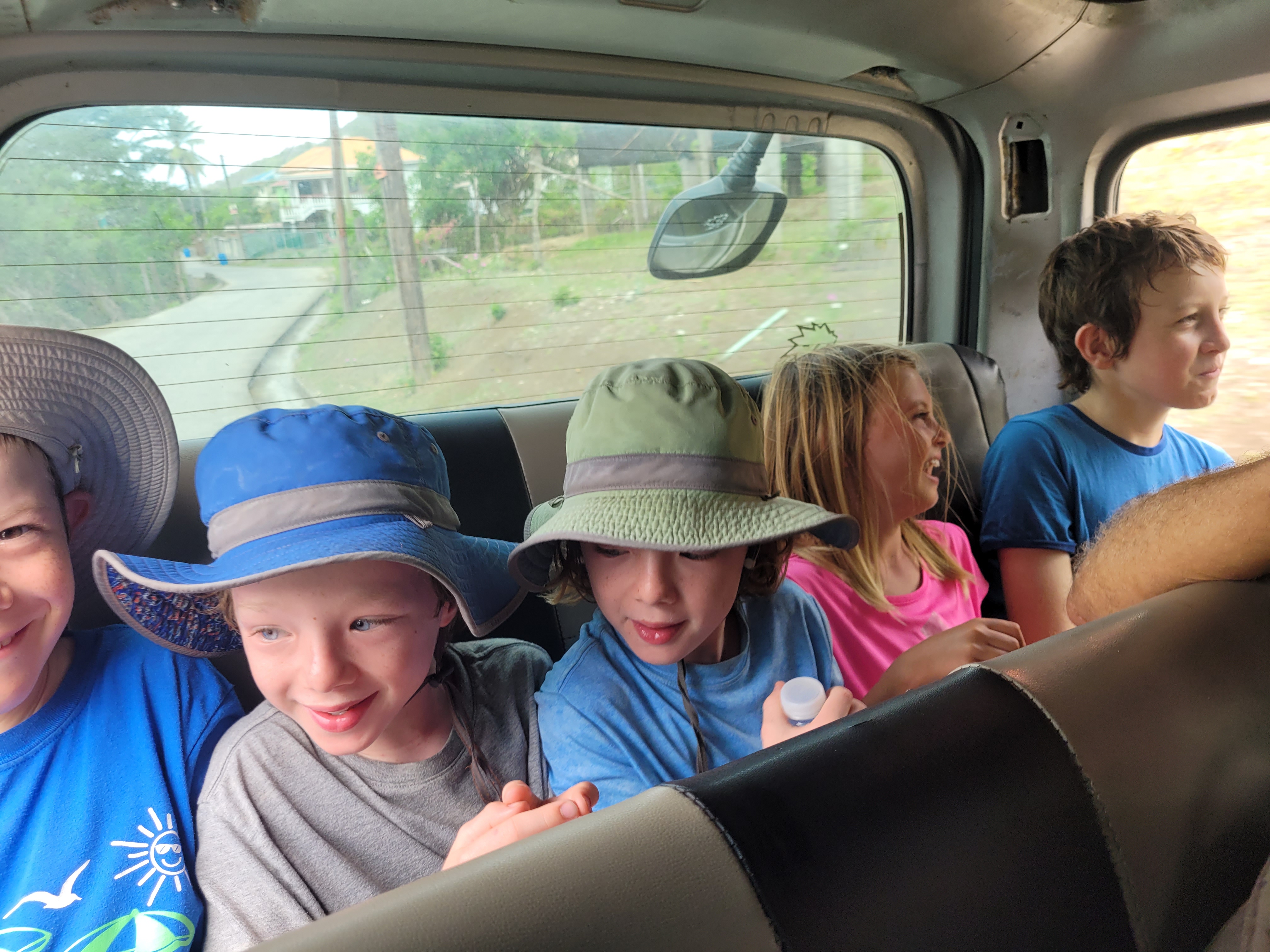
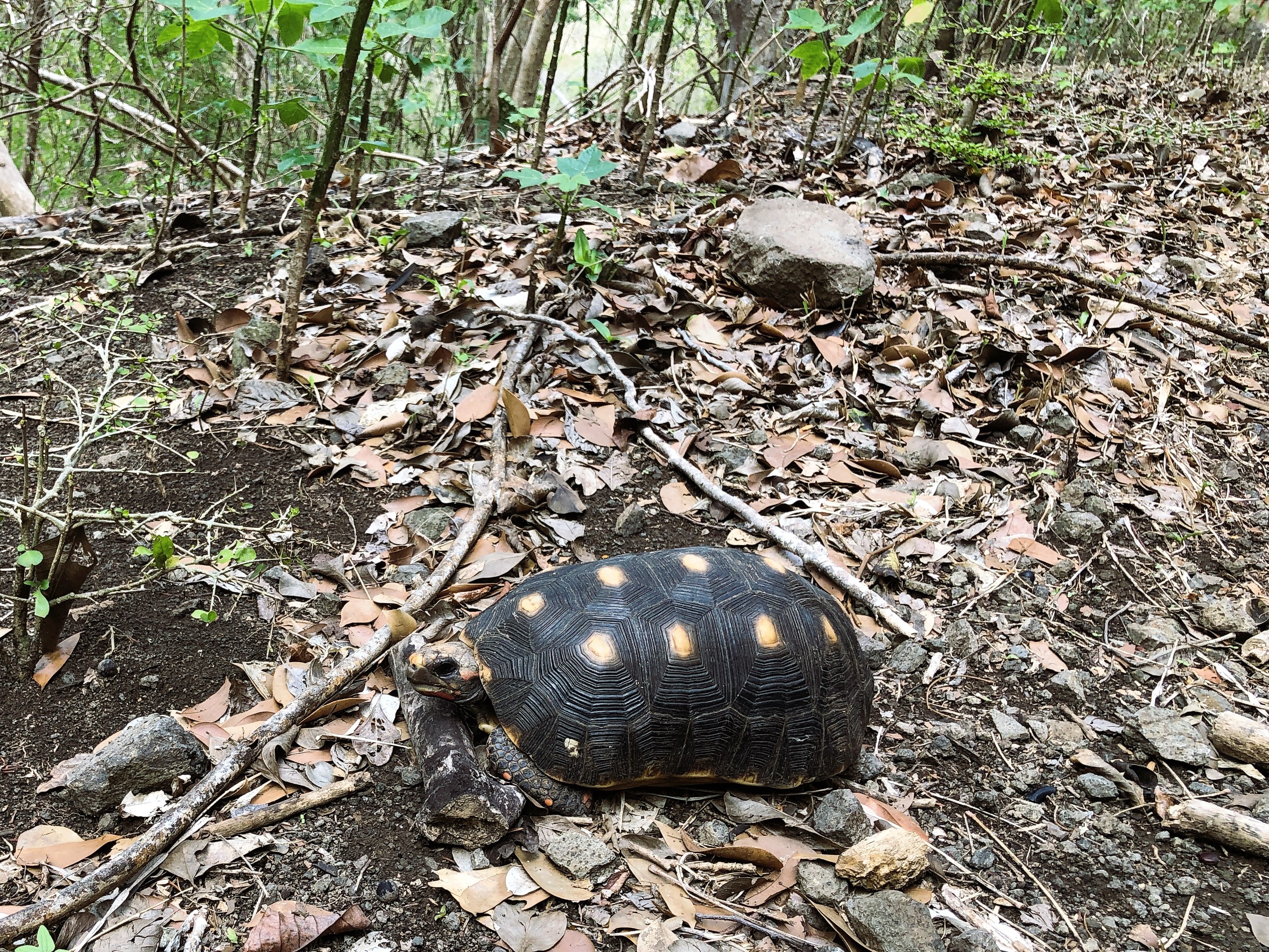
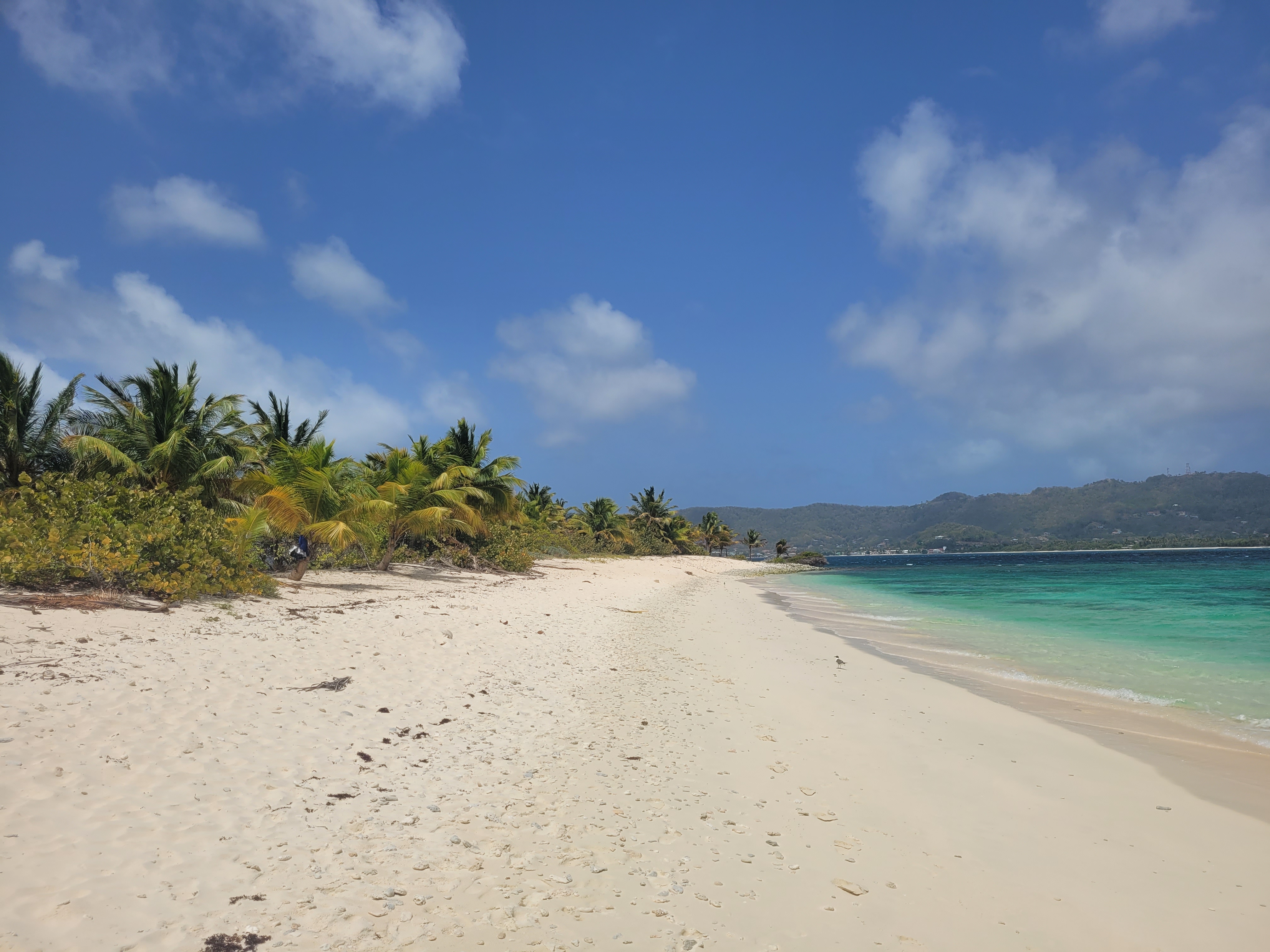
Here we built dens on the idyllic, uninhabited Sandy Island; explored Paradise beach on the mainland, did a couple of epic hikes with our favourite kid boats, Amani, Sunsplash and Gambler; and spotted some cool wildlife including lots of wild, red-footed tortoises.

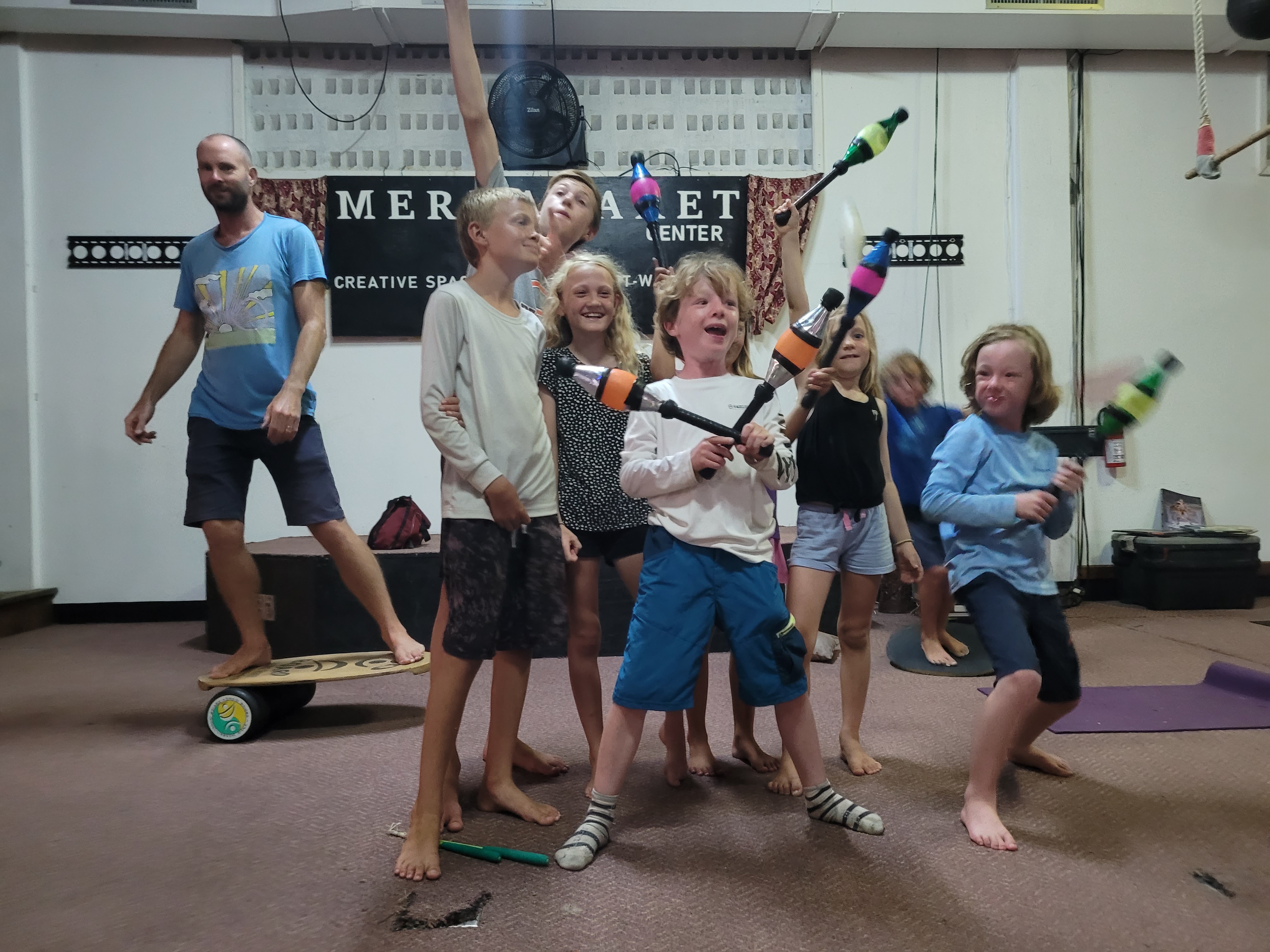
We also had an awesome night out and BBQ whilst attempting a spot of trapeze, unicycling and juggling at the Circus Cafe.