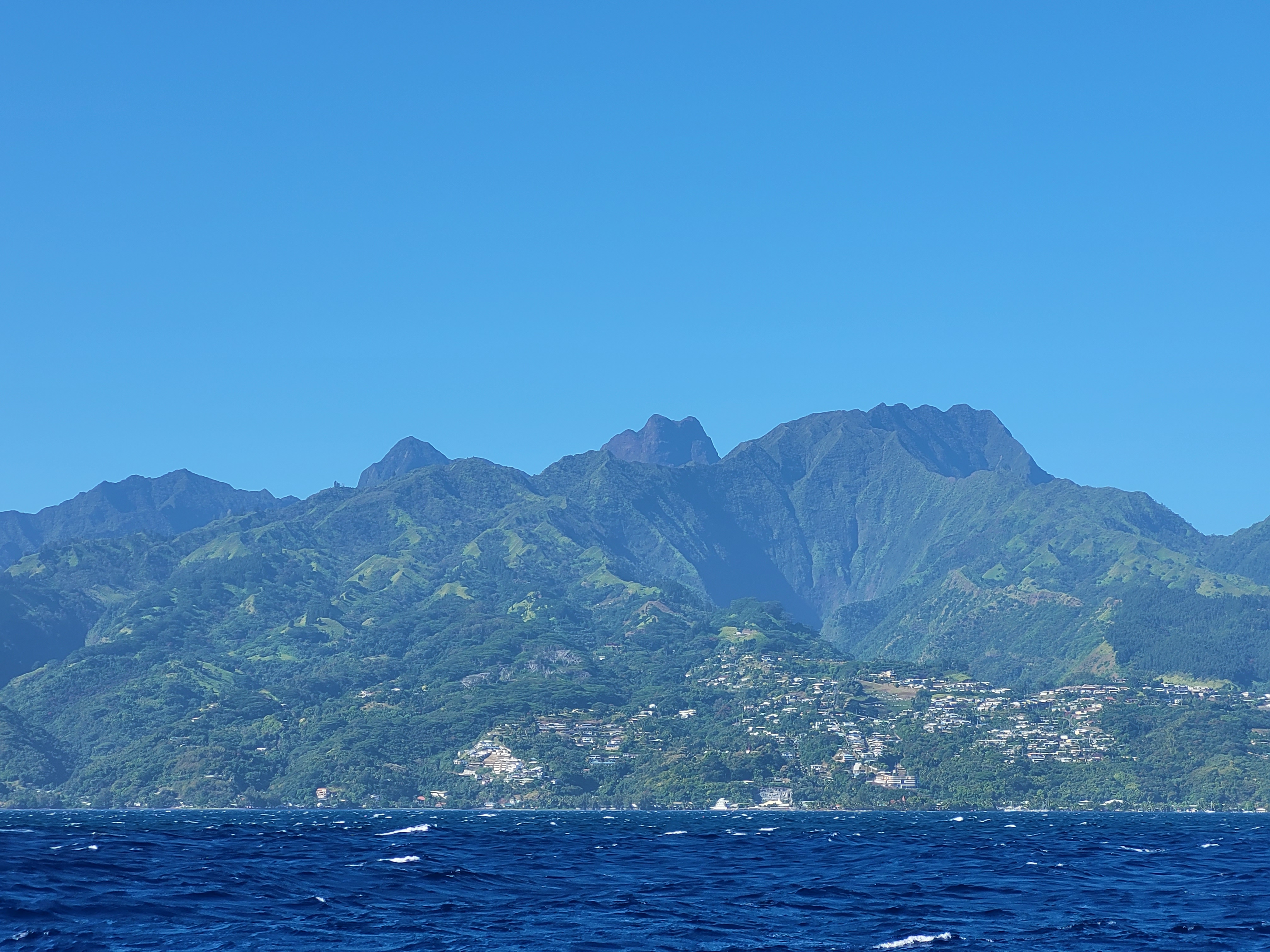
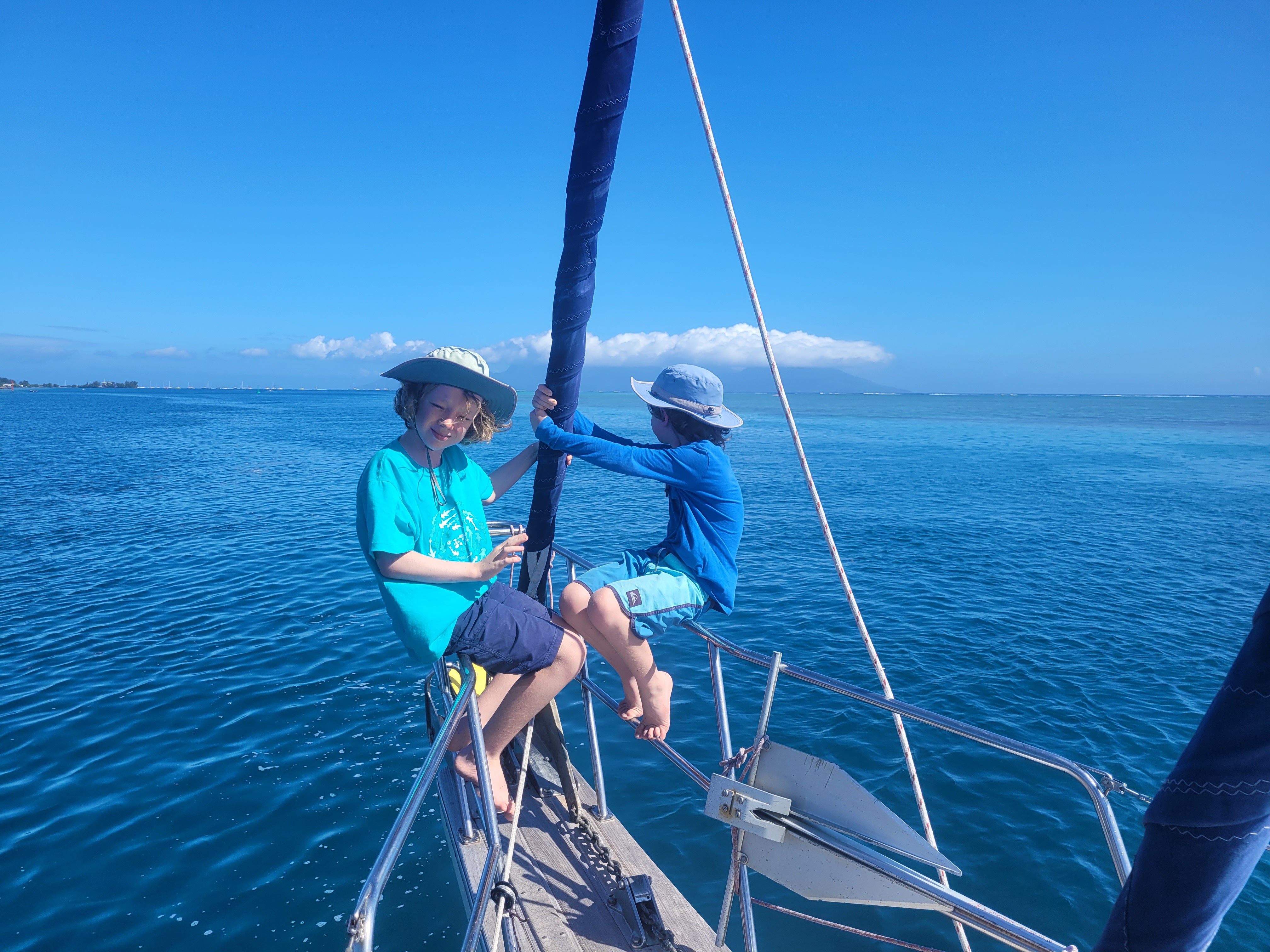
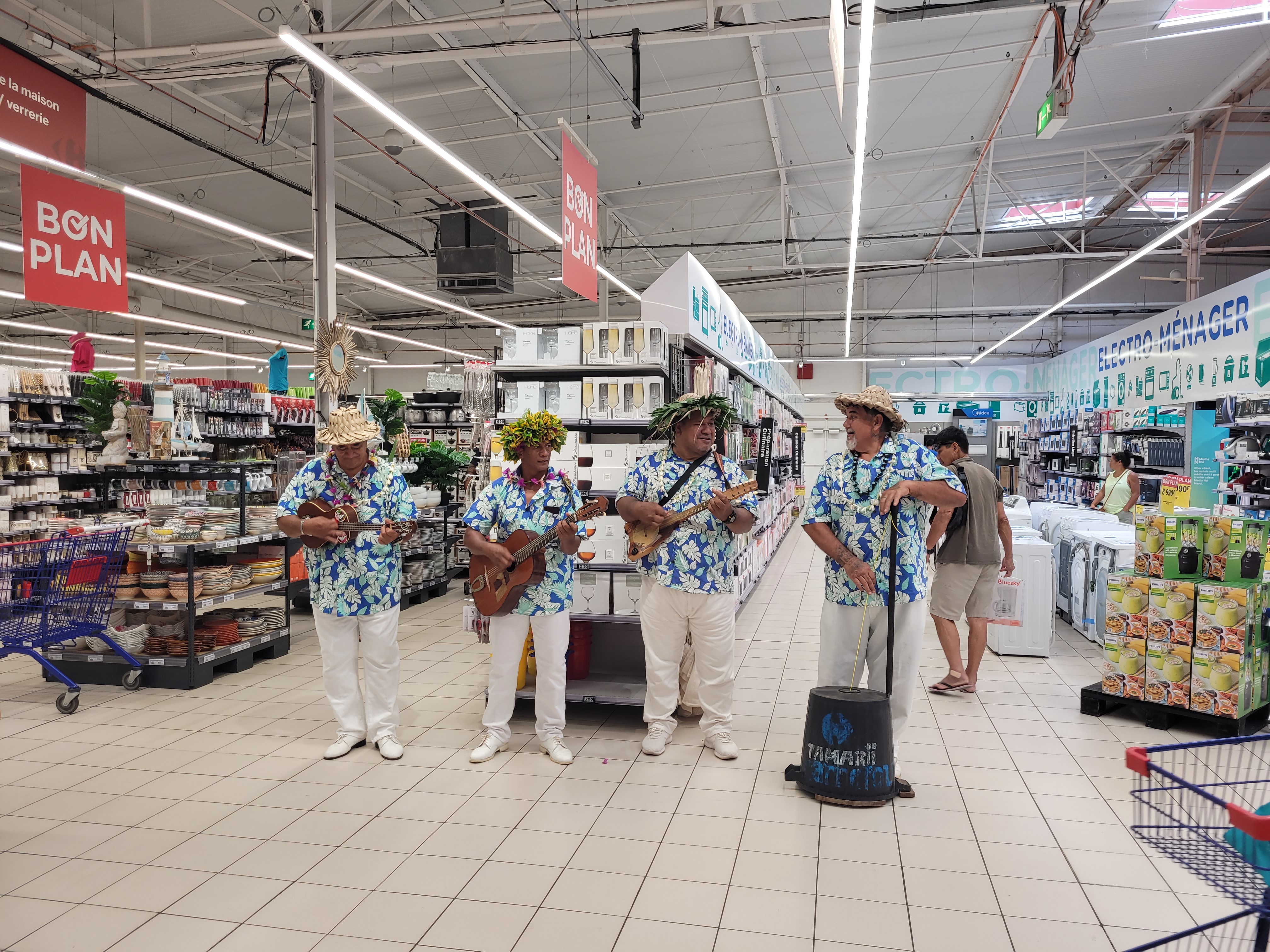
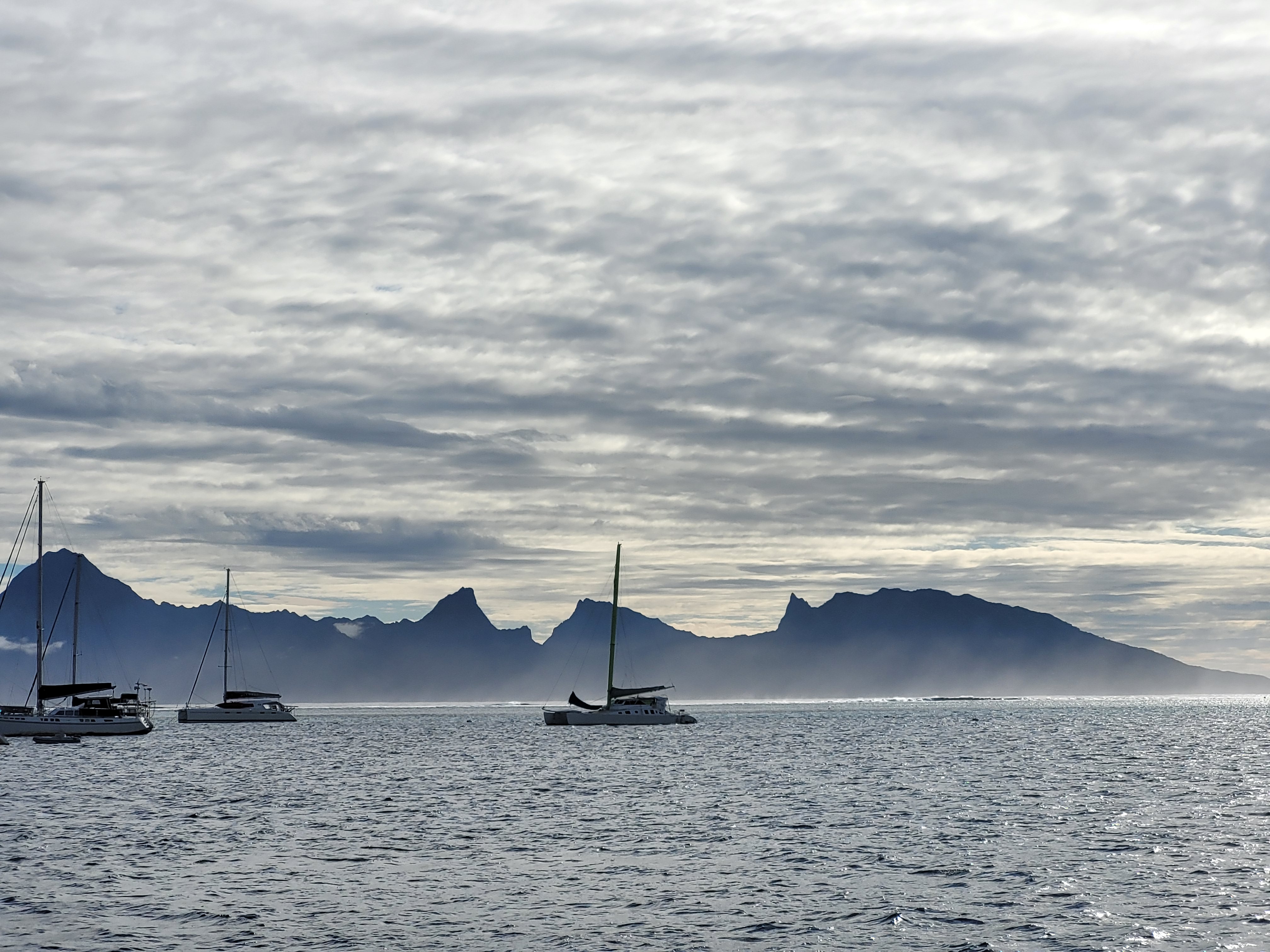
Tahiti, French Polynesia, June-July 2023 When the scarcity of fresh fruit and veg in the Tuamotu archipelago became intolerable for Mowzer’s (mostly) vegetarian crew, we up anchored and headed westwards towards the supermarkets of Tahiti!
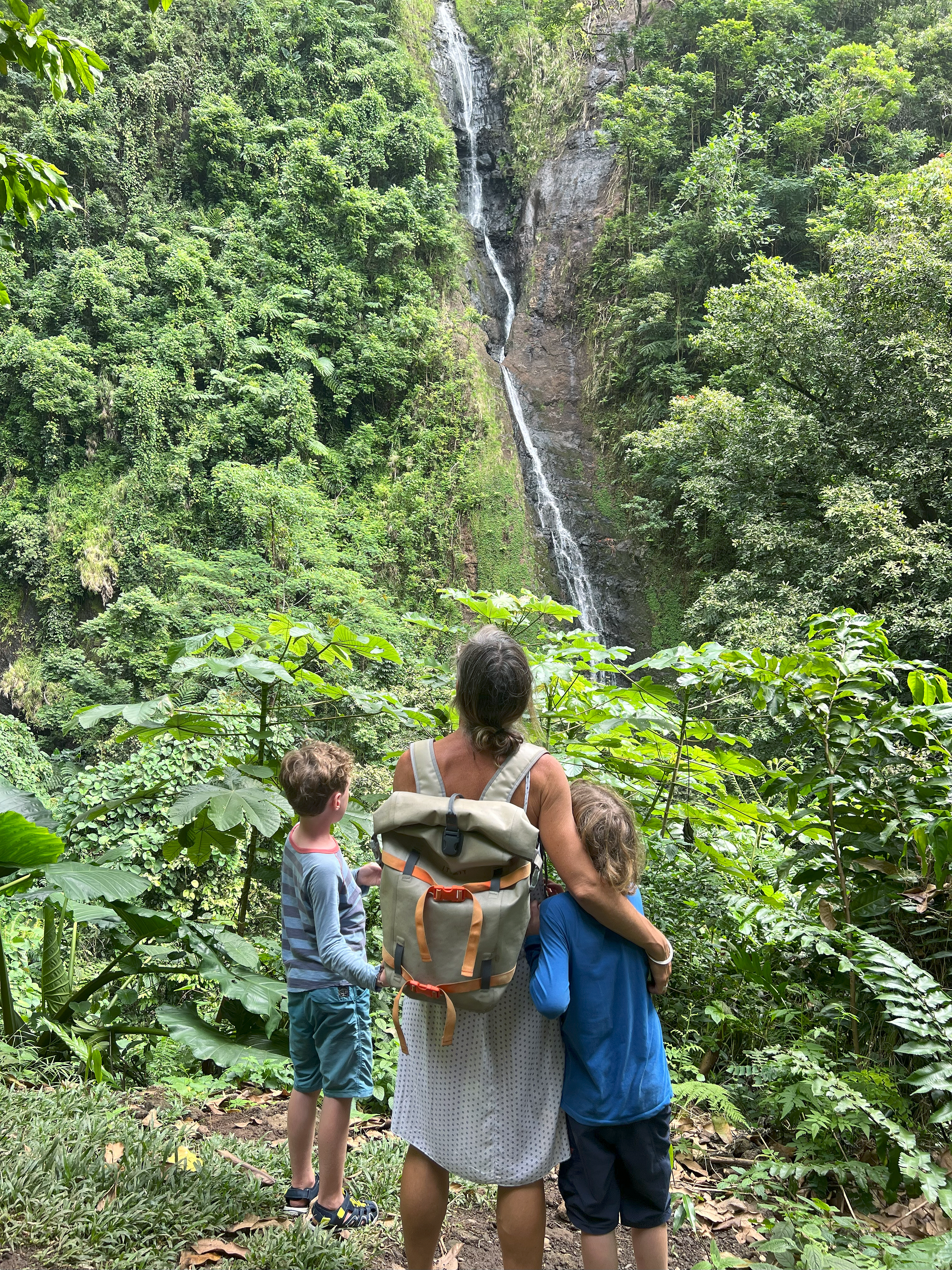
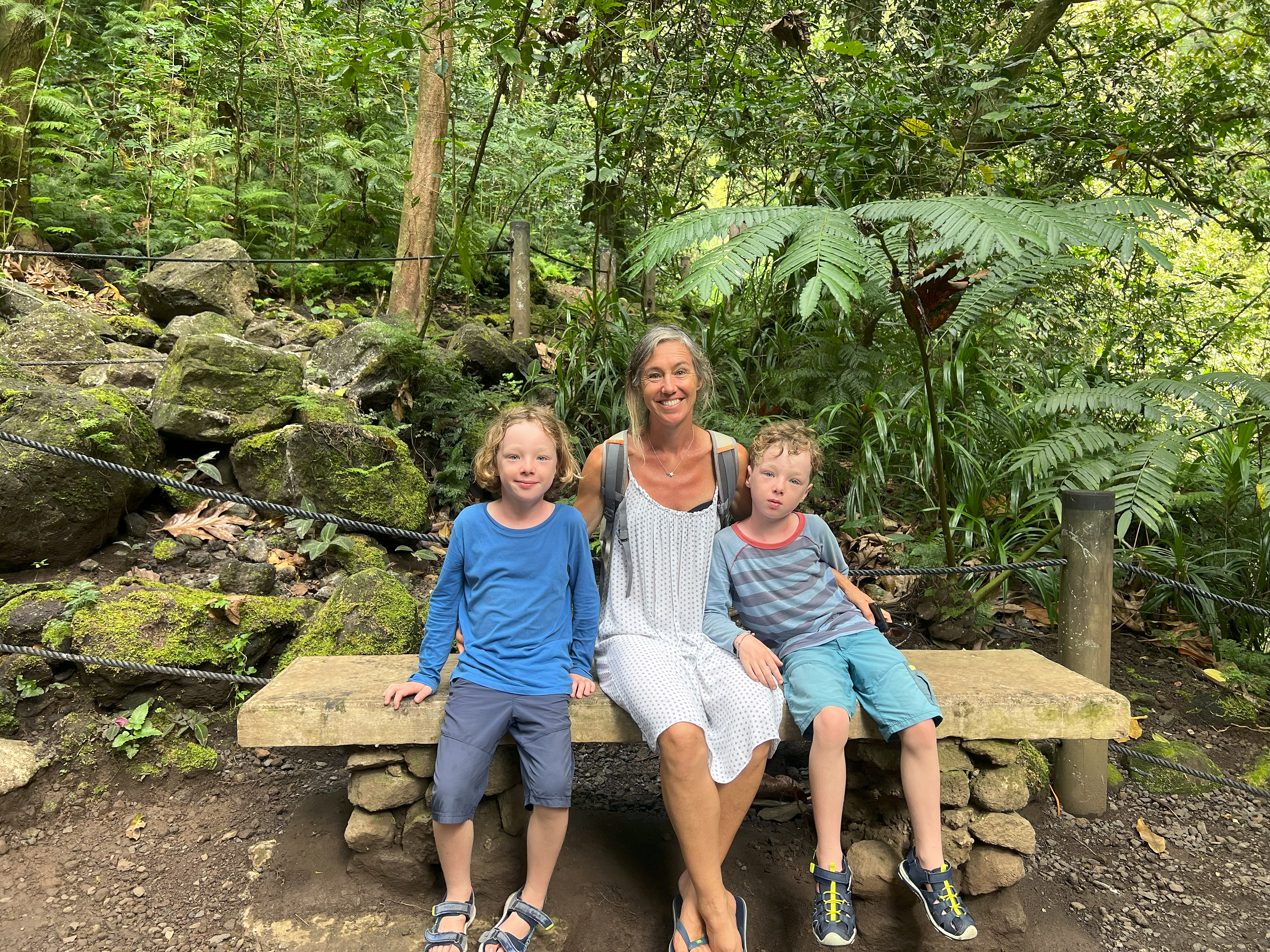
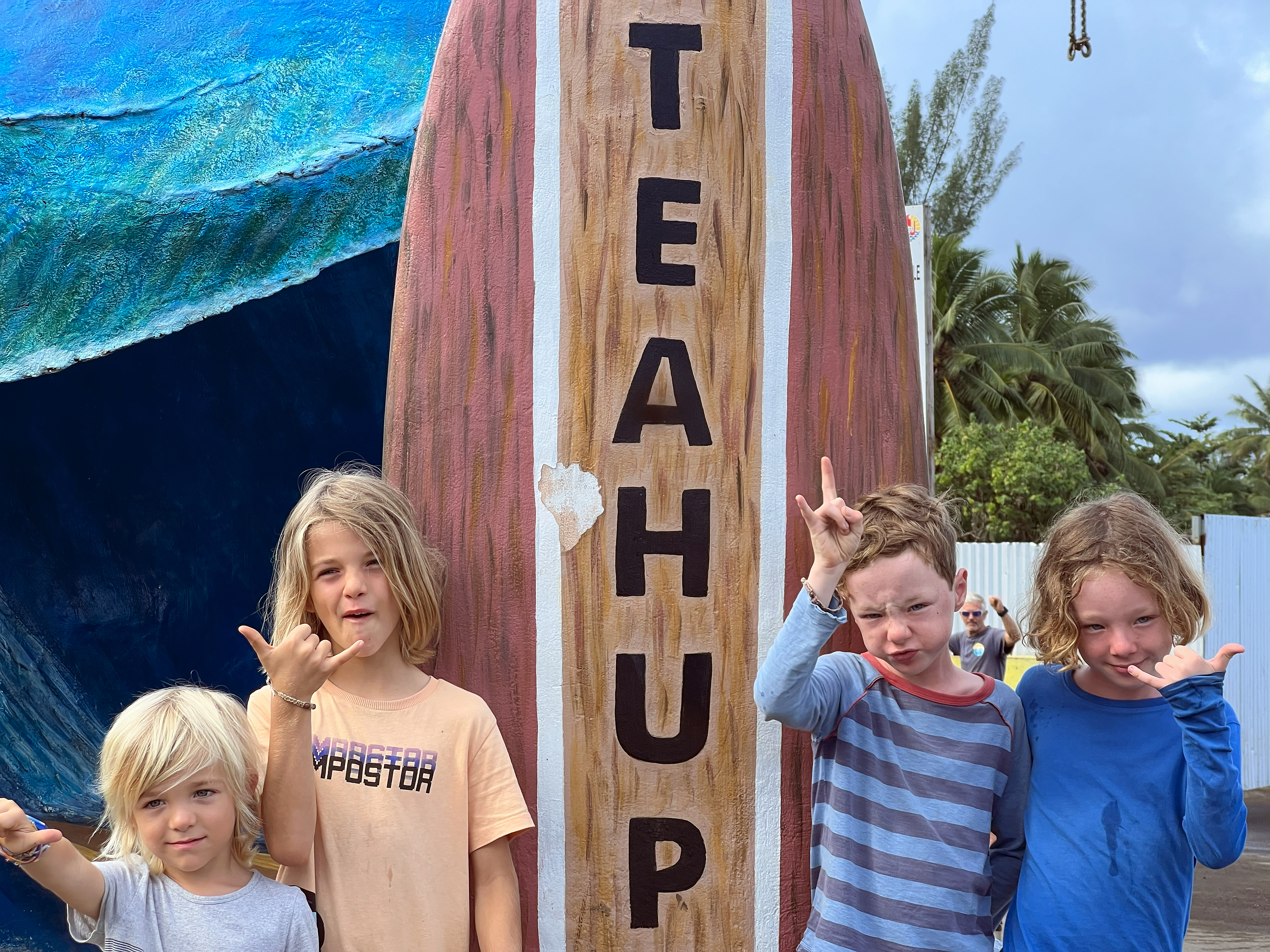
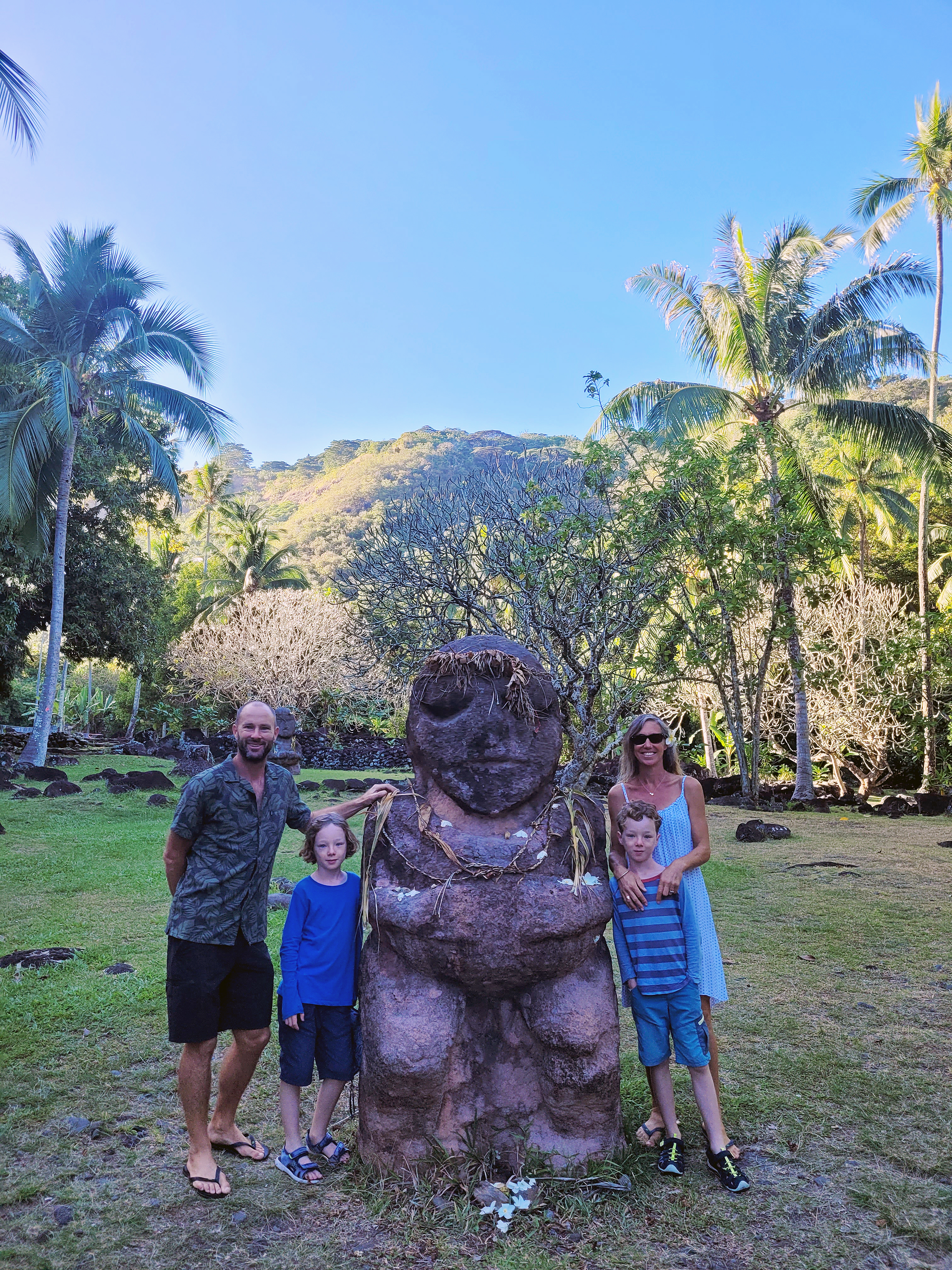
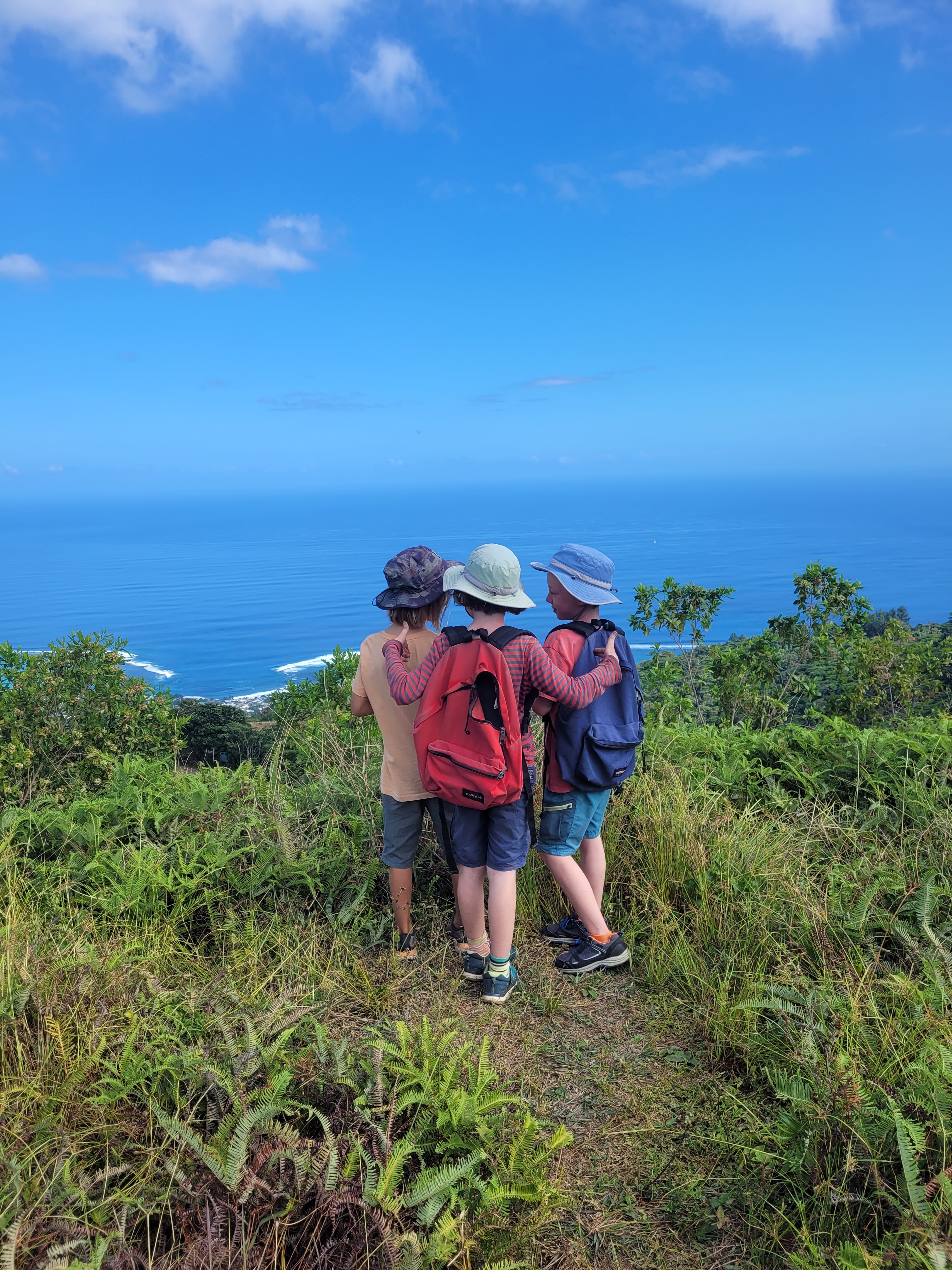
Not only did we find an enormous, bountiful Carrefour, replete with fresh produce and French cheeses, but also incredible waterfalls, the tomb of Tahiti’s last king, magnificent Polynesian dancing, ancient tikis and marae, world class surf breaks, blow holes, caves and stunning hikes.
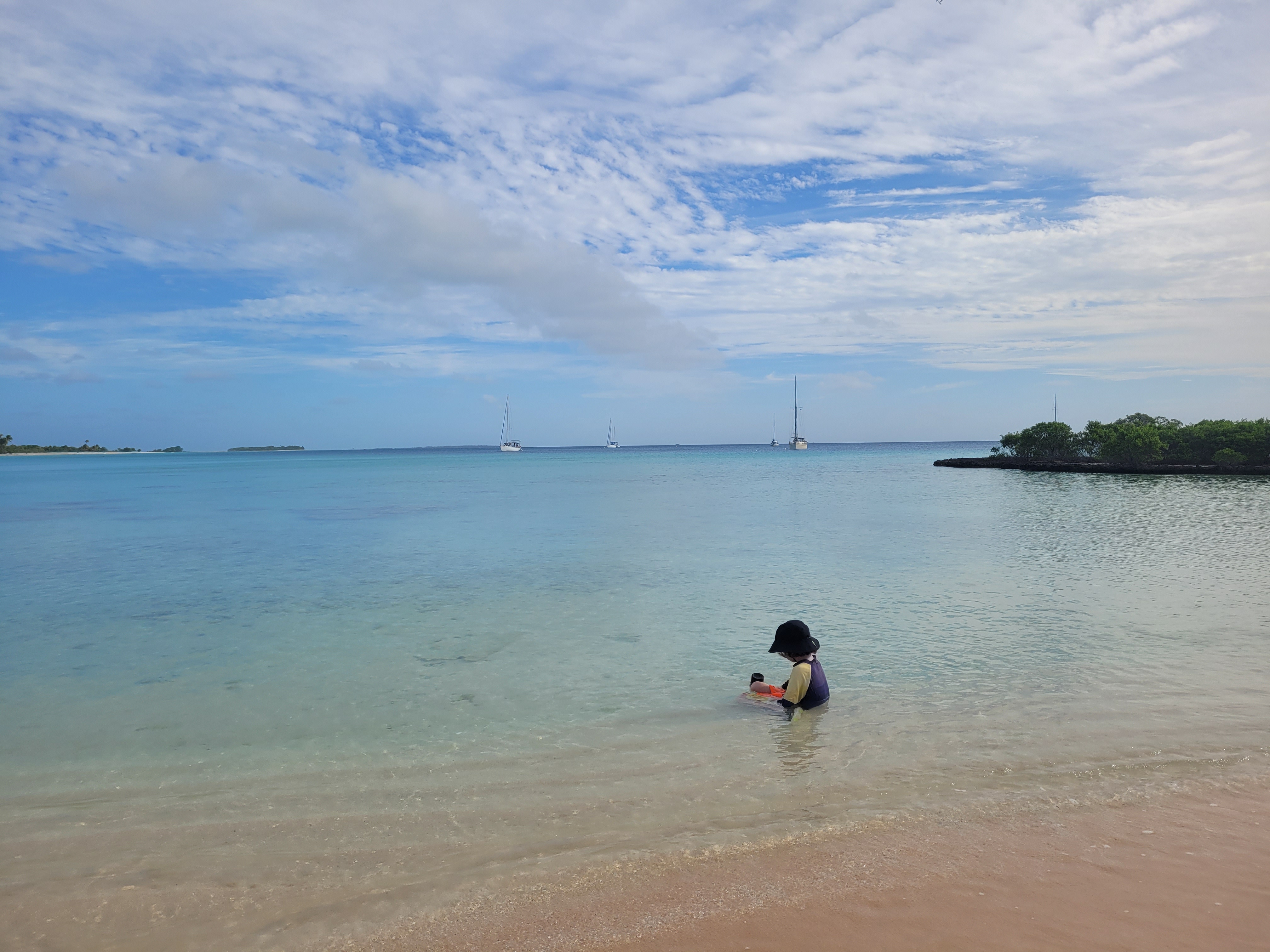
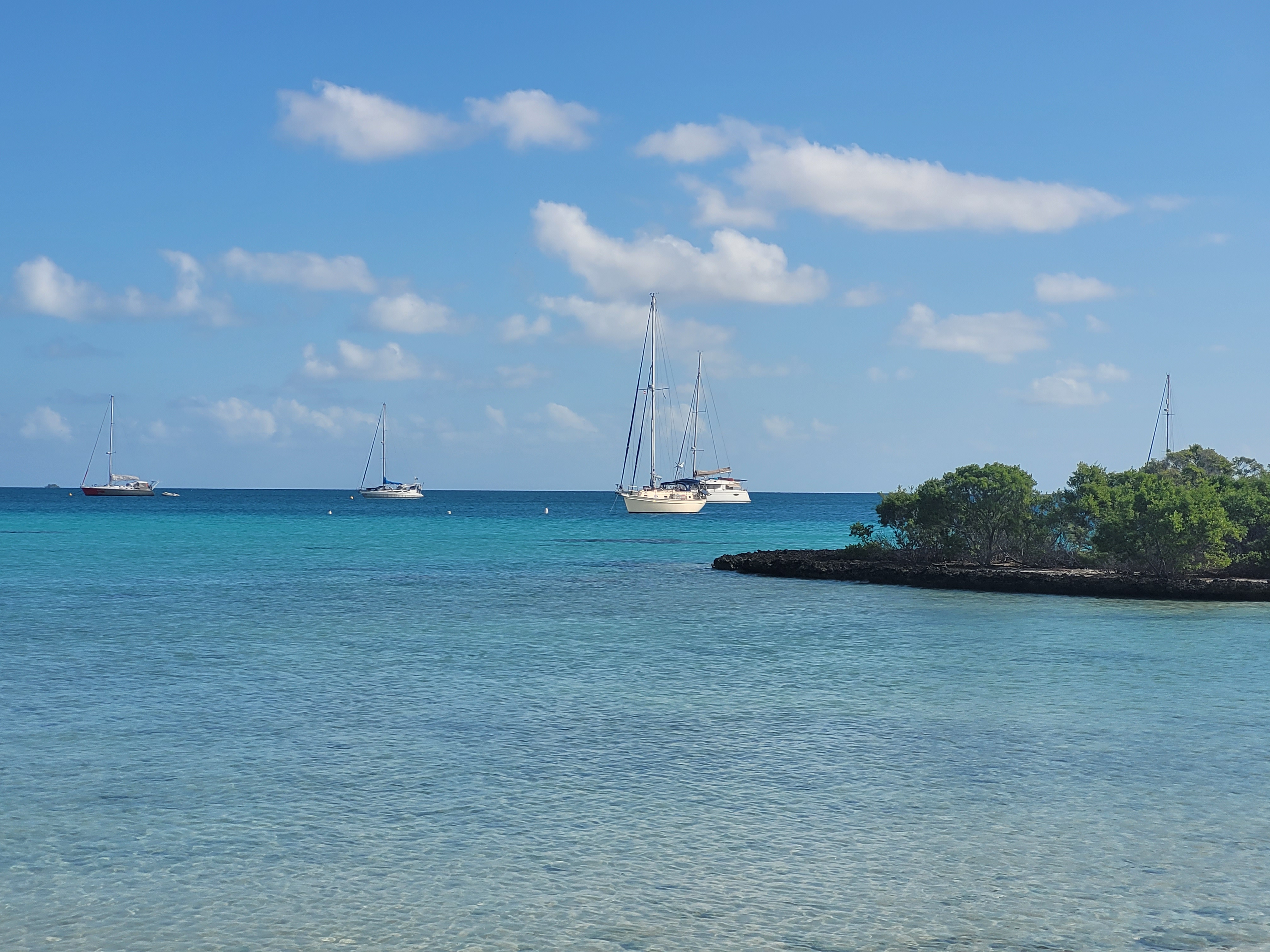
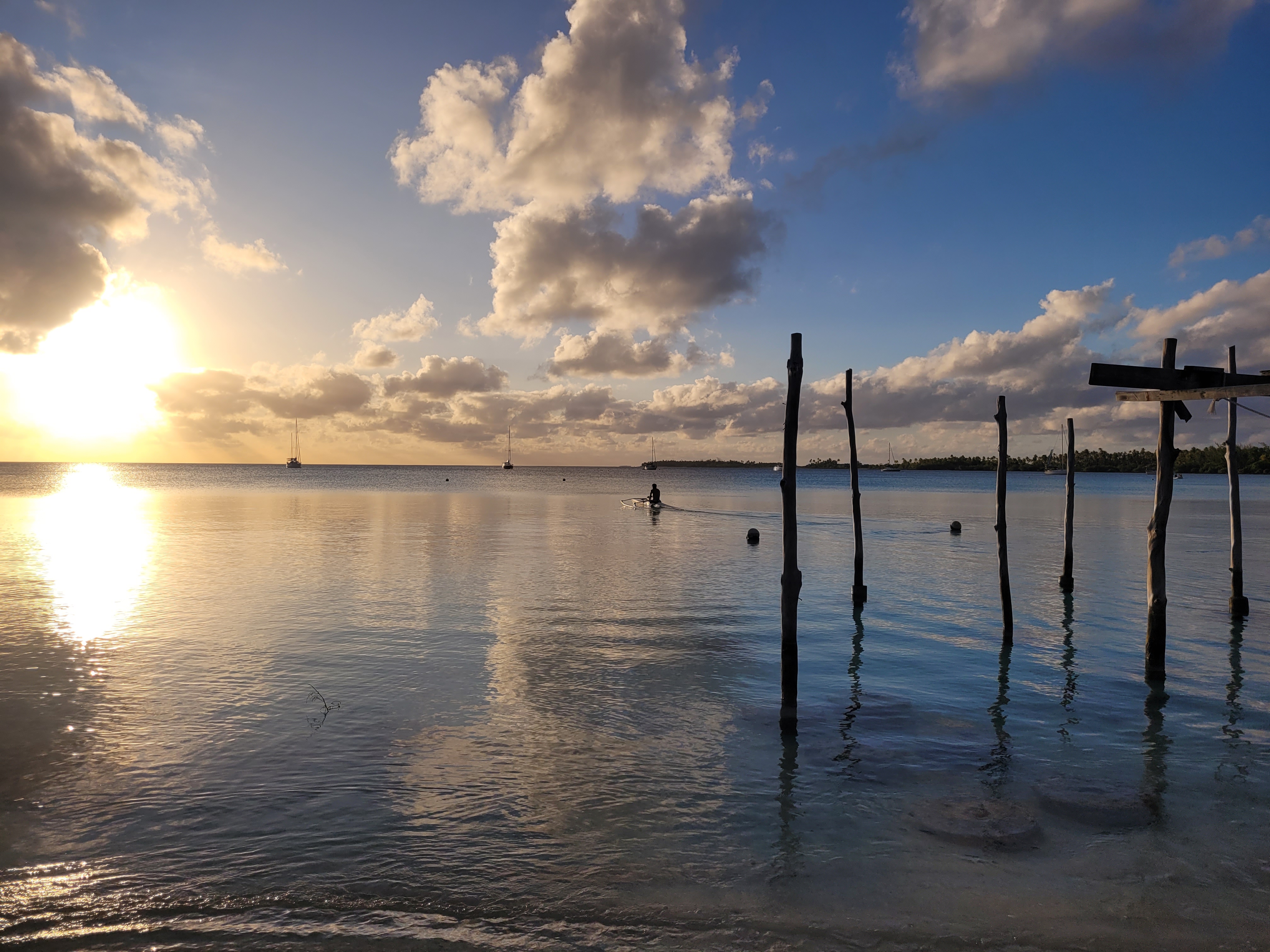
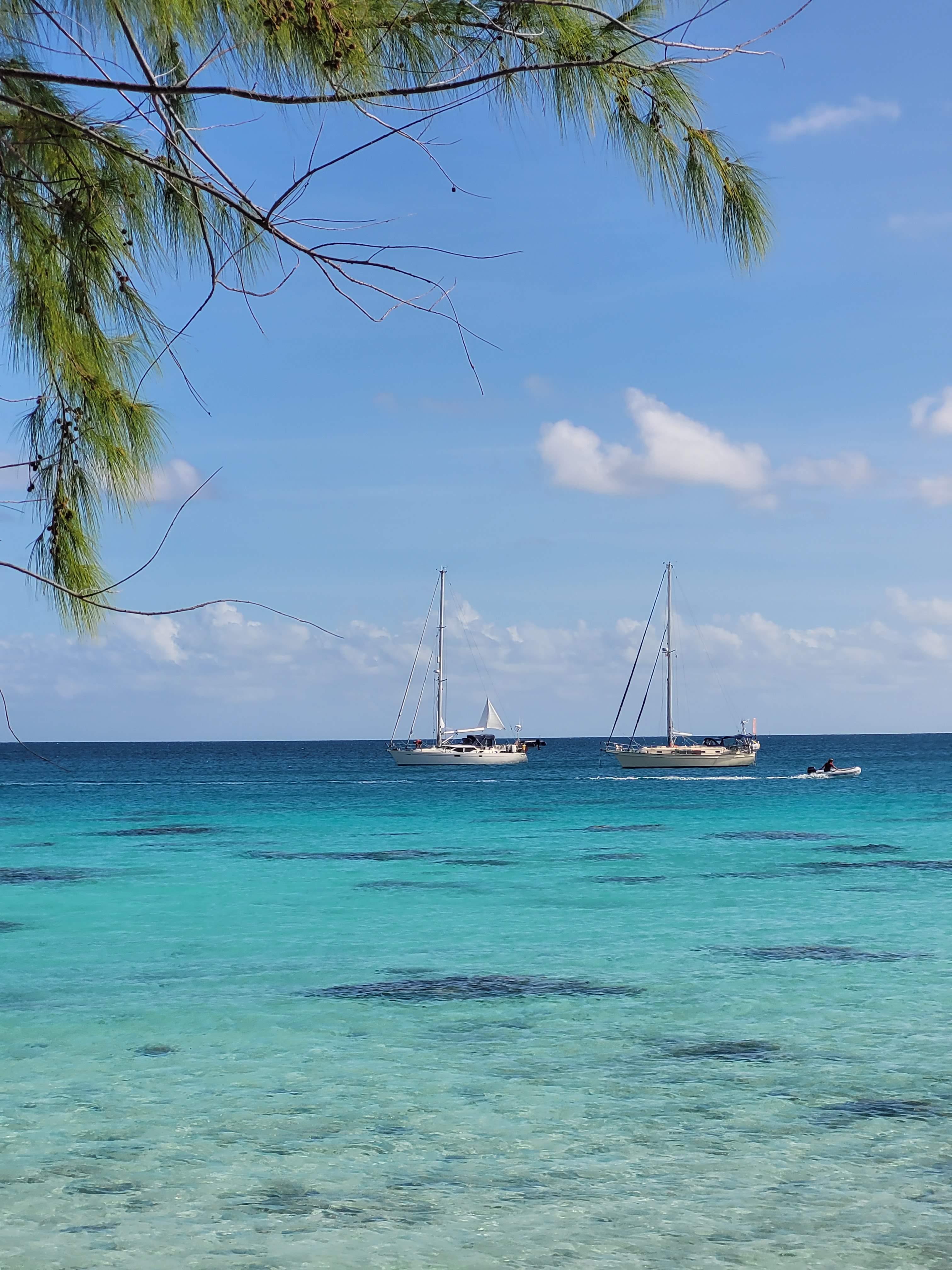
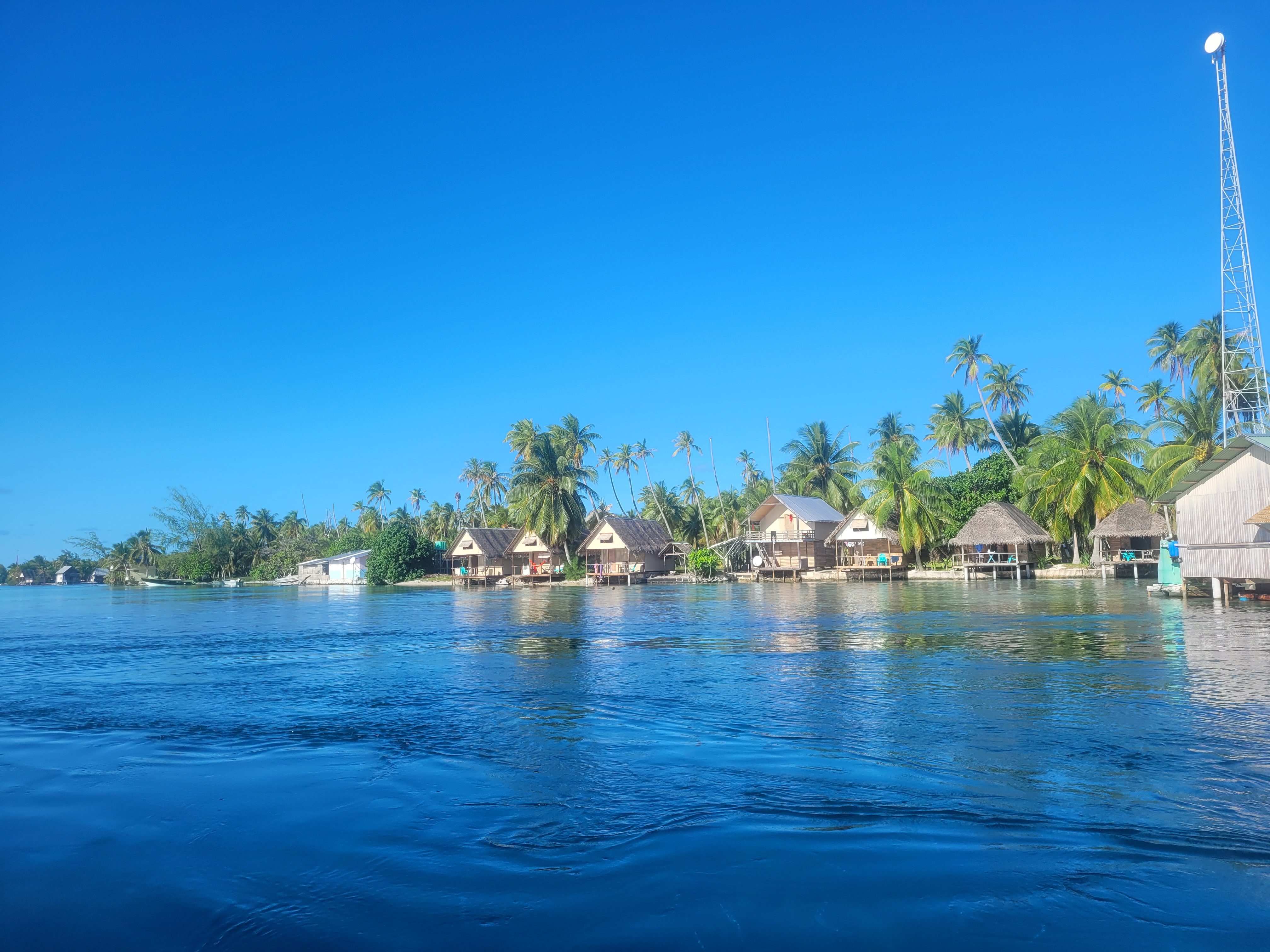
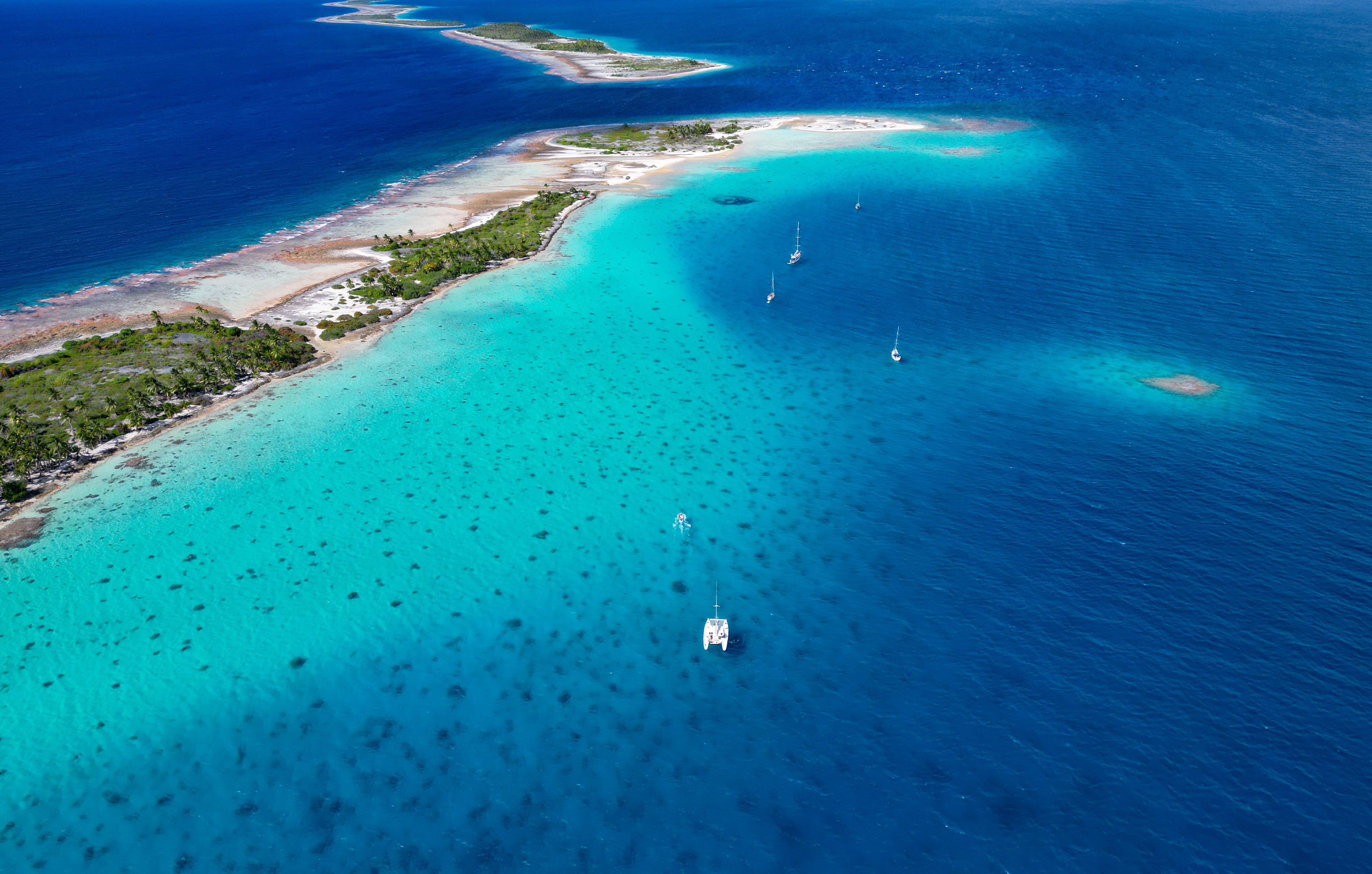
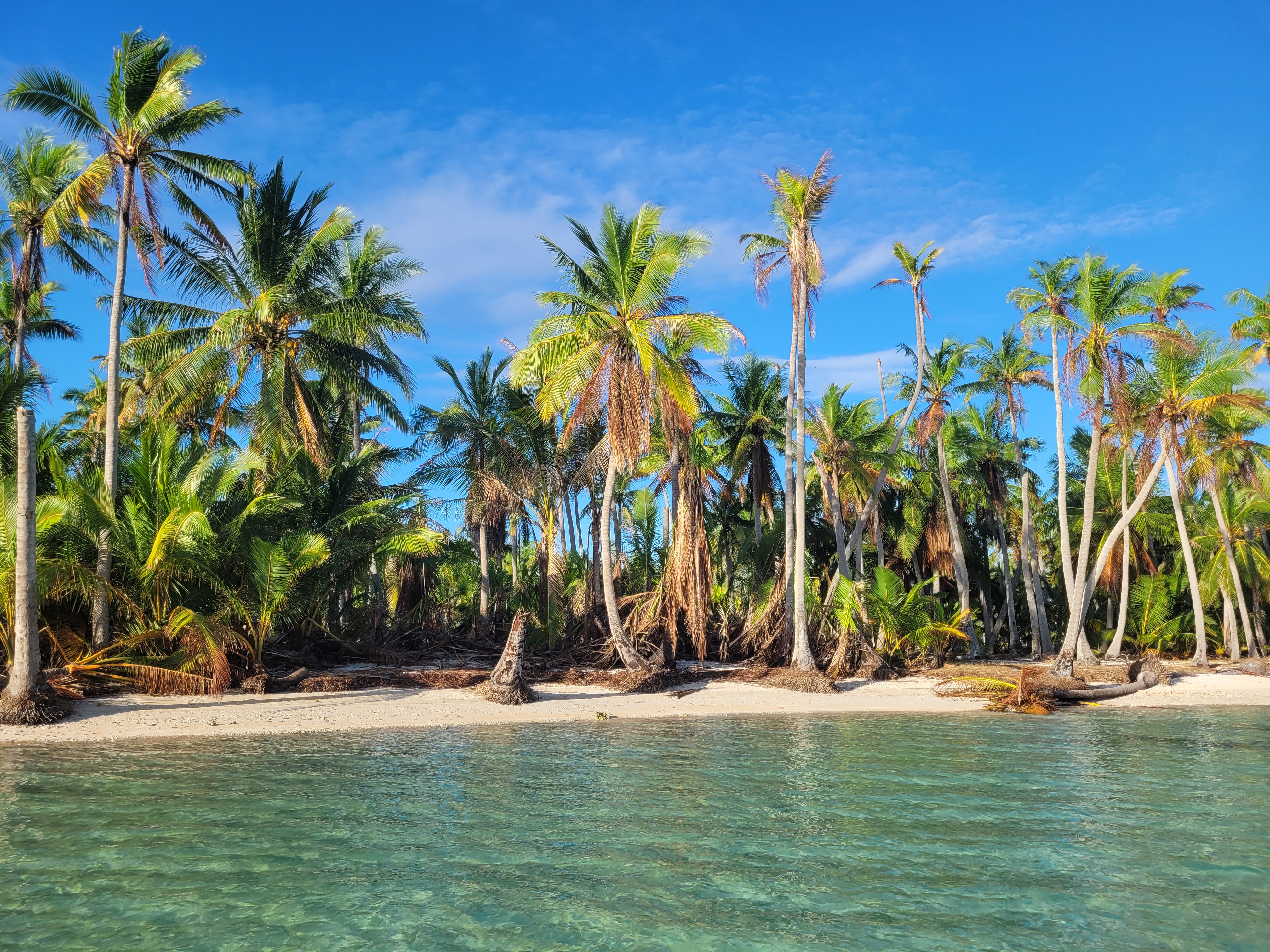
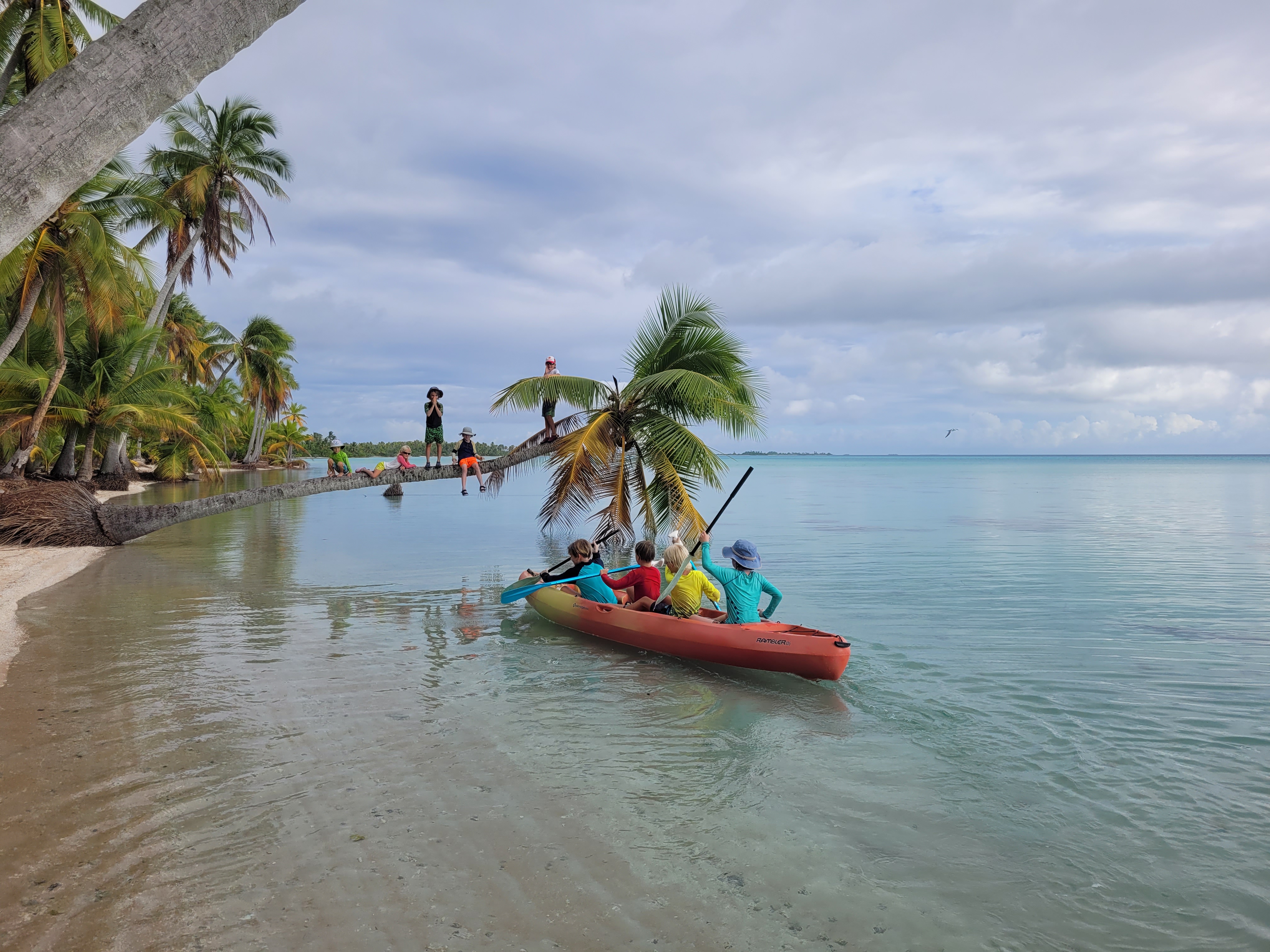
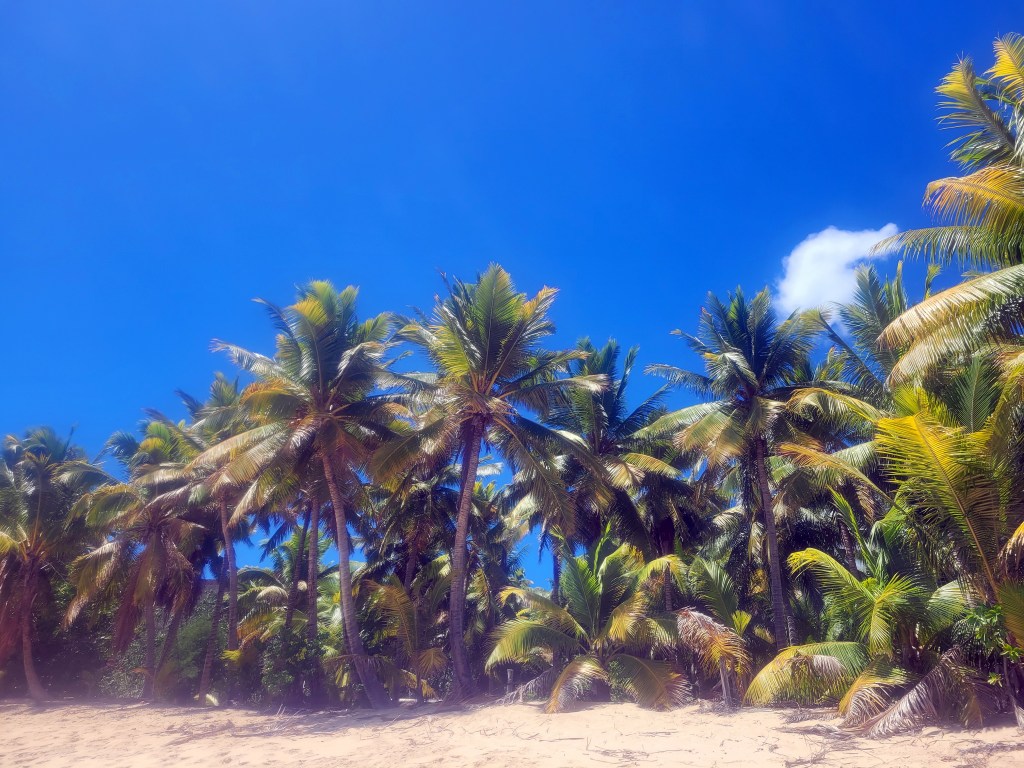
Toau, the next, and our final atoll in the Tuamotus, was a much quieter spot than Fakarava, with only 5 other cruising boats at anchor, two part-time inhabitants, James and Wallis, some friendly lizards and a gazillion palm trees.
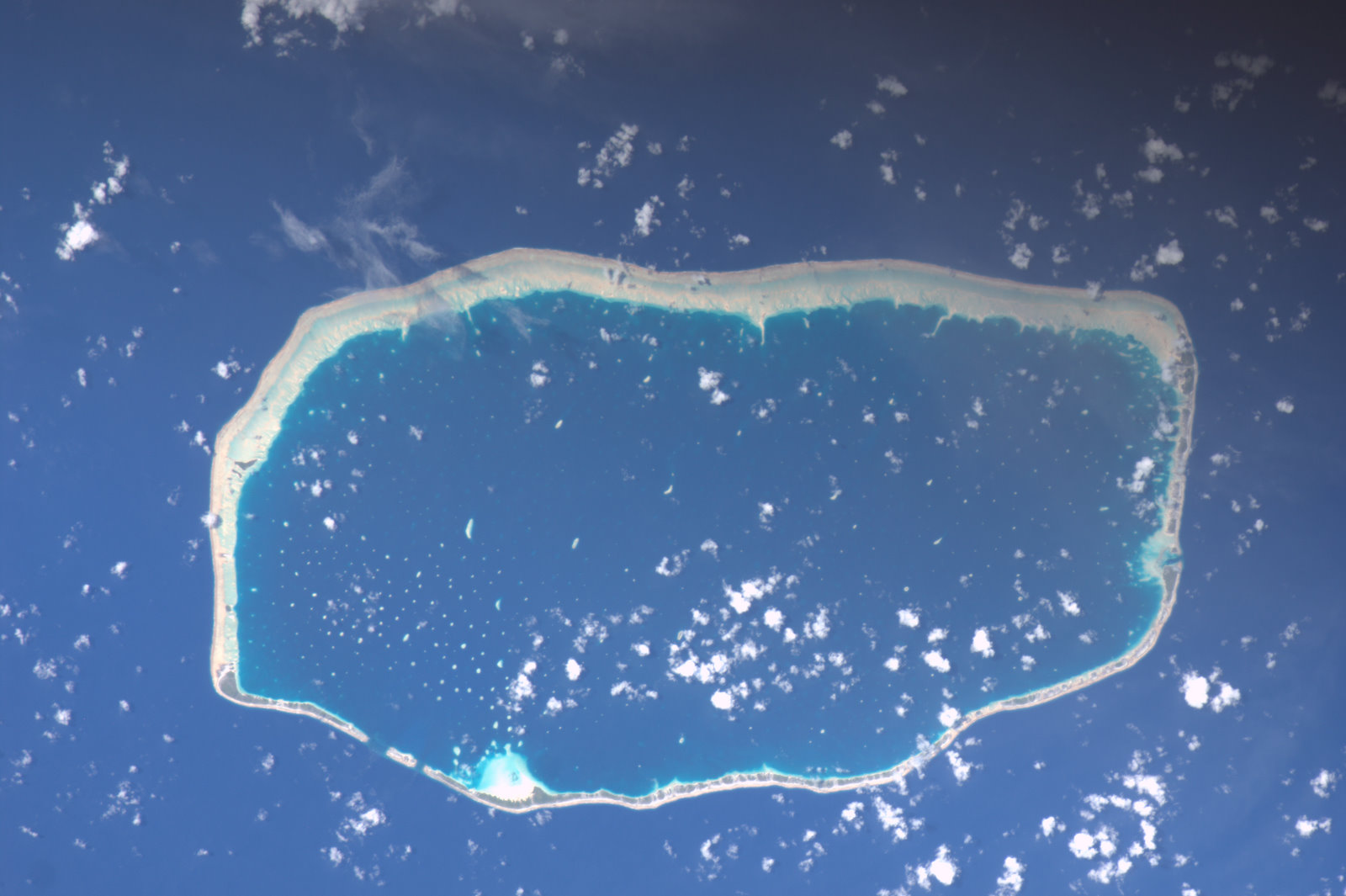
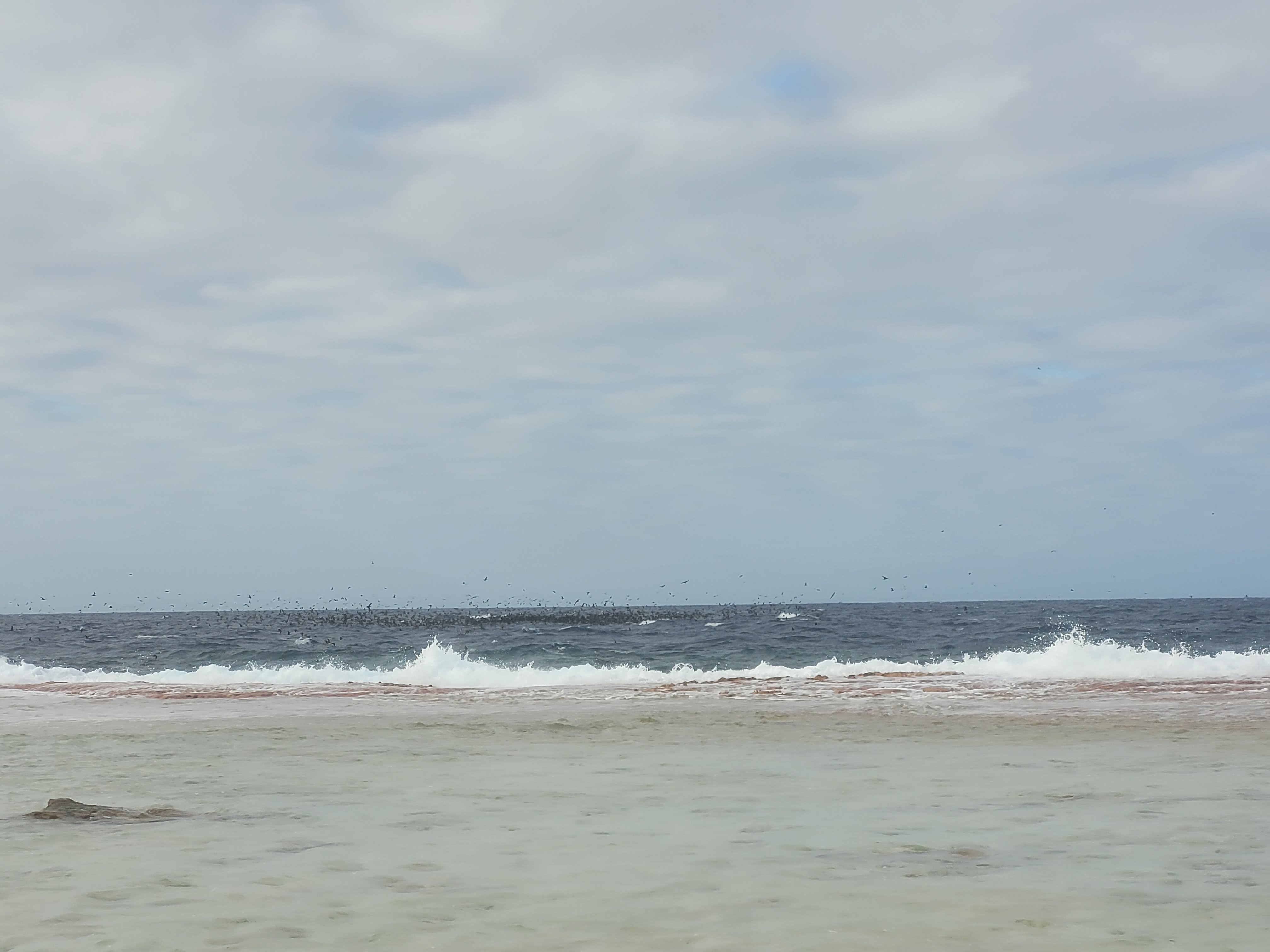
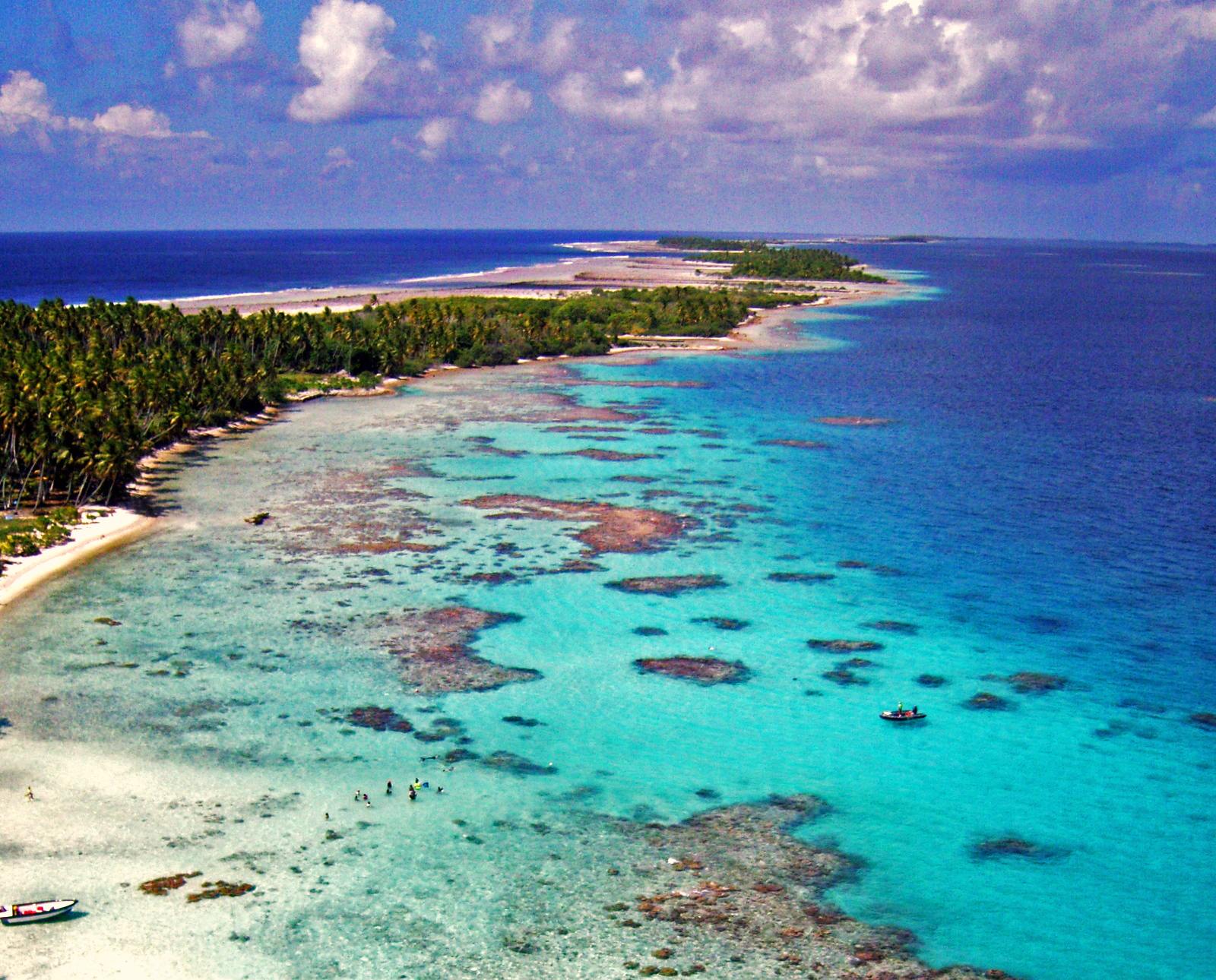
An atoll is comprised of a circular coral reef surrounding a lagoon formed from a long-since sunken volcano. Access into and out of the lagoons invariably requires some tricky navigation, dodging uncharted bommies, avoiding fast-flowing counter currents and gnarly breaking waves. Getting the timing right to navigate the pass is a bit of a dark art, as conditions are influenced by multiple factors and local advice is often contradictory. Sometimes we got it right, other times we took a thrashing and were spat out of the pass, Mowzer bucking all the way, our nerves thoroughly rattled. Toau pass fell into the latter camp!
Things got a bit gnarly in Tahanea when a sudden wind shift produced some big chop, spun us onto a lee shore, and wrapped our anchor chain around multiple bommies (submerged coral head). After a fraught hour untangling our chain, a hasty exit ensued, requiring a sweaty-palmed, wild ride through breaking waves at the atoll pass into open ocean. A very gentle overnight downwind sail delivered us to Fakarava in time for sunrise.
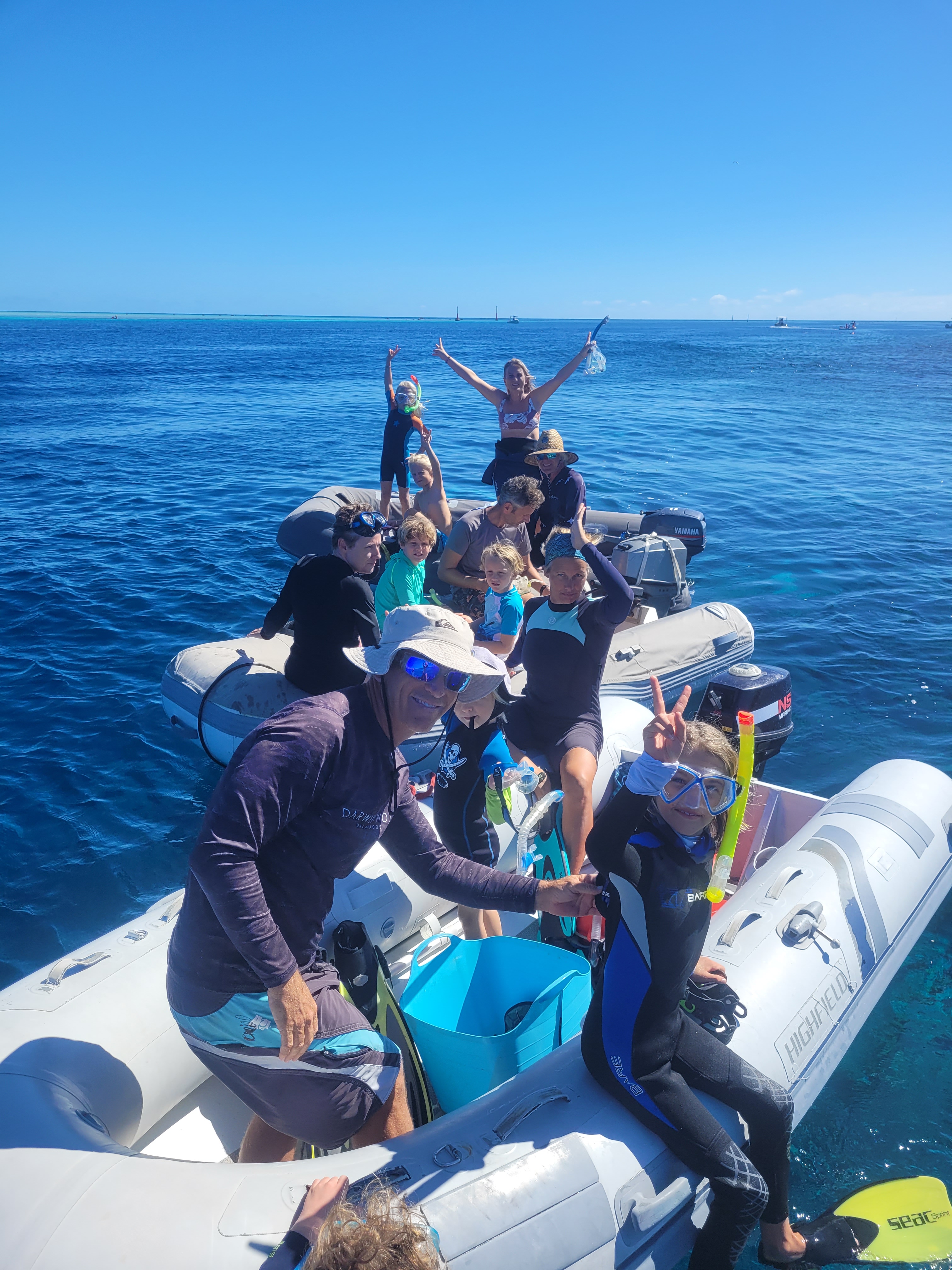
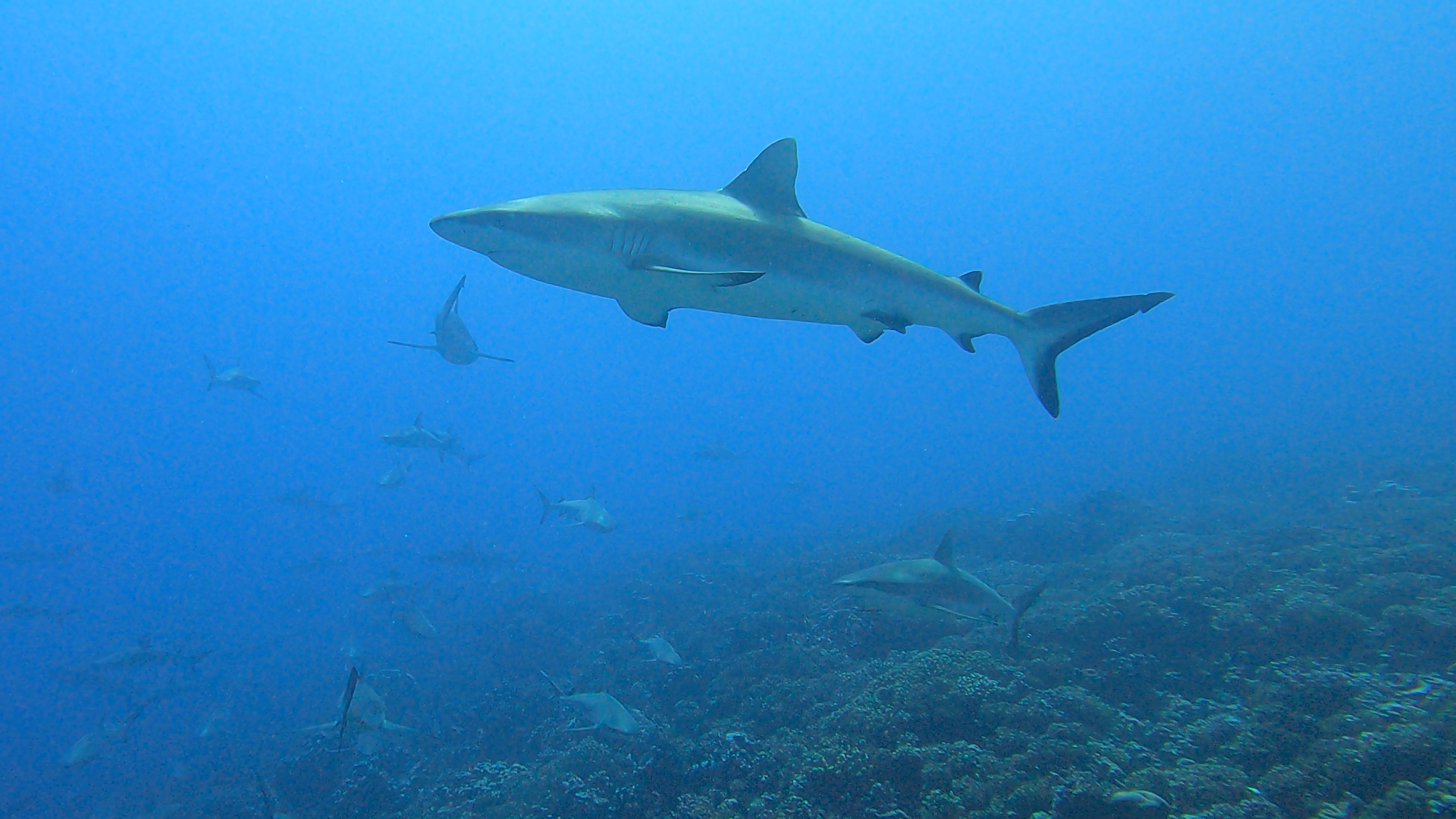
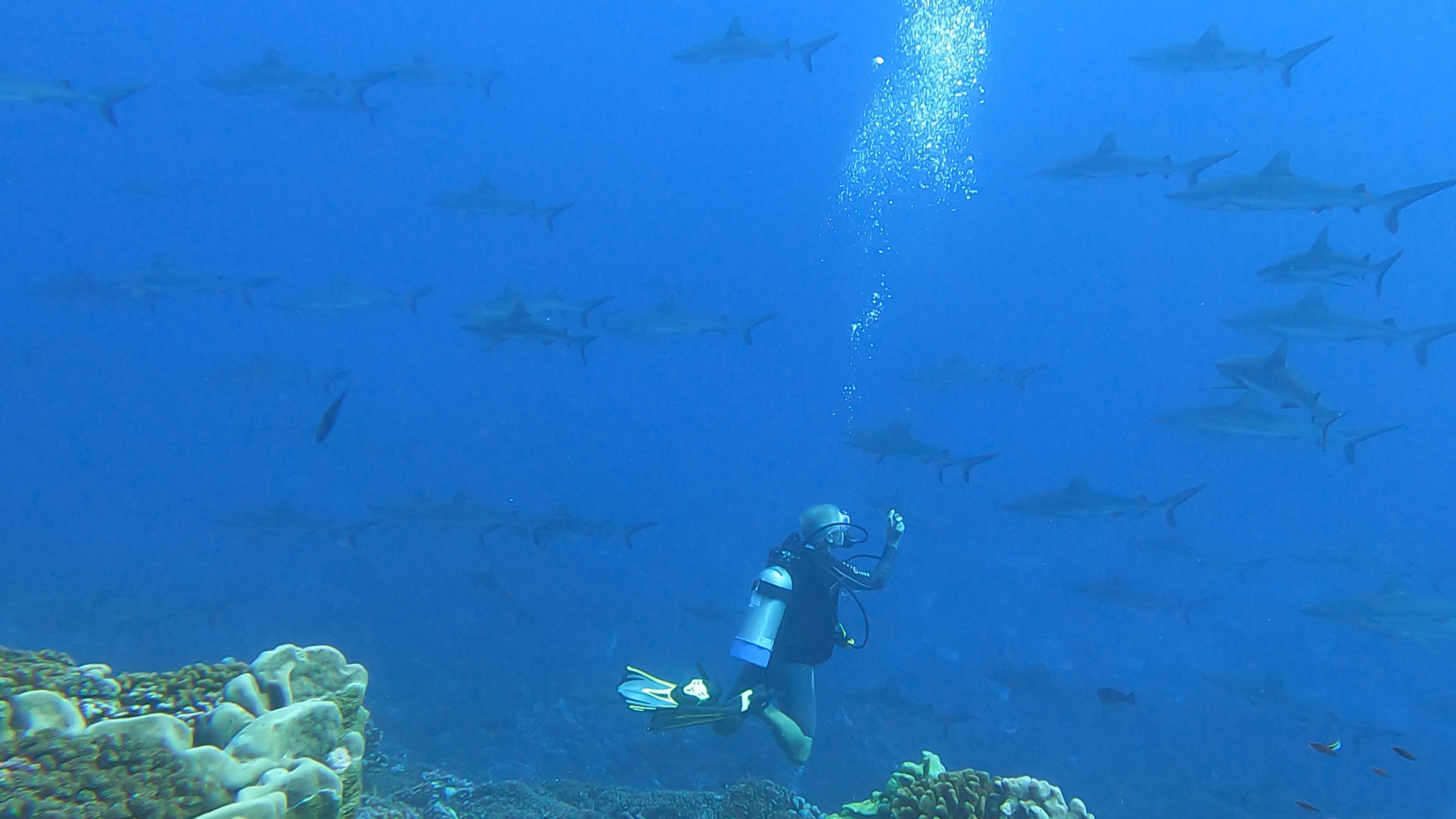
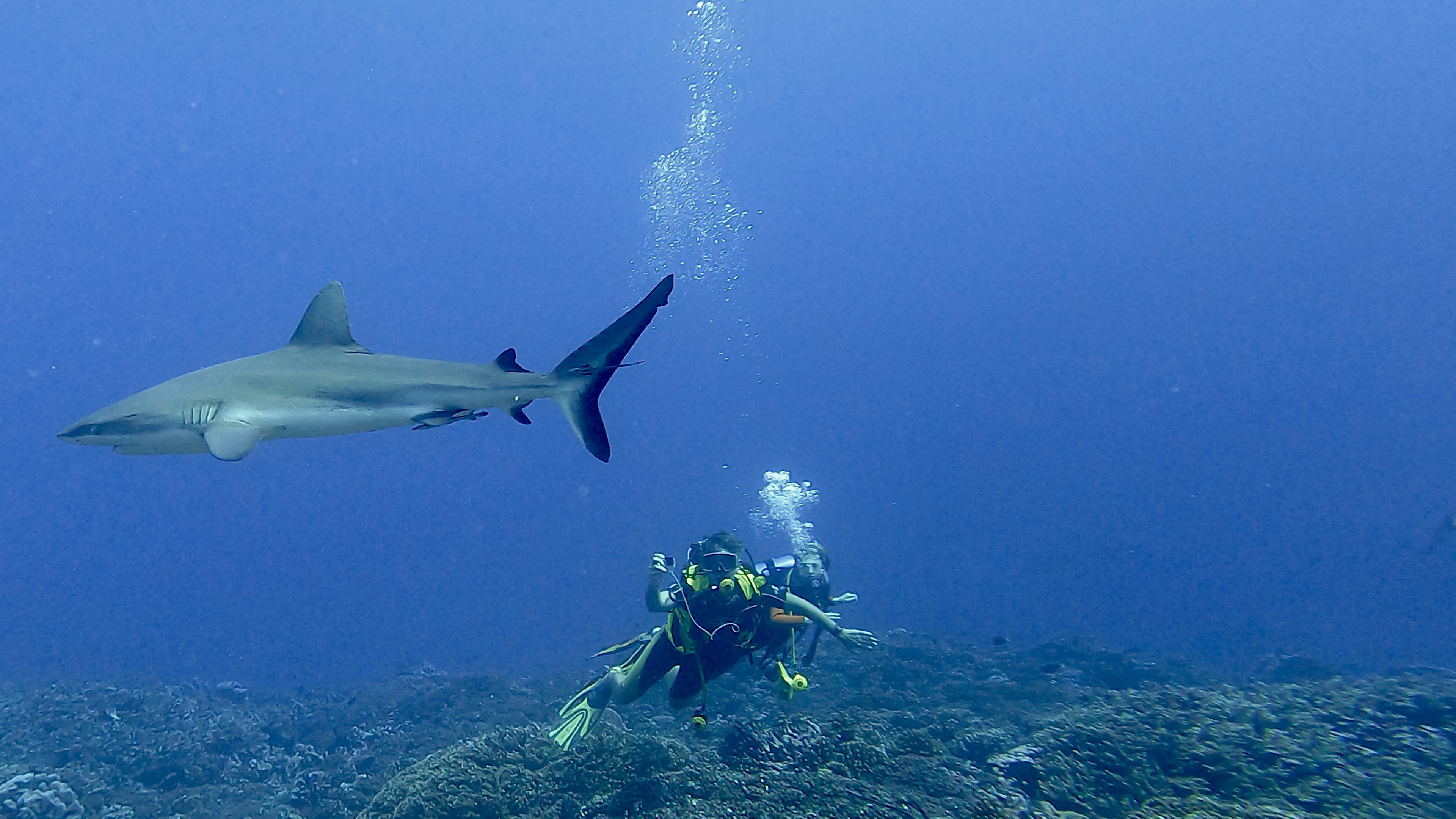
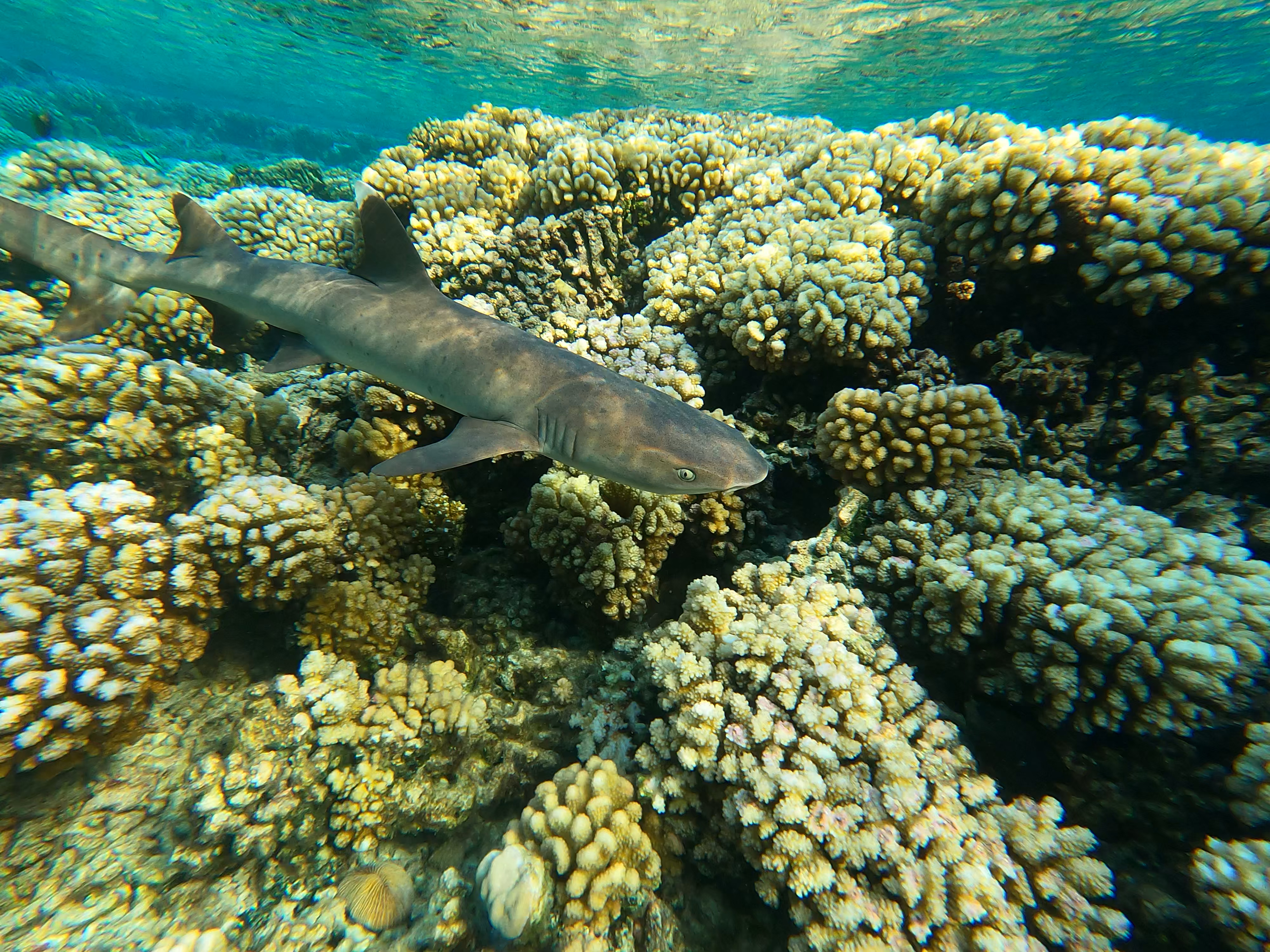
A UNESCO Biosphere Reserve, the Tumakohua Pass, in Fakarava, is famous for its “wall of sharks”, which attracts divers from all over the world. Up to 700 grey sharks gather inside the narrow pass during a full moon, to feed on the spawning groupers. With our kid boat friends, we drift snorkelled, and drift dived the Tumakohua Pass several times. A myriad of colourful reef fish, co-existing with hundreds of grey sharks and black tip reef sharks, stunning coral gardens and incredible visibility made for an extraordinary, David Attenborough-esque spectacle. Watch our video here
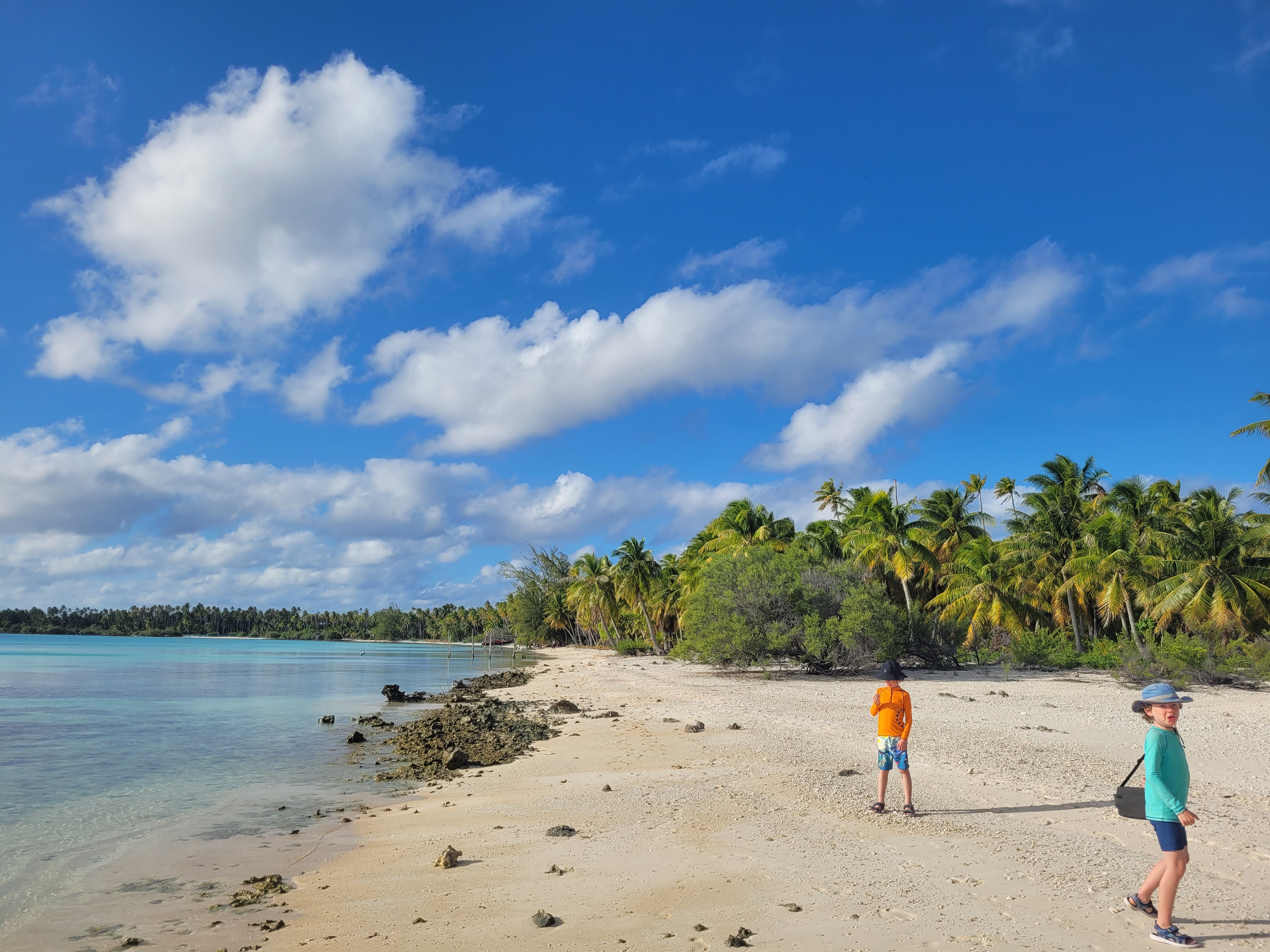
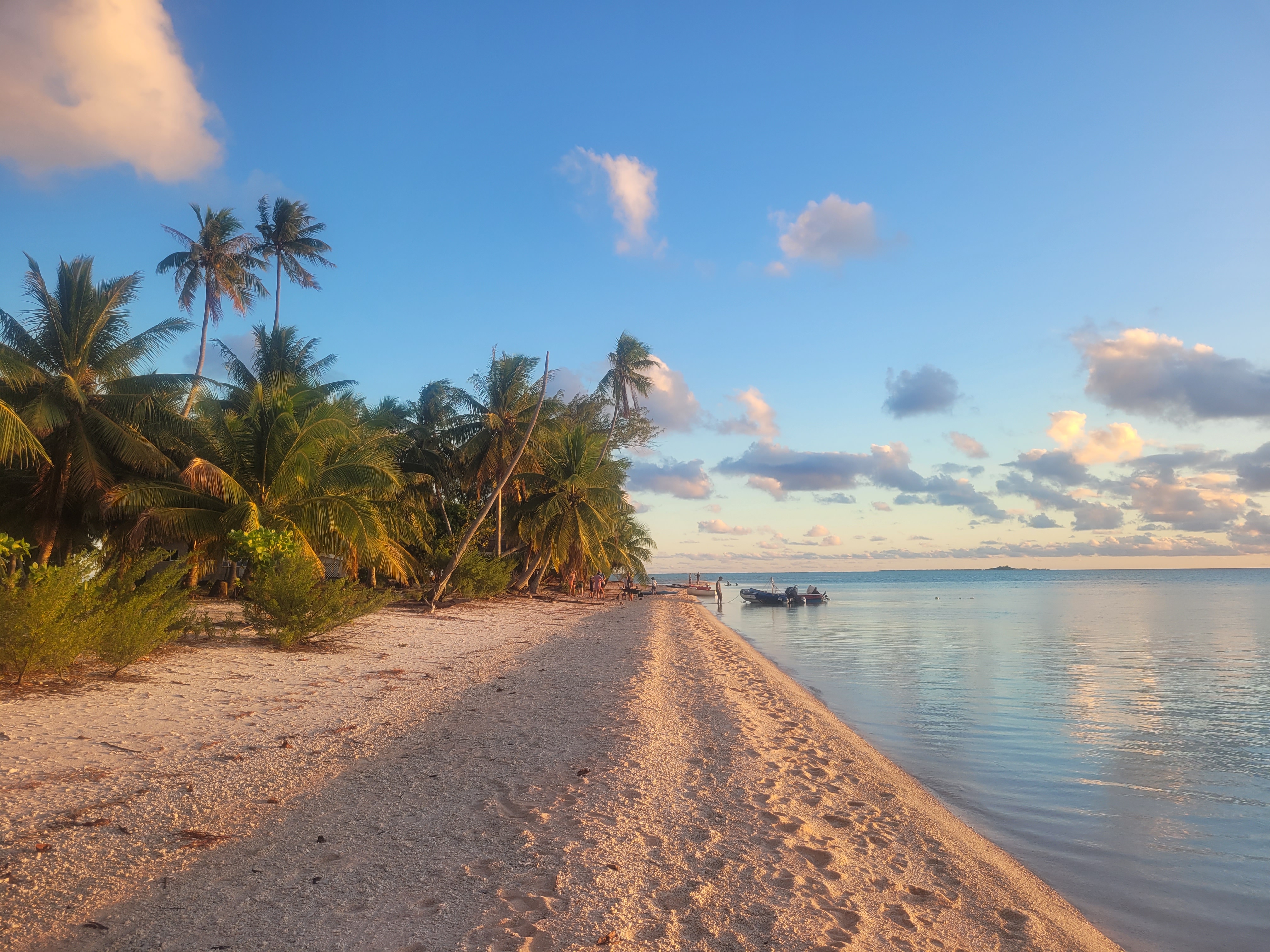
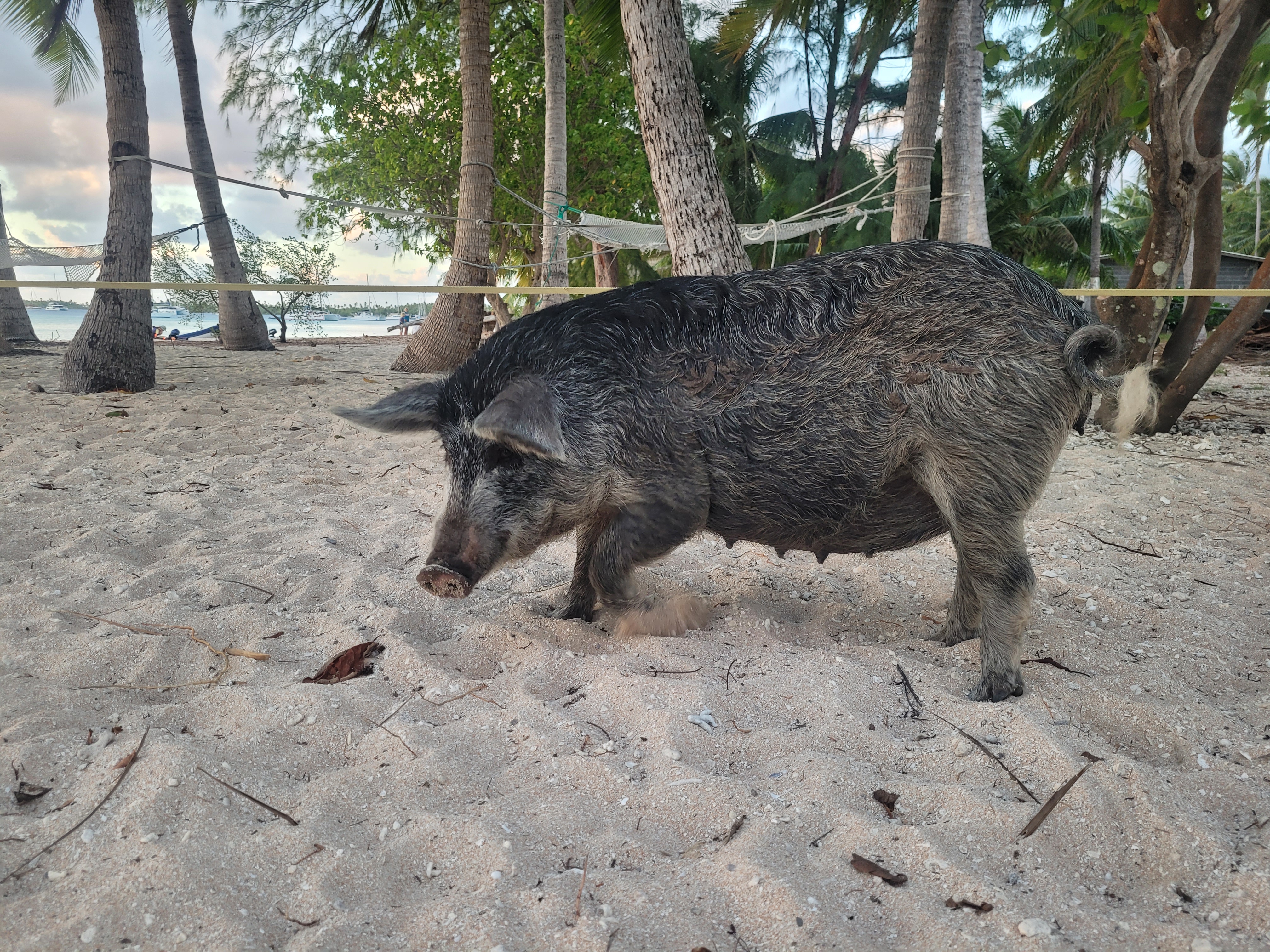
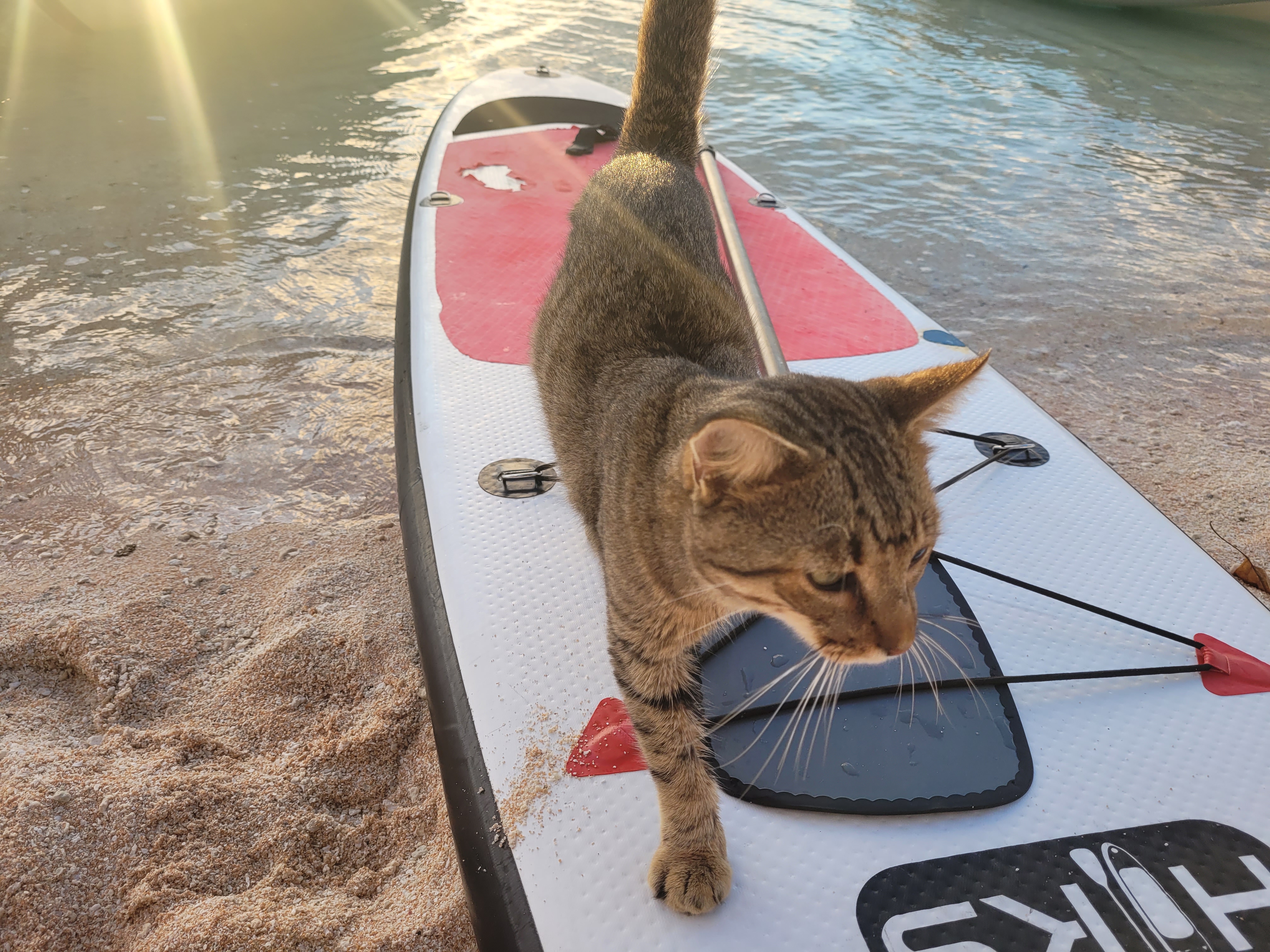
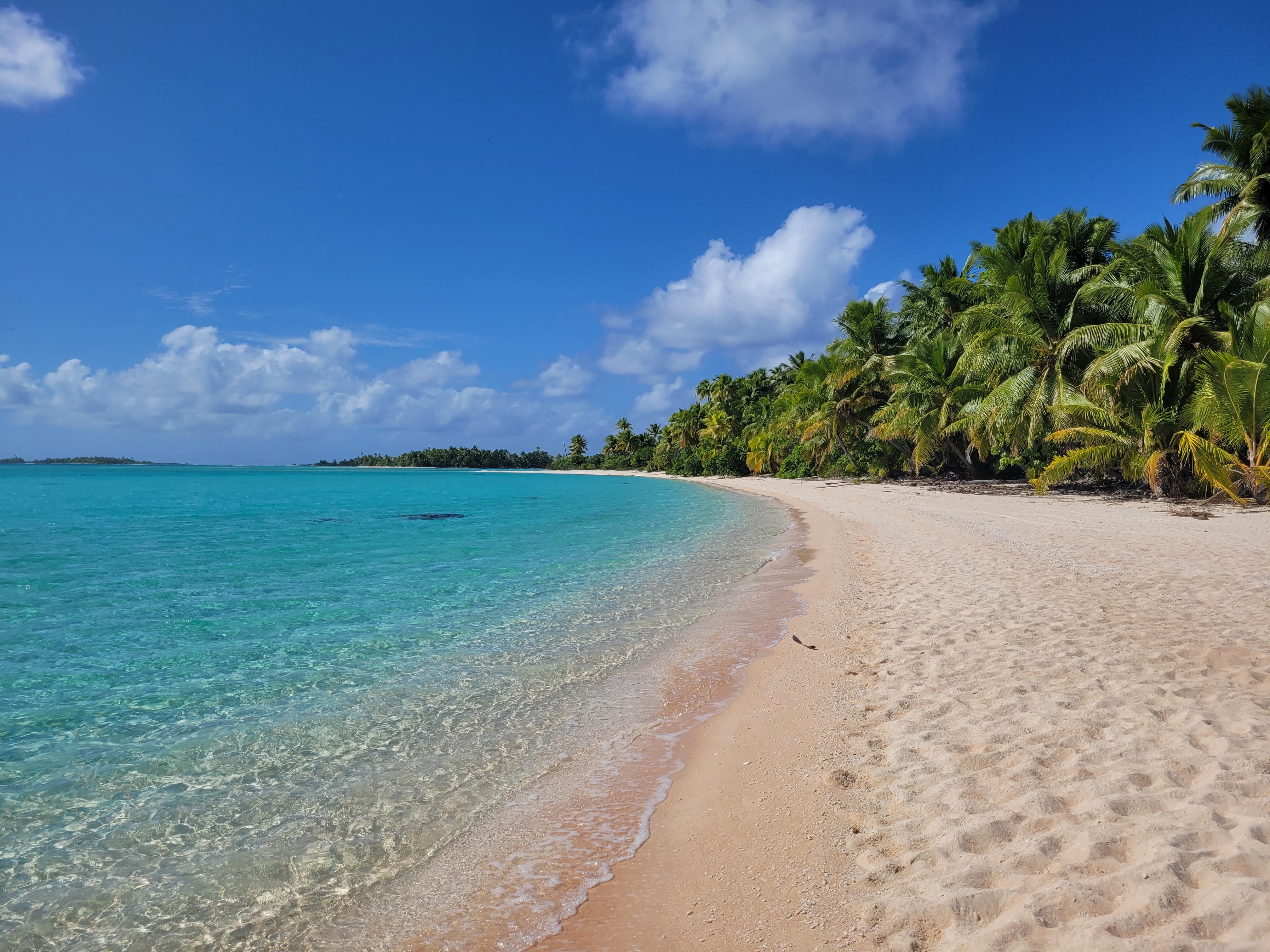
Once we were all dived out, we ventured to the SE corner of the atoll to Harifa where a vast fleet of kid boats had gathered. A perfect sandy beach, with no inhabitants, only free-range pigs, and Twist, the Pacific’s most affectionate cat.
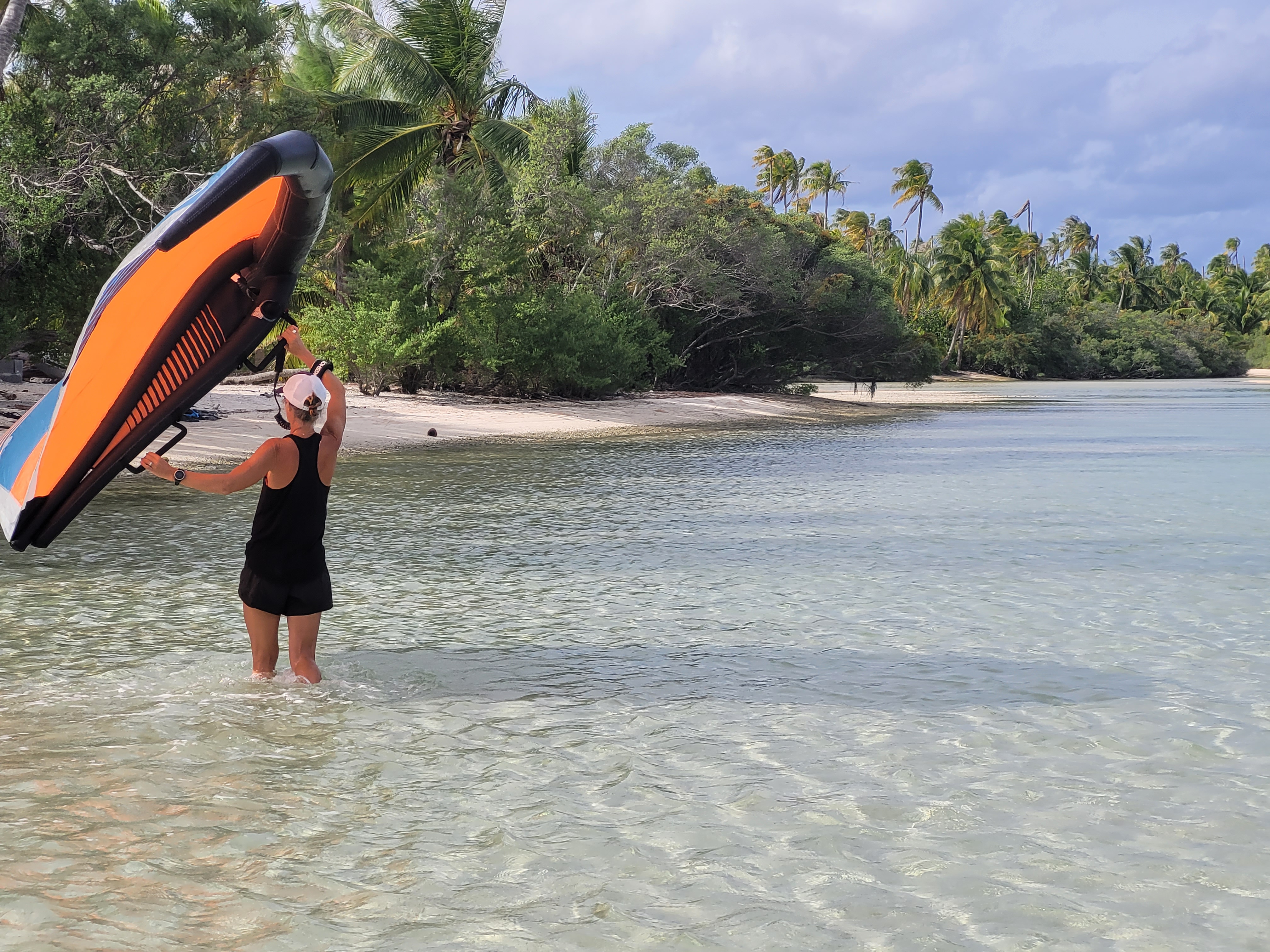
Harifa is best known as one of the top wing foiling spots in French Polynesia. Angus and I had a first lesson and though bruised and sore afterwards, are now well and truly hooked.
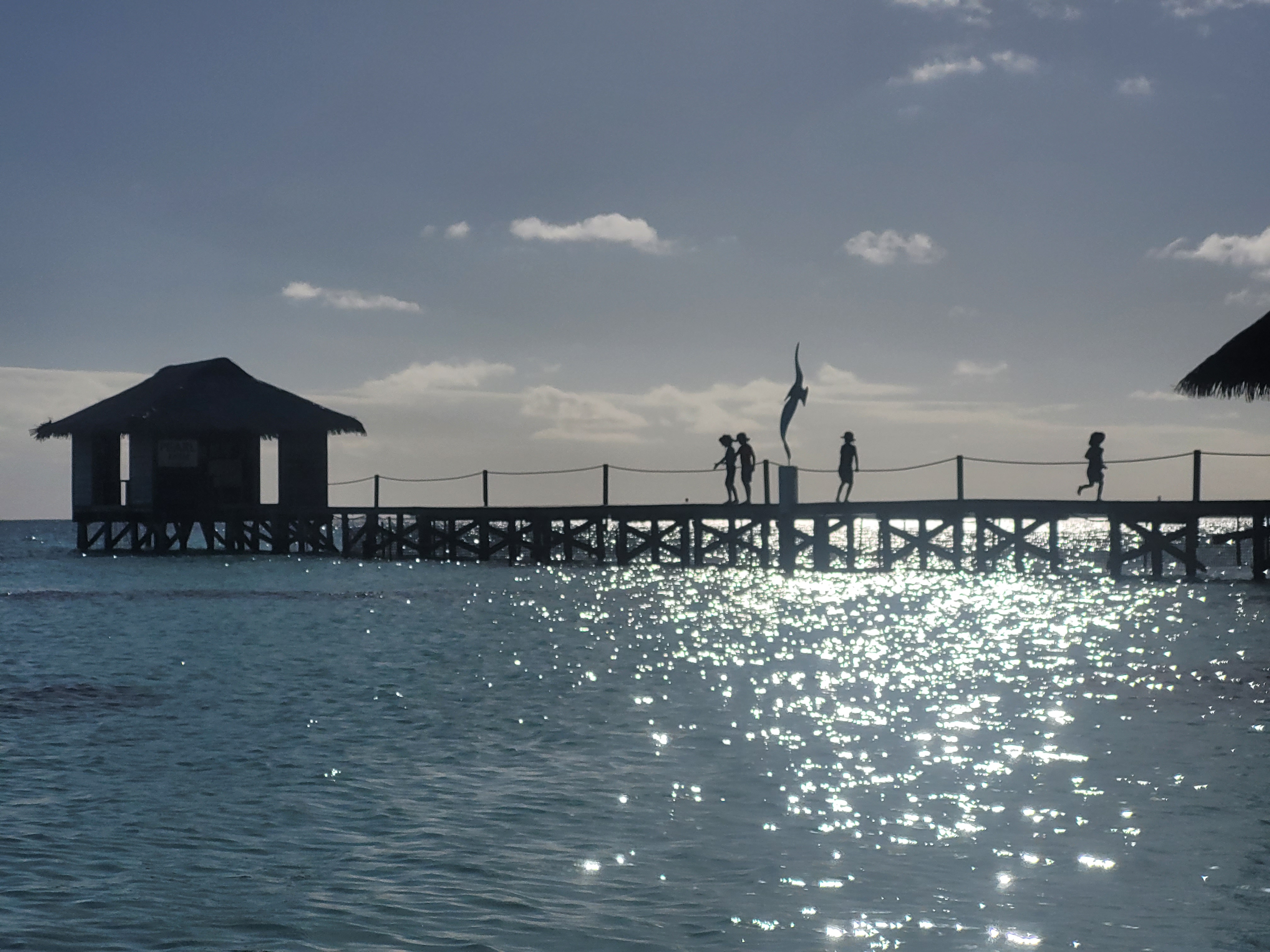
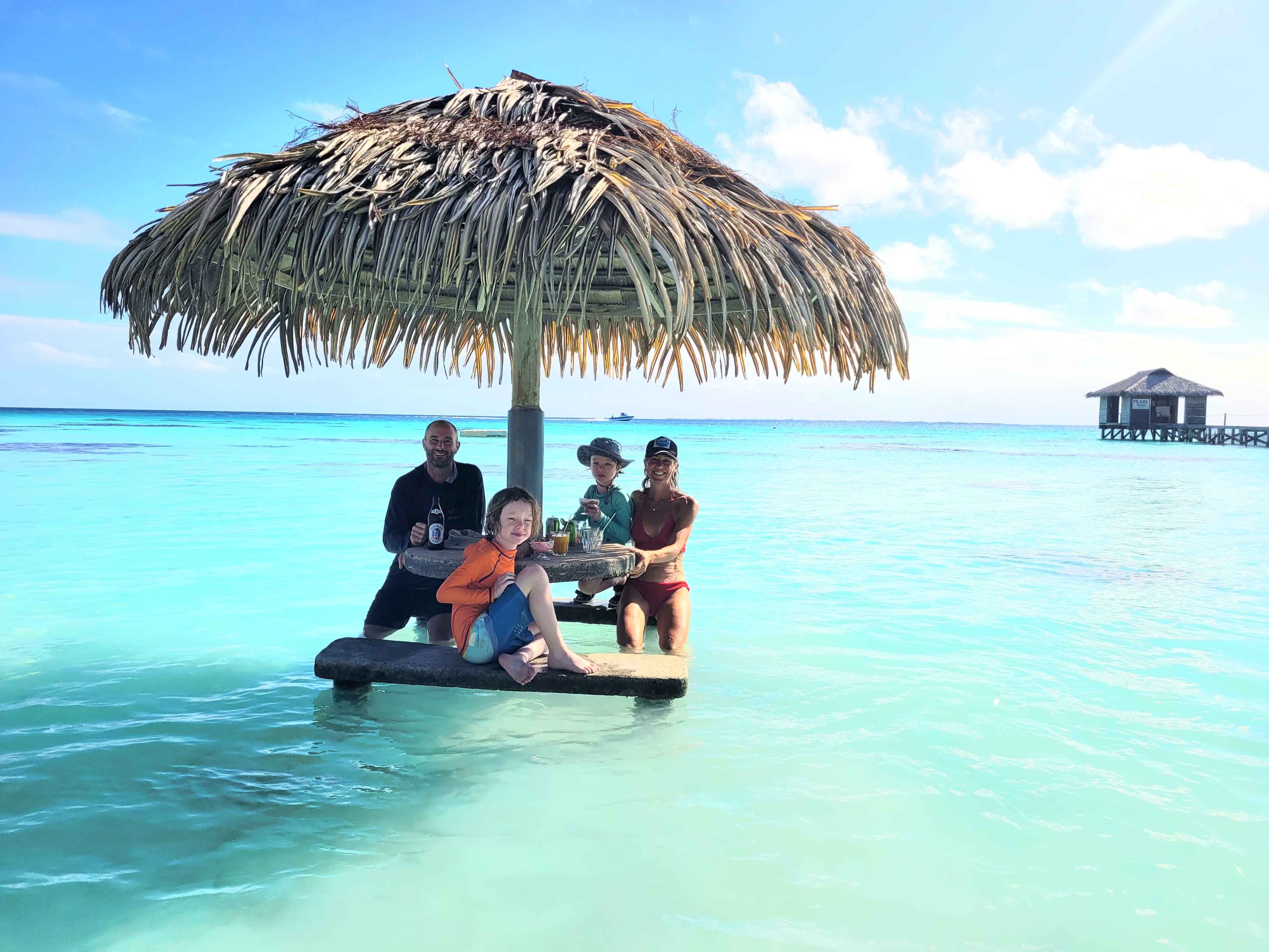
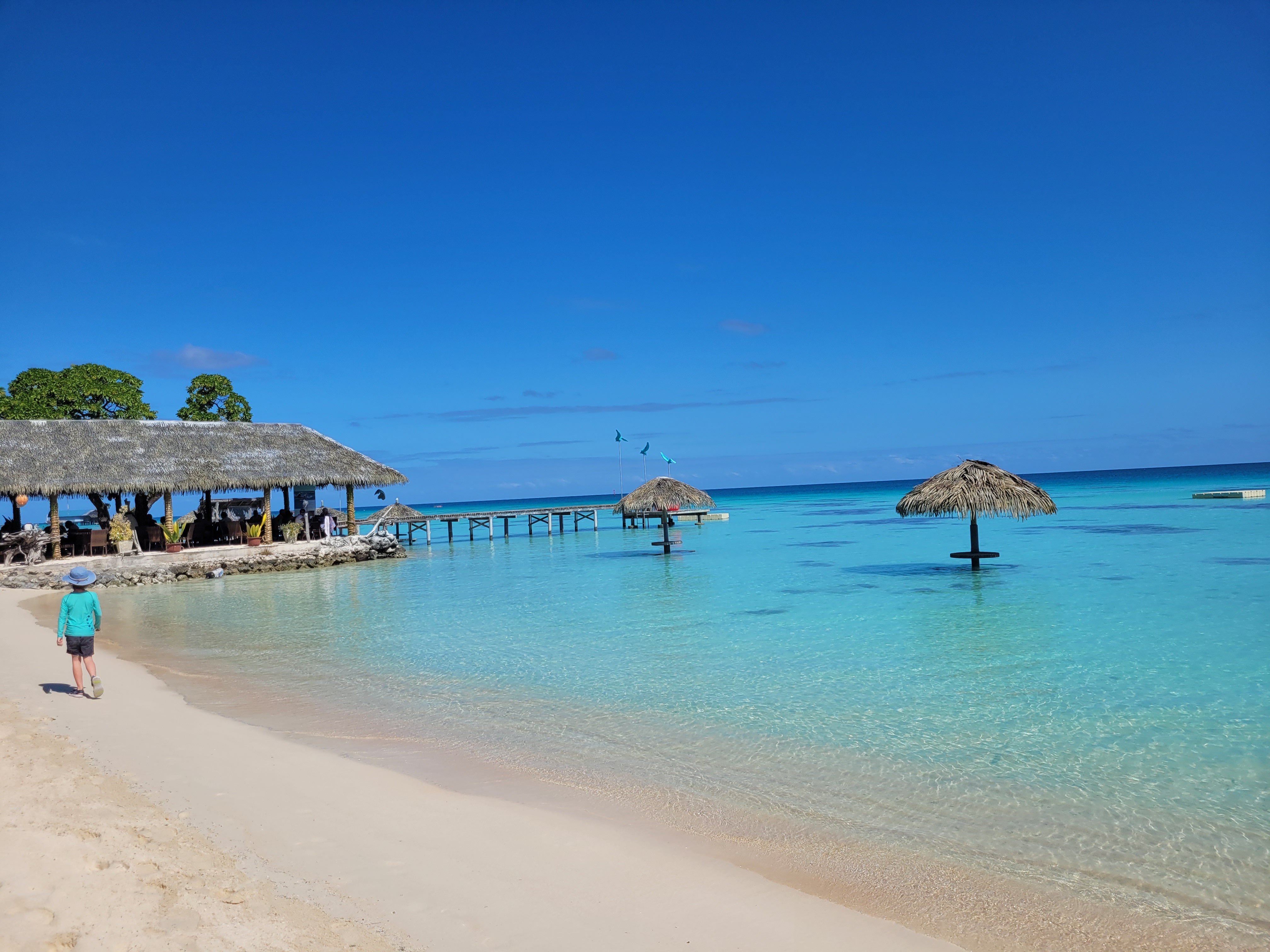
Fresh fruit and veg, or rather the absence of it, is probably one of the top topics of conversation amongst cruising boats in the Tuamotus. Only coconuts grow here, and supply ships visit rarely and often with disappointing cargos. Having exhausted my repertoire of meals made exclusively from dried and tinned foods, we left Harifa for the town of Rotoava after rumours of an imminent visit from a supply ship. Alas, we found only mouldy oranges and a sad lettuce priced at $15. We were compensated though, with the discovery of an aquatic beach bar, Havaiki Lodge, where reef sharks swim past as you sip on your cool Hinano.
From Raroia, it was a 24-hour sail to gorgeous Tahanea, an uninhabited atoll famed for its pristine coral gardens.
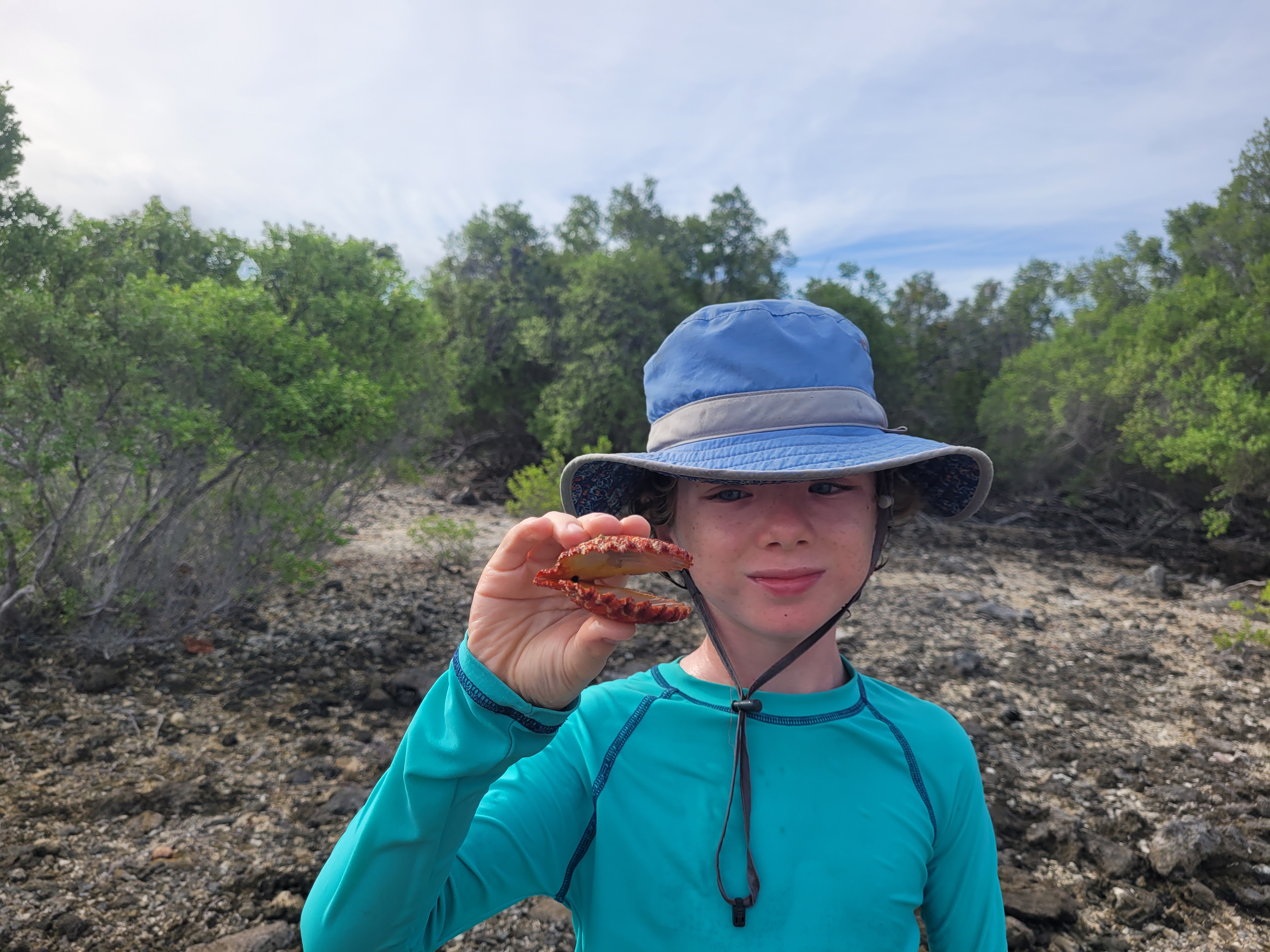
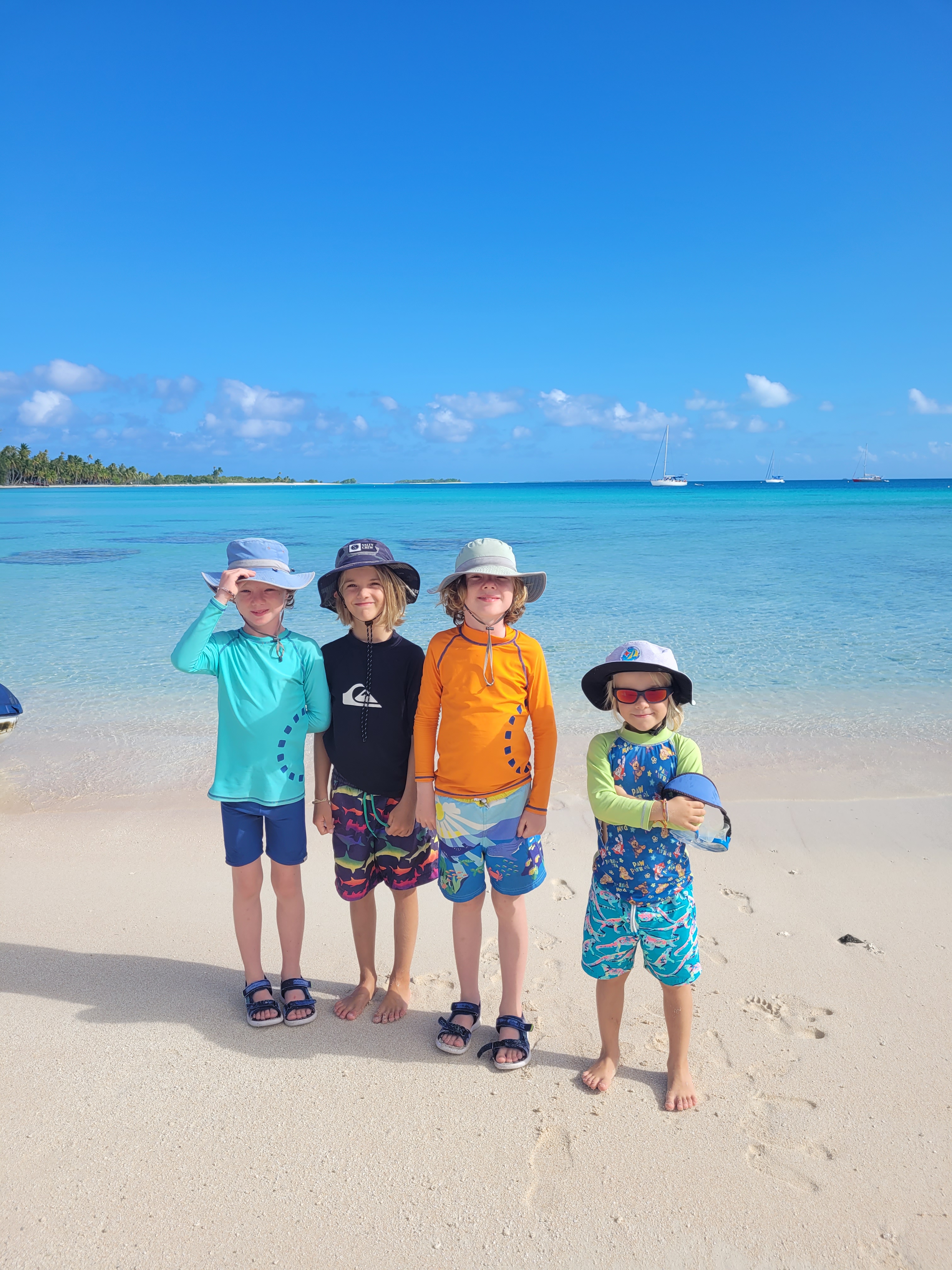
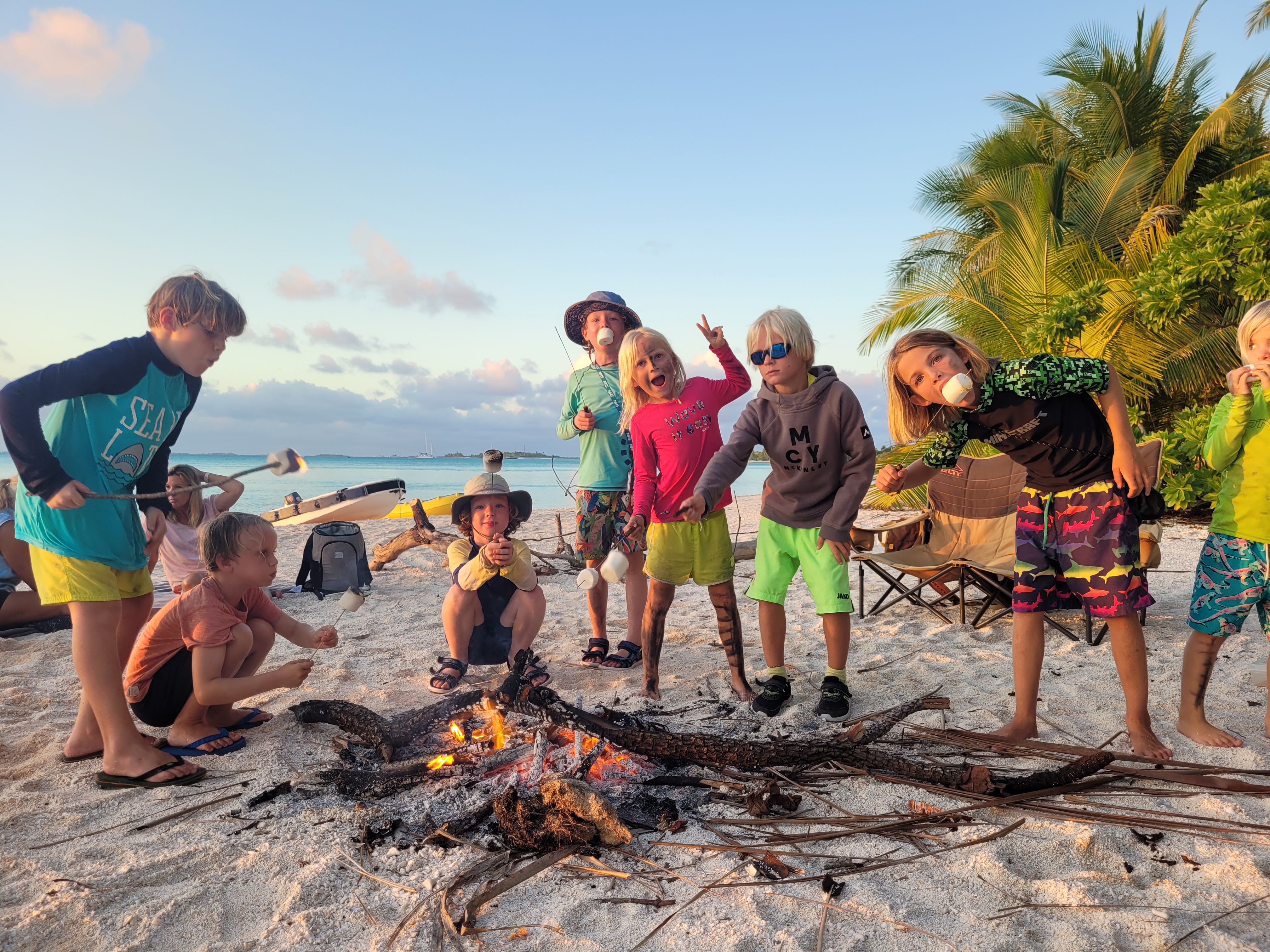
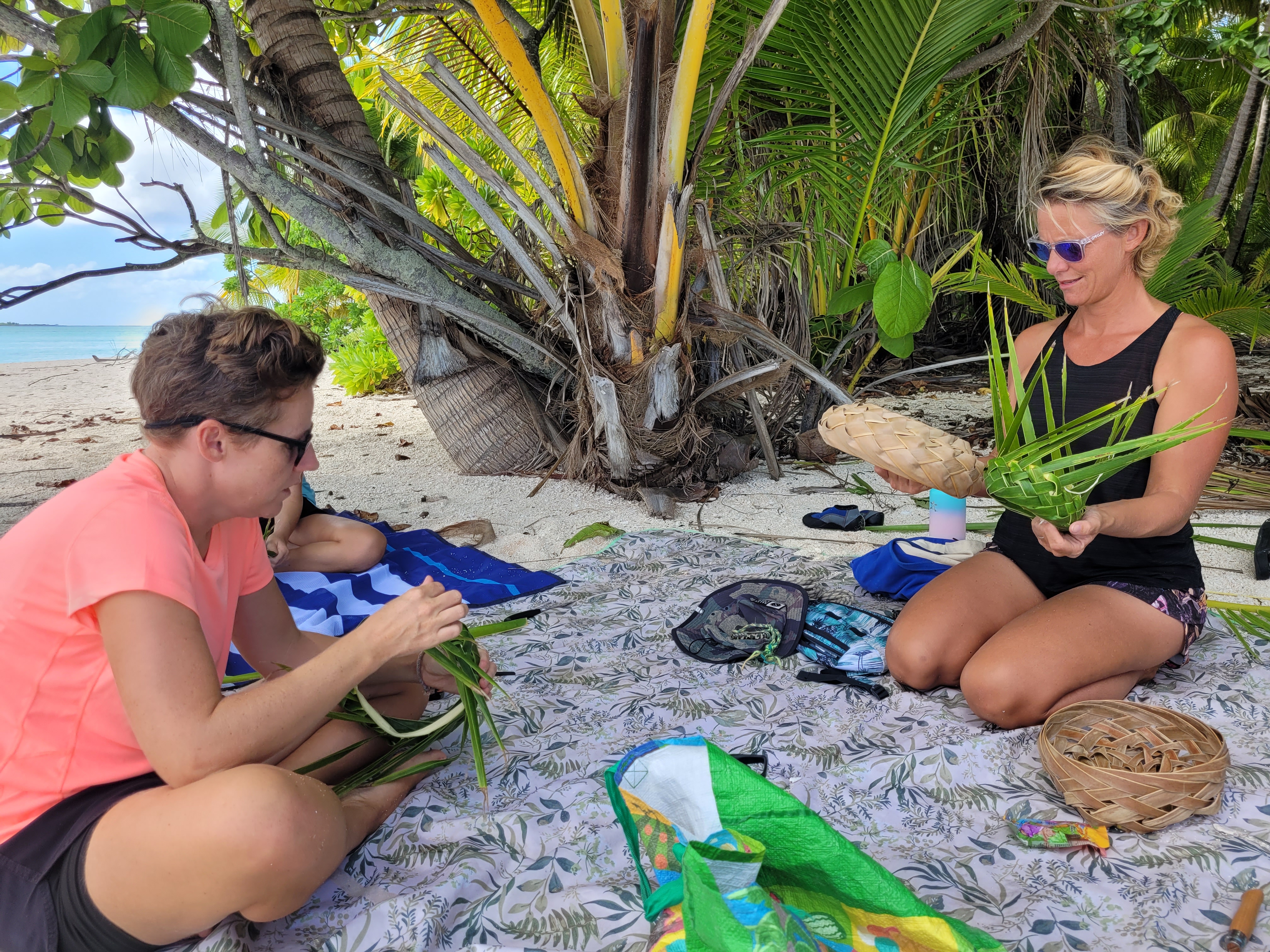
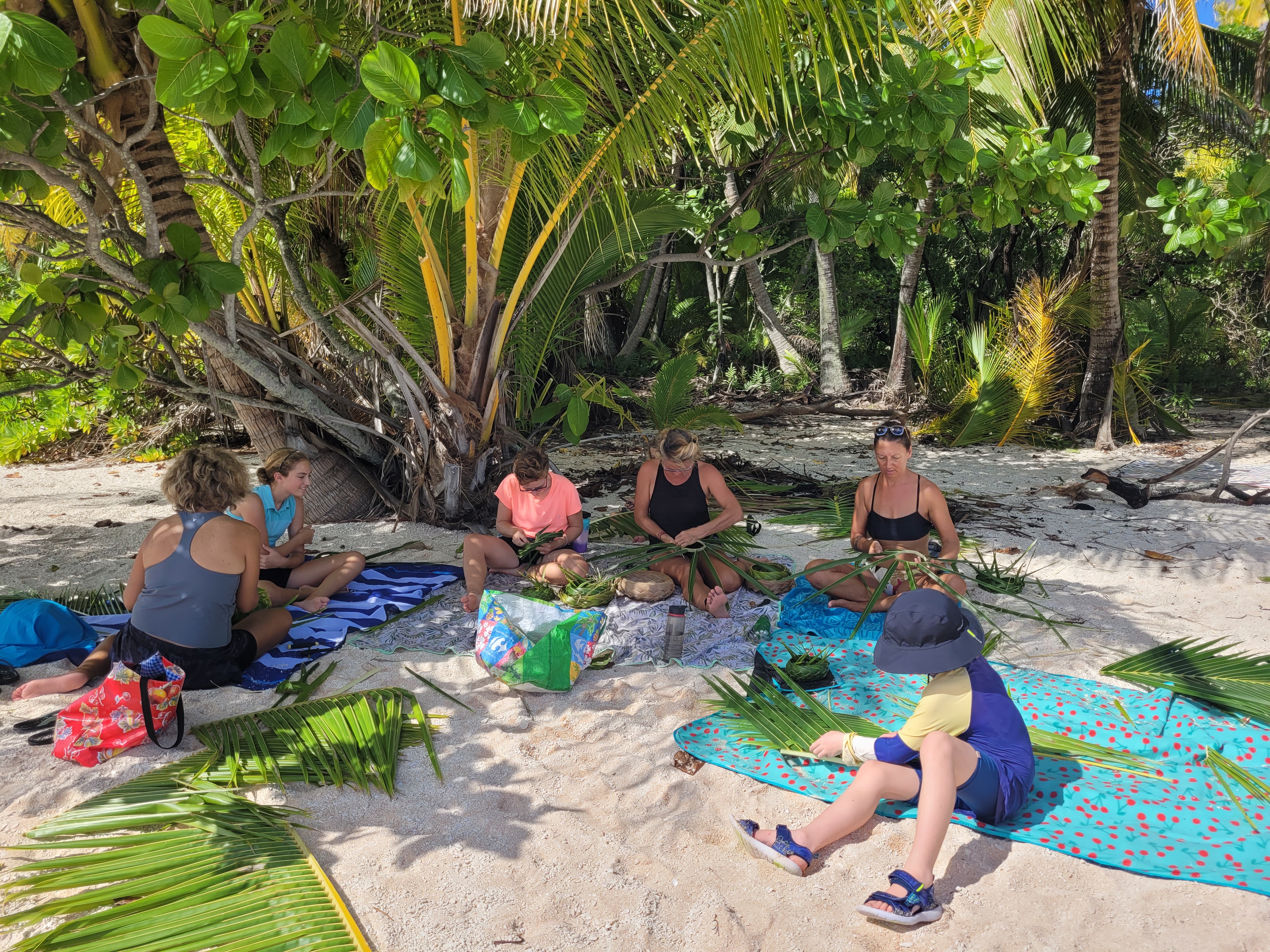
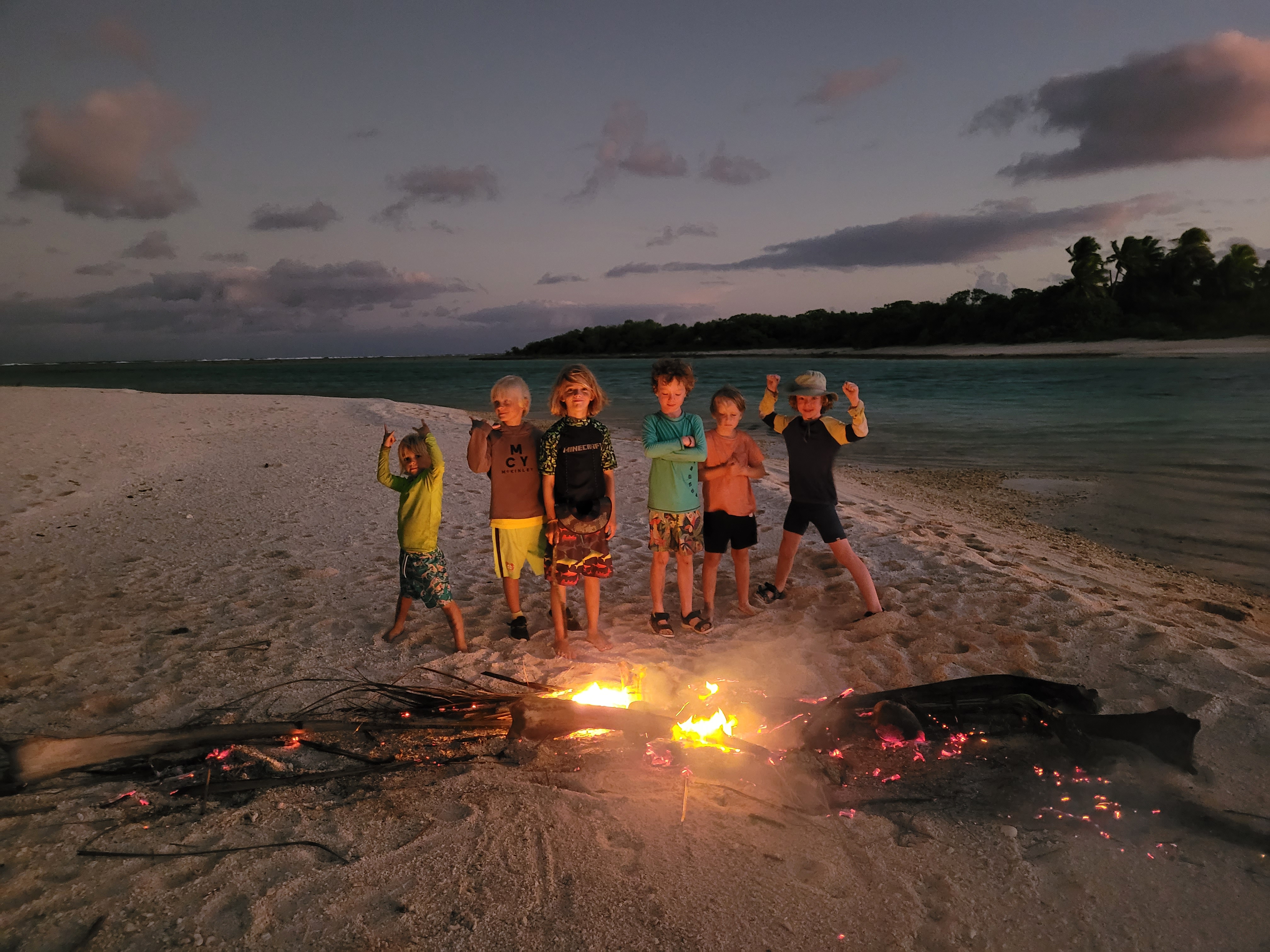
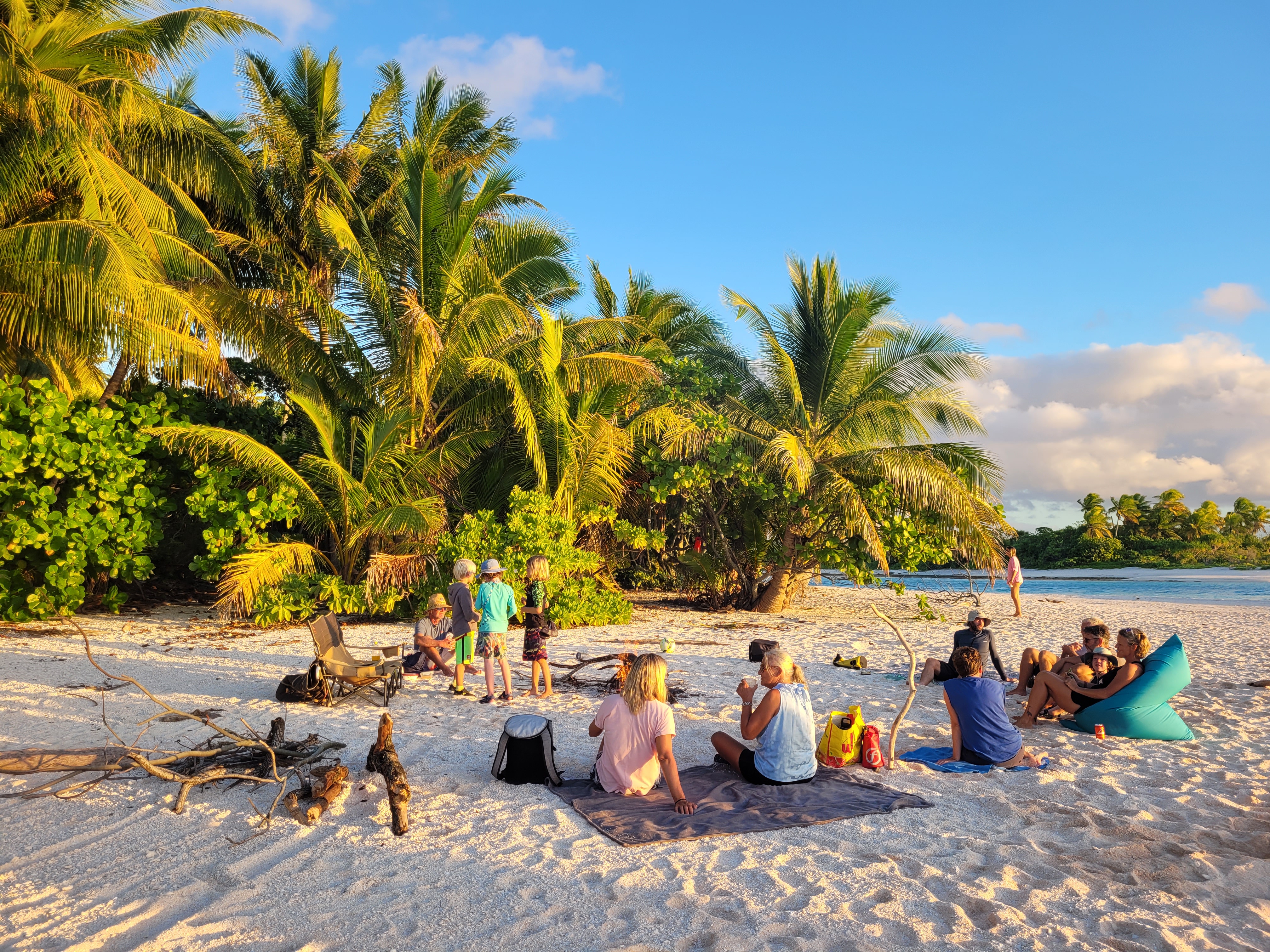
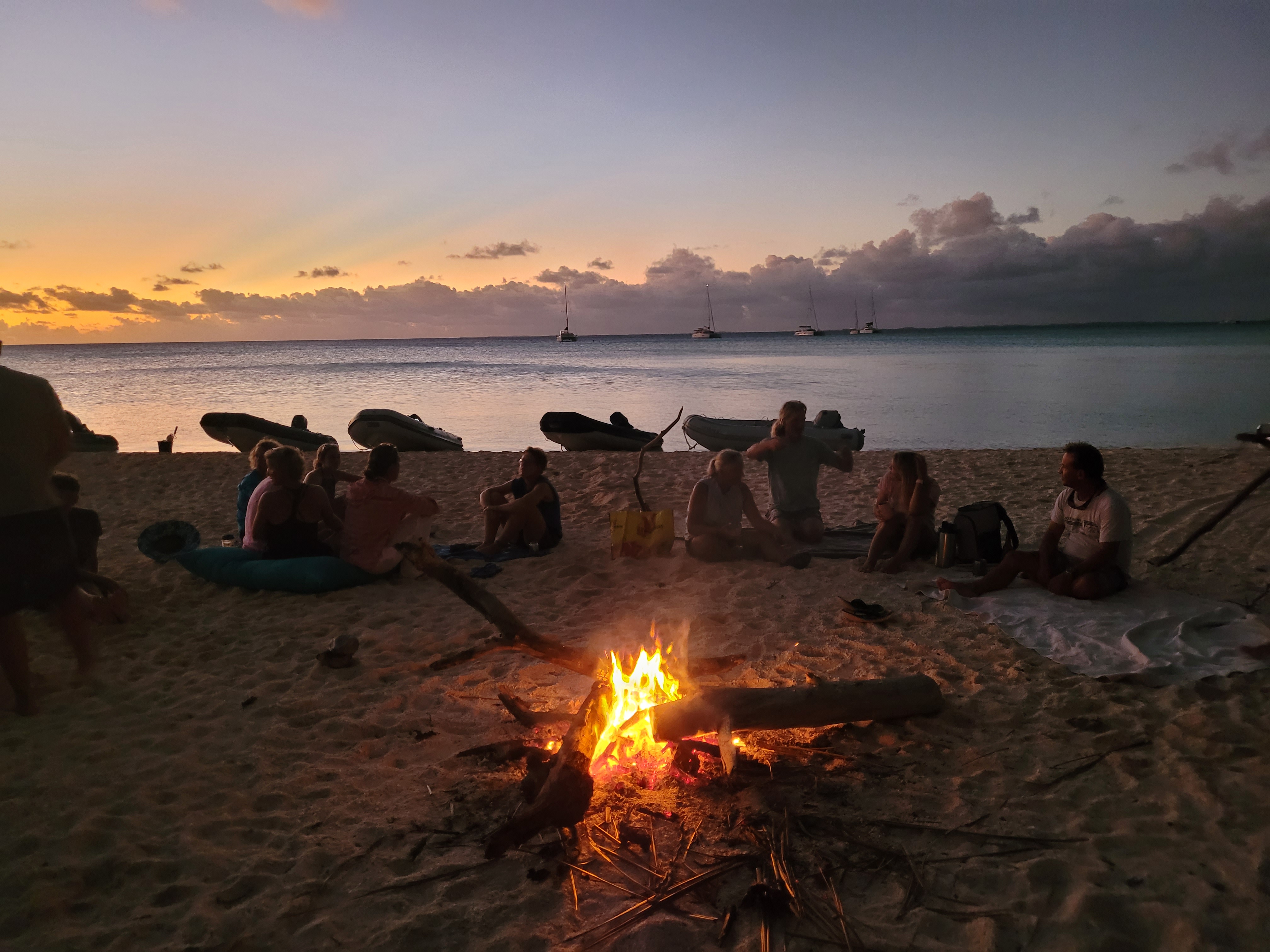
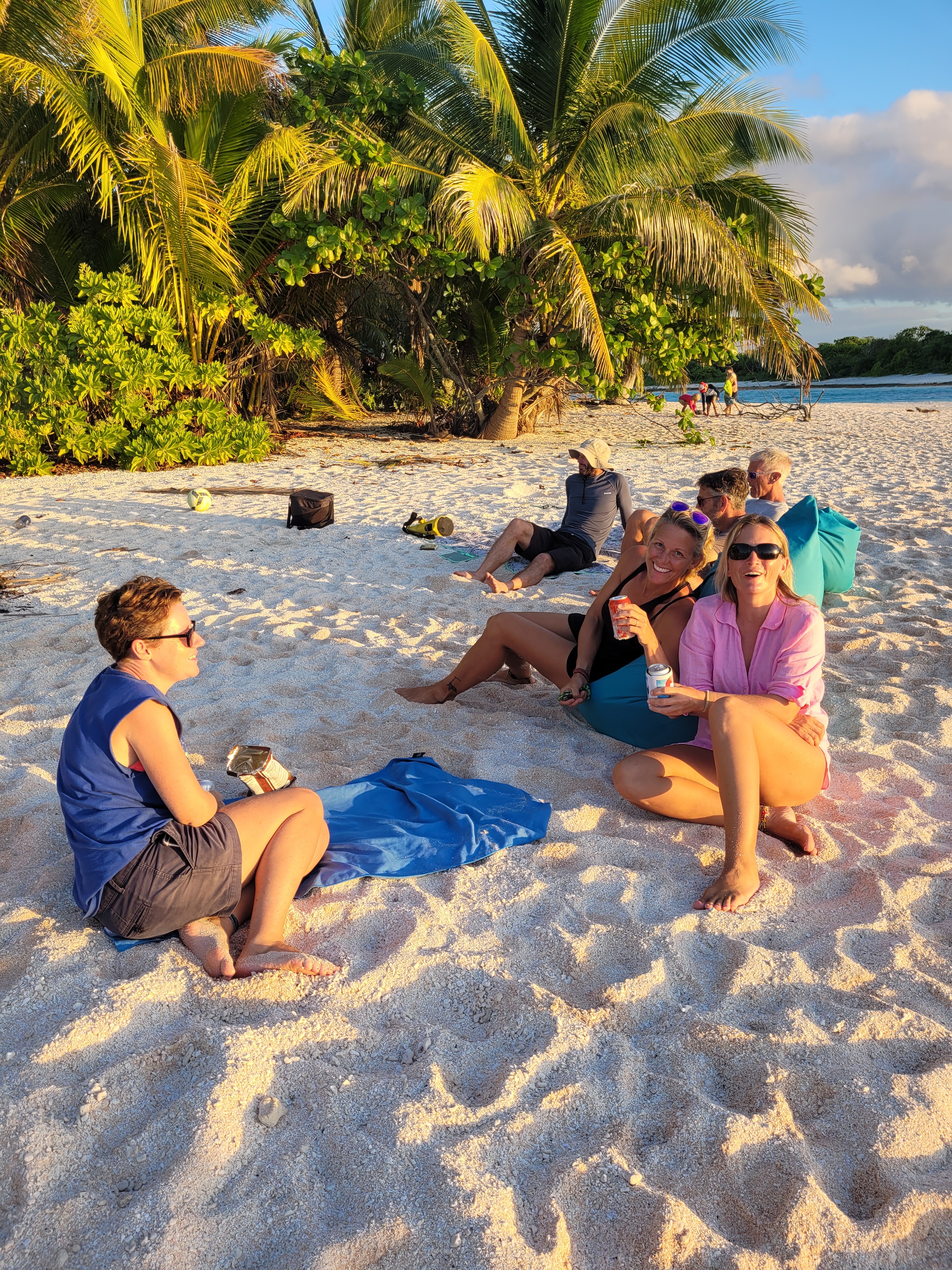
Here we hung out in another impossibly stunning anchorage with our kid boat posse. We learnt how to weave baskets from leaves, snorkelled with sharks and rays, and built campfires.
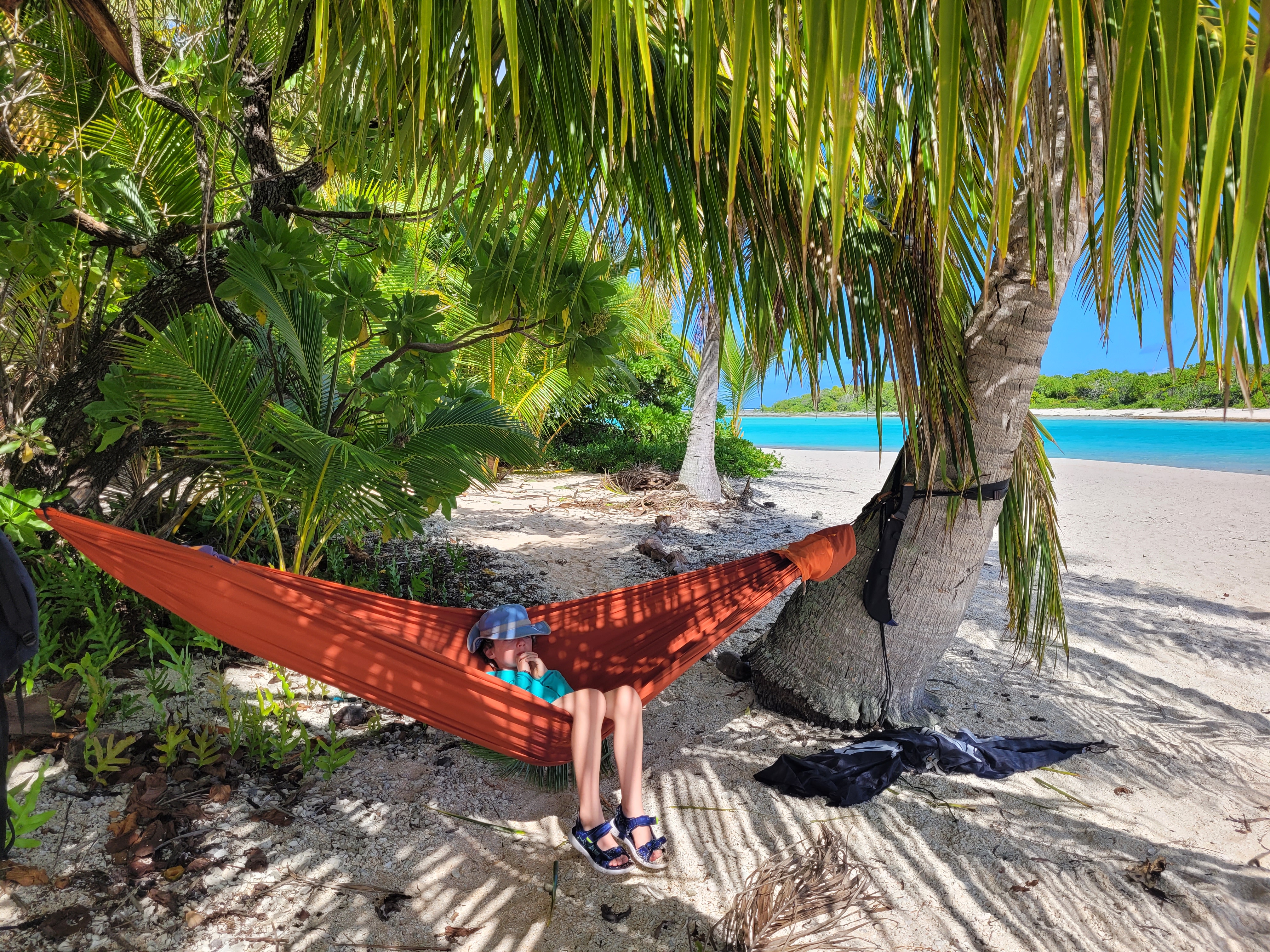
Barnaby, Zennor and friend Raffy made camp on the beach and spent a night in hammocks under the stars.
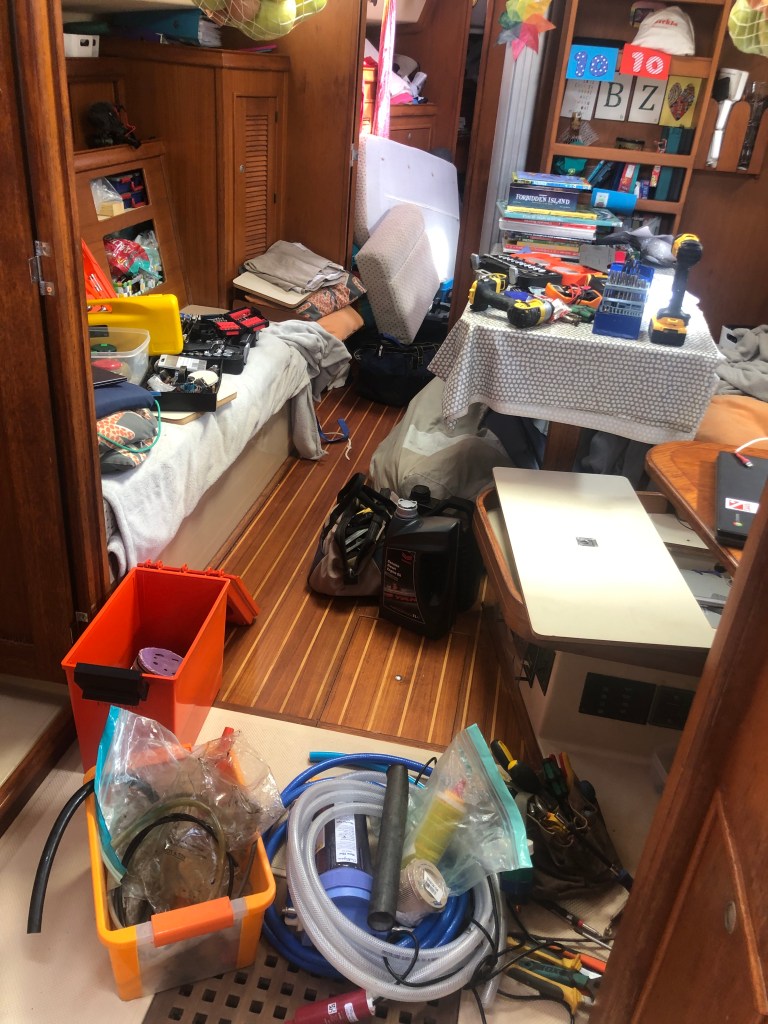
And, just to keep it real, we also had major engine issues, our fridge died, our chain got horribly wrapped in bommies after a wind reversal, and our outboard engine got dunked.
After a speedy 3-day, 450-nautical-mile passage from Nuka Hiva, we arrived in Raroia in the Tuamotus Islands, previously known as the ‘Dangerous Archipelago.’ Raroia is the atoll where the raft Kon-Tiki completed its epic voyage from Easter Island in 1947. Unlike the Kon-Tiki, which crashed onto the perimeter reef of the atoll, we had to carefully navigate a narrow, fast-flowing pass while also dodging uncharted ‘bommies,’ or vast heads of submerged reefs.
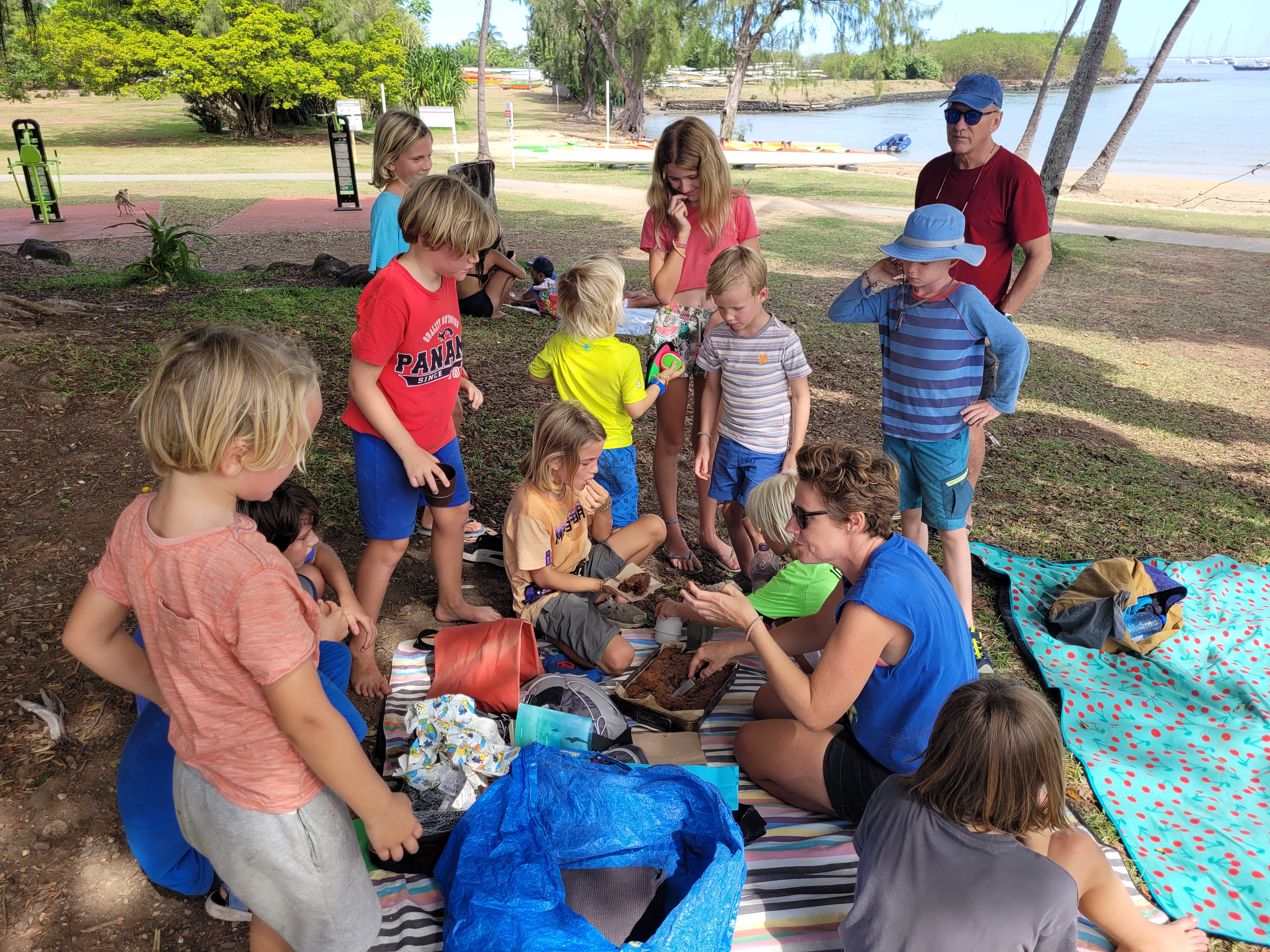
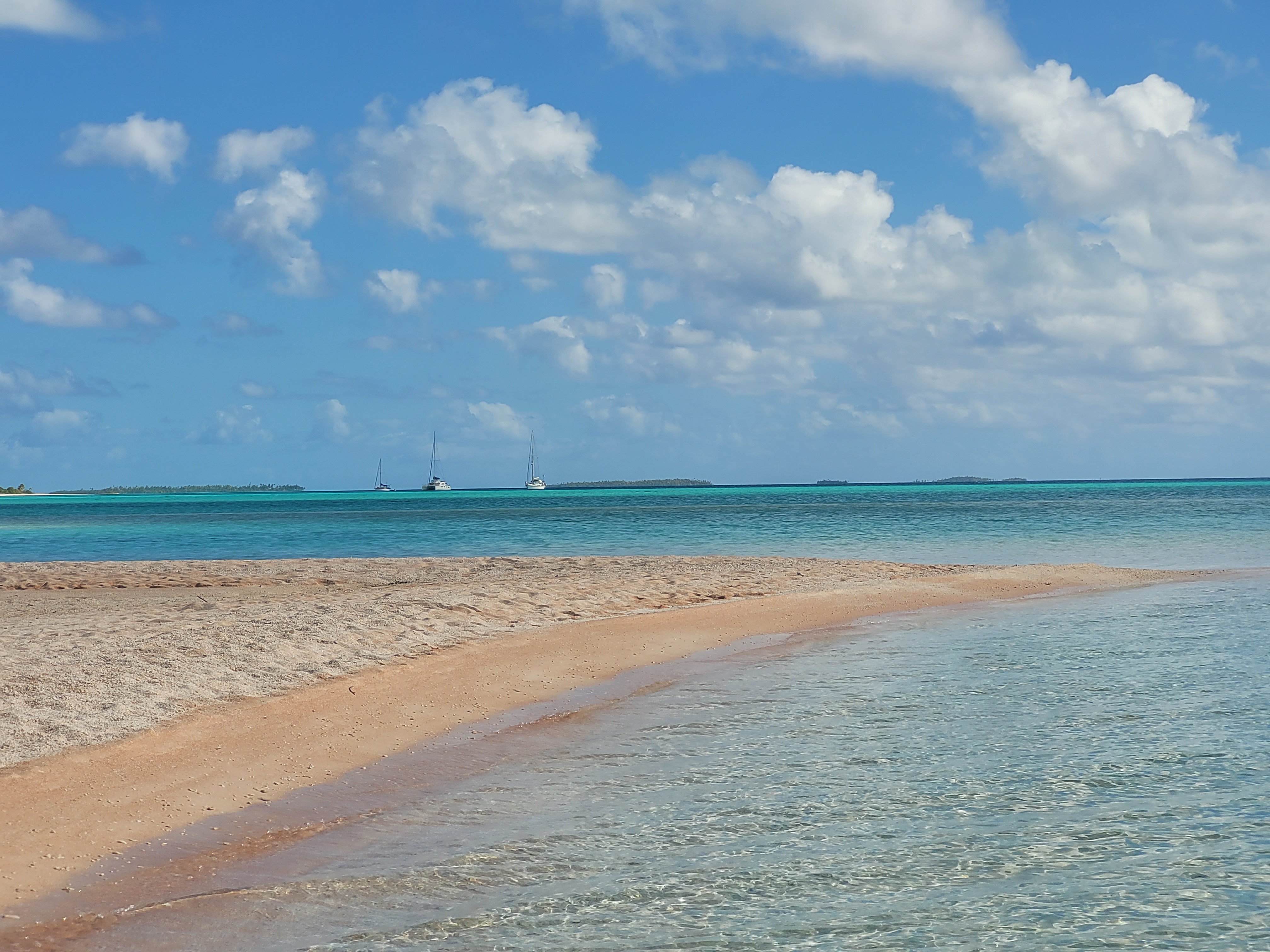
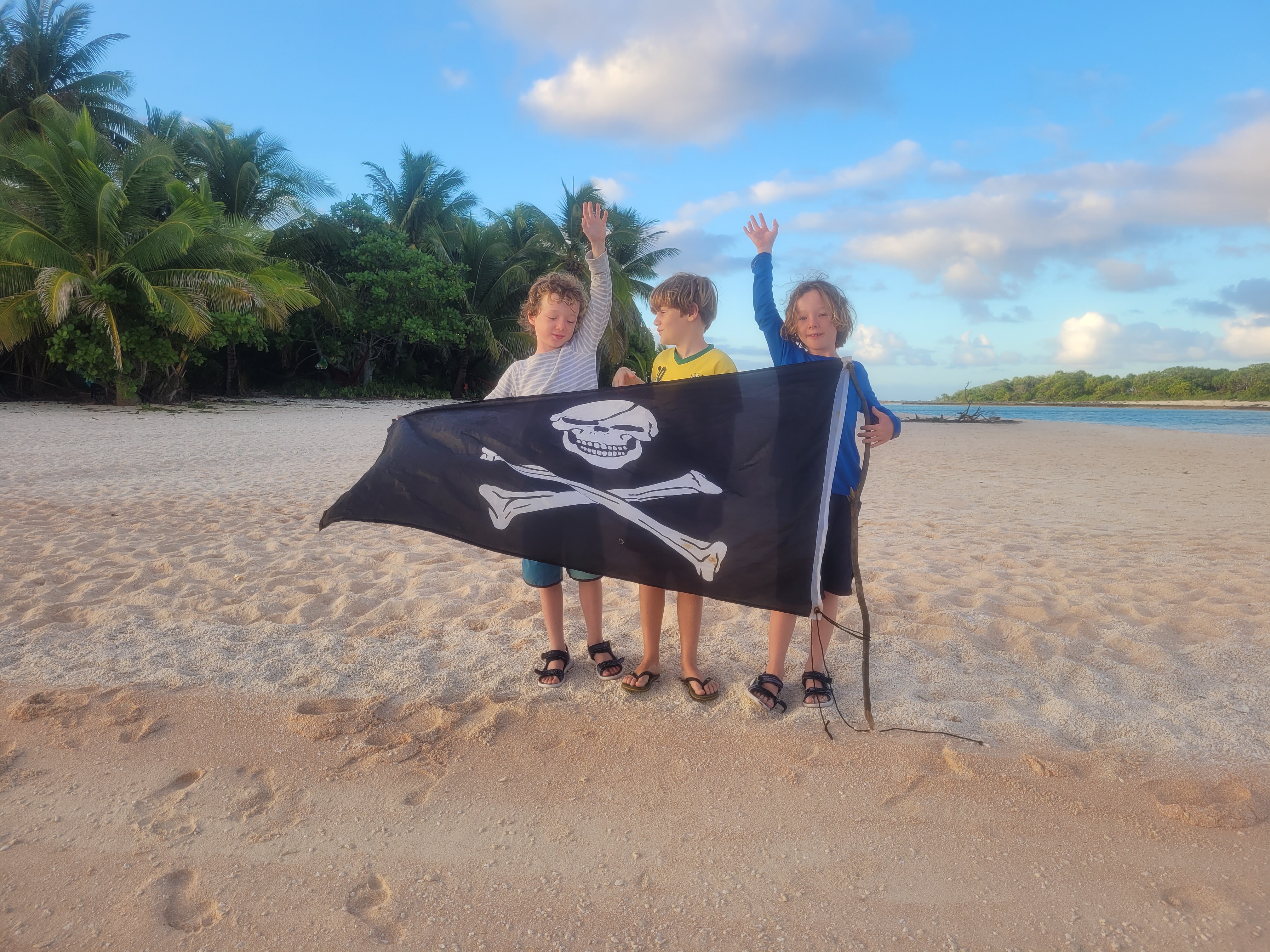
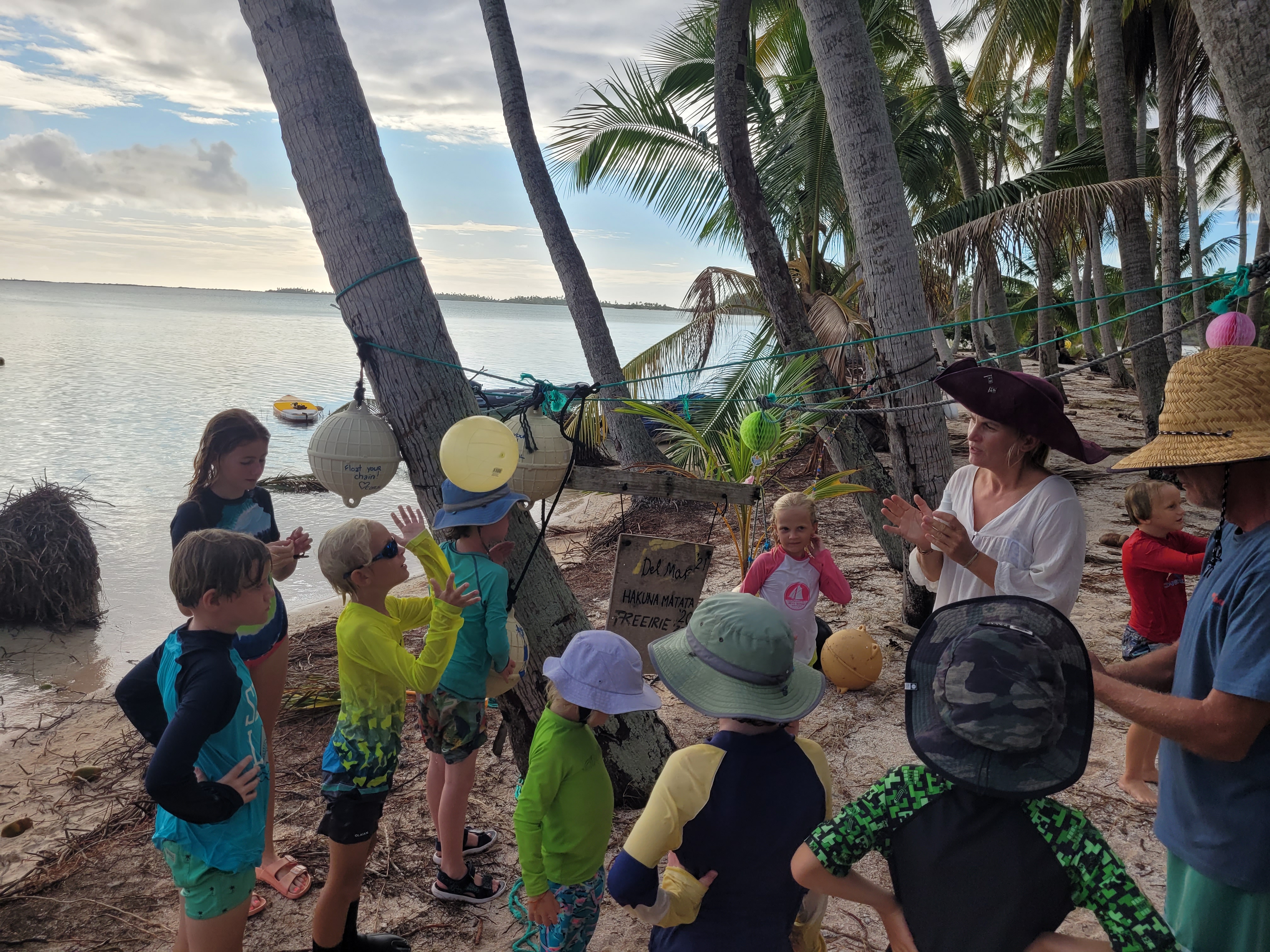
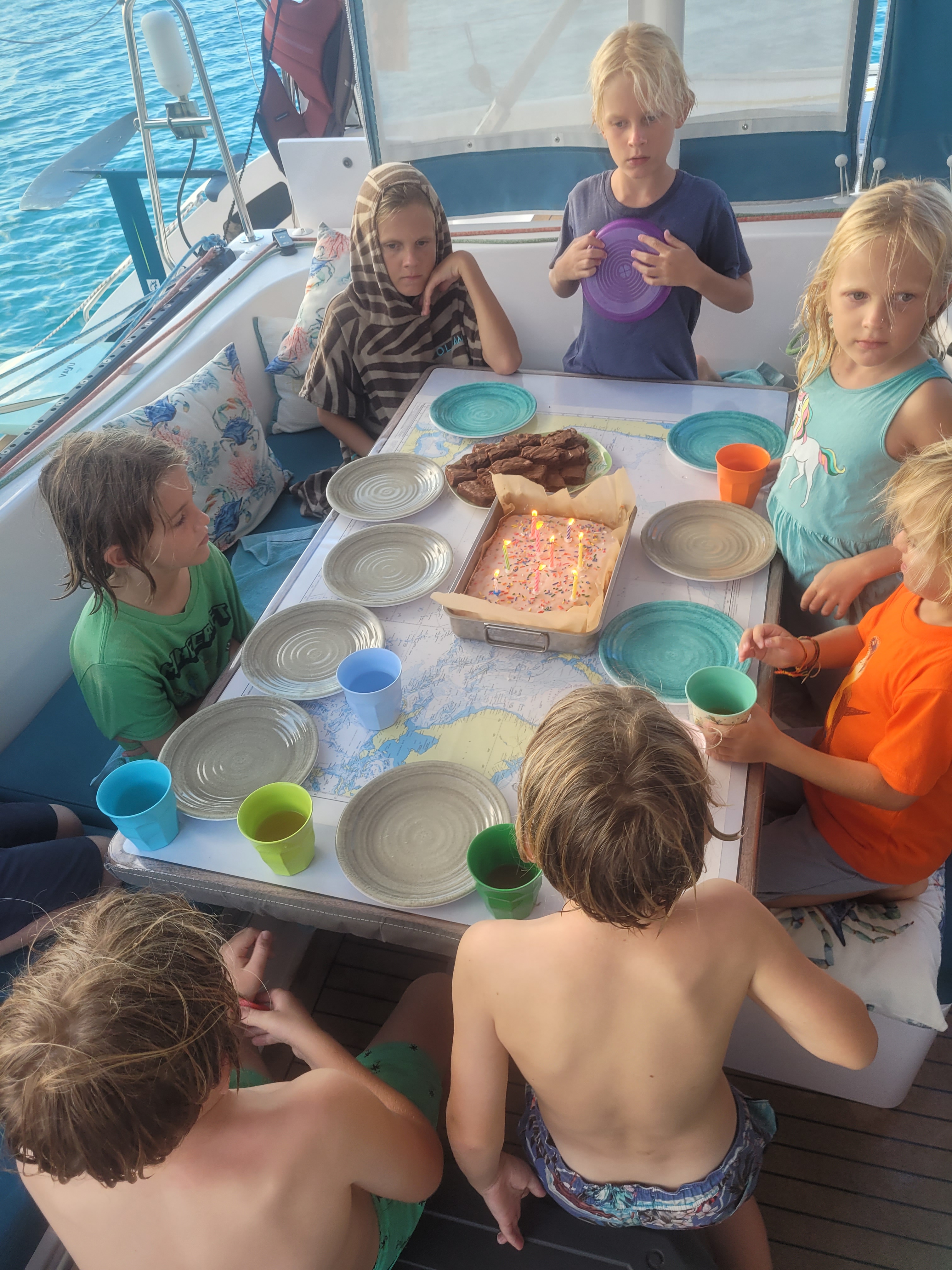
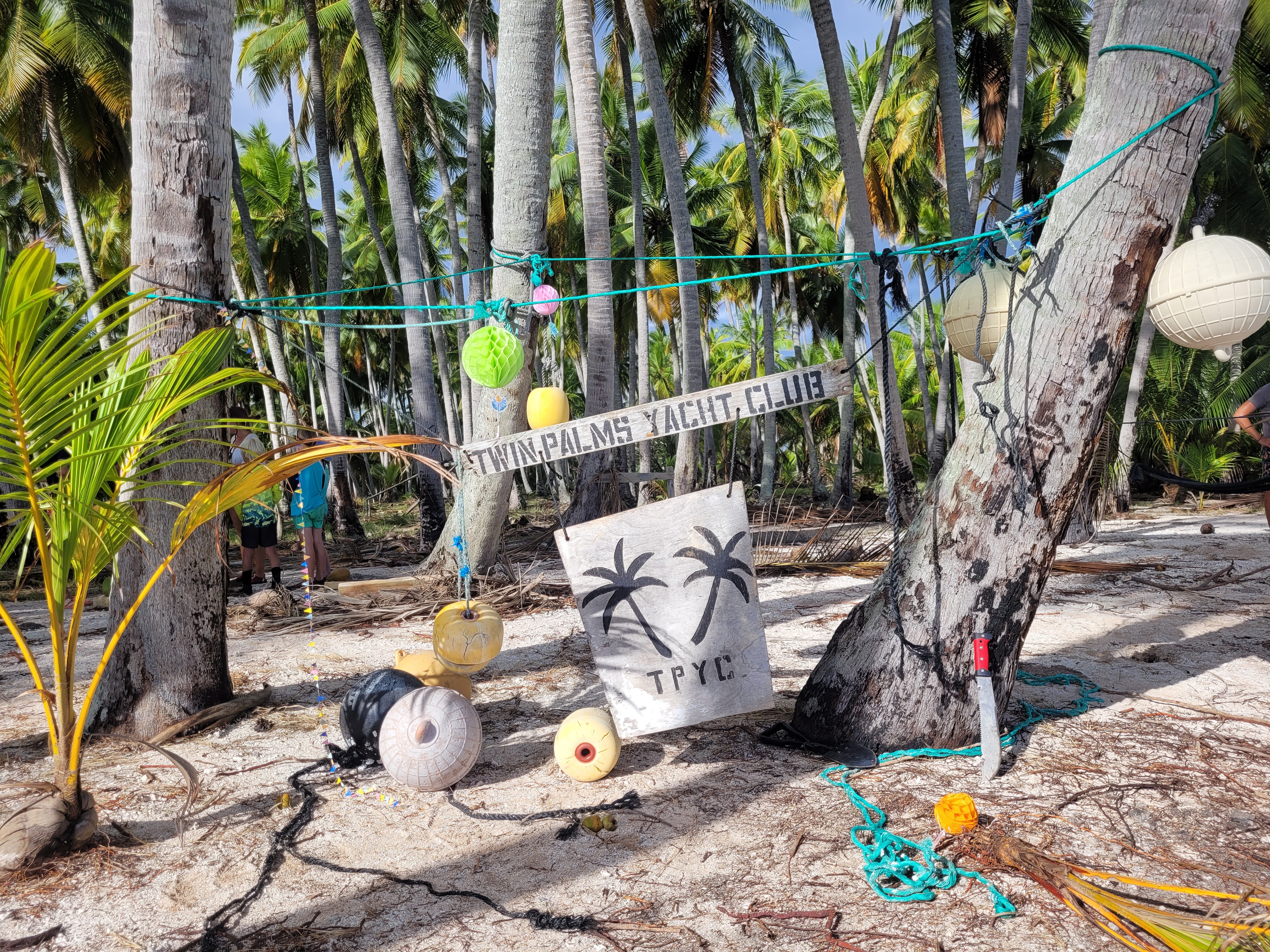
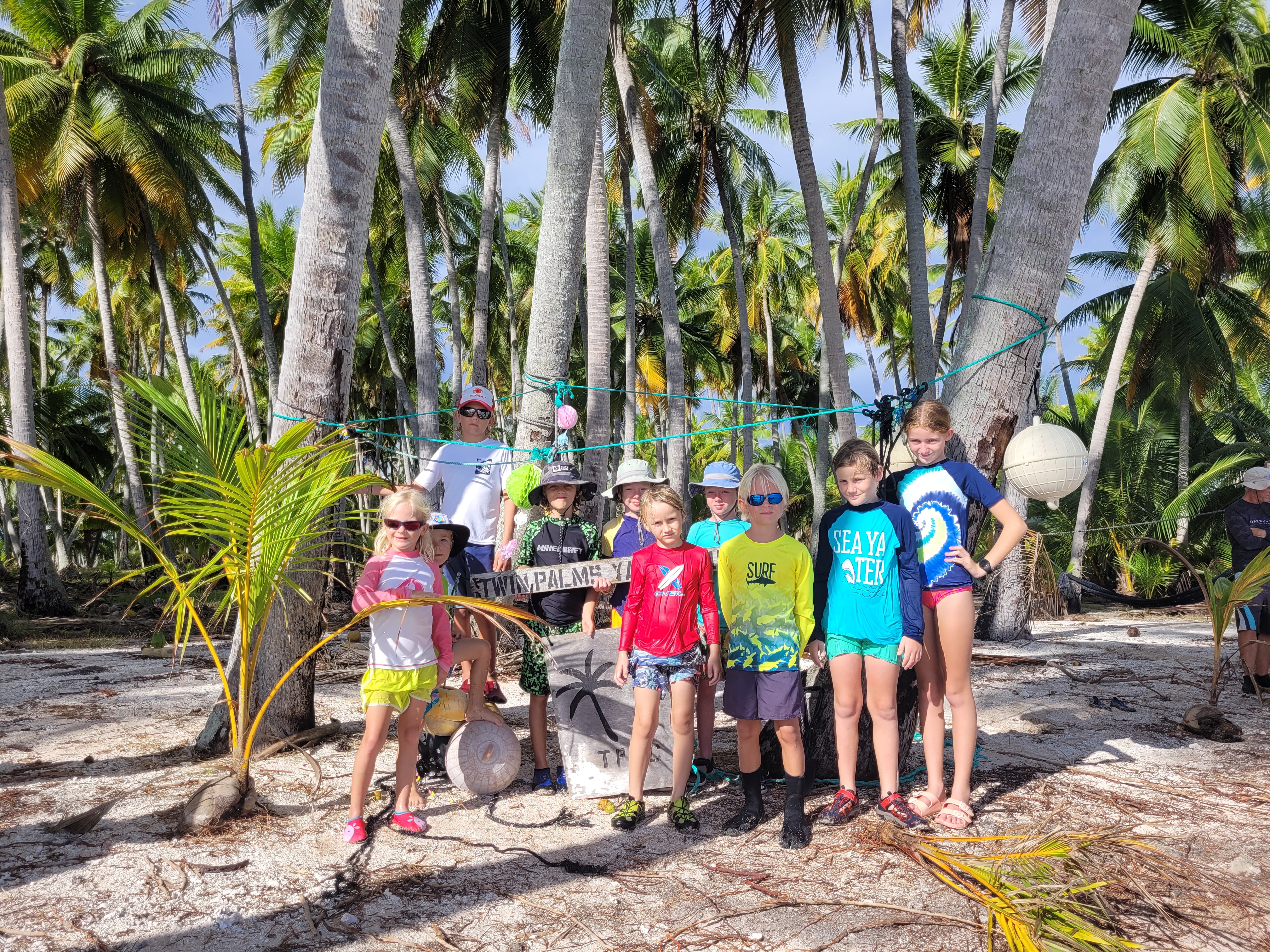
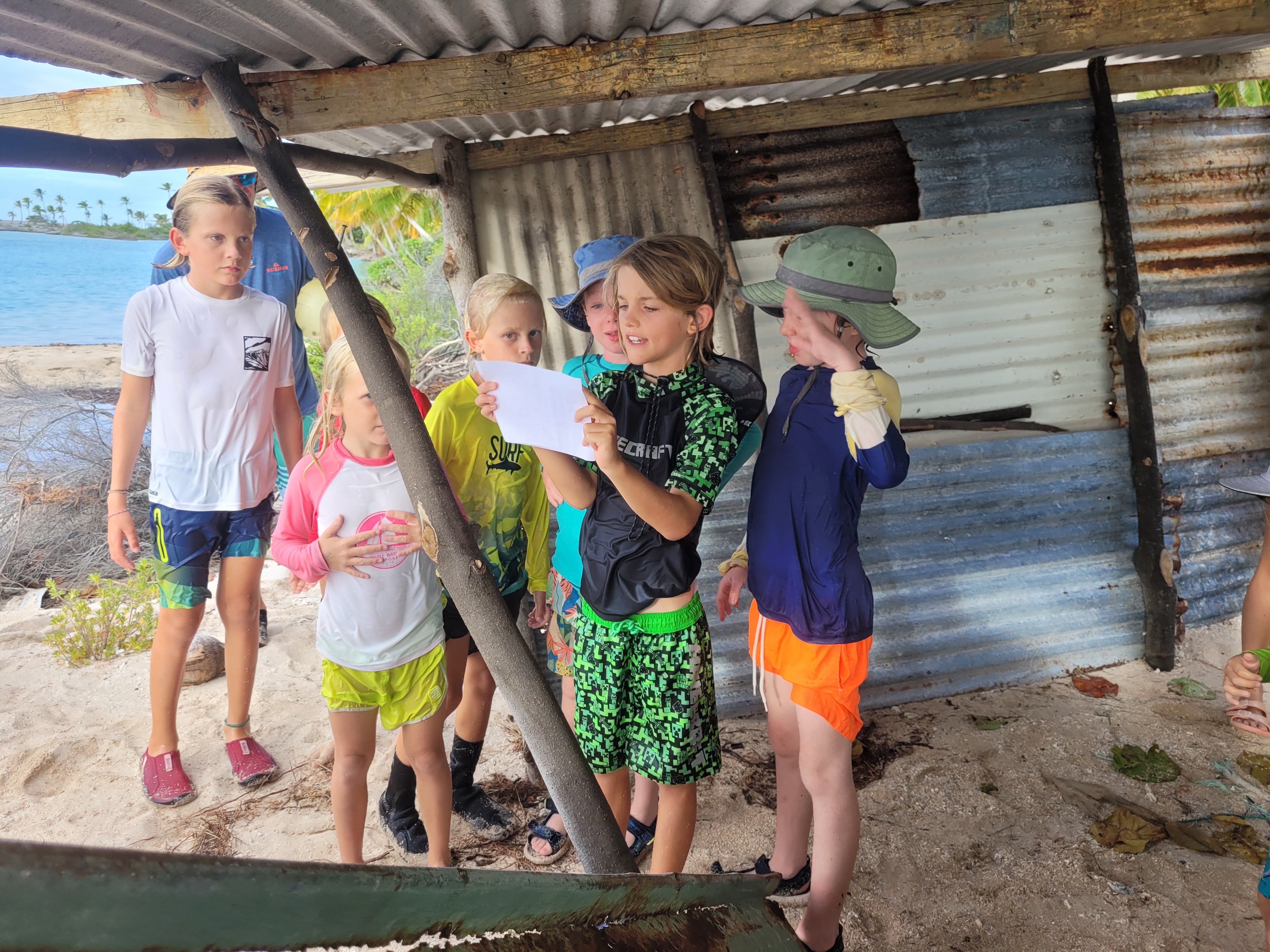
Once safely inside the lagoon, we joined our friends aboard Wild Thing 2, Cinnamon, and Miles Away at an idyllic anchorage in the north of the atoll, with crystal-clear water and coconut palm-fringed shores. Our arrival was timed to coincide with Jamie Wild Thing’s 9th birthday party, ashore at the Twin Palms Yacht Club. Team games and a treasure hunt were followed by lots of cake – a superb welcome to a spectacular island with fabulous friends.
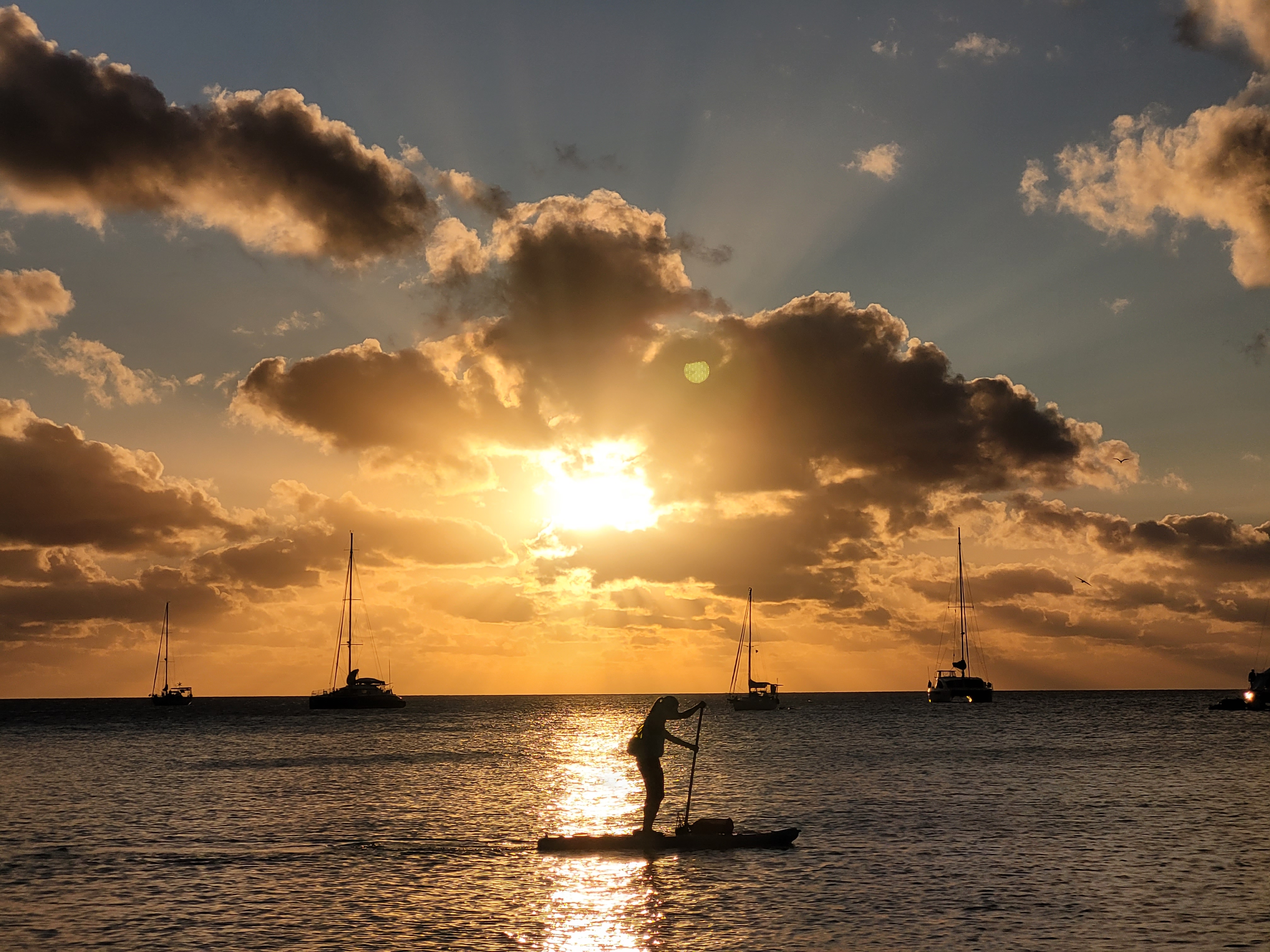
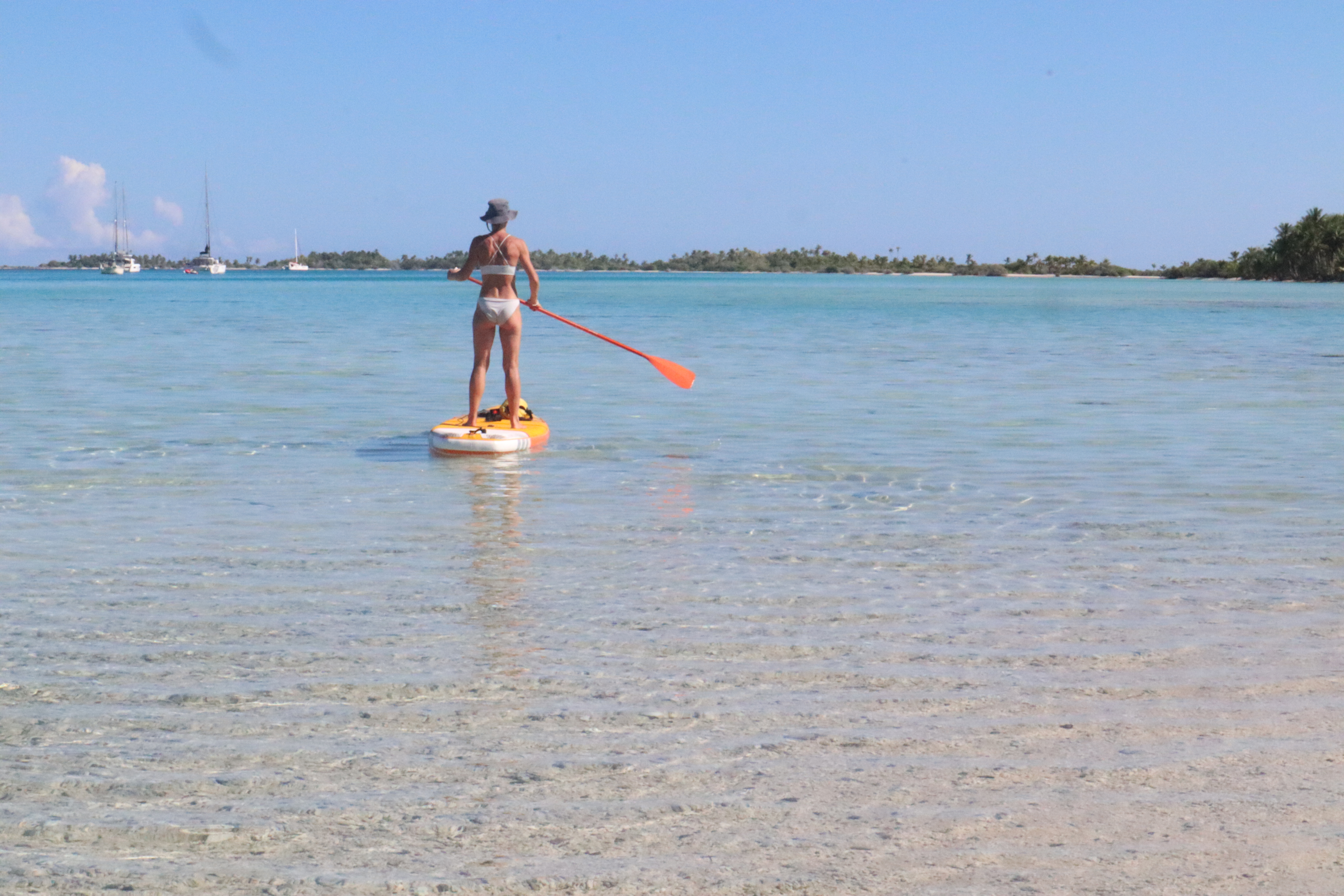
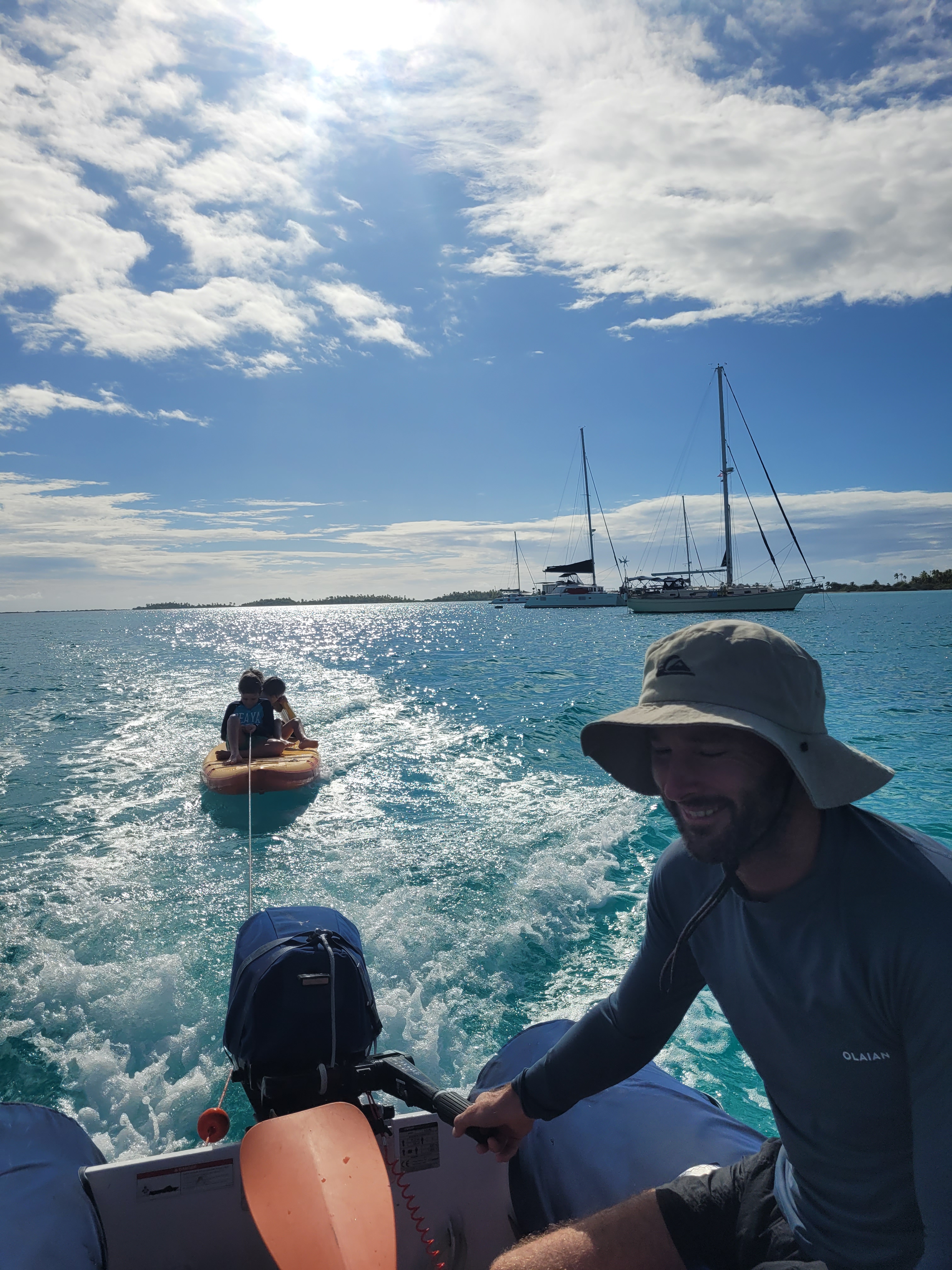
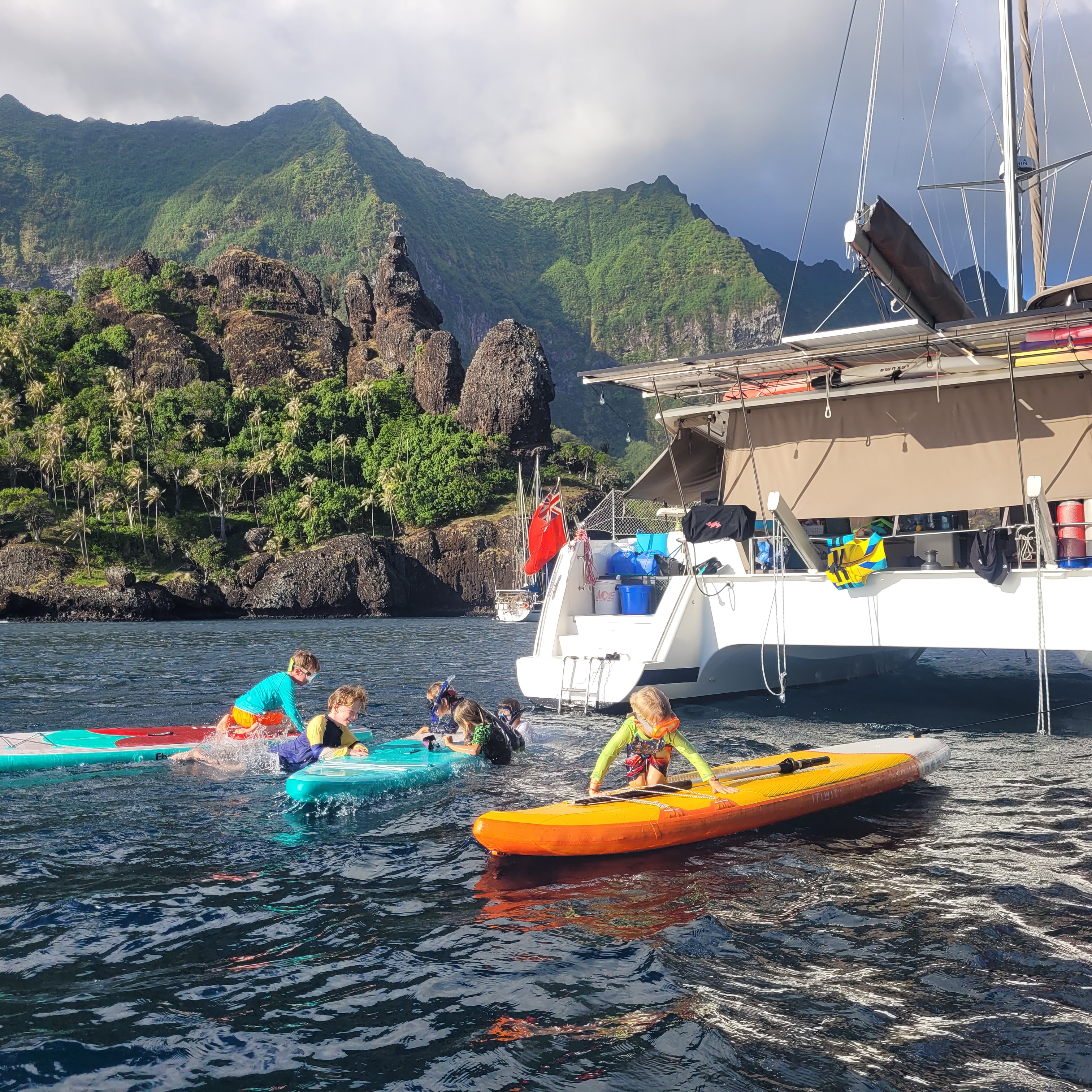
We spent a week in Raroia: snorkeling among the bommies, collecting coconuts, stand-up paddleboarding (SUP), flying our drone, swimming with sharks and manta rays, racing the boys around the anchorage on a ‘doughnut,’ attempting to learn how to foil board, and occasionally squeezing in a bit of school!
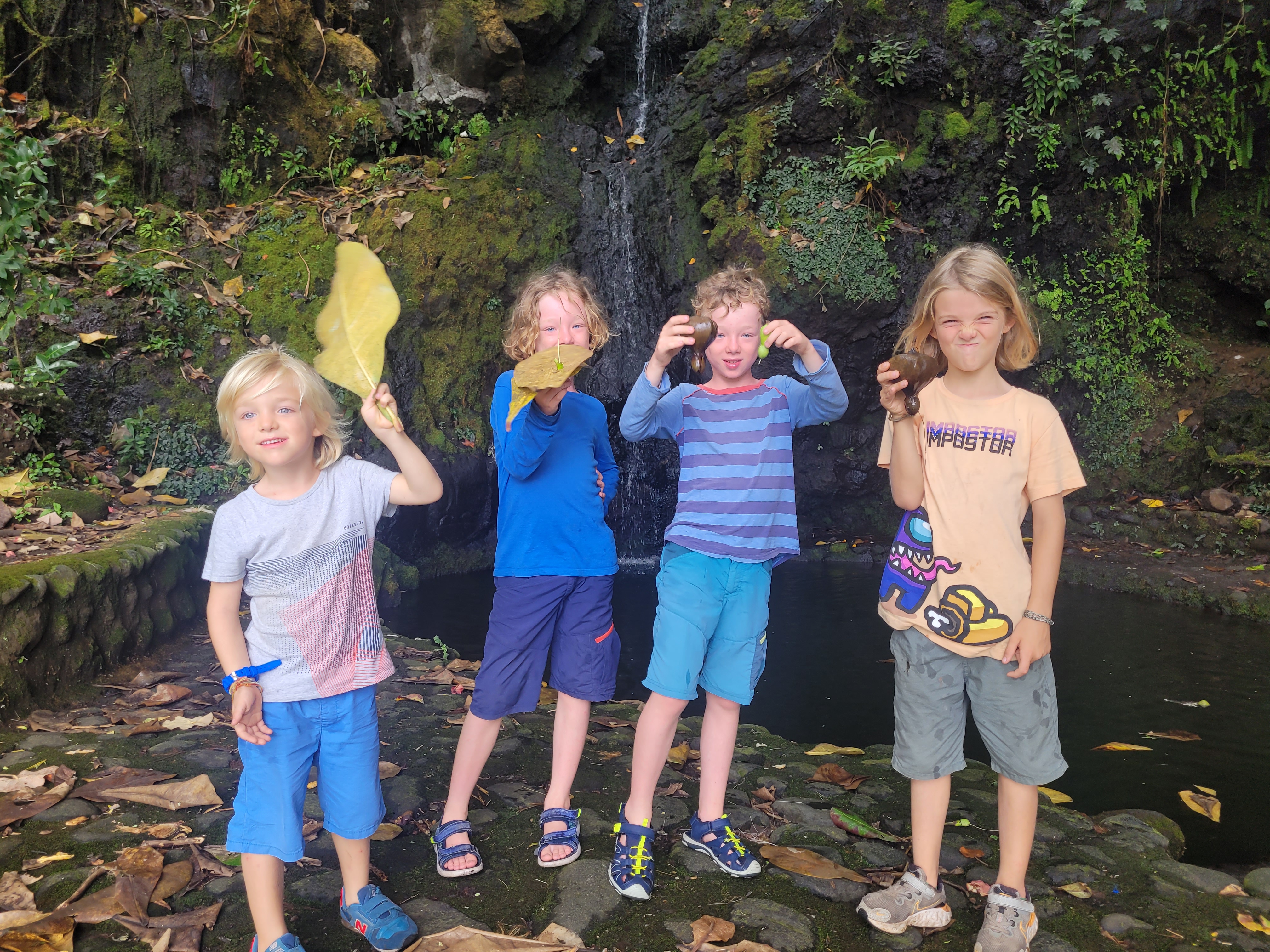
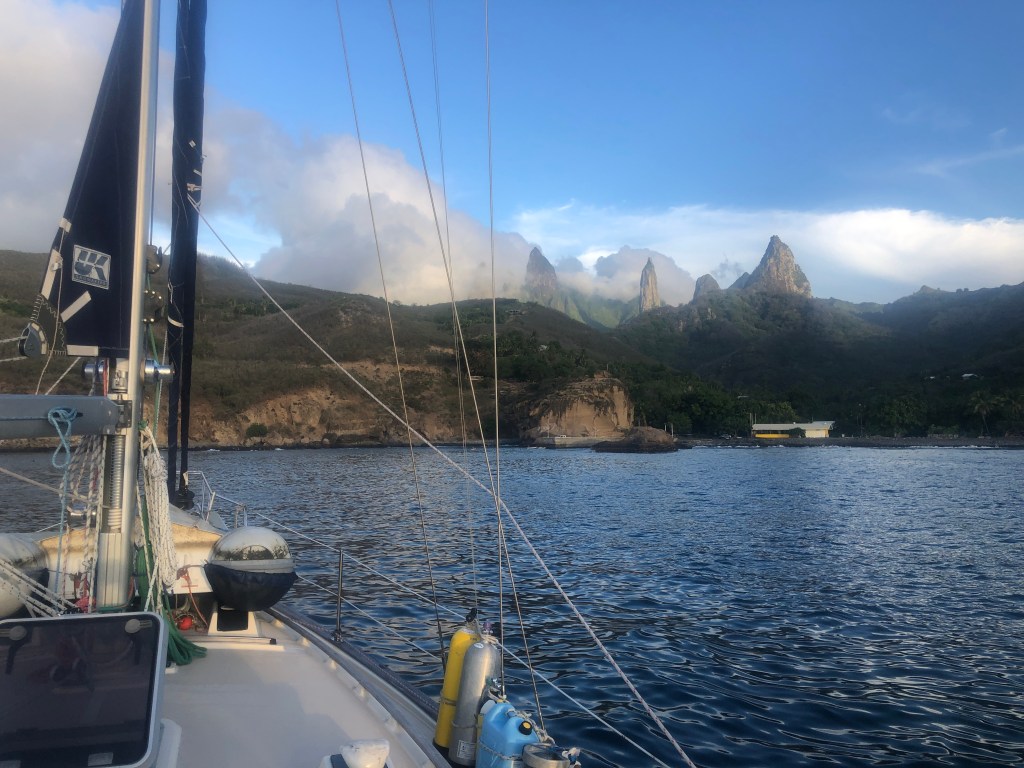
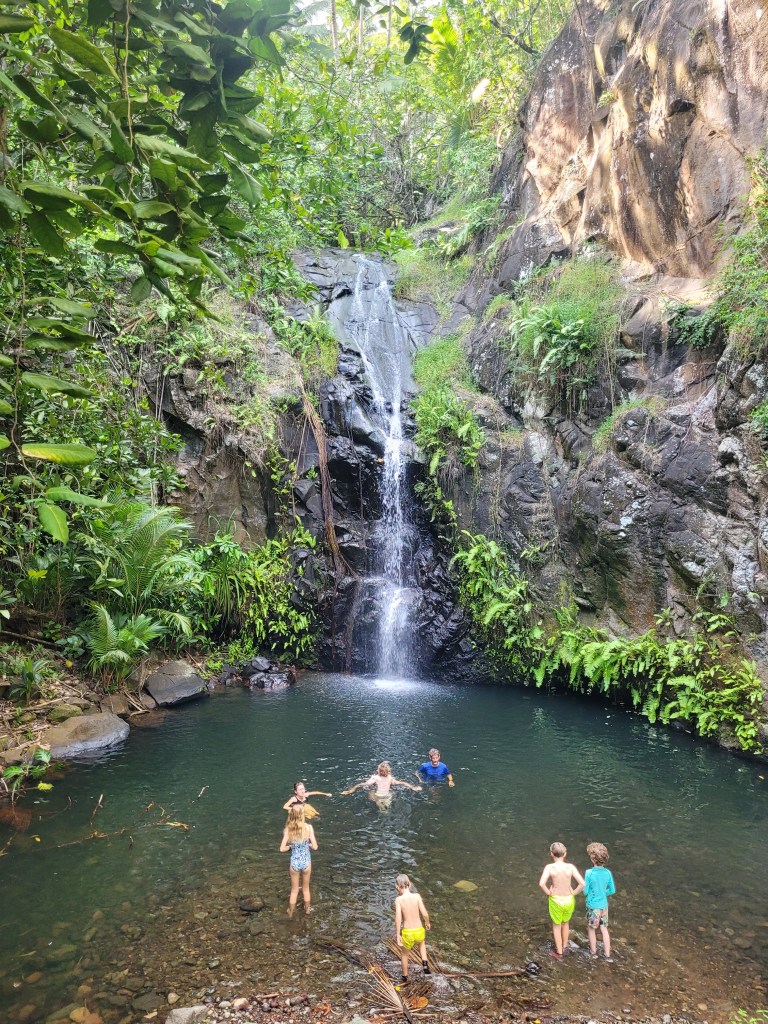
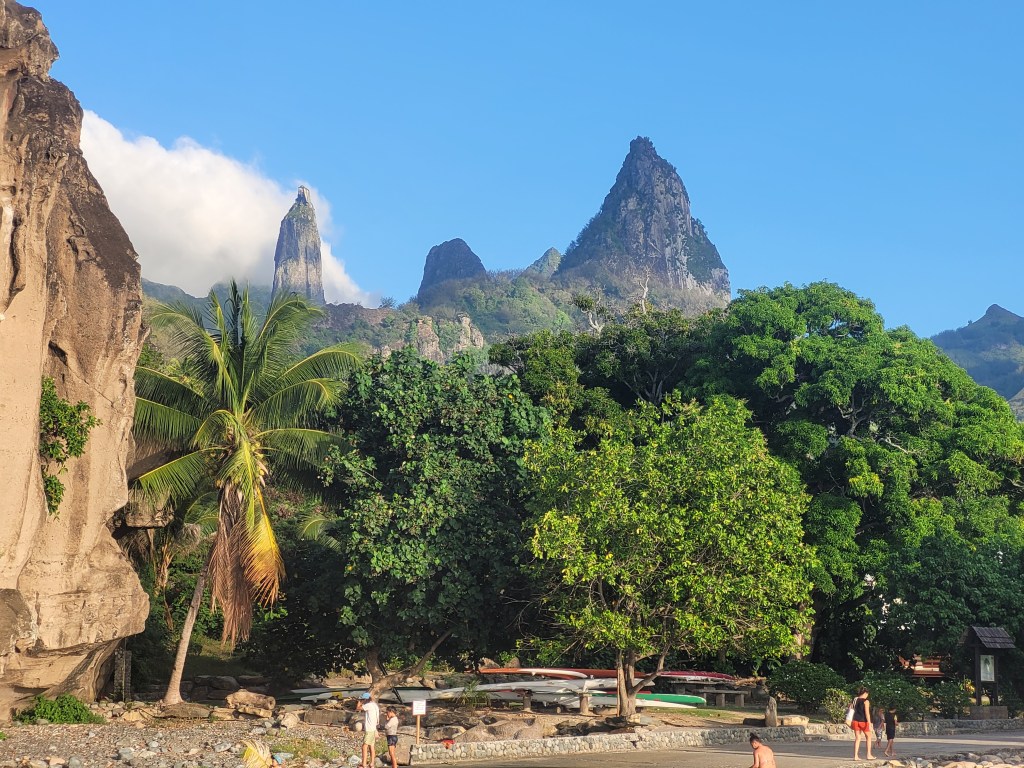
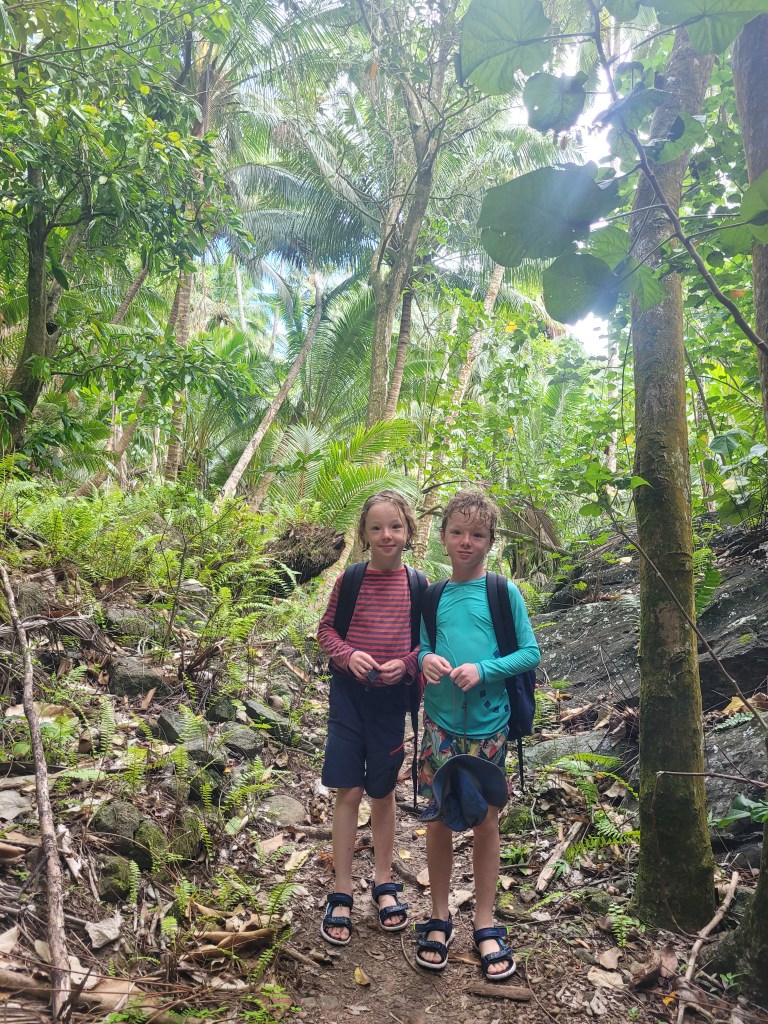
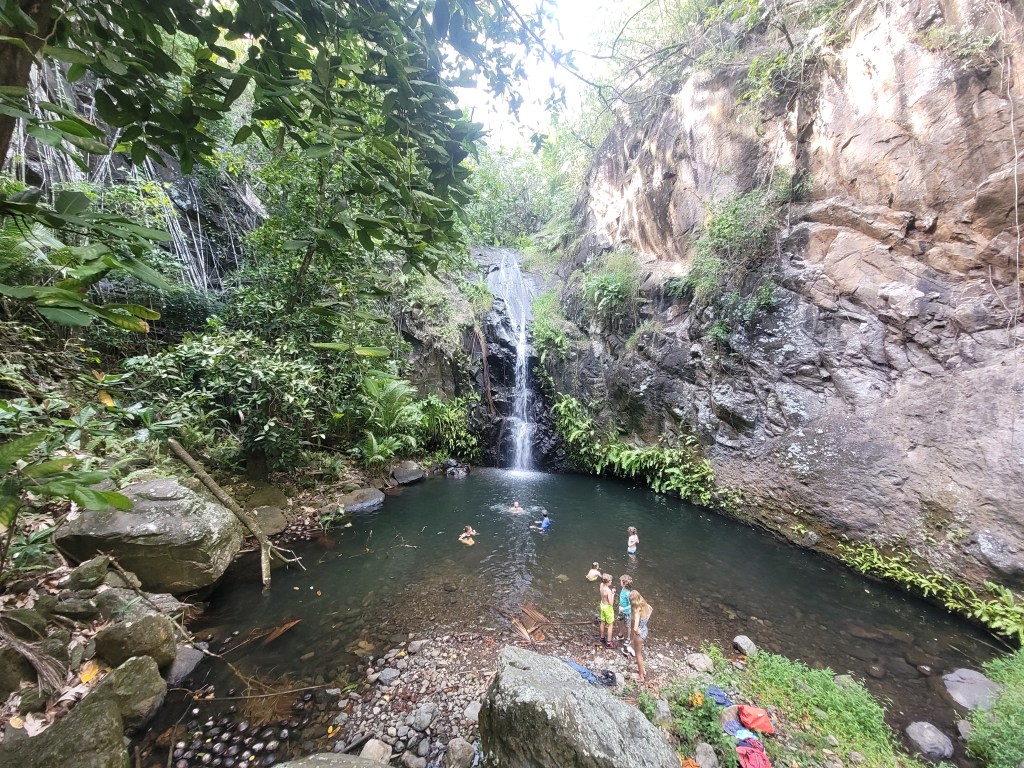
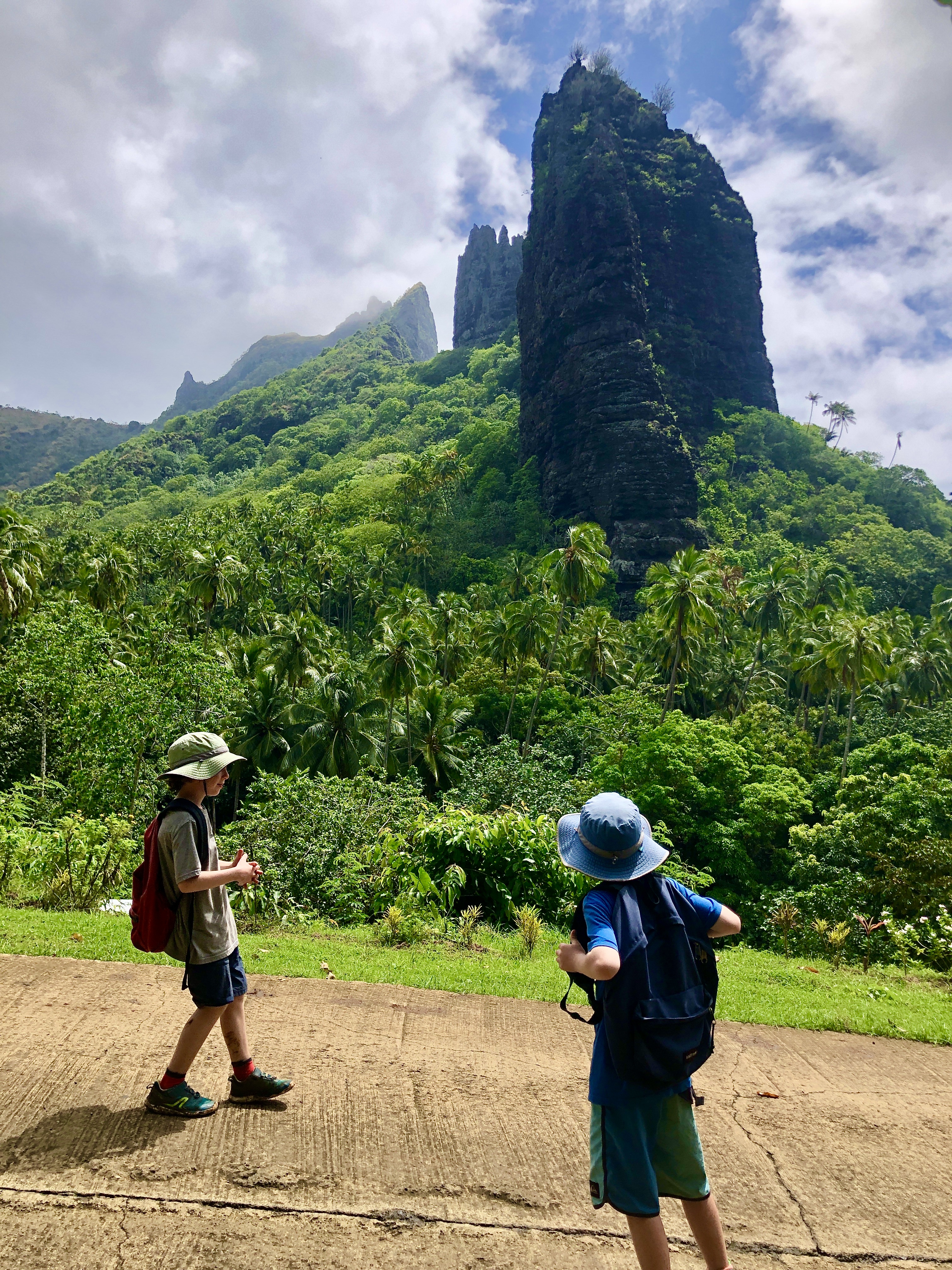
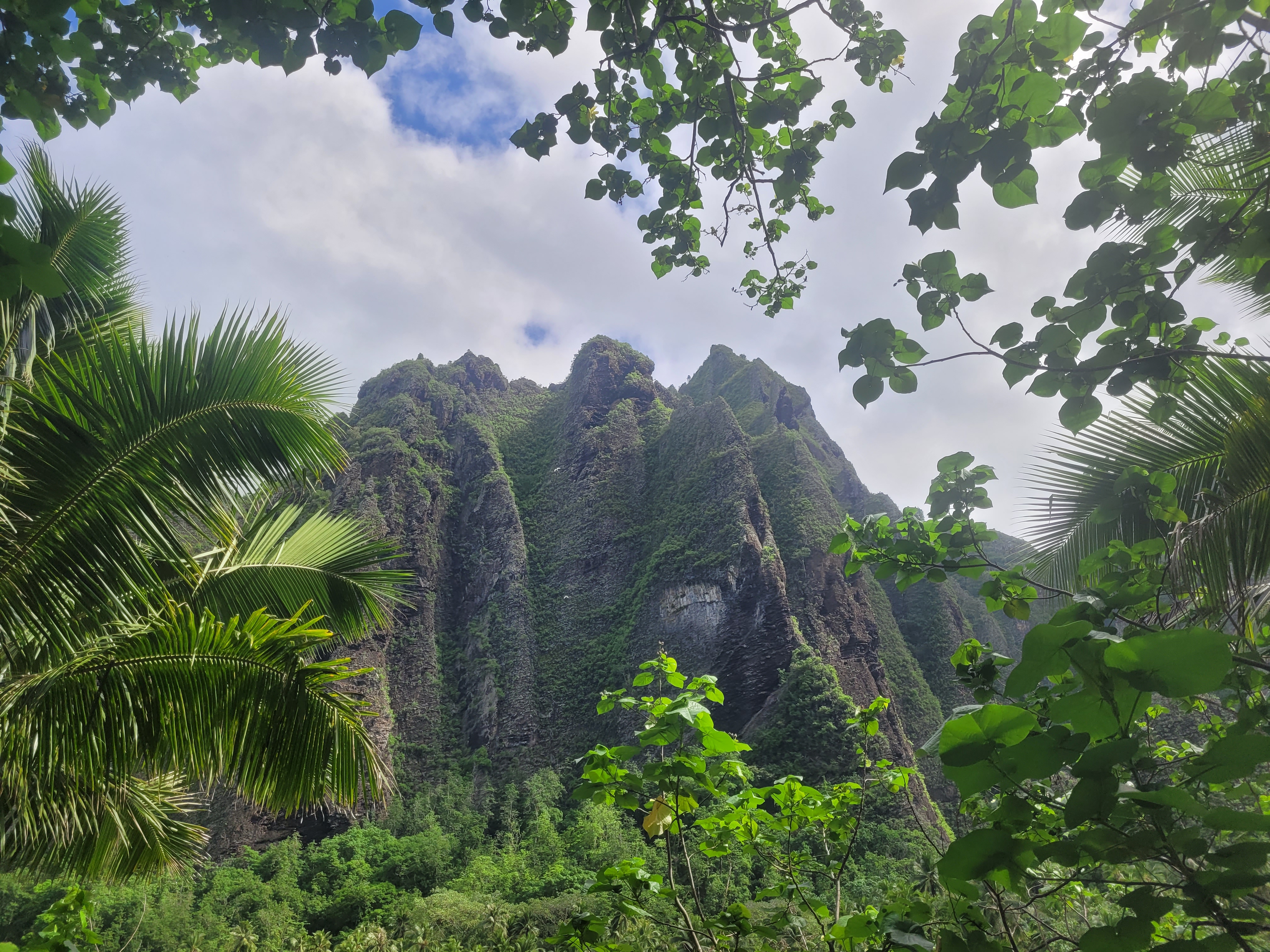
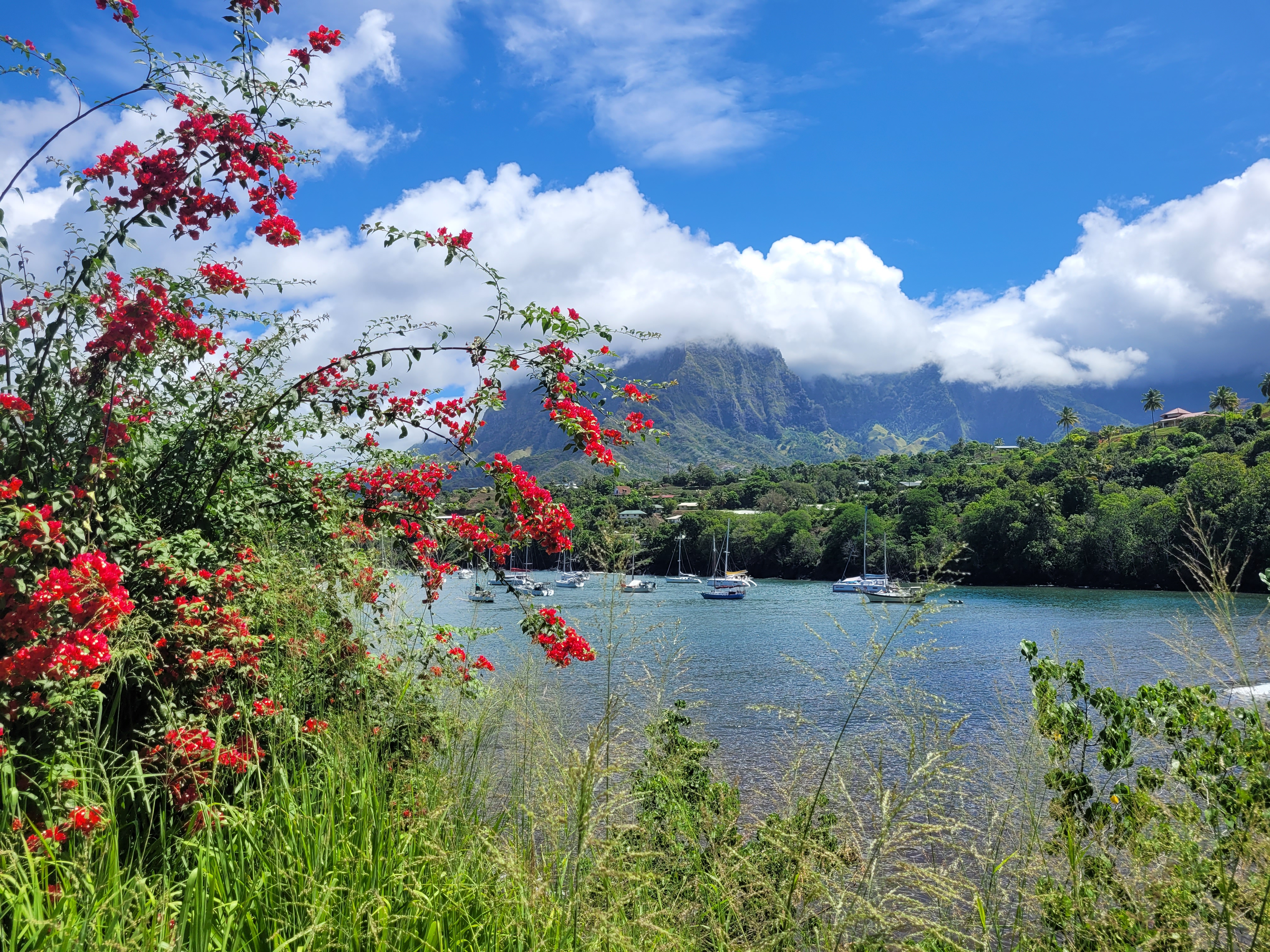
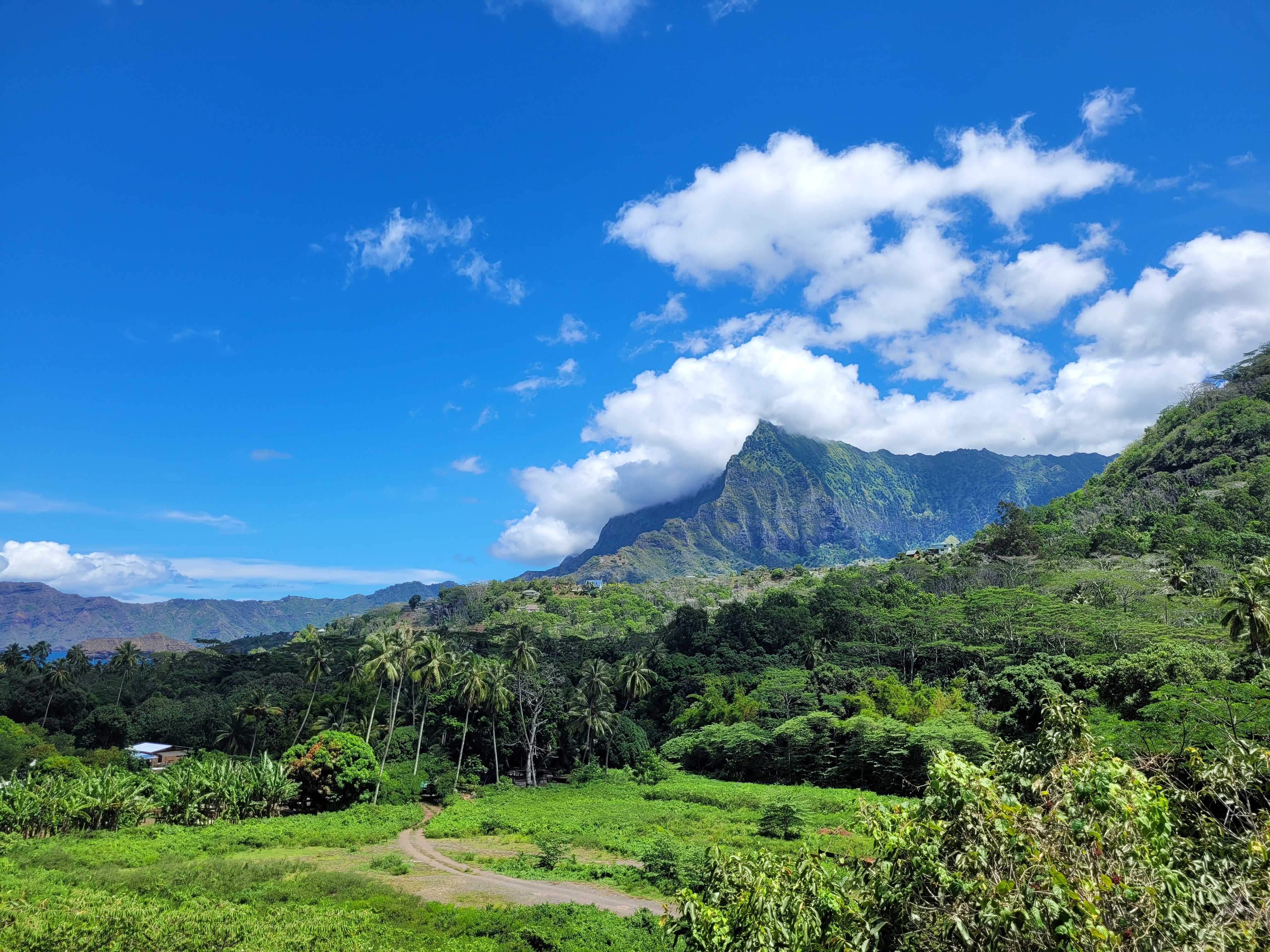
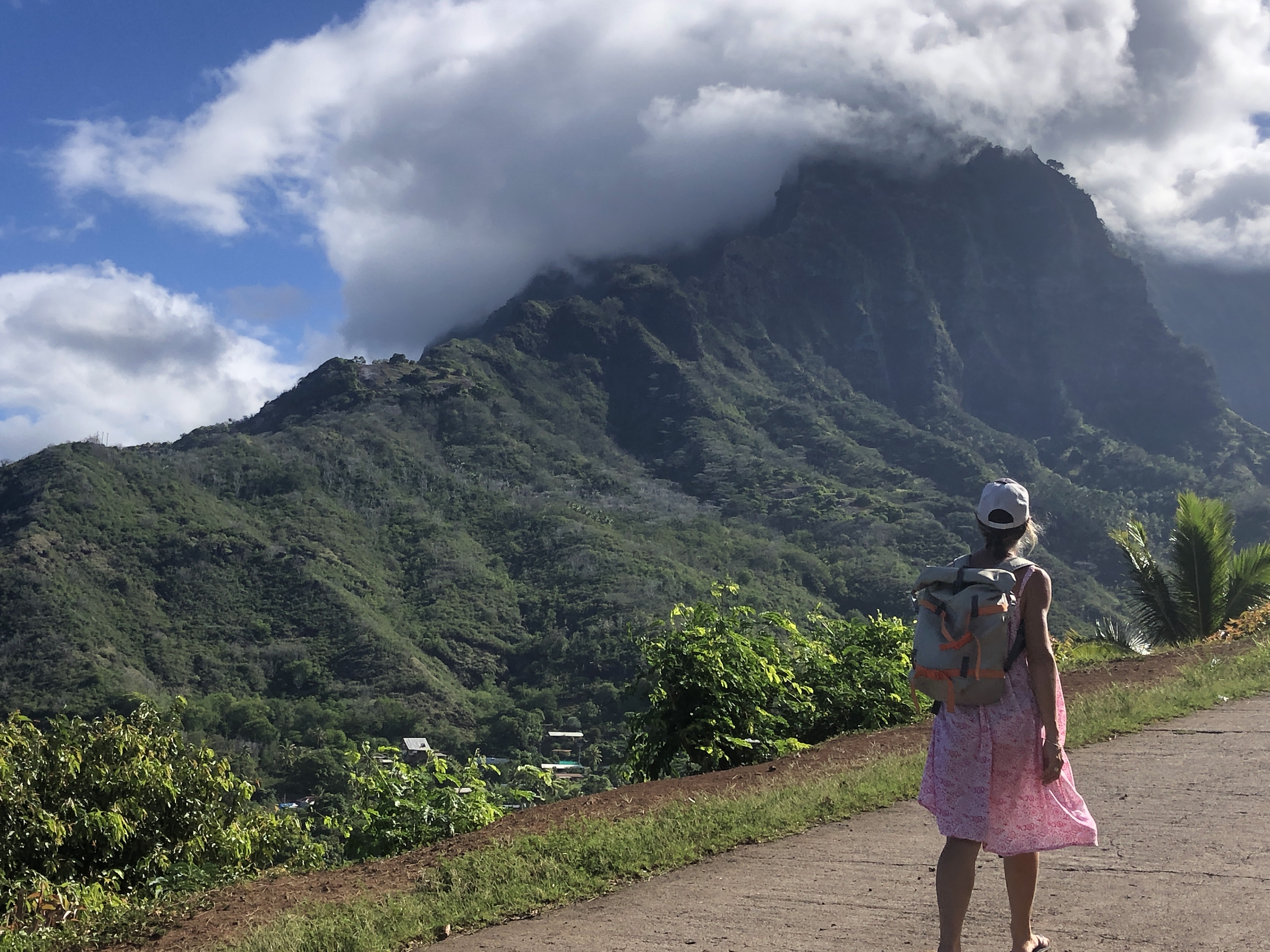
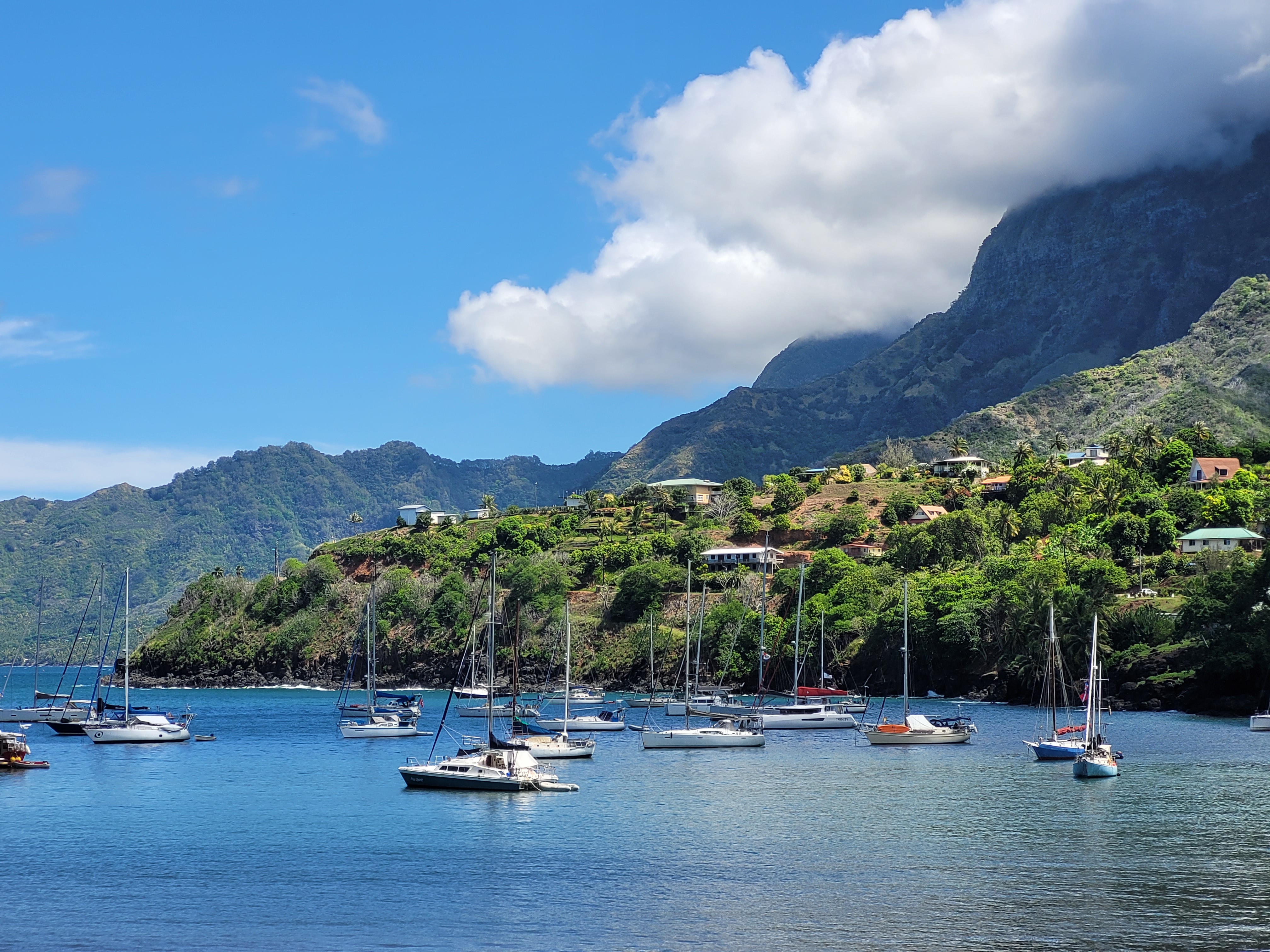
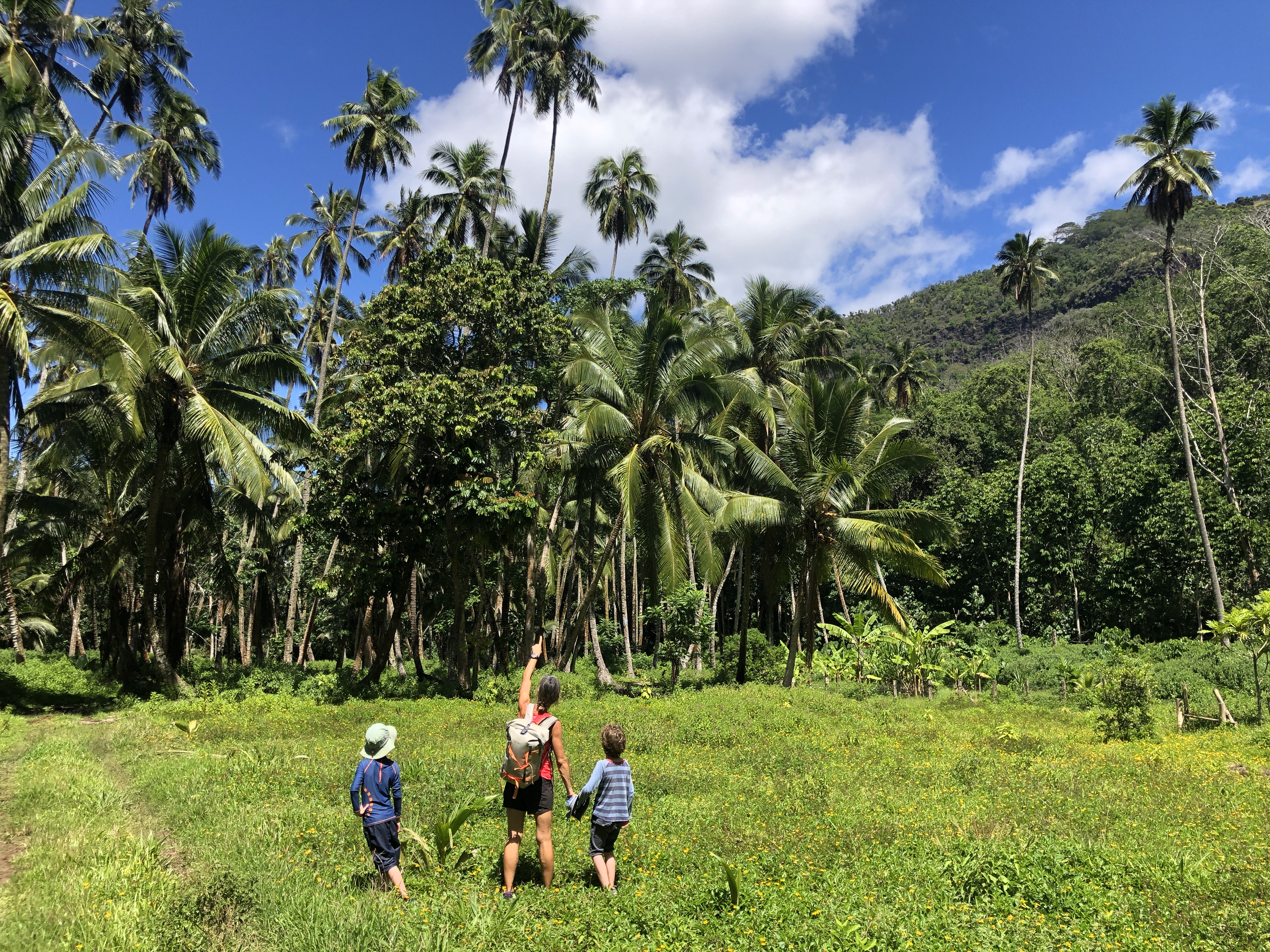
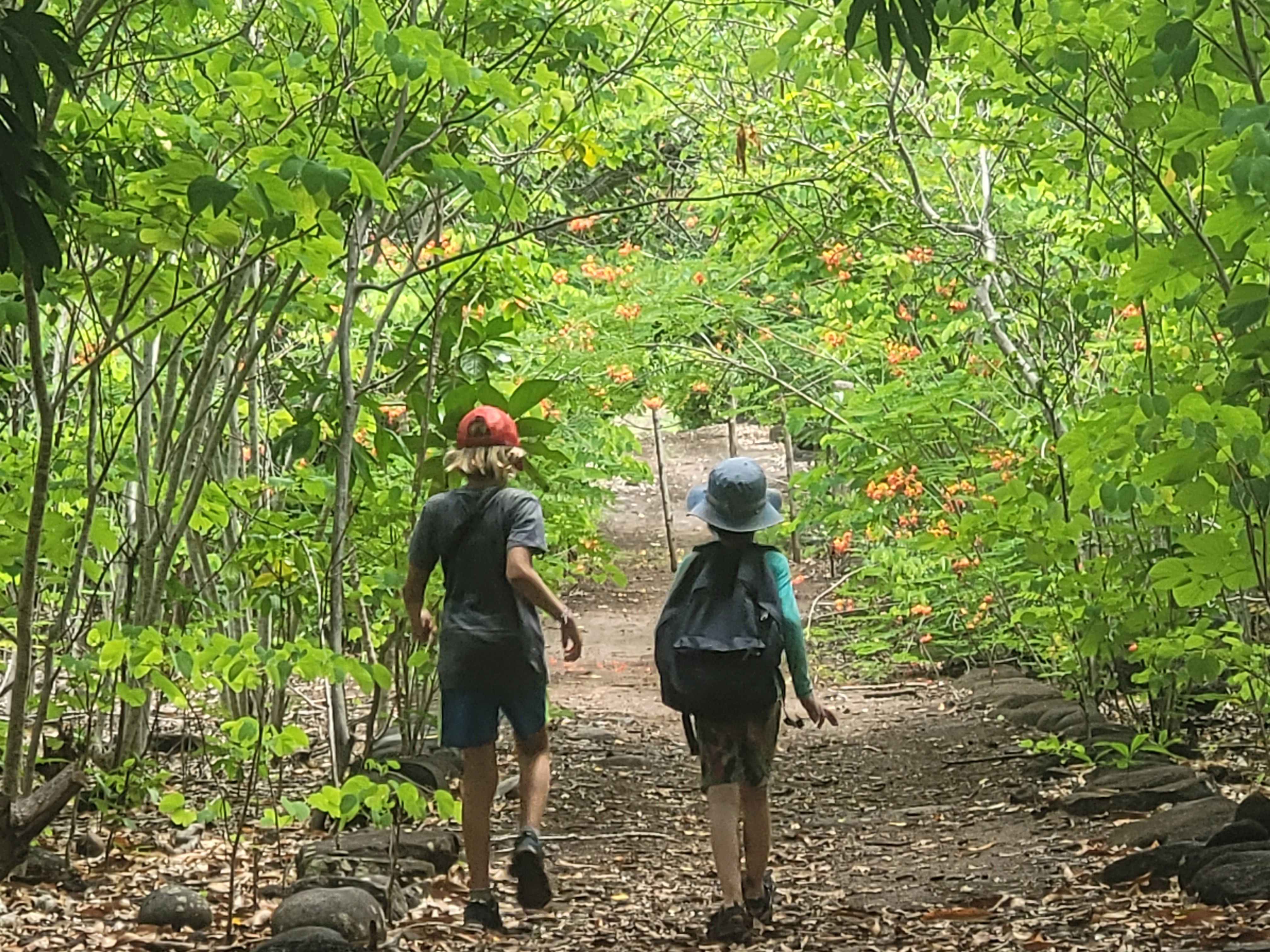
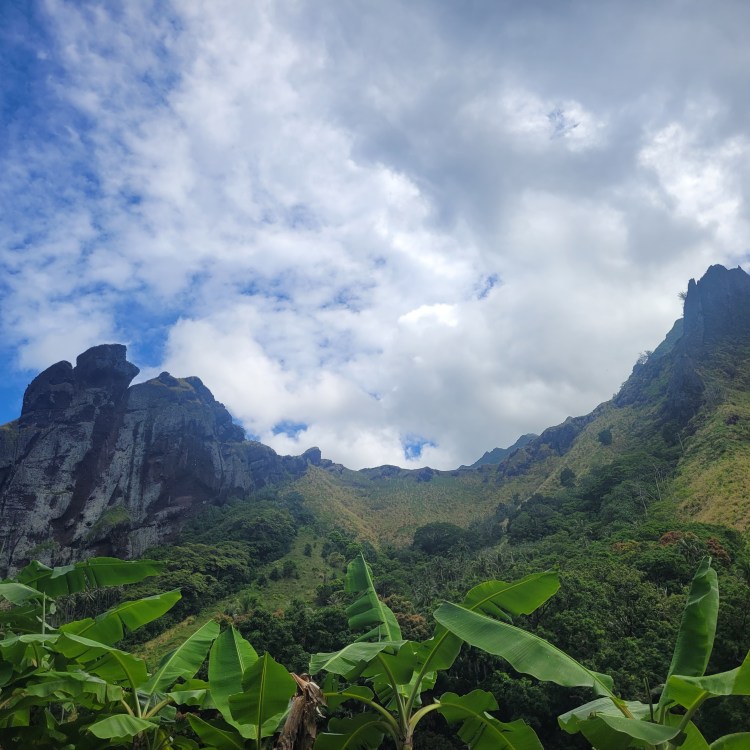
Our fifth and final destination among the Marquesan islands is Ua-Poa, a majestic island crowned by twelve dramatic basalt pinnacles and surrounded by lush rainforests. Our anchor found its place in the picturesque Hakahetau Bay. Accompanied by friends from SV Cinnamon, we embarked on a hike through tropical fruit orchards filled with star fruit, pamplemousses, and limes, ultimately leading us to a breathtaking waterfall. However, our idyllic swim was cut short by a swarm of particularly aggressive mosquitoes.
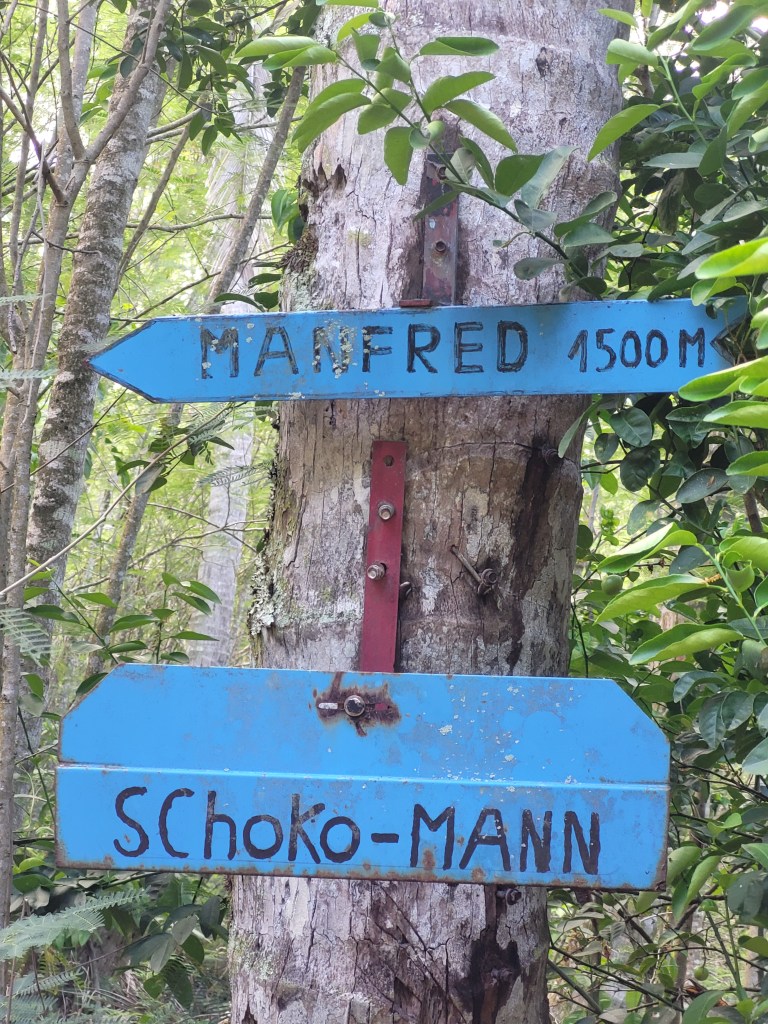
Our next visit brought us to Manfred Schoko-Mann, a German ex-helicopter pilot who has made French Polynesia his home for nearly three decades. Manfred has chosen Ua-Poa for his retirement and has ventured into the world of chocolate-making, offering his delicious creations to visiting sailors.
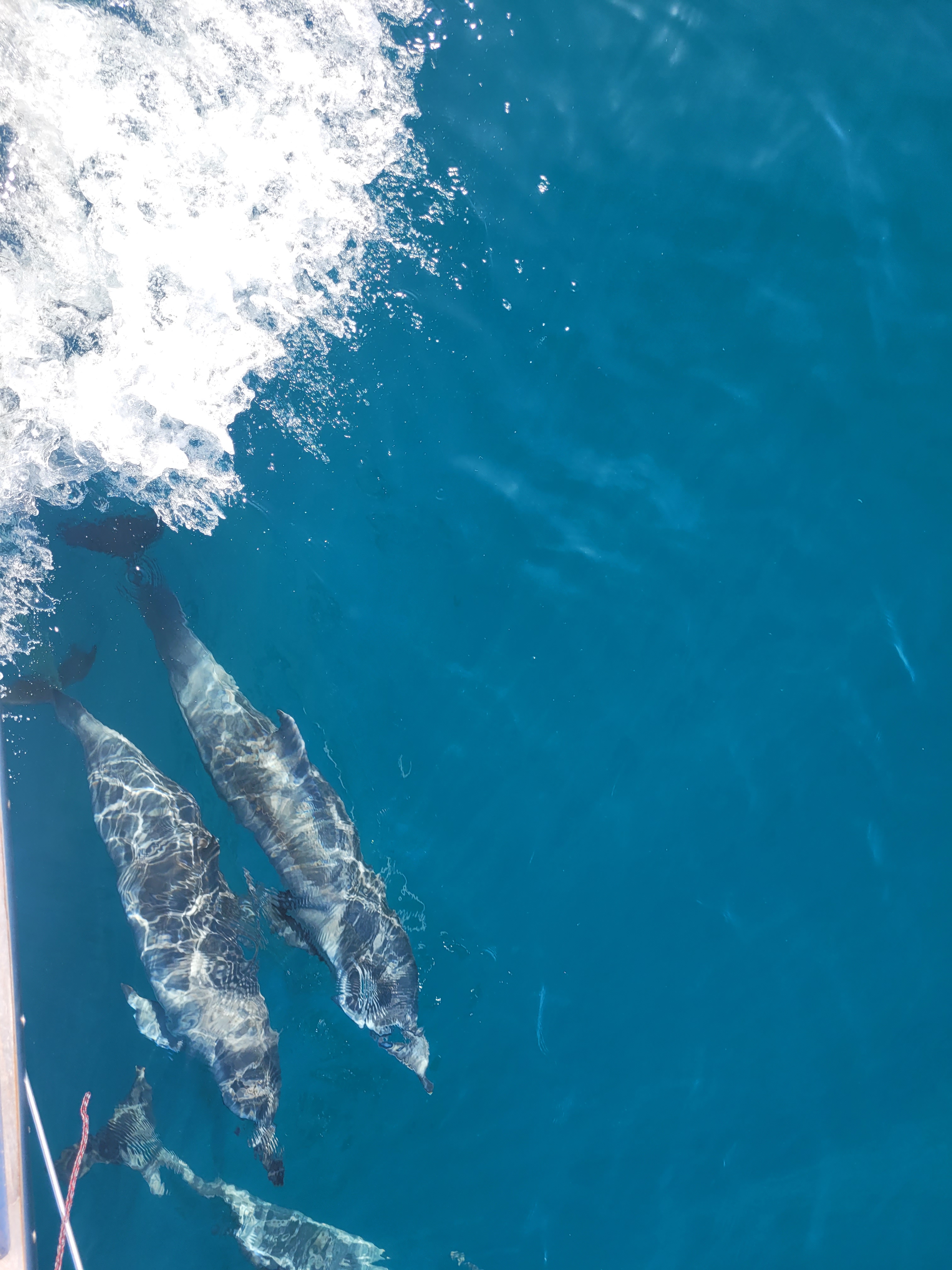
As a favorable weather window appeared for our 450-nautical-mile journey to the Tuamotus, we bid a reluctant farewell to the Marquesas after an unforgettable month exploring these islands. Our departure was accompanied by the sight of an impressive pod of acrobatic spinner dolphins, gracefully escorting us out of the bay.
Geology of Ua-Pau
Ua Pou, known as “the legendary pillars,” derives its name from the awe-inspiring peaks that dominate its interior, bestowing upon it a truly unique and distinctive topography. From its mythical origins to its remarkable geological heritage, Ua Pou’s landscape tells a captivating tale of millennia in the making.
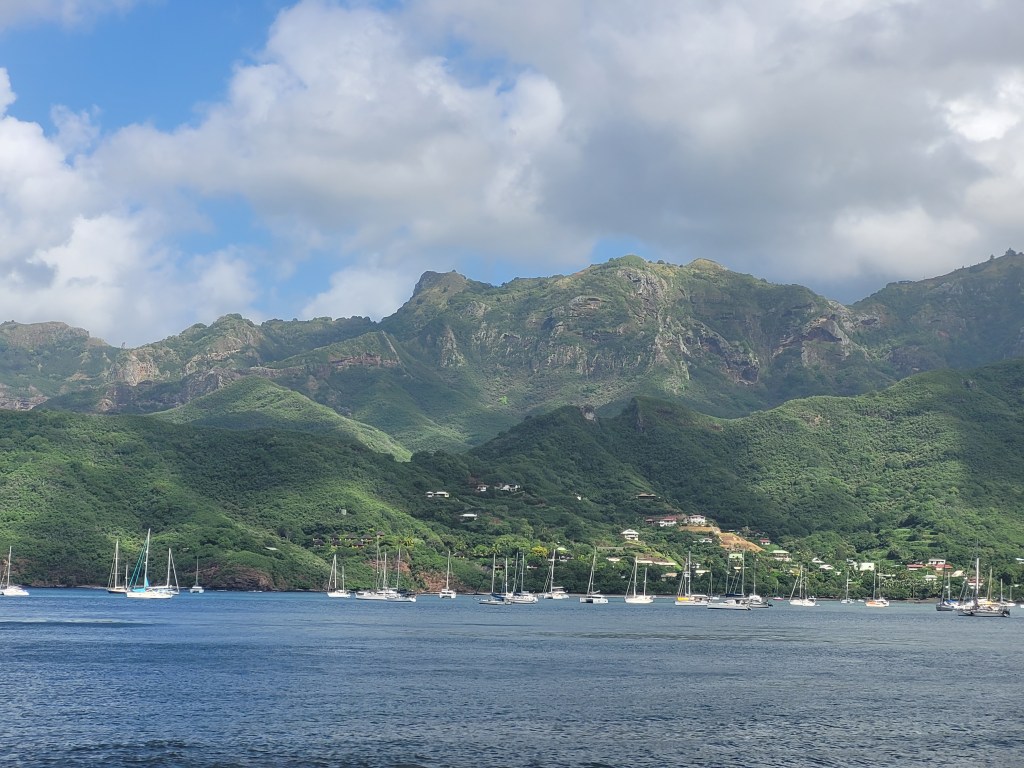
Ua Pou is an imposing volcanic high island, covering an expanse of 105 square kilometers, a creation spanning approximately 2.5 million years. Its rugged terrain, largely unaltered by erosion, lacks the encircling presence of an emerged coral reef. Towering cliffs plunge into the ocean depths, relentlessly sculpted by the currents of the South Pacific. Deep valleys intersect the primary ridges, leading to picturesque bays where the island’s main settlements are nestled.
The island’s highest peaks stand as majestic sentinels: Oave (1,203m), Pouakei (1,034m), Matahuena (1,028m), Poumaka (979m), Poutetainui (970m), and Poutemoka (683m), among others. However, unlike its Marquesan counterparts, Ua Pou lacks a distinct “caldera,” a circular volcanic depression. Instead, it boasts a central mountain range from which these unique phonolitic peaks have emerged.
Like all Polynesian islands, Ua Pou will undergo gradual transformation due to erosion and subsidence, eventually becoming a lower island and later a seamount. However, it will never evolve into an atoll due to the absence of aerial coral reefs in this region.
We sailed overnight for 12 hours from Hanamenu to Nuku Hiva, the main island in the Marquesas archipelago. Upon our arrival at Taihoae Bay, we coincided with the arrival of the Aranui 3, a dual passenger/cargo vessel responsible for delivering essentials like fuel, spare parts, and fresh vegetables from Tahiti. Diesel had run out in the islands two weeks prior, so many cruisers had gathered in anticipation. Onboard the Aranui 3 were also Mowzer’s much-awaited new house batteries. Our AGMs, which were installed less than 2 years ago, had spectacularly failed during our crossing from Panama. These batteries are crucial for powering our lights, navigation instruments, charging our laptops, running our fridge, and more, so we were eagerly looking forward to installing our new lithium bank.
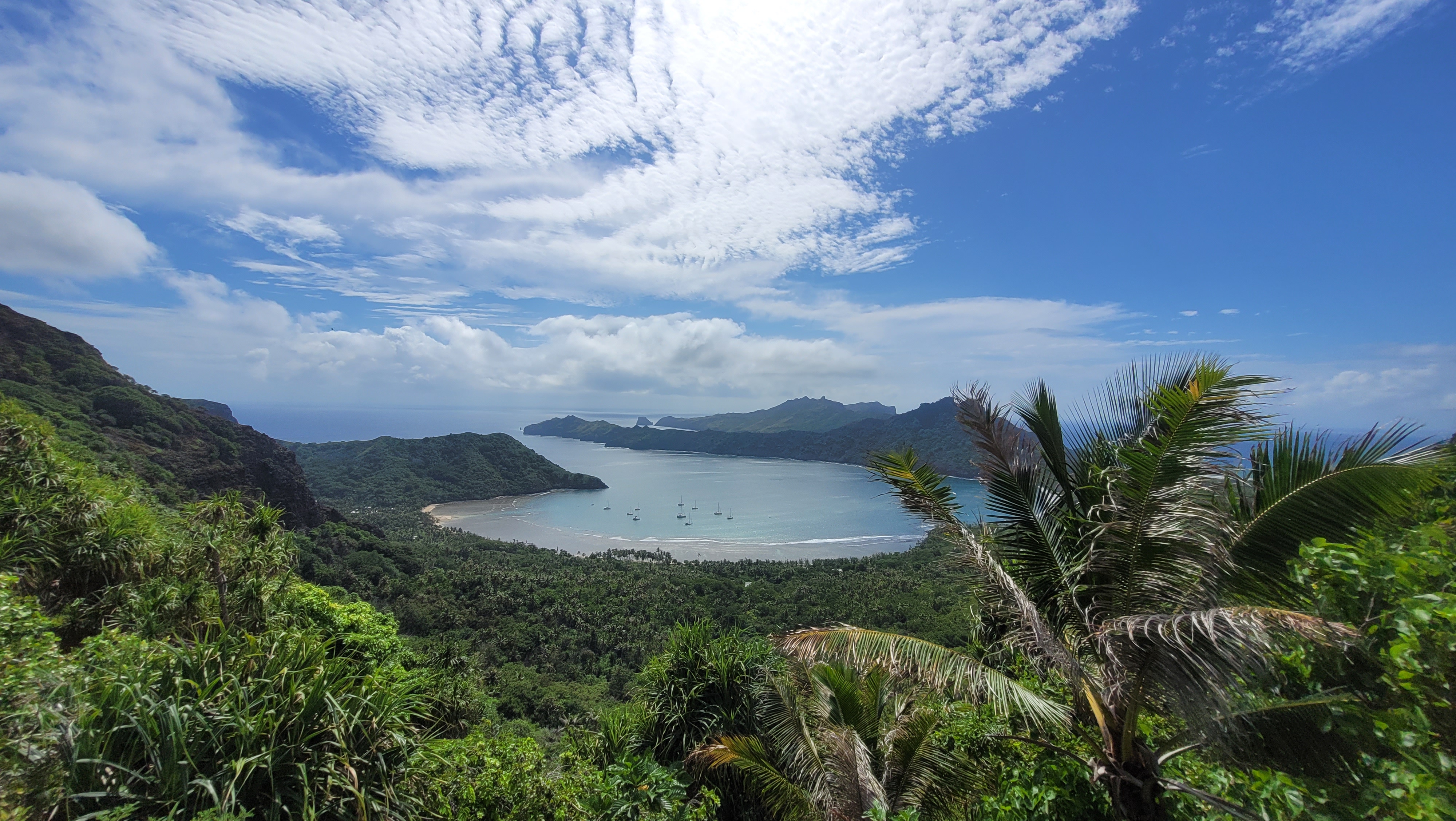
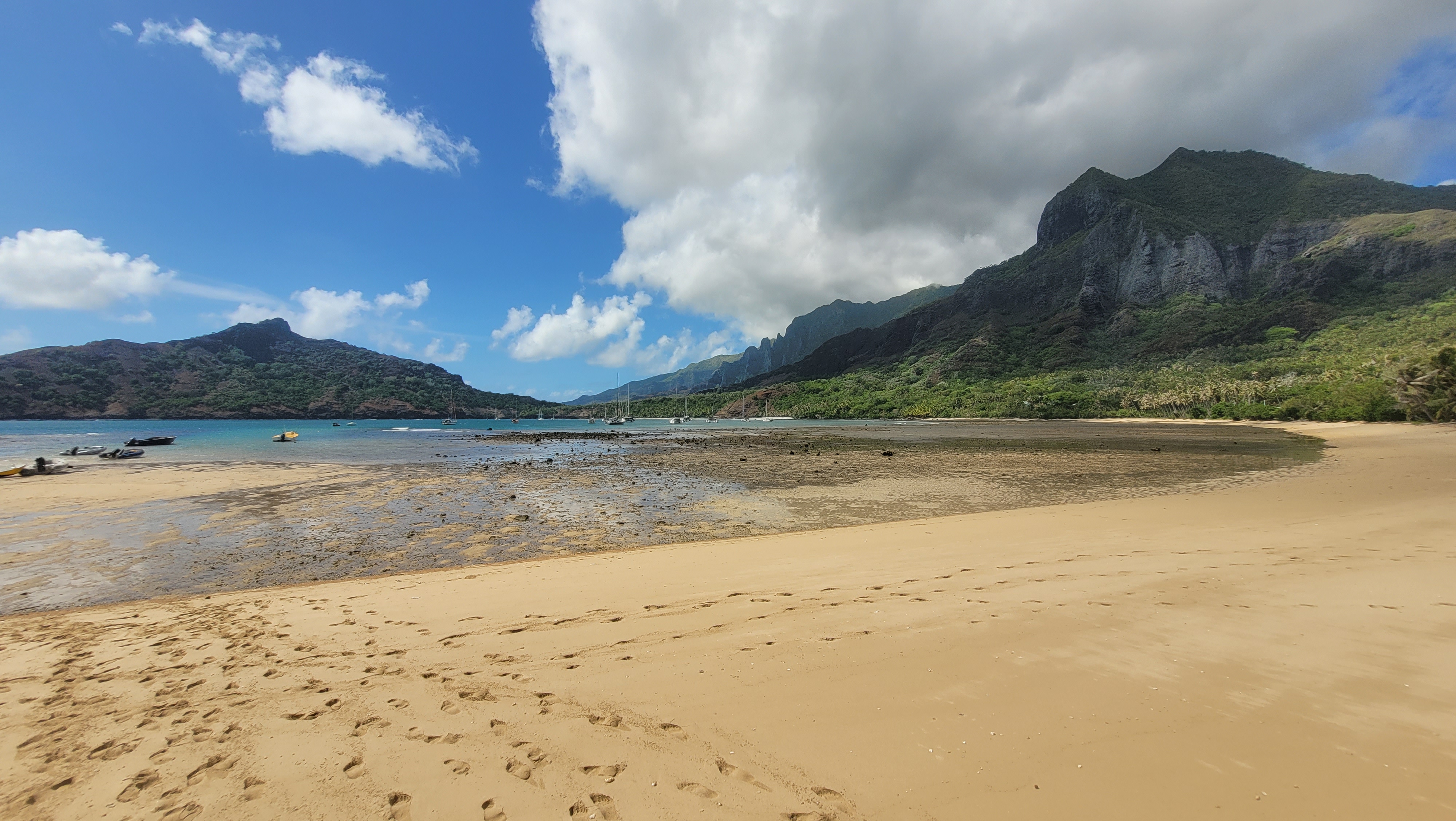
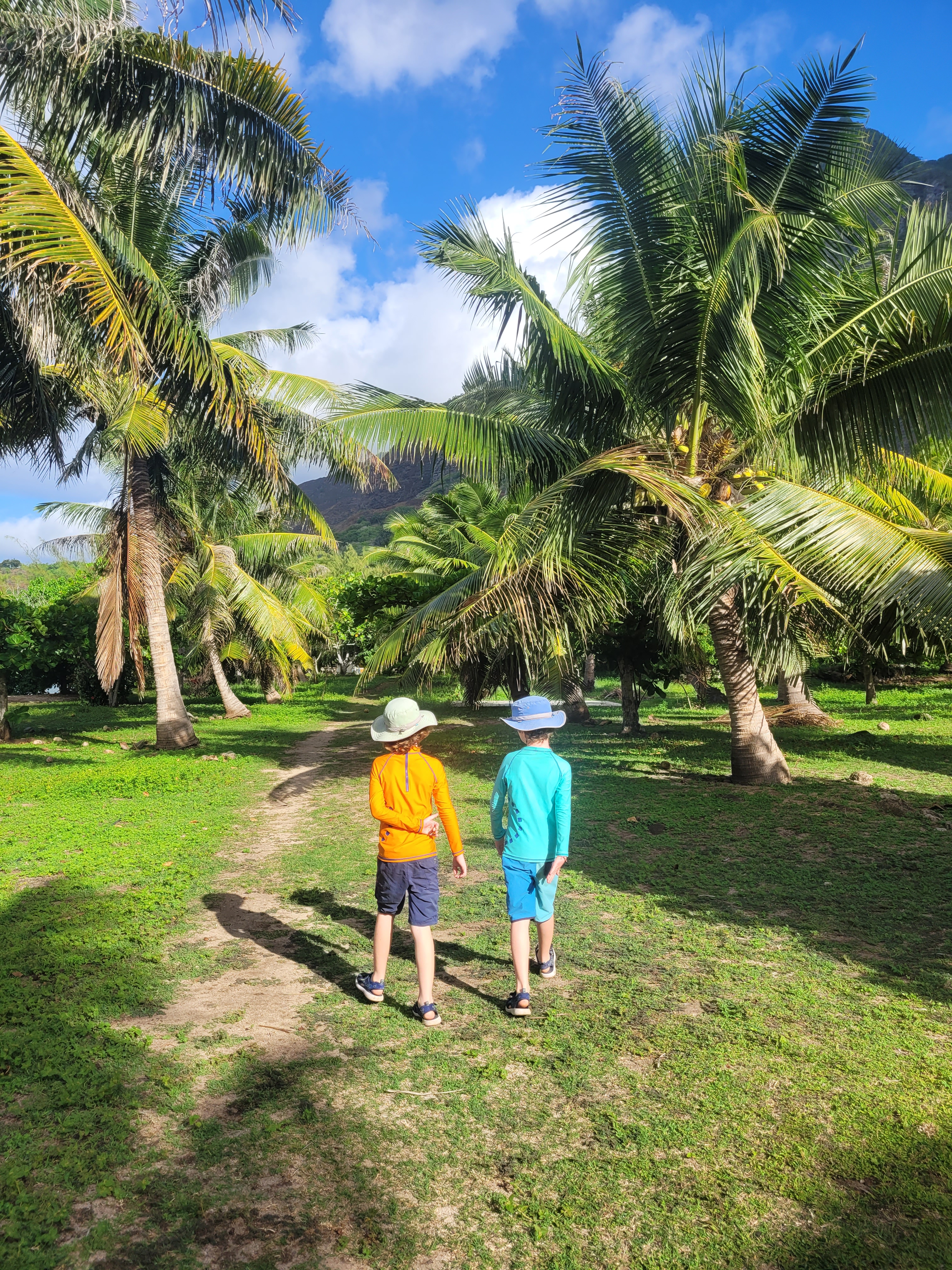
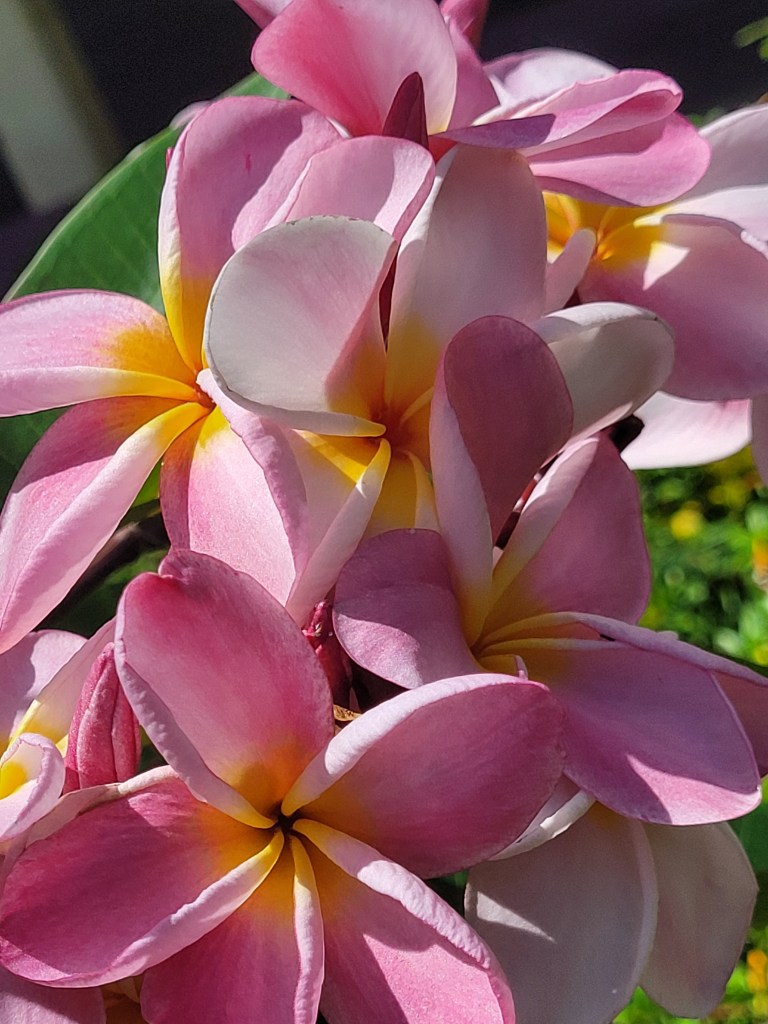
From Taihoae, we sailed 20 nautical miles along the coast to Anaho Bay, one of the most breathtaking anchorages we’ve encountered during our travels. Multiple white sandy beaches were nestled among coconut groves and frangipani trees, all surrounded by dense, lush jungle that stretched up to epic basalt spires.
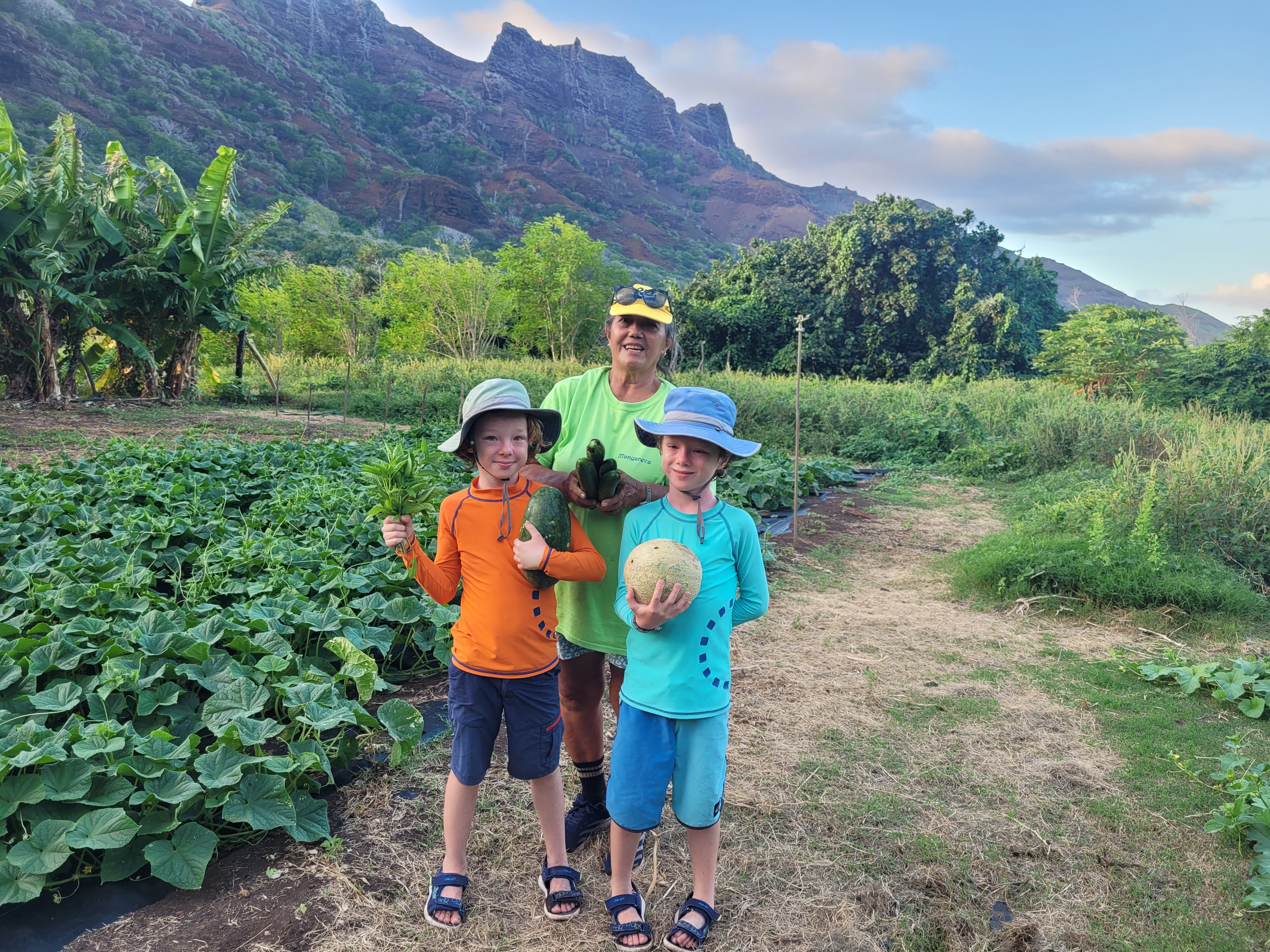
During our stay, we hiked east to the neighboring windward bay of Haataivea, known for its wild beach and standing stones. On our way back to the anchorage, we encountered a family on horseback who kindly agreed to sell us some of their produce. They took us to their fields, where they harvested melons, cucumbers, basil, papaya, and rambutan for us.
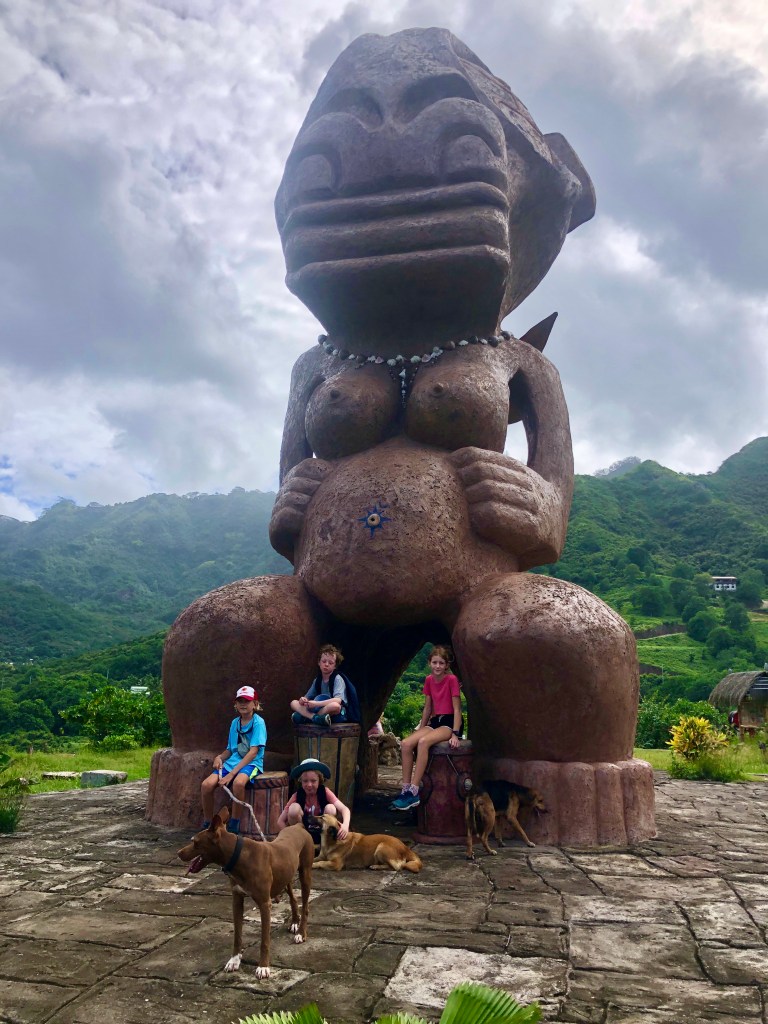
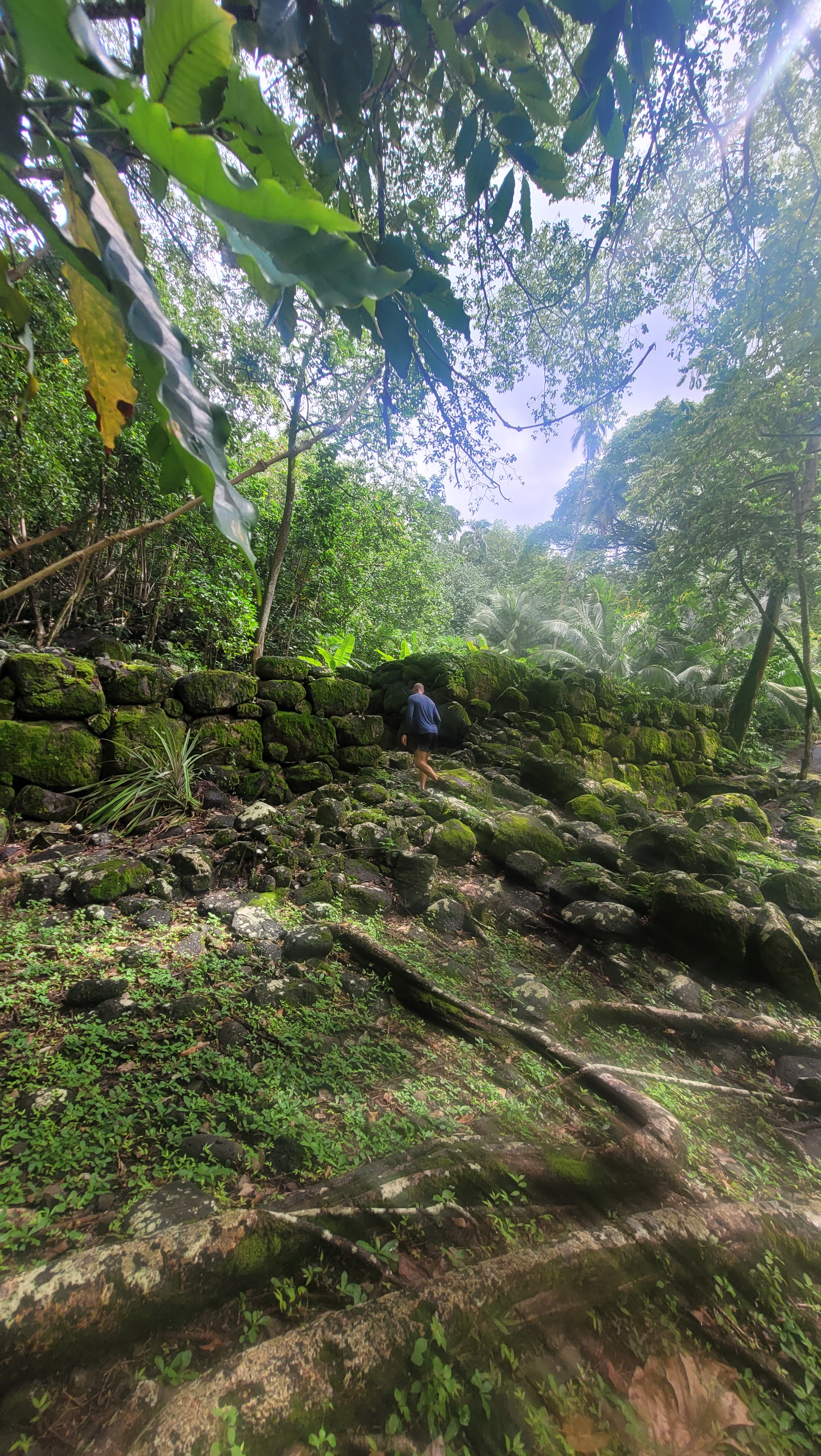
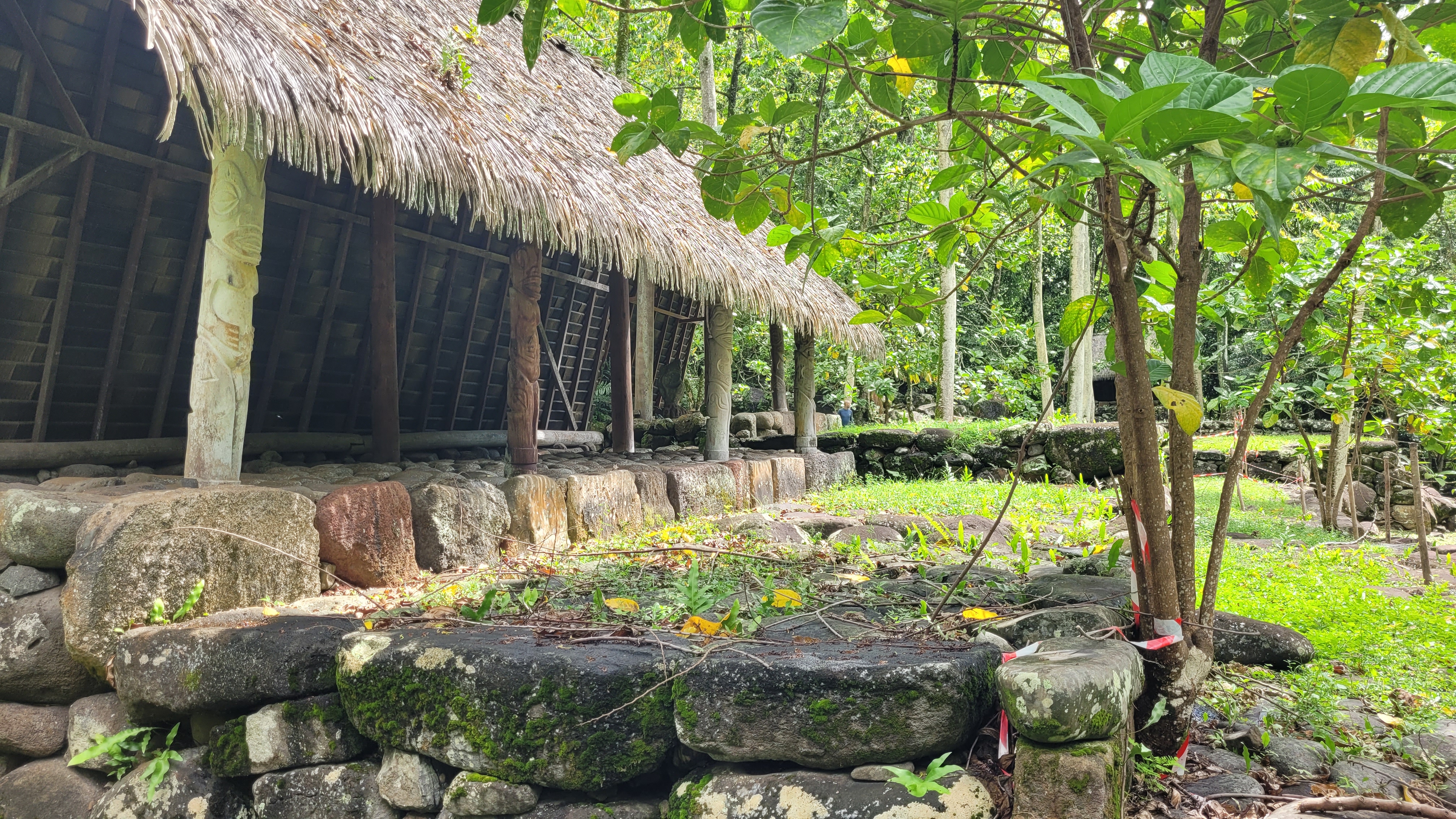
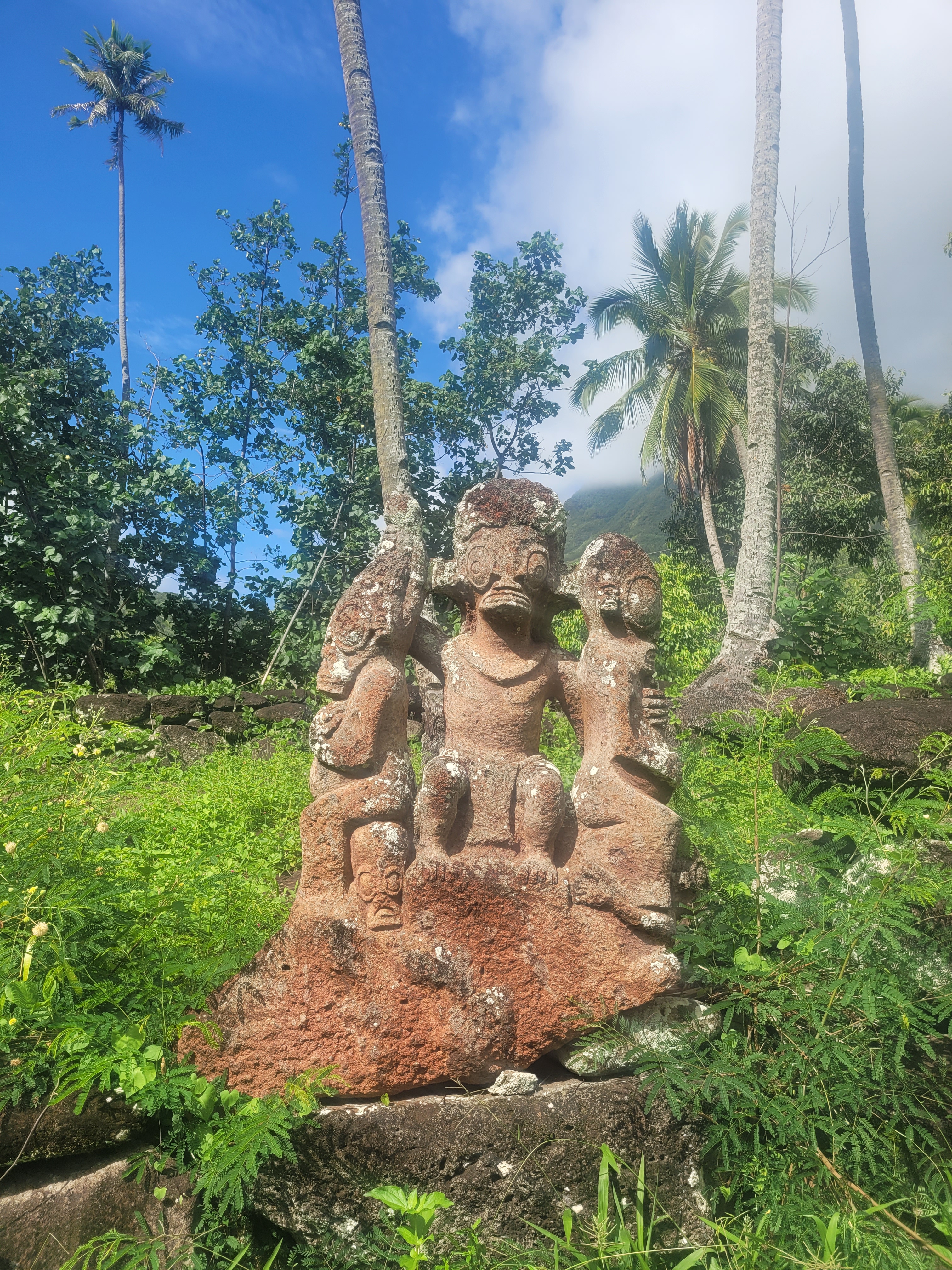
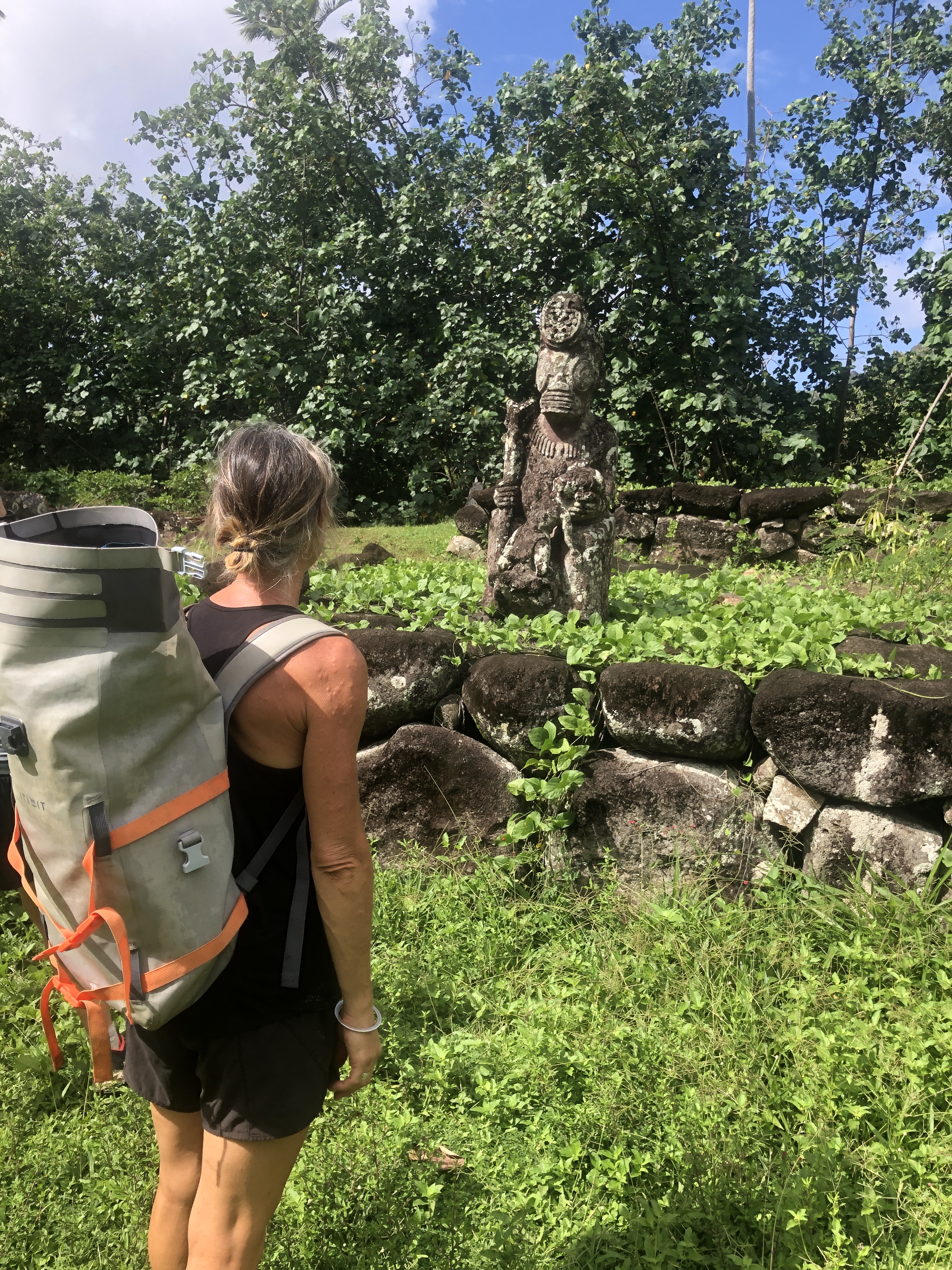
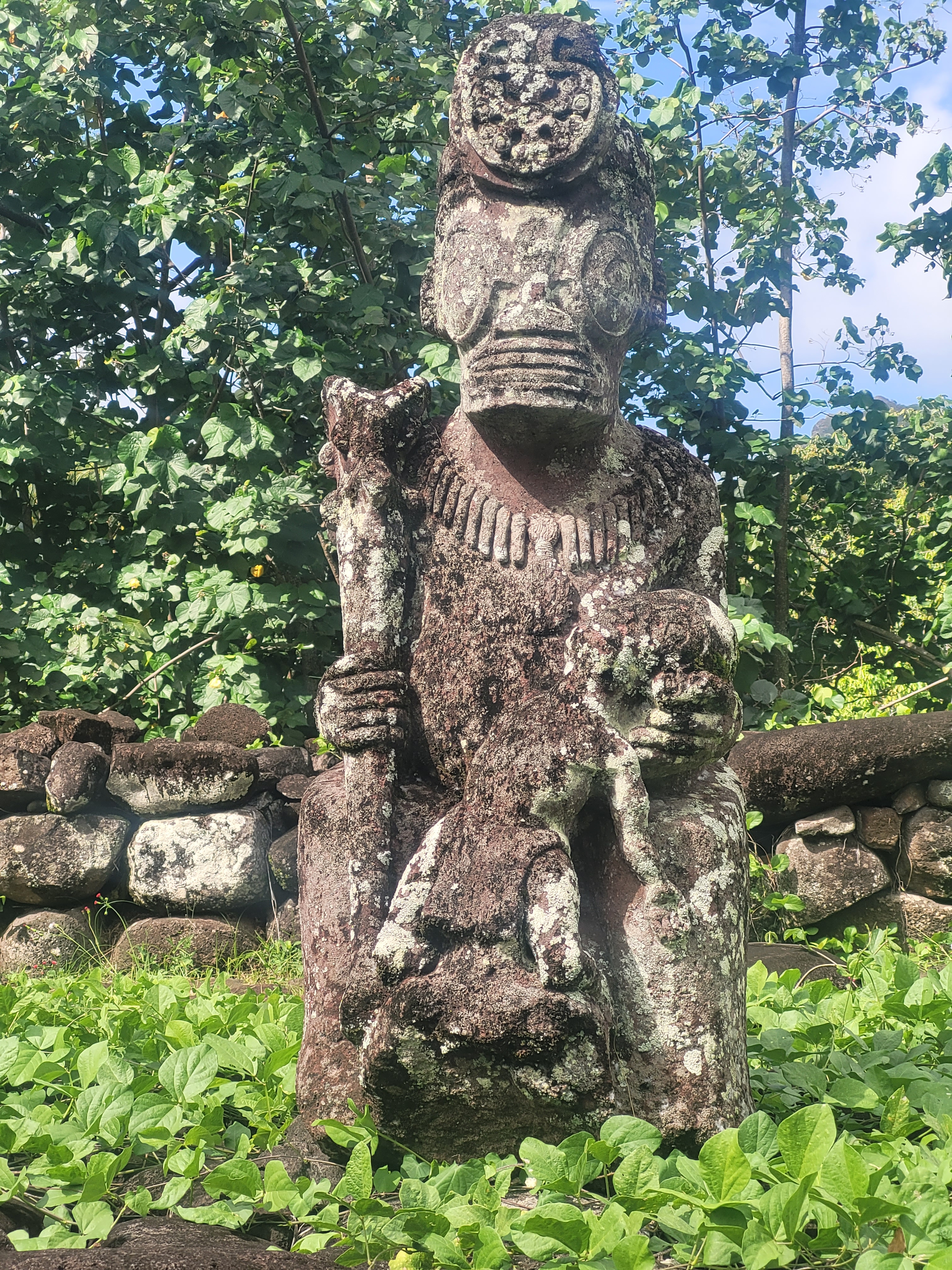
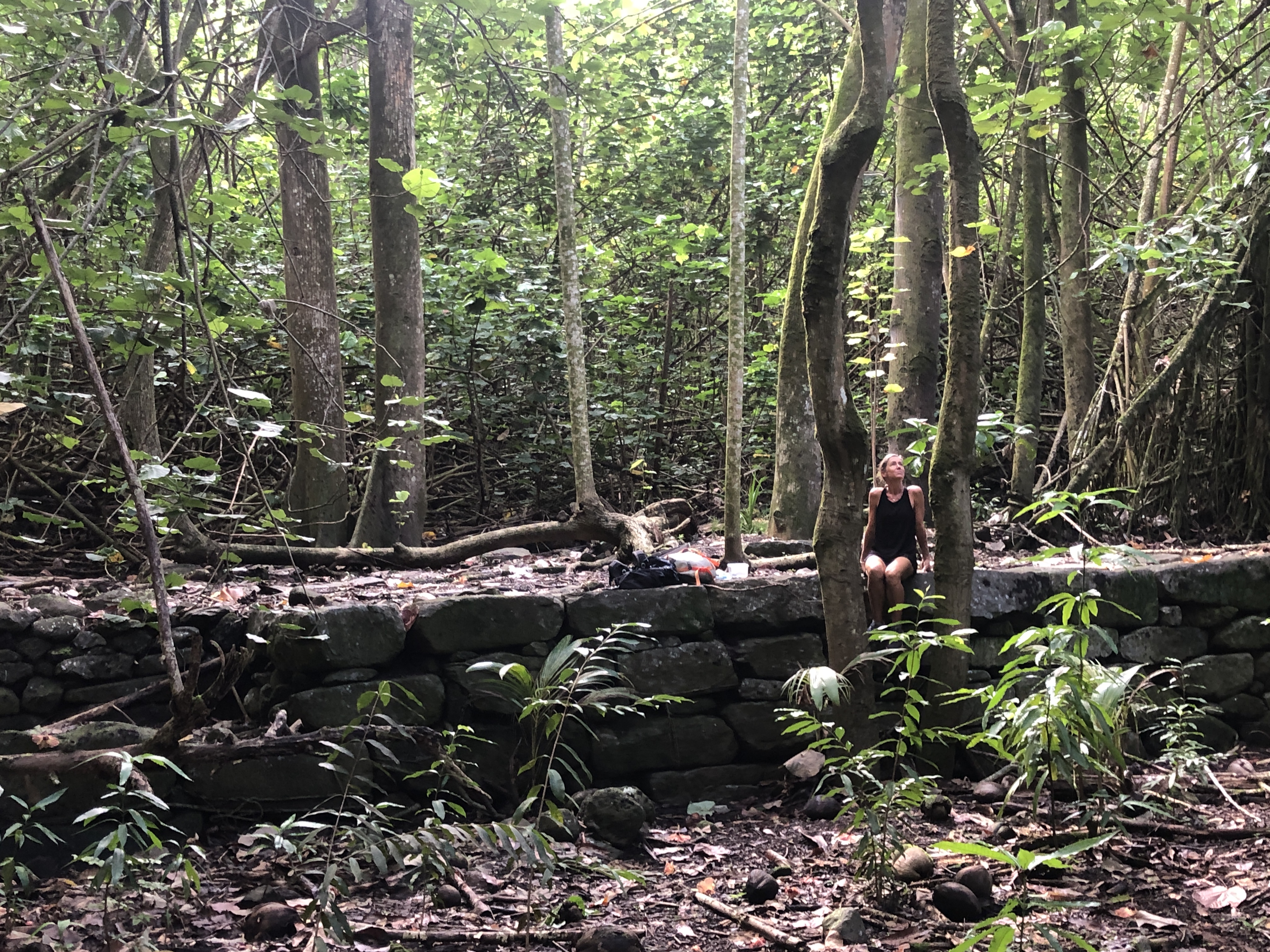
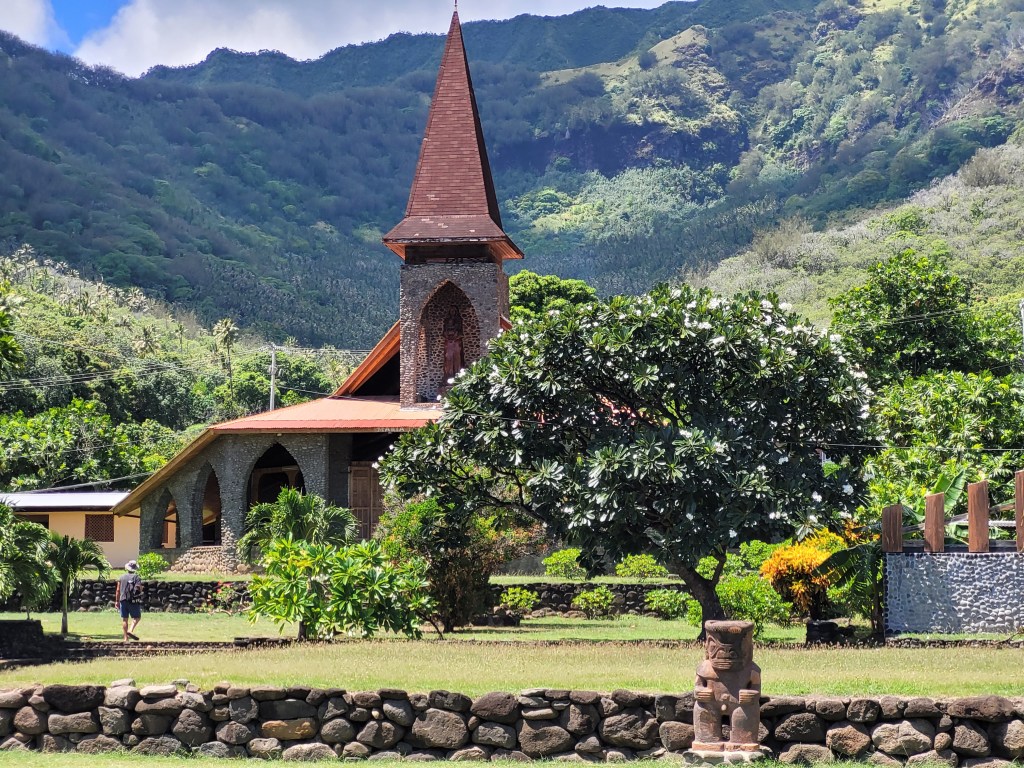
Another day, we embarked on a hike to the stunning Hatiheu Bay and explored some of Marquesas’ most remarkable archaeological remains. Hidden within the jungle, among ancient palms and giant mango trees, we discovered beautifully preserved tikis and partially restored pae paes, which were stone foundations for old dwellings. Amongst these ruins stood a sacred banyan tree, estimated to be over 600 years old, exuding a majestic presence.
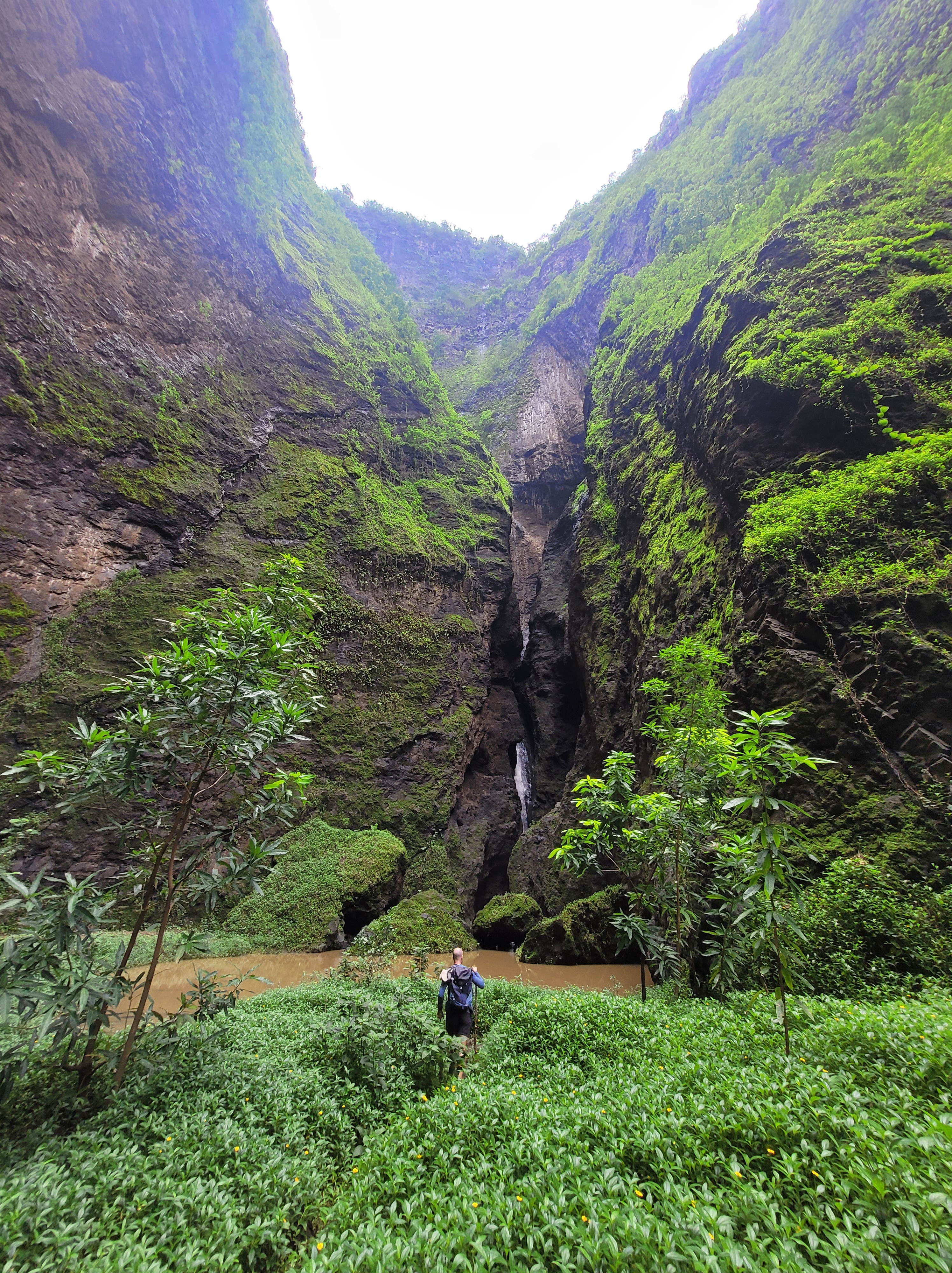
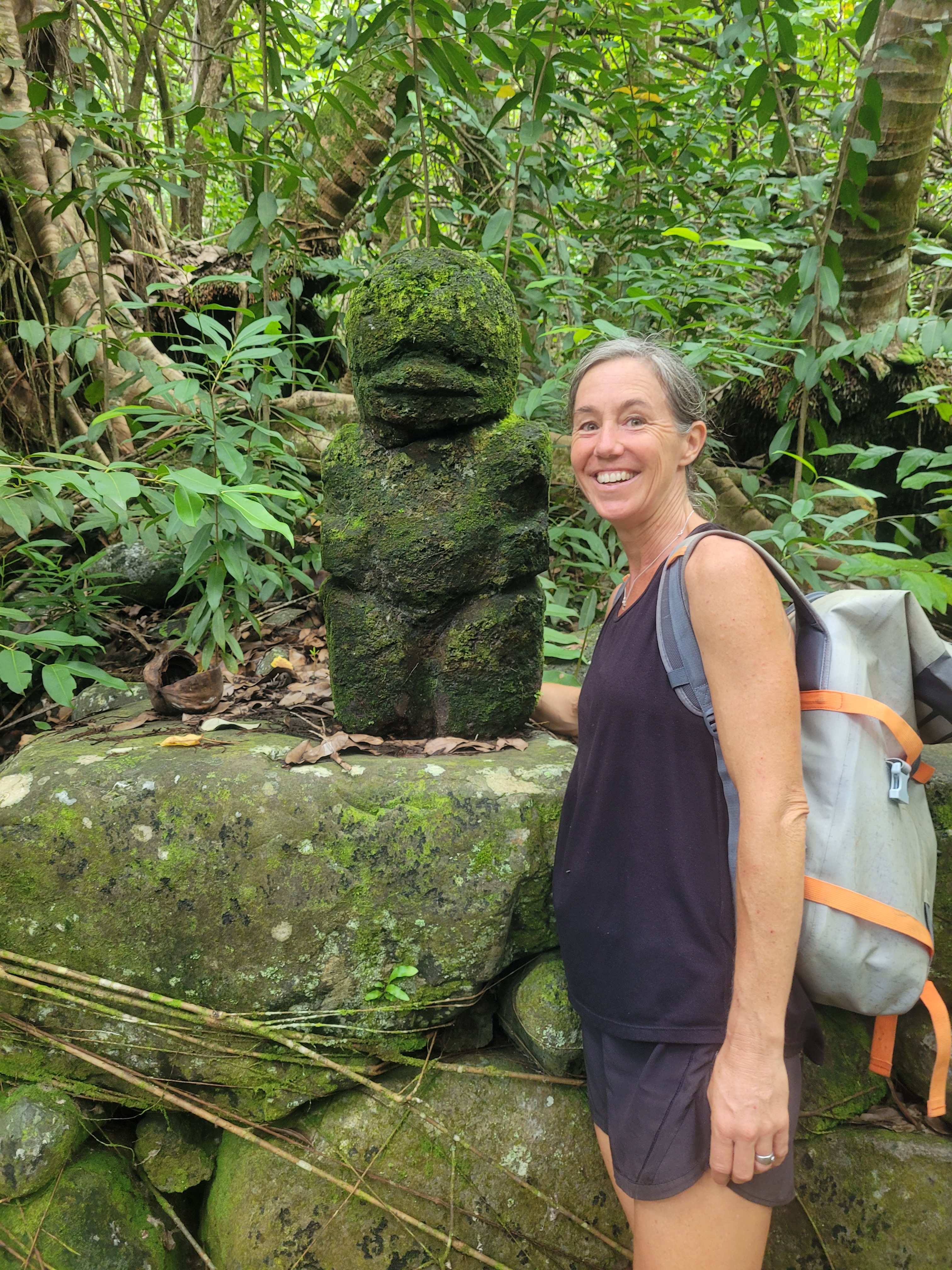
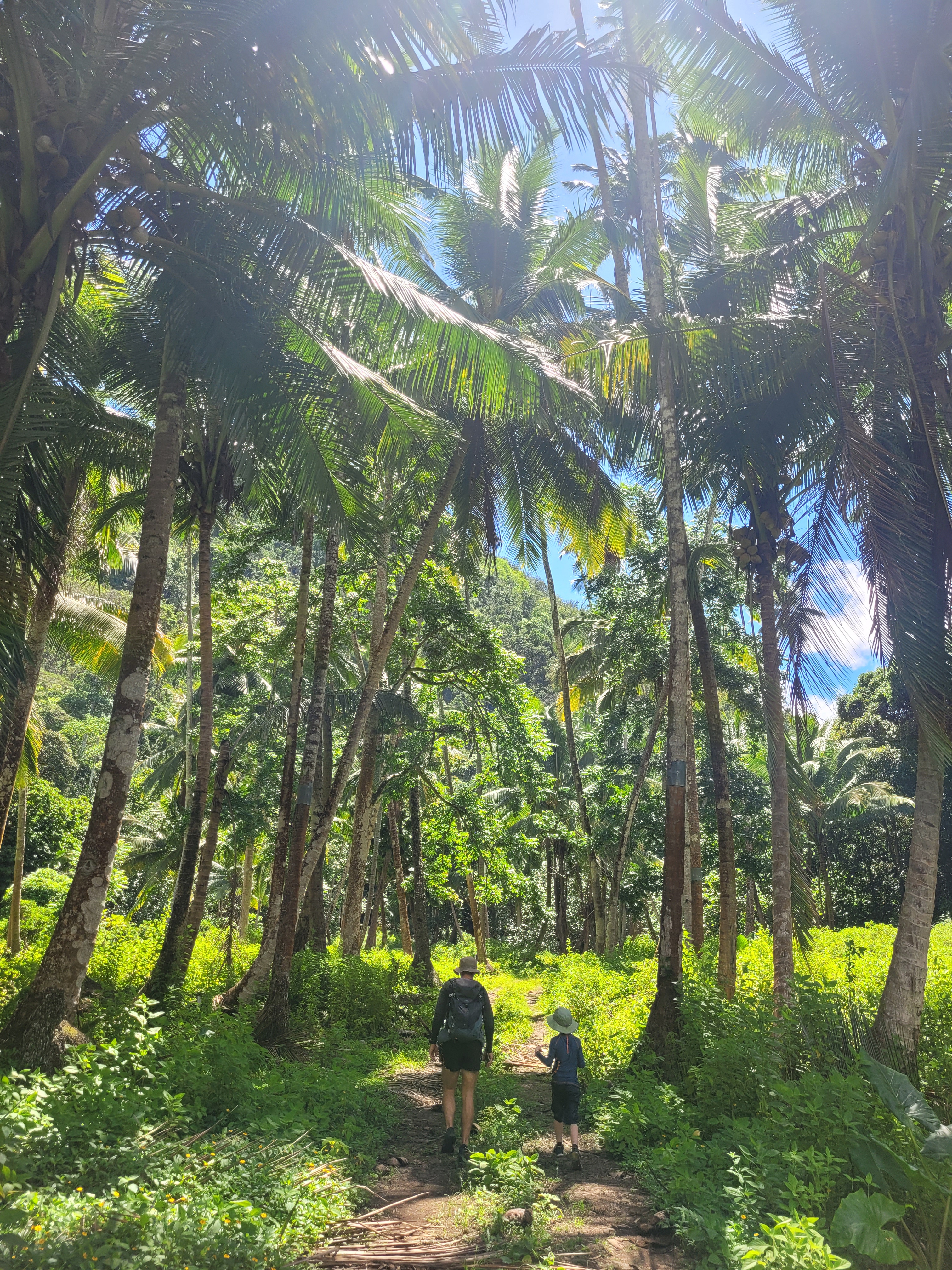
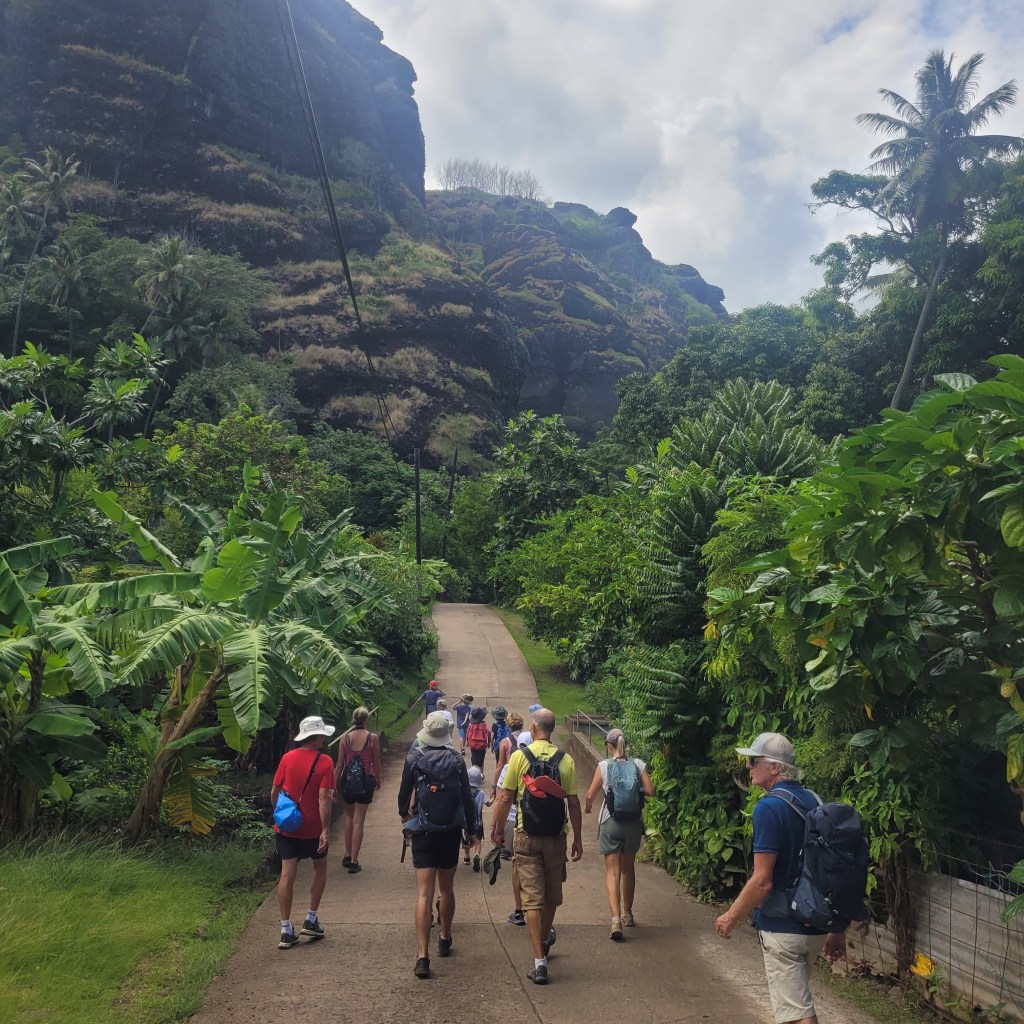
After a brief return to Taihoae, we set sail westward along the south coast to Hakatea, also known as Daniel’s Bay, another striking anchorage framed by a dramatic volcanic backdrop. From there, we embarked on a 5-kilometer jungle hike, crossing streams, passing abandoned pae paes, and encountering hidden tikis on our way to the majestic Vaipo waterfall. This waterfall impressively cascades from a height of 350 meters down sheer cliffs.
Our next destination in the enchanting Marquesas archipelago was the captivating island of Hiva Oa. Imagine a landscape adorned with dramatic, jungle-covered interiors, punctuated by steep, rugged cliffs, and crowned with epic volcanic ridges. This lush paradise teems with an abundance of tropical fruits and is home to a mere 1800 residents, the gentle and generous Marquesans.
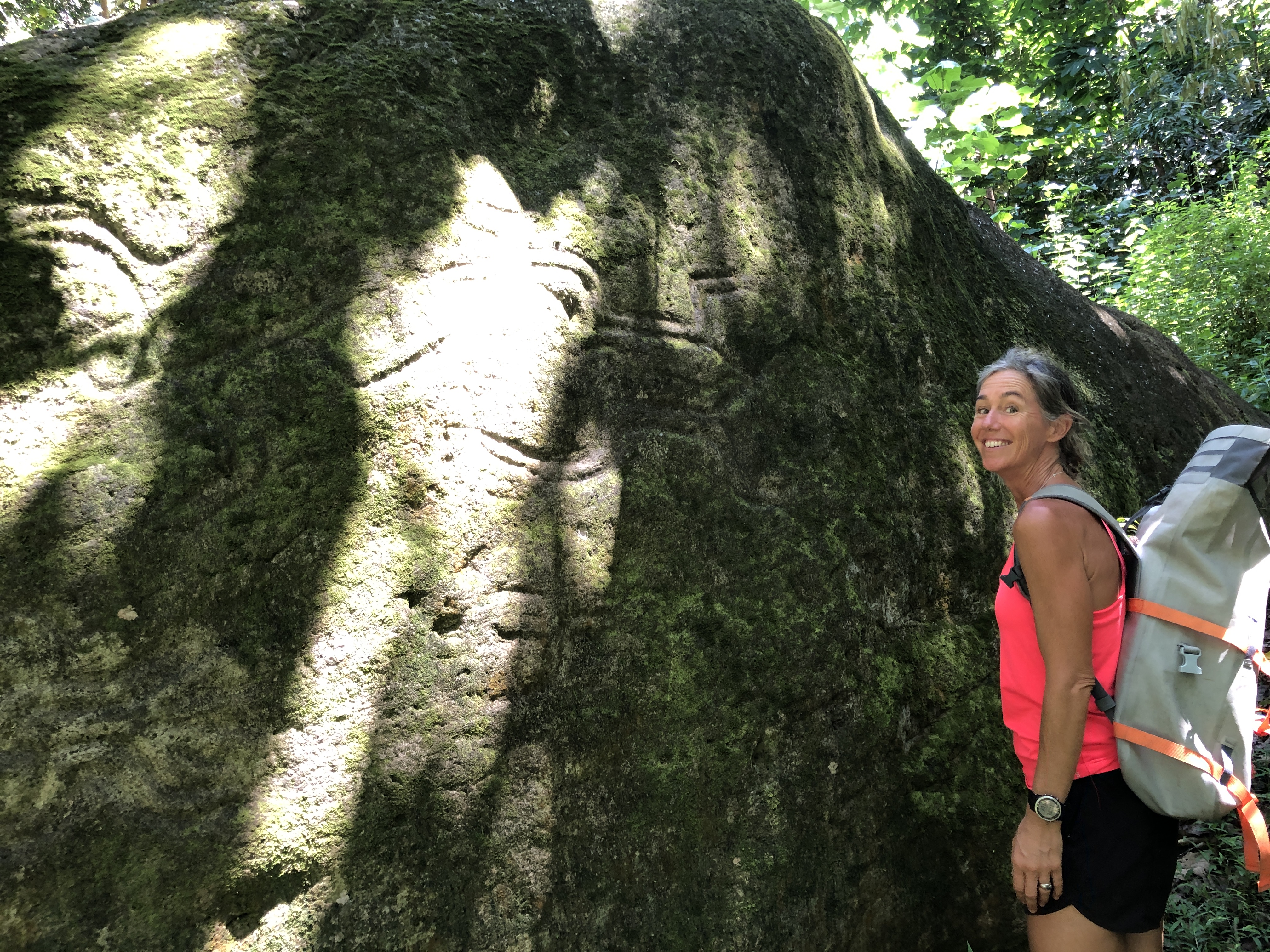
Anchoring in the serene embrace of Tahauku Bay, we embarked on a mesmerizing jungle trek leading us to the ancient Tehueto petroglyphs. Carved into an enormous boulder, these petroglyphs vividly depict both human and animal figures, offering a glimpse into the rich history of the Marquesas. Interestingly, the islands are sprinkled with yet-to-be-excavated archaeological ruins and hidden tikis, concealed beneath the jungle’s intricate roots and beneath the towering sacred banyan trees.
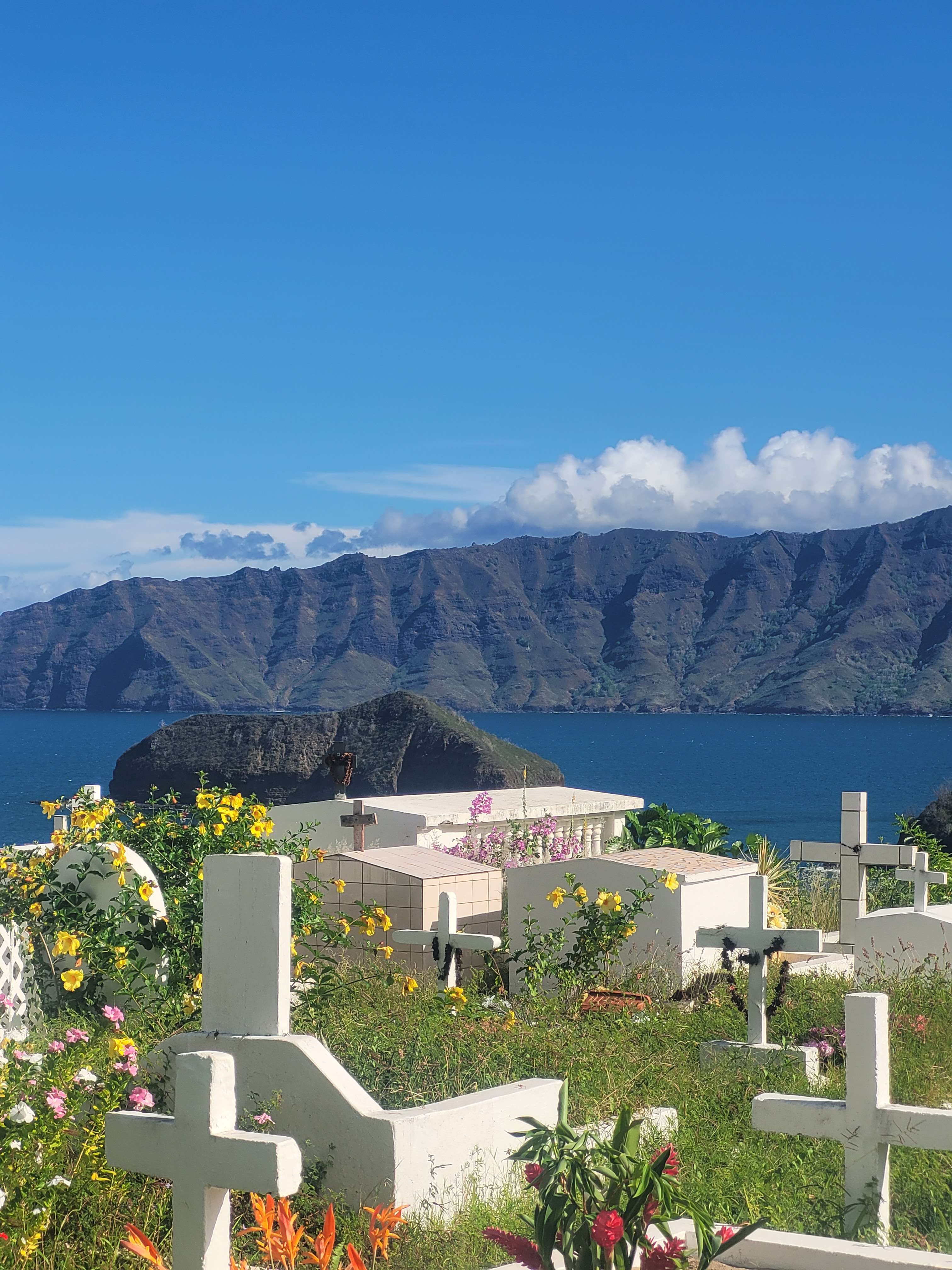
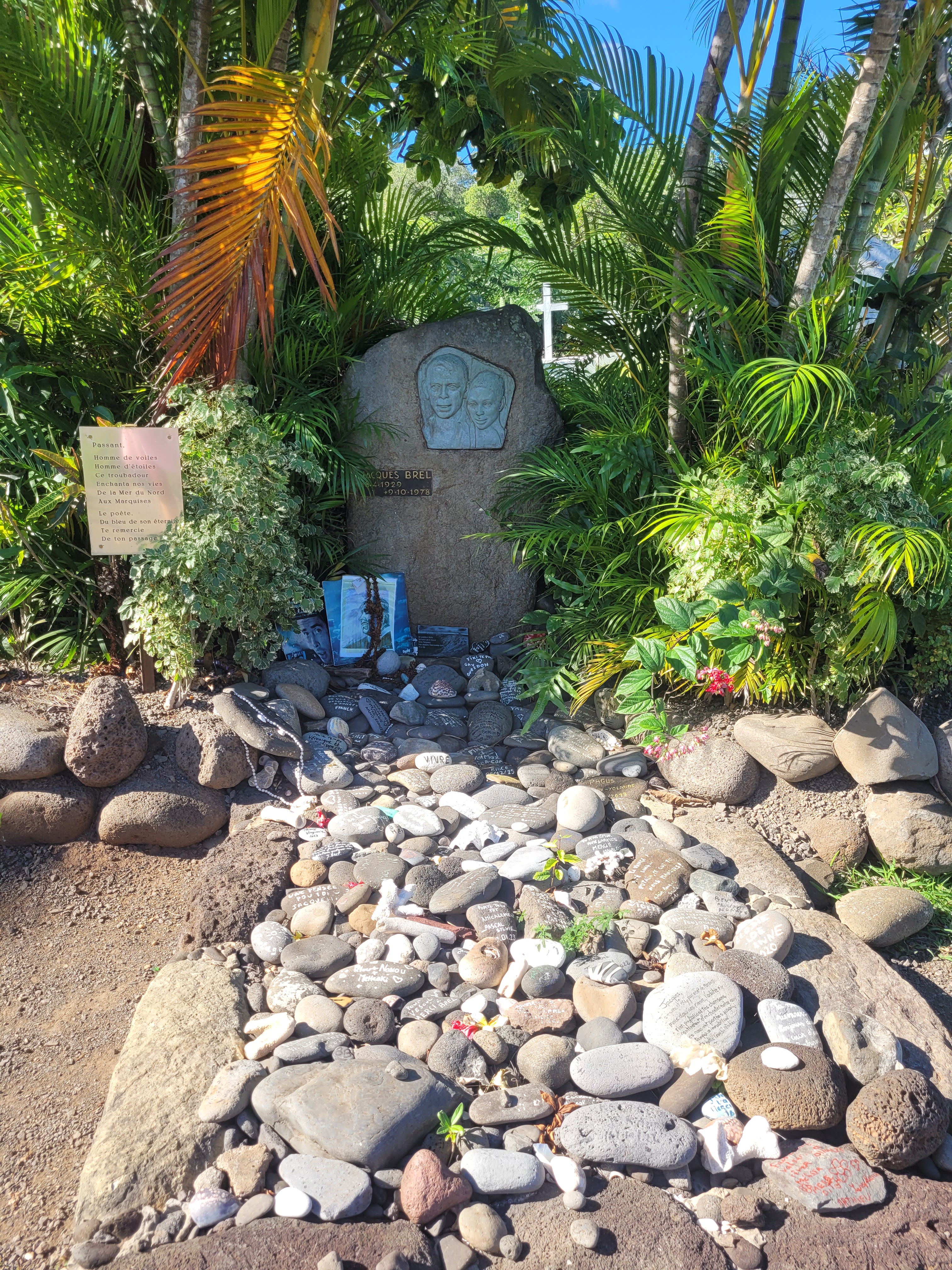
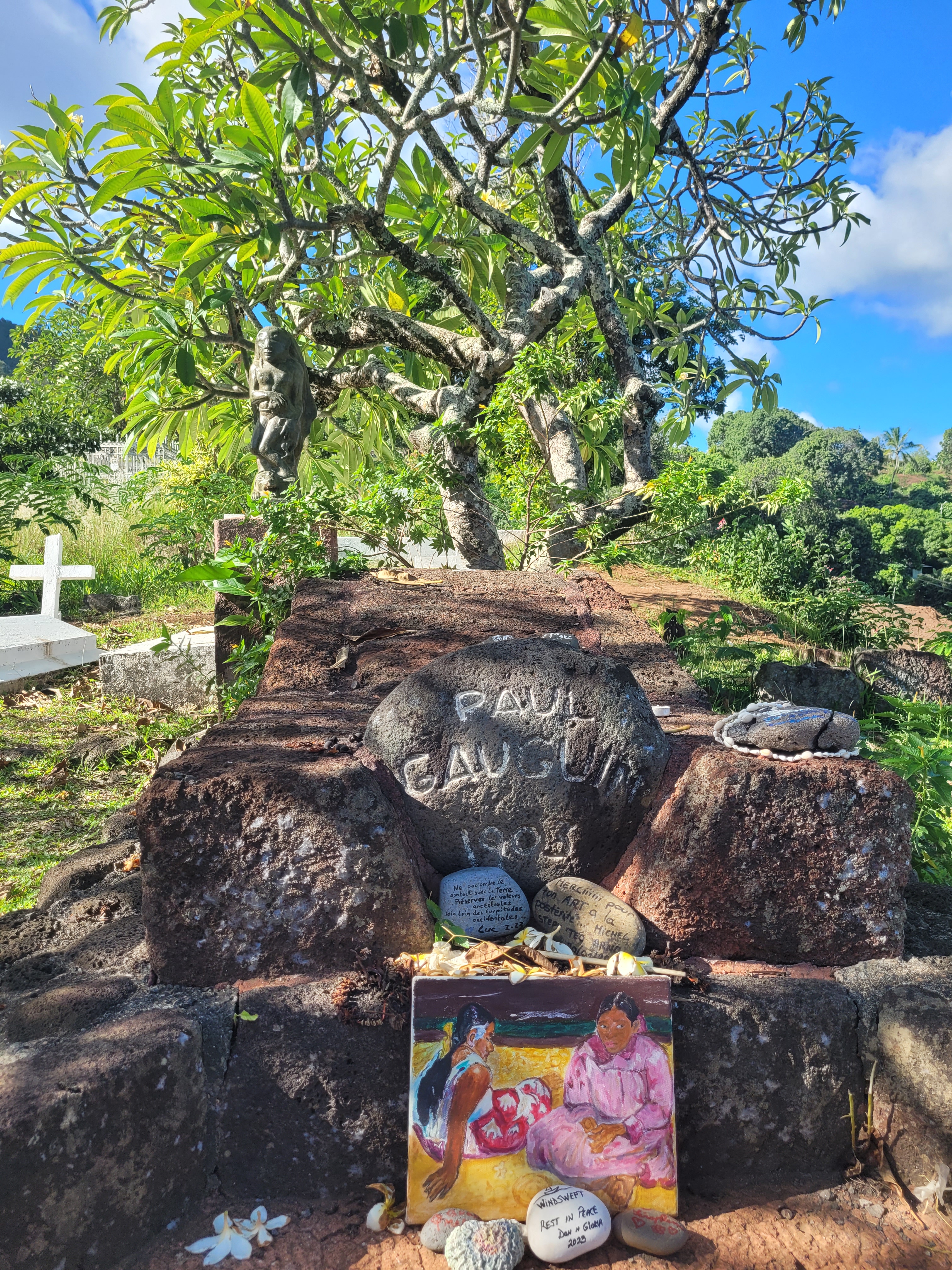
Hiva Oa holds a unique allure as the final resting place of two remarkable artists, Jacques Brel and Paul Gauguin. We paid our respects at their graves, nestled in the peaceful Atuona cemetery, shaded by fragrant frangipani trees and overlooking the boundless expanse of the Pacific Ocean. One can’t help but appreciate the beauty of their eternal resting place.
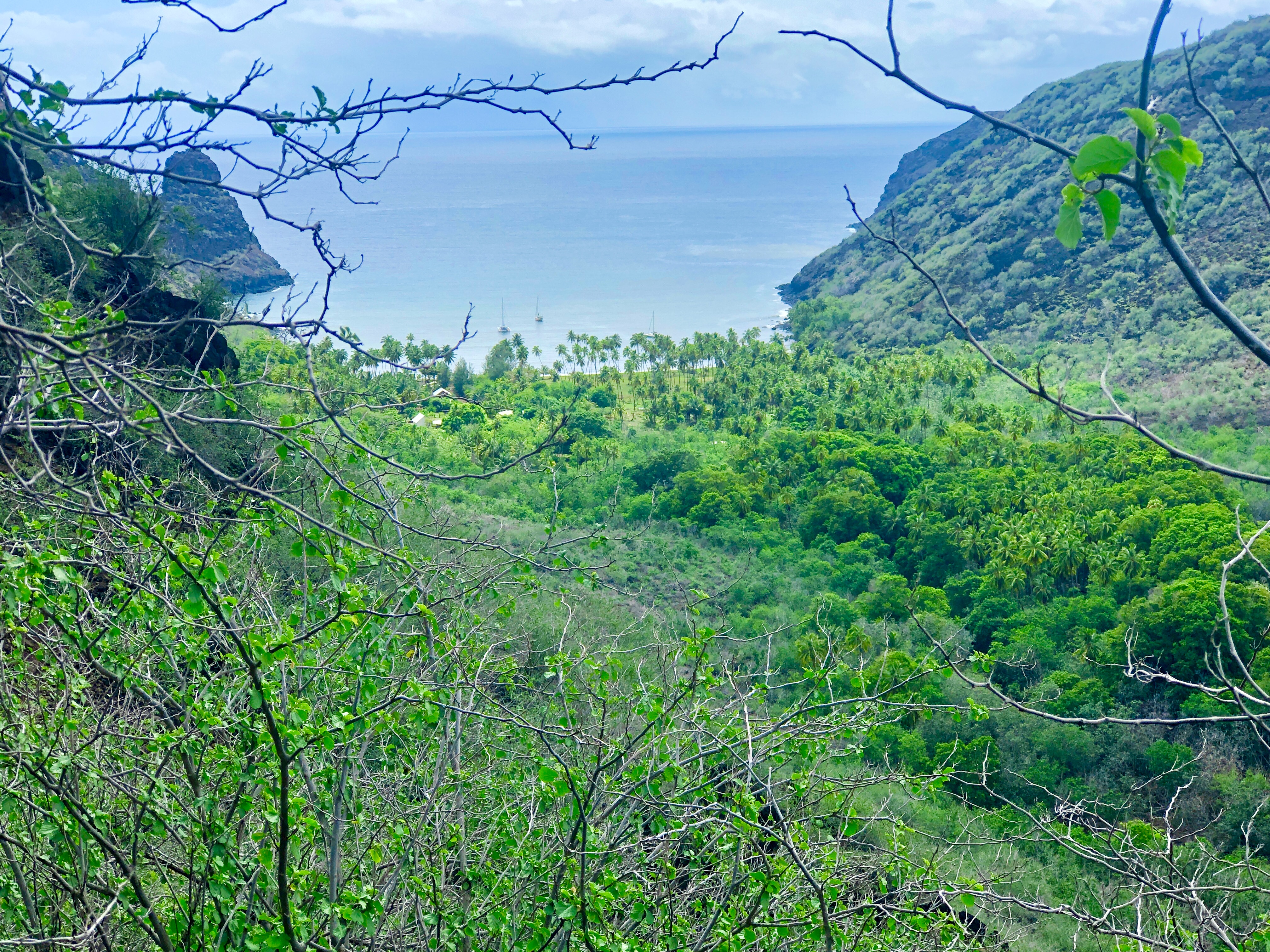
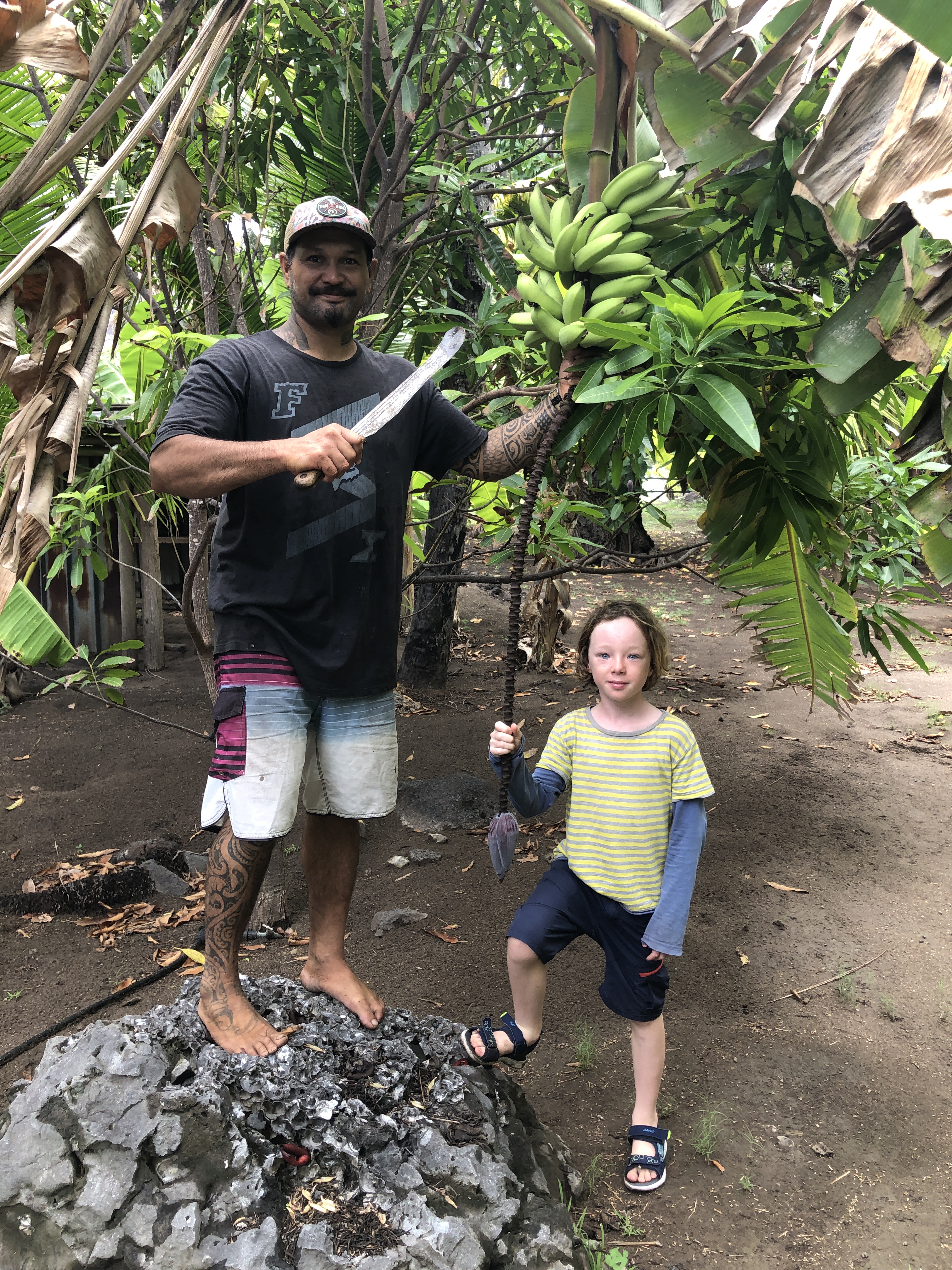
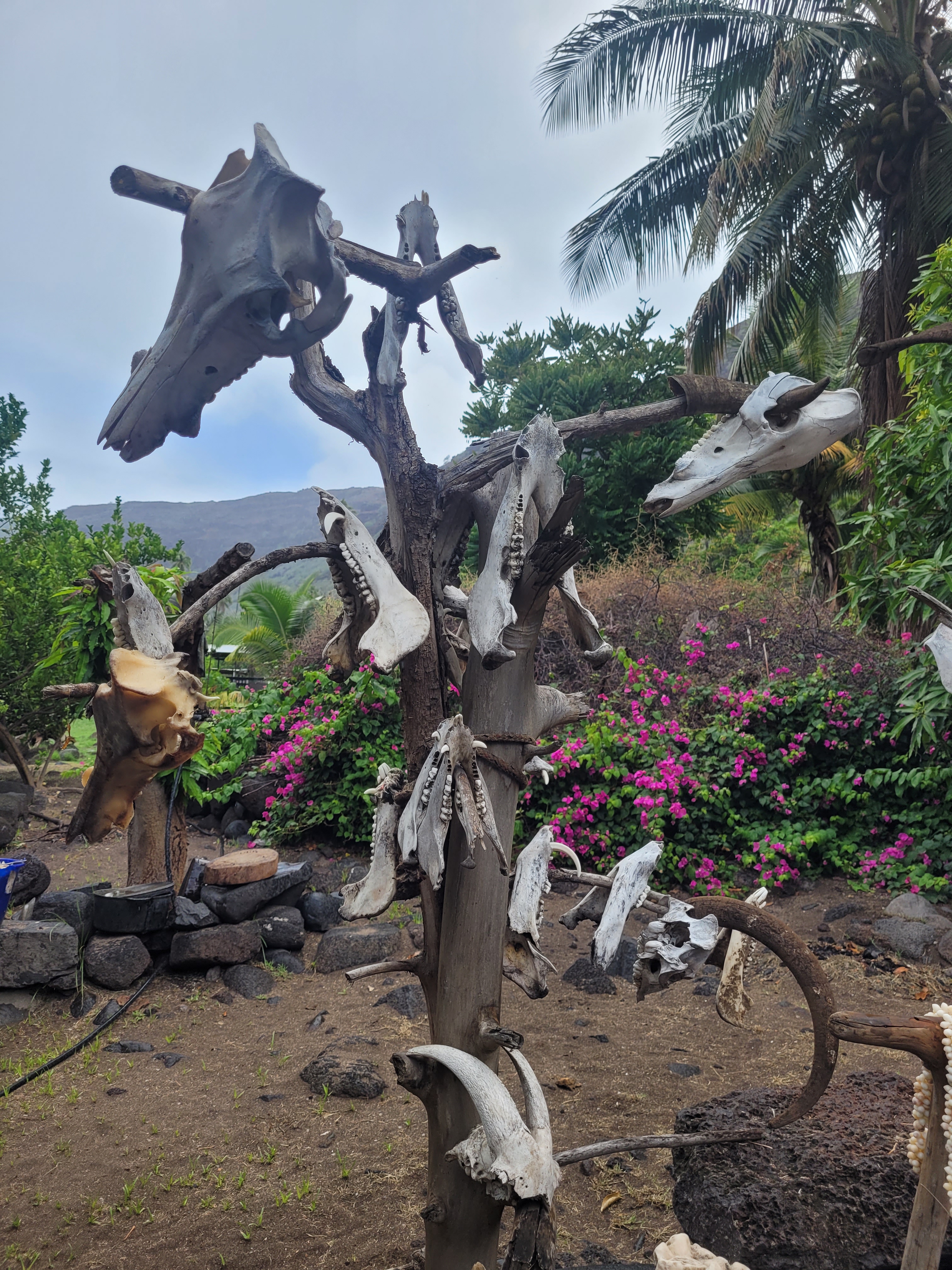
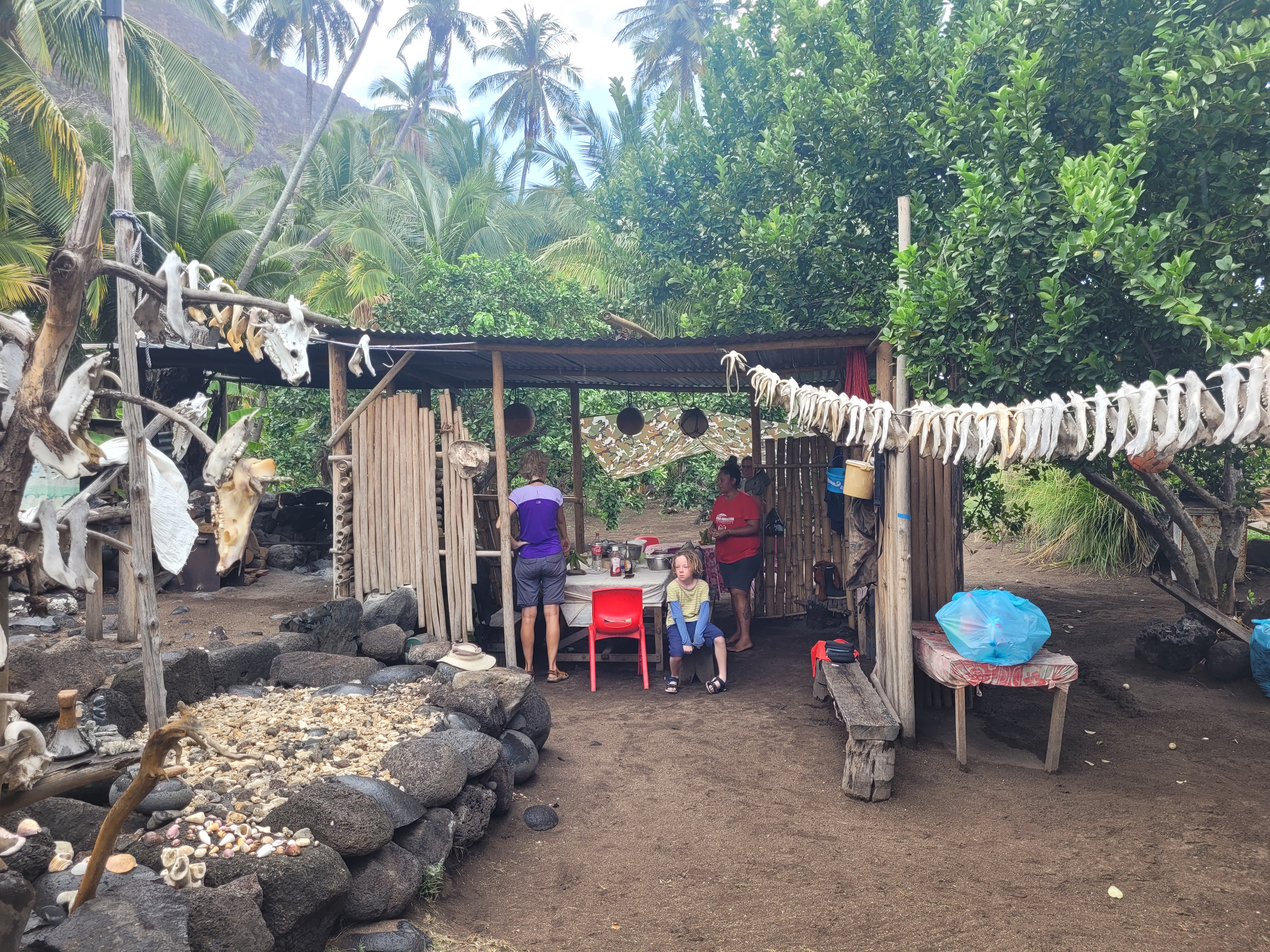
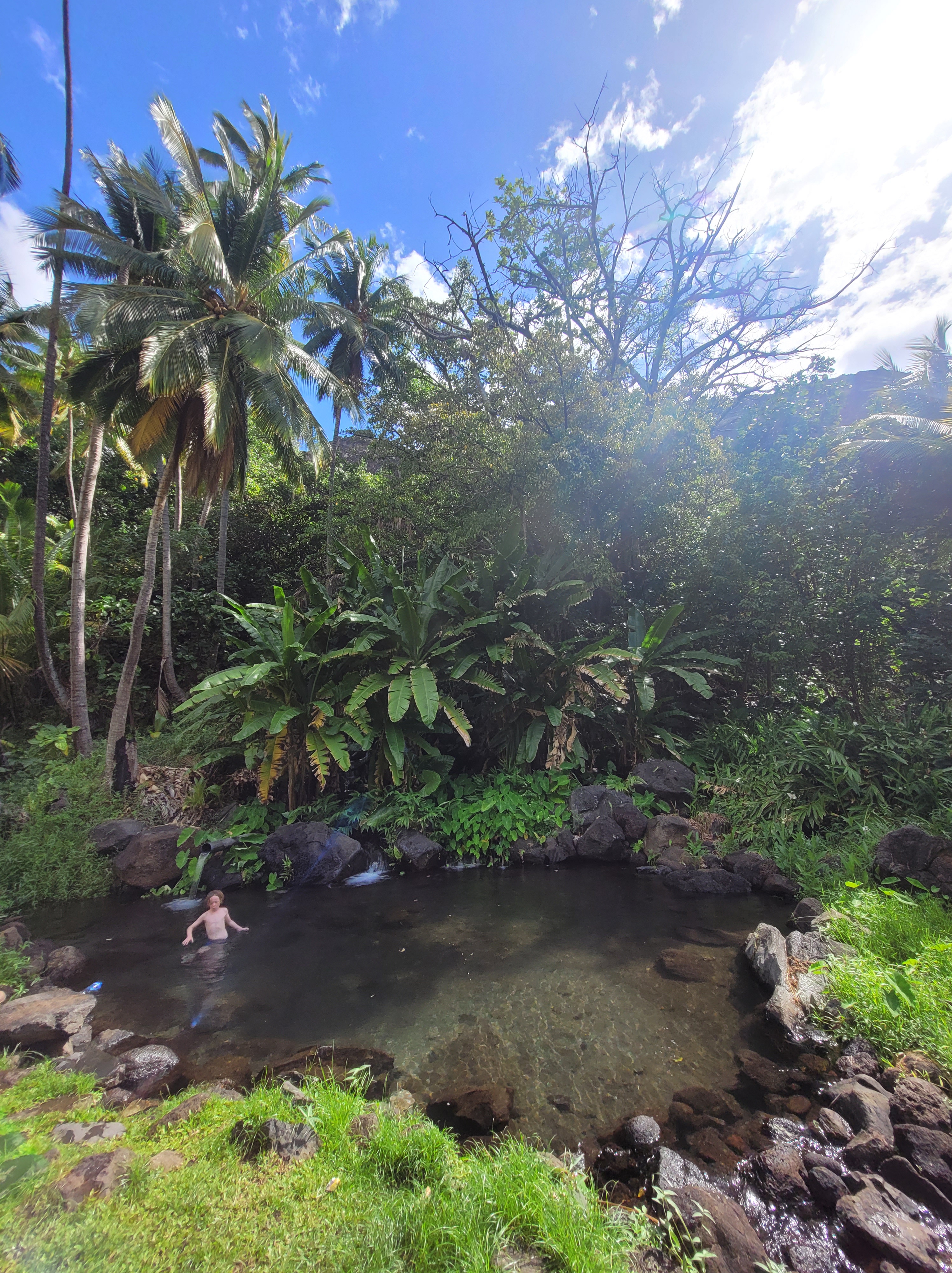
Continuing our journey along the coast, we arrived at the idyllic Hanamenu Bay anchorage, where we were joined by friends aboard Wild Thing 2. Together, we embarked on a breathtaking hike to the volcanic ridge, offering awe-inspiring vistas of the anchorage below. Our adventure also led us to meet the valley’s sole inhabitants, Tepua and Josephino, who, like their ancestors, sustain themselves by farming coconuts, hunting wild boar, and crafting intricate carvings to share with passing sailors. Their warm hospitality extended to inviting us for lunch and a refreshing swim in their natural freshwater pool. As we bid them farewell, we left with bundles of ripe bananas, plantains, and bags brimming with wild watercress.
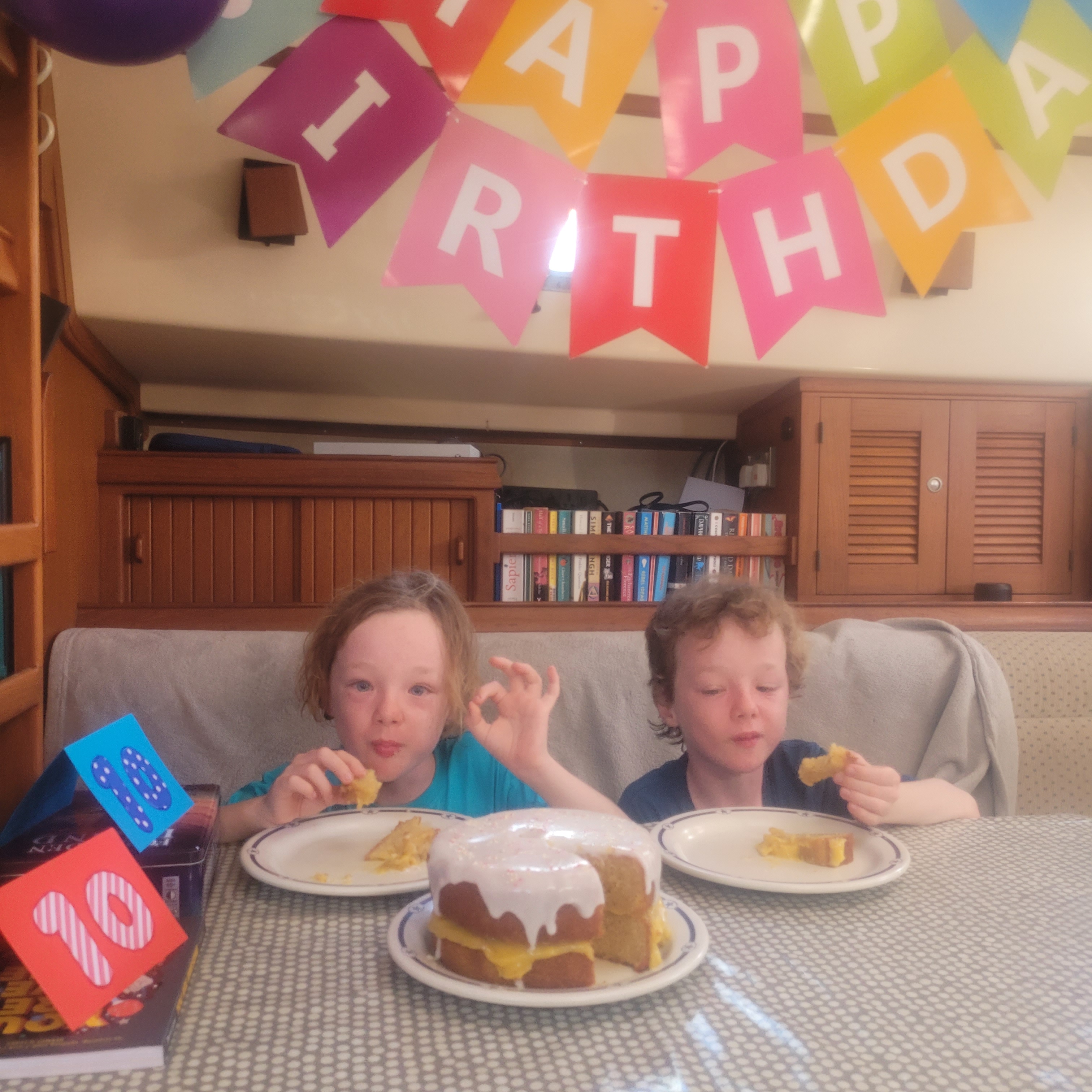
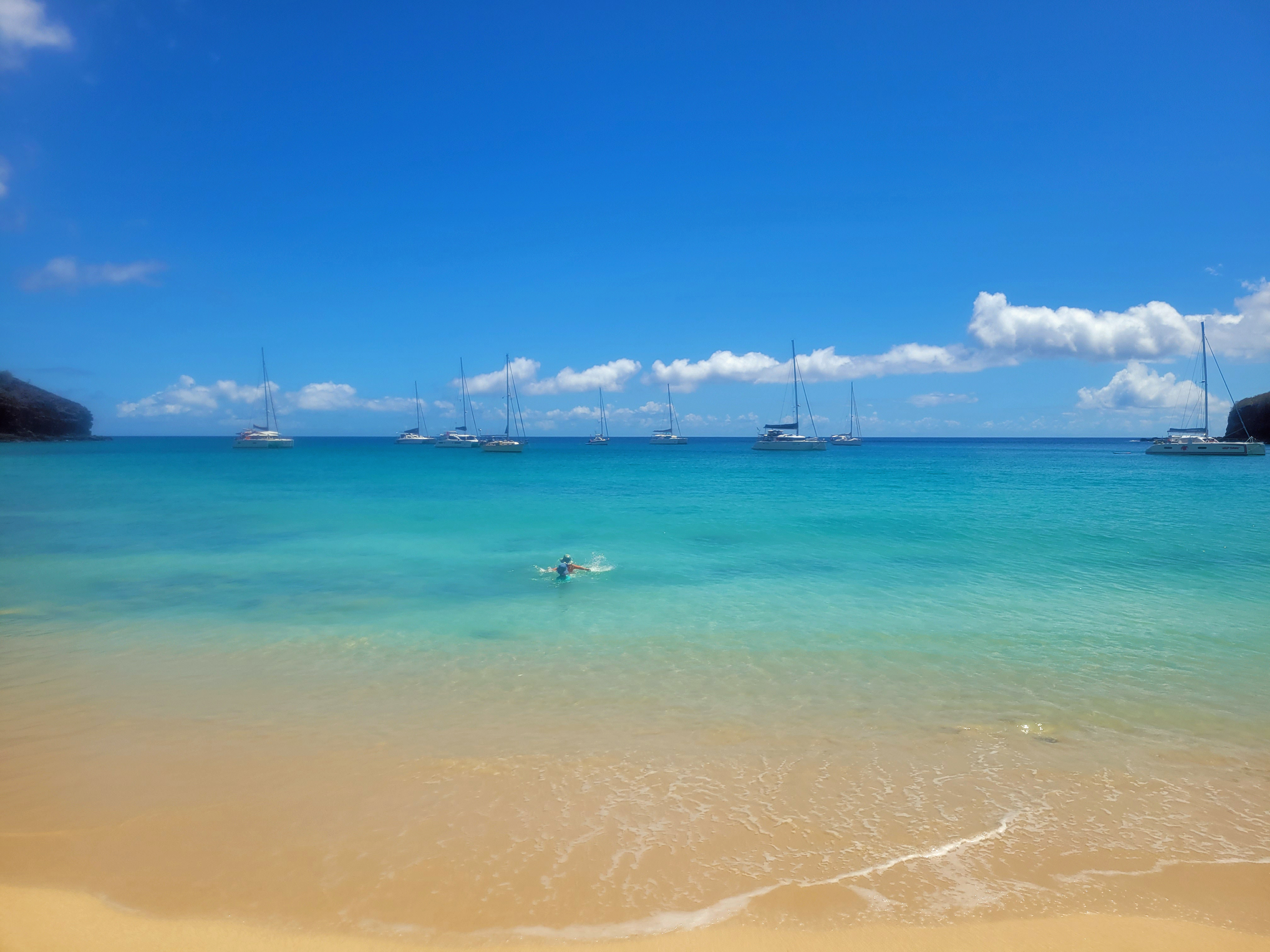
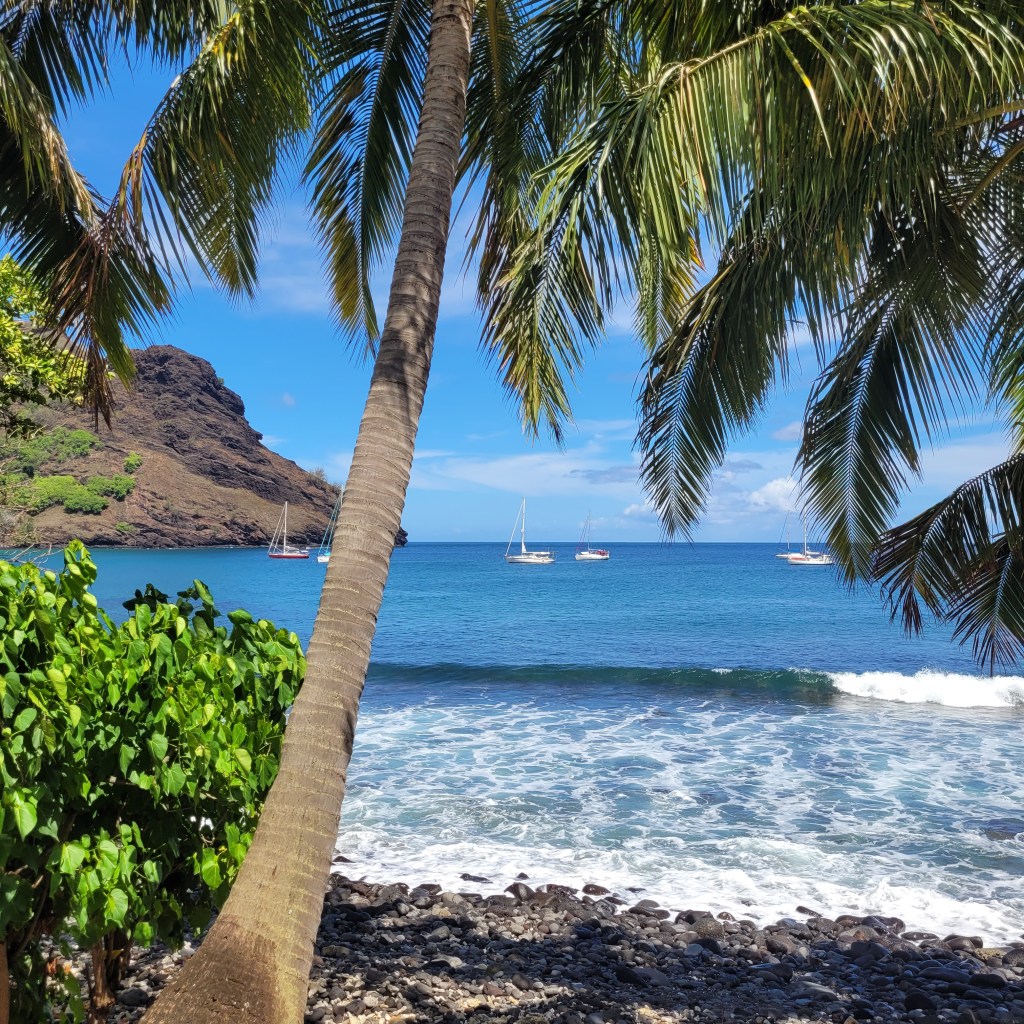
From the enchanting shores of Fatu Hiva, our sails carried us 45 nautical miles northwest to the picturesque Baie Hanamoenoa on Tahuata, the smallest gem among the Marquesas archipelago’s six inhabited islands. This voyage marked a special occasion, as it was our boys’ tenth birthday, and we were joined by a mini fleet of kid boats for a celebration to remember.
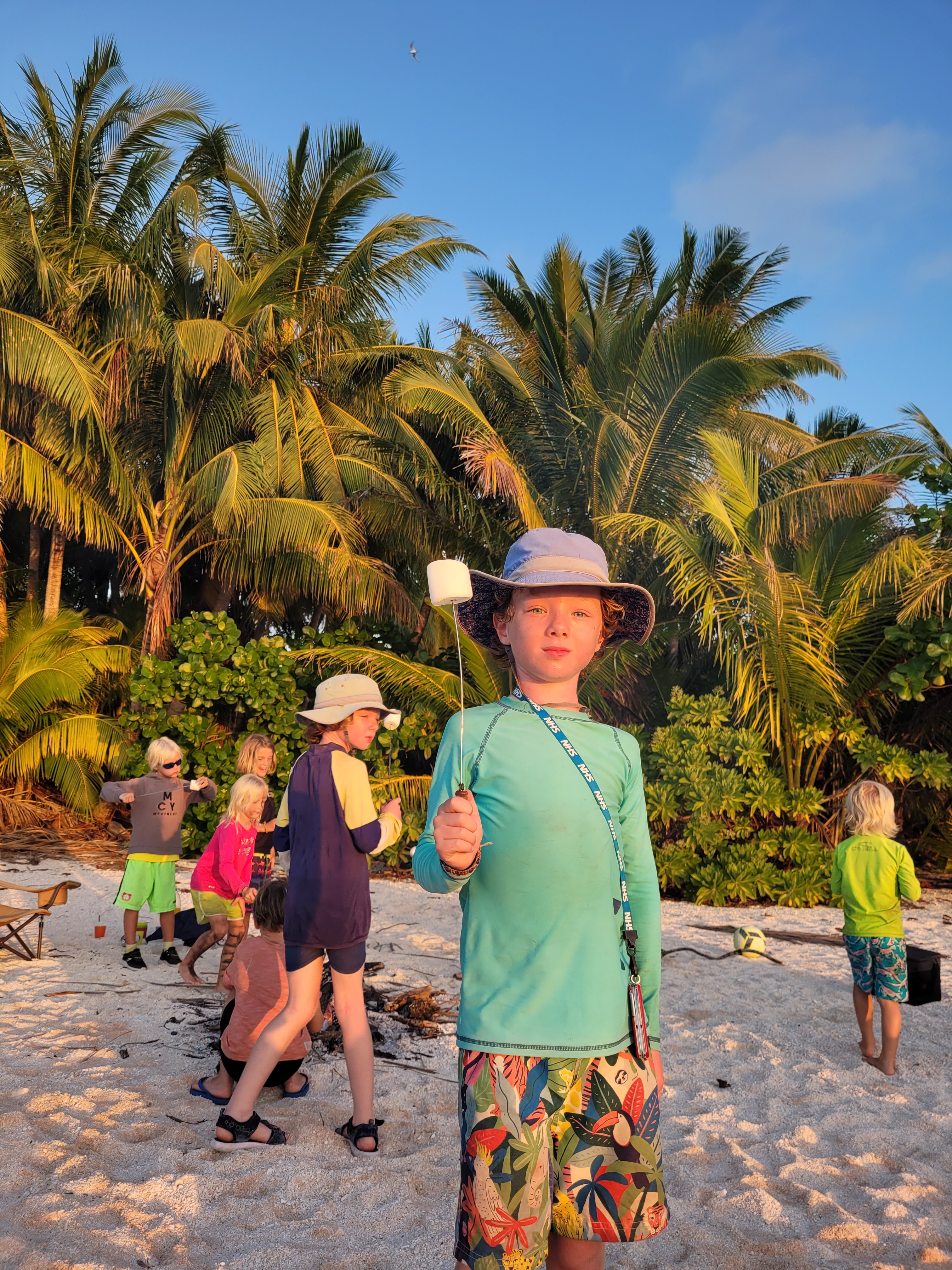
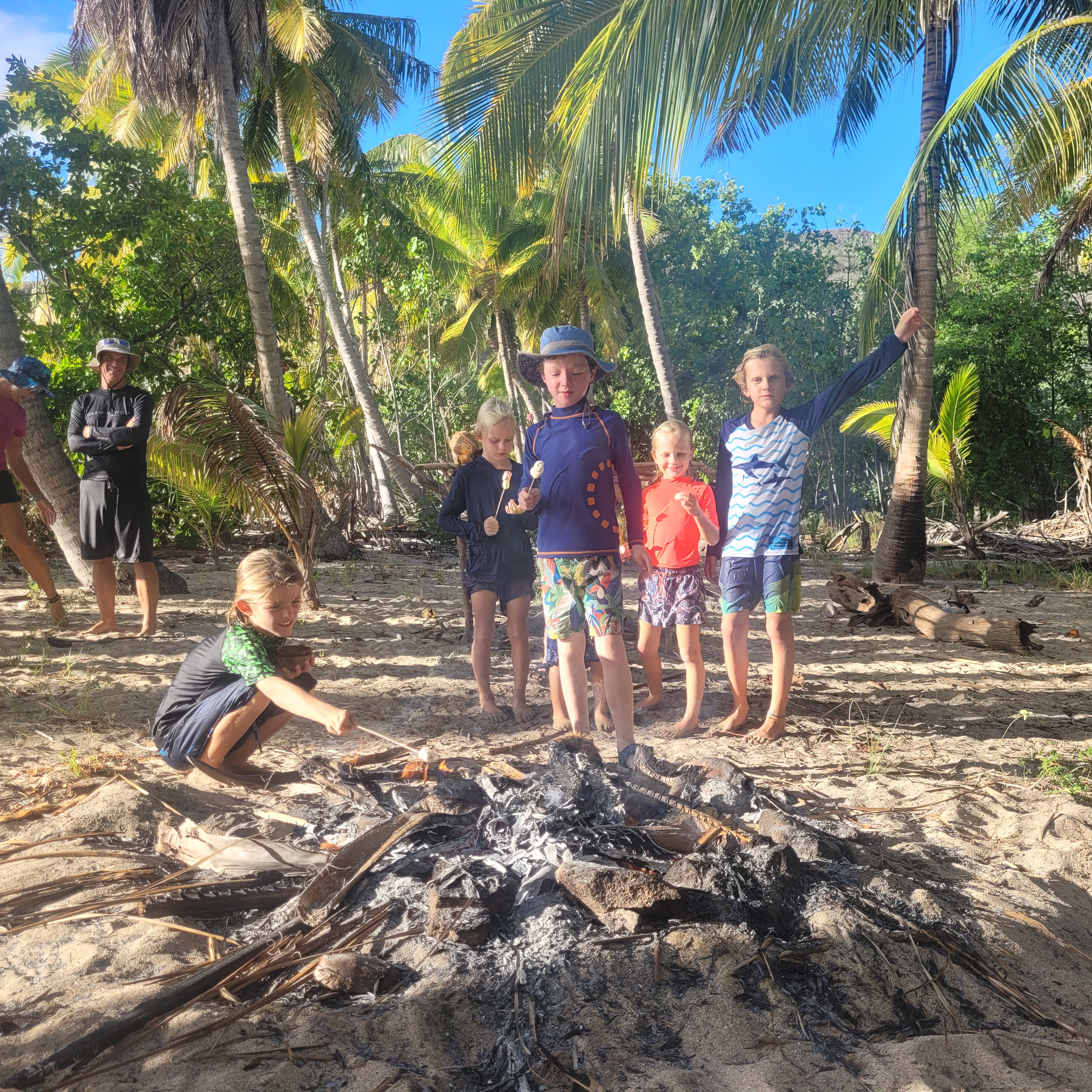
Under the tropical sun, we orchestrated a thrilling treasure hunt (thanks Emma), roasted marshmallows on a crackling bonfire, gathered coconuts, indulged in an almost sinful amount of cake, and stumbled upon the delightful discovery of pamplemousse gin, much to the delight of the adults.
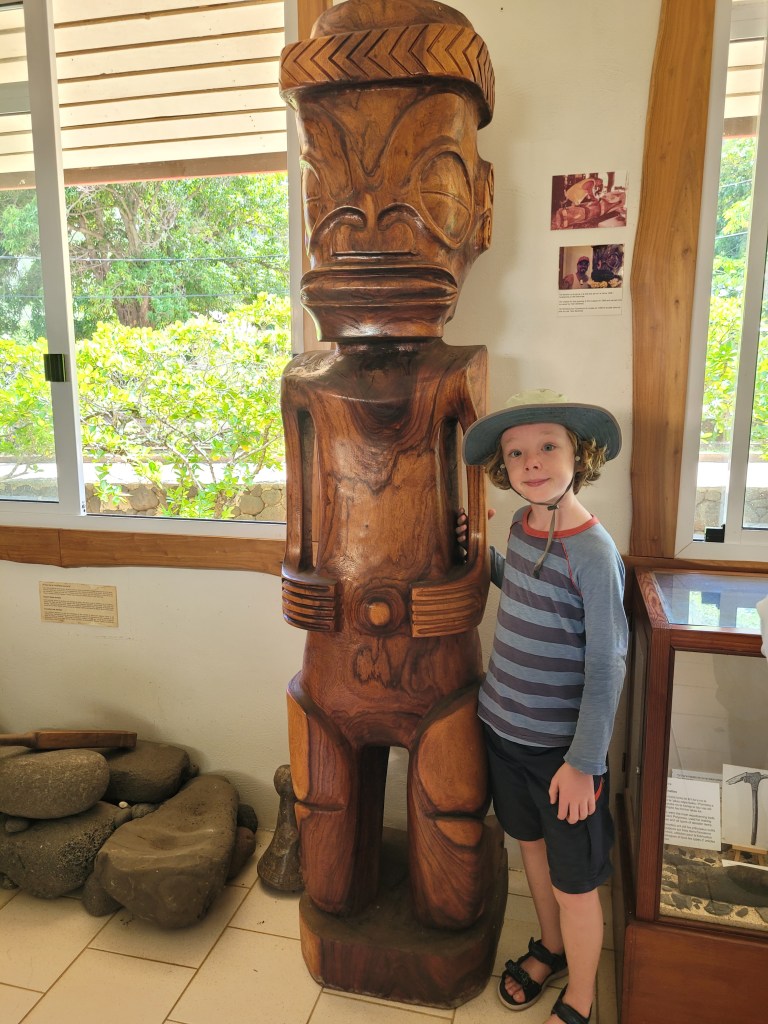
From Baie Hanamoenoa we dinghied to Vaitahu, the nearest town, where the generous locals loaded our bags with the bounty of pamplemousses, star fruit, and papaya. Here, we explored the town’s museum, which proudly showcased exquisite artifacts, offering a glimpse into the rich tapestry of Marquesan culture.
Returning to the tranquil embrace of Hanamoenoa Bay, we were treated to an unforgettable spectacle. Four magnificent manta rays graced us with their presence, gracefully executing barrel rolls as they feasted in the anchorage. It was yet another awe-inspiring moment and a true highlight of our journey thus far.
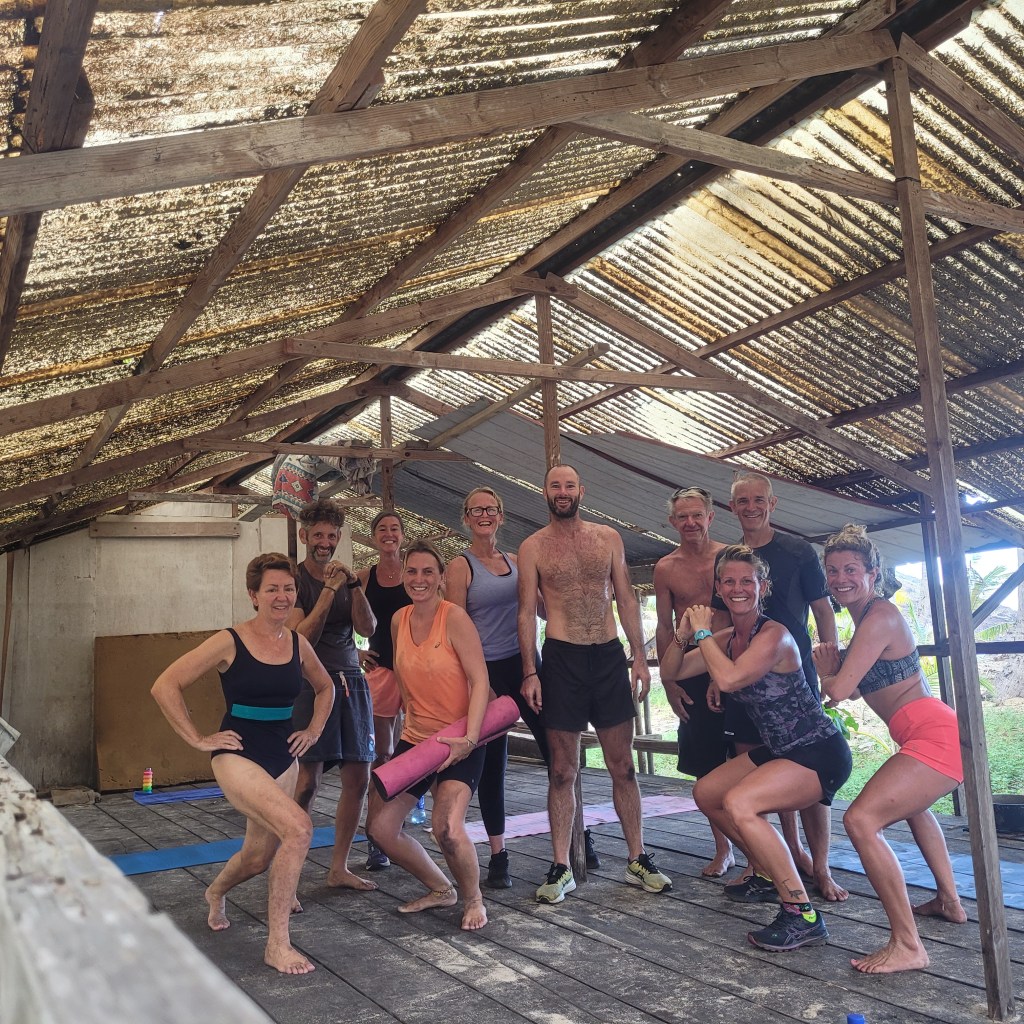
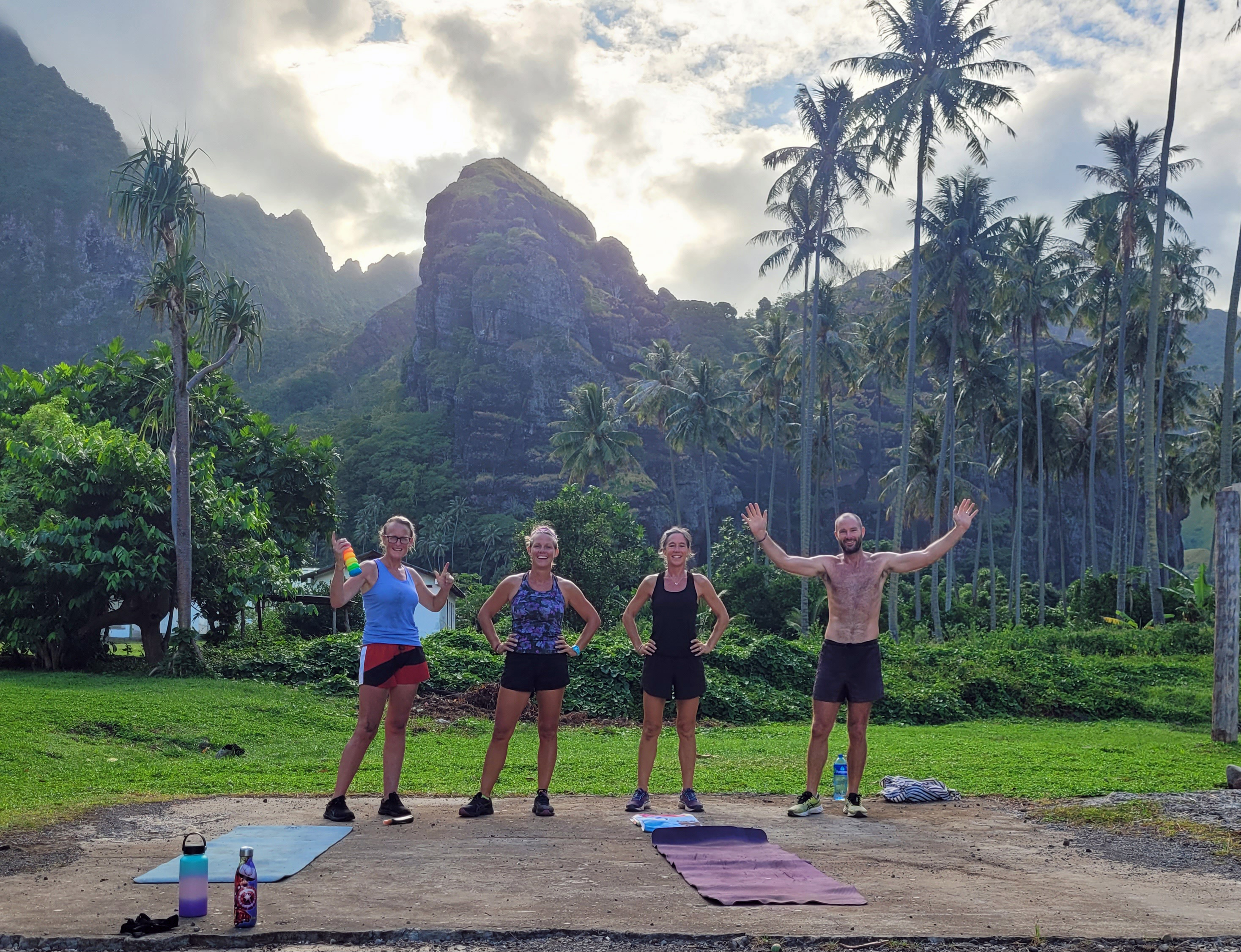
Tahuata had more in store for us as we dropped anchor off Hanatefau, where we were graced by the presence of a resident pod of acrobatic spinner dolphins. Here, we rekindled the spirit of Run Club and Team Circuits, reuniting with some of the original members of the Grenada posse. Our adventures in Tahuata were a testament to the boundless wonders of the sea and the magic of island life.”
One evening in Tahuata, mesmerizing manta rays, known for their enormous size and graceful movements, were gliding through the illuminated waters behind our buddy boat, Miles Away. Eager to witness these fascinating creatures up close, we seized the opportunity for a night snorkel with them. To our amazement, the gentle giants displayed their characteristic indifference to our presence, a testament to the remarkable nature of these captivating creatures. Watch the video HERE
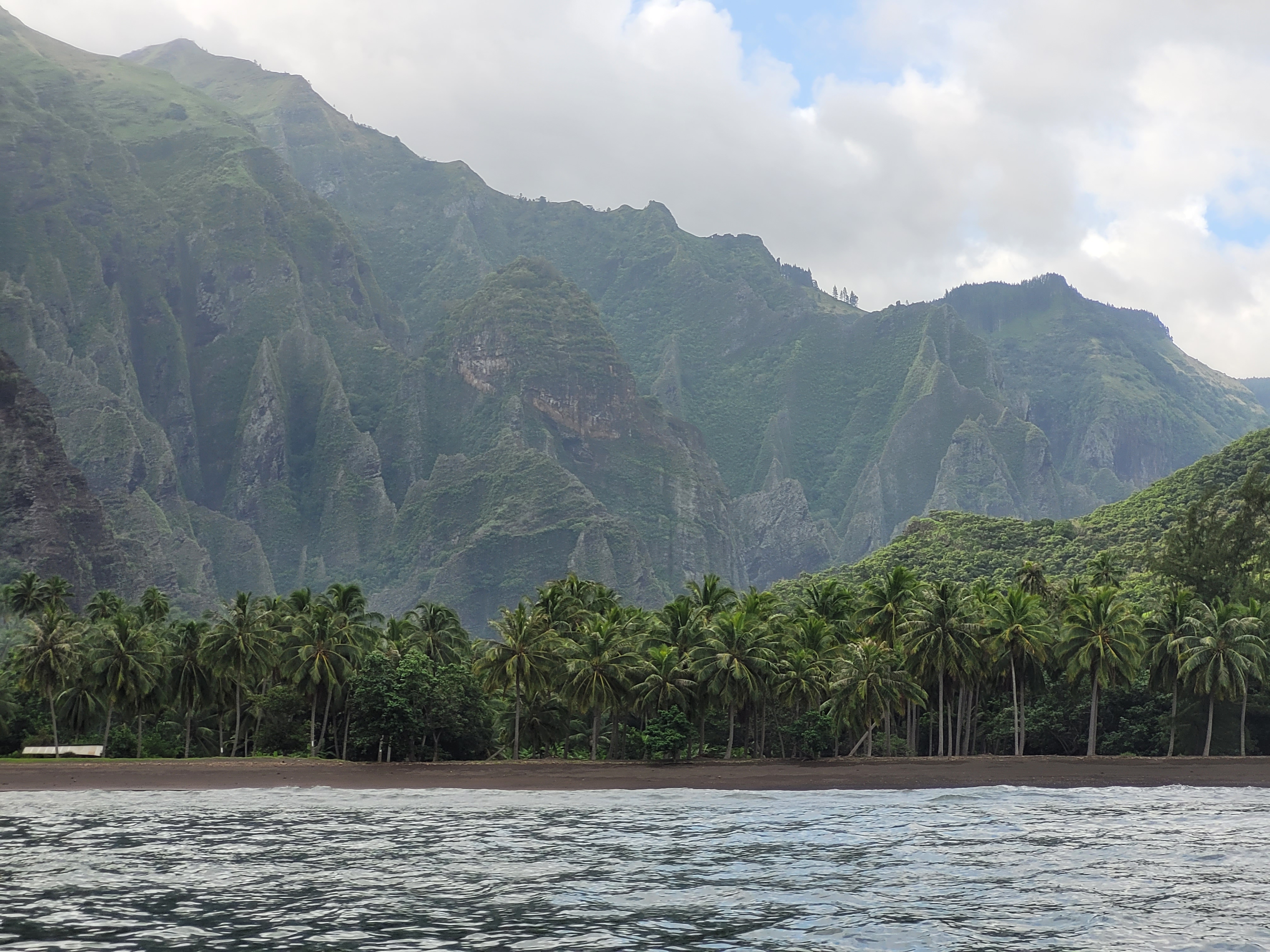
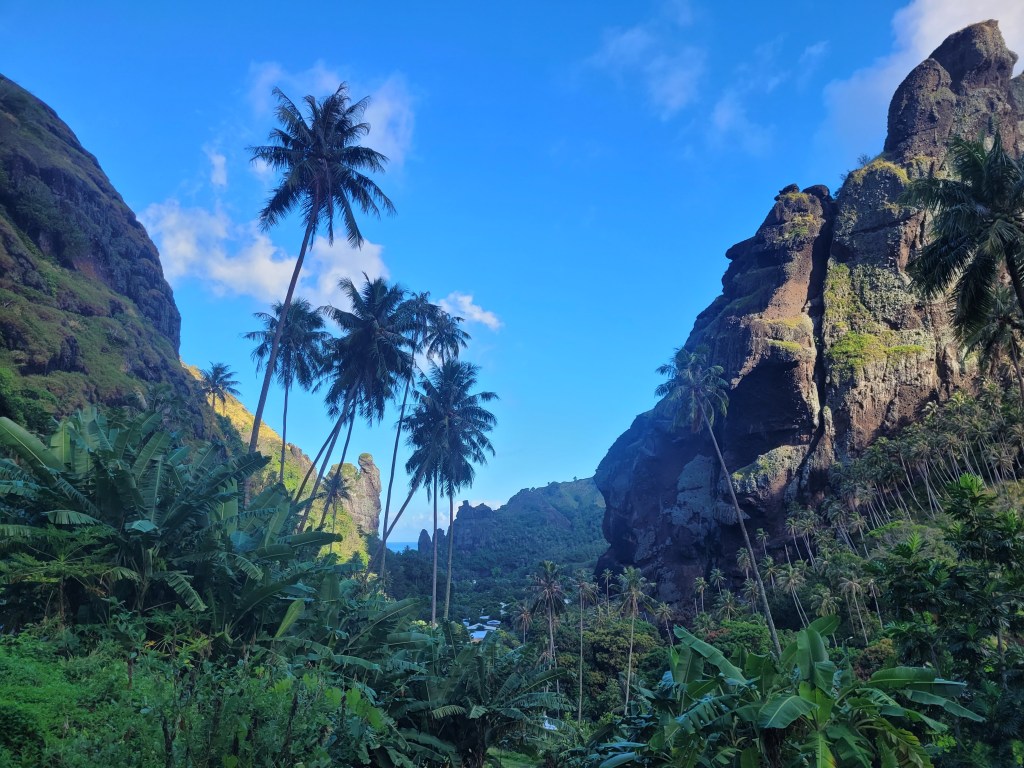
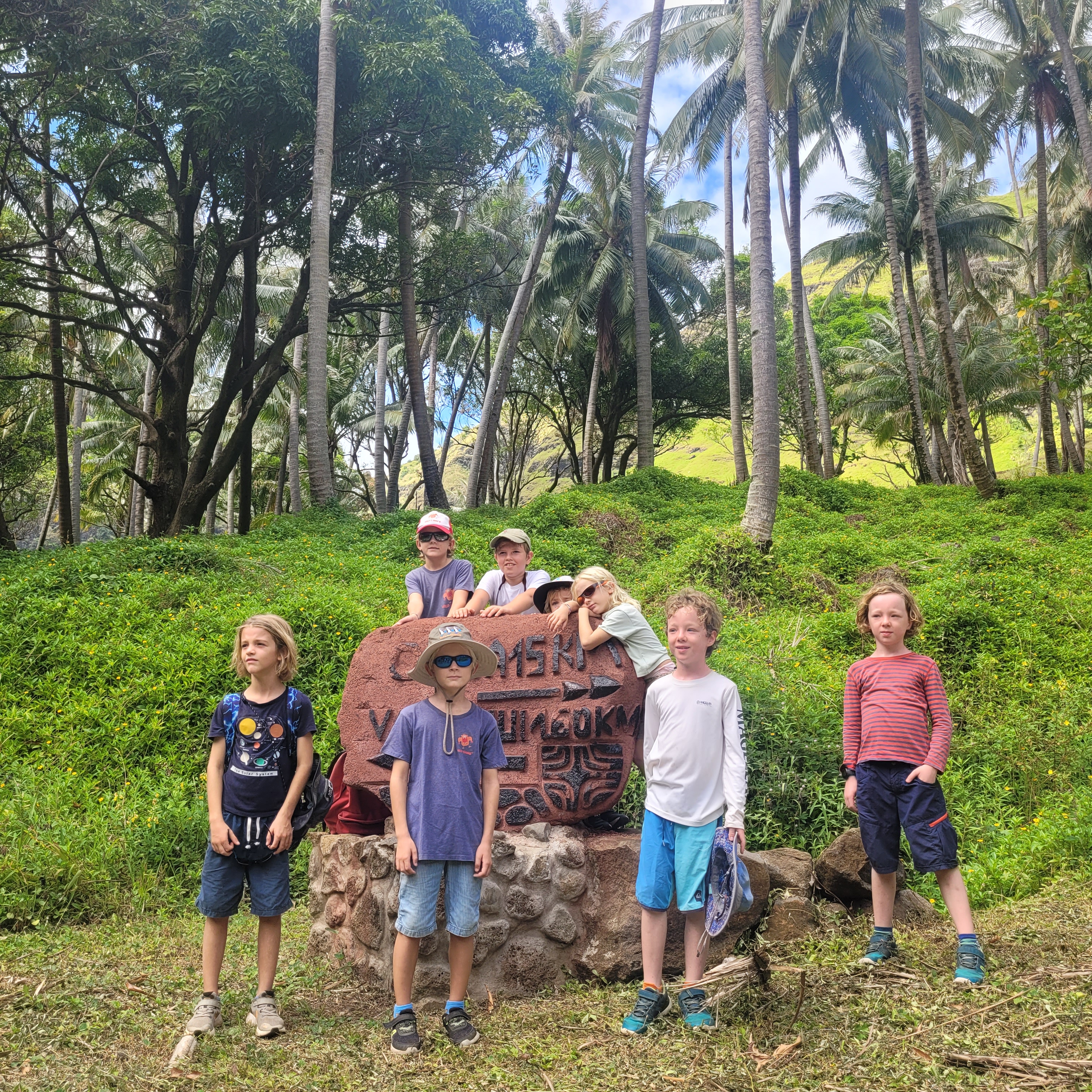
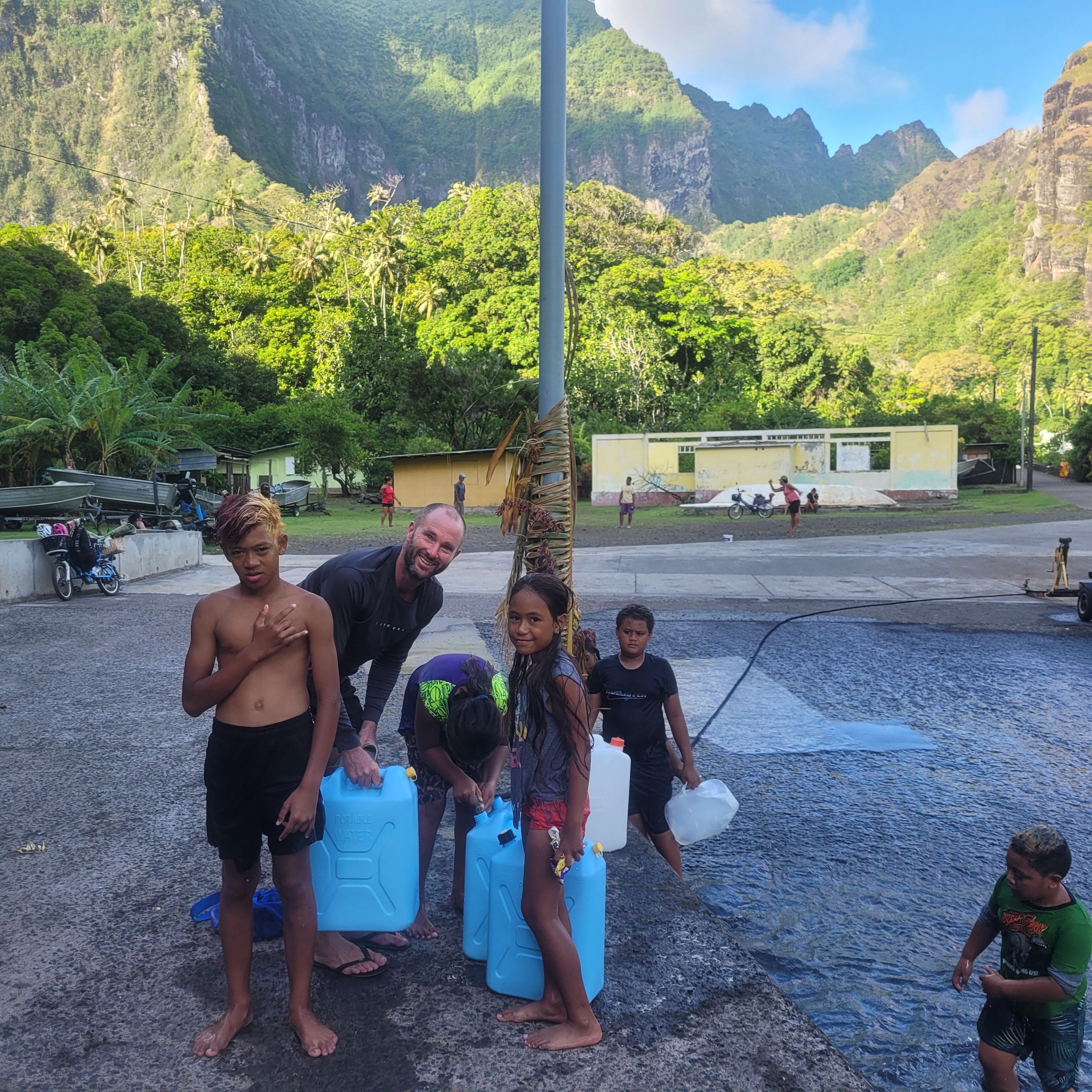
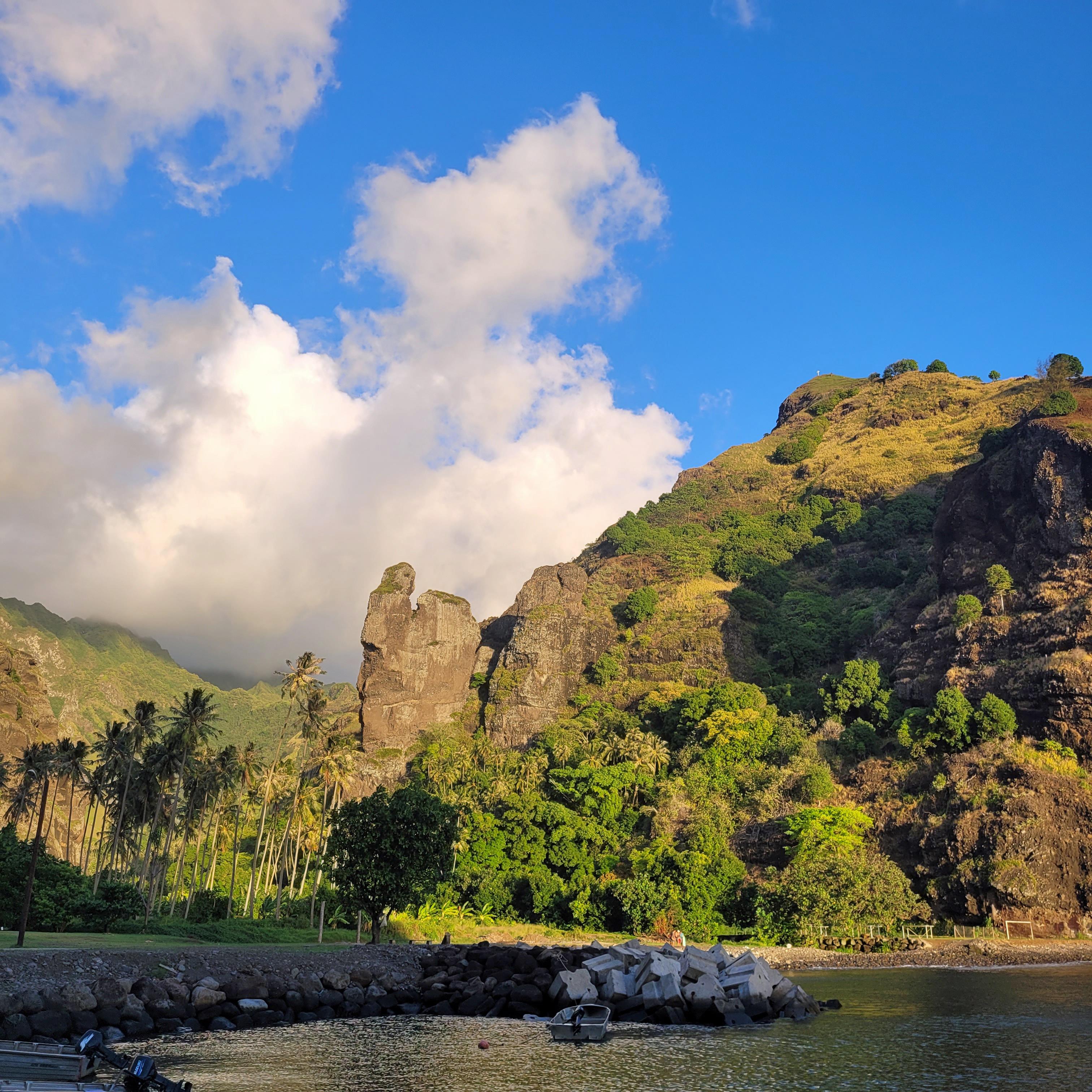
Fatu Hiva, our initial slice of French Polynesian heaven, has truly outshone all expectations. It’s a sprawling tropical paradise adorned with untamed beauty.
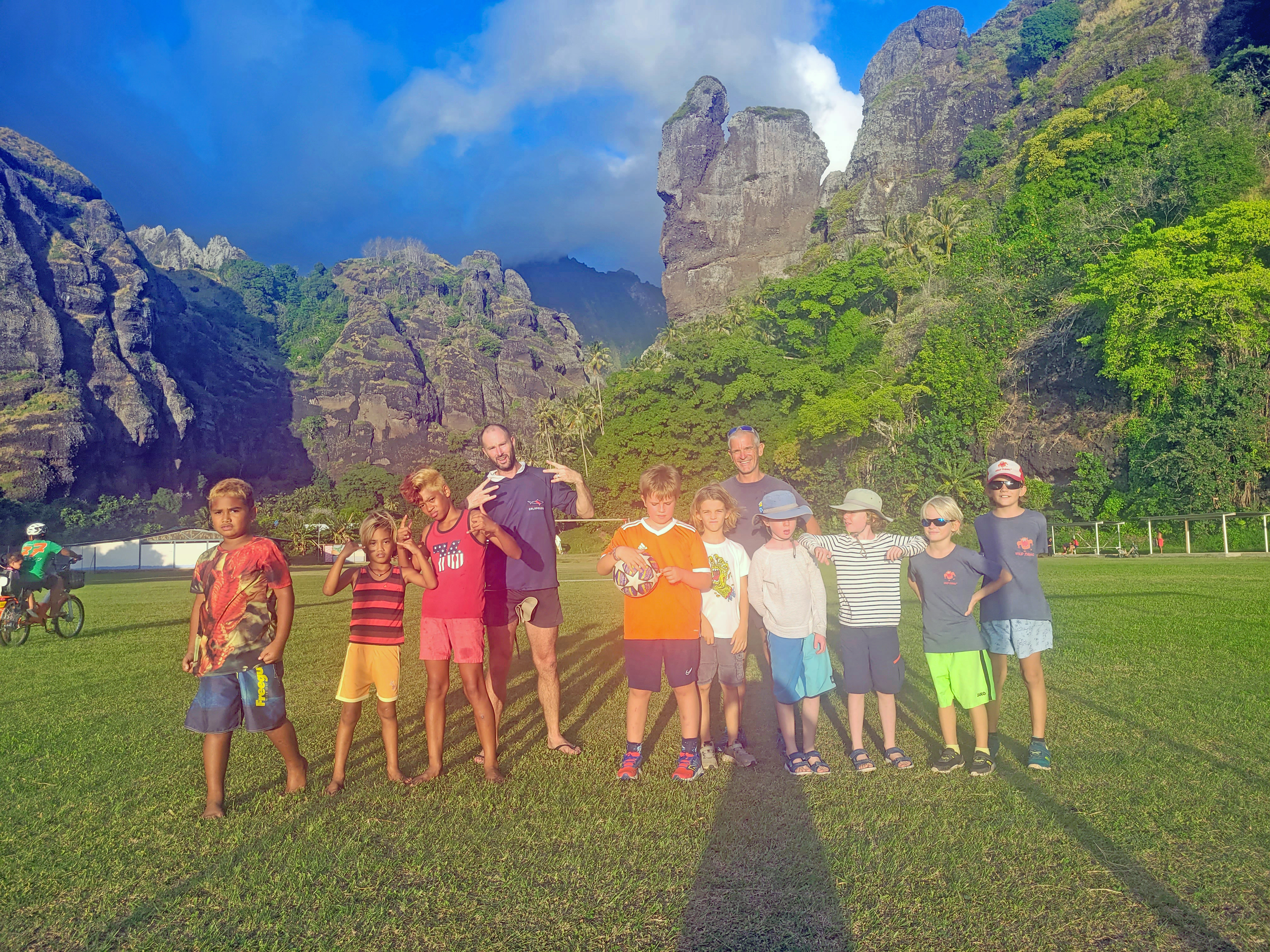
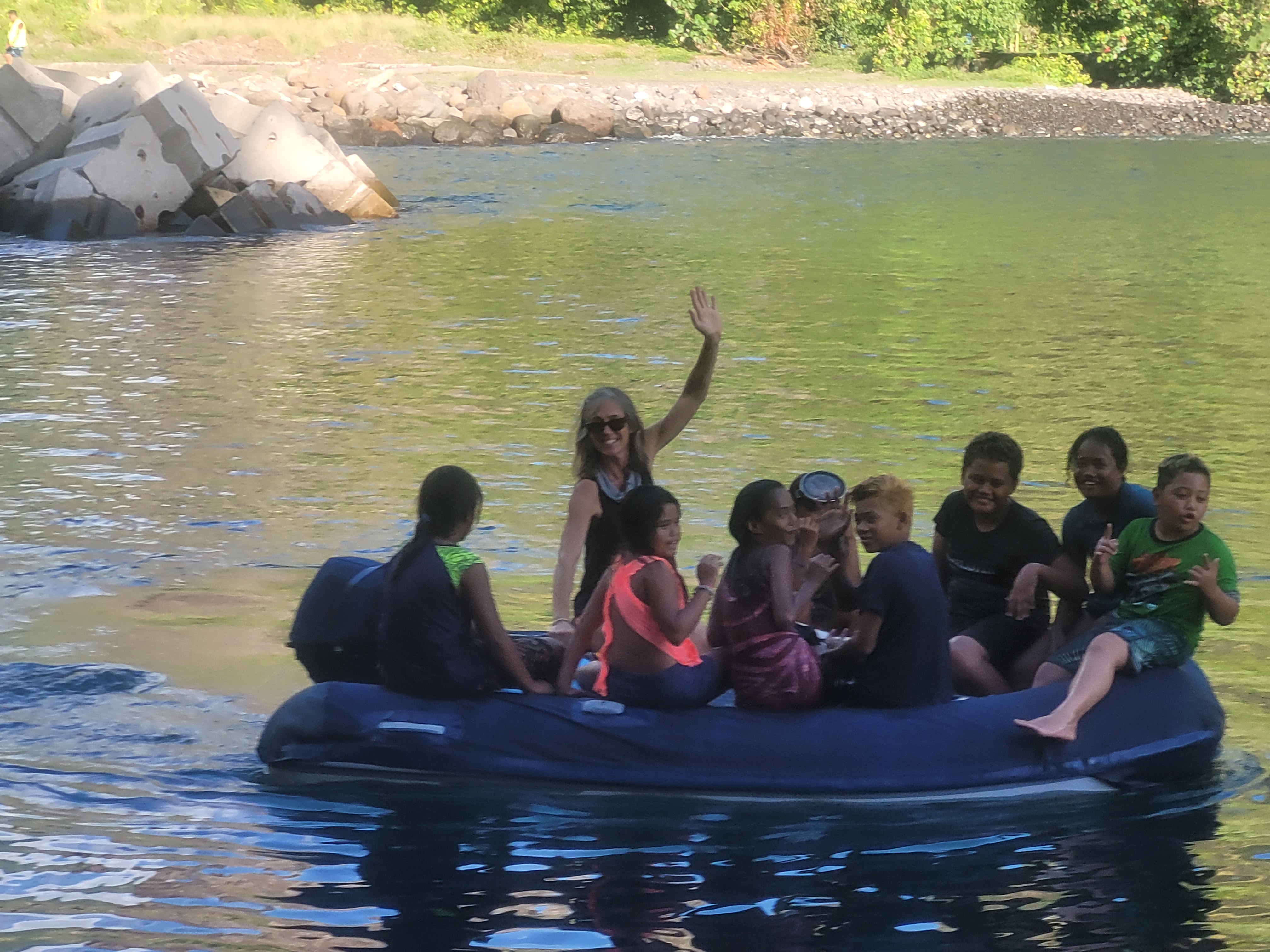
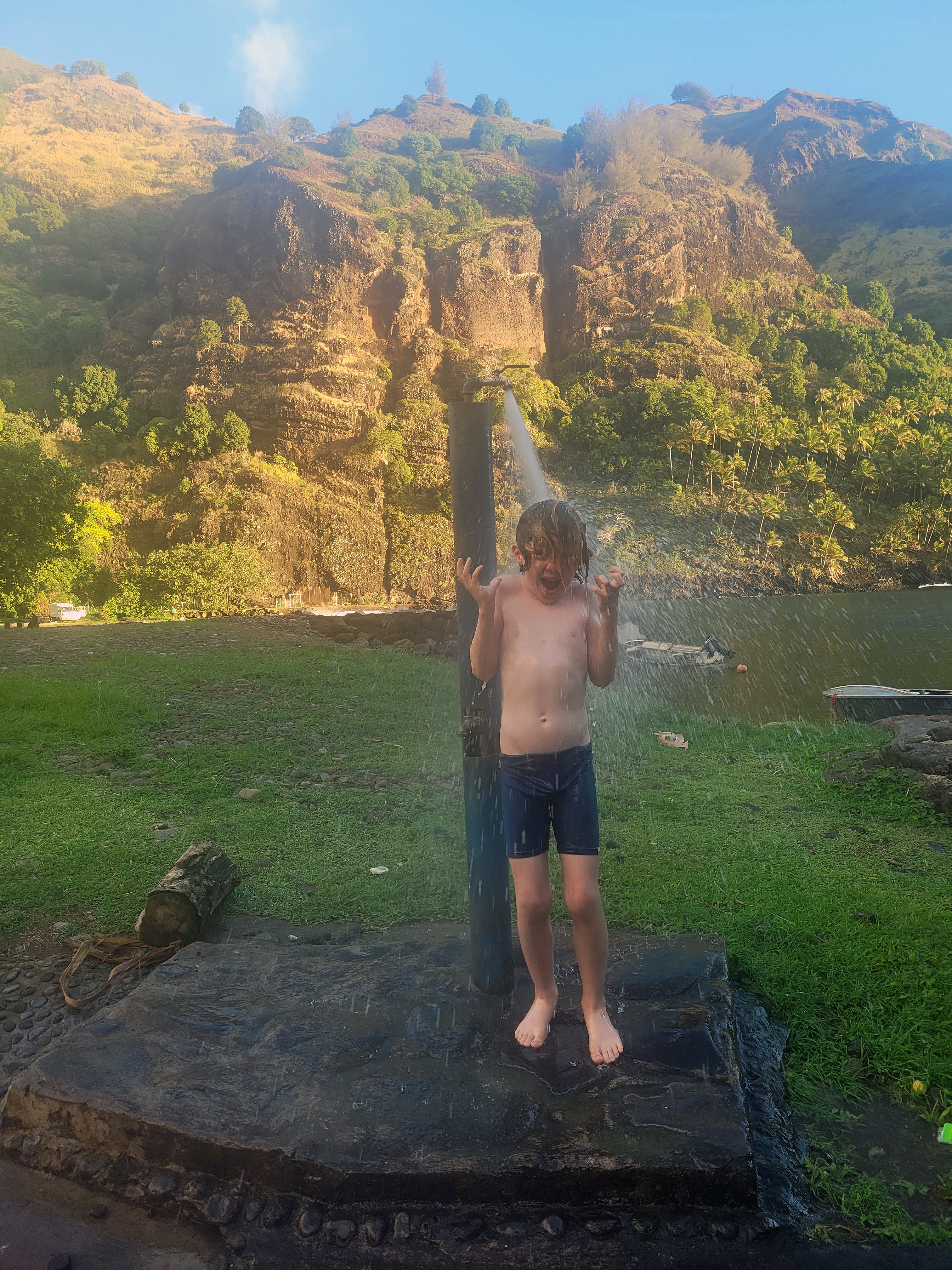
Picture this: playful spinner dolphins frolic in the calm anchorage, a bounty of exotic tropical fruits waiting to be savored, warm and welcoming locals who open their hearts, surreal snorkeling encounters with majestic manta rays, hidden waterfalls that defy imagination, and the icing on the cake – forging unforgettable friendships. Life is good.













 Sailing Mowzer