Nhulunbuy to Seisia, Gulf of Carpentaria – October 2024
On the 6th October we departed Nhulunbuy, with the forecasts alluding to a potential let-up in the force of the wind funnelling through the Torres Strait.
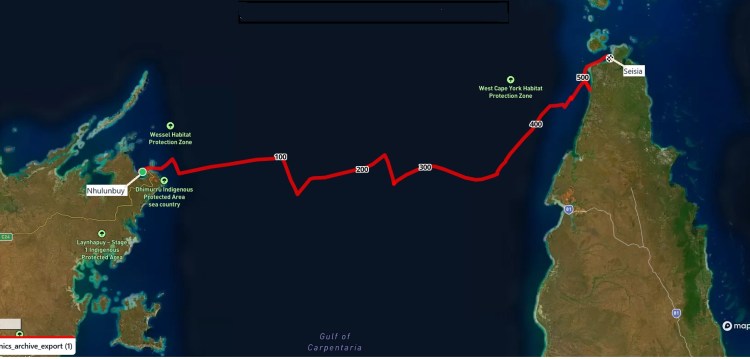
Revisiting our ship’s logbook eight months on, neither Angus nor I can believe that our crossing of the Gulf of Carpentaria took only 3.5 days. Sailing into the fierce trades, currents and horrific sea state, time slowed down and every nautical mile’s progress was hard fought. Progress was pitifully slow, often averaging only 2 knots made good. Even with our engine, we couldn’t penetrate the powerful chop with wave intervals of 3-4 seconds that stalled our momentum. We obsessed over the 12-hourly weather forecasts and tidal charts, looking for potential breaks in the conditions that would never materialise. Life aboard felt pretty intolerable, as Mowzer pitched, rolled and slammed into the swell. I’ve rarely felt more anxious or more guilty at what I was subjecting my family to.
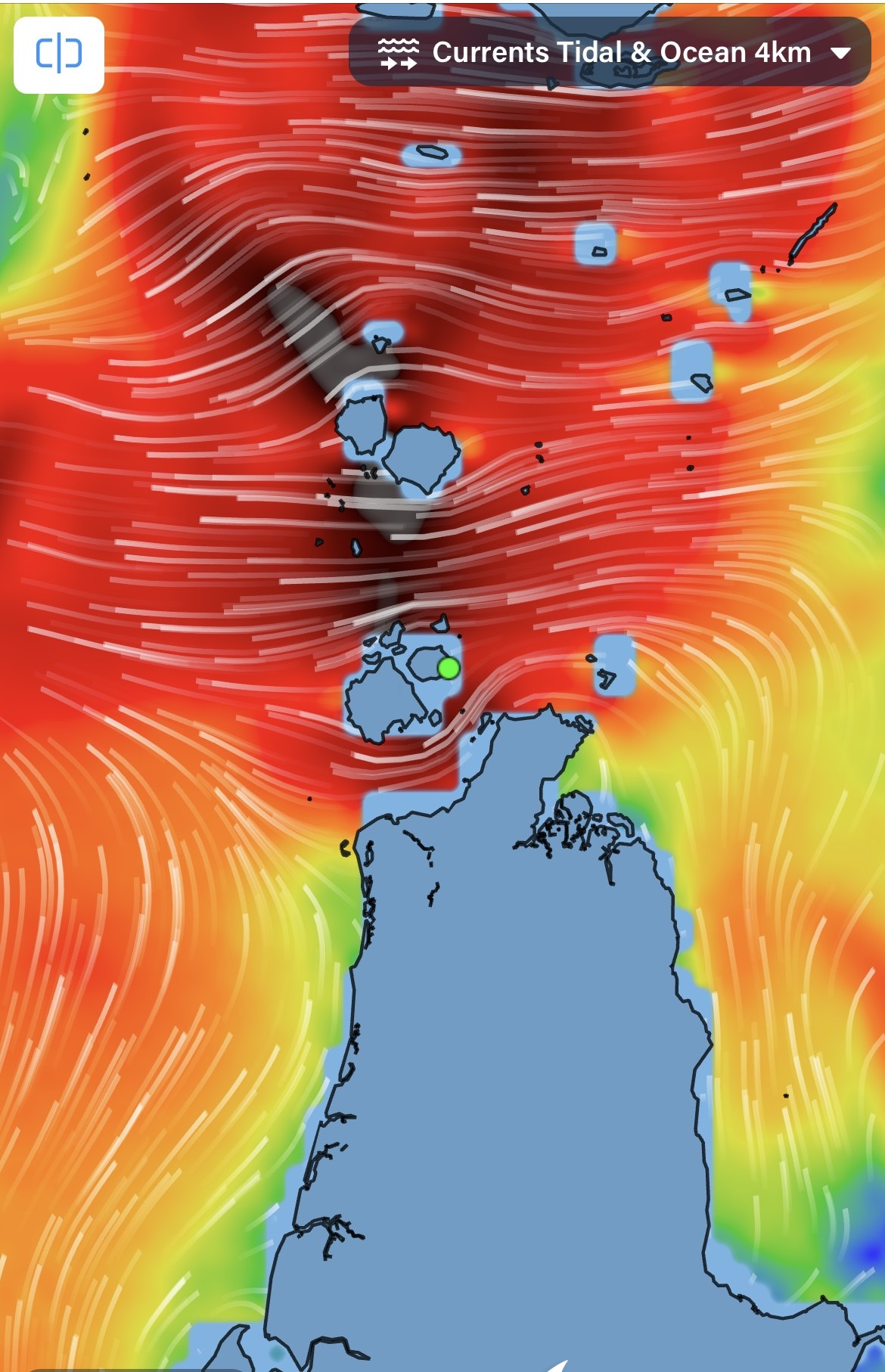
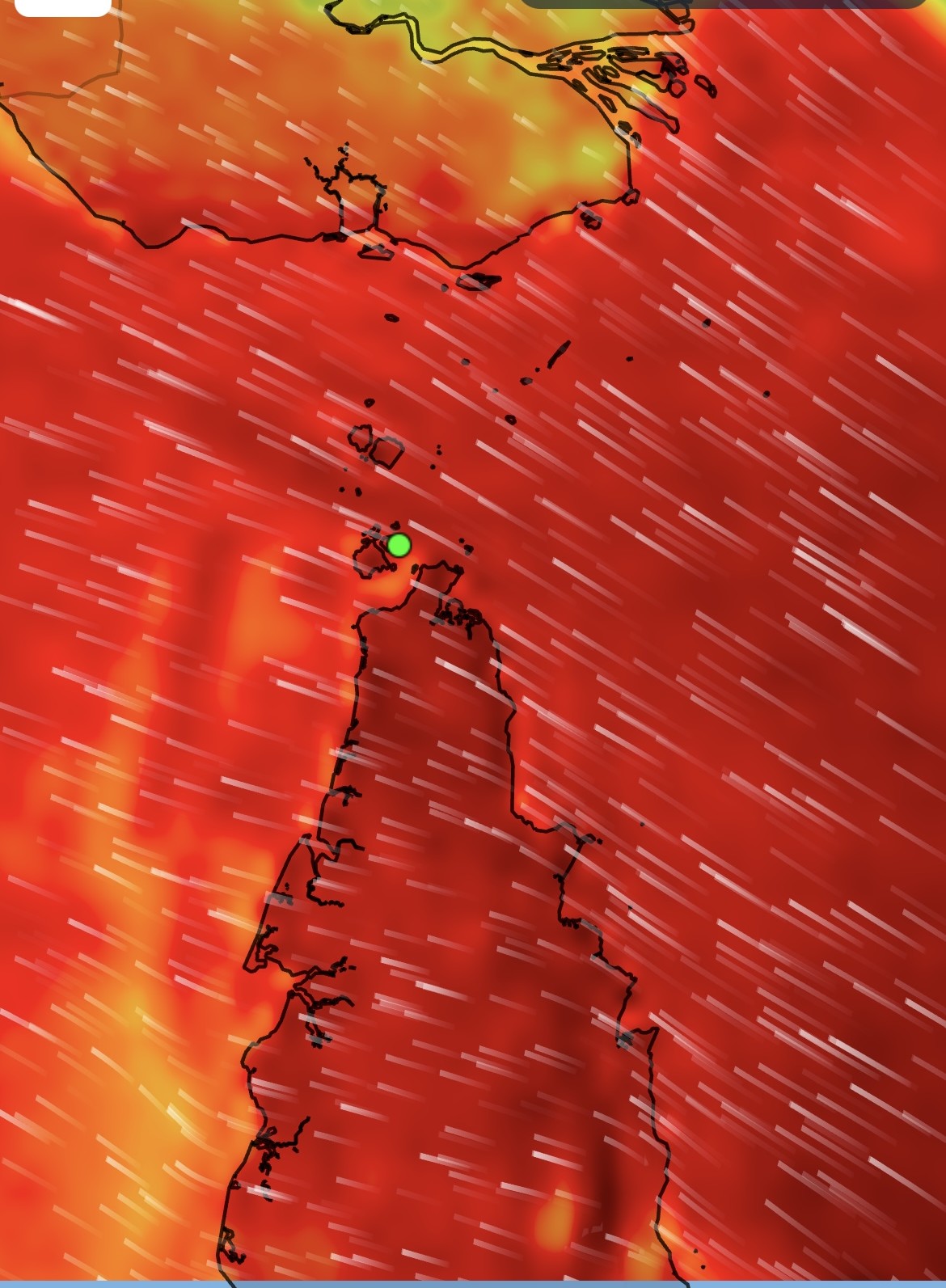
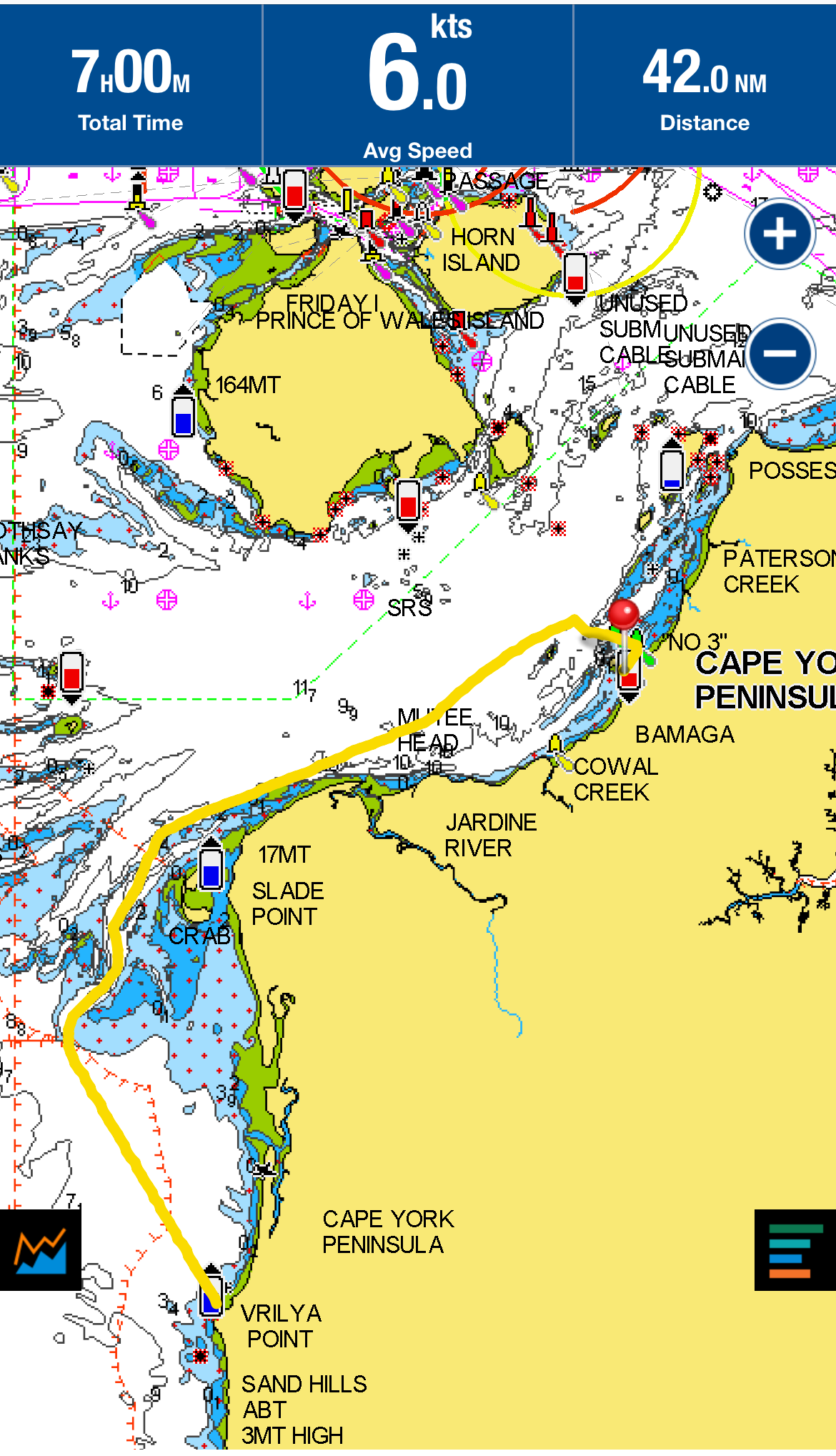
Late in the evening of 8th October, we made it to the other side of the Gulf, though further South than our goal of Seisia, as we hadn’t been able to make the wind angle. We anchored off Vrilya Point, for the night, and waited for the powerful current to switch in our favour. At dawn we weighed anchor and sailed the final approach to Seisia. We were a bit battered but immensely relieved that we’d never have to cross the Gulf again.
Seisia and beyond, October 2024
Seisia, the most northerly mainland community in Australia has a population of 250-ish, most of whom identify as Torres Strait Islanders. Torres Strait Islanders are culturally and ethnically distinct from Aboriginal Australians, with closer ties to the people of Papua New Guinea. The community in Seisia was established in 1948 by a family from Saibai Island in the Torres Strait, after their home was devastated by abnormally high tides and their water supply became contaminated.
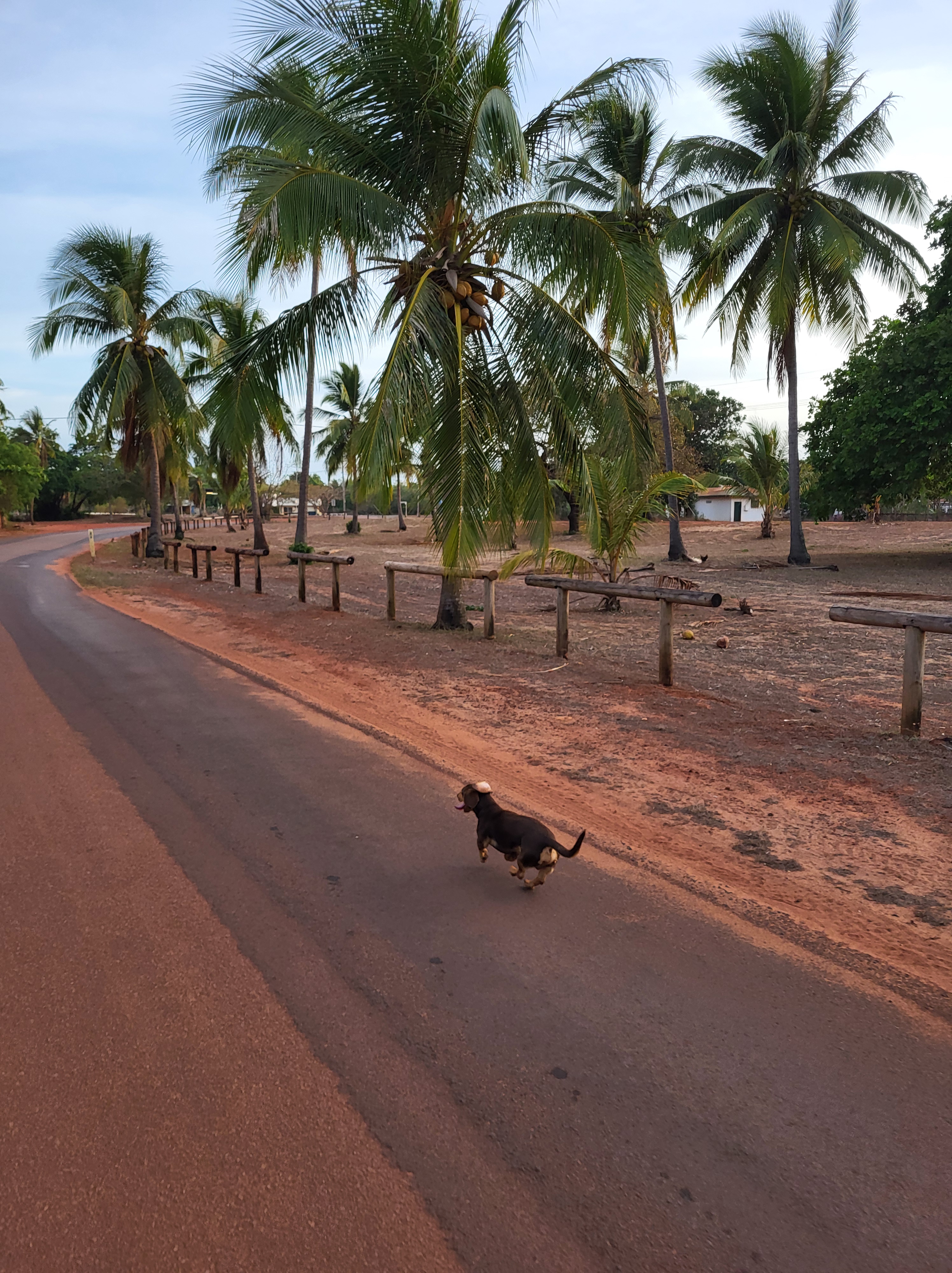
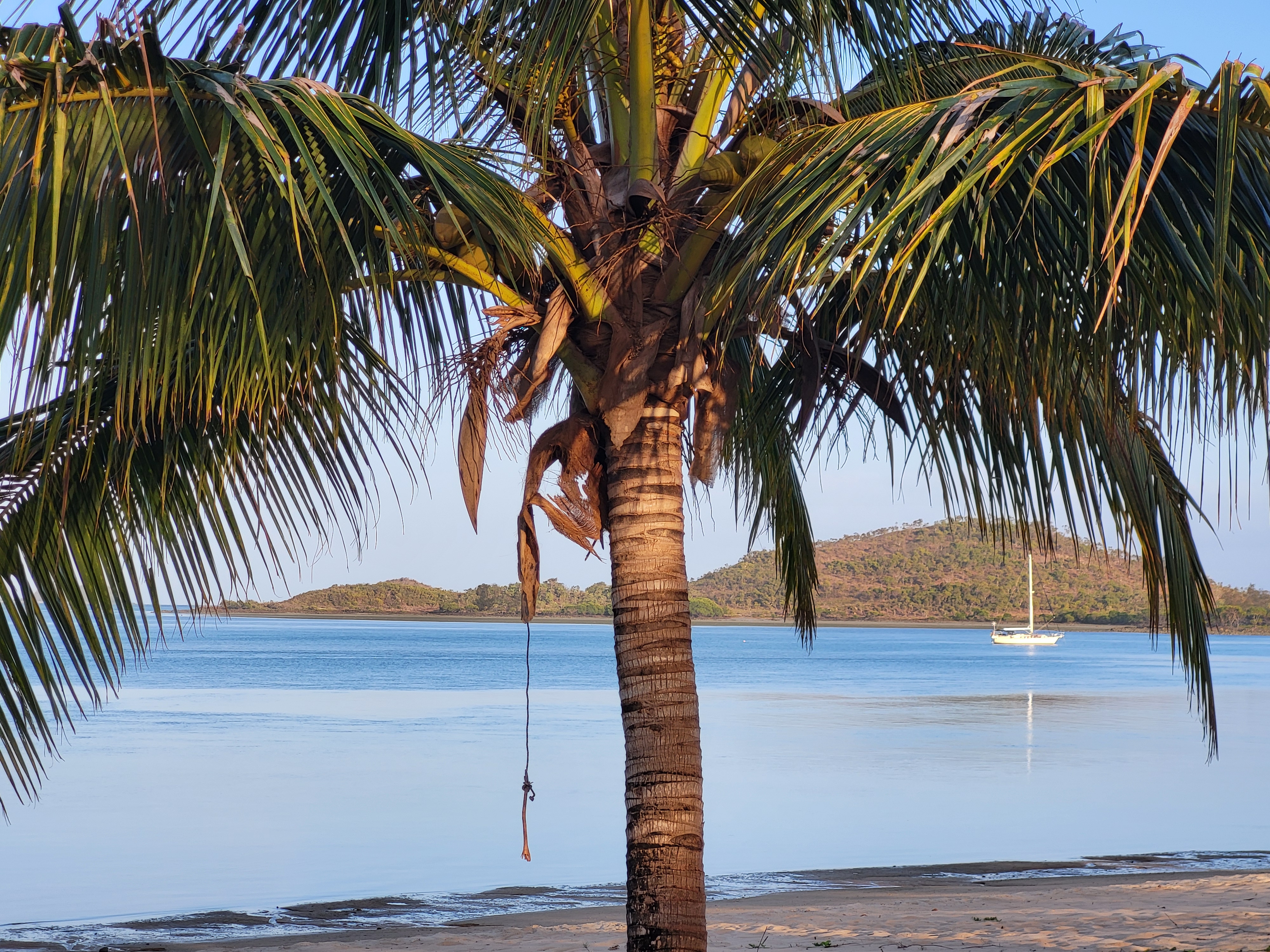
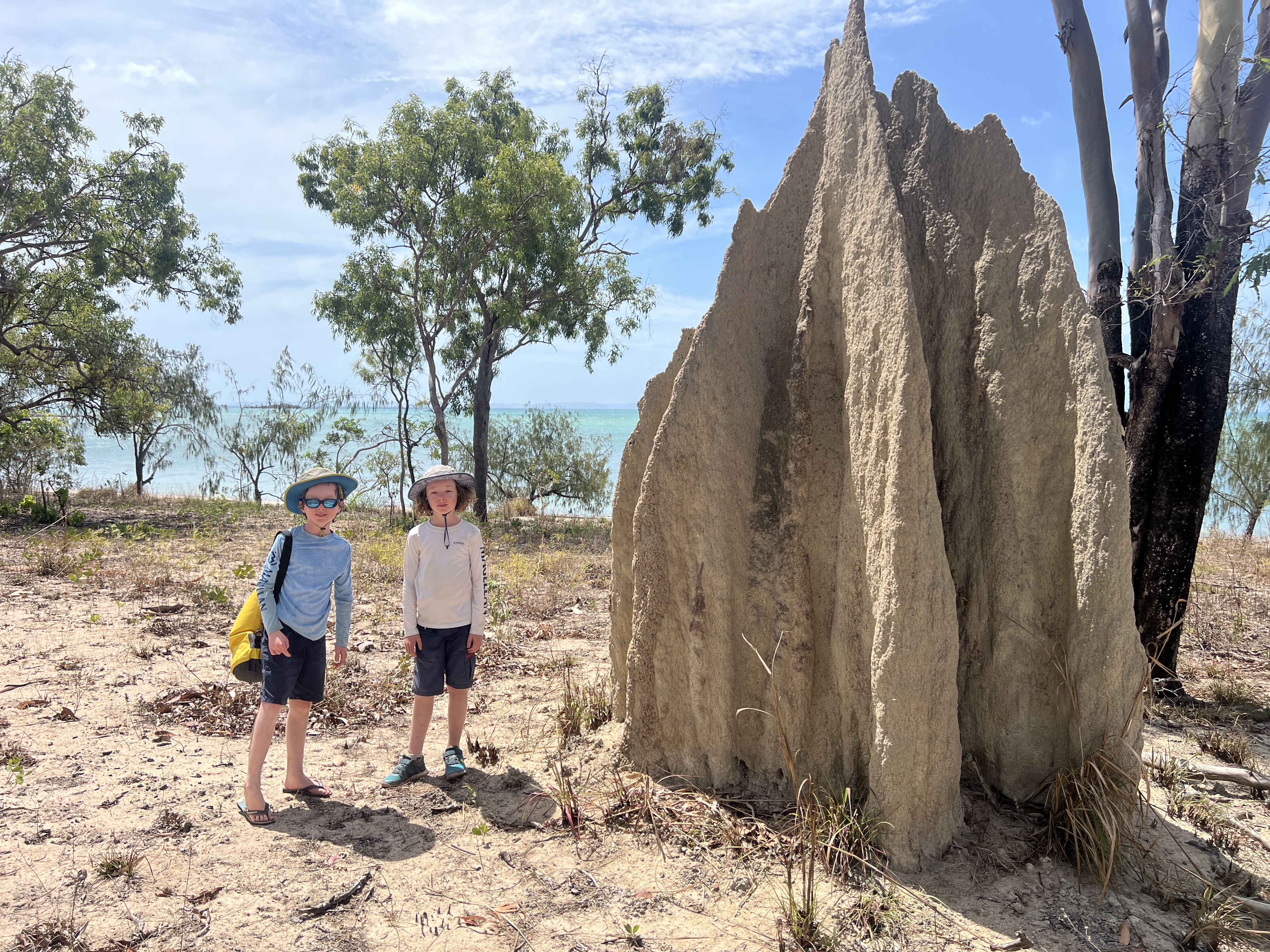
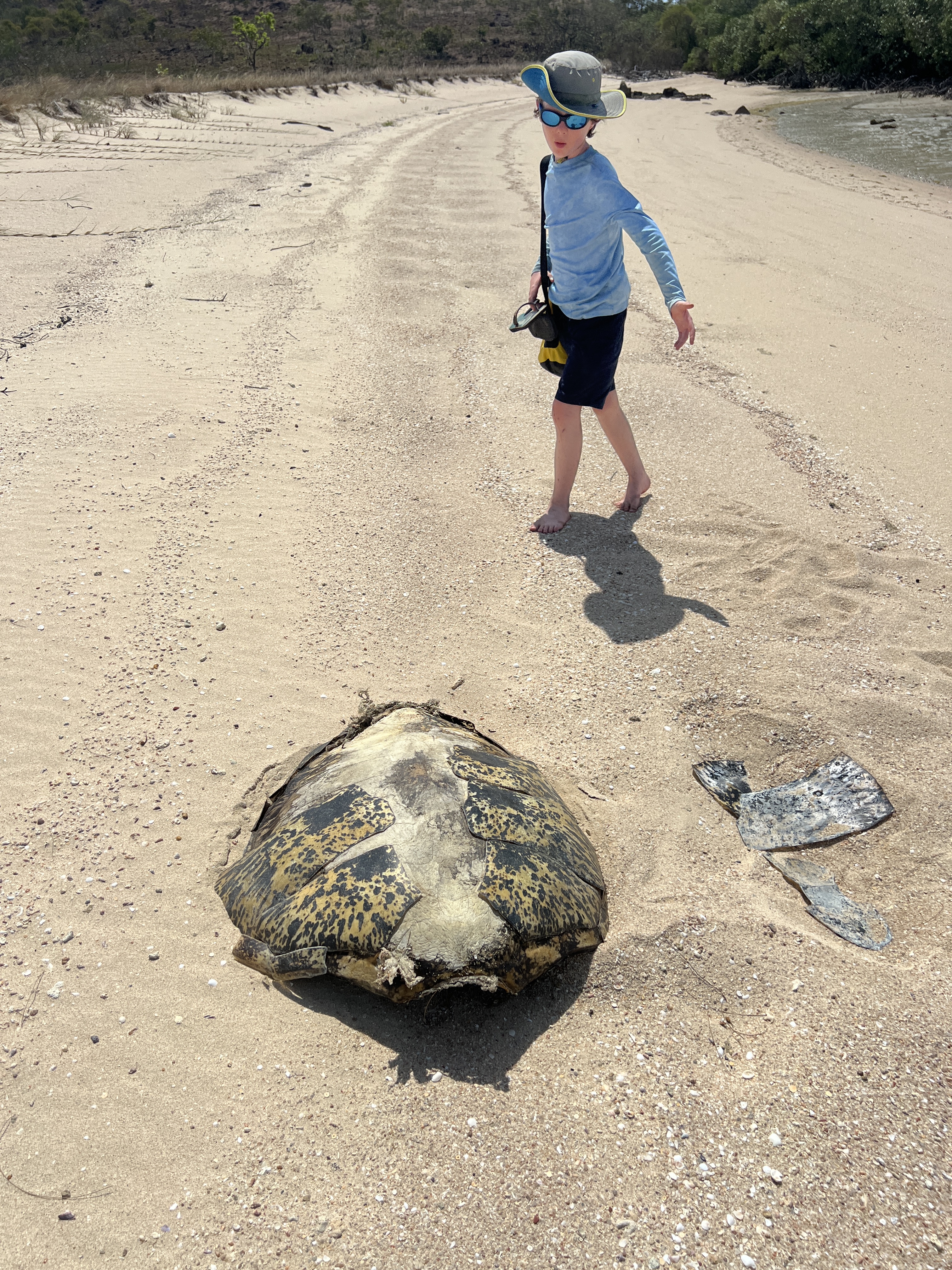
Today, the community consists of a campsite, a petrol station, a small grocery store, a wharf and a monument to a man who was eaten by a crocodile.

We spent 4 days amongst this community while waiting for a let up in the trade winds. We mostly foraged for coconuts, refueled, had some pre-dawn runs, and got acquainted with the local hounds.
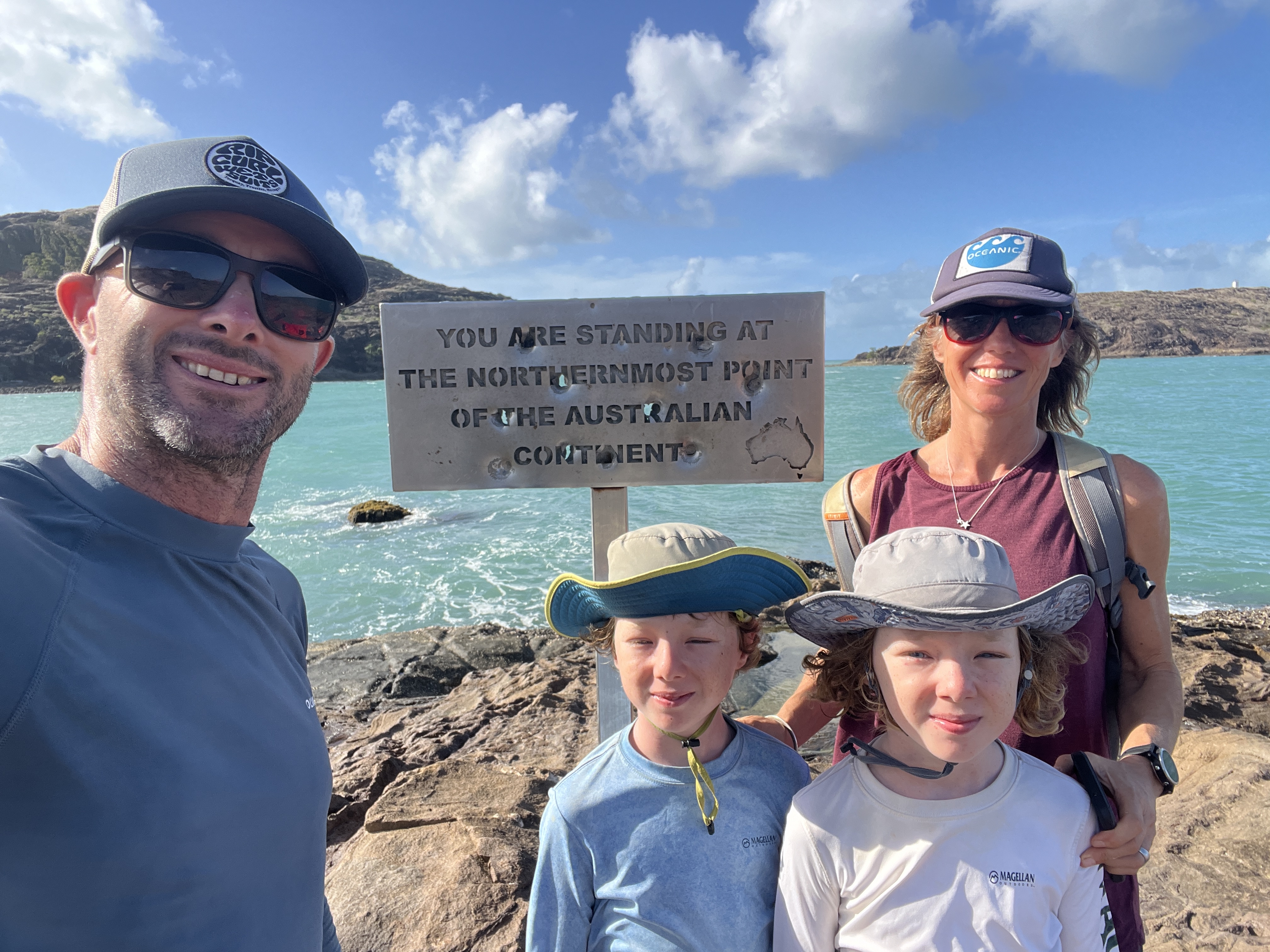

From Seisia we headed North and rounded the tip of the peninsula, anchoring briefly at Cape York, and running ashore to photograph the bullet hole riddled sign that marks the northernmost point on the Australian continent. Back aboard we pushed on to Shallow Bay in Albany Pass and waited until midnight when the current was set to turn in our favour. The passage southwards was pretty brutal, again sailing in to the full force of the trades. After 24 hours we stopped in Margaret Bay just for a moment’s respite from the violent motion, and to be able to make pancakes to cheer up the crew before heading out again. The following morning, we anchored briefly off Portland Road where we got a few hours sleep, before anchoring for the night in the appropriately named Night Island anchorage. 24 hours later we arrived at Flinders Island where we went ashore to visit some of the world’s oldest cave art.
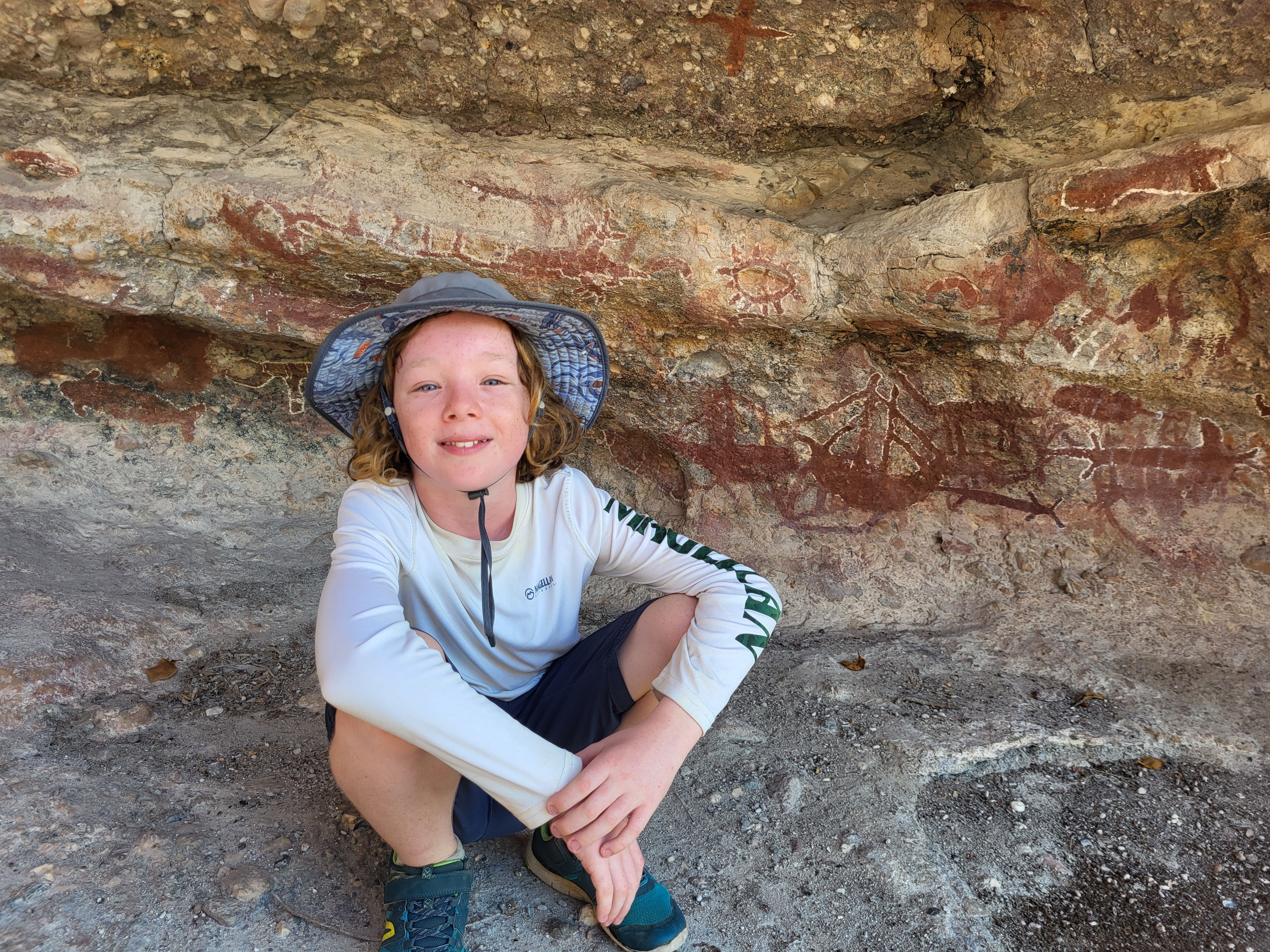
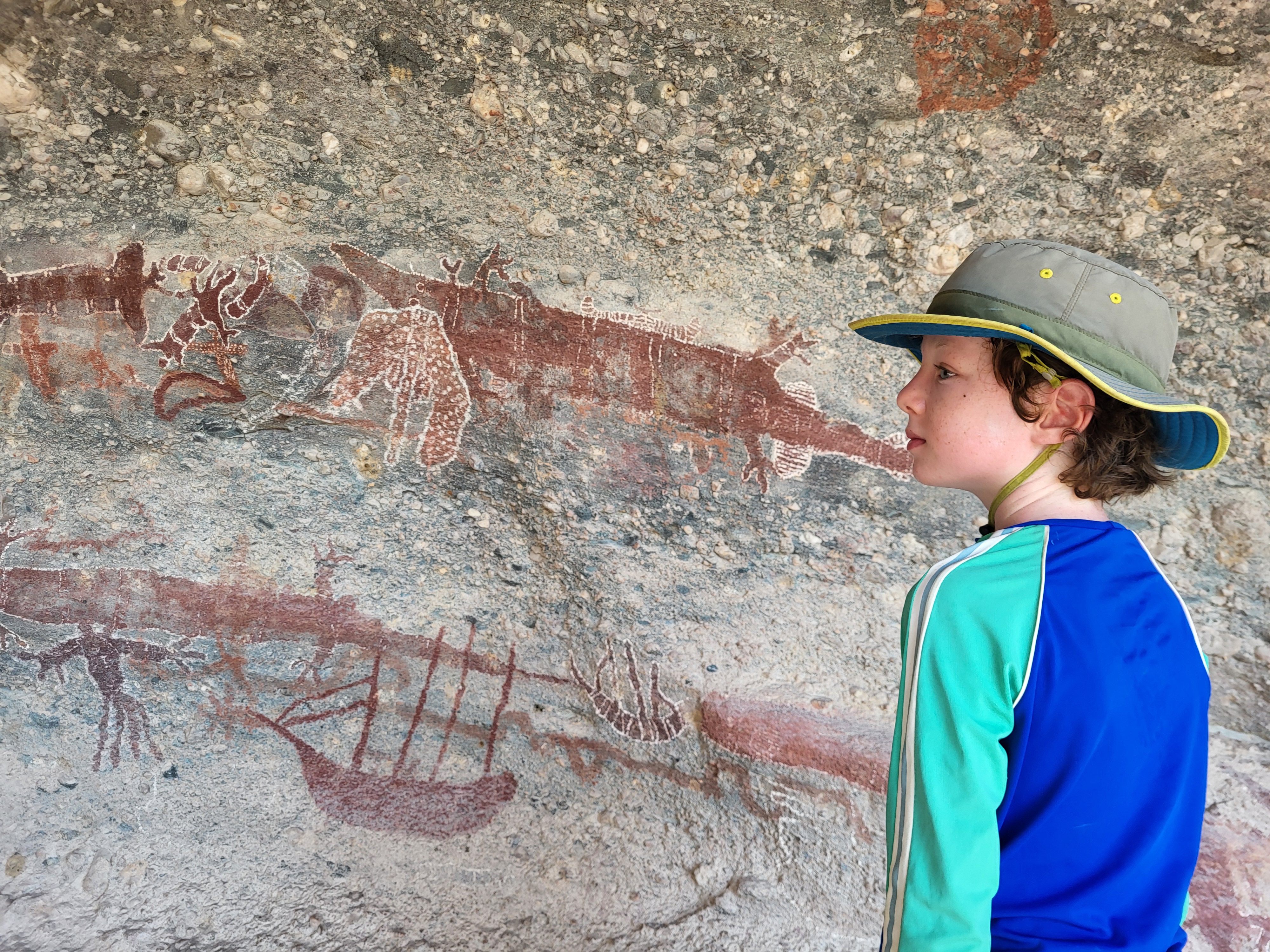
The following morning, we weighed anchor pre-dawn in order to make the most of a temporary lull in the wind to clear Cape Melville. Conditions were pretty dreadful, but morale aboard was beginning to improve as we neared the end of the worst of this crazy passage. We spent a further night anchored behind Noble Island, where we saw the first other yacht since Darwin (sensibly they were sailing in the opposite direction, with the trades behind them). 30-odd hours later we arrived in Cairns where we refueled, showered, and ate pizza before heading out to sea again that evening, conscious of the looming cyclone season and our need to get south.
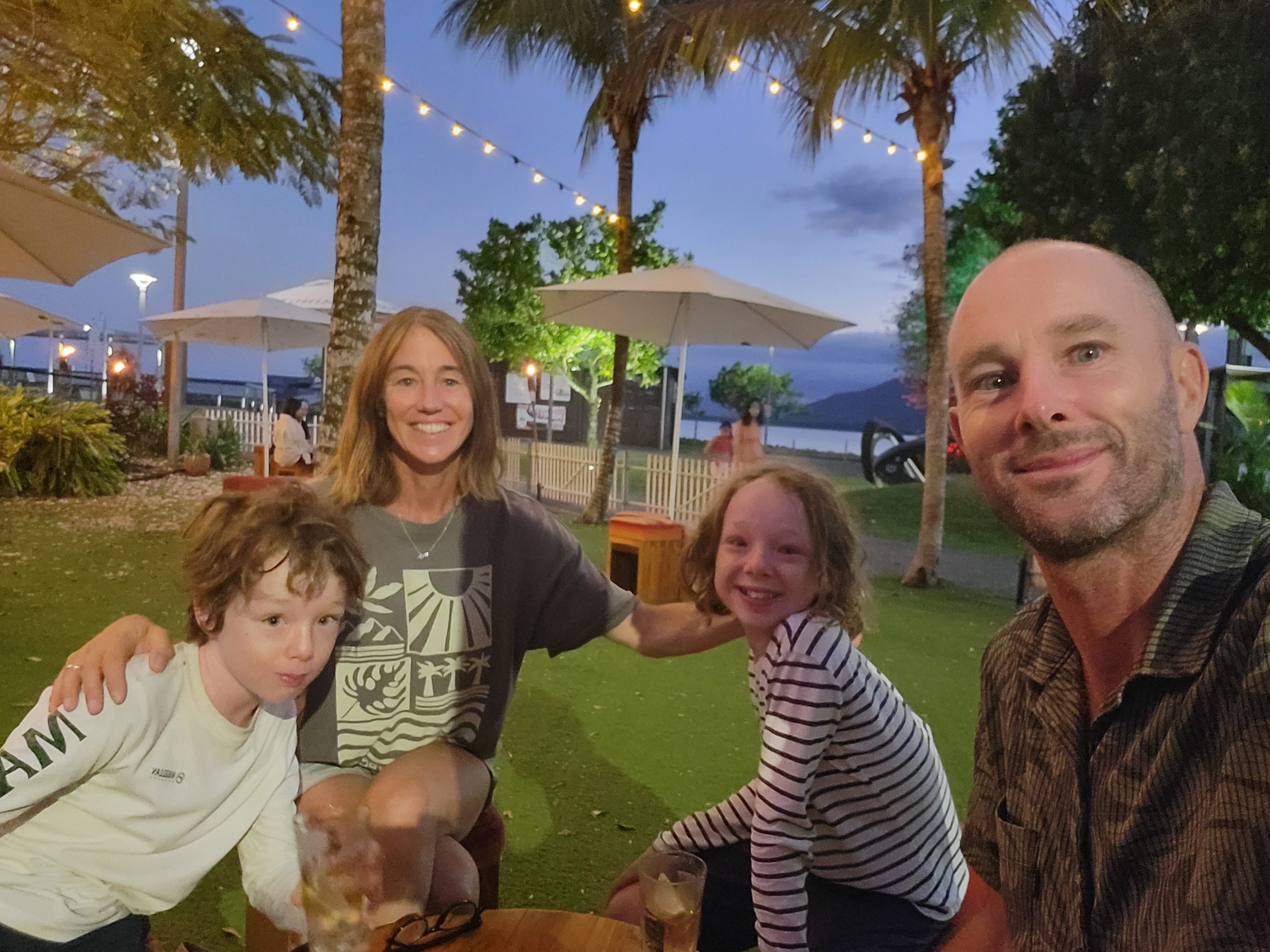
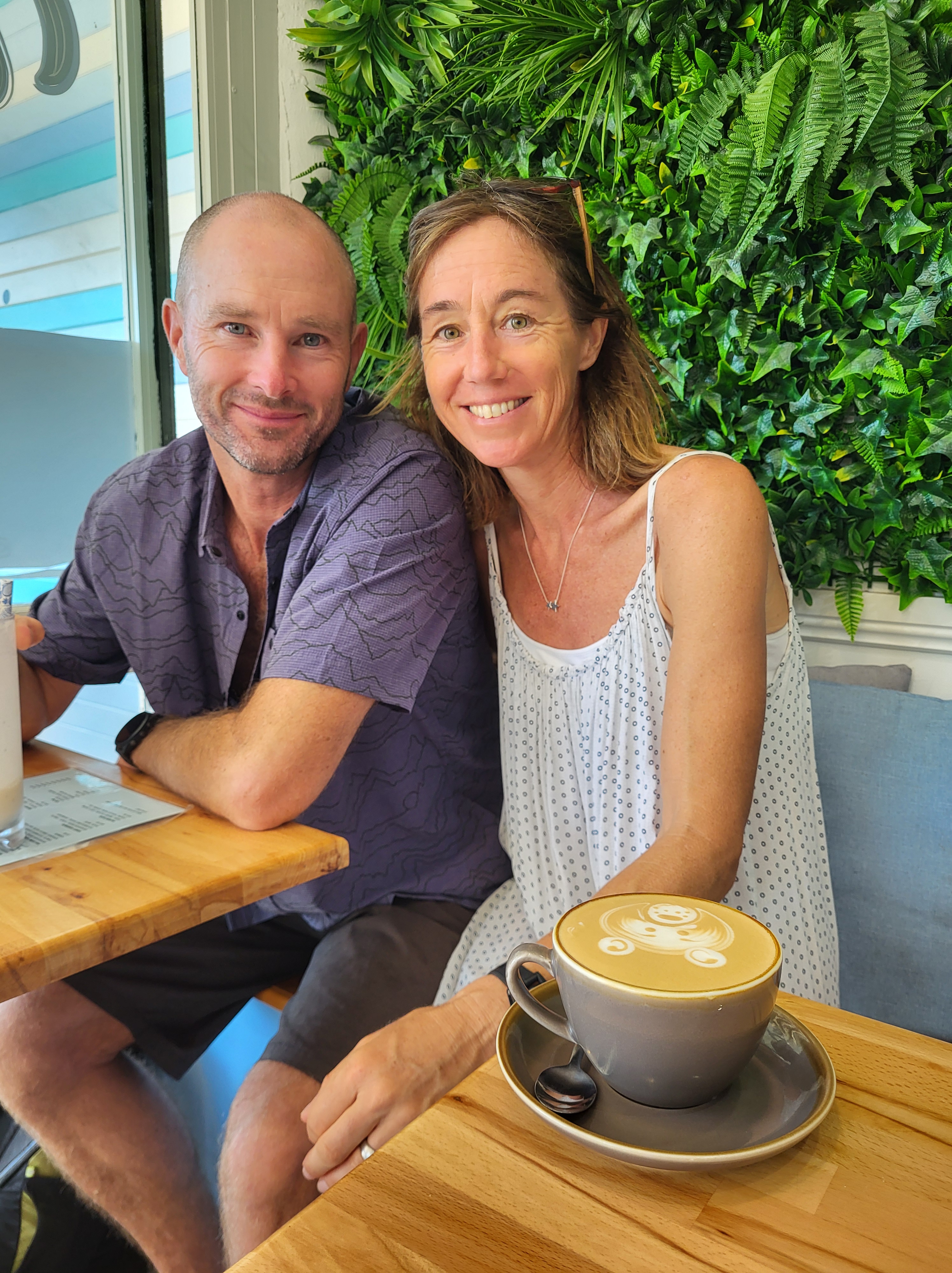
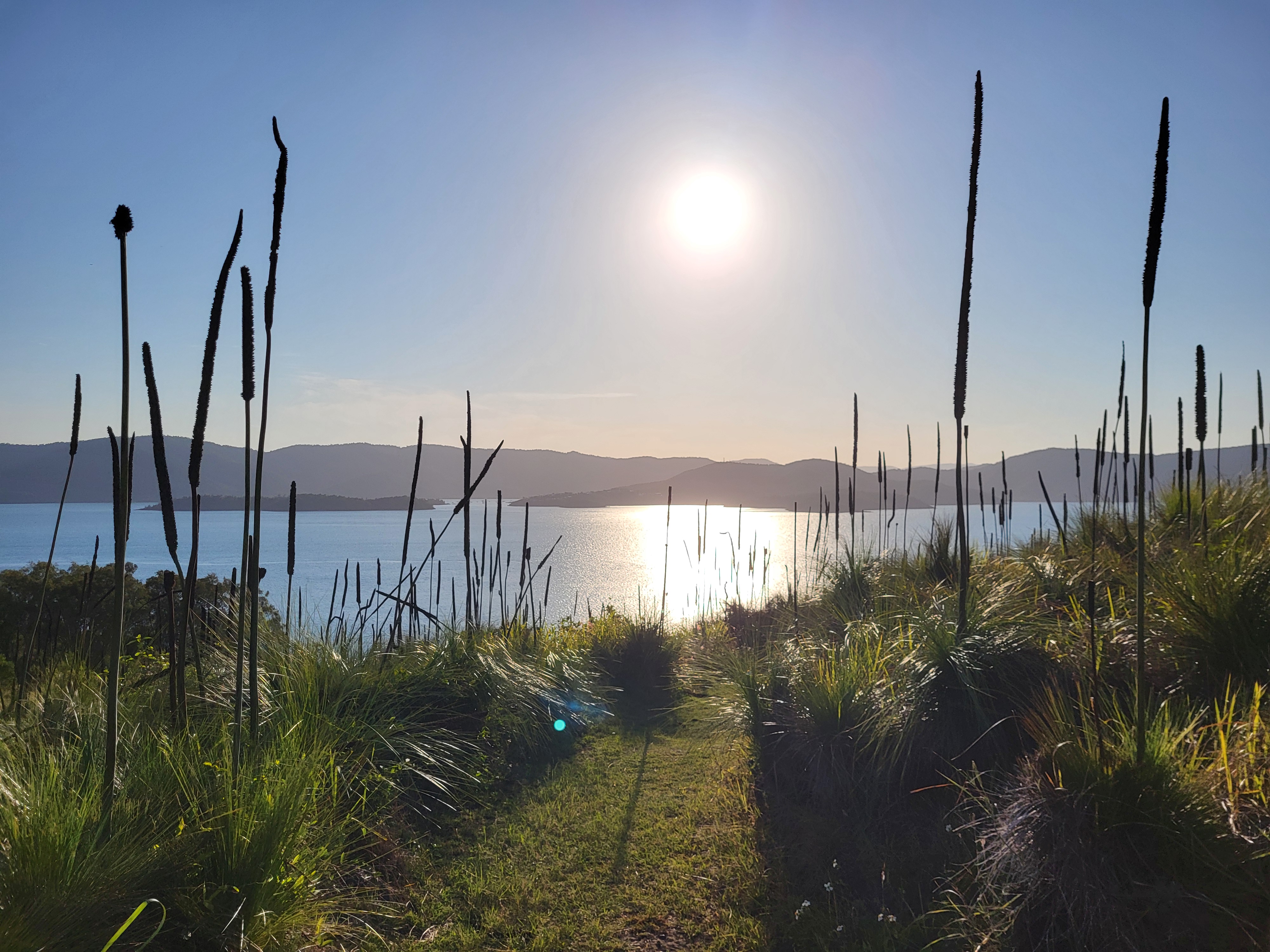
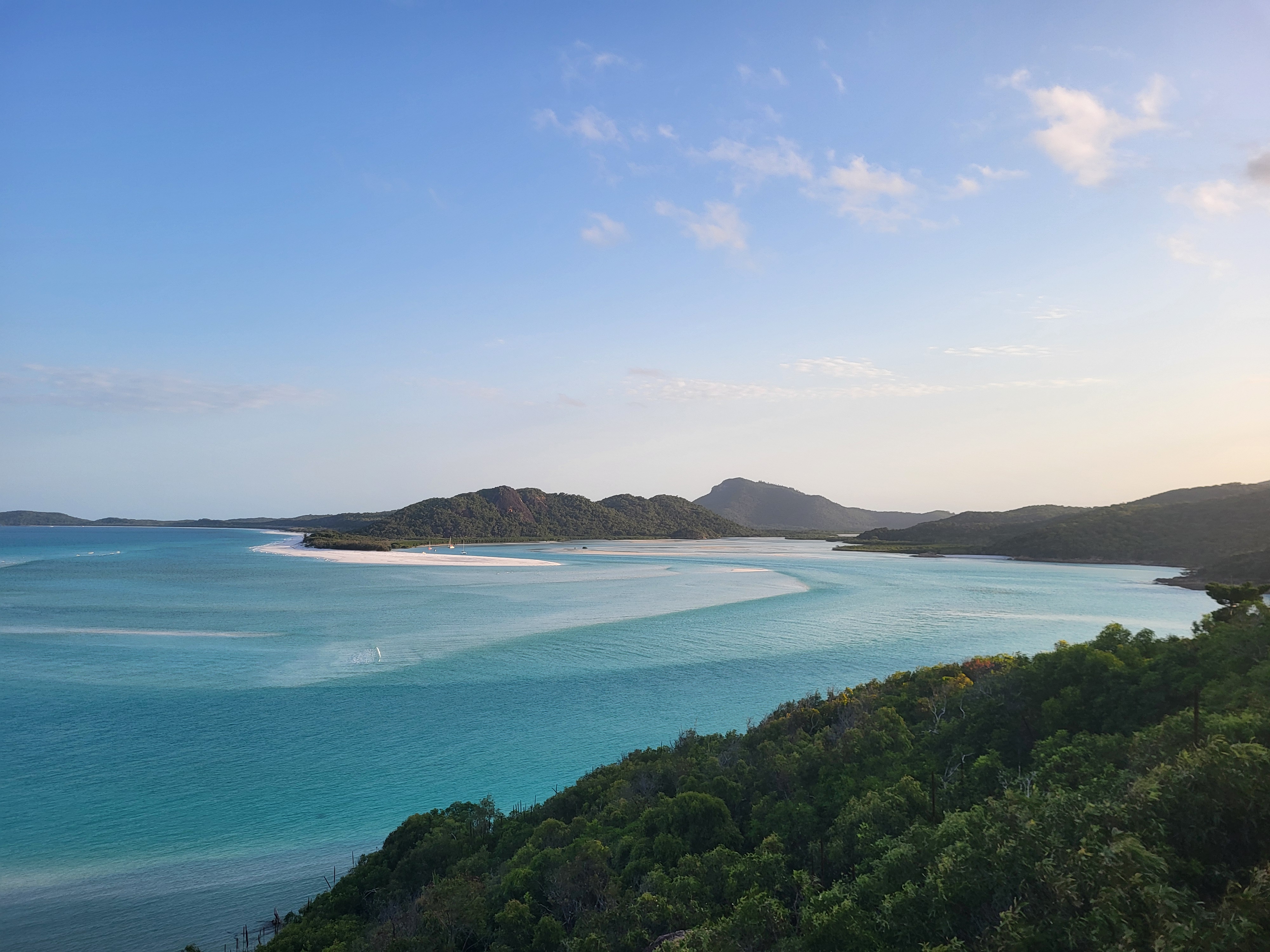
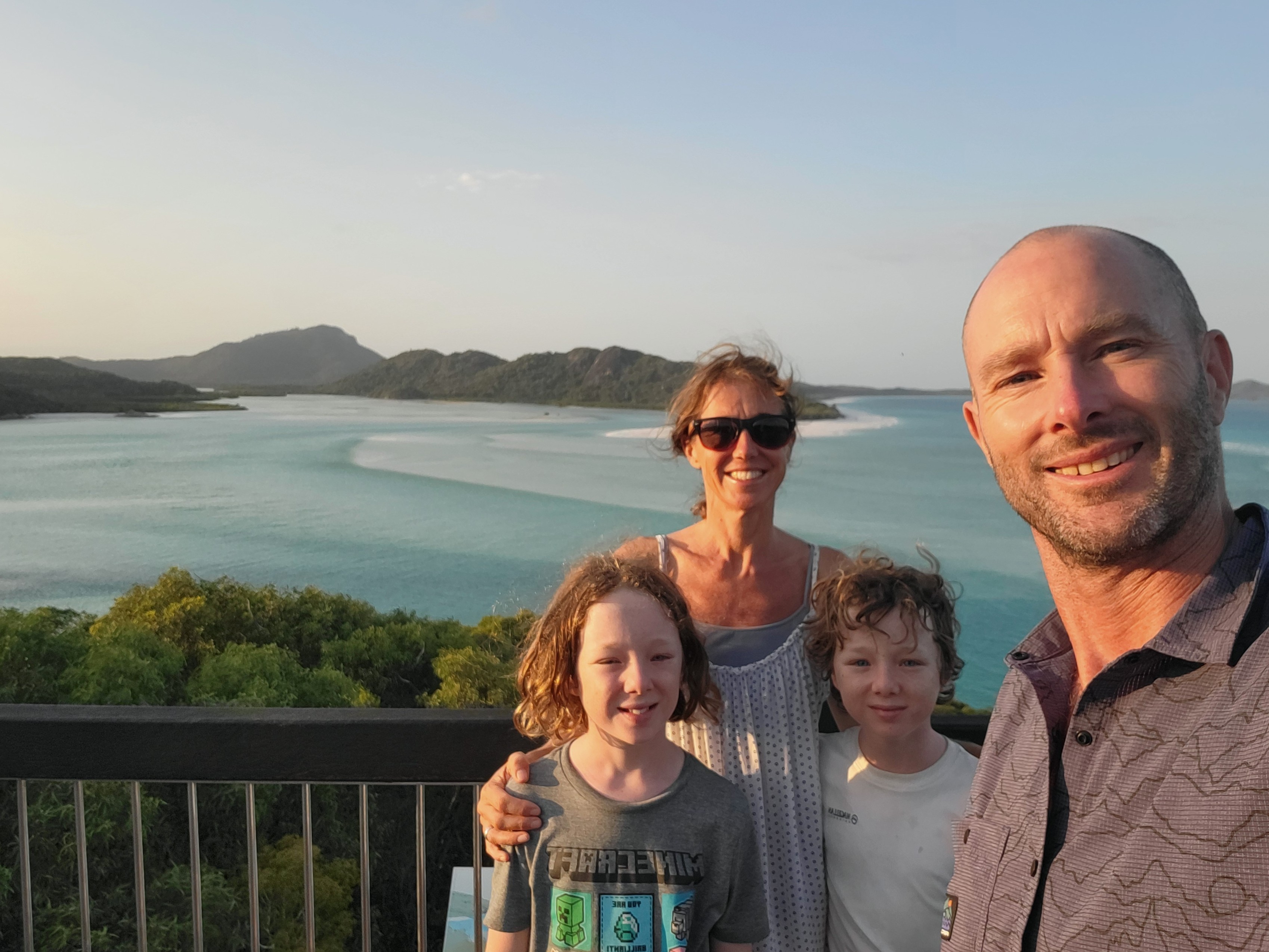
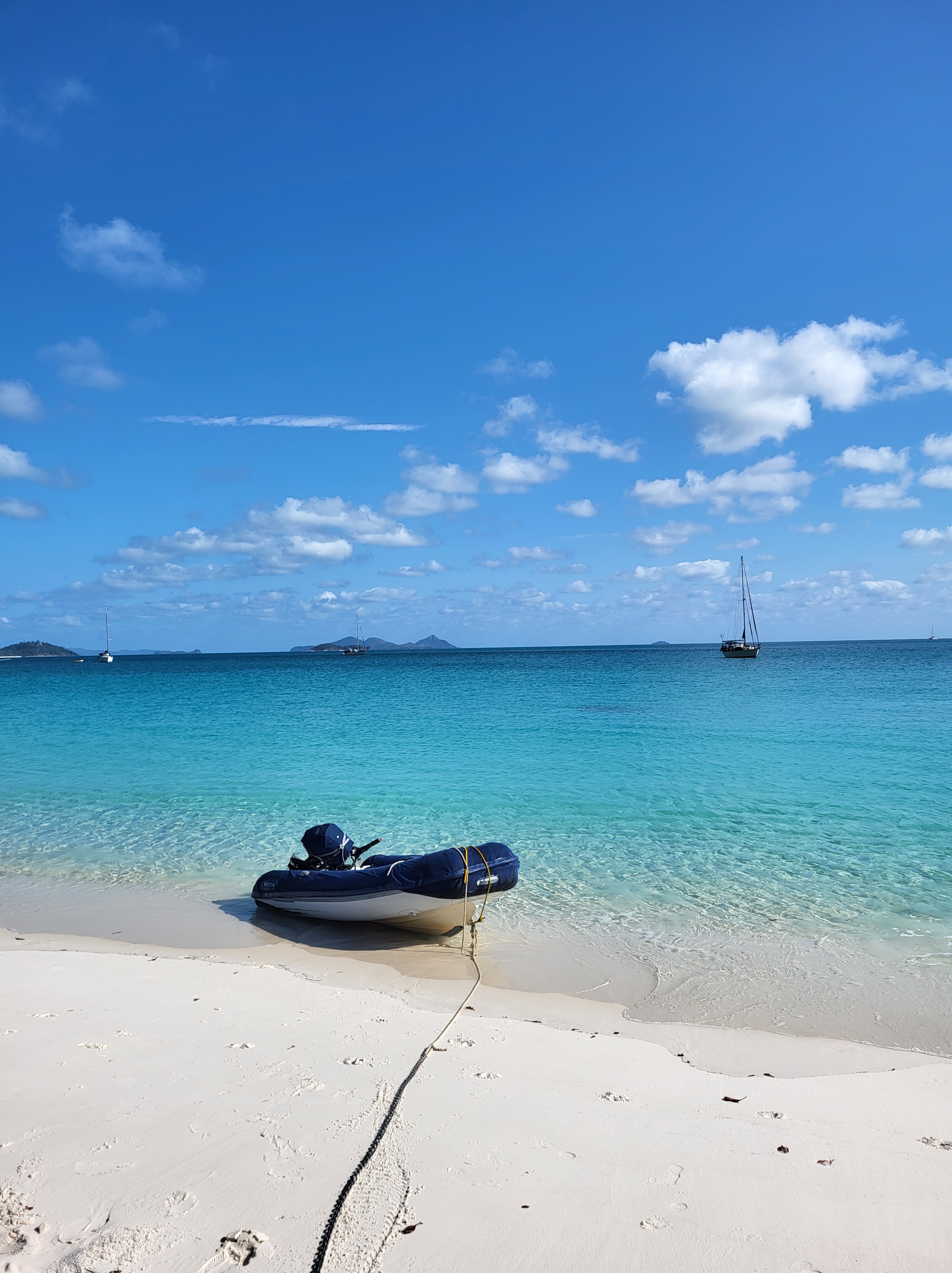
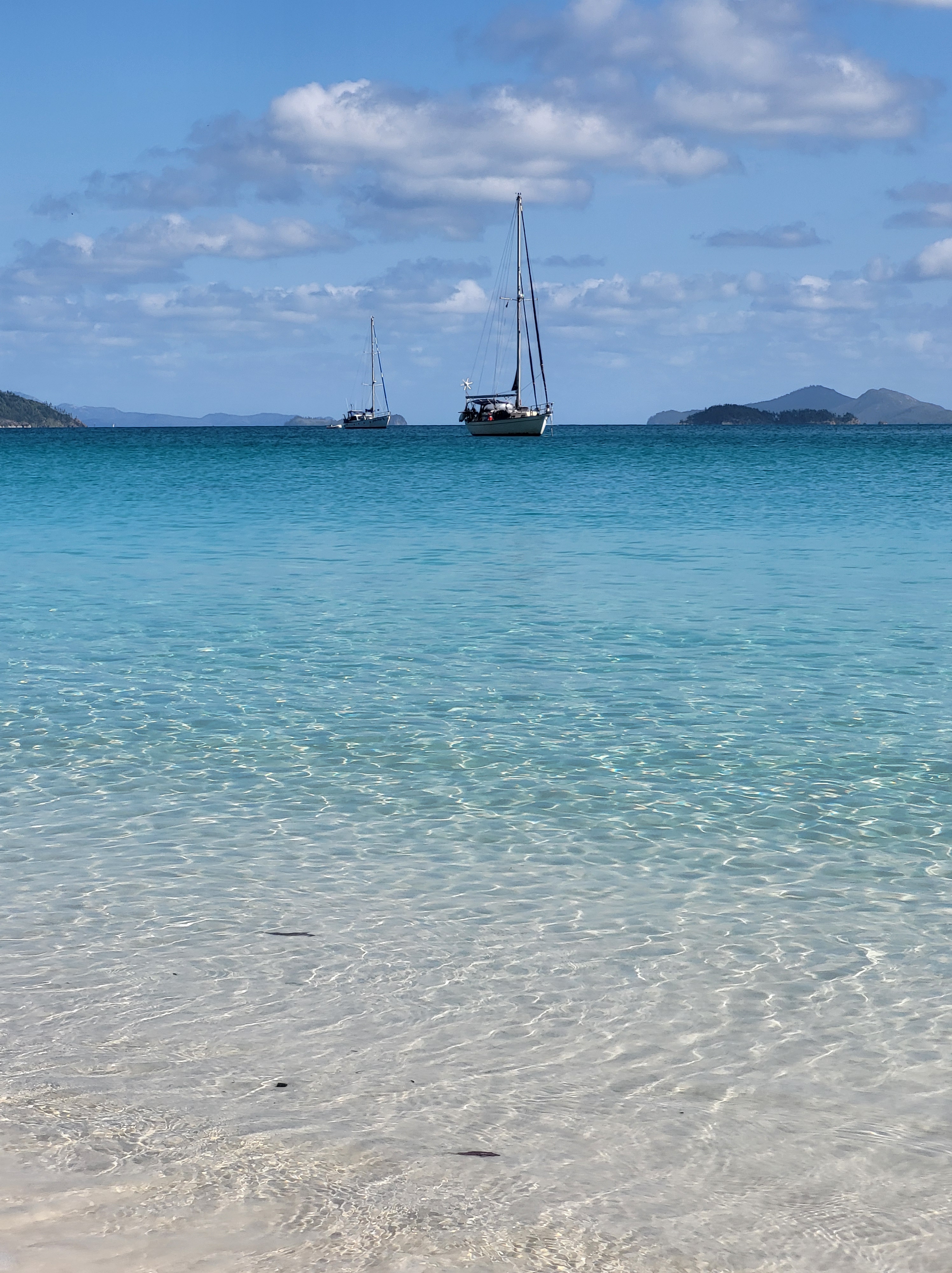
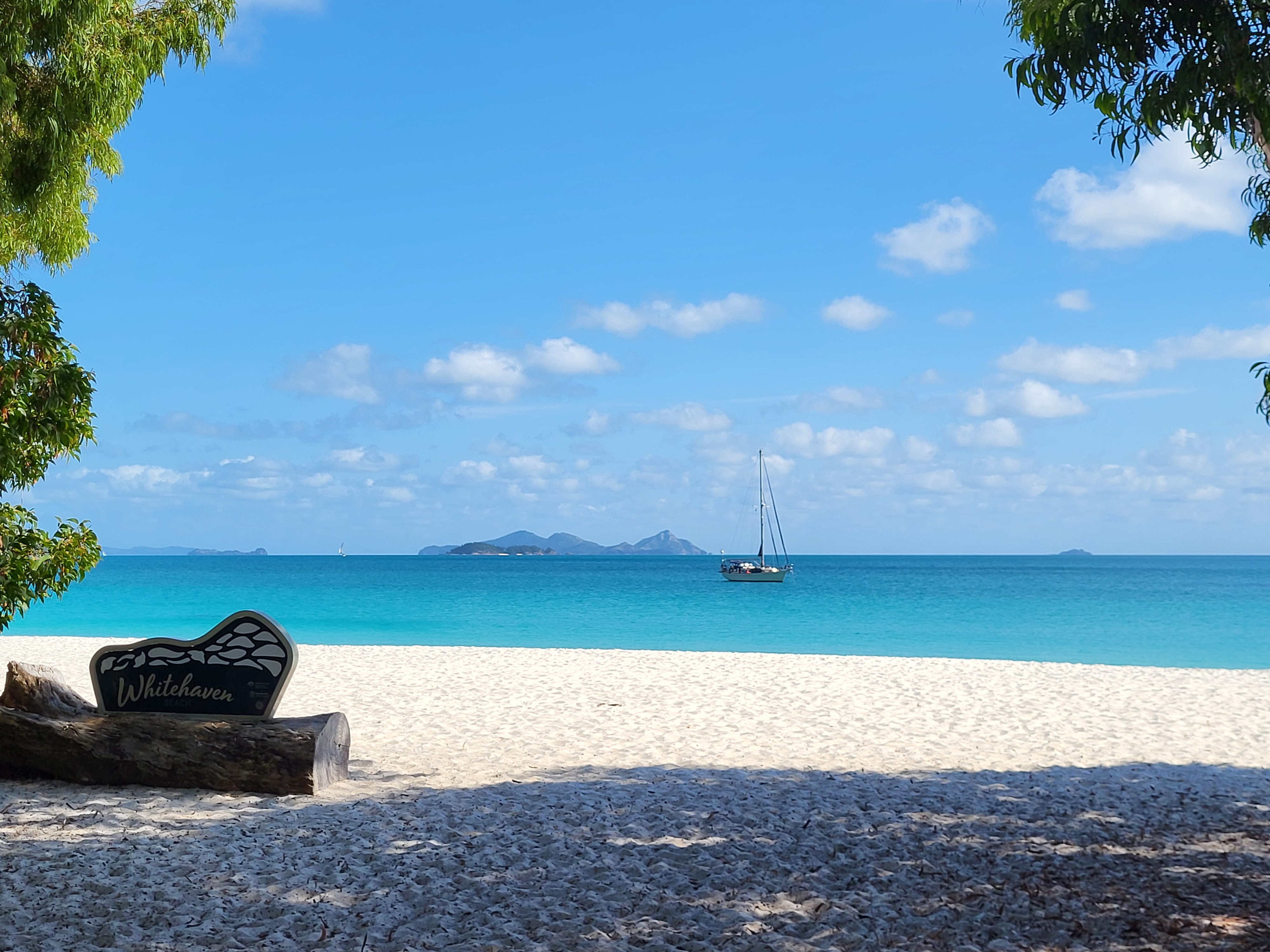
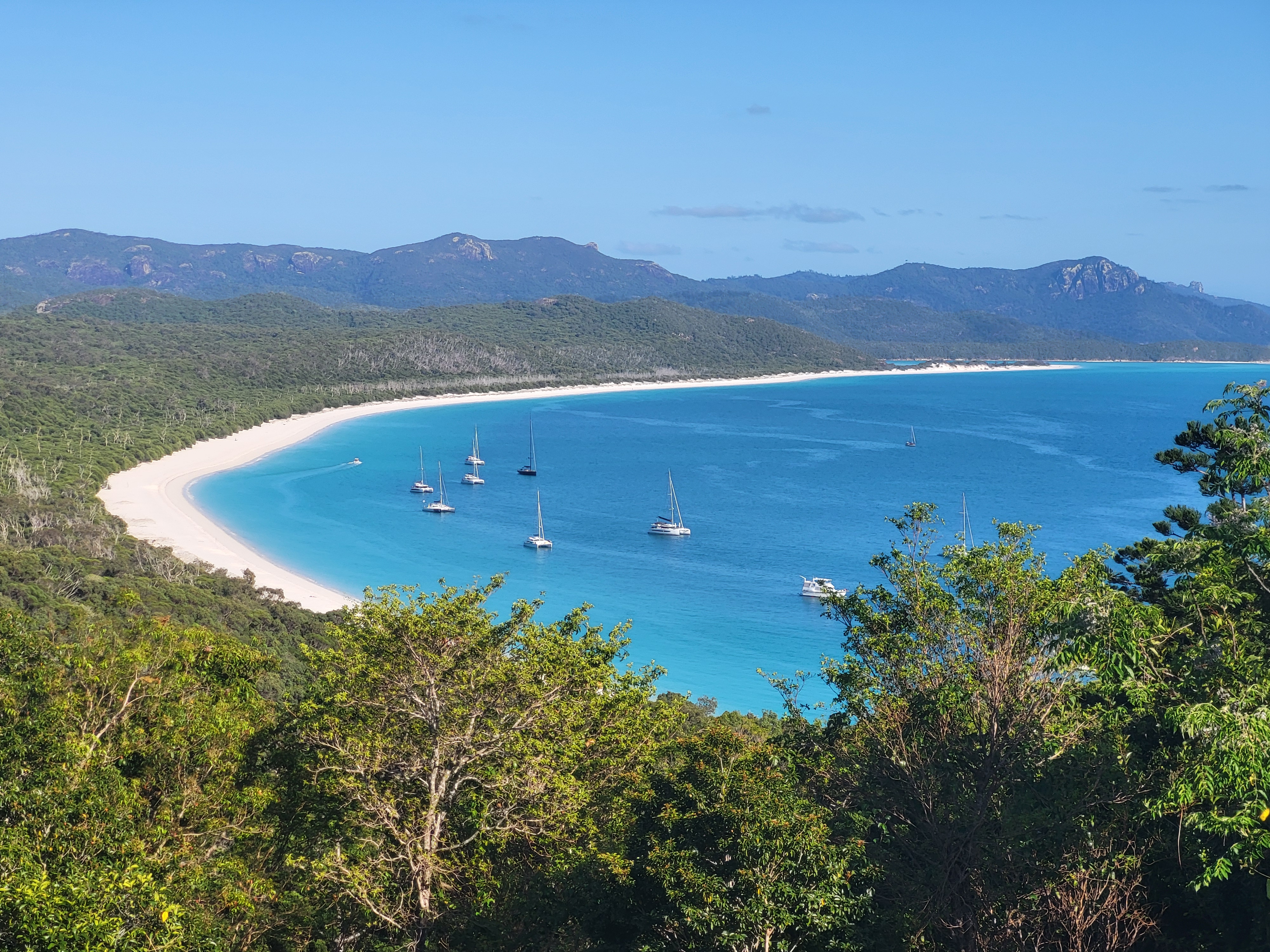
Two days later we arrived back in the Whitsundays where for a week the wind conspired against us halting further progress southwards. There are certainly worse places to be ‘stuck’ than the Whitsundays. Here, we dug out our trainers, dived, drank fancy coffees, Parkran, caught up with some ‘school’, met up with the boys’ friend Benji, and just enjoyed being stationary.

 Sailing Mowzer